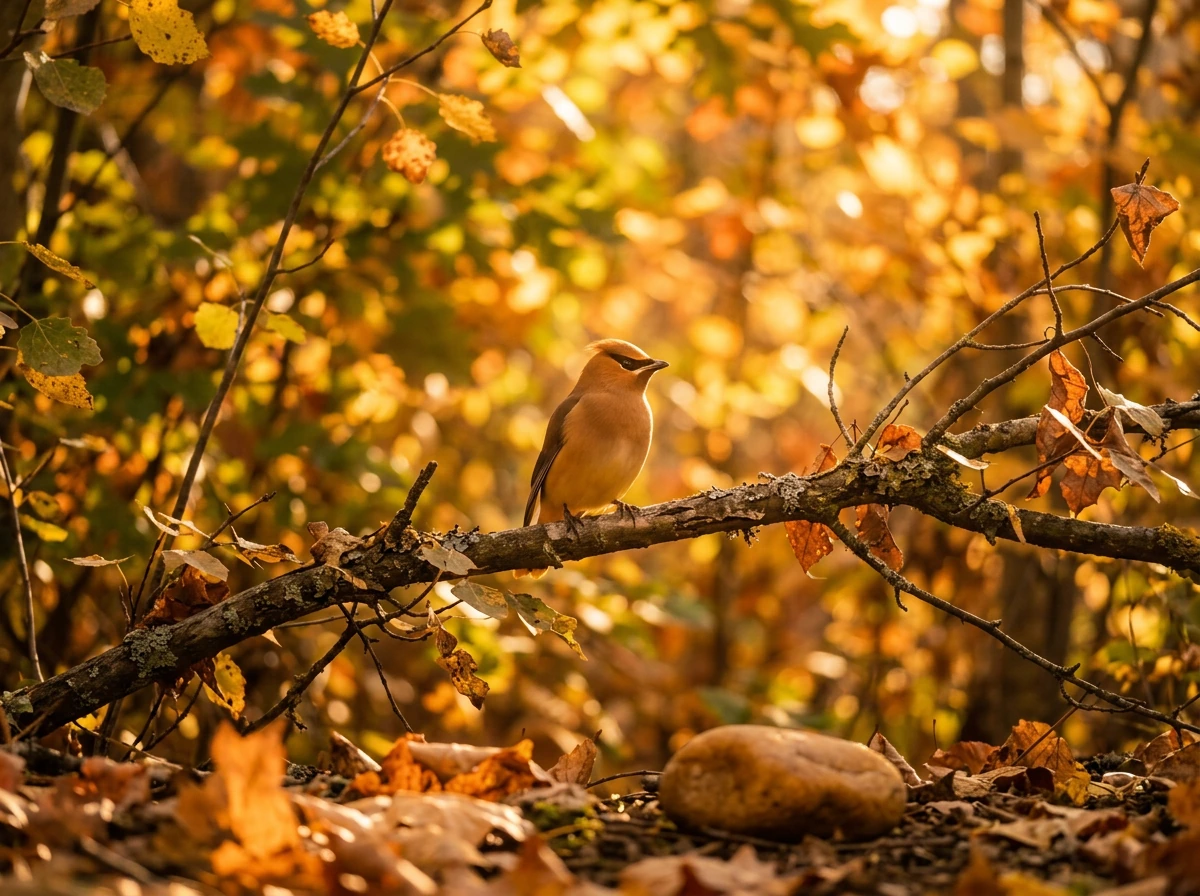
In English, a bulbul is a songbird belonging to the family Pycnonotidae, a group of roughly 140 species spread across Africa, the Middle East, and tropical Asia. BirdGuides’ IOC-backed Pycnonotidae species guide likewise notes that the family is distributed across Africa, the Middle East, and southern Asia, and it contrasts habitat tendencies across regions Pycnonotidae are distributed across Africa, the Middle East, and southern Asia. The word itself is a loanword from Persian (and before that, Arabic), and it has been used in English since at least 1665. If you searched for "mor bird meaning in English" and landed here, there is a good chance you meant bulbul, but "mor" is actually the Hindi and Urdu word for peacock, so those are two completely different birds. This article sorts all of that out and also covers what bulbul means beyond the dictionary: the symbolism, the poetry, and the figurative ways people actually use the word.
Bulbul Bird Meaning in English and Mor Bird Variant

What bulbul literally means in English
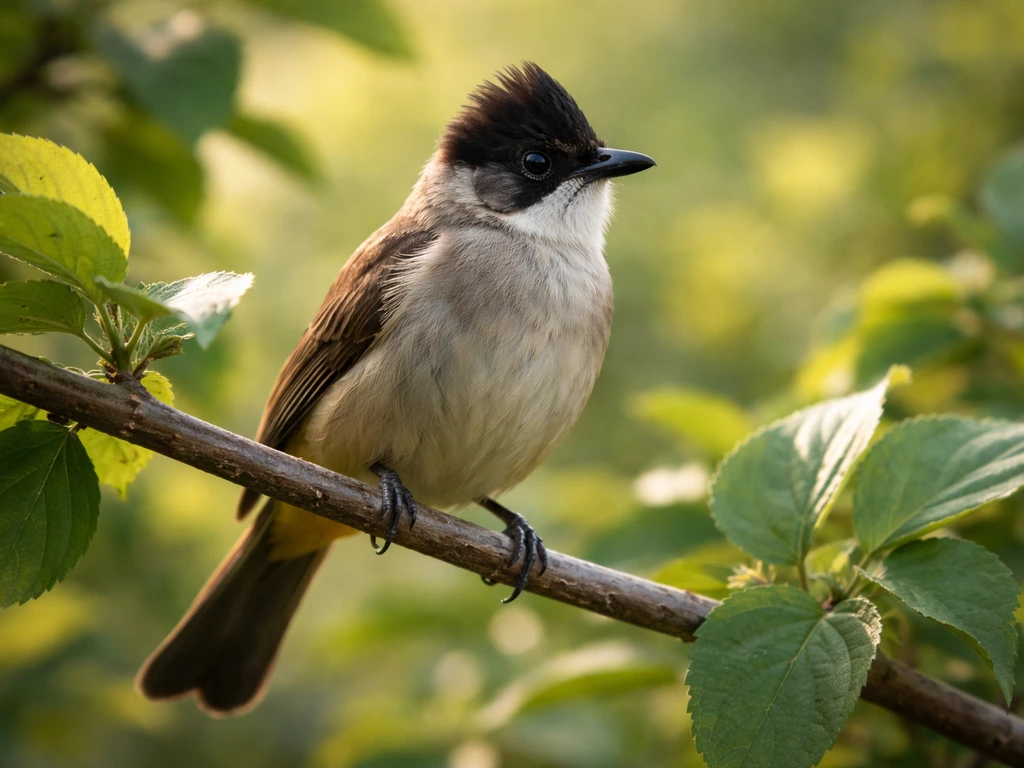
Merriam-Webster gives two related senses for bulbul. The first is the bird that shows up constantly in Persian poetry, which is most likely the nightingale (Luscinia megarhynchos). The second is the broader, more scientific sense: any member of the family Pycnonotidae, the Old World passerine songbirds found across Africa and Asia. Both senses are real and both are in active use, which is part of why the word can feel slippery.
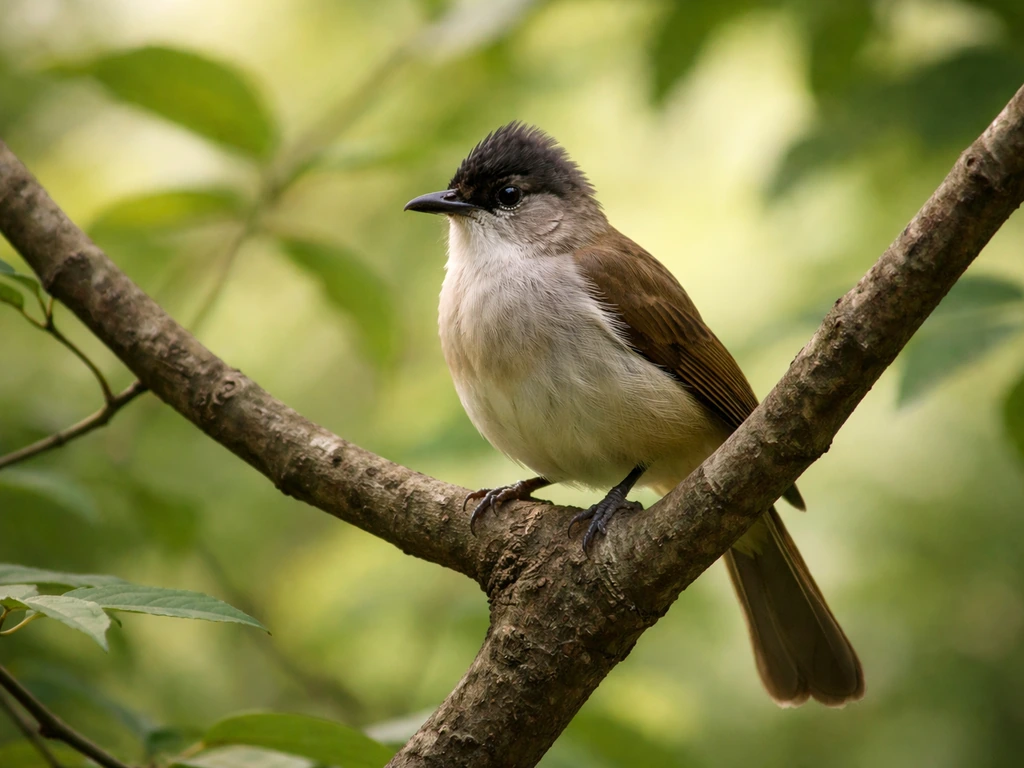
As a family, bulbuls are medium-sized birds, typically 14 to 28 centimetres long. The African bulbul (Pycnonotus barbatus) comes in around 18 cm, which gives you a rough idea of scale. They are gregarious, meaning they tend to live and move in groups, and they are defined above all by their voices. Asian species tend to favour open areas, forest edges, and scrub, while African species lean toward primary rainforest. The family also includes birds marketed under other common names such as greenbuls, brownbuls, leafloves, and bristlebills, so you will sometimes encounter those names in field guides without any mention of the word bulbul at all.
Well-known species include the red-whiskered bulbul (Pycnonotus jocosus) and the red-vented bulbul, both of which turn up frequently in English-language birding literature. When an English text uses just the bare word "bulbul" without a qualifier, it almost always means a member of this family rather than one specific species.
How to say it, spell it, and not get confused
The spelling is simply bulbul, one word, no hyphen. Merriam-Webster breaks it as bul·bul and gives the US pronunciation as ˈbu̇l-ˌbu̇l, while the IPA form is /ˈbulbul/. Both syllables rhyme with "pull" rather than "bull" as in the animal, though you will hear variation. Cambridge has a dedicated pronunciation page for the word if you want to hear an audio model. The plural in English is bulbuls, straightforward and regular.
The word sometimes causes confusion because it sounds vaguely similar to other bird-related terms, and because it straddles two meanings (nightingale in Persian literary contexts vs. the Pycnonotidae family in scientific contexts). If you are reading a translated Persian poem and the word bulbul appears, it almost certainly means nightingale in feeling and imagery, even if a strict ornithologist would reserve that label for Luscinia megarhynchos. If you are reading a field guide or a birding article about Asia or Africa, it means a Pycnonotidae species. Context does most of the disambiguation work for you.
If you searched "mor bird meaning in English"
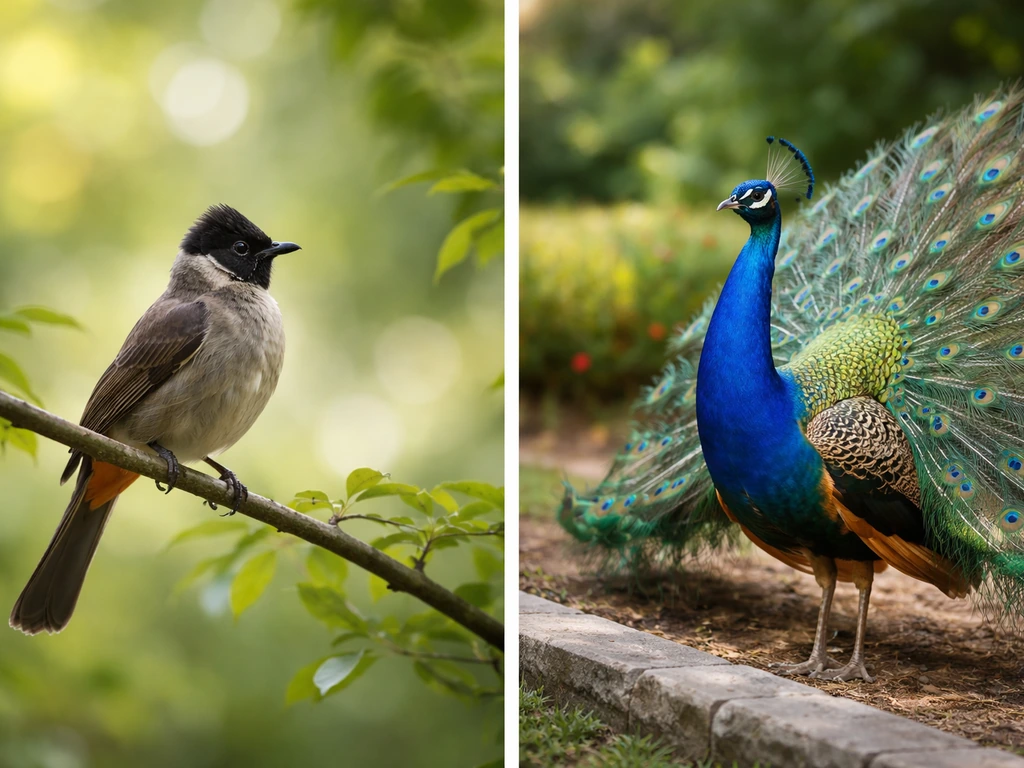
This is worth addressing directly because it is a genuinely common search variant. In Hindi and Urdu, "mor" (मोर / مور) is the word for peacock, not bulbul. If you saw the word "mor" in a South Asian language context and wondered what bird it referred to in English, the answer is peacock. This is the bird UK meaning of the related search term you might see alongside bulbul. The two birds could not be more different: a peacock is a large, spectacular bird famous for its tail display, while a bulbul is a small, vocal songbird. They share no meaningful overlap in appearance or symbolism.
There is also an older English word element "mor" that appears in moorhen (historically "mor-hen"), but that "mor" comes from an Old English root meaning marsh, and it has nothing to do with the Hindi/Urdu word. So if you are trying to trace a bird reference that includes the string "mor," the first question to ask is: what language is the source text in? If it is Hindi, Urdu, or another South Asian language, you are almost certainly looking at peacock. If it appears in an old English compound, it is probably marsh-related. Neither case points to bulbul.
| Term | Language origin | English meaning | Bird |
|---|---|---|---|
| bulbul | Persian / Arabic loanword into English | Songbird (family Pycnonotidae) or literary nightingale | Bulbul / nightingale |
| mor | Hindi / Urdu | Peacock | Peacock (Pavo cristatus) |
| mor (in moorhen) | Old English | Marsh (not a standalone bird name) | Moorhen (Gallinula chloropus) |
What bulbul symbolizes in culture and folklore
The cultural weight of the word bulbul comes almost entirely from Persian and Urdu literary tradition, and it runs deep. In Persian mystical poetry, the bulbul (written bolbol in Persian, بلبل) is the archetypal singer, the bird whose plaintive, beautiful song is understood as the cry of the lover for the beloved. The beloved is almost always the rose, and the pairing "gul-u-bulbul" (rose and nightingale) is one of the most recognized motifs in classical Persian literature and ghazal poetry. Encyclopaedia Iranica describes this bulbul as singing for its beloved, producing sweet or plaintive sound as a kind of longing.
This imagery was not confined to manuscripts. It spread into decorative arts, architectural tile work, and textiles across the Persian, Mughal, and Ottoman worlds. World History Encyclopedia notes that the “rose and nightingale” motif (gul-u-bulbul) appears in Persian art and patterns, including decorative arts and courtly contexts rose and nightingale theme. The rose-and-nightingale theme is essentially a visual and poetic shorthand for love, beauty, and the pain of separation. If you see those two symbols together in any artwork from those traditions, you are looking at the bulbul motif even if the bird is not named.
In the genre of the ghazal, the poet often takes on the role of the bulbul, singing obsessively for a beloved who does not return the feeling. This is not just metaphor for decoration; it is structural to how the ghazal works as a form. The bulbul becomes a stand-in for the human speaker, which is why the word carries emotional weight far beyond "small brown songbird" in any text drawing on that tradition.
Beyond Persian poetry, bulbuls in South Asian and Middle Eastern folk belief are commonly associated with sweet speech, musical talent, and romantic longing. A person with a beautiful voice might be called a bulbul as a compliment. The bird also appears in some regional folklore as a harbinger of spring, linking it loosely to themes of renewal and hope. Negative associations are rare; the bulbul is almost universally positive in the cultures where it features most prominently.
How bulbul shows up in everyday expressions
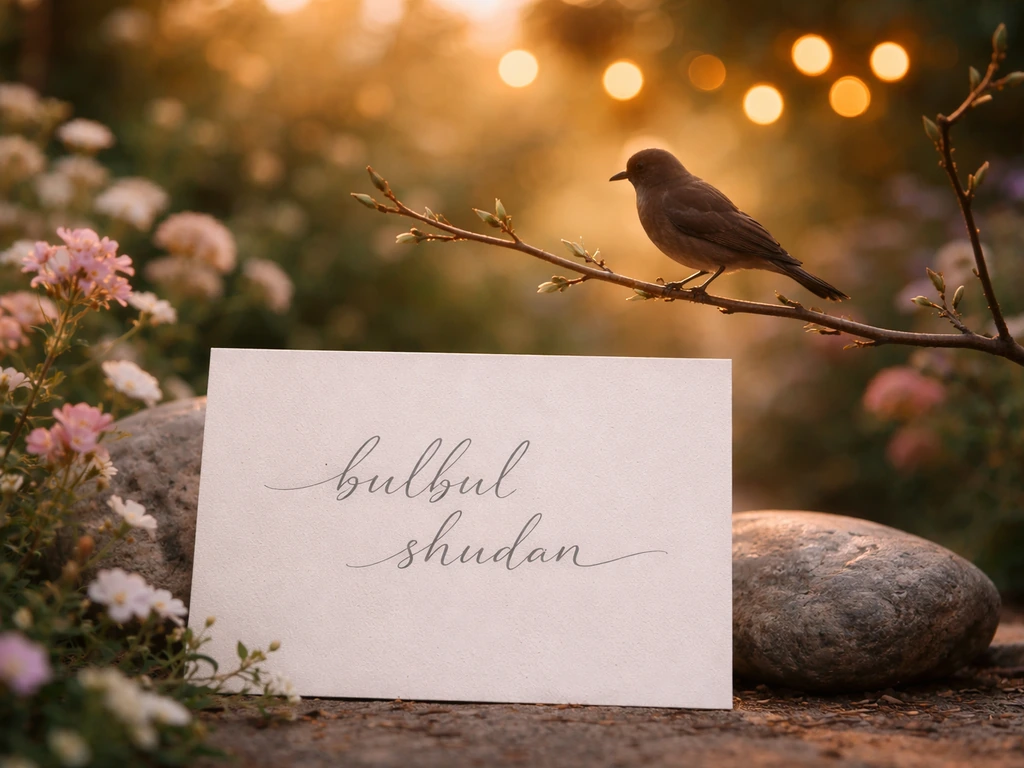
In Persian, there is a phrase "bulbul shudan" that translates roughly as "to become a bulbul," meaning to fall in love or to be overcome by the feelings the bulbul represents. That phrase does not exist in everyday English, but translated Persian and Urdu poetry has pushed several bulbul-rooted ideas into broader usage, especially in literary and academic English.
In modern South Asian English, calling someone a bulbul is still a recognizable way to compliment their singing or their way with words. The comparison is flattering and carries a slightly poetic register, so it tends to appear in contexts where someone wants to express admiration in a culturally resonant way rather than just saying "great singer." You will also find the word used as a personal name across South Asia and the Middle East, with the nightingale-like connotations fully intact.
In English-language writing that deals with Persian, Urdu, or Arabic cultural topics, the word bulbul often appears untranslated as a deliberate choice, because translating it as "nightingale" loses the specific cultural flavour. When you see it kept in its original form in an English text, that is usually a signal that the author wants you to feel the Persian or Urdu literary weight of the word rather than just its ornithological category. This is similar in spirit to how bird-related terms in other traditions carry meaning beyond their literal definitions, a topic explored across this site in contexts from British slang to spiritual symbolism.
Quick steps to confirm what a bird reference actually means
If you encounter a bird name or reference and are not sure what it means in context, here is a practical process that works reliably:
- Check the source language first. A word like "mor" means peacock in Hindi/Urdu but something entirely different in Old English compounds. Identifying the language of origin cuts your search time in half.
- Look up the spelling in Merriam-Webster or Cambridge before assuming you have the right word. Bulbul is spelled exactly as it sounds, but many loanword bird names are not, and a small spelling difference can send you to a completely different bird.
- Note the geographic or cultural region of the text. Bulbul in a Persian poem means the literary nightingale. Bulbul in a field guide to Indian birds means a Pycnonotidae species. The same word, same spelling, different frame.
- If the word is being used figuratively (calling a person a bulbul, for example), ask what quality of the bird is being invoked. For bulbul, it is almost always the voice or the romantic longing, not appearance or size.
- When in doubt, search the word alongside the name of the tradition or region (e.g., "bulbul Persian poetry" vs. "bulbul bird India") to surface the relevant meaning quickly rather than getting a mixed results page.
- For bird references you find in idioms, slang, or cultural stories, consider the figurative layer separately from the literal one. Many bird terms on this site carry meanings in language and folklore that have almost nothing to do with the actual animal.
If you are working through bird symbolism more broadly, the same logic applies to terms like "vak" in Sanskrit contexts, or figuring out what "bird" means in British slang, or understanding why a particular bird appears as a cultural omen in one tradition but a symbol of joy in another. If you were actually searching for what is the meaning of bird in english, you may also want to look at the related disambiguation steps described below. If you are wondering what a specific bird phrase means in England, checking the cultural or linguistic layer is just as important as the literal species name what "bird" means in British slang. In Sanskrit contexts, “vak” can come up as part of how people interpret a bird reference, so checking the surrounding language helps confirm the intended meaning. The literal identity of the bird is your starting point, but the cultural or linguistic layer is usually where the interesting meaning actually lives.
FAQ
If I see “bulbul” in an English text, how can I tell whether it is a real bird or a poetic “nightingale” reference?
In English, “bulbul” usually means a member of the Pycnonotidae family, but in translations or discussions of Persian literature it often functions like “nightingale.” If the surrounding text mentions roses, love, longing, or ghazals, treat it as the literary symbol rather than an exact species label.
Can “bulbul” mean different birds across field guides and birding articles?
In scientific or birding contexts, “bulbul” can refer to any Old World member of the family, including species sold under other common names like greenbul and bristlebill. That means two sources may seem inconsistent without actually disagreeing, because they are using different common-name labels for related birds.
What if I see “bolbol” instead of “bulbul” in English translations?
Yes. In Persian poetic transliteration, you may encounter “bolbol” for the same bulbul motif, even though the English spelling is “bulbul.” When you are searching, try both spellings plus terms like “rose” or “ghazal” to match the literary usage.
How do I avoid mixing up “mor” meaning peacock with “mor” in older English words like “moorhen”?
The Hindi and Urdu word “mor” means peacock, but “mor” is also found in unrelated English compounds such as “moorhen,” where the mor relates to marsh (not peacock). The safest approach is to identify the source language of the text before mapping “mor” to a bird in English.
What is the correct plural form of “bulbul” in English?
The plural is the regular English form “bulbuls.” If you encounter “bulbul” with an added s or an unusual plural in a quote, it is likely a transcription choice or typographical variation, not a change in meaning.
Is “bulbul” pronounced like “bull-bull” or “pull-pull” in English?
Pronunciations can vary by speaker, but the standard English pattern is close to “BUL-bul,” not “BULL.” If you are reading poetry aloud or learning the word for discussion, aim for “bul” in both syllables to stay aligned with common English usage.
If I see “bulbul shudan” in a translation, does it function like an English idiom?
In English, “bulbul shudan” usually appears only as a translated phrase or as a description in commentary, not as an idiom native to everyday English. If you see it, it typically signals a direct reference to Persian literary language meaning “to become a bulbul,” meaning to fall into love or be overwhelmed by those feelings.
What does it mean when someone is called a “bulbul” in modern South Asian English?
Calling someone a “bulbul” in modern South Asian English is generally a flattering, culturally loaded compliment focused on beautiful voice or eloquent speech. If the context is romantic or poetic, the compliment may also carry “beloved singer” symbolism rather than a literal bird reference.
Amber Bird Meaning: Symbolism, Interpretations, and How to Use It
Learn amber bird meaning: disambiguate the phrase and interpret it using amber and bird symbolism, grounded steps includ