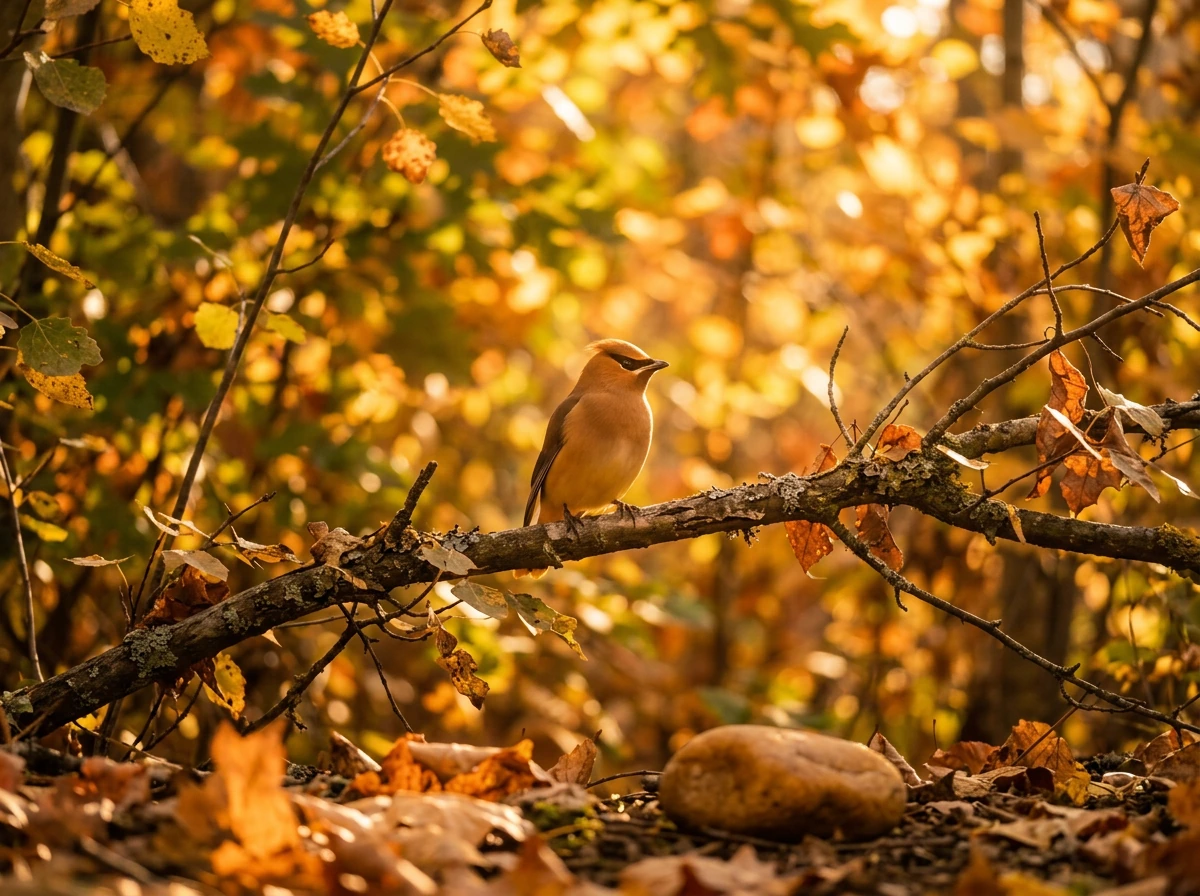
A buzzard is either a large hawk-like bird of prey (if you're in the UK or Europe) or a Turkey Vulture (if you're in North America). Those two birds look and behave very differently, which is why "buzzard bird meaning" can point you in completely opposite directions depending on where you are. Beyond the literal bird, the word also carries a load of symbolic, spiritual, and slang meanings built up over centuries. So whether you heard someone call a person an "old buzzard," spotted a big soaring bird in the sky, or came across the word in a proverb, you're in the right place to sort it all out.
Buzzard Bird Meaning: Literal Definition and Symbolism

Marcus Winters
3 May 2026
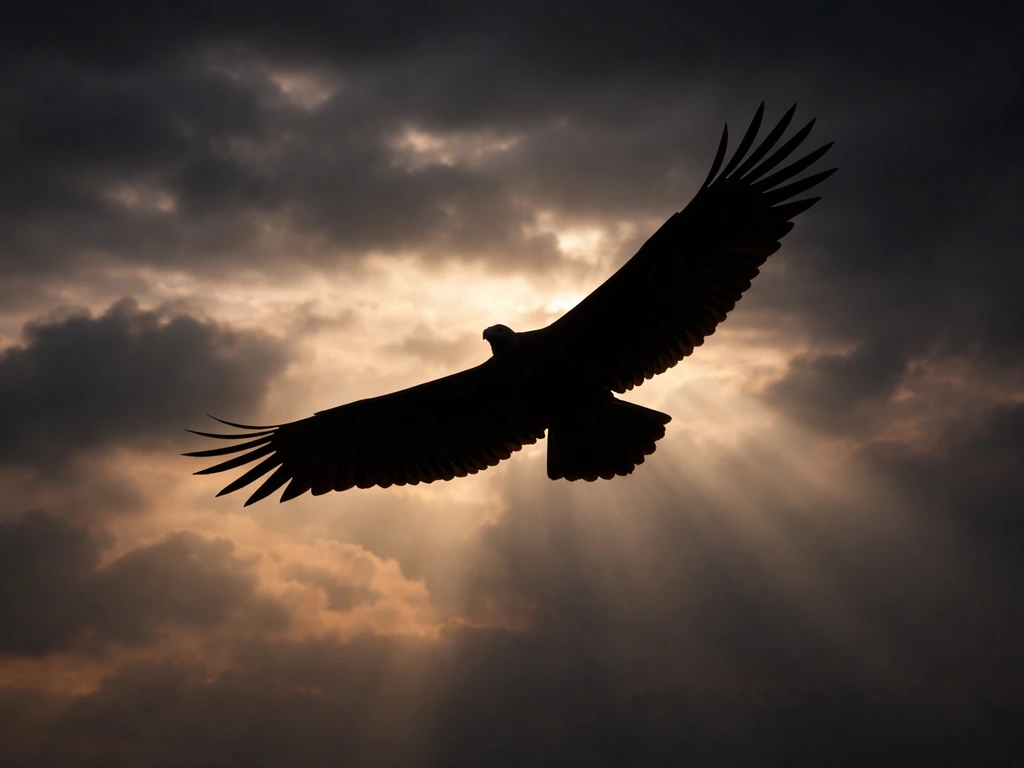
What "buzzard" actually means as a bird
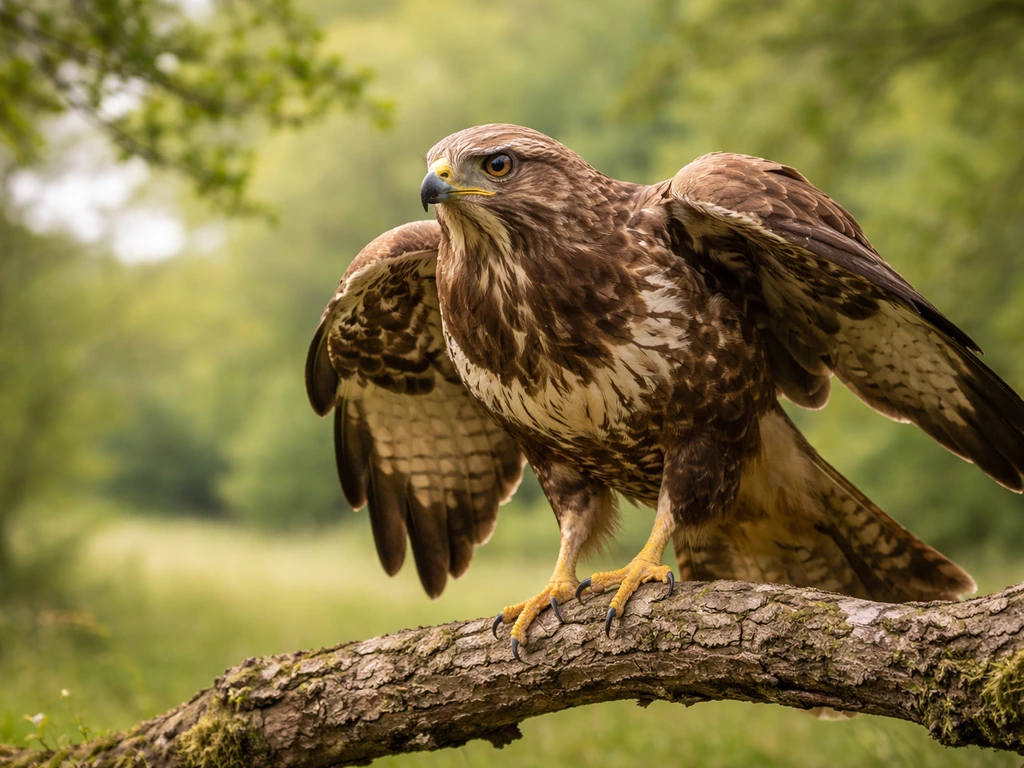
The word "buzzard" doesn't lock onto one single species. In the UK and most of Europe, a buzzard is Buteo buteo, the Common Buzzard, which is a broad-winged, stocky hawk in the same family as Red-tailed Hawks. It's actually the most common and widespread bird of prey in the UK, fully recovered from a mid-1900s population low. When British people say "there's a buzzard overhead," they mean a medium-to-large brown hawk circling over farmland or wooded hillsides, often calling with a high cat-like "kee-yaa" cry.
Cross the Atlantic and the word flips almost completely. In the United States and Canada, "buzzard" is a well-worn colloquial nickname for the Turkey Vulture. In a Reddit TIL thread, people explicitly discuss the regional split where “buzzard” refers to Buteo (hawk) outside North America, but to blank" rel="noopener noreferrer">the Turkey Vulture in U.S. usage. This usage goes back to at least the 1830s, when early settlers extended the Old World term to the large, soaring, carrion-eating birds they saw in the New World. Connecticut wildlife writers have documented this naming drift: settlers first applied "buzzard" to any large soaring bird, and over time it stuck specifically to the Turkey Vulture. Today the Turkey Vulture is probably the bird most North Americans picture when they hear the word.
The Latin name behind both usages is actually the clue: Buteo is the Latin word for a buzzard. In the Old World, members of the Buteo genus are called buzzards. In the New World, the exact same birds are called hawks. So a Rough-legged Buzzard (UK name) and a Rough-legged Hawk (U.S. name) are the same species. Cornell Lab flags this directly when explaining the naming tangle, and Merriam-Webster spells out both regional senses side by side.
Buzzard vs. hawk vs. eagle: clearing up the confusion
The most common mix-up is American birders or casual observers using "buzzard," "hawk," and "eagle" interchangeably for any large soaring bird. Here's a practical breakdown of how they actually differ, and how to tell them apart in the field.
| Bird | What it actually is | Key field marks | North American name | UK/Europe name |
|---|---|---|---|---|
| Common Buzzard | Buteo buteo (medium-large hawk) | Broad rounded wings, short neck, short tail, hunched perching posture, brown plumage with variable pale markings | Called a "hawk" (no common NA name) | Buzzard |
| Turkey Vulture | New World vulture (not a hawk) | Red bare head, two-tone underwing (dark/silver), wobbly rocking flight, holds wings in a V shape (dihedral) | Buzzard or Turkey Buzzard (colloquial) | Turkey Vulture |
| Rough-legged Hawk | Buteo lagopus (Buteo hawk) | Light and dark morphs, feathered legs, dark belly patch, hovers more than most Buteos | Hawk | Rough-legged Buzzard |
| Bald/Golden Eagle | Eagle (Aquila / Haliaeetus) | Much larger wingspan (6-7.5 ft), flat-winged soar, longer tail relative to body than buzzards | Eagle | Eagle |
The practical tip: if you're in the UK and you see a large broad-winged bird soaring over wooded hills, sitting hunched on a fence post or pylon, with a short neck and rounded tail, that's almost certainly a buzzard (the hawk). If you're in the U.S. and you see a big black bird with a red bare head, rocking slightly as it soars with wings tilted up in a shallow V, that's the Turkey Vulture, the bird most Americans call a buzzard. The two birds occupy a similar ecological niche (both soar, both are large), but they are not closely related and look quite different up close.
Buzzard symbolism in folklore and cultural imagery
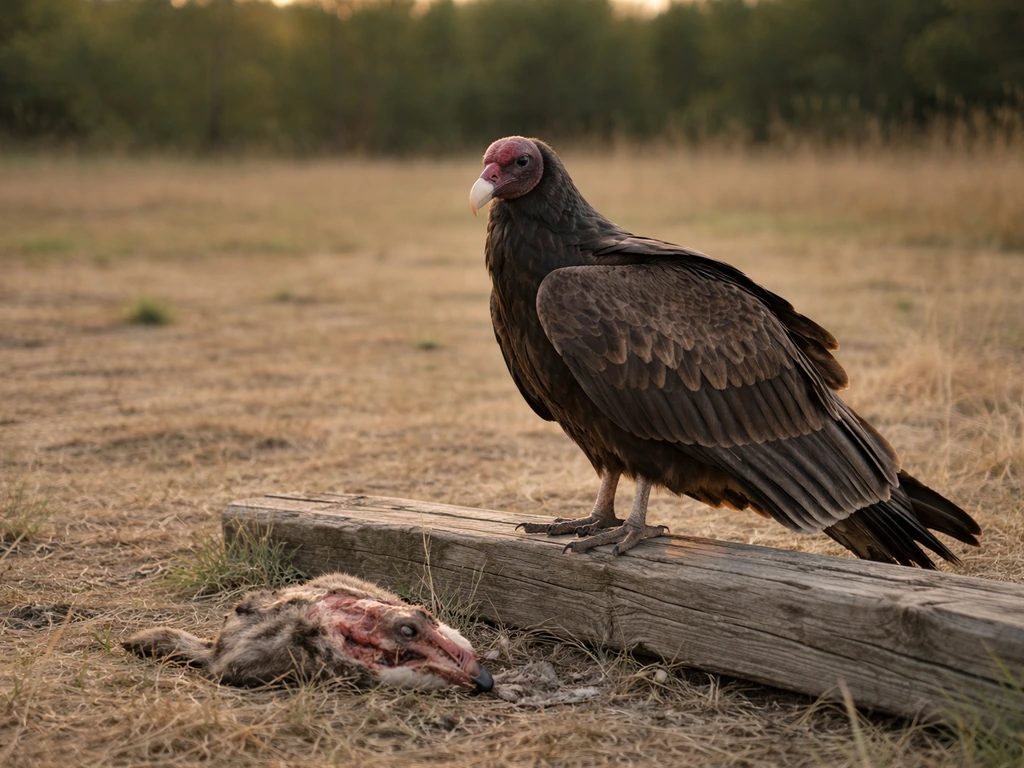
Because the North American "buzzard" is a vulture, most of the rich folk symbolism attached to the word in American culture draws on scavenging behavior. The Turkey Vulture feeds on carrion, circles overhead, and has an unavoidable visual association with death and decay. Early American settlers wove that into folklore fast.
One of the most interesting pieces of American buzzard folklore is the "belled buzzard," a story that circulated widely through the Southern United States. According to these accounts, a buzzard occasionally appeared with a bell attached to its neck and was taken as an omen of disaster. Wikipedia describes the “belled buzzard” as an American folklore figure viewed as blank" rel="noopener noreferrer">an omen of disaster when its bell sounds. DARE documents “bell a buzzard” as an expression and notes that accounts suggest buzzards were sometimes belled and released with superstition attached belled buzzard. The legend became so embedded in regional speech that it gave rise to the idiom "not enough sense to bell a buzzard," meaning someone is spectacularly foolish or lacks basic judgment. The belled buzzard story is documented on Wikipedia with its omen framing intact, which shows just how deeply this bird got wired into Southern American folk belief.
In British and European folklore, the buzzard (meaning the hawk, Buteo buteo) carries less of this death-loaded imagery because it's a living predator rather than a scavenger. It's more commonly associated with sharp vision, patience, and elevated perspective, qualities linked to raptors broadly across European folk traditions. The buzzard's habit of soaring high and scanning below made it a natural symbol of watchfulness.
Spiritual meanings: death, rebirth, clearing, and protection
In spiritual and symbolic traditions, the buzzard (usually meaning the vulture in the North American context) carries a layered set of meanings that are more nuanced than just "death bird. If you’re looking for the specific twitter bird meaning, the same idea of context applies to how people interpret bird imagery online buzzard (usually meaning the vulture in the North American context). If you’re looking for the time bird meaning in particular, it helps to treat the phrase as a modern symbolic label and check the source it came from death bird. " Yes, death is part of the picture, but it's rarely the only part.
- Death and transformation: The vulture's role in consuming the dead is reinterpreted in many spiritual frameworks as a symbol of transformation rather than pure doom. The idea is that death clears the way for something new, making the buzzard a transitional symbol rather than simply a negative one.
- Purification and clearing: Because vultures clean up what has died, they're sometimes associated with purification in a more positive sense, the idea of removing what no longer serves and returning it to the cycle.
- Rebirth and renewal: Directly linked to the clearing symbolism, the buzzard is sometimes framed as a death-and-rebirth symbol because you can't have new life without the old being cleared away.
- Protection: Some spiritual traditions associate buzzards with a protective energy, specifically protection from harm through the wisdom of knowing when something has run its course.
- Patience and high perspective: The circling behavior of soaring buzzards gets read spiritually as the ability to rise above a situation and see the full picture before acting.
It's worth being clear-eyed here: most of these spiritual attributions in online and modern wellness sources attach to the Turkey Vulture specifically, and they reflect contemporary spiritual interpretation rather than ancient codified belief systems. The symbolism is real in the sense that people genuinely use it, but it's largely a modern reframing of older death imagery rather than a single ancient tradition. If you're researching this from a spirituality angle, the death-and-rebirth thread is the most consistent pattern across sources.
"Buzzard" in slang and idioms

Outside of bird identification and spiritual symbolism, "buzzard" has a well-established life as a slang word and insult. If you are looking for the tt bird meaning as a symbol, it helps to compare how different regions use bird names like buzzard and vulture. Merriam-Webster includes an explicit non-bird sense: a contemptible or rapacious person. Dictionary.com adds nuance by noting it's often used with "old" in front of it, as in "old buzzard," to describe someone who is cranky, stubborn, or unpleasant. This usage draws directly on the vulture's scavenging image: a buzzard circles, waits, and takes what it can, which is exactly the personality it gets projected onto in conversation.
There are also some vivid regional idioms that use the word. The Appalachian and Southern expression "puke a buzzard off a gut wagon" is used to describe something so disgusting that even a scavenging buzzard couldn't stomach it. It's a colorful intensifier for extreme unpleasantness. The already-mentioned "not enough sense to bell a buzzard" describes profound foolishness. Some regional proverb usage also ties the buzzard to obstinate ignorance, the person who simply cannot be taught.
In a more metaphorical figure-of-speech sense, Dictionary.com illustrates how "buzzard" can imply a predatory or hovering posture, the image of someone circling a situation with intent, waiting for an opportunity. That maps neatly onto the vulture behavior people actually observe and then assign human personality to.
How to figure out what "buzzard" means in your specific situation
Because the word carries so many different meanings depending on context and region, the fastest way to the right interpretation is to run through a short set of context checks. If you’re wondering what “busy bird meaning” is trying to describe, it helps to look at the phrase as a contextual twist on buzzard symbolism and slang.
- Where was the speaker or writer located? If they're British or European, they almost certainly mean the Buteo hawk. If they're American or Canadian, they're almost certainly referring to a Turkey Vulture, or using the word as an insult.
- Were they talking about an actual bird or a person? If a person, the slang sense applies: contemptible, greedy, stubborn, or cantankerous, usually with a negative connotation.
- Was it part of a saying or proverb? Check whether it fits a known idiom like "old buzzard" (insult) or "not enough sense to bell a buzzard" (foolishness) before reading it as symbolic.
- Were they discussing omens, signs, or spirituality? If yes, the death, transformation, and rebirth symbolism applies, and the bird being referenced is almost certainly the Turkey Vulture rather than the European hawk.
- Did you actually see a bird? If you're in North America and it was large, black, with a bare red head and a rocking flight pattern, it was a Turkey Vulture. If you're in the UK and it was a broad-winged, brown, hunched-looking hawk soaring over hills, it was a Common Buzzard.
The core disambiguation question is always: vulture or hawk? Once you know which bird the speaker had in mind, or which tradition they're drawing from, the meaning snaps into focus quickly. A buzzard in a British nature context is a respected, recovering predator with no particular ominous weight. A buzzard in an American folk or spiritual context almost always carries the scavenging, death-adjacent, or transformational imagery that attaches to vultures. And a buzzard in everyday American speech, used about a person, is just a colorful insult.
If you're exploring bird symbolism more broadly, the buzzard sits in interesting company with other birds whose meanings shift dramatically depending on regional and cultural framing. Just as the buzzard means a hawk in one context and a vulture in another, many bird terms carry layered or regionally specific meanings that only make sense once you know which tradition you're reading from.
FAQ
If I saw the word “buzzard” online, how can I tell whether it means hawk or vulture?
Look for context cues like wording around carrion, death, decay, or “scavenger,” which strongly points to the American vulture sense. If the post mentions broad wings, sitting hunched, or a living predator over fields, it’s more likely the UK hawk sense. Also note whether the source is U.S.-based folklore or a wildlife ID article.
Does “buzzard bird meaning” in spirituality always mean bad luck or death?
Not always. Even when people reference death imagery, many contemporary interpretations add themes like transformation, letting go, or survival cycles. If a page treats death as the only takeaway, it’s often oversimplifying a broader, more variable symbolic pattern.
Are buzzards and vultures the same thing scientifically?
No. In the UK and much of Europe, “buzzard” typically refers to Buteo buteo (a hawk family bird). In North America, “buzzard” is a common nickname for the Turkey Vulture, which is a vulture. They can occupy similar “soaring bird of prey” roles, but they are not the same kind of animal.
What’s a common mistake when identifying a “buzzard” in the field in the U.S. or Canada?
Many people assume a buzzard is automatically a raptor like a hawk or eagle. A simple safeguard is to check for a visible bare red head and the distinctive black-and-dark overall look of the Turkey Vulture, rather than relying on the word alone.
How should I interpret “old buzzard” when used about a person?
It’s usually a dismissive or annoyed jab, describing someone cranky, stubborn, or unpleasant. The phrase often reflects the vulture-like association of waiting, circling, and taking what it can, which is why it can sound harsher than a neutral description.
Is “belled buzzard” just a modern story, or is it part of older regional speech?
It’s presented as folk tradition in the Southern U.S. and became embedded enough to generate a related saying, “not enough sense to bell a buzzard.” If you hear the idiom, treat it as the more stable meaning, it signals foolishness tied to the “omen” story rather than a real historical event.
How can I tell whether “buzzard” is being used metaphorically as an insult versus bird symbolism?
If the sentence targets a person’s behavior (for example, lacking judgment, being predatory, or being unpleasant), it’s typically slang. If it’s paired with reflective themes (omens, watchfulness, death-and-rebirth cycles), it’s likely symbolic or spiritual.
Does “buzzard” symbolism differ between the UK/Europe and the U.S. in a consistent way?
Yes. UK and European usage more often aligns with hawk-like traits such as watchfulness and patient scanning because the “buzzard” being referenced is a living predator. U.S. symbolism more often borrows from vulture behavior, including scavenging and death-adjacent imagery.
If I’m researching bird symbolism, should I prioritize ancient sources or modern wellness posts?
Prioritize the material that clearly identifies which bird is meant (hawk vs Turkey Vulture) and the tradition it comes from. Many wellness sources use symbolism that is real in people’s experience but not necessarily an “ancient codified” belief system, so treat them as modern reinterpretations unless the bird identity is explicit.
What’s the fastest disambiguation checklist for the “buzzard bird meaning” question?
Run through three checks: (1) Location or audience (UK/Europe suggests hawk, U.S./Canada suggests Turkey Vulture). (2) Key descriptors (scavenger, carrion, death clues suggest vulture). (3) Sentence role (about a person suggests insult, about omens or transformation suggests symbolism).
Next Article
Amber Bird Meaning: Symbolism, Interpretations, and How to Use It
Learn amber bird meaning: disambiguate the phrase and interpret it using amber and bird symbolism, grounded steps includ