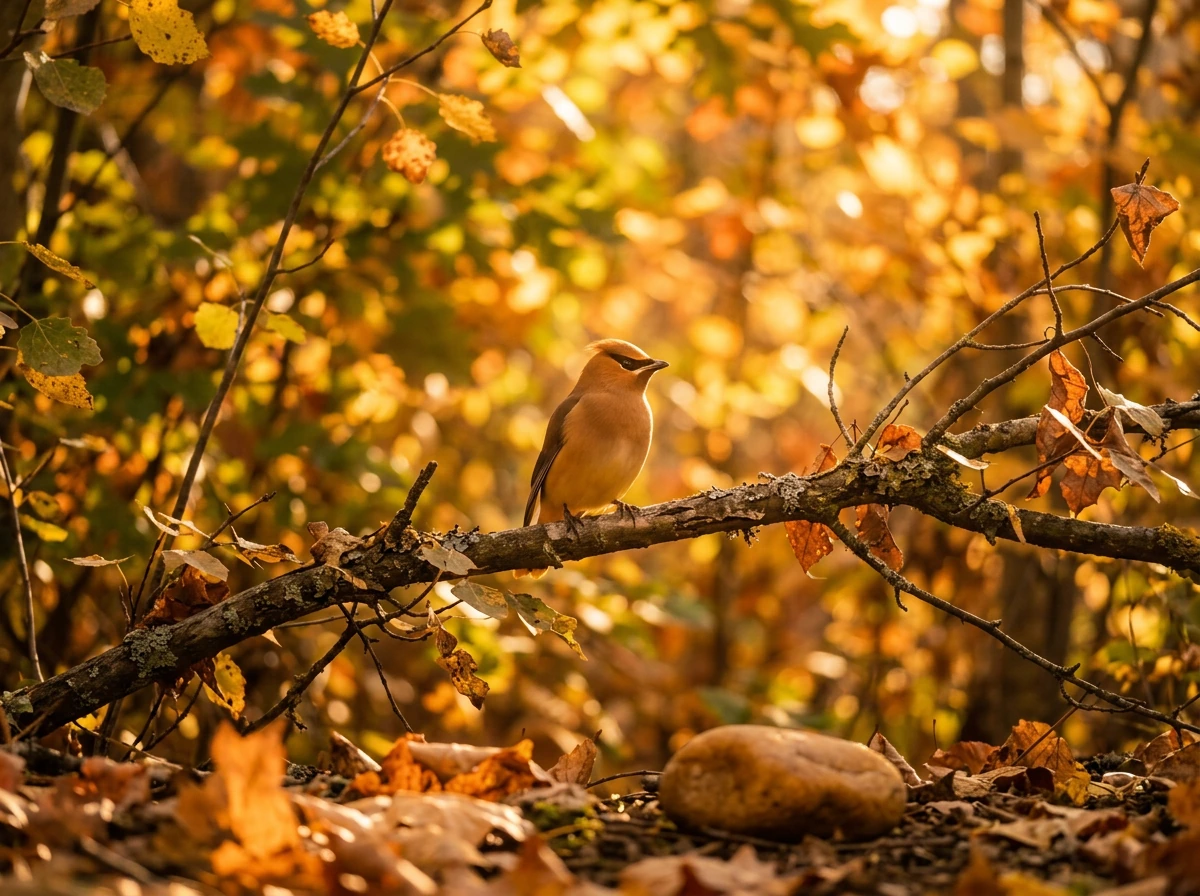
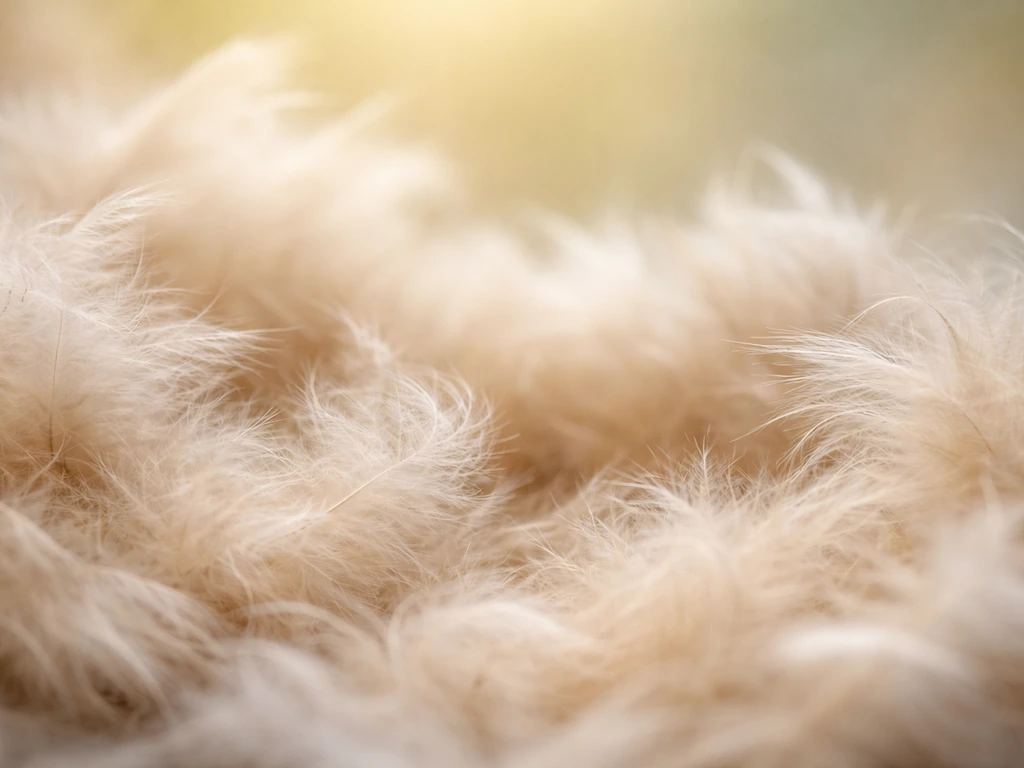
When you see "down" paired with a bird reference, it almost always means one specific thing: the soft, fluffy underlayer of feathers that sits closest to a bird's body. This is not the sleek outer plumage you see on a duck or goose. Down is the hidden, cloud-like layer beneath those outer feathers, and its entire job is to trap body heat and keep the bird warm. That same insulating quality is why down has been harvested for centuries and stuffed into jackets, pillows, and duvets. If you're reading a product label or trying to decode a phrase involving birds and the word "down," that warm, feathery fluff is almost certainly what it refers to.
Down Definition in Birds: Meaning, Uses, and Identification

Marcus Winters
2 May 2026
What "down" actually means on a bird
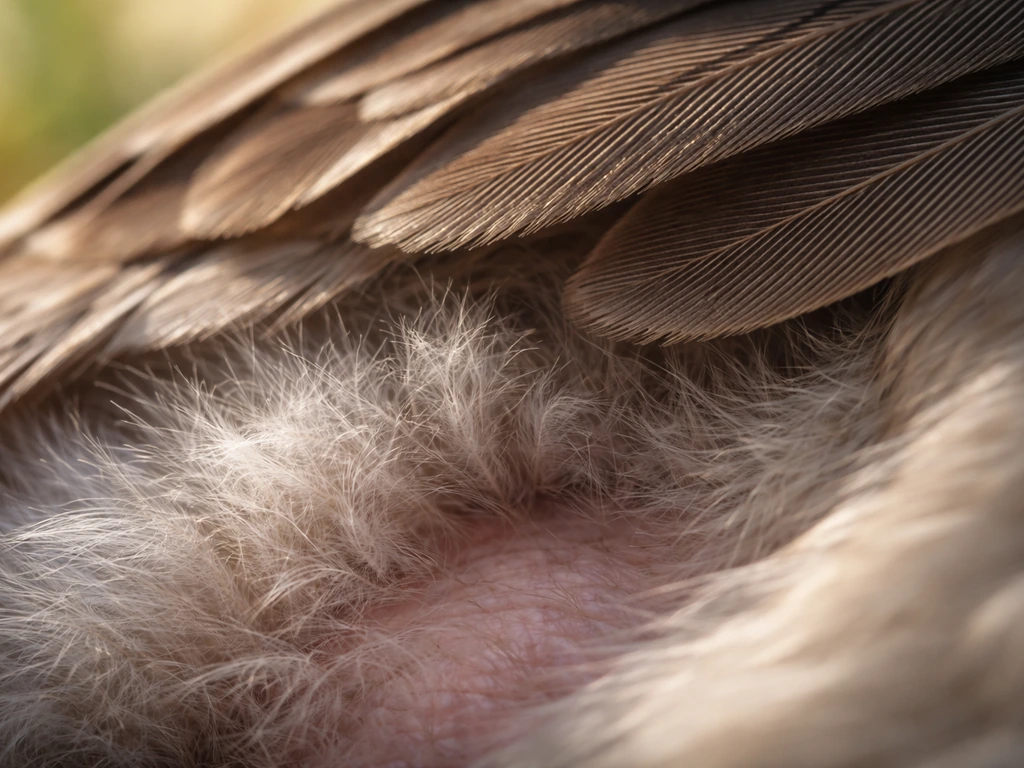
Down feathers are the innermost feather layer on most birds. They grow directly against the skin, and they look nothing like the stiff, shaped feathers you might pick up off the ground. A down feather has a very short or completely absent rachis (that's the central shaft or quill), which means it has no rigid spine running through it. Instead, it's just a cluster of soft, loose filaments branching off from a tiny base.
ADFC describes down as the soft undercoating of waterfowl and notes that down clusters are made of individual down fibers connected at a central point down clusters made of individual fibers connected at a central point. The result is something that looks and feels like a tiny puff of fluff.
The reason down is so soft comes down to feather anatomy. Regular outer feathers have barbs that interlock into a flat, closed surface called a vane. Down feathers don't do that. Their barbs stay loose and separate, which creates a three-dimensional structure that's full of tiny air pockets. Those air pockets are the key to everything. Trapped air is one of the best natural insulators that exists, so a bird fluffed up with its down layer intact is essentially wearing a self-generated heat blanket.
How down feathers differ from the rest of a bird's feathers
Birds actually carry several distinct feather types, and understanding the difference makes the definition of "down" much sharper. The feathers most people picture when they think of a bird are contour feathers: the smooth, overlapping outer feathers that give a bird its shape, shed water, and allow flight. Beneath those sit the down feathers, whose sole purpose is thermal insulation rather than aerodynamics or appearance.
| Feather Type | Structure | Primary Function | Texture |
|---|---|---|---|
| Down feathers | No rigid shaft, loose unconnected barbs | Insulation and heat retention | Extremely soft, fluffy, cloud-like |
| Contour feathers | Firm central shaft, interlocked barbs forming a vane | Shape, waterproofing, flight | Smooth, firm, structured |
| Semiplume feathers | Partial shaft, partially interlocked barbs | Bridging insulation and shape | Soft but with slight structure |
| Filoplume feathers | Thin hair-like shaft with few barbs | Sensory function | Hair-like, barely visible |
Waterfowl like ducks and geese are the most well-known source of down, particularly eider ducks and domesticated geese. Their down is especially effective because it needs to insulate against cold water, which makes it denser and more lofting than most land bird equivalents. Goose down and duck down are the two types you'll see on virtually every commercial product label.
Where you'll actually encounter bird down: jackets, bedding, and labels
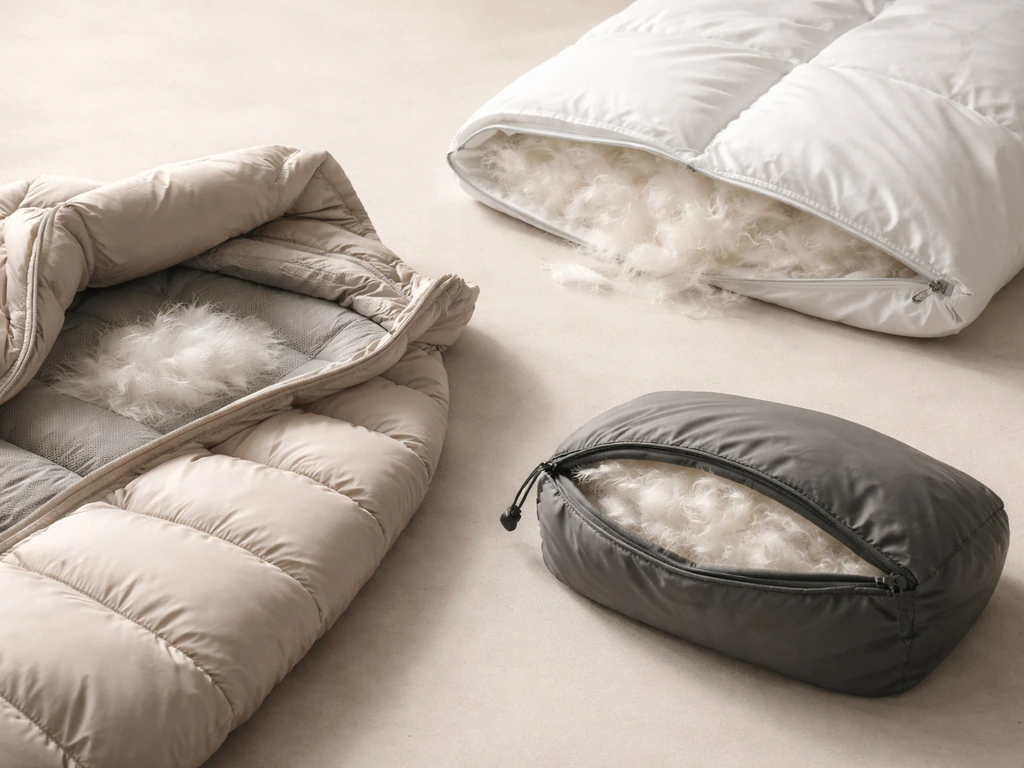
Bird down shows up in three main product categories: outerwear, bedding, and camping gear. Each uses down's insulating air-trapping structure for the same basic reason, just in different shapes.
- Down jackets and puffer coats: The "fill" inside the baffles is either goose down, duck down, or a synthetic alternative. Labels will list a fill power number (like 600-fill or 900-fill), which measures how many cubic inches one ounce of down expands to. Higher fill power means lighter weight for the same warmth.
- Duvets and comforters: A "down duvet" contains loose down feathers rather than synthetic fiber or a down-feather blend. Labels distinguish between "100% down" and "down and feather" products, where feather content means some contour feathers are mixed in, adding weight but reducing cost.
- Sleeping bags: Expedition and ultralight sleeping bags use down fill rated by both fill power and total weight. A "700-fill goose down" bag is a direct reference to bird down insulation.
- Pillows: Down pillows use the same material. "Feather pillows" often contain a mix of down and contour feathers, which is why they feel firmer and slightly more structured than pure down pillows.
When you see the word "down" on any of these products, it is a direct reference to bird anatomy. The label is telling you the fill material came from the underlayer feathers of waterfowl. People sometimes also ask for the jackdaw bird meaning, but in this article the focus stays on how the word “down” refers to bird feathers duck and goose. The blank" rel="noopener noreferrer">Responsible Down Standard (RDS) is a certification that now appears on many labels, indicating the down was sourced with animal welfare standards in place.
How to tell down apart from synthetic fill and other feather types
If you're holding a product or loose fill and need to figure out what it is, there are a few reliable ways to tell the difference.
Feel and structure
Genuine bird down feels like holding a puff of air. It compresses easily and springs back. If you squeeze a handful and release it, real down rebounds toward its original volume quickly. Synthetic fill (usually polyester fiber) feels slightly rougher, more fibrous, and does not rebound as dramatically. Feather fill (contour feathers, not down) feels lumpy and you can often feel small quill tips poking through fabric.
Visual check
Hold a piece of down to the light. A pure down cluster has no visible central shaft. It looks like a tiny dandelion seed head. A contour feather has an obvious spine. A synthetic fiber looks like a fine thread or a crimped strand of hair. If you can see a clear quill tip, it's a feather, not down.
The label
Legally, in most markets, a product labeled simply "down" must contain a high percentage of actual down clusters (typically 75% or more). "Down and feather" products contain a stated ratio of down to contour feathers. "Feather" alone means mostly contour feathers with minimal down. Anything labeled "synthetic down" or "responsible down alternative" contains no actual bird material.
Bird idioms and expressions that use "down"
Beyond the literal feather definition, "down" appears in several bird-linked idioms and expressions that draw on the symbolic qualities of down: softness, warmth, gentleness, and new life. If you also mean daw bird meaning in the same word-family of bird phrases, the symbolic side of “down” is often the comparison point. In many of these phrases, people use the idea of down's softness and warmth, which is the core of the dunnet bird meaning bird-linked idioms and expressions. If you see "down" used in a bird-related phrase, the bird-linked meaning is typically tied to softness and warmth bird-linked idioms. Understanding why birds show up in these phrases makes them easier to remember and interpret.
- "Soft as down": A direct comparison to down feathers, used to describe something exceptionally gentle or delicate. The image is borrowed directly from the tactile quality of bird down. You'll see this in poetry and everyday speech alike.
- "Downy feathers" / "downy chick": Newly hatched birds are covered entirely in down because their contour feathers haven't grown in yet. A "downy chick" has become a symbol of innocence, youth, and fragility in cultural and literary usage.
- "Eiderdown": Originally the down of the eider duck, this became a standalone English word for any thick, warm duvet. It carries connotations of luxury and warmth rooted entirely in bird biology.
- "Down bird" as slang or informal usage: In some informal contexts, "down bird" refers to a bird that has been brought down (shot or felled). Hunters use the phrase "bird down" as a call to signal a successful shot. This is a completely separate meaning from the feather definition.
- "Feather one's nest" / nesting metaphors: While not using "down" directly, many warmth and comfort idioms draw on the same nesting behavior that makes down feathers culturally significant. Birds use their own down to line nests, which is why softness and domestic warmth became symbolically linked to feathers across many languages.
The cultural symbolism here is consistent: because down represents the softest, most nurturing layer of a bird, it became a shorthand for tenderness and new beginnings in language. That's why when you see "down" in a bird-related figurative context, it almost always carries a warmth or gentleness connotation rather than a negative one.
The other meanings of "down" and how to avoid confusion
"Down" is one of the most overloaded words in English, so it's worth knowing exactly which contexts are not about birds so you can eliminate them fast.
| Usage of "Down" | Has a bird connection? | How to identify it |
|---|---|---|
| Down feathers / bird down | Yes, directly | Context involves birds, feathers, insulation, bedding, or outerwear |
| Down as direction (fall down, look down) | No | Describes physical movement or position |
| Down as status (feeling down, market is down) | No | Describes mood, state, or a numerical decrease |
| System/service down (website is down) | No | Refers to technology or infrastructure being unavailable |
| Down payment | No | Financial context, partial upfront payment |
| Touchdown / countdown | No | Compound word with unrelated meaning |
| Bird down in hunting ("bird down") | Yes, but different meaning | Hunting context, signals a bird has been shot |
The single fastest way to identify whether "down" has a bird meaning is to check for a feather, animal, or textile context nearby. If the phrase or product label includes any mention of geese, ducks, blank" rel="noopener noreferrer">fill power, insulation, warmth, or bedding, you're looking at the bird definition. If it's describing direction, technology, emotions, or finance, it has nothing to do with birds at all.
It's also worth noting that related bird terms can cause their own confusion. If you're wondering about the phrase from a particular breed or royal figure, you may also be looking for the duke bird meaning side of things. For instance, someone searching "down bird meaning" might be looking for the hunting usage (bird down = successful shot), the feather definition, or even figurative slang. Similarly, expressions built around other bird terms, like the ones explored in pieces on "daw bird meaning" or "daft bird meaning," follow a different pattern entirely and refer to birds as characters in language rather than birds as materials.
How to interpret "down" correctly in your exact context
Here's a simple decision process you can run in about ten seconds when you encounter "down" with a bird reference and aren't sure which meaning applies. This is the down meaning bird, not direction or technology, so context is key down with a bird reference.
- Is there a product involved? If yes, check the label for fill type, fill power, or waterfowl references. That's the feather insulation definition.
- Is the context a hunting or field sport setting? If someone shouts "bird down," they mean a bird has been felled, not that feathers are present.
- Is the phrase figurative or poetic? If "down" appears with softness, warmth, gentleness, or youth imagery, it's drawing on the cultural symbolism of down feathers.
- Is the context completely unrelated to animals or textiles? Then it's a different meaning of "down" entirely and has no bird connection.
- Is it a compound word or brand name? Check whether the "down" element is functioning as a directional or technological term before assuming any bird link.
Quick comparison examples
| Phrase or Label You Saw | Correct Interpretation |
|---|---|
| "800-fill down jacket" | Bird down insulation from waterfowl, very high loft and warmth |
| "Down and feather pillow" | Mix of soft down clusters and firmer contour feathers |
| "Soft as down" | Figurative expression meaning extremely gentle, drawn from feather symbolism |
| "Bird down!" (hunting) | A bird has been shot and fallen, not a reference to feathers |
| "Feeling down" | No bird connection, describes low mood or sadness |
| "Downy chick" | A newly hatched bird still covered in its first down layer, used symbolically for innocence |
| "Eiderdown duvet" | High-quality bedding filled with eider duck down, luxury insulation product |
| "Website is down" | No bird connection, technology outage |
The bottom line: when "down" appears in a bird or textile context, it means the soft, insulating underlayer feathers that lack a rigid shaft and trap air for warmth. IDFL provides country and standard framework definitions for terms like down and feather components, which can vary across different standards country and standard framework definitions for down and feather components. That's the literal definition, and it's also the root of every figurative use that carries connotations of softness, comfort, and new life. Once you've got that image locked in, the confusion clears up fast.
FAQ
How can I tell quickly if “down” in a sentence is about bird feathers versus a different use of the word?
If the word “down” is in a clothing, bedding, or sleeping bag description (fill, insulation, warmth, loft, duvet, comforter), it usually refers to bird feathers. If it appears with words like “up,” “downlink,” “down payment,” or “direction,” it almost certainly has a non-bird meaning.
What do label phrases like “down,” “down and feather,” and “feather” actually imply about the content?
In many markets, products labeled “down” are expected to contain mostly actual down clusters. If you see “down and feather,” the ratio must be stated, and “feather” typically indicates mostly contour feathers. For the clearest sourcing check, look for both the wording and any certification mark mentioned on the label.
Can a product feel soft like down but still not be real bird down?
A garment or bedding item can feel “downy” and still not be true down if the label uses terms like “synthetic,” “polyfill,” or similar alternatives. Genuine down is described by how it behaves (compresses and rebounds, forms airy loft), while synthetics often feel more fibrous and recover less dramatically.
How should I store down-filled items so they keep their loft and warmth?
Store down in a dry, breathable space and avoid sealing it airtight for long periods. Down’s loft depends on the trapped air structure, and persistent compression can reduce puffiness until it’s fluffed again.
What happens to down insulation if it gets wet, and why does drying matter?
Moisture is down’s main weakness. If down gets wet, it can clump and lose insulating ability until it is fully dried, which is why wet conditions increase the risk of cold discomfort. Use drying guidance specific to the product to avoid damaging the fill.
What’s the best at-home way to distinguish down from feather fill and synthetic fiber when you cannot fully inspect the stuffing?
When you can see the fill, real down lacks a visible central shaft and looks like fluffy clusters (sometimes like seed-head shapes). Feathers show a clear spine or quill tip, and synthetics look like uniform fibers. If you cannot see anything, the squeeze-and-rebound test and label wording become more important.
Does a down certification like RDS guarantee the product contains real down, or only welfare standards?
“Responsible Down” and “RDS” style certifications address sourcing and handling practices, not whether the product is made of actual down. Always confirm the material wording (down, down and feather, feather, synthetic), then use the certification mark as an additional welfare assurance.
If I’m unsure, what surrounding words should I look for in a listing or article so I do not misinterpret “down”?
Because “down” has multiple meanings, searching the surrounding keywords helps. If you see animal terms (goose, eider) or textile metrics (fill power, loft, insulation, duvet), interpret it as bird down. If you see finance, computing, weather, or emotions with no textile context, ignore the bird-definition route.
Are there signs a down product is lower quality or heavily blended even if the label says “down”?
If the down is high-quality, it will rebound quickly and feel airy rather than hard or densely packed. Poorly filled or lower-grade blends often feel flatter, take longer to recover after compression, and may shed more noticeable feather parts.
Next Article
Amber Bird Meaning: Symbolism, Interpretations, and How to Use It
Learn amber bird meaning: disambiguate the phrase and interpret it using amber and bird symbolism, grounded steps includ