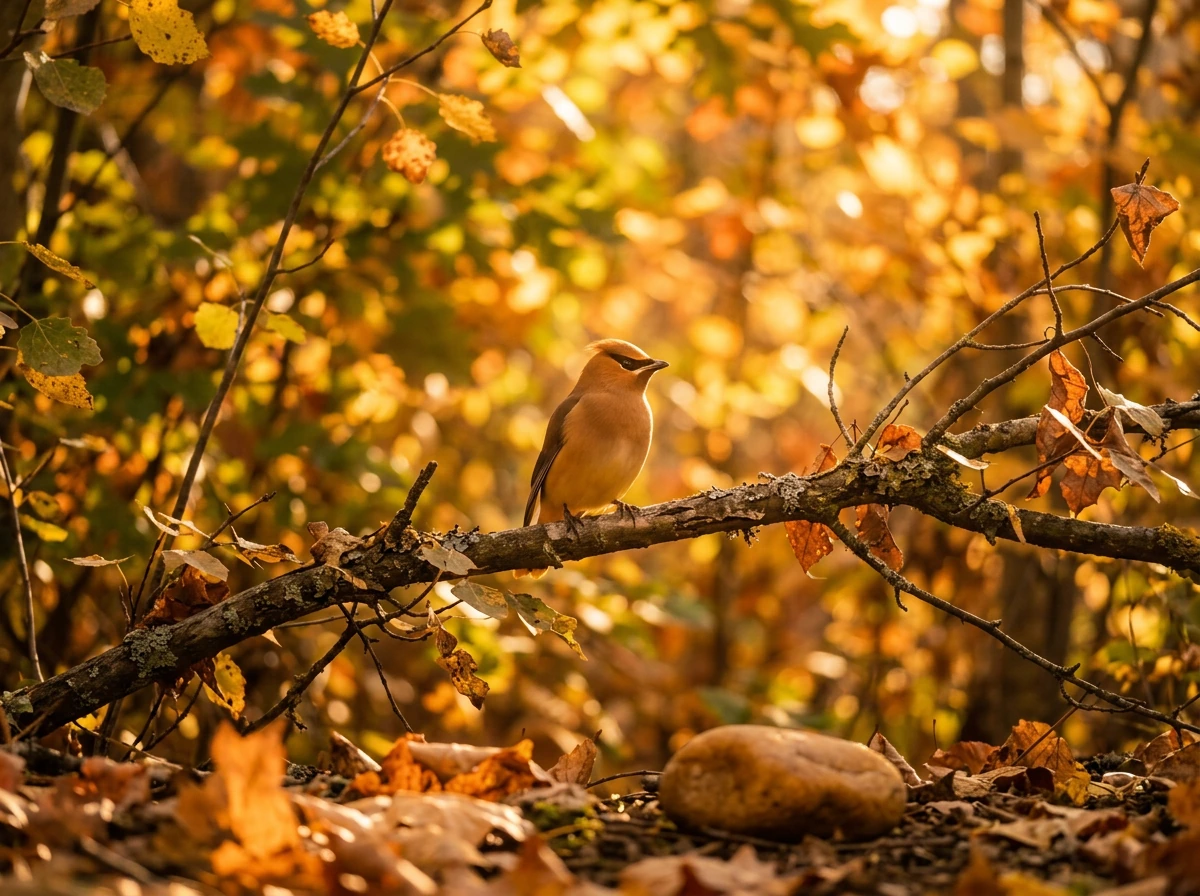
When someone says 'rail bird' or 'railbird,' they almost certainly mean a spectator who leans on the rail at a racetrack to watch horses run, not a bird from the avian family Rallidae. The two meanings are real but easy to separate once you know what to look for: context words like 'racetrack,' 'jockey,' or 'infield' point to the slang observer sense, while words like 'wetlands,' 'marsh,' or a species name like 'Virginia rail' point to the actual bird.
Rail Bird Meaning: Literal and Slang Usage Explained

Marcus Winters
4 May 2026
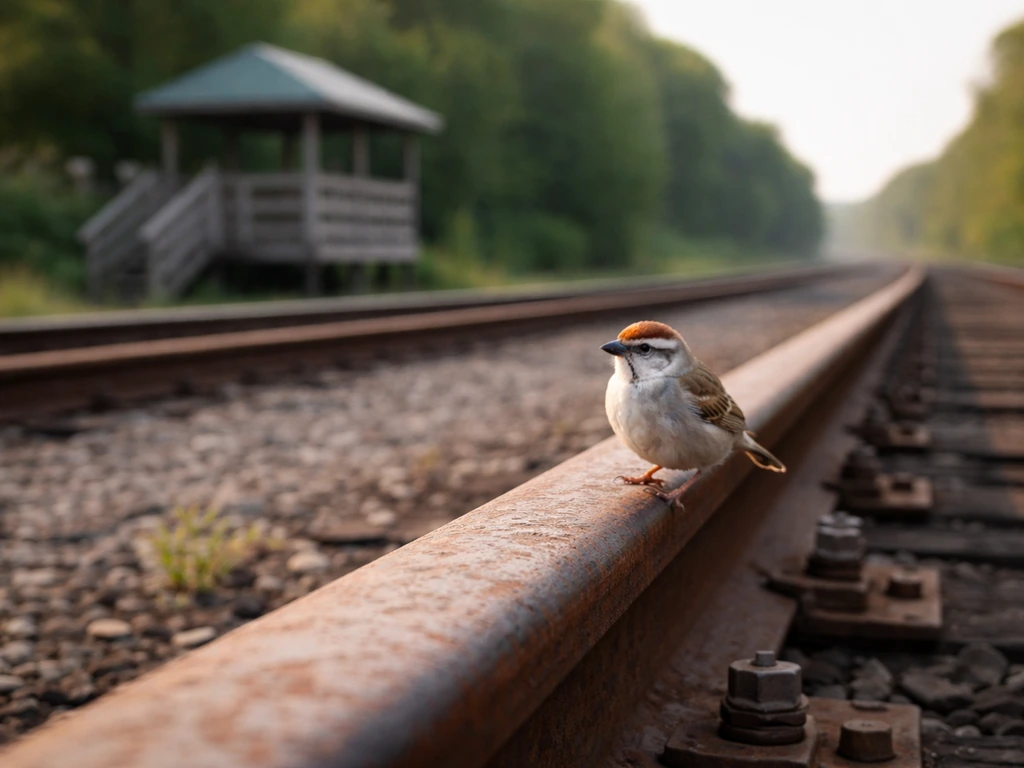
What 'Rail Bird' Actually Means (Both Senses)
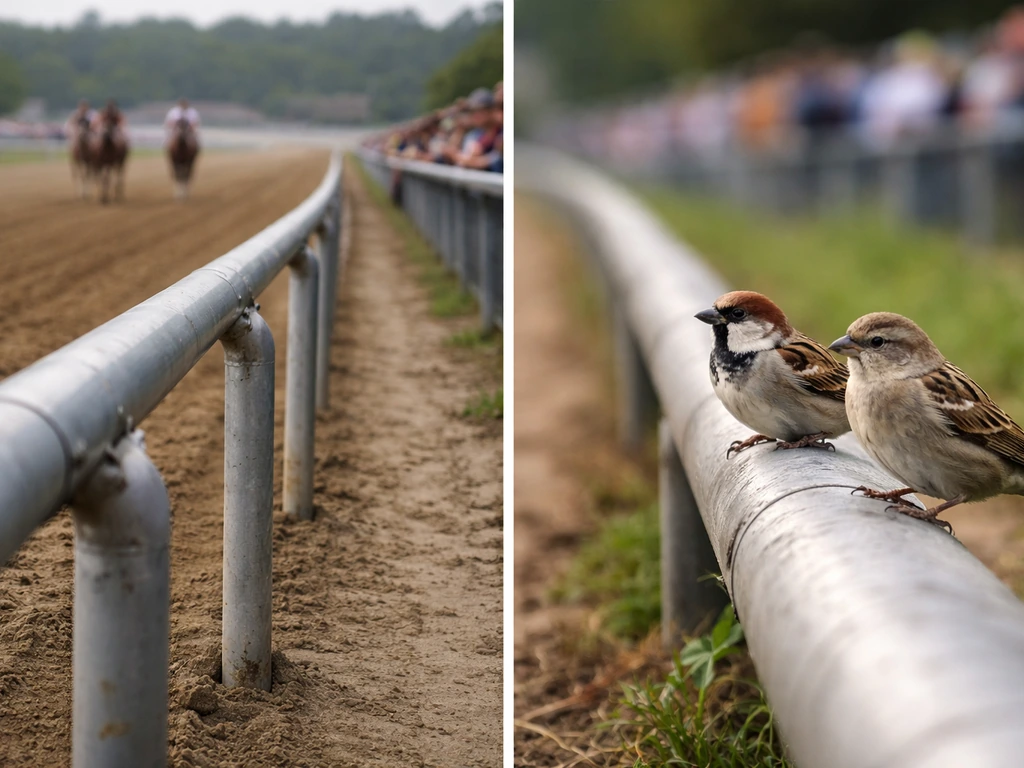
The figurative meaning is the one you'll almost always encounter in modern conversation. A railbird (typically one word) is a horse-racing enthusiast who positions themselves close to the track rail to watch races or training workouts. Cambridge Dictionary defines it as 'a person who enjoys going to watch races or games,' specifically someone standing just behind the railings separating the crowd from the track. It carries a flavor of obsessive dedication: a railbird doesn't just attend a race, they're practically glued to the fence.
The literal meaning is separate. 'Rails' are actual birds, classified in the avian family Rallidae. These are real, wetland-loving birds you'd find in a field guide. Species like the Virginia rail are bona fide members of this family. But here's the key point: no bird in the Rallidae family is formally called a 'railbird.' That compound word belongs to slang, not ornithology. A birder in the field would say 'rail,' not 'railbird.' The hyphenated or two-word form 'rail-bird' does appear in older American hunting and natural-history texts as an informal name for these wetland birds, but that usage is largely archaic.
Where 'Railbird' Comes From
The slang term is dated to 1890 to 1895, American English, and its origin is genuinely clever once you see it. Collins Dictionary traces it to 'the notion of standing close to the action at the rail surrounding the infield of a racetrack. ' The formula is 'rail' (the physical barrier) plus 'bird' in the older English sense of 'frequenter' or 'habitual visitor.
' That same construction gave us 'jailbird' (someone who frequents jail) and 'yardbird' (someone who haunts the yard or, later, a soldier stuck doing menial work). In each case, 'bird' doesn't mean a feathered animal; it means a person who keeps showing up somewhere. Merriam-Webster pins the first known use in 1892, which fits the golden age of American horse racing perfectly.
The Wiktionary entry adds that early citations include New York Times references from the same era, which makes sense: the late 19th century was when horse racing became a major American spectator sport with formal tracks, dedicated crowds, and the kind of obsessive regulars who'd earn a nickname for their habit. The word stuck because the image is vivid: a person perched at the rail like a bird on a fence.
How and Where People Actually Use It
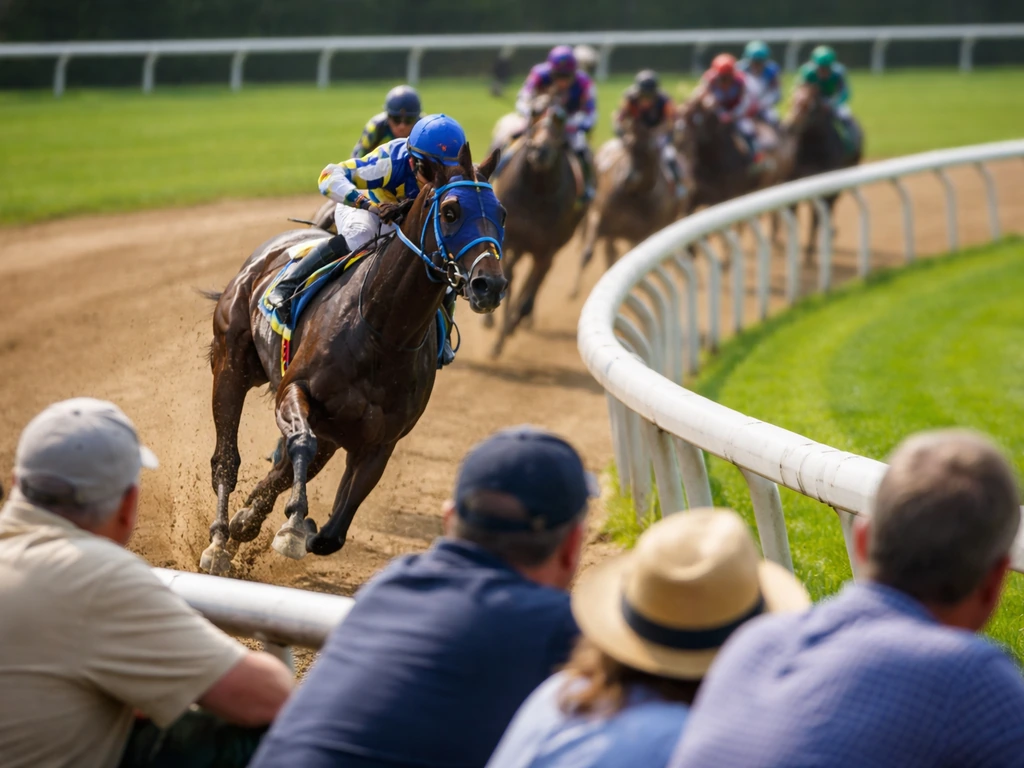
The core context is horse racing. Cambridge gives this sentence as an example: 'The jockey screamed in delight as a handful of railbirds looked on curiously.' That's the clearest register: a specific track, a specific race, watchers pressed against the rail. This is the sense you'll find in sports journalism, racing commentary, and period fiction set around American racetracks.
But the word has stretched beyond racing. Merriam-Webster's recent usage examples include political writing: 'Unlike political railbirds in Washington, most GOP primary voters...' Here, 'railbirds' means sideline observers who watch the action without being in it, people who scrutinize and comment from a safe distance. The racing imagery transfers cleanly: the rail is now a metaphorical barrier between insiders and watchers. Collins also notes that the word can carry a slight edge, implying a kibitzer or critic, someone who watches closely and has opinions but isn't doing the work themselves.
The older archival usage, where 'railbird' appears in hunting or natural-history texts for an actual marsh bird, is mainly of historical interest now. A GovInfo PDF compiled in the U.S. Government Publishing Office materials includes the term “blank" rel="noopener noreferrer">railbird” in a word-list or context useful for historical and archival linking. A Library of Congress folklife center document uses the phrase 'blank" rel="noopener noreferrer">large fresh water species is sometimes taken by railbird' in what appears to be an 1800s hunting register. If you're reading something that old, it might mean the bird. In contemporary writing, assume the slang meaning unless you're deep in a wetlands ecology text.
What 'Railbird' Implies About a Person or Theme
Symbolically, being called a railbird says something about your relationship to action. You're close to it, maybe passionately close, but you're still outside the fence. There's a tension built into the word between deep knowledge (only a real enthusiast stands at that rail for hours) and a kind of perpetual observer status. Railbirds know the horses, know the jockeys, have strong opinions, and yet they're watching, not riding.
This creates a personality archetype: the devoted watcher who accumulates expertise from the sidelines. In horse racing culture, that's not necessarily an insult. Plenty of railbirds know more about track conditions and horse form than casual bettors. But in the political or organizational usage, 'railbird' can shade toward criticism: the person who analyzes endlessly but never commits. The word carries themes of mobility (the rail is transitional space), vigilance, and a certain outsider wisdom.
The bird imagery reinforces this. Birds perch, observe, and move on. They occupy the edges of spaces. Many bird idioms and terms across different traditions use birds as symbols of the watcher figure: present but free, aware but unattached. The 'rail' in Rallidae carries its own set of associations too; rail birds in the wild are often secretive, wetland-dwelling, heard more than seen. That's a different kind of symbolism, but both senses of 'rail bird' circle back to themes of presence at the margins.
How 'Railbird' Relates to Other Bird Expressions
The construction 'rail + bird' to mean a habitual frequenter places 'railbird' in the same linguistic family as 'jailbird' and 'yardbird,' and it shares the spirit of other observer-themed bird idioms. The reed bird (an older name for the bobolink in American dialect) is another example of a bird name that migrated between literal ornithological use and informal regional slang, much like 'rail-bird' did in hunting texts. Similarly, the 'reading bird' concept in folklore often points to birds as messengers or interpreters of signs, which resonates with the railbird's role as an expert reader of racing form. In folklore, reading bird meaning can involve interpreting what certain birds are believed to symbolize.
What makes 'railbird' different from most bird idioms on this site is that its 'bird' component isn't metaphorical in the animal sense: the word 'bird' here means 'person,' not a feathered creature. You're not comparing someone to a bird's behavior; you're using 'bird' as a habitual-presence suffix. That's a slightly older English usage.
By contrast, the roc bird, the Indian roller bird, and birds like the frog-catching birds in folklore all carry meaning because of the animal's actual traits, habits, or mythological associations. You may also see the phrase roc bird, and its meaning can differ depending on the myth or bird context roc bird meaning. If you're curious about the Indian roller bird meaning, it helps to separate the animal sense of these “bird” terms from the railbird slang meaning.
'Railbird' is more of a compound social label, which is part of why it sits comfortably in both sports slang and political commentary.
How to Read 'Rail Bird' When You Encounter It
The practical question is: which meaning is in play right now? Here's how to work through it quickly.
- Check for racetrack vocabulary. Words like 'rail,' 'infield,' 'jockey,' 'track,' or 'horses' in the same sentence or paragraph mean you're in horse-racing slang territory. The person is a spectator at a race.
- Check for political or organizational context. If the sentence is about Washington insiders, office politics, or 'observers on the sidelines,' the word is being used in its extended metaphorical sense: a habitual watcher of power dynamics.
- Check for nature or habitat vocabulary. Words like 'wetlands,' 'marsh,' 'breeding,' or a species name (Virginia rail, clapper rail) mean you're dealing with the actual bird family Rallidae. This is rare in modern prose but real in field guides and ecological writing.
- Check the spelling. 'Railbird' as one word almost always signals slang. 'Rail bird' as two words or 'rail-bird' hyphenated is more likely in older natural-history texts referring to the actual marsh bird.
- Ask: is this someone's identity or an animal's description? If the sentence describes a person's behavior or habit, it's slang. If it describes where an animal lives or what it eats, it's taxonomy.
A real example: 'The old railbird arrived at the track before dawn to watch the morning workout' clearly means a horse-racing devotee. 'The rail bird flushed from the cattails as we pushed through the marsh' clearly means a bird from the Rallidae family. The sentence structure alone tells you which world you're in.
Sorting Out the Confusion: Railbird vs Similar Terms
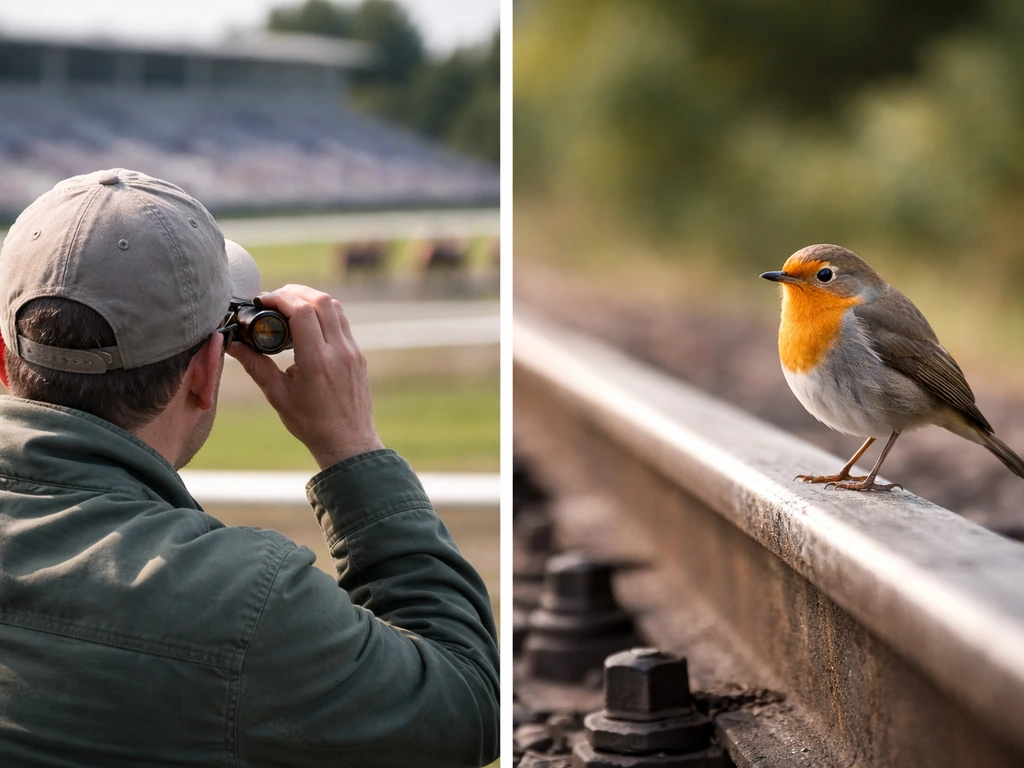
Three terms trip people up when searching: 'railbird,' 'railfan,' and 'rail (bird).' They're not interchangeable.
| Term | What It Means | Who Uses It | Key Context Clue |
|---|---|---|---|
| Railbird (slang) | A racing spectator or sideline observer at a racetrack | Sports journalists, racing fans, political commentators | Racetrack, horses, infield, or metaphorical 'observer' framing |
| Rail (bird) / Rallidae | An actual bird family, including species like Virginia rail and clapper rail | Birders, ornithologists, wildlife writers | Wetlands, marsh, species names, habitat descriptions |
| Railfan | A railroad enthusiast who follows trains and train culture | Train hobbyists, transportation writers | Locomotives, train schedules, rail lines, railroads |
The railfan confusion is worth pausing on because it's the most common modern misread. If someone searches 'rail bird' thinking it means a train enthusiast, they're actually thinking of a 'railfan.' Dictionaries do not define 'railbird' as a train observer at all. The word's 'rail' comes from the racetrack barrier, not a railroad. So if you're reading about someone passionate about locomotives, that's a railfan. If you're reading about someone passionate about horse racing who shows up at the fence, that's a railbird.
The bottom line: 'railbird' is almost always slang for a devoted, rail-leaning spectator in racing or observational contexts. It's a word about people, not birds, and its 'bird' component means 'frequenter,' not 'feathered animal.' The actual birds called rails belong to a separate and entirely unrelated conversation, one that lives in field guides and wetlands ecology, not at the track. Also, if you meant the literal bird sense behind terms like “frog,” “bird,” and “snake meaning,” that belongs to a different kind of symbolism guide frog bird snake meaning.
FAQ
If I see “rail birds” in a sentence, does it still mean the horse-racing spectators?
In most everyday contexts, “railbird” (or “rail birds”) refers to horse-racing spectators who stand close to the track rail. If you see clues like “infield,” “jockey,” “workout,” “post time,” or “at the rail,” it is almost certainly the slang meaning, not a bird reference.
Is “rail bird” (two words) different from “railbird”?
Yes, “rail bird” can sometimes show up as two separate words in print, and it still usually means the slang spectator. When it is the literal bird sense, you will typically get an explicit habitat or species cue (for example, “marsh,” “cattails,” or “Virginia rail”).
What should I assume the meaning is in political or organizational writing?
Probably not. If the sentence includes any racetrack details, assume the horse-racing slang. For example, “called a railbird” in a political article can mean an outsider who watches and comments from a distance, but it will not switch to the literal wetlands bird meaning unless the topic is ornithology or wildlife.
Is “railbird” an insult when used outside racing?
It depends on the register, but the political sense often carries an edge, like a kibitzer or critic who scrutinizes without participating. In racing coverage, it is usually neutral, meaning a devoted watcher rather than a harsh evaluator.
I searched for “rail bird meaning” but my context was trains, what term should I use instead?
Often the person expects a different term. Train enthusiasts are more commonly described as “railfans,” while “railbird” is tied to racetracks (and later extended metaphorically to sideline observers). If you are trying to describe locomotives, “railfan” is the safer choice.
Can “railbird” be used like a bird species name in birding contexts?
No, “railbird” is not the correct technical name for any species in the rail family (Rallidae). Birds in that family are called “rails,” while “railbird” belongs to slang or older informal naming (as two-word “rail-bird”) rather than modern bird taxonomy.
What is the fastest way to tell which meaning is intended in a sentence?
Quick test: look for people-and-track language versus habitat-and-bird language. If you see “jockey,” “track,” “fence,” or “spectators,” it is people. If you see “wetland,” “marsh,” “cattails,” or a species label, it is the bird sense.
How can I interpret “rail-bird” in older writings without misreading it?
If the text is from older American hunting or natural-history material, “rail-bird” might refer to the bird rather than the spectator. However, if the passage mixes hunting descriptions with “taken by,” “fresh water,” or similar ecological phrasing, that is your cue to interpret it literally.
Next Article
Amber Bird Meaning: Symbolism, Interpretations, and How to Use It
Learn amber bird meaning: disambiguate the phrase and interpret it using amber and bird symbolism, grounded steps includ