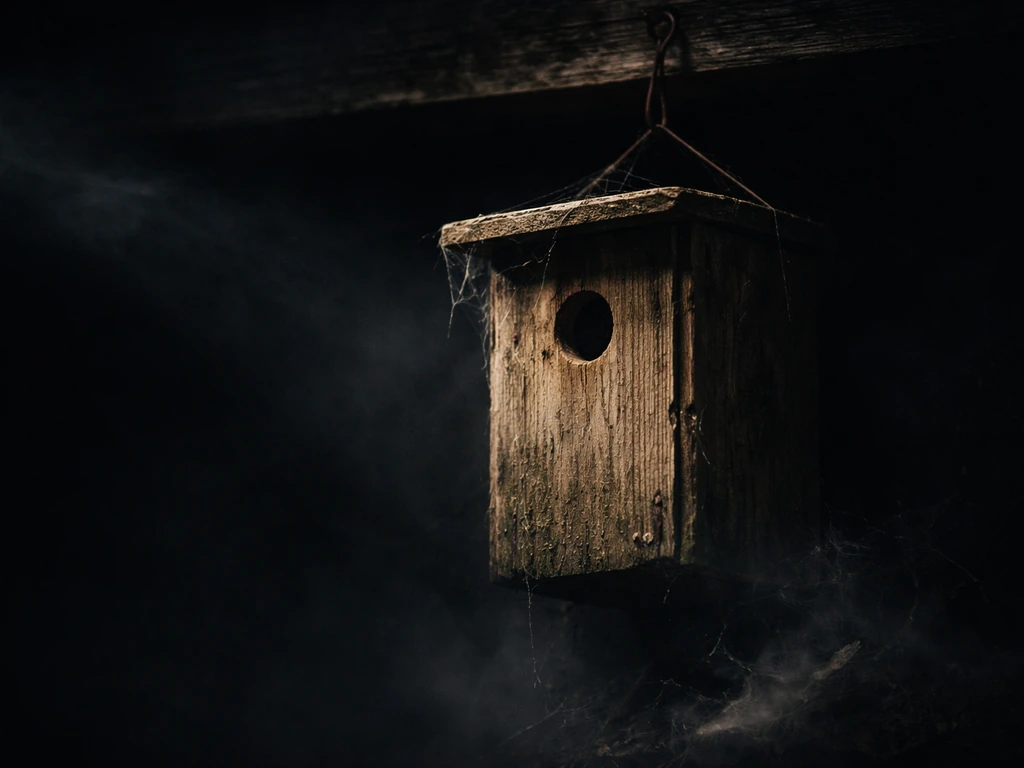
Most of the time, when someone says 'empty bird cage,' they mean it literally: a cage that once held a bird but no longer does. People sometimes ask, “what does bird cage puppies mean?” and it usually comes down to how the phrase is being used as a metaphor or reference in context. But when the phrase carries emotional weight in a conversation, it almost always signals one of two things: loss (a bird died, someone left, something ended) or release (freedom was finally gained, a constraint lifted). Which one applies depends almost entirely on context, and this article will help you read that context quickly and accurately.
Empty Bird Cage Meaning: Literal vs Figurative Uses

Marcus Winters
22 May 2026
Literal vs. figurative: how to tell which one you're dealing with
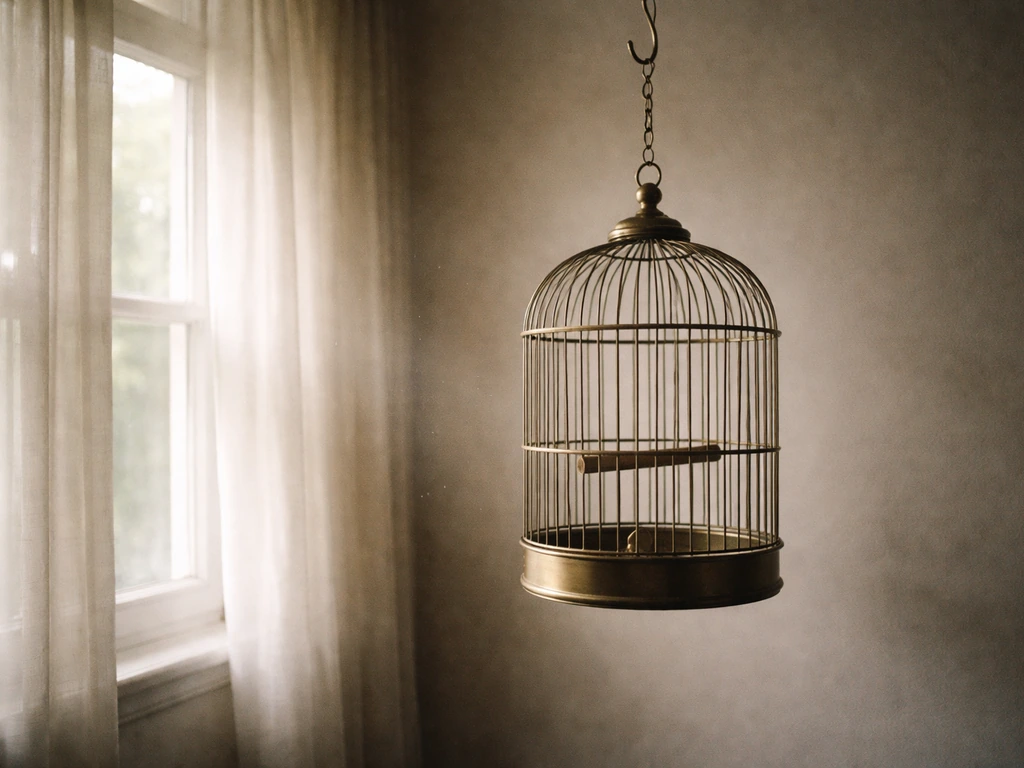
In its most basic, dictionary-level sense, an empty bird cage is exactly what it sounds like: a cage designed to hold a bird, currently holding none. Collins English Dictionary even uses the example 'An empty birdcage hung from the ceiling' to illustrate the noun, showing just how naturally the phrase appears in ordinary, non-symbolic English. If someone texts you 'I have an empty bird cage sitting in my garage, want it?' they almost certainly mean the literal thing. No subtext required.
The figurative version kicks in when the empty cage is being described in a way that lingers on the emptiness itself, rather than just the object. Conrad Aiken's 1942 poem 'The Cages,' published in The New Yorker, is a textbook example: the empty cage becomes a stand-in for a voice that is no longer heard, a presence that is gone. Once a cage loses its bird, it stops being a functional object and starts being a symbol of absence. That shift, from 'a cage without a bird' to 'a space where something living used to be,' is where figurative meaning lives.
The easiest test: Is the speaker focused on the cage as a thing, or on what used to be inside it? If they're focused on the absence, you're in figurative territory.
What people actually mean when they say it
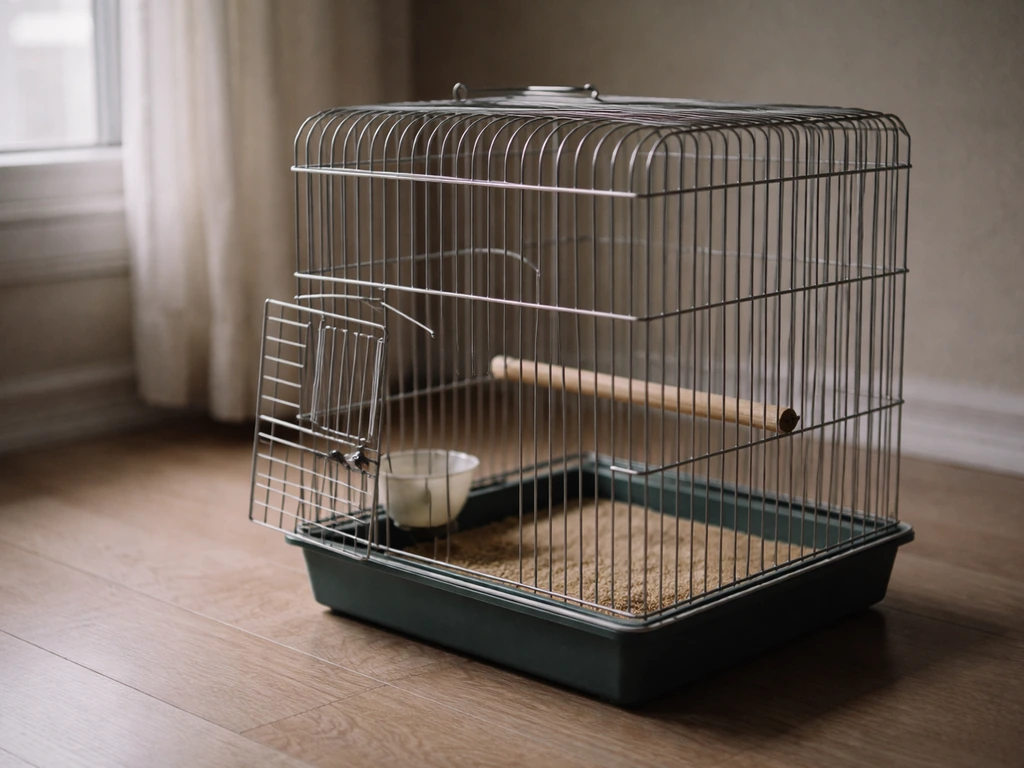
In real conversation, the phrase 'empty bird cage' carries one of a handful of common emotional meanings. Understanding which one fits requires paying attention to tone and circumstance, but here are the most common uses you'll encounter.
- Grief and loss: The most frequent figurative use. After a pet bird dies, 'the empty cage' becomes a concrete representation of that loss. Grief-focused sources describe it as 'a visual shock,' something that hits hard precisely because the object is still there but the life that filled it is gone.
- Freedom or release: When used positively, an empty cage suggests liberation. The bird is gone because it was released, not because it died or was taken. This reading has a hopeful, even celebratory tone.
- Loneliness or longing: Sometimes the image is used to describe a person's emotional state, a life that feels hollow, a relationship that ended, a home that feels too quiet. Here the cage represents a person's inner world.
- Transition or ending: The empty cage can mark a chapter closing. A child leaving home, a relationship ending, a job left behind. It acknowledges what was there before without necessarily framing it as a tragedy.
- Irony or wasted effort: Occasionally used with dark humor, where the cage was built or maintained carefully but the thing meant to fill it never arrived, or left unexpectedly.
The emotional and psychological weight behind the image
The bird-in-a-cage image already carries strong symbolism: restriction, loss of freedom, the tension between safety and confinement. Psychology and culture references consistently frame the caged bird as a creature caught between protection and captivity, which is why it resonates so deeply in metaphor. When you remove the bird and leave the cage empty, the symbolism pivots. The focus shifts from the act of confinement to the aftermath of it. TV Tropes describes this “empty cage” motif as emphasizing the aftermath of confinement, such as what has been lost or released, rather than the ongoing act of captivity the focus shifts from the act of confinement to the aftermath of it.
That aftermath can feel like two very different things depending on who's interpreting it. If the bird escaped or was freed, the empty cage is a symbol of liberation, the constraint outlasted its purpose. If the bird died or was taken away, the empty cage becomes a symbol of desolating loss, a hollow reminder of something irreplaceable. Neither reading is more 'correct' than the other; both are psychologically valid and both appear consistently in how people use the phrase. The meaning behind bird box is often discussed in the same way, because people read the image differently depending on context and emotion.
This dual nature is exactly what makes the empty cage such a potent emotional image. It holds both grief and joy in the same frame, which is why writers and speakers reach for it when they need to communicate something complicated about endings.
Spiritual, folklore, and superstition readings

Across spiritual and esoteric traditions, the empty cage doesn't have one fixed meaning, but a few consistent themes recur. In feng shui interpretations, an empty birdcage with its door left open is specifically associated with release and freedom, the idea being that the open door signals invitation or departure rather than captivity. An empty cage with the door closed, by contrast, can carry a heavier, more stagnant energy, something waiting to be filled or something that has been abandoned.
In folklore-influenced and archetype-based symbolism, the empty cage often represents a threshold between states: an ending that creates space for something new, or a fear that the emptiness will remain permanent. Some traditions frame it as a good omen (freedom was achieved, a burden was lifted), while others treat it as a cautionary symbol (something precious was lost through carelessness or neglect). The specific cultural lens matters enormously here, which is why you should never read a single universal meaning into the image.
If someone places spiritual significance on an empty cage they've encountered or dream about, the right question is always: what happened to the bird in this scenario? The answer almost always tells you whether to frame the symbol as liberation or loss.
How the phrase shows up across cultures and related expressions
The 'empty cage' as a motif appears across Anglophone literature and beyond. In English alone, the figurative tradition is well-established: Conrad Aiken used it in The New Yorker as early as 1942, and the caged-bird metaphor more broadly has been central to poetry and literature dealing with freedom and oppression for centuries. The image travels well across languages, too. In media localization contexts, 'empty bird cage' appears as a translated item name in games like Kingdom Come: Deliverance, showing that the concept is clear and consistent enough to carry across language boundaries without losing meaning.
The closest everyday equivalent in English is the 'empty nest,' a firmly established idiom for parents whose children have grown up and moved out. Merriam-Webster defines 'empty nester' around exactly this idea: the nest is empty because the young have flown. It's the same structural metaphor as the empty cage, absence where life used to be, but applied to a life-stage transition rather than loss of a specific creature. Both phrases use bird-related emptiness to describe something that can't be fully explained without reaching for the image itself.
You'll also find the caged bird metaphor running through the same symbolic territory. The sibling topic of 'cage bird meaning' digs into what it means when the bird is still present in the cage, which puts the empty cage meaning in useful relief: the caged bird is about confinement and tension, while the empty cage is about what comes after that tension resolves.
Real-life situations where the phrase tends to come up
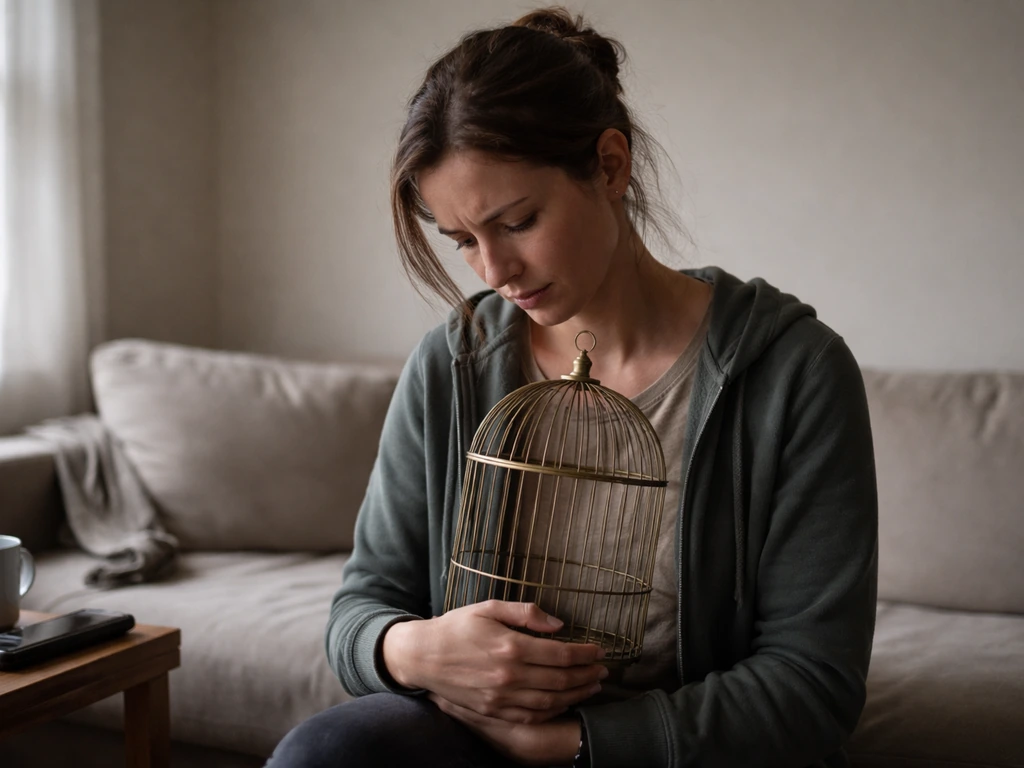
Knowing the abstract meanings is one thing. Here's how the phrase actually surfaces in everyday life and what it's likely signaling in each case.
| Scenario | Most likely meaning | Emotional tone |
|---|---|---|
| A pet bird has died | Grief, loss, absence | Heavy, sorrowful |
| A bird was rehomed or given away | Transition, bittersweet release | Mixed, often reflective |
| Cage is empty during cleaning or vet visit | Purely literal, no bird in it right now | Neutral, no emotional subtext |
| Someone describes their life or relationship as an 'empty bird cage' | Loneliness, hollowness, or freedom depending on tone | Context-dependent |
| A cage is found abandoned at a yard sale or estate | Ending of an era, loss of unknown history | Melancholy or neutral curiosity |
| Someone says they 'finally have an empty cage' after a difficult period | Liberation, relief, freedom from constraint | Positive, relieved |
The pet loss scenario deserves special mention because it's where the phrase hits hardest. Grief specialists who focus on pet bereavement specifically describe the sight of the empty cage as a 'visual shock' for owners, because unlike most signs of loss, the cage stays exactly where it was, unchanged, while everything it represented is gone. If someone uses this phrase after the death of a bird, treat it with the same weight you'd give any expression of grief.
What to do when someone uses the phrase about your situation
If someone uses 'empty bird cage' to describe your life, your home, or your situation, the single most important thing you can do before reacting is to clarify what they mean by it. Because the phrase sits right at the intersection of loss and freedom, assuming you know which one they intend is a genuine mistake. Someone saying 'your life looks like an empty bird cage right now' could be expressing concern (they see loneliness or stagnation) or admiration (they see you as finally free). The gap between those two interpretations is enormous.
- Ask one clarifying question: 'Do you mean I seem lonely or that I seem free?' A direct question cuts through ambiguity faster than any amount of analysis.
- Notice the tone before responding. A sad, soft delivery almost always signals the loss interpretation. An energized or upbeat tone usually points toward liberation.
- If it comes up in a grief context (your bird died, you lost someone, a relationship ended), acknowledge the loss openly rather than jumping to reframe it as freedom unless you genuinely feel that way.
- If it's used in a positive context (you left a bad job, ended a toxic relationship, moved somewhere new), feel free to claim the freedom reading and own it.
- If you're unsure, it's fine to say: 'I'm not sure how to take that. Can you tell me more about what you mean?' This is not overthinking. It's just accurate communication.
- If someone is grieving a pet bird and uses this phrase, don't rush to silver-lining it. Let the empty cage be empty for a while before suggesting what might fill the space next.
The bottom line is this: 'empty bird cage' is a phrase that earns its emotional punch precisely because it doesn't commit to a single meaning. If you are wondering what is the meaning of bird box, the idea is similar: it can point to freedom, loss, or confinement depending on context empty bird cage.
If you are wondering about the bottom of a bird cage meaning in the same way, check how the phrase is being used as a metaphor or clue within the specific situation. Loss, freedom, loneliness, release, grief, relief: all of these live inside the image. Your job, whether you're interpreting it or responding to it, is to figure out which one the moment actually calls for.
Pay attention to the details (what happened to the bird, how the cage looks, what tone the speaker is using), ask when you're unsure, and you'll almost never misread it.
FAQ
If someone texts “empty bird cage” after a breakup, does it usually mean loss or freedom?
It depends on what they emphasize in the message, especially whether they mention what is missing (loss, grief, loneliness) or what is starting (freedom, relief, space to breathe). Ask a quick clarifying question like, “Are you talking about missing something or feeling released?”
What should I say if someone uses the phrase to describe my situation, like “your life looks like an empty bird cage”?
Respond by clarifying the intent before matching an emotion. For example, “That sounds heavy, are you worried about me, or are you saying I am finally free?” Then mirror their wording once you know which meaning they intend.
How can I tell whether “empty bird cage” is being used literally or figuratively in a conversation?
Check whether the speaker discusses the physical object details (location, door open or closed, cleanliness, ownership) versus discussing emotions or life circumstances (stagnation, loneliness, release). Physical specifics usually point to literal meaning, while abstract language points to metaphor.
Does “empty bird cage” in dreams always point to grief?
Not necessarily. The dream’s emotional tone and the “fate of the bird” matter more than the image alone. If you felt relief or openness, it can signal release or a completed phase. If you felt panic or emptiness, it can reflect loss or fear that something valuable is gone.
If the cage door is described as open versus closed, how much should I rely on that?
It can be a useful clue, but treat it as context rather than a rule. An open door often suggests departure or liberation, while a closed door can suggest waiting or stagnation. If the rest of the text contradicts that, follow the broader story over the door detail.
What are common mistakes people make when interpreting “empty bird cage meaning”?
Assuming there is one universal definition. Another common error is guessing the meaning from the phrase alone and ignoring whether the bird was freed, removed, or died (or what the speaker is actually talking about in their life). Tone and event details usually decide between grief and liberation.
Is “empty bird cage” ever used as a neutral statement rather than emotional symbolism?
Yes. In everyday talk, it can simply refer to an actual unused cage (for storage, a pet setup that has not started, or cleaning). Neutral, logistics-focused wording usually indicates literal meaning and not metaphor.
How is “empty bird cage” different from “empty nest” in meaning?
Both rely on the same absence image, but the emotional trigger differs. “Empty nest” usually frames a life-stage transition where the young have left, often with adjustment. “Empty bird cage” more commonly centers on what happened to the specific bird, so it can more readily shift into loss or liberation depending on that event.
If I want to write with this motif, how can I make the meaning clear to readers?
Add one or two “fate” cues, such as whether the bird was freed, taken away, or died, plus a tone cue (relief, mourning, fear). Without those details, readers may interpret the image in either grieving or liberated directions.
When is it best to ask directly instead of interpreting “empty bird cage” on my own?
Ask when the phrase targets a person’s life, relationship, or home (not just an object), or when the speaker’s tone seems mixed. A brief question prevents misreading someone’s grief versus admiring their freedom.
Next Article
Meaning Behind Bird Box: Symbol, Language, and the Film
Unpack the meaning behind Bird Box: birdhouse symbolism plus the film’s fear and survival themes, with next steps.