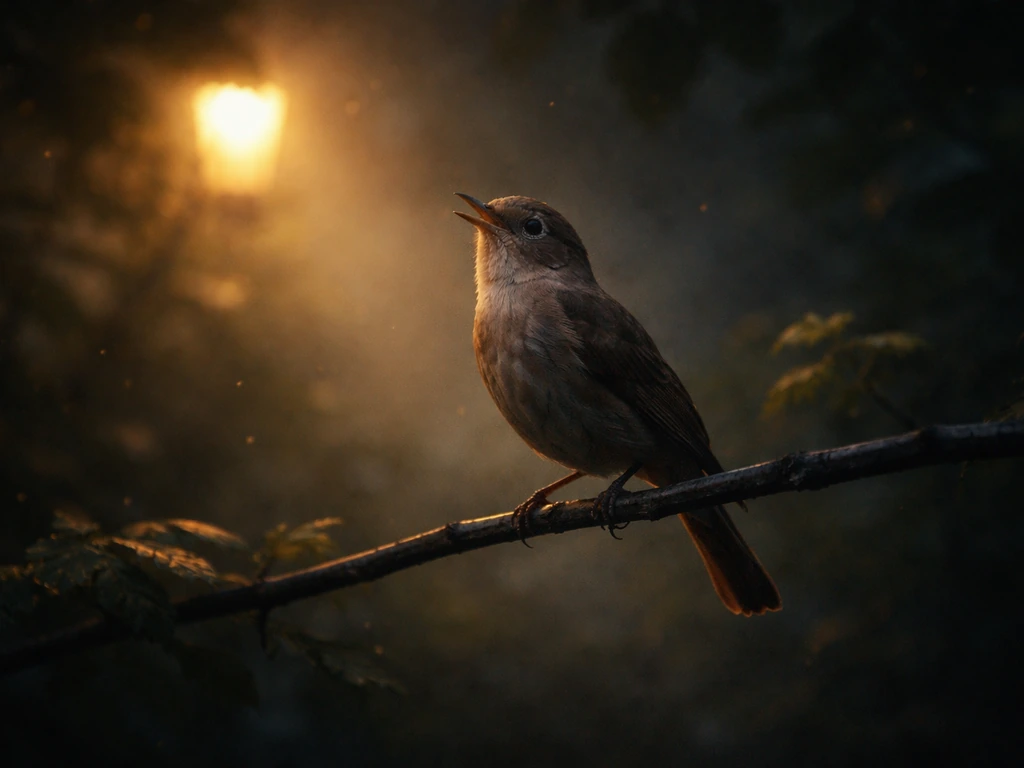
There is no single, universally established bird called the 'nemesis bird.' The phrase is used in at least three very different ways: as a figurative label for any bird that symbolizes retribution, justice, or karmic comeuppance; as a personal or regional nickname for a specific species (often one with threatening, ominous, or predatory associations); or occasionally as a misheard or mistyped version of another known bird term. To find the correct meaning, you need to look at who said it, in what tradition or context, and which specific bird (if any) they named alongside it.
Nemesis Bird Meaning: How to Identify the Bird and Its Symbolism

Marcus Winters
30 Apr 2026
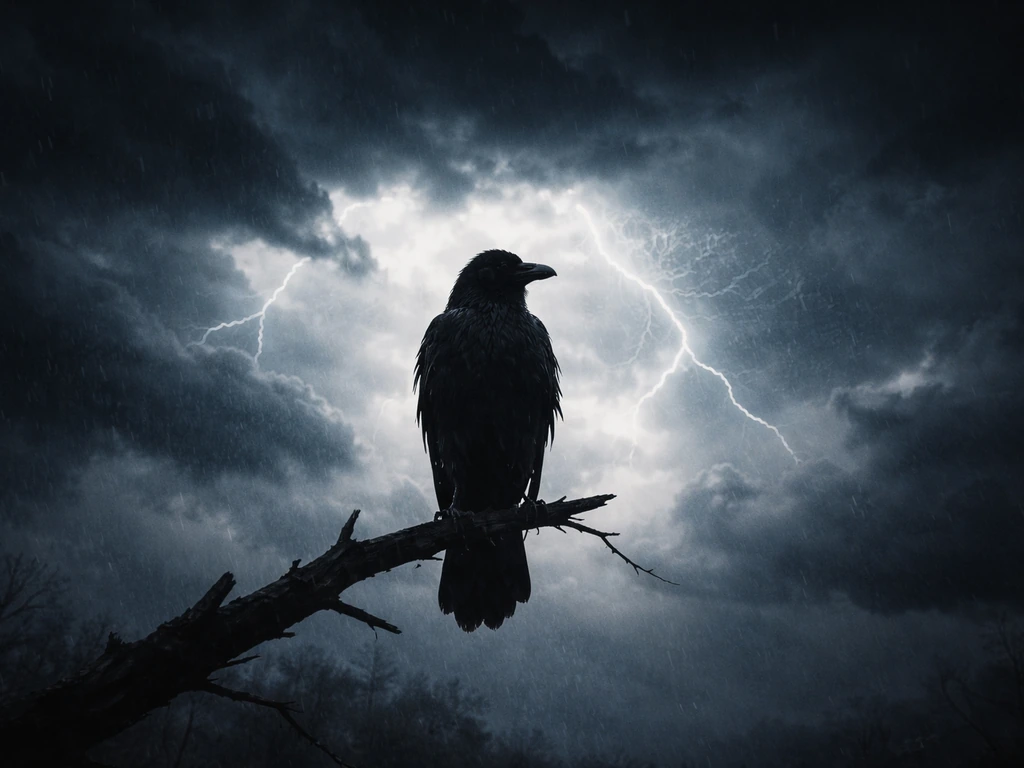
What 'nemesis' actually means, from mythology to modern English

The word 'nemesis' has been in English since the 16th century, borrowed directly from Greek. In Greek mythology, Nemesis (also called Rhamnousia) was the goddess of divine retribution, specifically the force that punished human arrogance, or hubris. Her name comes from the Greek verb némein, meaning 'to give what is due,' so the concept was always about balance and just consequences, not random cruelty. If you grew too proud, too powerful, or too brazen before the gods, Nemesis was the corrective force that came for you.
In modern English, Merriam-Webster notes that the word shifted. It still carries the older sense of 'someone or something that brings just retribution,' but today people more commonly use it to mean a persistent enemy or rival. Think of how a superhero always has a nemesis: it is the one opponent they cannot seem to beat. Both senses matter when you are trying to decode 'nemesis bird,' because the phrase could be drawing on either the ancient idea of divine payback or the modern idea of an unbeatable adversary.
Literal, figurative, or nickname: what 'nemesis bird' could actually mean
The first question to ask is whether 'nemesis bird' is being used as a proper label or as a descriptive phrase. These are very different things, and confusing them is where most misinterpretation happens.
- Figurative or metaphorical use: Someone describes a bird as their 'nemesis' because it keeps appearing at bad moments, frightens them, or in folklore tradition acts as a warning or omen. Here, 'nemesis bird' is not a fixed term but a descriptive phrase applied situationally.
- Spiritual or folklore label: In some spiritual and folkloric frameworks, certain birds are described as agents of karmic justice, divine warning, or retribution. A writer or practitioner might call such a bird a 'nemesis bird' to cluster that symbolism together.
- Personal or regional nickname: In birding communities and local slang, a 'nemesis bird' is a specific species that a birdwatcher has repeatedly failed to spot despite many attempts. This is a well-established informal term in birding culture and has nothing to do with mythology at all.
- Misheard or mistyped variant: Someone might be looking for the meaning of a specific bird whose name they misremember or misspelled, and 'nemesis bird' is their best approximation. The actual bird could be something else entirely.
The birding usage deserves a special note because it is surprisingly widespread. In the birdwatching community, your 'nemesis bird' is the one that always eludes you: you travel to its habitat, it does not show; you hear reports of a sighting, you arrive too late. It is the species that becomes your personal rival. This usage is metaphorical, borrowing the modern sense of nemesis as a frustrating adversary, and it has nothing to do with symbolism, mythology, or spiritual meaning. If someone in a birding forum says 'the snowy owl is my nemesis bird,' they are saying they cannot catch a sighting of it, full stop.
Birds commonly linked to nemesis themes: retribution, omens, and justice
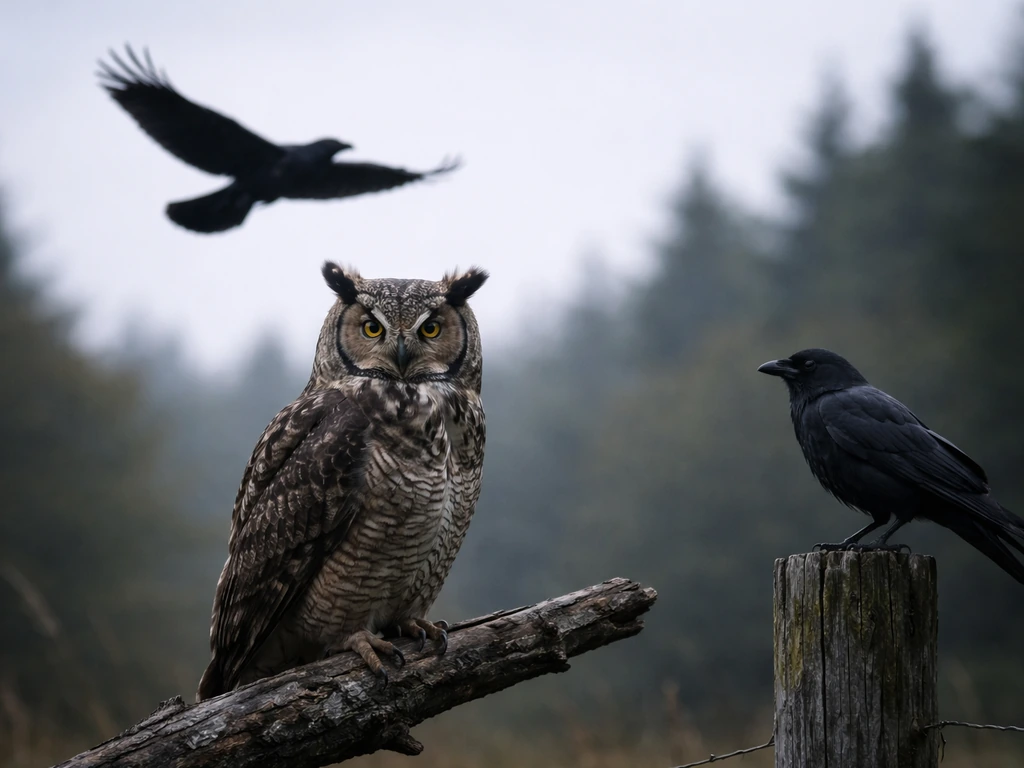
When the phrase is being used in a symbolic or spiritual sense, certain bird species come up repeatedly as candidates. These are birds whose cultural symbolism overlaps strongly with the core ideas behind nemesis: retribution, divine warning, the arrival of consequences, or an unstoppable opposing force.
Owl
Across multiple cultures, the owl is one of the strongest birds associated with death, omens, and forces arriving in the night to settle accounts. The nightingale bird meaning can follow similar symbolic patterns, but it depends heavily on the tradition and context you are reading. In ancient Rome and across many Indigenous traditions of the Americas, an owl's call near a home was interpreted as a death omen or a warning that consequences were coming. Its silent flight, nocturnal habits, and eerie call make it a natural symbol for the unseen approach of retribution.
Raven and Crow
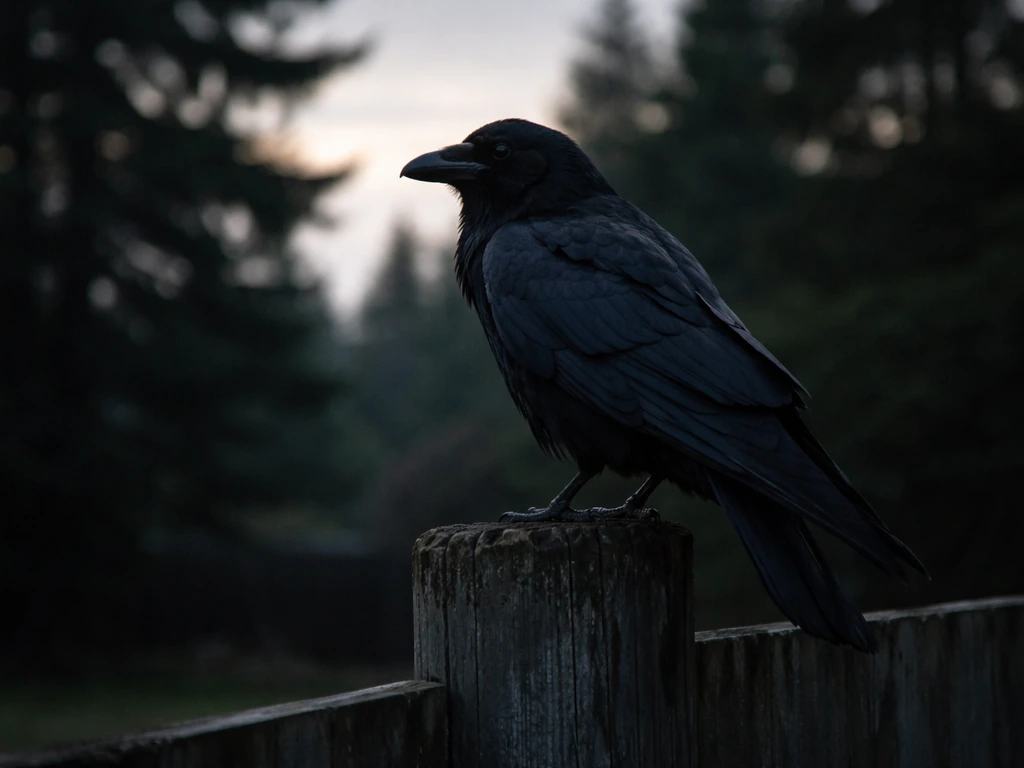
Ravens and crows carry a heavy cross-cultural load of omen symbolism. In Norse mythology, Odin's ravens Huginn and Muninn were watchers, gathering information and returning with what was due. In Celtic and many European traditions, a crow or raven appearing repeatedly near someone was read as a sign that reckoning was near. Their intelligence, dark coloring, and association with battlefields tied them tightly to the idea of justice being enforced by forces beyond human control.
Hawk and Eagle
Hawks and eagles represent divine judgment delivered from above, with no escape. In ancient Egypt, the hawk-headed god Horus was associated with divine kingship and the enforcement of cosmic order. In Greek mythology, Zeus often used an eagle as his instrument, and the eagle that tormented Prometheus was essentially a divine nemesis visiting punishment on him daily. These birds carry the idea of a higher power arriving inevitably to collect what is owed.
Vulture
The vulture symbolizes the inevitable arrival of consequences after pride or recklessness. In Egyptian tradition, the vulture goddess Nekhbet was a protective and powerful force of judgment. More broadly, vultures appear as symbols of things that circle and wait for the results of your actions to catch up with you, which maps almost perfectly onto the Greek concept of Nemesis as a force that eventually, patiently arrives.
Magpie
In British and European folklore, the magpie is one of the most specific omen birds, with counting rhymes ('one for sorrow, two for joy') that frame it as a direct message about fortune and fate. A single magpie is associated with bad luck or a warning, and in some interpretations it acts as a kind of reckoning bird: appearing to signal that something is about to go wrong as a result of previous actions.
How 'nemesis bird' shows up in actual usage
Knowing the usage patterns helps you identify what someone means almost immediately. Here are the main ways the phrase appears in real conversation and writing.
| Context | Example phrasing | What it most likely means |
|---|---|---|
| Birding/birdwatching | 'The ruff is my nemesis bird' | A species the speaker has repeatedly failed to spot |
| Spiritual/symbolism writing | 'The owl acts as a nemesis bird in this tradition' | A bird symbolizing divine retribution or karmic warning |
| Mythology or literature | 'The eagle is Zeus's nemesis bird against Prometheus' | A bird acting as an instrument of punishment or justice |
| Casual/social media | 'That crow is literally my nemesis bird' | A specific bird the speaker finds threatening, annoying, or eerily persistent |
| Folklore discussion | 'In this region, the magpie is considered a nemesis bird' | A local omen bird whose appearance signals coming consequences |
Notice that in most casual and social media uses, 'nemesis bird' is not a fixed idiom at all. It is a person borrowing the word 'nemesis' and applying it creatively to describe a bird they have a troubled relationship with, or one that keeps showing up in unsettling ways. This is distinct from the birding community's specific informal term, and both of those are distinct from the symbolic/folkloric usage. Reading context is everything here.
How nemesis themes map onto bird symbolism
The themes embedded in 'nemesis' translate surprisingly cleanly into bird symbolism, which is why the phrase feels intuitive even when it is not a formal term. Think about the core ideas: the arrival of justice from a higher source, punishment for arrogance, an unstoppable opposing force, and the sense that consequences are inevitable. Birds carry all of these.
Birds appear suddenly, from the sky, without warning. They observe from above. In folklore across nearly every tradition, a bird arriving at an unusual time or behaving strangely is read as a message, and often that message is a warning that something you have done or failed to do is about to catch up with you. The owl that calls before a death, the raven that appears on the battlefield, the eagle sent by a god: these are all variations of the nemesis concept in bird form, the idea that a force greater than you has noticed what you did and is now responding.
The 'fear and warnings' dimension is the most common one. Birds that appear as omens are nearly always framed as warnings of consequences, not random bad luck. The magpie's one-for-sorrow omen, for example, is not saying the universe randomly hates you today. It is culturally understood as a signal that something is in motion, that an account is about to be settled. The nightjar, whose eerie nocturnal call unsettled travelers for centuries, carried a similar freight of foreboding in British folklore, suggesting that unseen forces were active and watching. The nightjar bird meaning is often tied to eerie warnings and the sense of unseen forces being active.
How to figure out what someone actually means when they say 'nemesis bird'
The fastest way to interpret the phrase correctly is to ask three questions in order: Which bird? If someone instead meant the nectar bird meaning, you should look for a specific regional or educational context, since it is different from nemesis-themed symbolism. Which tradition or community? What is the surrounding context? For a clockwork bird meaning, the same approach applies: identify the bird and the context where the phrase is being used nemesis bird.
- Which bird is named? If a specific species is mentioned alongside 'nemesis bird,' start there. Look up the symbolism of that particular bird in the relevant cultural tradition. The nemesis framing is telling you what role the bird is playing, but the bird's own symbolism fills in the specific meaning.
- Which tradition or community is speaking? A birder saying 'nemesis bird' means something completely different from a spiritual blogger or a folklore scholar. Birding use is about elusive sightings. Spiritual use is about omen and retribution symbolism. Literary use often refers to a bird serving as an instrument of punishment in a specific narrative.
- What is the surrounding language? If the text mentions karma, omens, warnings, or divine justice, you are in symbolic territory. If it mentions checklists, life lists, or failed sightings, you are in birding territory. If it mentions a character or story, you may be in literary territory.
- Is it personal or cultural? 'My nemesis bird' is almost always personal (either a birdwatcher's frustration or someone's superstition). 'The nemesis bird in [tradition]' points to a culturally established omen bird in that specific tradition.
- Could it be a different term? If no specific bird is named and the context is unclear, consider whether the person might mean something related to a known bird expression: a wind-up bird, a clockwork bird, or a nectar bird all carry specific symbolic or literary meanings in their own right, and a misremembered phrase could be pointing to one of those instead.
Cross-cultural checks and avoiding misattribution
This is the practical part that most articles skip, but it is the most important when you are trying to pin down the exact meaning of a phrase like this. A Hesperia study from ASCSA also addresses the cult of Nemesis at Rhamnous and discusses scholarly uncertainty about aspects of the cult. Bird symbolism is deeply regional and culturally specific, and a bird that is a retribution symbol in one tradition can mean something entirely different in another. The owl is a death omen in some European traditions but a wisdom symbol in others. The raven is Odin's all-seeing messenger in Norse myth but a trickster creator figure in many Indigenous North American traditions. Applying one culture's nemesis-bird symbolism to another is a common and significant error.
To avoid misattribution, always verify the region and tradition first. If someone says 'in Celtic tradition, the crow is a nemesis bird,' check whether Celtic sources actually frame the crow as a retribution figure (they do, in the figure of the Morrigan), rather than assuming it. If someone says 'the nemesis bird of [X culture] is the hawk,' trace that claim back to actual folklore or textual sources from that culture before accepting it. Social media and general spirituality content frequently recycle symbolism across cultures without flagging the crossover.
Also watch out for invented symbolism. The phrase 'nemesis bird' is evocative enough that it gets applied loosely, and sometimes a writer has simply invented a symbolic association because it felt right rather than because it comes from an actual tradition. If you cannot find the phrase in folklore dictionaries, comparative mythology sources, or documented cultural texts, treat it as a personal or contemporary metaphor rather than an established cultural meaning.
A practical checklist for confirming a nemesis bird claim looks like this:
- Is a specific bird species named? If not, the term is being used as a general metaphor.
- Is the source citing a named cultural tradition? If yes, check that tradition's actual folklore or mythology for that bird.
- Is the context birding, spirituality, mythology, literature, or casual language? Each gives the phrase a completely different meaning.
- Does the symbolism described match the bird's established cultural role, or does it seem imported from a different tradition?
- Could the phrase be a variant of a different, more specific bird term that has its own documented meaning?
When you work through those questions, you will almost always be able to identify what someone means by 'nemesis bird' or, at minimum, know exactly what follow-up question to ask. The phrase is genuinely ambiguous, but that ambiguity resolves quickly once you know which layer of meaning you are dealing with: the birder's elusive quarry, the folklore omen bird, the mythology-linked retribution symbol, or the casual metaphor for any bird that just keeps showing up to ruin your day.
FAQ
Is “nemesis bird” an official name for a specific species?
No. In most cases it is a label people create for a bird that feels ominous or corrective, or a regional nickname for a particular species. If you want to pin it down, ask what exact bird they mean (for example, owl versus raven) and where they heard the phrase.
How can I tell if someone means the birder version versus the spiritual omen version?
Birder usage usually comes with tracking details like “I can never spot it,” “it always avoids me,” or specific trips and sightings. Spiritual usage usually includes themes like warning, consequences, retribution, or fate, often with dates, dreams, or synchronicities rather than field observations.
What should I do if a post says “nemesis bird” but never names the bird species?
Treat it as unresolved ambiguity. Ask for one concrete identifier, usually the species name or a description (size, color, call, location). Without the bird identity, you cannot reliably map it to any tradition or symbolism.
Can the owl, raven, hawk, or vulture all be “nemesis birds,” depending on the context?
Yes, but only within the context of the claim. Different traditions assign different meanings to the same bird. If the writer does not specify the tradition or region, you should assume they are using a general omen theme rather than a single fixed cultural definition.
What if someone says “nemesis bird” in a dream or spiritual reading, but cites no tradition?
In that case, it is probably a contemporary personal interpretation. You can still use it as a reflection prompt, but avoid treating it as a documented omen with guaranteed meaning. Ask what they believe the dream is responding to (guilt, consequences, rivalry), and check whether the bird in the dream matches a real-world bird they know.
How do I avoid culture-mixing when interpreting “nemesis bird meaning”?
Check the claimed origin first. If someone says it is “from Celtic tradition” or “from Norse myth,” ask what text, story, or identifiable tradition source they are drawing from. If they cannot name the tradition clearly, it is safer to treat the symbolism as generic rather than culture-specific.
Is it possible that “nemesis bird” is a mistaken phrase for something else?
Yes. Sometimes it is a misheard or miswritten reference to another bird-related term or concept. If the context mentions a different bird, location, or theme than “nemesis,” compare the wording to the bird species involved and look for likely mix-ups (especially in screenshots or recycled quotes).
Do “nemesis bird” omens always mean bad luck?
Not necessarily. In some traditions, “retribution” symbolism can function as enforcement of balance, a warning to correct behavior, or an inevitable consequence rather than random harm. The key is whether the message is framed as “something is about to settle” or “you are being attacked for no reason.”
How can I fact-check an invented “nemesis bird” claim quickly?
Look for internal consistency. If the claim lists a specific culture but only provides vague associations, or if it cannot point to any recognizable folklore figure or story element, it may be invented. A simple test is whether the bird is already well-attested in that culture for similar omen themes.
What follow-up questions should I ask to get the correct meaning fast?
Ask three things: which bird (species or clear description), what tradition or community they claim (birding forum, specific regional folklore, social media spirituality), and what role the bird plays in the claim (elusive rival, warning, divine punishment, or metaphor for conflict).
Does location matter for “nemesis bird” symbolism?
Yes. Bird presence varies by region, and folklore meanings can be tied to local species. Even if two places use the same bird name, the symbolism can diverge, so the region mentioned by the speaker or the birds actually present where they live is important.
How should I interpret “nemesis bird” if it is used as a casual metaphor?
In casual social contexts, it usually means “the bird that keeps ruining my day” or “the rival I cannot beat,” not a spiritual warning. If there is no symbolism framework and the speaker talks like a birder or competitor, prioritize the rivalry meaning over mythology.
Next Article
Nightingale Bird Meaning: Symbolism, Metaphors, and Context
Explore nightingale bird meaning: symbolism of song, love, longing, hope, plus figurative uses and context clues.