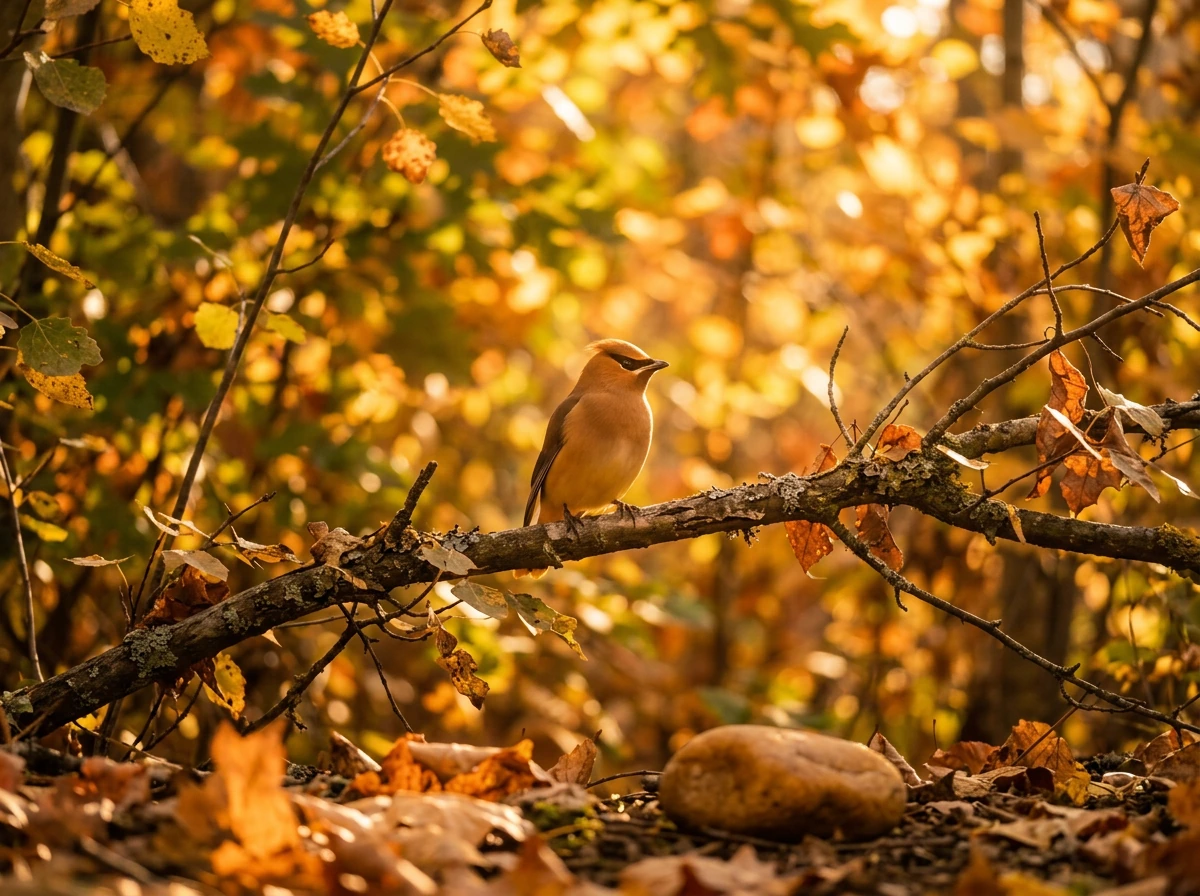
A 'wounded bird' means exactly what it sounds like on the surface: a bird that has been physically hurt. But in figurative use, it describes a person who has been emotionally or psychologically damaged, someone fragile, vulnerable, and in need of care. In this article, we explain the injured bird meaning in both literal and figurative ways so you can understand what the phrase is communicating.
Wounded Bird Meaning: Symbolism and What to Do If Found

Marcus Winters
24 Apr 2026
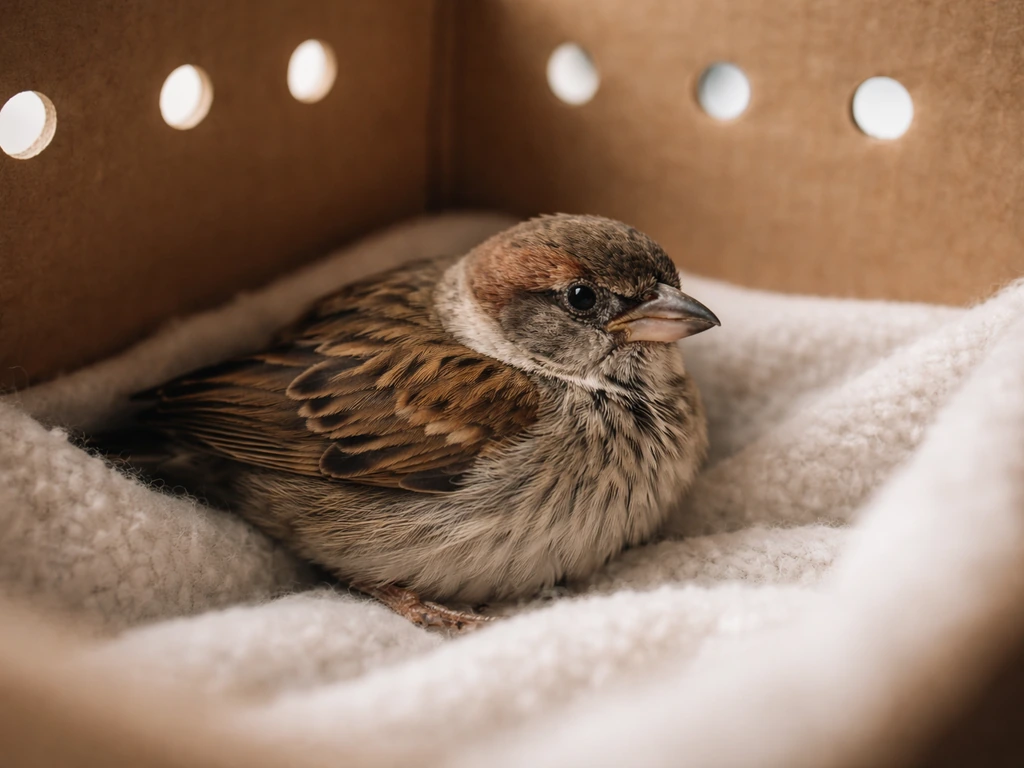
The phrase carries a strong undercurrent of compassion, and depending on context, it can signal anything from poetic spiritual reflection to a relationship dynamic where someone's pain becomes the center of every interaction. If you've actually found an injured bird outside, the most important thing you can do right now is contain it gently in a dark, quiet, warm box, don't give it food or water, and call a licensed wildlife rehabilitator immediately.
What 'wounded bird' literally means and how it's used
In plain English, a wounded bird is simply a bird that has sustained an injury, whether from a window strike, a predator attack, or any other cause. Collins English Dictionary lists 'wounded bird' as a recognized English collocation, and it appears in descriptive language all the time: 'he flapped his arms like a wounded bird' uses the image to paint a picture of something ungainly, desperate, and struggling.
That visual quality is exactly what makes the phrase so useful in figurative speech. A wounded bird can't fly properly. It's exposed. It's vulnerable in a way that healthy birds never are.
That specific combination of qualities is what writers, speakers, and everyday people borrow when they reach for the phrase in a non-literal sense.
The figurative meaning: what it says about people

When someone describes another person as a 'wounded bird,' they're saying that person is emotionally hurt, fragile, or in a state of recovery. In that sense, the winged bird meaning is about someone feeling emotionally hurt and temporarily unable to move freely the way they used to. Collins defines 'wound' as a verb specifically in the emotional sense: to be deeply hurt by what someone says or does. That emotional definition maps perfectly onto the figurative use of 'wounded bird.' The image works because birds, in almost every cultural tradition, represent freedom, lightness, and flight. To be a wounded bird is to be cut off from that freedom, grounded by pain.
In everyday conversation, the phrase tends to show up in three main ways. First, as an expression of sympathy: 'She looked like a wounded bird after the breakup.' Second, as a description of someone who attracts protection from others, the person whose vulnerability draws caregivers, partners, or friends to their side. Third, in a slightly more critical sense, describing someone who leans on their pain rather than working through it. Urban Dictionary records the informal relationship concept 'Wounded Bird Syndrome (WBS),' describing someone who uses emotional or physical hurt to attract sympathy and connection. That usage reflects a real social dynamic, even if the term itself is slang rather than formal vocabulary.
In inspirational and motivational contexts, the phrase takes on a different charge altogether. NAMI (the National Alliance on Mental Illness) published a personal story titled 'This Wounded Bird Can Still Fly,' and that title captures exactly how the phrase functions in recovery narratives: yes, I've been hurt, and yes, I can still rise. It's a phrase that holds both the wound and the possibility of healing at the same time, which makes it particularly powerful in speeches, memoirs, and any story about surviving hardship.
Spiritual and symbolic meaning: vulnerability, compassion, and healing
Spiritually, a wounded bird is one of the most potent symbols of human fragility and the need for compassion. A well-known devotional piece from Our Daily Bread, widely cited in sermon illustrations and reproduced on Bible. org, begins with the image of a bird 'sore wounded, pinioned by a cruel thorn,' and uses it as a metaphor for a soul darkened by grief and pain whose wings are furled, unable to fly.
If you meant something like “sore like a bird,” that wording is often used to describe a person feeling deeply hurt or emotionally vulnerable, similar to the sore like a bird meaning. The piece contrasts that image with the possibility of hope and healing, and that contrast is the core of what a wounded bird symbolizes in spiritual contexts: a soul that has been grounded by suffering but is not without the capacity to fly again.
Across spiritual traditions, the bird in pain calls out for a response of gentleness. Unlike symbols of power or triumph, the wounded bird demands nothing dramatic from you. It asks for stillness, quiet, and care. That's why the image appears so often in reflections about empathy: the wounded bird teaches the observer something. You can't help it by being loud, forceful, or impatient. You have to slow down, soften, and pay attention. That lesson translates directly into how people interpret the phrase when applied to human beings.
Folklore and cultural associations with injured birds
Across many cultures, finding an injured bird is treated as a significant moment, not just a logistical problem. This is often where people start looking for the deeper finding a bird wing meaning behind the moment finding an injured bird. In European folklore, harming a bird (especially a robin or swallow) was considered deeply unlucky, a sign that suffering would return to the person who caused it. In various Indigenous North American traditions, birds are seen as messengers between the human and spirit worlds, and an injured bird appearing in your path was often read as a sign that something in your own life needed tending to, some wound needed attention.
Japanese culture holds the crane as a symbol of longevity and good fortune, and the image of a wounded crane carries a particular sadness, the disruption of something that should be whole and free. In Chinese symbolism, birds in flight represent opportunity and freedom, so a bird unable to fly suggests blocked potential or interrupted destiny. These cultural associations reinforce why 'wounded bird' as a phrase carries so much emotional weight when applied to people. The symbolism runs deep across traditions: a grounded bird is a disruption of the natural order, something that needs to be made right.
Closely related to the wounded bird image are the ideas explored in topics like broken winged bird meaning and bird with a broken wing meaning, both of which share this same cultural vocabulary of impaired flight and the hope of restoration. Because the phrase broken winged bird meaning is closely tied to impaired flight and the hope of restoration, it’s often used in the same symbolic way.
If you are comparing different versions of impaired-flight symbolism, the bird with a broken wing meaning is a related way to interpret similar themes of vulnerability and hope. A broken winged bird meaning overlaps with wounded-bird symbolism, especially the idea of impaired flight and the hope of restoration. In the same way, the phrase winged bird meaning points to ideas about freedom, flight, and recovery when the “bird” is used symbolically.
The bird on the wing meaning is closely related, and it also uses flight imagery to capture hope and recovery. The falling bird and injured bird themes in language and folklore all draw from the same well: the bird as a symbol of freedom whose loss of flight becomes a mirror for human pain. If you’re curious about how the “falling bird” idea is interpreted as a symbol, you may also like the falling bird meaning.
The 'damaged person' metaphor in relationships and gender dynamics
In relationship contexts, 'wounded bird' most often describes someone who has been hurt by past experiences, whether by a previous relationship, family trauma, or loss, and who now carries that pain visibly into new connections. There's a specific dynamic that comes up around this phrase: the wounded bird and the rescuer. One person is fragile and hurting; the other is drawn in by the need to help, protect, or fix. This pattern appears in pop psychology, relationship advice columns, and personal essays, and it's worth naming clearly because it can go both ways.
Sometimes the rescuer dynamic is healthy and grows into genuine mutual care. But the 'Wounded Bird Syndrome' concept from informal usage points to something more complicated: situations where the wound, rather than the person, becomes the central element of the relationship. The person who is hurting may not always be aware they're using their pain this way, and the person doing the 'rescuing' may be meeting their own emotional needs through the dynamic rather than genuinely helping. Recognizing the phrase in this context helps people name and examine the pattern rather than just living inside it.
In gender dynamics specifically, the 'wounded bird' metaphor has historically been applied more often to women in literature and popular culture, framing female vulnerability as something to be saved or protected. That framing has been widely critiqued as reductive. In contemporary usage, the phrase is used more equally across genders and increasingly appears in mental health narratives where the point isn't to be saved by someone else, but to heal and fly again on one's own terms.
What to actually do if you find a real wounded bird
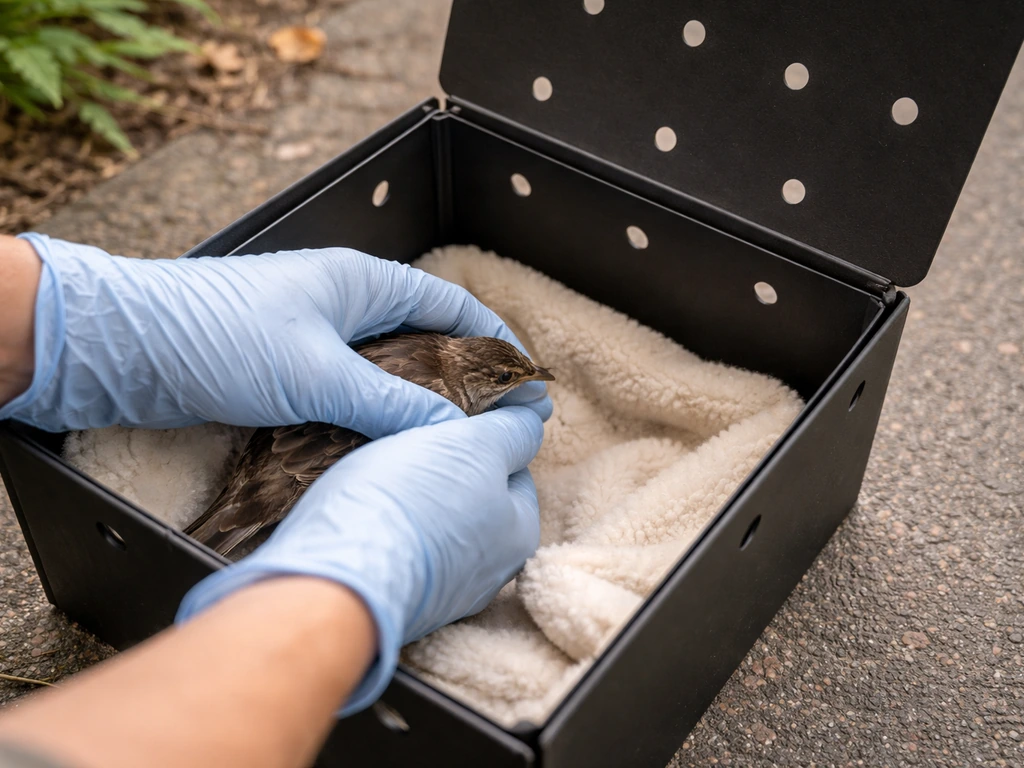
If you've found an injured bird and landed on this article looking for immediate help, here's the practical guidance you need. The core principle from every wildlife organization is the same: do as little as possible yourself, and get a professional involved as fast as you can.
- Assess before you approach. If the bird is a larger predatory bird (hawk, owl, eagle), do not attempt to handle it without speaking to a licensed rehabilitator first. Avian Wildlife Center specifically warns that raptors can cause serious injury even when hurt.
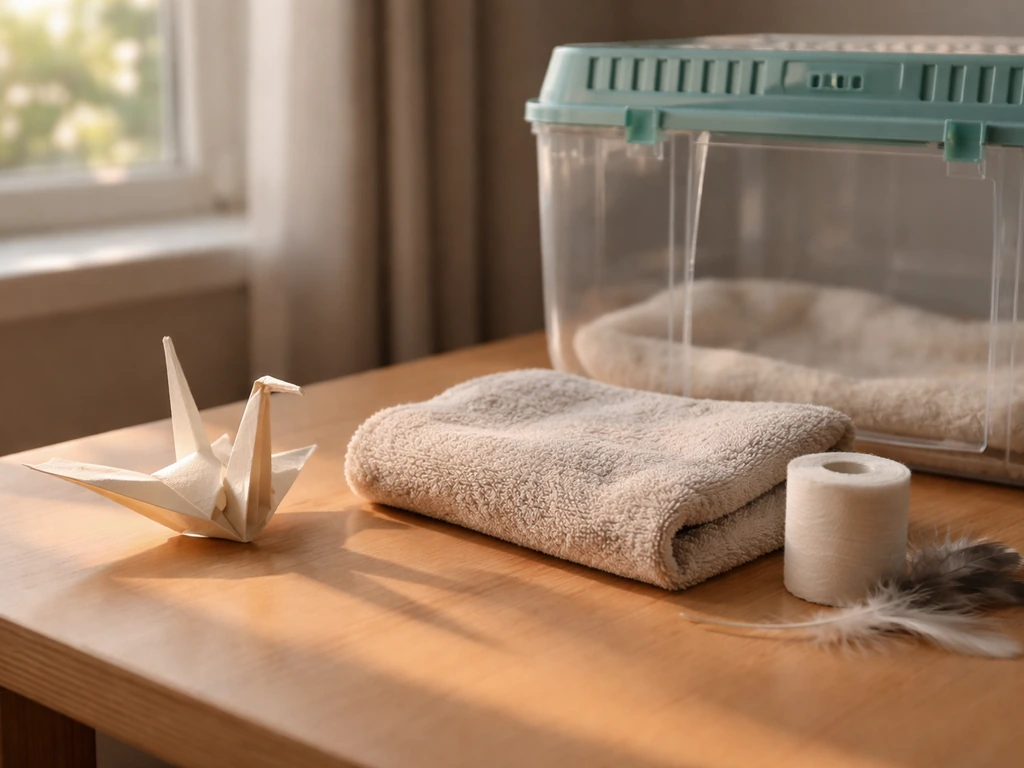
- Contain it carefully. If it's safe to approach, place the bird gently in a cardboard box with a lid. Line the box with a soft cloth or paper towels. The box should be just large enough for the bird but not so large that it can thrash around and injure itself further.
- Keep it warm, dark, and quiet. This is the consensus from Audubon, Wings of the Dawn Wildlife Rescue, Think Wild, and Alachua Audubon Society. A dark, quiet environment reduces stress significantly. You can place the box somewhere warm, around room temperature.
- Do not give food or water. This point is repeated by every credible source: Audubon, U.S. Fish & Wildlife Service, Wings of the Dawn, Think Wild, and more. Feeding the wrong thing or giving water incorrectly can cause serious harm or even death.
- Do not try to trap or capture the bird before contacting a rehabilitator. The U.S. Fish & Wildlife Service explicitly advises against this. If the bird can move, let a professional guide the process.
- Call a licensed wildlife rehabilitator immediately. The U.S. Fish & Wildlife Service, Audubon, and the National Eagle Center all direct people to licensed rehabilitators as the first call. You can search for one at the National Wildlife Rehabilitators Association website or your state's fish and wildlife agency.
- If you can't reach a rehabilitator, call animal services. Audubon recommends this as a backup when a rehabber isn't available.
- If a young bird hasn't been visited by its parents within 24 hours, contact a rehabilitator. The National Eagle Center notes this threshold as a signal that the bird genuinely needs human intervention.
One thing worth repeating: most birds in the U.S. are protected under the Migratory Bird Treaty Act, which means handling them without proper permits is actually illegal. The U.S. Fish & Wildlife Service is clear that you should find a licensed wildlife rehabilitator rather than try to care for the bird yourself. The National Wildlife Rehabilitators Association (NWRA) provides a way to locate nearby wildlife rehabilitators through its find-help resources if you need immediate assistance. Your job in this situation is to stabilize and hand off, not to treat.
Quick reference: what to do vs. what to avoid
| Do This | Don't Do This |
|---|---|
| Place bird in a dark, warm, quiet box | Leave it exposed to weather, pets, or noise |
| Call a licensed wildlife rehabilitator right away | Try to treat or care for it yourself long-term |
| Keep the lid on the box during transport | Handle the bird more than necessary |
| Contact animal services if no rehabber is available | Attempt to trap it before getting expert guidance |
| Check on it from a distance without disturbing it | Give food or water unless a professional tells you to |
| Speak to a licensed rescuer before approaching raptors | Assume all injured birds can be handled the same way |
How to talk about it: supportive language vs. what to avoid
Whether you're talking to someone about an injured bird you found, or using the phrase in a figurative sense to discuss someone who is hurting, the language you choose matters. If you are also curious about the falling bird meaning in a symbolic sense, that interpretation is often discussed alongside this vulnerability-and-compassion imagery wounded bird. Psychology Today emphasizes that compassionate presence matters more than saying the 'right thing,' and that being willing to sit with discomfort and silence is itself a form of care. You don't have to fix anything. You just have to show up.
Pennsylvania DHS guidance on trauma-sensitive language stresses transparency and avoiding unrealistic promises. That principle applies directly here. If a friend is the 'wounded bird' in your life, don't promise them everything will be fine. Do acknowledge what they're going through, offer specific help, and follow through.
| Supportive Language | What to Avoid |
|---|---|
| 'I'm here with you, and I'm not going anywhere.' | 'Everything happens for a reason.' |
| 'You don't have to explain anything right now.' | 'You should be over this by now.' |
| 'What would actually help you today?' | 'At least you still have...' (minimizing comparisons) |
| 'I can sit with you if you want company.' | 'Just stay positive and you'll be fine.' |
| 'It makes sense that you're hurting.' | 'I know exactly how you feel.' (when you don't) |
| 'Take the time you need. I'm not in a rush.' | 'You're so strong, you'll bounce back in no time.' |
AACAP guidance on communication in difficult moments also emphasizes calm reassurance and avoiding dismissive remarks. The core idea is this: when someone is a wounded bird, figuratively speaking, what they need first is to feel seen and safe. Not fixed, not rushed, not told to cheer up. Just seen. That's what the symbolism of the wounded bird points toward in almost every tradition it appears in, and it's the most useful thing you can offer someone who is genuinely hurting.
FAQ
Does “wounded bird meaning” always refer to a real injury, or can it be used in therapy and recovery language?
It can be figurative in therapy, journaling, and recovery contexts to describe being emotionally harmed, but it is still metaphorical. In clinical or support settings, it is usually clearer to describe specific experiences (panic, grief, trauma triggers) rather than using the phrase as a stand-in for diagnoses.
How can I tell whether someone is using “wounded bird” compassionately or to create a rescuer dynamic?
A helpful tell is how the person responds when you offer support that is practical but not dramatic. Compassionate support leads to shared problem-solving or gradual progress, while rescuer-based patterns often keep you focused on the wound and reduce accountability or long-term coping.
What should I do if I find an injured bird but I am not sure it is safe to approach?
Assume it can bite or scratch, and keep distance until you can contain it safely. Use thick gloves and a towel if you must move it, and avoid grabbing it by the wings. If it is in a dangerous place (roadway, active predator area, power lines), prioritize calling a wildlife rehabilitator and keeping people away.
Is it okay to give water or food to an injured bird I found?
Generally no. The safer approach is to do minimal stabilization (dark, quiet, warm container) and hand off. Feeding or forcing water can cause choking, aspiration, or stress, and it can be harmful depending on the bird species.
How long can an injured bird wait before I call a rehabilitator?
Treat it as time-sensitive, especially if it is bleeding, barely moving, or appears in shock. If you have no immediate access, call anyway and ask for triage instructions, because delays increase the risk of exposure, overheating or cooling, and infection.
What if I accidentally touched the bird, or the bird got stressed before I contained it?
Do not try to “undo” handling. Focus on reducing further stress now by keeping the bird in a quiet, dark container, limiting handling to the minimum needed, and contacting a licensed rehabilitator. If you were bitten or scratched, clean the wound promptly and seek medical advice.
Is it illegal to care for an injured wild bird in the U.S. if I do it gently?
In the U.S., many wild birds are protected, and unauthorized handling can violate federal and sometimes state rules. The most compliant route is to contact a licensed rehabilitator rather than attempting treatment or keeping the bird long-term.
How should I word support for someone I would describe as a “wounded bird” without sounding dismissive?
Use acknowledgment plus specific assistance instead of reassurance-by-cliché. For example, say you understand it is hard, then offer one concrete option like “Do you want me to sit with you for 30 minutes while you text your friend,” rather than “Everything will be okay” or “Just be strong.”
Can “wounded bird meaning” be used to describe myself, and is that healthy?
It can be validating if it helps you recognize vulnerability and seek support, but it can become unhelpful if it turns into identity-based helplessness. A balanced way to use it is to pair the metaphor with next actions, for example, “I’m hurting, and I’m taking steps to heal,” rather than “I’m broken and can’t change.”
Next Article
Amber Bird Meaning: Symbolism, Interpretations, and How to Use It
Learn amber bird meaning: disambiguate the phrase and interpret it using amber and bird symbolism, grounded steps includ