When someone says 'my bird' or 'your bird,' they almost always mean one of three things: a pet bird they own, a romantic partner or close female friend (UK/Irish slang), or an affectionate nickname loaded with personal meaning. Which one they intend depends almost entirely on context, tone, and where in the world they're from. Most of the time you can figure it out in seconds if you know what to look for.
My Bird Meaning Explained: What People Usually Mean

Marcus Winters
26 Apr 2026
What people usually mean by 'my bird' or 'your bird'
The single most common real-life use of 'my bird' in everyday conversation is possessive slang for a girlfriend, partner, or close female friend. When people ask, “have a bird meaning,” they are usually trying to understand what the phrase “have a bird” or “bird” implies in that exact conversation. This usage is deeply rooted in UK and Irish vernacular.
Wiktionary records 'bird' as a colloquial British and Irish word for a girl or woman, especially a romantic interest, and Urban Dictionary specifically flags 'my bird' as roadman slang meaning 'a girlfriend or a good female friend. ' If you've watched Derry Girls, you've heard it: one character casually says 'I'll just give it to my bird,' and nobody blinks because in that dialect it's completely normal shorthand for his girlfriend.
Reddit's AskABrit community confirms the same thing: in UK English, 'she's my bird' just means 'she's my girlfriend. '
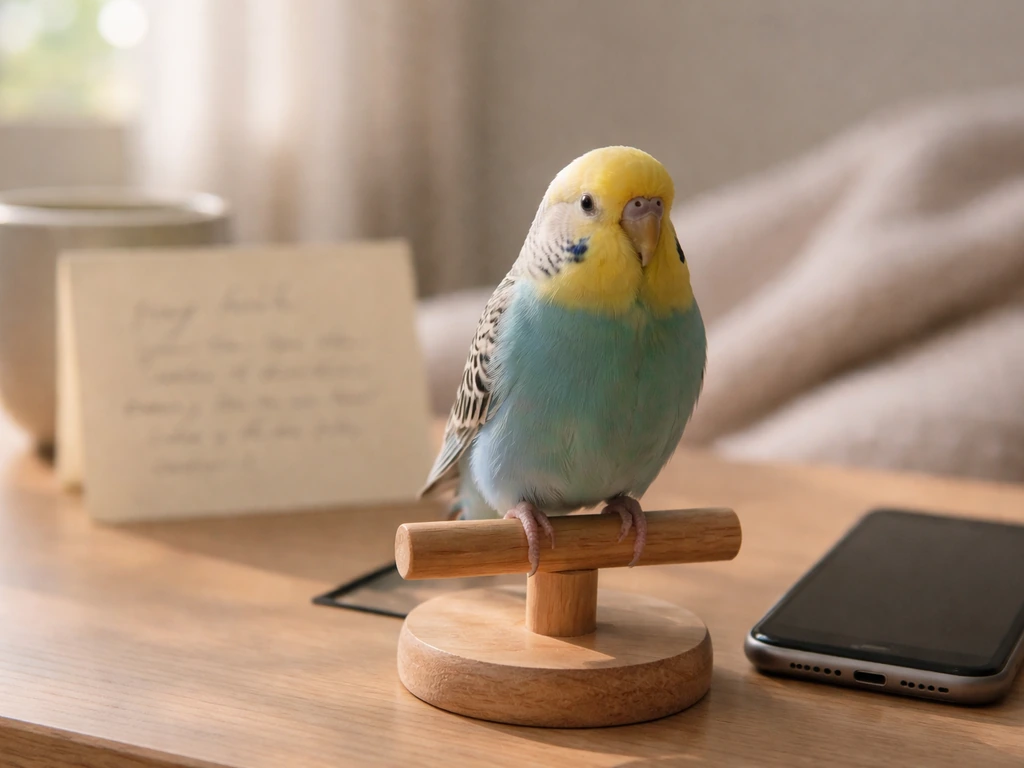
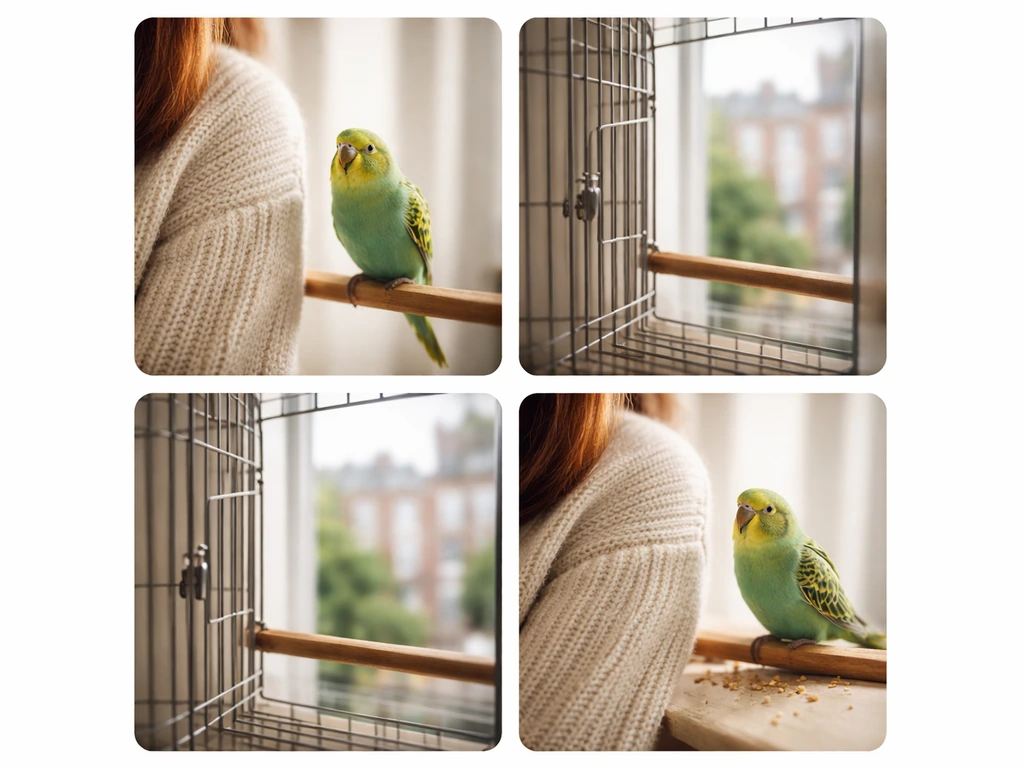
The second most common meaning is literal: the person owns a pet bird and is talking about it. Parrot and finch communities are full of posts that say 'my bird does this' or 'my bird's name is Mango,' and the surrounding pet-care context makes the meaning obvious within one sentence. This is worth stating plainly because a lot of confusion happens when people see 'my bird' stripped of context and assume slang when the speaker genuinely means their cockatiel.
The third meaning is softer and more intimate: an affectionate nickname. Cambridge English Dictionary defines “endearment” as terms or expressions used to show affection, such as “darling” and “sweetheart.” affectionate nickname. 'Bird' as a term of endearment draws on the same warmth as 'lovebird,' a word that literally combines love with bird and has been used to describe devoted couples for centuries. When someone calls a person 'my bird' with genuine tenderness, they're reaching for that symbolism of lightness, freedom, and love without necessarily thinking about the etymology. It just feels right to them.
How to decode the meaning from context and tone
The fastest decoding tool you have is the surrounding conversation. Ask yourself: is there any mention of pets, cages, feeding, or animal behavior? If yes, almost certainly a literal bird. Is the speaker British, Irish, or using other UK-flavored slang in the same message (words like 'mate,' 'innit,' 'proper,' or 'roadman' vocabulary)? Then it's very likely slang for a girlfriend or female friend. Is the tone warm, romantic, or poetic? Then you're probably looking at an endearment or metaphor.
Tone carries a lot of weight here. 'Your bird called' sounds casual and relationship-focused. 'My bird is singing beautifully today' sounds like someone talking about a pet, unless the speaker is being playfully romantic. 'She's my bird, always has been' has a territorial, affectionate ring that leans toward UK slang. Pay attention to whether the sentence is describing behavior you'd only attribute to an animal (flying, chirping, eating seed) or behavior that belongs to a person (texting, showing up, getting upset).
Region matters enormously. 'My bird' as girlfriend slang is almost exclusively a UK and Irish usage. If the speaker is American or Australian and there's no obvious subcultural influence, the romantic-partner meaning is far less likely. Americans tend to use 'my girl,' 'my babe,' or specific names rather than 'my bird' for a partner. So geography is a genuine clue.
Affectionate nickname vs slang vs metaphor: what's the real difference?
These three uses overlap more than people realize, but they do operate differently. Slang is socially coded and regional. When a British person says 'my bird,' they're using a word that their peer group recognizes as meaning girlfriend, the same way Cockney rhyming slang turned 'bird lime' into shorthand for prison time. It's a group vocabulary thing, not a personal creative choice.
An affectionate nickname is personal and deliberate. If someone starts calling their partner 'my little bird' because the partner loves the outdoors and always seems like they want to fly somewhere new, that's a private endearment. Cambridge research on terms of endearment notes that animal-based nicknames are one of the most productive categories in English, and bird-based ones carry specific connotations of delicacy, freedom, and song. These nicknames feel special precisely because they're built around something true about the person.
The metaphor is broader still. Someone might say 'she's my bird' in a more philosophical or poetic sense, meaning she represents freedom in their life, or she's the one person who makes them feel light. This is the rarest usage in casual text conversations, but it shows up in lyrics, poetry, and heartfelt messages. The metaphorical version leans on centuries of bird symbolism rather than on slang convention.
The cultural and spiritual symbolism that might be behind it
Birds carry an enormous amount of symbolic weight across cultures, and when someone uses 'bird' as a metaphor for a person they love, they're often tapping into that history without realizing it. Doves in particular have represented purity, peace, and the Holy Spirit in Christian tradition for over two thousand years. The Biblical Archaeology Society traces the dove as a symbol of the Holy Spirit directly to the account of Jesus's baptism, where the Spirit descends 'like a dove,' and the Noah story reinforced it as a symbol of new beginnings and hope. Calling someone 'my dove' or 'my bird' in a spiritual context can carry exactly that resonance.
Beyond Christianity, birds across most world traditions represent freedom, the soul, messenger energy, and the connection between the earthly and the divine. When someone describes a person as 'my bird,' especially in a meaningful or heartfelt way, they may be gesturing toward those ideas: this person is light, free-spirited, a kind of messenger or guide in my life.
That “a bird in this world meaning” angle often comes through when someone uses the phrase as a heartfelt metaphor for freedom and connection my bird. If you meant the spiritual side of bird symbolism, you can also compare this to a bird meaning in general a bird in this world meaning. It's worth understanding this layer because it explains why bird-based endearments feel so emotionally resonant even when no one is consciously thinking about symbolism.
If you're exploring other bird-related phrases, it helps to know that expressions like 'have a bird,' 'I saw a bird,' and 'doing bird' each carry their own very specific meanings in different contexts, and none of them overlap much with the possessive 'my bird' usage. If you’re wondering “doing bird meaning,” it refers to other bird-related phrases with meanings that depend heavily on context. Knowing those distinctions stops you from cross-contaminating interpretations.
Quick examples and what they most likely mean
| Example phrase or situation | Most likely meaning | Key clue |
|---|---|---|
| 'I'll just give it to my bird' (UK speaker, casual chat) | Girlfriend or female friend | UK slang, possessive, person-directed action |
| 'My bird hasn't eaten today, I'm worried' (pet forum) | Literal pet bird | Pet-care context, animal behavior described |
| 'She's my bird, always will be' (romantic message) | Girlfriend/partner or affectionate nickname | Possessive + emotional tone |
| 'You're my bird, you know that?' (tender, poetic tone) | Affectionate nickname or metaphor for freedom/love | Poetic register, second-person address |
| 'My bird sings when I get home' (ambiguous) | Could be pet or romantic nickname | Need more context to decode |
| 'Your bird called looking for you' (UK friend to friend) | His/her girlfriend phoned | Third-party reference, UK dialect |
How to confirm the meaning without making it awkward
If the meaning genuinely isn't clear, the cleanest move is a relaxed paraphrase question. Something like 'Wait, are you talking about your girlfriend or an actual bird?' works perfectly in casual conversation, and almost nobody takes offense because the ambiguity is real. You're not being dense, you're being accurate.
If you're reading a text message or a post rather than having a live conversation, scroll up or look at the broader thread before asking anything. Nine times out of ten the surrounding messages will give you the answer. Someone who has been talking about their relationship for five messages and then says 'my bird' is almost certainly referring to their partner. Someone who mentioned adopting a cockatoo last week and then says 'my bird' is talking about the cockatoo.
When you do need to ask, keep it light and specific. Instead of 'what do you mean by that,' try: 'Just to make sure I follow, your bird as in your girlfriend, or an actual bird?' That multiple-choice format makes it easy for the other person to answer quickly without feeling interrogated. It also signals that you're paying attention rather than just confused.
If the phrase came up in something written rather than spoken, like a song lyric, a script, or a social media caption, check the nationality of the creator first. UK and Irish creators will almost always mean the slang version. Then look at the emotional register of the surrounding content. Warmth and romance point to endearment or slang. Natural imagery and spiritual language point to metaphor. Pet-related details point to a literal bird. One of those three buckets will almost always fit, and getting the right bucket tells you everything you need to know.
FAQ
How can I tell if “my bird” is meant as a girlfriend term versus an actual pet bird in a chat?
Look for the nearest concrete clue, like a cage, feeding routine, or a named species (parakeet, cockatiel). If the message shifts to relationship actions (texting, going out, jealous, “she’s coming over”), it’s almost certainly UK/Irish girlfriend slang or an endearment, not a bird owner.
Is “my bird” ever used outside the UK and Ireland for a romantic partner?
Yes, but it is less common. In places like the US or Australia you’ll usually see different partner terms (like “my girl,” “my babe,” or a specific nickname). If there’s no other UK-flavored slang in the same message, romantic meaning becomes less likely.
Could it be an insult or negative slang, not a sweet nickname?
Rarely. In most everyday use it’s either affectionate slang for a partner or a pet reference. However, if the tone is mocking or adversarial, the safest move is to ask a clarifying question, since context (who said it, how they said it) can change the feel.
What does it mean if someone says “your bird” instead of “my bird”?
In UK/Irish slang, “your bird” still usually points to a girlfriend or close female friend, just from the other person’s perspective. It can also function as a teasing endearment, so check whether the conversation shows warmth and familiarity.
Does the plural or related phrasing change the meaning (for example “my birds”)?
It can. If the topic is clearly about pets, plural likely means multiple birds. If the topic is relationships, plural is unusual and usually signals a group reference, a humorous exaggeration, or multiple nicknames. When you see plural, rely more heavily on the surrounding sentences.
What if the person switches topics after saying “my bird” (like from romance to animals)?
Treat “my bird” as belonging to whatever topic they are actively focused on in the immediate context. If they just discussed a partner, assume slang. If they just discussed adopting or caring for a bird, assume literal. Topic switches are common, but usually the nearest clue wins.
Is “bird” endearment the same thing as “lovebird”?
They overlap in warmth, but “my bird” does not always carry the specific “devoted couple” implication that “lovebird” often evokes. “My bird” can be tenderness, playfulness, or admiration for someone’s free-spirited vibe, so focus on the emotional tone rather than the phrase similarity.
How do I ask without sounding rude if I’m unsure?
Use a friendly double-check with options: “Just making sure I get you, are you talking about your girlfriend (or your partner), or an actual bird?” This avoids “gotcha” vibes and gives the other person a quick way to confirm.
What should I do if I see “my bird” in a song lyric or caption?
Check the creator’s likely region (UK/Irish creators often use the partner slang). Then look at the surrounding imagery: romance and territory suggest slang or endearment, spiritual or symbolic language suggests metaphor, and any pet-care detail suggests literal ownership.
Can “my bird” be spiritual or symbolic rather than romantic?
Yes, though it’s less common in casual everyday texting. If the surrounding lines talk about freedom, soul, light, peace, messengers, or spiritual resonance (for example dove imagery), the speaker may be using bird symbolism to describe the person’s role in their life.
Next Article
Doing Bird Meaning: What It Likely Refers To and How to Tell
Discover what doing bird meaning likely refers to, how to tell idiom vs literal, and match common bird symbolism to cont