If you searched 'doing bird meaning' or 'doing the bird meaning,' the most likely answer is this: 'doing bird' is British slang for serving a prison sentence. In a Reddit thread on Cockney rhyming slang, users reiterate that “Bird, Bird Lime = Time, ie Jail Time,” confirming the slang link between bird and prison time blank" rel="noopener noreferrer">serving a prison sentence. It comes from Cockney rhyming slang, where 'birdlime' rhymes with 'time,' and 'bird' became shorthand for a jail term. That is the dominant, well-documented meaning you will find in authoritative dictionaries, and it is almost certainly what the phrase refers to when you heard or read it. Everything else you need to know flows from that starting point.
Doing Bird Meaning: What It Likely Refers To and How to Tell

Marcus Winters
20 Apr 2026
What 'doing bird' and 'doing the bird' most likely refer to
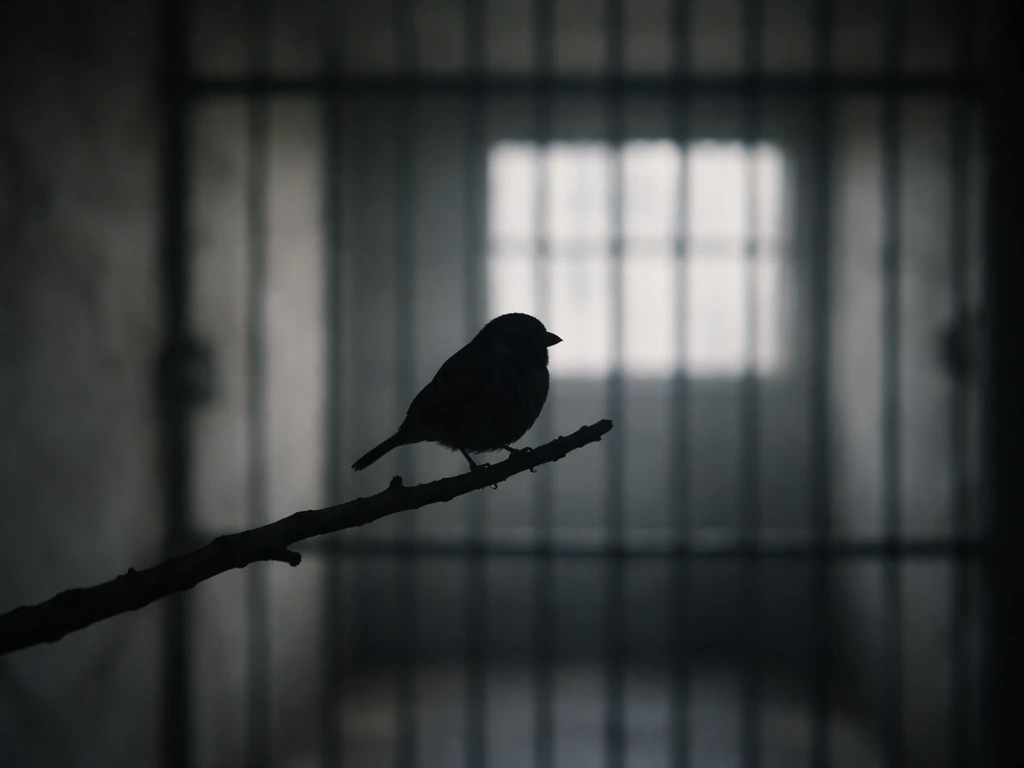
The phrase 'doing bird' is old-fashioned UK slang, specifically noted by the Cambridge Dictionary as meaning 'to serve time in prison.' The etymology is traceable and well-sourced: Cockney rhyming slang paired 'birdlime' (a sticky substance used to trap birds) with 'time,' because the two words rhyme. By the 1850s, 'bird-lime' was already being used as rhyming slang for 'time' in the sense of a prison sentence. By 1924, 'bird' alone had come to mean jail. So when someone says a person is 'doing bird,' they mean that person is locked up, serving their sentence.
'Doing the bird' is a slightly different phrasing, and here things get murkier. The addition of 'the' makes it sound more like a specific action or gesture rather than the prison slang idiom. Some low-quality slang pages online try to assign it a sexual meaning, but that interpretation is not backed up by any authoritative idiom or slang dictionary, so treat those results with real skepticism. The most sensible reading of 'doing the bird' in most British conversational contexts is still a casual variation of the same prison-time phrase, or possibly a reference to making a rude hand gesture (flipping the bird). Both are worth checking against your specific context.
Common figurative meanings when 'bird' shows up in phrases
English uses 'bird' in a surprising number of figurative ways, and knowing the full range helps you pin down exactly which one applies to your situation. Here are the main ones you are likely to encounter:
- Doing bird / do bird: Serving a prison sentence (British slang, Cockney origin, well-documented).
- Flip the bird / give the bird: Making an obscene hand gesture, specifically raising the middle finger. This is the most common meaning in American English.
- Bird: A British informal word for a woman or girlfriend, common in older UK speech.
- Bird: Slang for an aircraft, a spacecraft, or sometimes a satellite in technical or military contexts.
- Bird-dog: An American English verb meaning to closely watch someone or to doggedly pursue a lead (Merriam-Webster documents early 20th-century use).
- A little bird told me: An idiom meaning you heard something through an informal or secret channel, without naming your source.
- Birds of a feather: A shortened form of 'birds of a feather flock together,' meaning people with similar traits or interests tend to group together.
The reason this list matters is that 'doing bird' sits in a very specific corner of that figurative world. It is specifically British, specifically tied to prison, and specifically an older usage. If the conversation you heard it in had any connection to UK culture, crime, or incarceration, the prison-time meaning is almost certainly the right one.
How to figure out which phrase was actually meant

Context is your fastest shortcut here. The word 'doing' in the phrase is a clue on its own because it signals an ongoing action or a current state, not a one-time event. That tense fits the prison meaning perfectly: 'he's doing bird' describes someone currently serving time. If the phrase were about a gesture (flipping the bird), you would normally hear 'gave the bird' or 'flipped the bird' in past tense, not 'doing the bird.' Work through these quick self-checks:
- Who said it and where? British speaker, British TV show, British book or news article almost always points to the prison slang meaning.
- What is the surrounding sentence about? If anyone mentions prison, arrest, conviction, sentence, or being locked up, that confirms it instantly.
- Is there a gesture involved? If someone physically demonstrated something with their hand, 'doing the bird' likely means the middle-finger gesture.
- Is the tone casual or humorous about someone's absence or whereabouts? That is classic 'doing bird' territory.
- Is it in a spiritual or nature-watching context? If someone is describing an actual bird's behavior, they mean the literal animal, not an idiom at all.
One more thing worth knowing: because 'doing bird' is older British slang, younger speakers or non-UK audiences sometimes misremember or mishear it as 'doing the bird,' adding 'the' in a way that feels more natural in their dialect. That small word shift can send you down the wrong search path entirely, which is probably exactly why you ended up here.
Literal bird actions vs. symbolic ones: knowing the difference
This site covers both the figurative world of bird idioms and the symbolic world of real birds, so it is worth separating those two tracks clearly. A literal bird 'doing' something, such as flying in a specific direction, appearing at your window, or calling out at an unusual time, sits in the domain of bird omens and symbolism rather than language idioms. The practice of reading meaning from bird behavior is called ornithomancy, a tradition with roots in ancient Greek culture, and it has been taken seriously across many civilizations.
If you searched 'doing bird meaning' because you witnessed a bird doing something and you are wondering what it signifies spiritually or symbolically, that is a completely different question from the slang one. If you are asking about a bird’s meaning in a spiritual or symbolic sense, see what a “bird in this world meaning” typically refers to in that tradition.
If instead you mean “I saw a bird meaning” in a spiritual or symbolic sense, the species and the specific behavior both matter. In that case, the species of bird and the specific action both matter. A raven circling overhead carries different cultural weight than a dove landing near you. The key distinction is whether you are asking about a phrase someone said or a real bird you observed.
Cultural and spiritual meanings of the birds people most often ask about
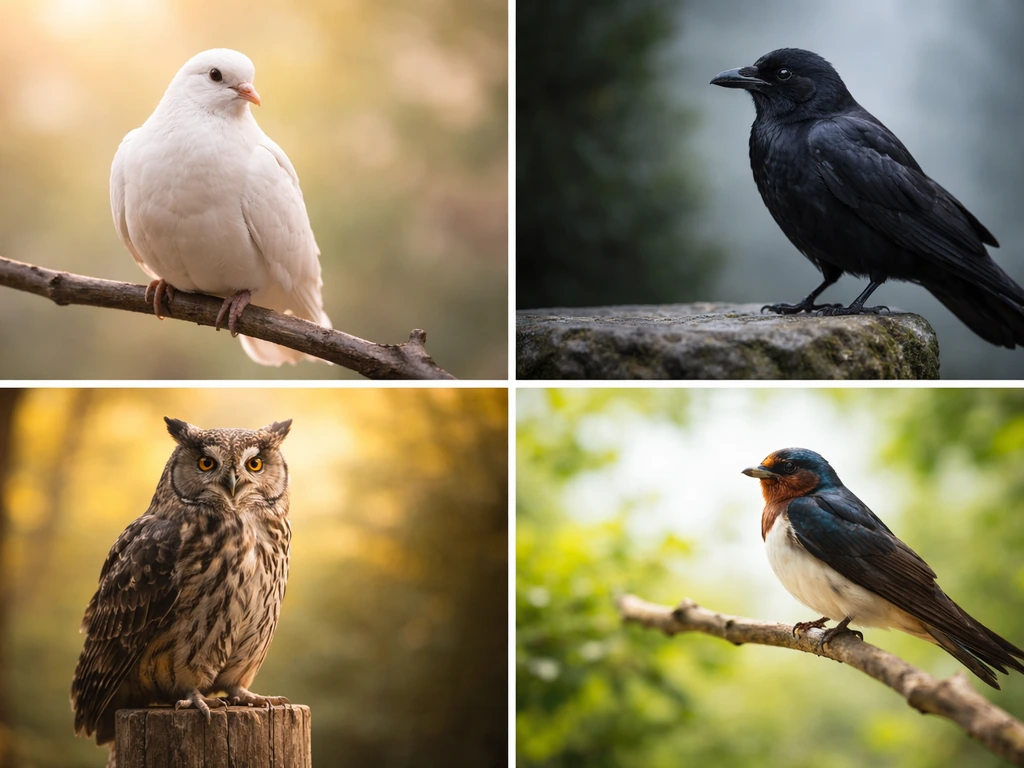
If your question is on the symbolic side rather than the slang side, here is a quick grounding in the most commonly referenced birds and what they have meant across traditions:
| Bird | Common Symbolic Meaning | Cultural Tradition |
|---|---|---|
| Dove | Peace, the Holy Spirit, the human soul, purity | Christian, Western |
| Owl | Wisdom and knowledge (positive); death and bad omens (negative) | Western/Greek (wisdom); Shakespeare/European folklore (omen) |
| Raven | Messenger of the devil, evil omen, but also intelligence and mystery | European Christian folklore, Norse mythology |
| Robin | New beginnings, hope, a spiritual message from a deceased loved one | British and American folk belief |
| Crow | Transformation, death, the threshold between worlds | Many Indigenous and European traditions |
| Eagle | Power, freedom, divine connection, national strength | American, Indigenous, Roman |
The owl is a good example of how bird symbolism can be genuinely contradictory depending on the tradition. In Western culture influenced by ancient Greece, the owl represents wisdom (it was the symbol of Athena). But in European folk tradition and in Shakespeare, the tawny owl's cry was linked to death and bad omens. So 'an owl doing something' near your home could mean very different things depending on which cultural lens you apply, which is why identifying the tradition that matters to you personally is part of getting the right answer.
Phrases like 'I saw a bird' or 'my bird' as standalone expressions sometimes carry their own layered meanings in spiritual conversations, separate from what the specific species signifies. The action the bird was performing, the direction it was flying, and even the time of day it appeared have all been used as interpretive signals in ornithomantic traditions across cultures.
Practical next steps to confirm the meaning and apply it
Here is how to close the loop today, depending on which track your question falls on.
If you heard or read 'doing bird' as a phrase
- Check the Cambridge Dictionary entry for 'do bird' directly. It confirms this as old-fashioned UK slang for serving a prison sentence, which removes ambiguity fast.
- If the source was American rather than British, consider whether 'flip the bird' or 'give the bird' (the rude gesture) is what was meant, and check whether any gesture was physically described.
- If you still cannot confirm from context, go back to the original source (the show, book, conversation, or article) and look at the three to five words on either side of the phrase. That surrounding window almost always resolves it.
- Emotionally and socially, 'doing bird' is typically used with dark humor or matter-of-fact bluntness in British English. Someone saying 'he's doing bird' is not being sympathetic or judgmental necessarily; it is often just a neutral statement of fact.
If you saw a bird doing something and want the symbolic meaning
- Identify the species first. The bird's identity changes everything about the symbolic reading.
- Note the specific action: was it flying toward you or away? Singing, calling, or silent? Landing or taking off?
- Consider your own cultural or spiritual background, since the same bird can mean opposite things across traditions.
- Search for the specific bird plus 'spiritual meaning' or 'symbolism' to get targeted results rather than general 'bird meaning' searches.
- If the experience felt personally significant, trust your instinct about the feeling it gave you. Symbolism only works when it resonates with the person experiencing it.
The bottom line: 'doing bird' almost always means serving a prison sentence in British slang, full stop. If your search is really about "have a bird meaning" in a spiritual or symbolic sense, that is a different question from the prison-slang "doing bird" sense. If you encountered it in a British context and someone was absent or being discussed in a matter-of-fact way about their whereabouts, that is your answer.
If the phrase sounds more like a description of a gesture, a behavior, or a spiritual event, work through the context checks above and you will land on the right interpretation quickly. If you meant the spiritual side of “my bird meaning,” focus on what bird behavior you observed and which tradition you are applying.
If what you meant was a bird meaning in a spiritual sense, focus on the specific behavior you observed and the tradition you are applying. The phrase is genuinely ambiguous on the surface, but rarely ambiguous once you have the surrounding context in hand.
FAQ
Is “doing bird” the same as “doing the bird” in UK slang?
They’re close enough that many people treat them as variations, but “doing the bird” can sound less like an established fixed idiom. If you heard it with emphasis on a specific action, confirm whether the speaker was talking about someone being imprisoned, otherwise it may be a casual description or a mistaken substitution of words.
Does “doing bird” ever mean something sexual?
In practice, no authoritative slang references support a sexual meaning for this exact phrase. If the surrounding conversation is not about imprisonment or gestures, the more likely explanation is internet folklore, a mishearing of another phrase, or a different slang term entirely.
How can I tell if “doing bird” was about prison time versus a hand gesture?
The strongest clue is grammar and framing. Prison-time usage usually describes a person’s current status (for example, “he’s doing bird”). For gestures, you’d more often hear verbs tied to the gesture (gave, flipped) and usually a direct reference to “bird” as the finger gesture rather than “doing” as a state.
What if I heard “doing bird” from someone outside the UK, could they mean the same thing?
Sometimes, but it’s less reliable. Non-UK speakers often misremember “bird” as “the bird,” or they may be repeating a phrase they saw online without knowing the prison-time idiom. Ask for the broader context, especially whether the conversation involved arrests, jail, court, or someone’s whereabouts.
What should I do if I only saw the phrase written, not heard it spoken?
Written context matters more because you cannot use tone or verb tense. Look for nearby cues like “locked up,” “sentence,” “cell,” “released,” or talk about an absence. If none of that appears and the passage is social or comedic, assume it might be a misquote or a different “bird” usage altogether.
Is “bird” in this idiom connected to the substance “birdlime”?
Yes, the historical pathway typically traces through Cockney rhyming slang where “birdlime” rhymes with “time,” and over time “bird” became shorthand for “time” in the prison sense. That history explains why “doing bird” sounds like serving a sentence rather than anything related to birds.
Could “doing bird” be misunderstood as something about literal birds or spirituality?
It can, but only if the context is about nature, omens, or symbolism. If the setting involves a person’s schedule, incarceration, police, or “whereabouts,” the prison-slang meaning dominates. If the setting is spiritual talk, the phrase is likely a coincidence or a different expression.
If I want the safest interpretation, what single question should I ask myself?
Ask, “Was the conversation about a real person’s time in prison, or was it about actual birds or spiritual symbolism?” That one distinction usually resolves the ambiguity immediately, because “doing bird” is strongly tied to prison in British slang.
Is this slang still common today?
It’s considered older British slang, so you may hear it less often than more modern prison-related phrasing. However, when it does appear, it still most commonly means serving time, especially in UK contexts or in dialogue that aims for an old-fashioned tone.
Next Article
Amber Bird Meaning: Symbolism, Interpretations, and How to Use It
Learn amber bird meaning: disambiguate the phrase and interpret it using amber and bird symbolism, grounded steps includ