An avid bird-watcher is someone who watches birds not just occasionally or casually, but with real enthusiasm and dedication. The word "avid" is doing the heavy lifting here: Cambridge Dictionary defines it as "extremely eager or interested," and Merriam-Webster frames it as "extremely enthusiastic." Put that together with "bird-watcher" (a person whose hobby is watching and studying wild birds in their natural surroundings, per Merriam-Webster), and you get a phrase that means someone who is genuinely passionate about birds, not just someone who glances at a pigeon on the way to work.
Avid Bird-Watcher Meaning: What It Really Describes

Marcus Winters
23 Mar 2026
What "avid bird-watcher" means in plain English
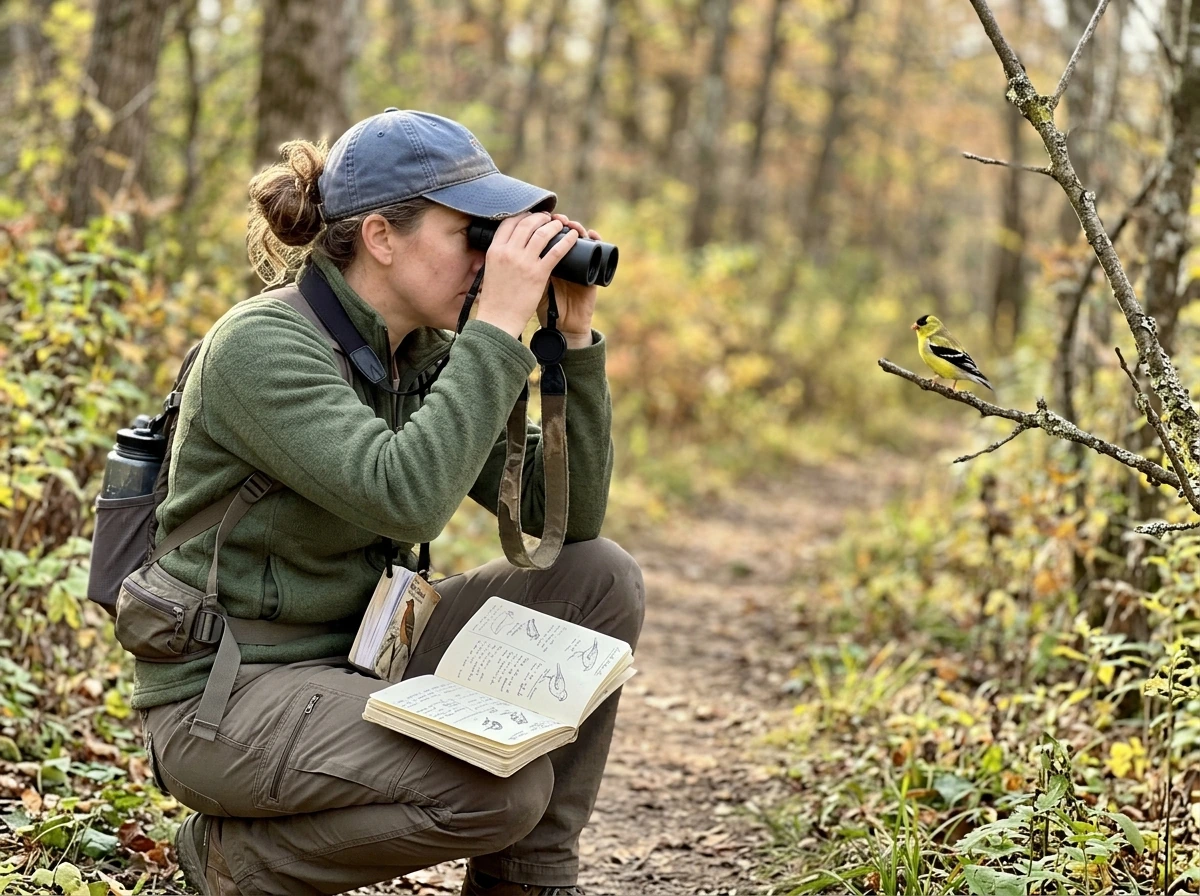
At its core, calling someone an avid bird-watcher tells you two things: what they do (watch birds) and how committed they are to it (very). It goes beyond saying someone "likes" birds. Vocabulary.com captures this distinction well: "Avid bird watchers don't just check out a crow now and then, they go out of their way to observe a variety of birds," and they might even "travel to faraway places" to do it. That is the key shift. A person who enjoys spotting a robin in the garden is a bird-watcher. A person who drives two hours to a wetland reserve at dawn with binoculars and a field guide is an avid bird-watcher.
Real-world usage backs this up. A Reddit user describing their father as "an avid bird watcher" immediately followed it with concrete evidence: "he has identification books and numerous bird feeders." A WBEZ news story about a Cook County birder who set a record for species spotted in 2024 used "avid birdwatcher" to frame that level of dedication. The phrase signals behavior, not just sentiment.
Bird-watcher, birdwatcher, or bird watcher: does spelling matter?
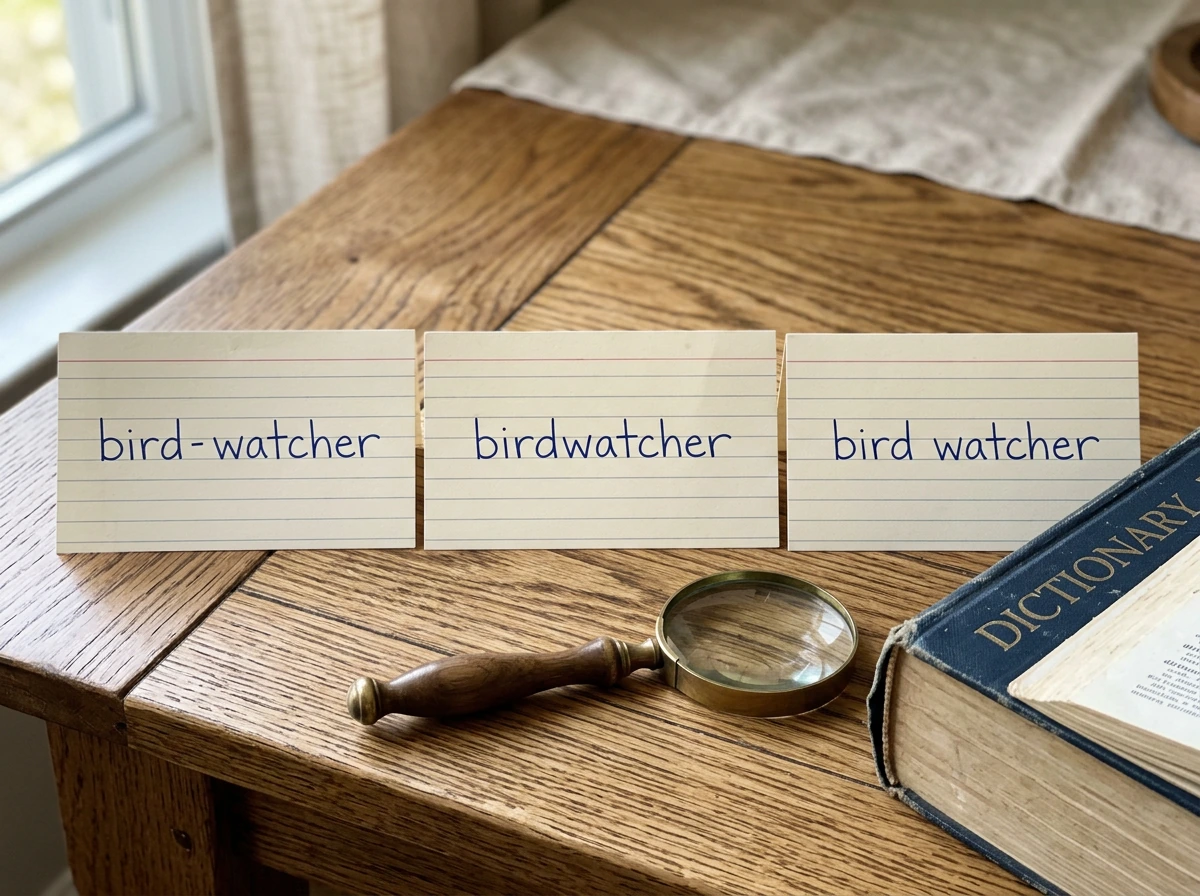
Honestly, not much in everyday use, but it is worth knowing the landscape. The three spellings (hyphenated, one word, two words) are all recognized in reputable dictionaries. Merriam-Webster lists "bird-watcher" as the standard hyphenated form. Cambridge uses "birdwatcher" as a single word. Collins explicitly notes "also birdwatcher" under its "bird-watcher" entry and separately acknowledges the spaced "bird watcher" form. So when you see "avid bird-watcher," "avid birdwatcher," or "avid bird watcher," they all mean the same thing. The hyphenated form tends to appear in more formal or British-leaning writing, while the one-word version is gaining ground in casual and American media contexts. The spaced version is perfectly natural in everyday speech and informal writing.
| Spelling | Where it appears | Formality level |
|---|---|---|
| bird-watcher | Merriam-Webster, British English, formal writing | Formal |
| birdwatcher | Cambridge Dictionary, American media, casual text | Neutral to casual |
| bird watcher | Collins, everyday speech, informal writing | Informal |
The same variation applies when you add "avid" in front. None of the three spellings is wrong. Pick whichever feels natural for the context you are writing or speaking in.
What "avid" actually adds to the phrase
This is where the phrase gets interesting from a language perspective. "Avid" is not just a fancier word for "interested." Merriam-Webster's thesaurus notes that avid can carry a shade of insatiability, an "eager and often selfish desire," meaning it hints at someone who can never quite get enough of the thing they love. Vocabulary.com makes the same point with a different hobby: "If you're an avid reader, it means you read as much as you can, whenever you can." That habitual, compulsive quality is what "avid" brings to the table.
Without "avid," calling someone a bird-watcher just tells you they have a hobby. With "avid" in front, you are communicating intensity, regularity, and effort. A Tribune Chronicle writer captured the distinction perfectly from the opposite direction, writing "I can't say I am an avid bird watcher" and then explaining why: they don't go out on bird counts or wander around with gear. The absence of those behaviors, in their mind, meant the label did not fit. That tells you a lot about what the phrase implies when it does apply.
Behaviors the phrase tends to imply
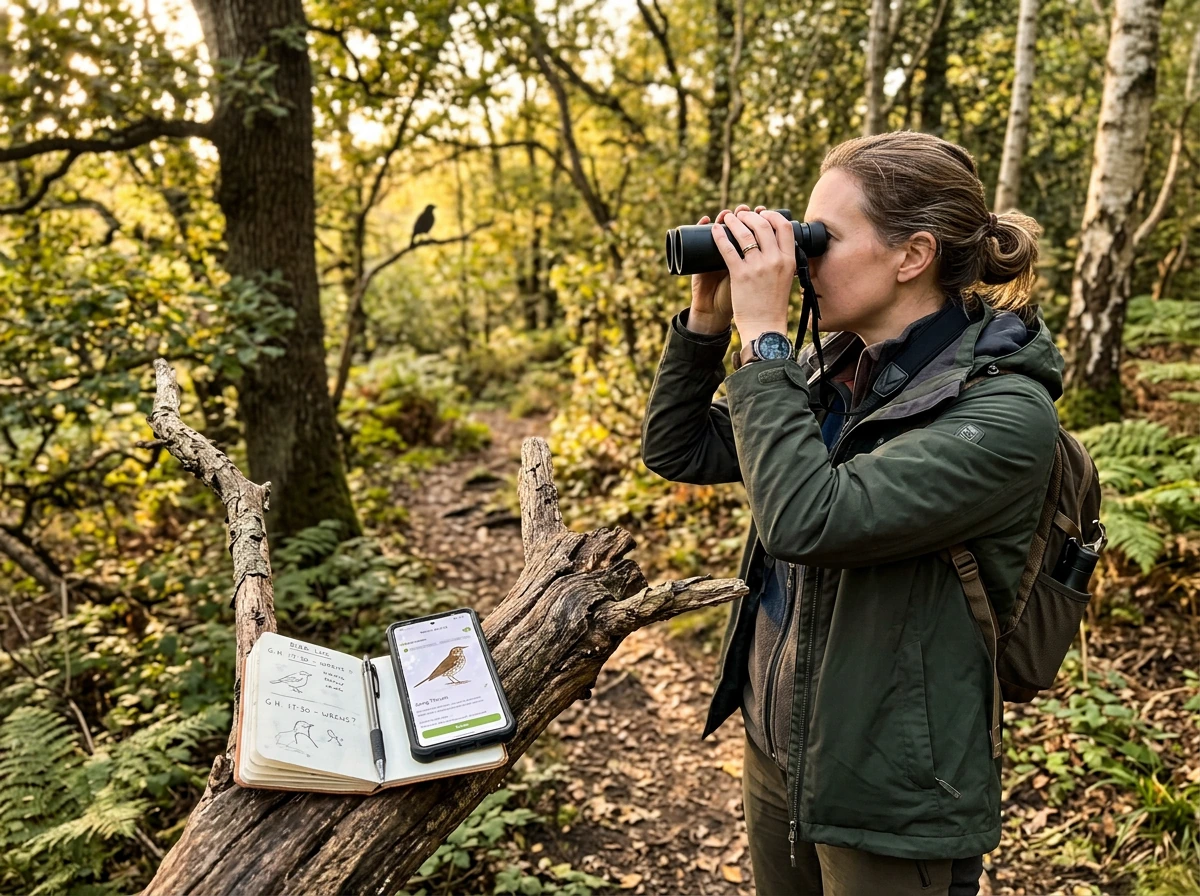
- Going out specifically to observe birds, not just noticing them by chance
- Using equipment like binoculars, telephoto lenses, or spotting scopes
- Keeping identification books or using apps like Merlin to log species
- Maintaining bird feeders or creating habitat at home
- Tracking a "life list" (a personal record of every species ever spotted)
- Traveling to specific locations or reserves to find particular species
- Participating in organized counts or birding communities
Not every avid bird-watcher does all of these things, but the phrase sets an expectation that at least several of them are true. It is a shorthand for a certain level of seriousness about the hobby.
How "avid bird-watcher" fits in conversation
In most contexts, the phrase is used approvingly or neutrally. It shows up in bios, news stories, and casual descriptions as a way to quickly establish someone's passion. "She's an avid bird-watcher" tells you something meaningful about that person's lifestyle and priorities without needing a paragraph of explanation. It is almost always a compliment, or at least a respectful descriptor.
You might also see it used in comparative or qualifying contexts. The Washington Post, for example, has referenced categories like "intermediate and avid birders" to distinguish experience levels, showing that "avid" can sit on a spectrum. On one end you have someone who occasionally looks birds up. On the other, you have the avid bird-watcher who keeps a life list, plans trips around migration patterns, and can identify a warbler by its call before they even see it.
Related phrases you might encounter
Bird-watching vocabulary has a few overlapping terms worth knowing so you can read them correctly when they come up. "Birder" is probably the most common alternative to "bird-watcher," and many experienced enthusiasts prefer it. The Golden Gate Bird Alliance and the West Chester Bird Club both note that seasoned participants often favor "birder" and "birding" over the older "bird-watcher" and "bird-watching" for reasons of identity and tone, the way a serious runner might prefer "runner" over "jogger." A New Yorker piece even framed the choice as an identity statement: "I am a bird-watcher, not a birder." So if someone describes themselves as an "avid birder," the meaning is essentially identical to "avid bird-watcher," just with a slightly more modern or enthusiast-community feel.
A "twitcher" is a step further along the intensity spectrum: Wikipedia's twitcher's vocabulary describes them as committed birdwatchers who travel specifically to spot a new species and add it to their life list. Not every avid bird-watcher is a twitcher, but every twitcher is definitely an avid bird-watcher. Knowing these gradations helps you read the phrase in context with more precision.
Where bird-watching language crosses into figurative territory
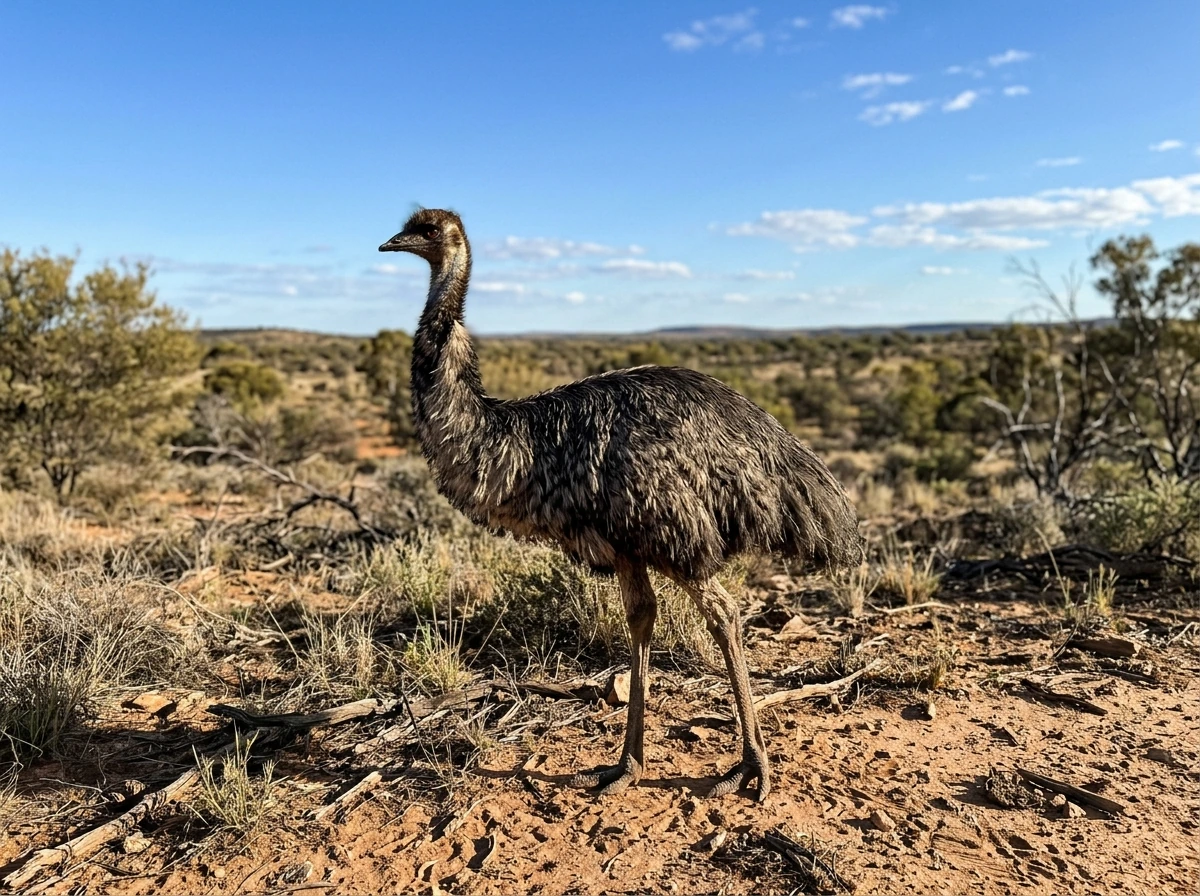
Most of the time, "avid bird-watcher" is literal: it describes a real person with a real hobby. But bird-related language in English has a rich figurative life alongside its literal uses. Phrases like "early bird," "free as a bird," or "a bird in the hand" use birds metaphorically to capture ideas about behavior, freedom, and caution. On this site, you will find that pattern explored across many bird terms, from the symbolism carried by owls and emus to the cultural weight behind expressions like "odd bird" or "yer bird." The literal phrase "avid bird-watcher" sits at the practical end of that spectrum, grounded in hobby and behavior rather than metaphor, but it exists in the same language environment where birds carry meaning beyond their feathers. On this site, you will find that pattern explored across many bird terms, from the symbolism carried by owls and emus to the cultural weight behind expressions like "odd bird" or "yer bird." The literal phrase "avid bird-watcher" sits at the practical end of that spectrum, grounded in hobby and behavior rather than metaphor, but it exists in the same language environment where birds carry meaning beyond their feathers. aku bird meaning. emu bird meaning If you are curious about other bird phrases in different contexts, you can also explore the amber bird meaning.
It is also worth noting that bird-watching itself has picked up a gentle cultural symbolism over time: the hobby is often associated with patience, attentiveness, and a connection to the natural world. Describing someone as an avid bird-watcher can subtly invoke those qualities, painting a picture of a person who slows down, pays close attention, and finds meaning in small, living details. That is never the primary meaning of the phrase, but it can color how it lands in a piece of writing or a conversation.
How to use and recognize the phrase going forward
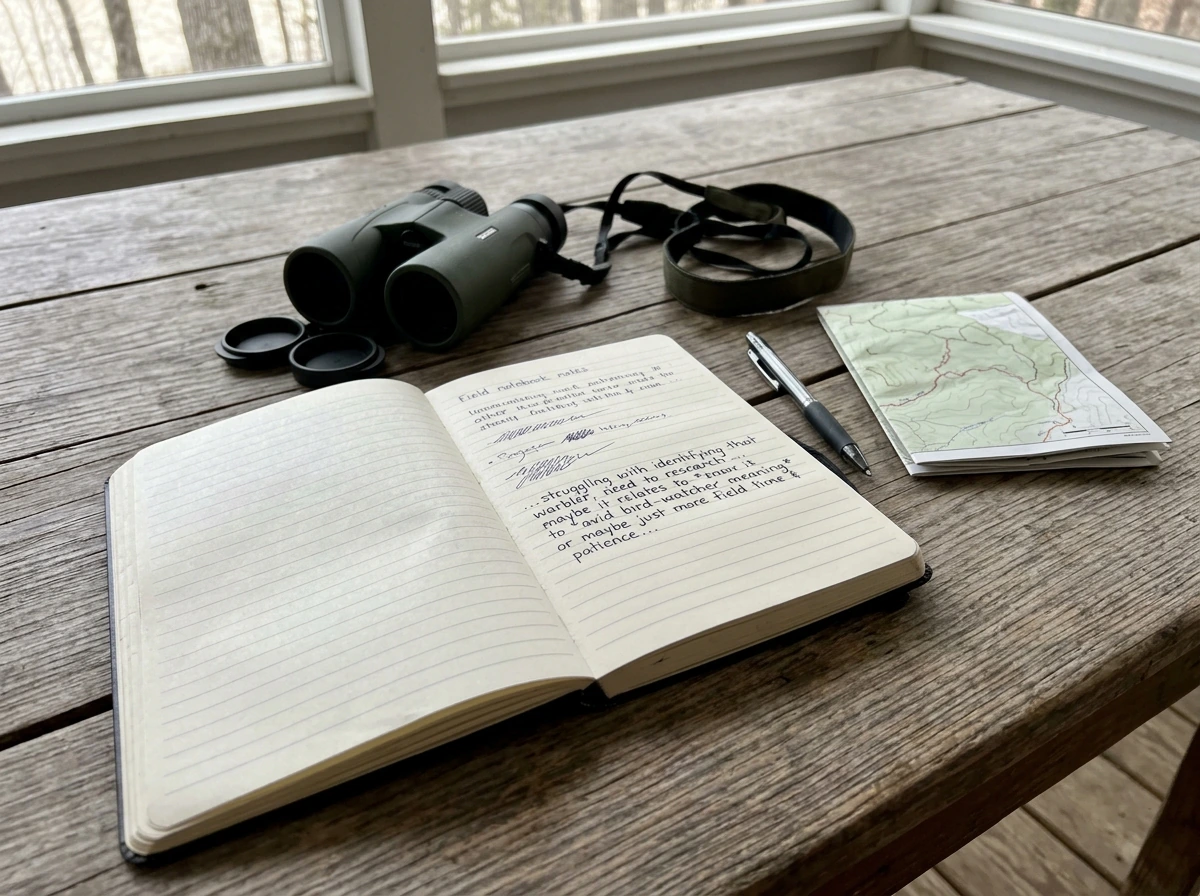
If you are reading the phrase in something someone else wrote, treat it as a strong signal of genuine, habitual engagement with birds, not just passing interest. If you are writing it yourself, use it when you want to communicate that a person is seriously into birding, the kind of person who owns gear, plans outings, and could probably tell you the difference between a house finch and a purple finch at a glance. If you just mean someone who occasionally enjoys watching birds, "bird-watcher" or even "bird lover" without the "avid" modifier is a more accurate fit.
And if you come across the spelling variants, do not let them trip you up. "Avid bird-watcher," "avid birdwatcher," and "avid bird watcher" are all saying the same thing. The hyphen and the space are formatting choices, not meaning differences. What never changes is the core message: this is someone who takes their birds seriously.
FAQ
When is it accurate to call someone an “avid bird-watcher”?
Use “avid bird-watcher” to describe someone whose attention is ongoing and hands-on, not just pleasant. A good rule of thumb is whether they consistently go out to observe, keep notes or a life list, use tools like binoculars or a field guide, or make birding part of their routine (for example, dawn outings or planning around migration).
Does “avid” always imply the same level of dedication across different contexts?
Yes, but context matters. In a formal bio or news-style writing, “avid” often signals seriousness and frequent engagement. In casual conversation, it can be more flexible and still mean “really into it,” so it can describe someone who is enthusiastic even if they do not travel or maintain extensive records.
Can someone be an avid bird-watcher without being obsessed with identifying species?
No. “Avid bird-watcher” typically points to watching and observing birds in natural settings, but it does not automatically mean the person identifies species scientifically. Some people are avid about behavior and habitat, or about feeders and local birds, without trying to name every species.
Would “avid bird-watcher” still fit someone who mostly watches birds online?
It can, but it depends on how they’re using the phrase. If the person participates in bird counts or is known for going out specifically to add species, the “avid” label fits. If they only enjoy bird videos or photos, you would generally prefer “bird lover” or “bird enthusiast,” because the usual sense of “bird-watcher” involves in-person watching.
What should I say if I mean someone likes birds occasionally, not “avidly”?
If you mean “watches birds sometimes,” dropping “avid” is the easiest fix. “Avid bird-watcher” implies effort and regularity, so “bird-watcher” (or “bird lover,” or “bird enthusiast”) communicates interest without the same expectation of frequent outings or gear.
Is “avid bird-watcher” the same as “avid birder,” or is there a tone difference?
“Bird-watcher” is often seen as more traditional, while “birder” can feel more identity-driven within birding communities. Also, “birdwatcher” and “bird-watcher” are spelling variants, but “birder” is a different word choice that may signal how someone self-identifies.
How does the meaning of “avid bird-watcher” change when used in comparisons like “intermediate and avid”?
Yes. “Avid” can still be used when you are comparing levels of experience, for example “intermediate birders and avid birders.” In that use, “avid” works like a spectrum marker for how committed someone is, not only for how many species they can name.
What are common mistakes people make when using “avid bird-watcher”?
A common mistake is treating “avid” as purely emotional, like “very interested,” and then using it for someone who barely goes outside to observe. If you want your sentence to sound credible, tie it to concrete behaviors, such as outings, gear, regular feeding stations, tracking sightings, or attending local bird walks.
How can I write it in a way that feels specific and believable?
If you are writing a short description and want to sound natural, you can match the phrase to the level you mean. For example, “She is an avid bird-watcher” is clear and complete on its own. If the reader might wonder why, adding one specific detail like “keeps a life list” or “goes out at dawn” makes the label land more precisely.
Does calling someone an “avid bird-watcher” imply anything about their personality?
Not automatically. The phrase is usually about the hobby and attention level, but it can also carry a mild suggestion of patience and attentiveness. If you want to avoid sounding like you are assigning personality traits, stick to actions (observes regularly, uses field guides, tracks sightings) rather than describing temperament.
Next Article
Emu Bird Meaning: Symbolism, Traits, and Real-Life Interpretations
emu bird meaning explained with symbolism, traits, cultural roots, and practical guidance for sightings, dreams, and tat