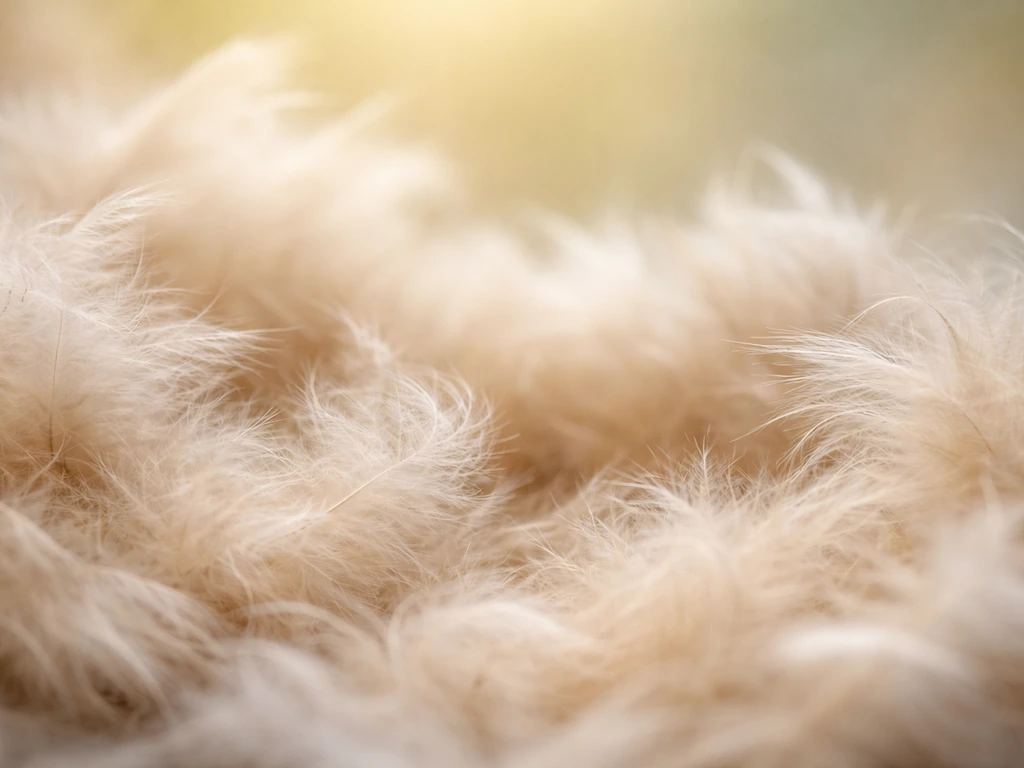
When someone searches 'down bird meaning,' they are almost always asking about one of three things: the soft under-feathers that keep a bird warm, the material those feathers make when stuffed into a jacket or comforter, or the word 'down' used in a phrase or poem where a bird is moving or feeling low. Most of the time, the feather meaning is the core one, 'down' on a bird refers to the fluffy, insulating layer sitting underneath the tougher outer feathers you can actually see. But context shifts the meaning fast, and knowing which sense is meant makes a real difference.
Down Bird Meaning: Feathers, Direction, Bedding Explained

Marcus Winters
5 May 2026
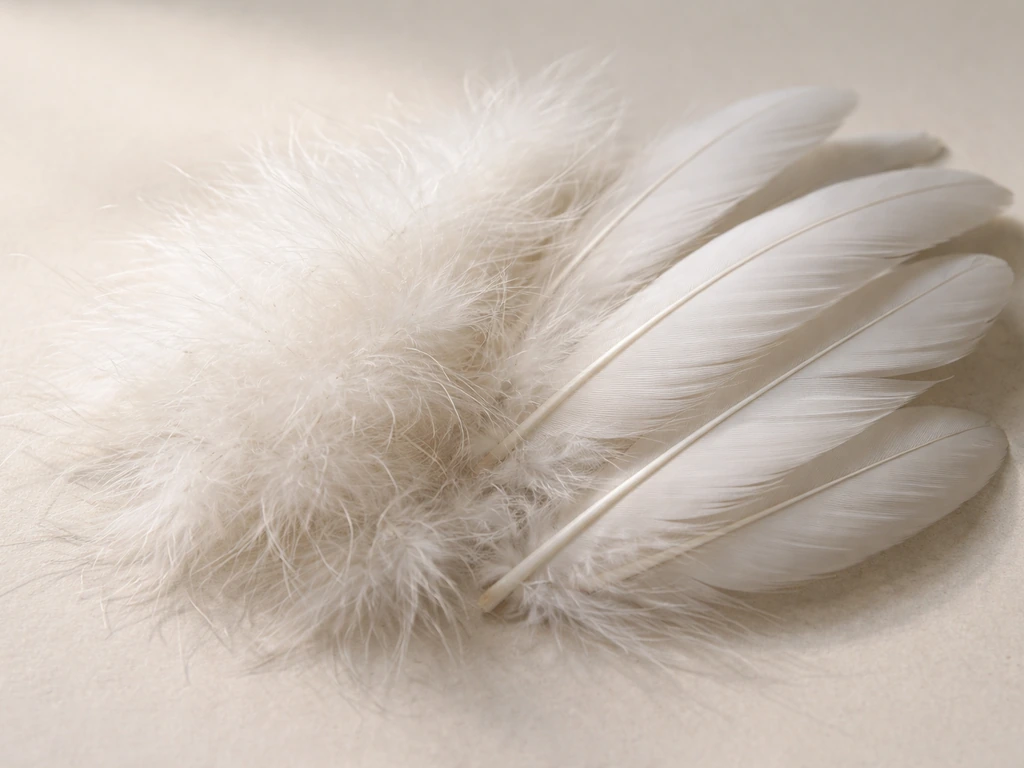
What 'Down' Literally Means on a Bird
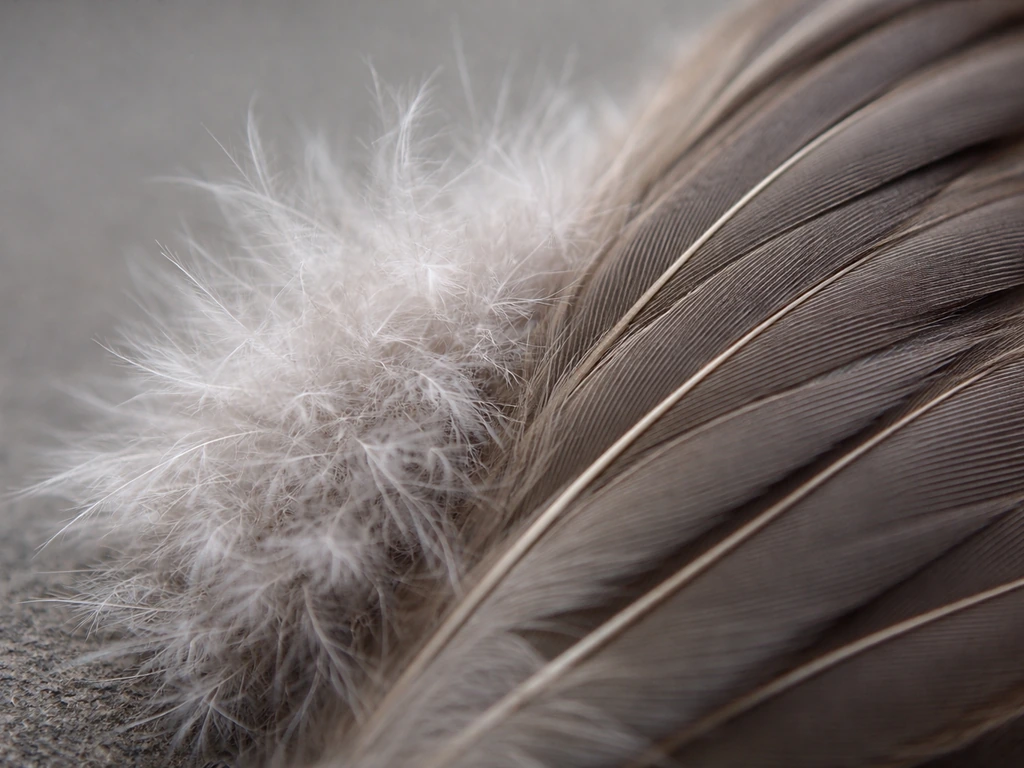
Down feathers are the soft, fine feathers found close to a bird's body, beneath the contour feathers (the ones you see from the outside). Cambridge Dictionary defines down as “small, soft feathers, especially those from a young bird,” and also as “very soft thin hair. ” [Down feathers are the soft, fine feathers found close to a bird's body, beneath the contour feathers](https://dictionary. cambridge.
org/dictionary/english/down). Unlike contour feathers, down feathers have barbs that do not interlock, they stay loose and fluffy, which lets them trap air and act as insulation. That is the whole job: hold warmth against the bird's skin. [Cambridge Dictionary describes them as 'small, soft feathers, especially those from a young bird,'](https://dictionary.
cambridge. org/us/example/english/down-feather) and Oxford keeps it simple: 'the very fine soft feathers of a bird. ' Etymology traces the word back to the idea of the 'first feathers of a baby bird,' which is why young birds look so round and fuzzy, they are covered almost entirely in down before their adult contour feathers grow in.
So if someone says 'a bird's down,' they mean specifically that inner, fluffy layer, not the sleek wing feathers or the bold tail plumage. Contour feathers handle appearance and aerodynamics; down handles heat. The two layers do very different things, and in bird biology, 'down' always points to the insulating underlayer.
What 'Bird Down' Means in Everyday Speech
In everyday conversation and consumer language, 'bird down' almost always means the material harvested from birds (mostly geese and ducks) and used to fill jackets, pillows, and comforters. This is the sense you encounter when a label says 'goose down' or 'duck down.' The American Down and Feather Council specifies that a product labeled simply 'Down' must contain at least 75% down cluster, and the percentage must appear on the label. Retailers, outdoor gear companies, and sleep product guides all use 'down fill' as the standard term for this insulating material, think of REI's 'down fill power' metric used to rate jacket warmth, or the Sleep Foundation's distinction between real down and synthetic 'down alternative' fills.
When you hear 'bird down' in a product context, no symbolism or idiom is involved, it is purely the physical material from a bird's underfeathers, valued because it is lightweight and traps heat so efficiently. That everyday consumer meaning is so dominant in modern usage that many people searching 'down bird meaning' are actually trying to understand why their jacket or comforter says 'down' on the label.
The Symbolism Behind Down: Softness, Vulnerability, and Comfort
Beyond the literal feather, 'down' carries genuine symbolic weight when it appears alongside birds in literature, art, and cultural language. Because down is a bird's softest, most hidden layer, the part closest to the body, the part that keeps a creature warm, it naturally gathers associations with vulnerability, tenderness, and comfort. A newborn bird wrapped in down is one of the most widely recognized images of fragility and new life. That imagery feeds directly into why poets and writers reach for feather and down references when they want to evoke gentleness or emotional warmth.
Emily Dickinson's famous poem 'Hope is the Thing with Feathers' leans heavily on this: the bird image is used as a nurturing, encouraging force, something that 'perches in the soul' and keeps singing through hardship. The feathers here are not literal plumage; they stand for resilience wrapped in softness, which is exactly what down suggests. Similarly, down's real-world role in nests, many birds line their nests with down to cushion and warm their eggs, reinforces the symbolic connection between down and protective care. When you encounter 'down' in a bird-related symbolic or poetic context, the meaning is almost always pointing toward comfort, tenderness, or vulnerability rather than danger or power.
Idioms and Phrases That Mix 'Down' with Birds
This is where things get genuinely tricky, because 'down' in English idioms rarely means feathers at all. If you're asking what a down definition means specifically for birds, the core sense is the soft feathers under the outer plumage that trap warmth. It usually means a state of feeling low, a downward direction, or a reduction in activity or energy. The phrase 'down in the mouth' means sad or discouraged, no bird, no feathers, just an emotional state.
In case you meant the phrase as a bird reference, the daft bird meaning can vary by context and is often tied to the broader idea of how people use bird terms figuratively. Merriam-Webster lists multiple senses of 'down' that include directional movement, emotional lows, and reduced activity, all completely separate from the feather sense.
Emily Dickinson's other famous bird poem, 'A Bird came down the Walk,' uses 'down' as pure direction, the bird physically moves downward toward the ground. The line 'unrolled his feathers' appears later in the same poem, but the 'down' in the title has nothing to do with those feathers. This kind of doubling, a poem about a bird that uses 'down' as direction and also mentions feathers, is exactly the kind of context that sends readers searching for 'down bird meaning' without being sure which sense they need.
A few common phrases worth knowing when you encounter 'down' near bird imagery:
- 'A bird came down' — directional, means the bird moved toward the ground, no feather meaning intended
- 'Bird down' (as a noun phrase) — almost always the feather material, either on the bird or in a product
- 'Down in the mouth' — emotional idiom meaning sad or low, bird imagery is incidental if present at all
- 'Soft as down' — a simile using the feather sense, comparing something to the texture of bird down
- 'The bird is down' — can mean a bird has landed, fallen, or been shot depending on context (hunting, aviation, wildlife)
Where People Get It Wrong: Common Misreadings
The most frequent misreading is assuming all three senses of 'down' are interchangeable when a bird is mentioned nearby. They are not, and mixing them up leads to real confusion in interpreting a poem, phrase, or product label. Here is how each misreading typically happens and how to catch it.
| Misreading | What actually happened | How to spot the difference |
|---|---|---|
| Thinking 'down' in a poem means feathers when it means direction | The poet used 'down' as movement (e.g., 'flew down'), not as a feather reference | Ask: is there a verb of motion? If the bird is moving toward the ground, 'down' is directional |
| Reading a product label's 'down' as symbolic or poetic | The label is using the material sense: harvested underfeathers used for insulation | Ask: is this a consumer product? If yes, 'down' means fill material, nothing symbolic |
| Interpreting an emotional idiom ('down in the dumps') as bird-related | 'Down' is being used in its emotional/state sense — feeling low, not feathers | Ask: is there an actual bird in the phrase, or just the word 'down'? No bird = no feather meaning |
| Assuming 'bird down' always means the bird is physically falling or has been shot | 'Bird down' is the standard term for down feathers as a material | Ask: what is the surrounding context — gear/products, or action/event? Products = feather material |
One more disambiguation worth making: this article is specifically about 'down' in the context of birds and their meanings. If you are exploring related bird terminology, there are overlapping areas worth knowing about, 'down' as a bird definition (covering the biology in detail), terms like 'daw' or 'jackdaw' that carry their own cultural meanings, and even slang terms like 'bird dawgs' that use bird language figuratively.
If you came here because you are specifically looking for dunnet bird meaning, treat it as a related bird-term question and compare it to how 'down' changes meaning by context down as a bird definition. Because a jackdaw is a specific kind of bird, its bird meaning can also come up in the same kinds of searches that ask about jackdaw bird meaning.
Bird dawgs meaning is usually understood as playful slang that borrows bird language figuratively rather than referring to feathers or a literal species. Each of those follows the same principle: the word near 'bird' does not automatically mean feathers or flight. If you’re trying to pin down what “bird dawgs meaning” is getting at, it’s mostly about figurative slang rather than bird feathers. Context is everything.
How to Figure Out Which Meaning You Need

If you came to this article with a specific phrase, quote, or label in hand, run through these questions in order. Most searches resolve by the third question. If you are also wondering about the duke bird meaning, check the exact phrase you saw and the context around it.
- Is there a product involved (jacket, pillow, comforter, sleeping bag)? If yes, 'down' means the harvested feather fill material — look at the label's fill power rating or species listed (goose down, duck down) for specifics.
- Is the phrase from a poem, song, or piece of literature? If yes, check whether a bird is physically moving (directional 'down') or whether softness, comfort, or tenderness is being described (feather/symbolic 'down').
- Is the phrase an idiom or everyday expression (e.g., 'feeling down,' 'down in the mouth,' 'the bird is down')? If yes, 'down' is almost certainly in its emotional or state meaning — no feathers involved.
- Is the phrase describing a bird's actual body or plumage? If yes, 'down' refers to the fluffy insulating underlayer beneath the visible contour feathers.
- Is the phrase from a cultural, spiritual, or symbolic tradition? Look at what the bird itself represents in that tradition — if the broader symbolism is about gentleness, new life, or protection, 'down' is likely reinforcing those themes through its softness associations.
- Still unclear? Identify the part of speech: 'down' as a noun usually means feathers or fill material; 'down' as an adverb or adjective usually means direction or emotional state. That single grammar check resolves most remaining ambiguities.
Quick Lookup Checklist
- Write down the exact phrase or sentence where you found 'down' — exact wording matters more than you think
- Identify the source type: product label, poem, idiom, wildlife/birding article, spiritual text, or casual conversation
- Check whether a specific bird species is named — species often narrow the meaning fast (e.g., 'goose down' is always material; 'the dove came down' is always directional)
- Look at the verb nearest to 'down' — motion verbs (flew, came, fell) point to direction; descriptive verbs (felt, was, seemed) point to state or quality
- If it is a symbolic or cultural context, search the bird species plus the cultural tradition for a cleaner result (e.g., 'dove symbolism Christianity' rather than 'down bird meaning')
- If it is a product, check the fill power number and species label — those two details tell you everything practical you need to know about the material
FAQ
If a label says “down” but it does not say “goose down” or “duck down,” what exactly does it usually mean?
In most modern product labeling, “down” refers to the cluster-forming insulating feathers from waterfowl (commonly geese or ducks), but the exact share of true down should still be disclosed on the packaging. If you see no percentage and no specifier, treat it as a potential red flag and look for a “down fill” statement or a clearly listed composition.
How can I tell whether “down” in a quote is feathers or the emotional state “feeling low”?
Check the surrounding verbs and adjectives. Feather sense usually pairs with words tied to texture or anatomy (for example, fluff, clusters, wings, nesting), while the emotional or directional sense tends to pair with states and movement cues (for example, sad, discouraged, downward, reduced activity). If the sentence mentions singing, perching, or inside-the-soul imagery, it is commonly symbolic rather than literal feathers.
Does “down bird” ever refer to a specific species or just to the feather material?
Typically it refers to the feather underlayer, not a species. If it were species-specific, the text will usually name the animal (goose, duck, etc.) or describe nest behavior. When you see “down bird meaning,” most searches are about feathers, not a type of bird.
What does “down alternative” mean compared with real bird down?
“Down alternative” is a synthetic or plant-based fill designed to mimic warmth and loft without using animal feathers. It can still trap heat, but performance often differs by climate and moisture conditions, so a jacket labeled “down alternative” may feel warmer or lose loft differently than true down in wet weather.
If a poem says “a bird came down,” is that “down” always a direction?
Not always, but usually yes. When “down” modifies the bird’s movement toward the ground (came, fell, walked down), it is directional. Feather meaning usually appears alongside references to feathers unrolling, nesting, warmth, or softness, so the nearest verb to “down” is your best clue.
Are “down” and “feather” always interchangeable when talking about insulation?
No. In bird biology and in product language, “feather” can include the outer contour feathers, while “down” specifically refers to the inner fluffy layer that traps air. For insulation performance, down and its “fill power” metrics are typically discussed separately from general feather content.
What are common mistakes people make when searching “down bird meaning”?
The most common mistake is assuming all uses of “down” near bird words refer to feathers. Another frequent one is grabbing the first definition (often “feeling low” or “direction”) without checking whether the text is discussing a product label, bird anatomy, or a symbolic literary image. Matching the definition to the sentence context resolves most confusion.
If I see the phrase “down in the mouth,” does it have anything to do with birds?
No, it is idiomatic. It means sad or discouraged, so the “down” is emotional, not feather-related, and there is no literal connection to a bird’s under-feathers.
Does the biological meaning of “down” include feathers from any bird, or only waterfowl?
Biologically, down exists in many birds as the insulating underlayer, especially in young birds. But in commerce, “down” used for bedding and jackets is primarily harvested from waterfowl because it forms lofting clusters that insulate efficiently. So “down” biology and “down” consumer material are related, but not identical in practice.
Next Article
Down Definition in Birds: Meaning, Uses, and Identification
Down definition in birds: fluffy under-feathers, insulation uses, how to identify it, plus common bird idioms with down.