"Fit bird" is British slang for an attractive woman. It helps to know the pet bird meaning too, since people sometimes mix up “bird” slang with meanings tied to actual birds. "Fit" here means physically attractive (not gym-fit), and "bird" is a casual, long-standing UK slang term for a woman or girl. Put them together and you get something roughly equivalent to the American "hot chick." That's the core meaning in almost every context you'll encounter it, whether someone says it in conversation, posts it online, or uses it in a text.
Fit Bird Meaning: Slang and Figurative Uses Explained

Marcus Winters
28 Apr 2026
What "fit bird" actually means: literal vs. slang

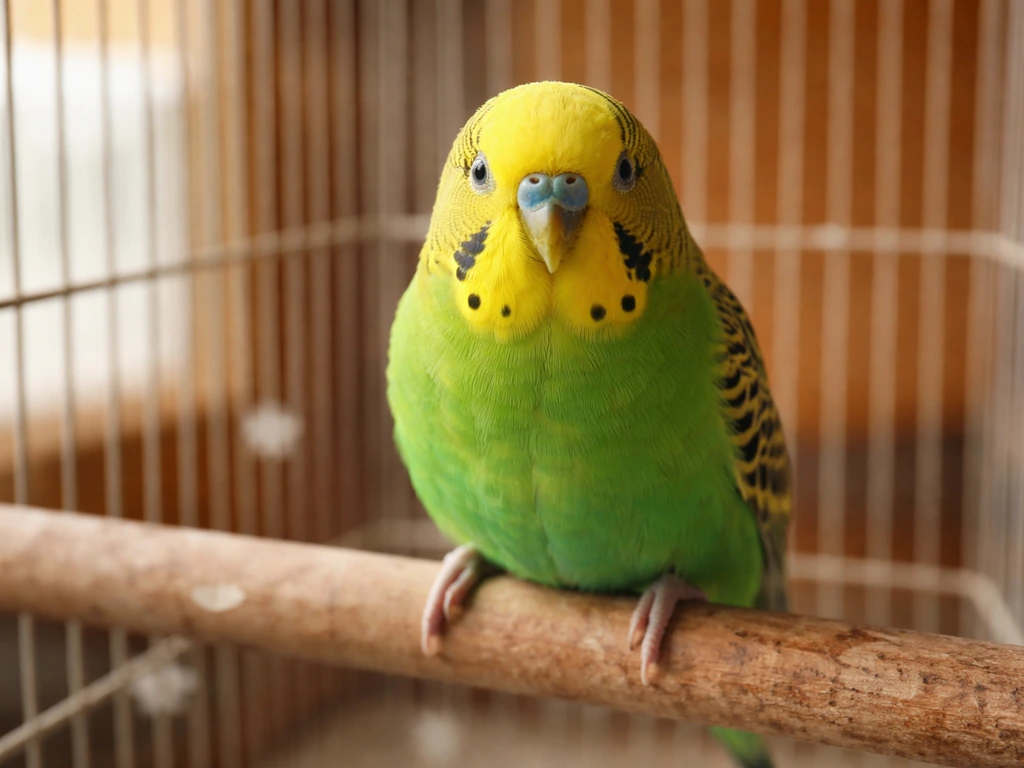
The literal reading would be a bird (the animal) that is physically fit or healthy. That reading exists mostly in bird-keeping and avian care circles, where you might describe a budgie or parrot as a "fit bird" meaning it's in good health. But that interpretation is rare and almost never what someone means when they use the phrase in casual conversation. If you're here because someone said it to you or about you, the slang meaning is almost certainly what's in play.
In slang, the phrase is purely about human attractiveness. "Bird" has functioned as British slang for a young woman since at least the mid-20th century, rooted in British youth culture and street language. "Fit," in the UK slang sense, doesn't mean physically athletic or in good cardio shape. It means sexually or physically attractive. Cambridge Dictionary explicitly includes this UK slang sense for "fit," and BBC Learning English materials describe it as meaning "attractive or well-toned" rather than just healthy. So "fit bird" = attractive woman. That's it.
Where you'll actually hear this phrase
The phrase shows up in a handful of very consistent contexts, and knowing those contexts helps you read the tone immediately.
- Casual male conversation: Friends talking among themselves about someone they find attractive. "Check out the fit bird at eight o'clock" is a textbook example from Urban Dictionary.
- Social media comments: Used as a comment on a photo or post, either as a compliment directed at the person or as a third-person remark to someone else.
- Text messages and DMs: Often as a compliment or opener from someone who finds you attractive.
- Online discussions and forums: UK-based Reddit threads, football forums, and similar spaces where British slang flows freely.
- Workplace settings: This one is where it gets complicated. A UK employment tribunal judgment included the remark "she's a fit bird, that's just wrong" as evidence of inappropriate workplace language.
The phrase tends to function as a third-person assessment (talking about someone rather than to them) more often than a direct address. When it's used directly to someone, it reads more clearly as either a compliment or an unwanted comment depending on relationship and setting.
Why "fit" changes everything about this phrase

"Bird" on its own is a fairly neutral British slang term for a woman, though it does carry some baggage. Some definitions include connotations of vanity or silliness, and in certain contexts it can feel dismissive. But it's not inherently insulting in British English. "My bird" as a way of referring to a girlfriend is especially common in Liverpool and Scouse dialect, for example.
Adding "fit" shifts the phrase from a neutral label to an explicit physical assessment. The phrase is now commenting on how someone looks, rating their attractiveness. That shift matters because it changes the speaker's intent from simply referring to a woman to evaluating her body. Whether that reads as a compliment, as flirting, or as objectification depends almost entirely on the relationship between the people involved and the context in which it's said. Among friends who are all comfortable with that kind of language, it can be playful and affectionate. Said about a stranger or a colleague without consent, it lands very differently.
Wikipedia's entry on British slang notes that "fit" meaning sexually attractive has particular currency in Afro-Caribbean communities within the UK, which shows the slang meaning isn't monolithic. It travels across communities and has slightly different weight in different social circles, but the core meaning of attractiveness holds consistent.
UK, Australian, and online variations
"Fit bird" is first and foremost British slang. It's primarily a UK phrase and is widely understood across England, with particular density in casual working-class speech and lad culture. Australian English uses "bird" for a woman too, and "fit" in the attractiveness sense has currency there, so the phrase travels reasonably well across Commonwealth English-speaking countries.
Online, the phrase has spread beyond its geographic origins. American users on Reddit and social media platforms encounter it frequently enough that the British-to-American translation (roughly: "fit bird" = "hot chick") has become a standard explainer in threads and comment sections. On r/AskBrits, a thread about “birds” gives the same comparison to American “chicks” and uses example-style phrasing like “I saw this fit bird the other day.” the British-to-American translation (roughly: "fit bird" = "hot chick"). An Urban Dictionary example dialogue even spells this out explicitly with a Brit and an American character using both phrases interchangeably.
Modifiers get added in online slang too. "Right fit bird" is a documented variant, where "right" intensifies the statement (similar to "a total" in American English). These variations are still recognizably the same phrase with the same meaning.
| Region/Context | "Fit" meaning | "Bird" meaning | Overall phrase register |
|---|---|---|---|
| UK (general) | Attractive/hot | Woman/girl | Casual to moderately offensive depending on setting |
| UK (Liverpool/Scouse) | Attractive/hot | Girlfriend or woman | Casual, often affectionate when used between people who know each other |
| Australia | Attractive/hot | Woman/girl | Casual, similar to UK use |
| Online/global slang | Attractive/hot | Woman (often third-person) | Casual or objectifying depending on context |
| Workplace/formal setting | Attractive/hot | Woman | Inappropriate, potentially actionable |
How to respond if someone says it to you or about you
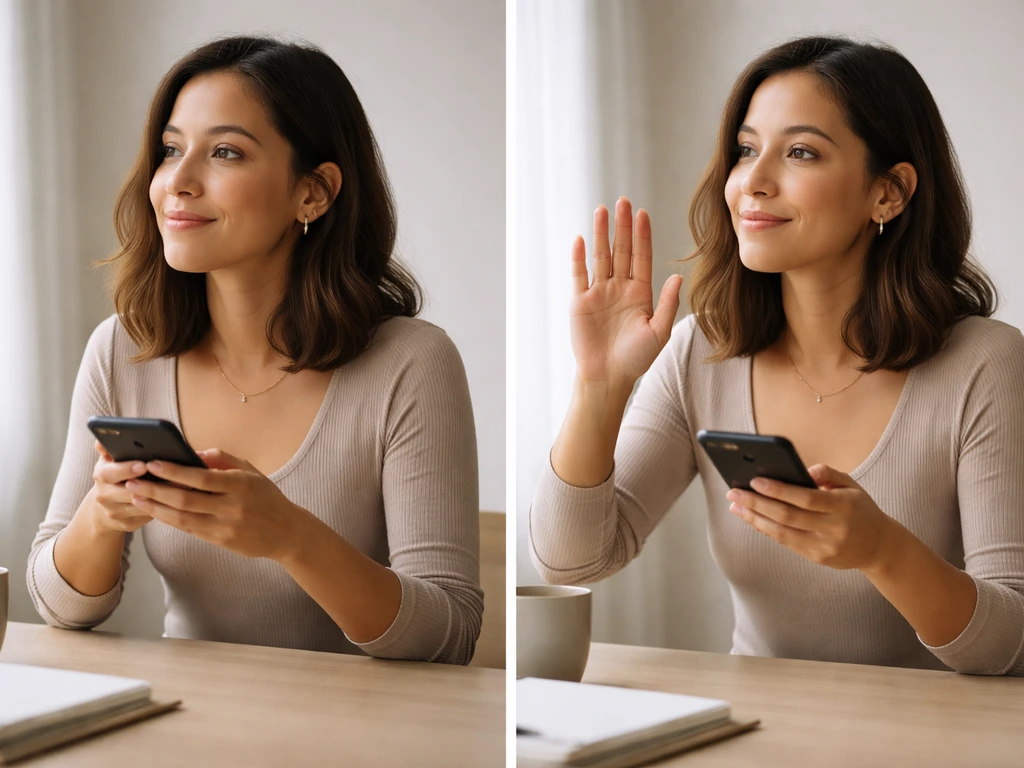
Your response options depend on two things: the relationship you have with the person, and how the comment made you feel. There's no single correct answer here. Some people hear it as a genuine compliment and are fine with it. Others find it reductive or uncomfortable. Both reactions are valid.
If it felt like a compliment and you're comfortable
You don't have to do anything. Accepting it, laughing it off, or giving a light response like "cheers" or "thanks, I think" is completely fine if the context was casual and you're comfortable with the person. It was likely meant as straightforward flattery.
If you want to clarify what was meant
A direct, calm question works well: "Did you mean that as a compliment?" or "What do you mean by that?" gives the person a chance to explain their intent without escalating. Most of the time, someone using this phrase casually will clarify quickly and either own it as a compliment or recognize it landed awkwardly.
If it felt inappropriate or unwanted
You have every right to say so. "I don't really appreciate being talked about that way" is a clear, firm response that doesn't over-explain. If this happened in a workplace, that context matters a lot. UK employment tribunal precedent treats this phrase as potentially constituting inappropriate sexualized commentary in professional settings, so documenting it (screenshot, written note of the date and what was said) is a smart first step.
If it's happening online and feels like harassment
Take a screenshot before you do anything else, especially before reporting or blocking, since blocking can sometimes remove your access to the evidence. Then report the message or comment to the platform. Instagram, Reddit, Twitter/X, and most other major platforms have specific reporting flows for harassment. Blocking after reporting is the standard recommended sequence. If the behavior is persistent or threatening, organizations like Women's Law Center recommend documenting everything carefully for potential further action.
Related bird-based slang and expressions worth knowing
"Fit bird" isn't an isolated phrase. It's part of a broader pattern in English where "bird" gets used figuratively to describe people, usually women, and where the modifier changes the whole meaning. Understanding the pattern helps you decode similar expressions quickly.
- "Bird" alone: A neutral-to-slightly dismissive British slang term for a woman. Depending on tone and relationship, can be affectionate or belittling.
- "Top bird": A British expression meaning an excellent or impressive person (often used approvingly, and not exclusively gendered). The meaning of "top" here is about quality or character, not appearance.
- "Bent bird": A regional or niche slang variant with different connotations depending on community context.
- "Old bird": A British phrase for an older woman, often used affectionately but can carry condescension.
- "Early bird": A completely different idiom (the person who arrives first), showing how the same animal word "bird" carries entirely separate meanings in different phrase structures.
- "Free as a bird" / "bird in the hand": Traditional idioms where "bird" is purely symbolic, not a reference to a person at all.
The through-line is that "bird" in British English has a long history as a figurative word for a person, especially a woman, and the adjective before it does the heavy lifting in telling you what kind of assessment is being made. "Fit" codes for physical attractiveness, "top" codes for personality or skill, "old" codes for age. Once you see that pattern, the meaning of new combinations becomes much easier to decode on the fly. If you're curious how this plays out with more specific bird terms used as slang, the related expressions around terms like "top bird" and "bent bird" follow the same compositional logic.
Quick checklist: did you get the meaning right?
Run through these questions to confirm your reading of the phrase in context:
- Was this said in a UK, Australian, or Commonwealth English context (or by someone familiar with British slang)? If yes, the slang meaning (attractive woman) is almost certain.
- Was the word "bird" referring to an actual animal in an animal-care or wildlife context? If yes, the literal meaning (a physically healthy bird) might apply. If no, stay with the slang reading.
- Did the speaker use "fit" as a modifier? Then they're commenting on physical attractiveness, not fitness in the exercise sense.
- Was it said in a casual, friendly setting between people who know each other? It was likely meant as a compliment, even if it's a blunt one.
- Was it said in a workplace, by a stranger online, or in a way that felt unsolicited? The content is the same, but the appropriateness is very different. Trust your discomfort if it felt wrong.
- Did the speaker seem to intend it positively toward the person being described, or was it dismissive and objectifying in tone? Tone, delivery, and relationship all modify whether this phrase reads as flattery or as reductive commentary.
- Are you seeing modifiers like "right fit bird" or "proper fit bird"? Those are intensifiers. The meaning doesn't change, just the degree.
If you checked most of those boxes toward the slang/attractiveness reading, you've understood the phrase correctly. "Fit bird" is a genuine, widely used British slang expression for an attractive woman, and how you choose to receive or respond to it is entirely up to you based on who said it, where, and how it made you feel. For more on the budgie bird meaning, compare how “bird” is used literally versus figuratively in slang Fit bird.
FAQ
If someone says “fit bird” but I only know “fit” from fitness slang, what should I assume first?
In UK slang, “fit” almost always signals attractiveness rather than being physically athletic. If you heard it in conversation, treat it as a body-based compliment or comment, then judge tone by who said it (friend, stranger, coworker).
Does “fit bird” ever mean something positive about health, like a literal bird is healthy?
It can in bird-keeping contexts, but in everyday speech it is overwhelmingly the figurative meaning (attractive woman). If the speaker mentions cages, species, or care routines, then the literal reading becomes plausible.
What’s the difference between “fit bird,” “fit girl,” and “hot chick” in intent?
They often land similarly as attractiveness ratings, but wording changes the vibe. “Fit bird” can feel more casual and old-school UK, and it may carry more objectifying emphasis than “hot chick” depending on setting and relationship.
How can I tell whether it’s meant as a compliment or as something disrespectful?
Look at context cues like consent and power dynamics. A comment from a close friend in a joking tone can be received as flattery, but the same phrasing from a boss, teacher, or someone you barely know often comes off as sexualized commentary.
Is it common to use “fit bird” as a direct address, or is it usually about someone else?
It’s more often used in third person (talking about her) than directly to her. If it’s aimed at you, it can feel more confrontational, especially in mixed groups or workplaces.
What if I reply and the person keeps using it, or doubles down?
If they show no adjustment after a calm check like “Did you mean that as a compliment?”, switch to firmer boundaries. A short sentence such as “Don’t talk to me about my body like that” is usually more effective than debating slang meanings.
Are there common variants I should recognize besides “right fit bird”?
Yes, modifiers often intensify the judgment (for example “proper,” “total,” or “so” used with similar slang structure). The key is that the adjective before “bird” changes intensity, not the core meaning of attractiveness.
Can “bird” alone be insulting, or is “fit bird” always a negative term?
“Bird” by itself is typically neutral, though it may sound dismissive or old-fashioned in some circles. Adding “fit” makes it explicitly evaluative of appearance, which is why the same phrase can be playful with friends or uncomfortable when it feels intrusive.
What should I do if I received “fit bird” online, especially if it’s from someone I’m not close to?
Take a screenshot first (including the username and timestamp), then report through the platform’s harassment or bullying flow. Avoid arguing in-thread if you want the evidence preserved and the situation de-escalated.
If it happened at work, how should I document it to be most useful?
Write down the date, time, platform or room, exact wording, and who was present, then keep the screenshot or message record. Keep communications factual, because later complaints usually rely on clear dates and what was actually said.
Next Article
Budgie Bird Meaning: Symbolism, Slang, Dreams, and Signs
Budgie bird meaning explained: symbolism, slang uses, and how dreams or signs with a budgerigar may reflect traits.