The short answer: the dove is the most universally recognized bird symbol for love in English-speaking cultures and across many world traditions. But depending on what you are looking for, the swan (devotion), the nightingale (longing), or even the lovebird (romantic partnership) may be the more accurate fit. Which one applies to your situation depends on context, and this guide will help you figure that out quickly.
What Bird Means Love: Meanings, Signs, and How to Interpret

Marcus Winters
18 Apr 2026
Why birds became symbols of love in the first place
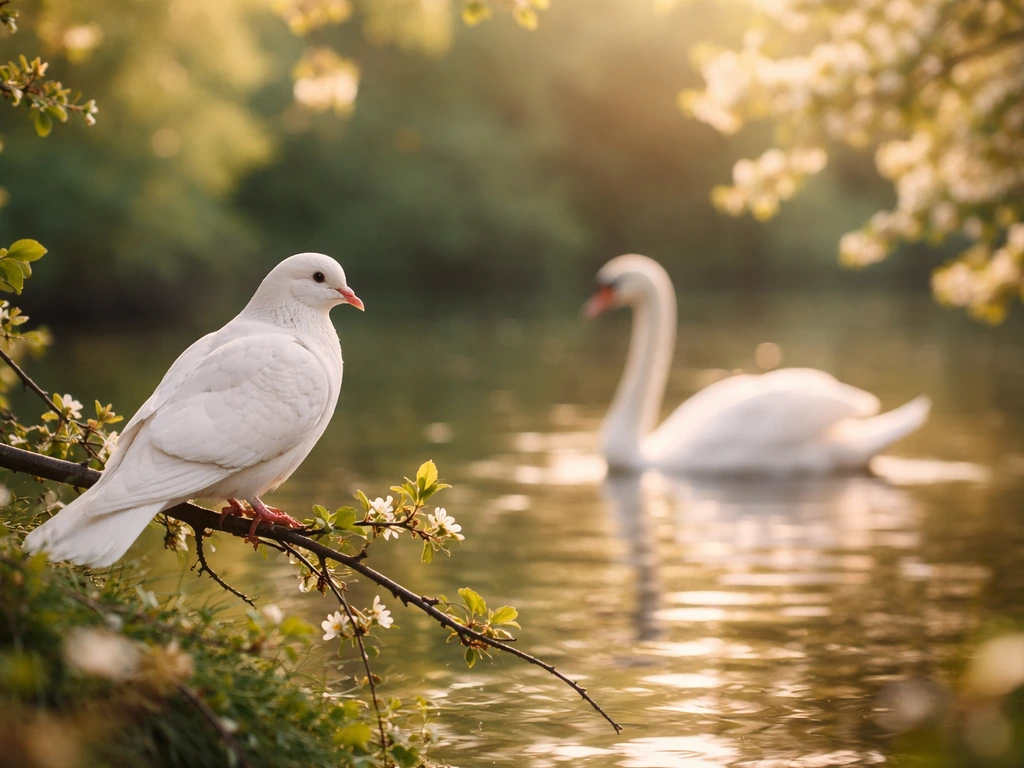
Birds have carried love symbolism for a long time, and it is not arbitrary. Three biological and behavioral patterns drove the association. First, many bird species form visibly devoted pair bonds, sitting close, feeding each other, and staying together across seasons. Second, birdsong has always felt emotionally expressive to human ears, making it a natural vehicle for feelings that words struggle to capture. Third, birds move freely between earth and sky, which made them feel like messengers in virtually every ancient culture, carrying emotions, prayers, and longing from one person (or soul) to another.
English-language literature leaned into this hard. Romantic poetry, from medieval love songs through Keats writing about the nightingale, used birds as reliable shorthand for joy, longing, and devotion. Emily Dickinson famously wrote that hope "perches in the soul," using a bird image to describe an inward spiritual state. That crossover between spiritual feeling and romantic feeling is exactly why birds carry so many love-adjacent meanings today, and why the same bird can mean slightly different things depending on whether you are reading a poem, interpreting a folk tale, or looking up a tattoo idea.
It is also worth noting that "bird" in figurative English can mean more than just the animal. If you have come across a phrase like loving bird meaning or want to understand what it signals in a specific phrase or message, the context of how it is used matters as much as the species itself.
How love-bird symbolism varies by region, culture, and tradition
There is no single global answer here, because bird symbolism is built from local mythology, religion, and folklore. The dove dominates in Western and Middle Eastern traditions, deeply rooted in biblical imagery. The nightingale carries the heaviest love symbolism in Persian and broader Islamic literary culture. The swan is strongest in European mythology and literature. The crane represents enduring love and fidelity in East Asian traditions, particularly Japan and China. And the robin, while not a traditional "love bird" in the way the dove is, carries warm emotional and devotional overtones in English and Celtic folk tradition.
Swan maiden folktales spread across Germanic, Irish, and Slavic traditions tied the swan to romantic transformation and devotion at a mythological level, well before the bird became a fixture on Valentine's Day cards. In Greek mythology, Zeus transformed into a swan in the story of Leda, which added an erotic and divine dimension to swan romance. Meanwhile, in Persian literature, the nightingale's connection to love was codified through the rose-nightingale motif, where the bird represents the soul yearning for the divine beloved, a framework that also read as earthly romantic longing. The symbolism is not random: it grew from specific myths, religions, and daily observations in each culture.
This cultural variety is exactly why a single "bird means love" lookup will not always give you the right answer. If you are trying to understand a specific phrase or image, knowing the cultural origin of the bird reference is the most important piece of context you can have.
The main birds associated with love and what each one means
Dove: affection, peace, and tender love
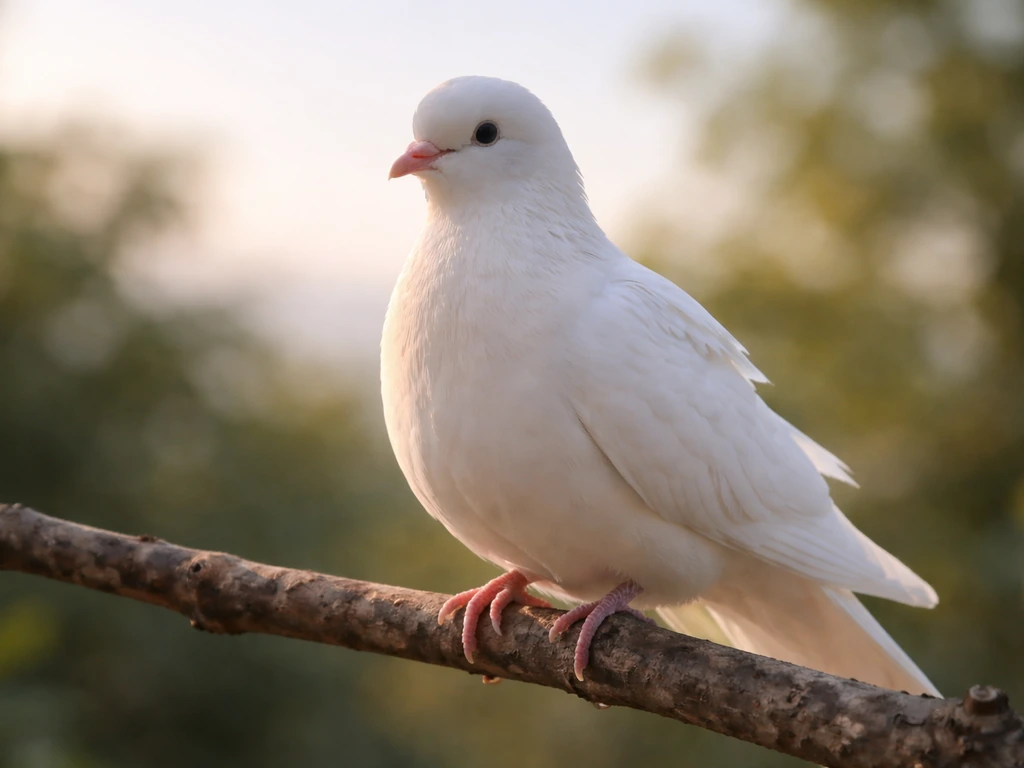
The dove is the clearest and most culturally widespread answer to "what bird means love." Its symbolism draws on multiple reinforcing traditions. In Christian scripture, the dove represents the Holy Spirit, peace, and purity. In the Song of Songs, the phrase "O my dove" appears as a direct term of endearment, making the dove-as-affection link explicit in one of the oldest love poems in the biblical canon. The European turtle dove specifically became an emblem of devoted love through both its pair-bonding behavior and these biblical references. In modern English, the dove metaphor has seeped into everyday idiom: "lovey-dovey" (meaning very affectionate) was already in common use by the 1880s and shows how deeply the dove-equals-tenderness association is baked into the language.
Swan: devotion, fidelity, and romantic partnership
Swans are widely regarded as symbols of love and fidelity because of their visible, enduring pair bonds. They are one of the birds most commonly observed staying with a single mate over long periods, which made them an obvious fit for representing devoted, lasting love. If the dove is the bird of tender affection, the swan is the bird of committed devotion. In romantic contexts today, two swans forming a heart shape with their necks is one of the most recognized love images in popular culture, even if most people cannot tell you exactly where it came from.
Nightingale: longing, passion, and love that aches
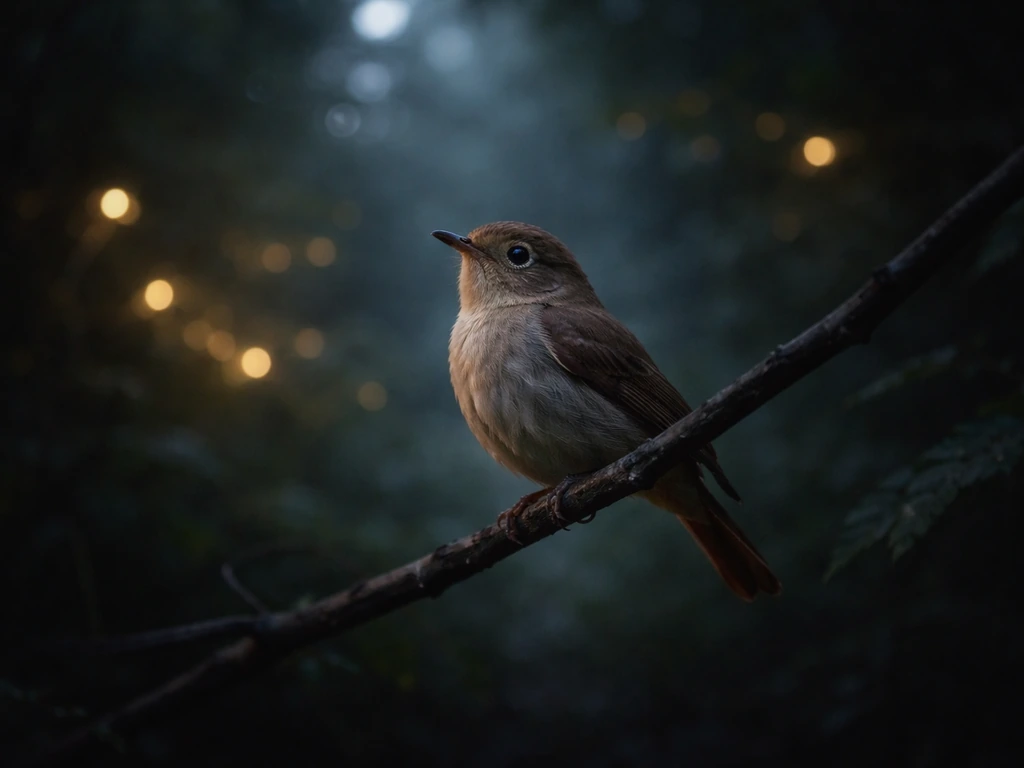
The nightingale represents a different kind of love: the yearning, passionate, sometimes painful kind. In Persian literary tradition, the nightingale is described as eloquent, passionate, and "doomed to love in vain," singing constantly for the rose it can never fully possess. This rose-nightingale pairing became one of the most enduring metaphors in Persian, Arabic, and broader Islamic poetry, representing both earthly love and the soul's spiritual longing. In English literature, Keats's "Ode to a Nightingale" similarly uses the bird's song to explore intense, transcendent feeling. If you are encountering nightingale symbolism, the emotional register is almost always aching desire or deep longing rather than peaceful affection.
Lovebird: partnership and inseparable companionship
Lovebirds (the actual parrot genus Agapornis) got their English name from their behavior: they form strong monogamous pair bonds, spend large amounts of time close together, and feed and groom each other. The genus name itself comes from Greek roots meaning "love" and "bird." Cambridge Dictionary formally defines "lovebirds" as a figurative term for a couple showing close mutual love, and Dictionary.com extends it to mean blank" rel="noopener noreferrer">a pair of lovers, especially a married couple that is visibly affectionate. The modern English figurative use maps almost perfectly onto the birds' actual social behavior, which is relatively rare for animal-based idioms. Lovely bird meaning in English-language expressions often traces back to exactly this kind of close, warm companionship imagery.
Robin: heartfelt warmth and emotional devotion
The robin does not carry the same widespread "love" label as the dove or swan, but it has strong emotional and devotional associations in English and Celtic tradition. Folk legend ties the robin's red breast to a Christian story about the bird being marked at the crucifixion, which gives the bird a warmth-of-heart and loyal-devotion quality in popular imagination. In everyday emotional language, especially in the context of messages from loved ones who have passed, the robin often functions as a symbol of connection and affection. If you are reading about robin bird meaning loved one, this devotional and heartfelt layer is where that association comes from.
Bird-and-love idioms and phrases worth knowing
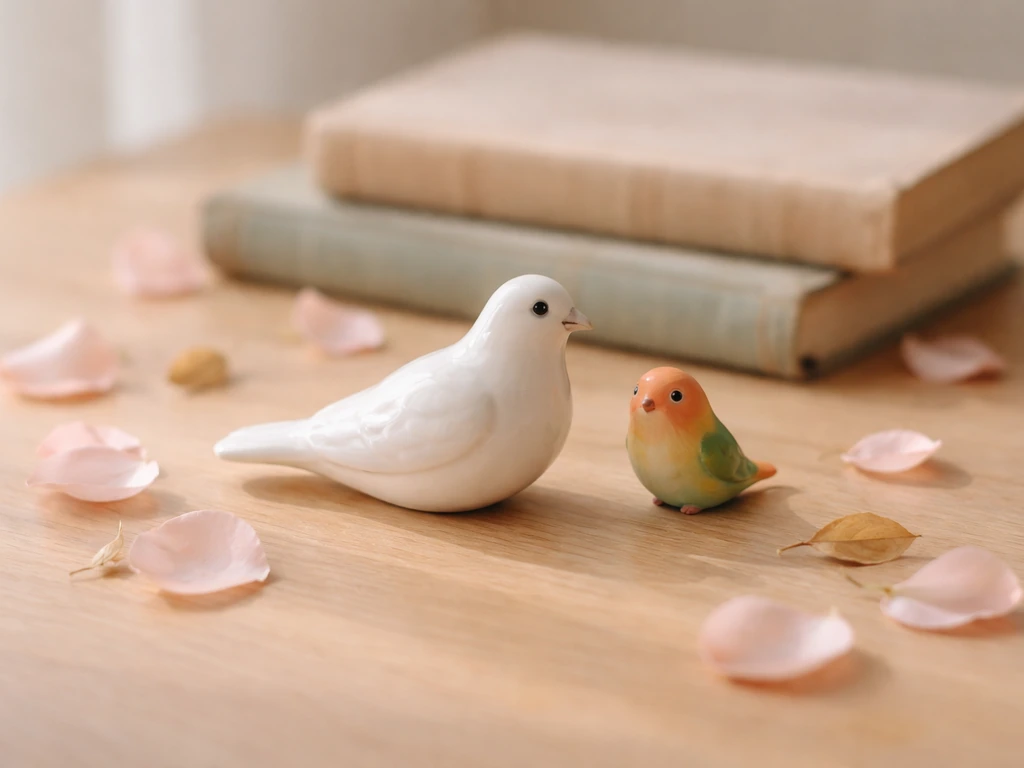
The dove is the most active bird in English love-related language. "Lovey-dovey" is the obvious one, defined by Britannica as showing "a lot of love or affection," and it has been in use long enough that it no longer reads as unusual. Britannica’s dictionary entry defines “lovey-dovey” as showing a lot of love or affection. But the dove also appears in older similes: an English proverb tradition documented by Tilley maps the dove to patient, loving qualities, phrasing someone who is gentle and affectionate as being "as loving as a dove." And in biblical tradition, calling someone "my dove" was an intimate endearment, a use documented in historical studies of English terms of affection going back centuries.
Beyond doves, "lovebirds" is a common modern English phrase for a couple that is visibly, almost annoyingly affectionate. "Billing and cooing," borrowed from the behavior of doves and pigeons, describes lovers being sweet and murmuring to each other. "Swan song" refers to a final, beautiful act before an ending, which in romantic contexts can describe a last declaration of love. These phrases are in active everyday use, and recognizing their bird origins makes them easier to interpret when you encounter them in writing, speech, or messages.
If you are trying to decode a particular phrase that feels bird-related but does not fit neatly into love symbolism, it may have a different meaning entirely. Something described as a looney bird meaning in slang, for example, is drawing on a completely different register than romantic symbolism.
Spiritual and romantic interpretations: signs, omens, and sightings
A lot of people searching "what bird means love" are not asking about poetry or idioms. They saw a bird, and they want to know if it means something. This is completely normal, and the short answer is: it can mean something, but it is personal language rather than a universal fact. Spiritual communities and practitioners who work with bird symbolism generally counsel that a dove sighting might suggest an "enduring and serene union" in a romantic context, but they are equally clear that there is no single interpretation that applies to everyone in every situation.
The honest framing, which most thoughtful resources in this space agree on, is that bird symbolism is built from specific myths, folklore, and personal associations, not a fixed universal code. If a robin appears after you have been thinking about someone you loved who has died, and you feel a sense of connection, that feeling is real and meaningful. The robin does carry warmth and devotion symbolism in English folk tradition. But that does not mean every robin sighting is a love message. Context and personal resonance matter more than any lookup table.
In spiritual interpretation, the dove most often signals peace, love, or a gentle presence. The swan can signal a period of deep devotion or a significant romantic relationship. The nightingale, if you are in a tradition where it appears, often signals longing or a love that is present but not yet fulfilled. These are starting points for reflection, not definitive answers. If you are drawn to exploring what birds might mean as spiritual signals more broadly, looking into lucky bird meaning traditions is a useful companion to love-related bird symbolism, since the two categories frequently overlap in folk interpretation.
How to figure out which bird (and which meaning) fits your situation
The most important context clue is the source: where did you encounter this bird reference? A poem, a phrase someone said, a sighting, a tattoo design, a gift, or a dream will each pull from a different tradition. Here are the clearest context signals to work with:
- If the bird appeared in a phrase like "lovey-dovey" or "my dove," the register is tender, affectionate love, the gentle and peaceful kind.
- If the bird is a swan, especially in a literary, artistic, or formal romantic context, the meaning leans toward lasting devotion and committed partnership.
- If the bird is a nightingale, especially in a poem or song, the meaning is almost always longing or passionate, aching desire rather than peaceful love.
- If the bird is a lovebird (either the actual parrot or the figurative term), the meaning is close companionship and inseparable romantic partnership.
- If the bird is a robin, especially in an emotional or memorial context, the association is warmth, heartfelt connection, and devotion to someone you love.
- If the cultural setting is Persian, Arabic, or broader Islamic literary tradition, the nightingale is the dominant love bird, not the dove.
- If the setting is East Asian (Japanese, Chinese), the crane is more likely to carry the devoted-love meaning that the swan holds in European tradition.
The tone of the love matters too. Peaceful, tender affection points to dove. Devoted, lasting partnership points to swan or lovebird. Passionate yearning or spiritual longing points to nightingale. Warm, personal connection with someone specific points to robin. Figuring out which emotional register fits your situation narrows it down quickly. If you are trying to understand a very specific phrase you heard or read, exploring what bird means believe can also help, since spiritual and devotional bird meanings frequently cross over into the love symbolism category.
Quick comparison: the main love birds and what sets them apart
| Bird | Core love meaning | Emotional register | Strongest tradition |
|---|---|---|---|
| Dove | Affection, peace, tenderness | Gentle, serene, sweet | Western, Christian, biblical |
| Swan | Devotion, fidelity, lasting partnership | Committed, enduring, romantic | European mythology and literature |
| Nightingale | Longing, passionate desire, yearning | Aching, intense, sometimes bittersweet | Persian, Islamic, English Romantic poetry |
| Lovebird | Close companionship, inseparable partnership | Warm, playful, affectionate | Modern English, popular culture |
| Robin | Warmth, heartfelt connection, devotion | Personal, emotional, tender | English and Celtic folk tradition |
Practical ways to use bird-love symbolism right now
Once you know which bird fits your meaning, there are several immediate, practical ways to use it. Here are the most common applications and how to approach each one.
Writing a message or card
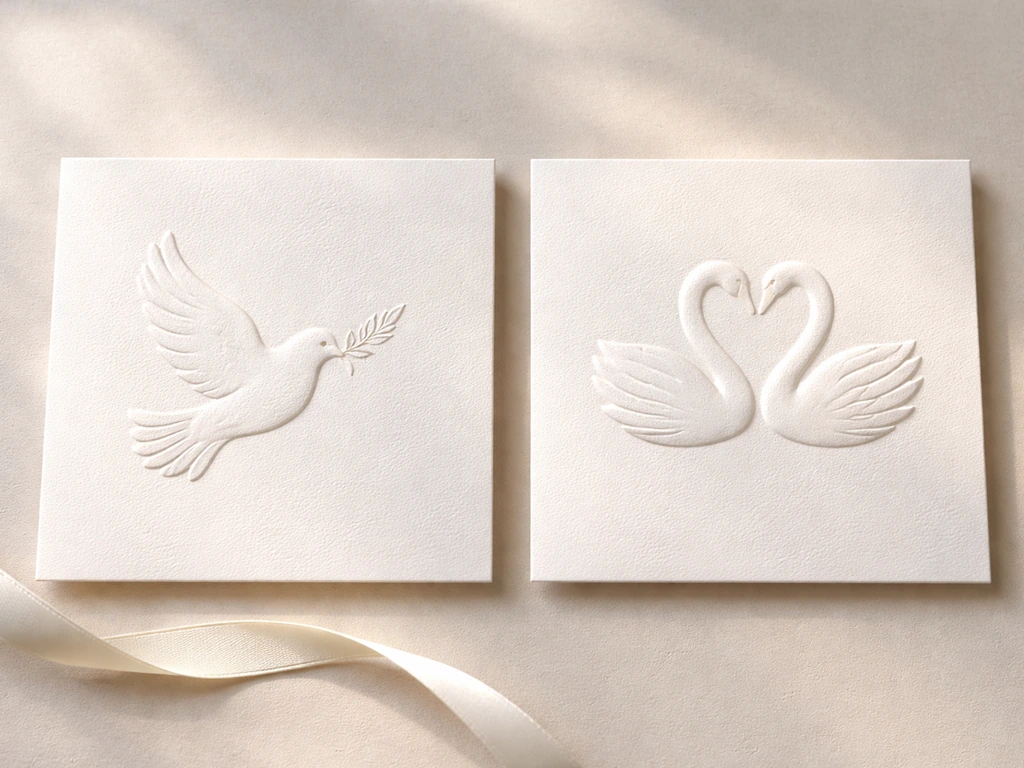
If you are writing something romantic, lean into the specific bird's register. Calling someone "my dove" signals gentle, peaceful affection, and it has centuries of use behind it, so it does not feel forced. Describing a relationship as having "the devotion of swans" works for a more formal or literary tone. For something warmer and more personal, "lovebirds" or a lovebird image signals inseparable companionship without being heavy. If the message involves longing or missing someone, a nightingale reference (even subtle, like mentioning a night song) carries exactly the right emotional weight.
Choosing a gift or card design
Dove imagery on a gift reads as peaceful love or blessing, appropriate for a wedding, anniversary, or a message of comfort. Swan imagery signals deep, devoted partnership and works well for milestone anniversaries or proposals. Lovebird imagery (the actual parrots or stylized versions) is warmer and more playful, fitting for a new relationship, Valentine's Day, or a lighthearted romantic gesture. Robin imagery is best for personal, emotionally meaningful gifts rather than broadly romantic ones.
Tattoo or visual art
Decide first what kind of love you want to represent. A dove tattoo signals peace and tenderness, and it works as a standalone symbol or paired with an olive branch. Two swans forming a heart is one of the most recognized devotion images in tattoo culture. A nightingale works well for someone whose love story involves longing, distance, or deep passion. Lovebirds (usually shown as a pair) represent partnership and are common in couples' matching or complementary tattoos. Whatever you choose, the bird's meaning will land most clearly when the visual design matches the emotional register: soft and minimal for dove, elegant and curved for swan, delicate and perched for nightingale.
Personal reflection or spiritual use
If you are sitting with a bird sighting and trying to make sense of it personally, start with what you were already thinking or feeling when the bird appeared. The symbolism is most useful as a mirror for what is already present in you, not as an external instruction. A dove appearing during a moment of worry about a relationship can be a prompt to focus on peace and gentleness. A swan sighting during a period of questioning commitment can be a prompt to reflect on devotion. Use the bird's established meaning as a starting point for reflection, not a definitive answer. And if you want to go deeper into how specific bird names carry meaning in everyday language, exploring the broader question of lovely bird meaning in figurative usage is a natural next step.
FAQ
If someone just says “bird” or shows a bird image, how do I know the specific love meaning?
Not necessarily. If the reference is “bird” without a species, the meaning usually comes from the surrounding words, like “my dove,” “swan song,” or “lovebird,” not from a real bird sighting. In those cases, treat it as figurative English symbolism and read the emotional tone (tender, devoted, longing, or connection) as the deciding clue.
Can bird-love meanings change depending on whether I’m reading a phrase versus seeing the actual bird?
Yes, but it helps to check the tone and whether the bird is used as an idiom. For example, “billing and cooing” points to affectionate romance, while “swan song” usually frames a final act or closing chapter, sometimes more about an ending than ongoing love. When you see a phrase, interpret it as expression-level symbolism rather than pure animal meaning.
What should I do when more than one bird could fit what I’m feeling or reading?
Look at the “register” of love the scene evokes. If the context emphasizes calm, gentleness, and reconciliation, dove is most consistent. If it emphasizes permanence, exclusivity, and long-term partnership, swan or lovebird is more consistent. If it emphasizes yearning, distance, or unattainable longing, nightingale is the best match. If the context is grief or a personal bond with a specific person, robin symbolism often fits more naturally.
How should I interpret a bird tattoo or gift, especially if I do not know the intent behind it?
Be careful with over-literal assumptions. A tattoo or gift might reflect aesthetics first, then meaning, so confirm intent with the person, the artwork context, or the accompanying elements (olive branch, rose, hearts, pairing style). If there are no matching emotional cues, default to “symbolic inspiration,” not a prophecy-like message.
Is it valid to take a bird sighting as a romantic sign, and how do I avoid overreading it?
For sightings, the most useful practical step is to separate “timing” from “message.” Note what you were thinking about at the moment, then treat the bird as a prompt for reflection. If you were calm and not in a relationship-related mindset, the bird may be offering a general theme like peace rather than a specific romance prediction.
How do I interpret bird symbolism in dreams without forcing a single meaning?
Dreams can borrow symbolism from your personal associations and from literature, so the strongest clue is what the bird is doing in the dream. Dove activity often reads as reassurance or gentleness, swan activity as commitment themes, and nightingale activity as intense longing. If the dream includes stress or urgency, interpret it as an emotional signal first, not a literal love forecast.
What is the difference between a dove meaning used in everyday idioms and a dove meaning used as a personal term of endearment?
In figurative English, “lovey-dovey” and “as loving as a dove” usually point to affection style, not necessarily destiny or relationship type. “My dove” is more intimate and endearing, but it still depends on who is speaking and the relationship dynamic. If you can identify the speaker or author, you can often infer whether the tone is tender, playful, or serious.
How do I interpret love symbolism if I suspect the bird reference comes from a specific cultural or literary tradition?
Cultural context matters, especially if the reference is from a specific tradition or author. If the work is clearly Persian or Islamic-literary, nightingale often carries the rose-nightingale longing framework. If the work is biblical or church-adjacent, dove more strongly leans toward peace, purity, and spiritual gentleness. When the source origin is unknown, use tone and emotional register as your fallback.
Which bird meaning should I prioritize if I’m using symbolism for self-reflection rather than interpreting a literal sign?
It depends on the emotional question you want answered. If you want “what does this mean about my current relationship,” swan or lovebird often maps better to devotion and partnership. If you want “what should I focus on emotionally right now,” dove or robin can map to peace, comfort, and connection. If you want “what am I missing or longing for,” nightingale is the most consistent choice.
Next Article
Amber Bird Meaning: Symbolism, Interpretations, and How to Use It
Learn amber bird meaning: disambiguate the phrase and interpret it using amber and bird symbolism, grounded steps includ