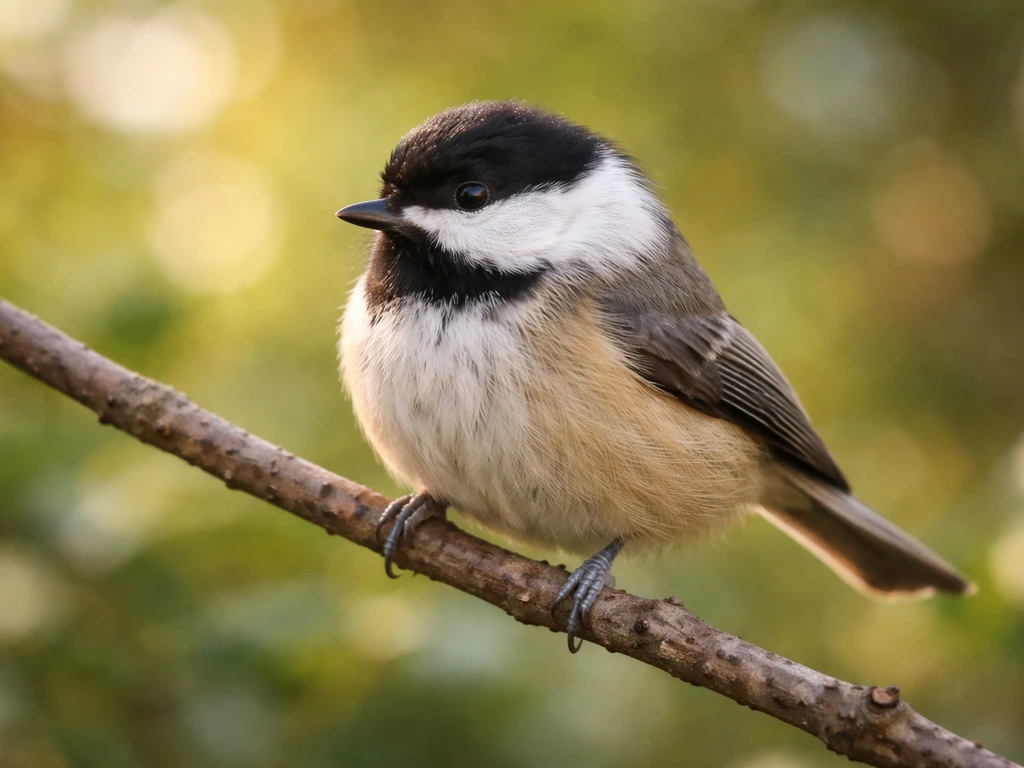
When someone searches for 'loving bird meaning,' they're almost always reaching for one of three things: the symbolism of lovebirds (the small parrots of the genus Agapornis), the broader cultural tradition of birds representing love, devotion, and fidelity, or an interpretation of a quote, tattoo, dream, or gift involving a bird tied to affection. The most direct answer is this: a 'loving bird' most often refers to either lovebirds as a symbol of romantic partnership and devotion, or to birds like doves, swans, and cardinals that carry deep cultural meanings around love, loyalty, and compassion. Which one applies to you depends entirely on context, and this guide will help you figure that out quickly.
Loving Bird Meaning: What People Really Mean and Symbolism

Marcus Winters
23 May 2026
What 'Loving Bird' Actually Means in Plain Language
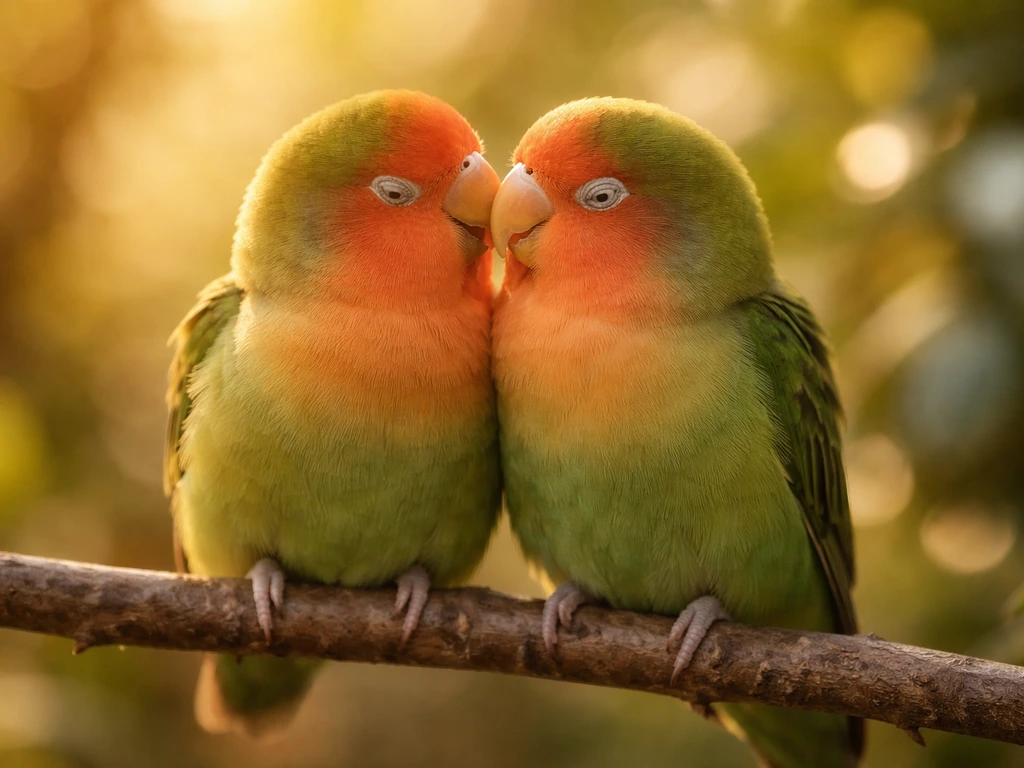
The phrase 'loving bird' isn't a fixed idiom with one locked-in definition. It works more like a descriptive combination that people use in different ways. Sometimes it's literal: a pet bird that is affectionate and bonds closely with its owner or a mate. Sometimes it's figurative: a bird species used as a poetic or symbolic stand-in for love itself. And sometimes it's just casual slang, since in British English 'bird' can refer to a young woman, so 'she's a lovely bird' or 'a loving bird' might simply be a warm endearment with no species symbolism attached at all.
The most culturally significant version, and the one with the longest symbolic history, is the lovebird. The name itself comes from the genus Agapornis, which is built from the Ancient Greek words agápē (meaning love) and órnis (meaning bird). So 'loving bird' is literally what the word 'lovebird' translates to. Dictionary.com defines lovebirds as small parrots 'noted for the affection shown one another,' and that reputation for close, devoted bonding is exactly why the word migrated into everyday language as a term for romantic couples. Calling two people 'lovebirds' is one of the most common bird idioms in English, and the symbolism behind it is older than most people realize.
The Most Common Interpretations People Are Searching For
Most people landing on 'loving bird meaning' fall into one of these camps, and knowing which one you're in makes the rest of this much easier.
- They want to know what lovebirds symbolize as a species, in relationships, tattoos, or gifts.
- They encountered a bird in a dream and want to know if it carries a love-related message.
- They read or heard a phrase like 'loving bird' in a poem, quote, or song and want the meaning.
- They're looking at bird symbolism generally and want to know which birds are associated with love.
- They have a pet bird that's affectionate and are curious about its behavior and what it means.
- They saw 'lovely bird' or 'loving bird' used as a slang term or term of endearment and aren't sure what's being referenced.
The figurative use is the most common reason for this search. When someone says 'loving bird,' they're usually pointing at symbolism, not a specific behavioral description of a pet. But both are valid, and it's worth covering each so you can place yourself correctly. It's also worth noting that 'loving bird' as a standalone title does appear in poetry (Soubhagyabanta Maharana's poem of that name, for example), so some readers may have come across the phrase in a literary context where it functions as a metaphor for an affectionate, devoted spirit.
Birds That Carry Love Symbolism: What the Traditions Actually Say
Several birds have accumulated strong love-related symbolism across cultures, and each carries a slightly different flavor of that meaning. Here's a breakdown of the main ones and what they specifically represent.
Lovebirds: Devotion and Partnership
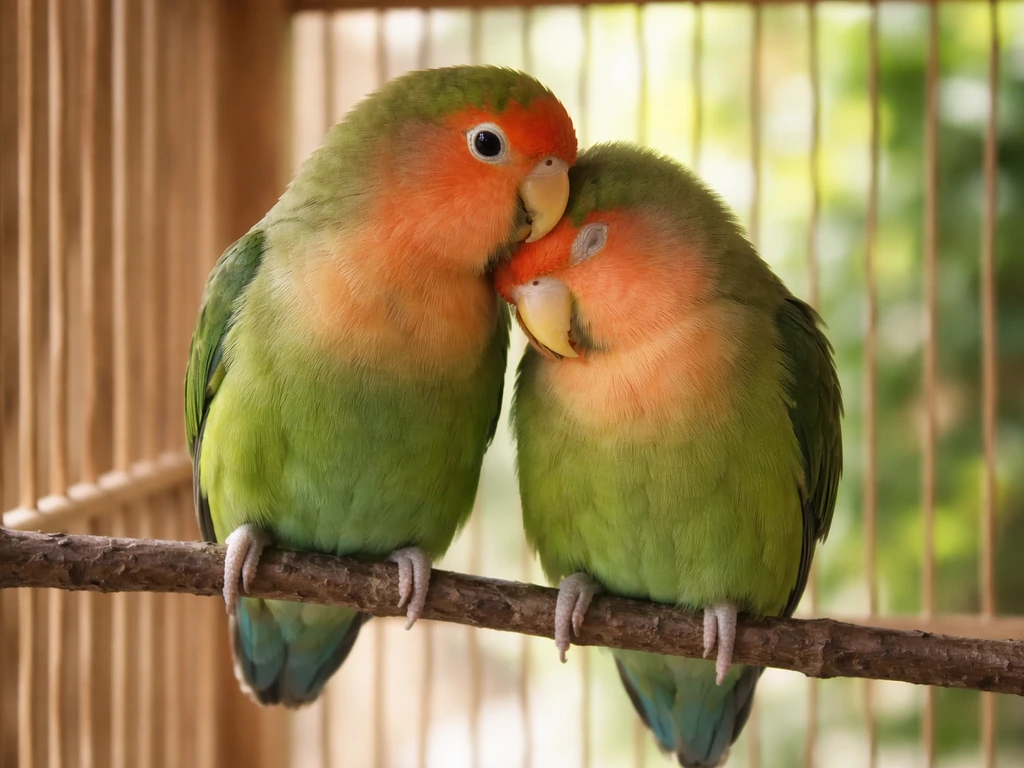
Lovebirds (Agapornis) are nine recognized species of small parrots. Their reputation for devotion comes from observable behavior: they form close pair bonds, spend hours grooming each other, and show visible distress when separated from a mate. WebMD notes that lovebirds kept as pets need significant attention and affection to thrive. That real behavioral tendency is what turned 'lovebird' into a cultural shorthand for a deeply bonded couple. In symbolism, they represent mutual devotion, tenderness, and the joy of companionship, not just fleeting romance but the sustained, daily work of a loving relationship.
Doves: Love, Peace, and Spiritual Connection
Doves are probably the most universally recognized love symbol in the Western world. Their association with love goes back to ancient Mesopotamia, where doves were sacred to Inanna-Ishtar, the goddess of love. Live Science notes that doves became a staple of Valentine's Day and romantic symbolism as far back as the medieval period, when they appeared in 'love potion' lore. Across Christianity, Judaism, Islam, and various pagan traditions, the dove also carries meanings of peace, purity, and divine blessing, which is part of why it shows up so frequently in wedding imagery. In dream symbolism, a dove is generally interpreted as a message of peace, spiritual guidance, or reassurance in a relationship, though the emotional context of the dream matters a great deal for the specific interpretation.
Swans: Fidelity and Lifelong Bond
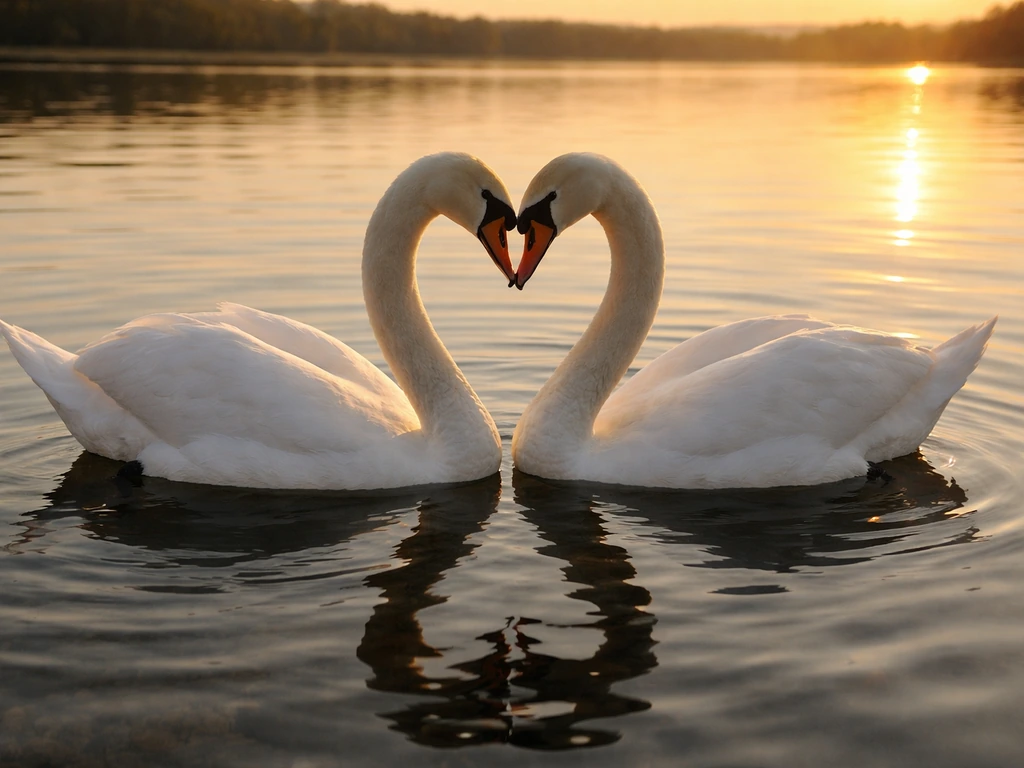
Swans are the go-to symbol for fidelity and enduring love. Wikipedia’s overview of fidelity symbolism notes that “fidelity” is frequently depicted as faithfulness and loyalty in art, which aligns with how birds can function as fidelity metaphors blank" rel="noopener noreferrer">fidelity symbols are often depicted as faithfulness and loyalty. They form long-term pair bonds, and the image of two swans facing each other (their necks forming a heart shape) has become one of the most recognized symbols of romantic love worldwide. The Environmental Literacy Council describes swans as representing fidelity, love, and devotion in marriage and partnership. It's worth noting, though, that the 'swans mate for life' idea is somewhat romanticized. Research shows that mate replacement and 'divorce' can occur in swan populations. Still, culturally and symbolically, the swan remains the strongest bird emblem for lasting, faithful love.
Cardinals: Devotion and Loyalty
Cardinals carry a different kind of love symbolism: devotion and loyalty, often with a spiritual or memorial dimension. Country Living describes the cardinal as 'a symbol of devotion and loyalty,' and in American and Christian folklore, seeing a cardinal is frequently interpreted as a visit from a loved one who has passed, or as a sign of enduring connection. The love tied to cardinals is less about romance and more about deep, faithful bonds that persist even through loss.
Pigeons: Loyalty and Committed Partnership
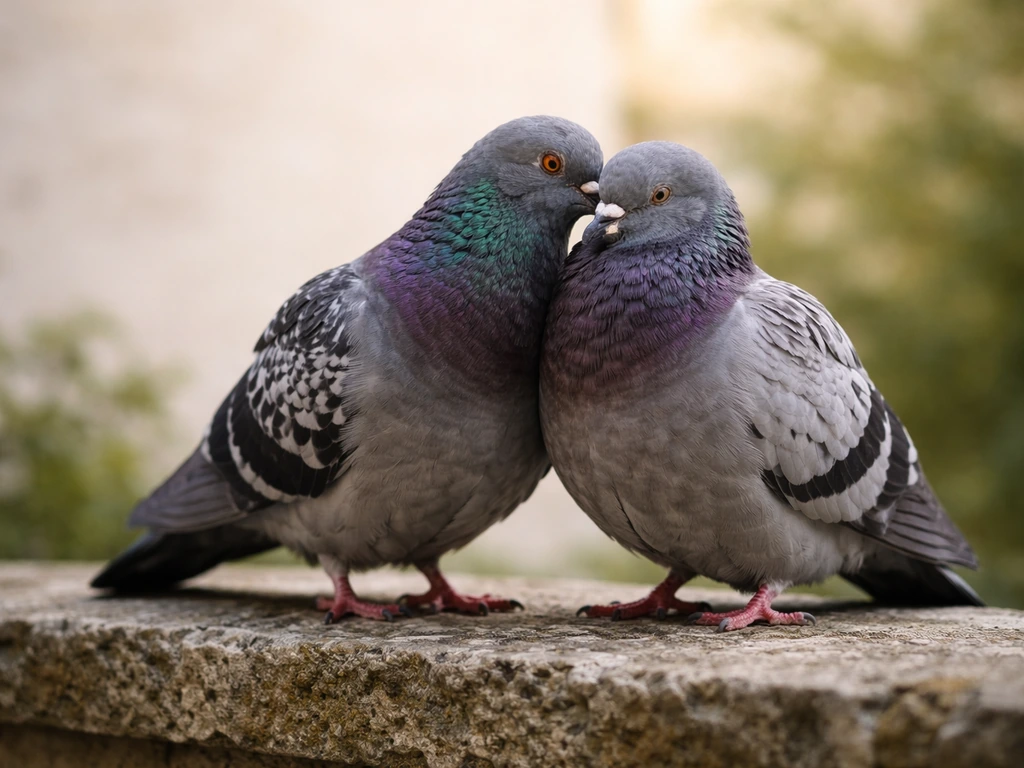
Pigeons and doves are closely related, and pigeons carry their own layer of love symbolism, particularly around loyalty and marriage. Museum records note that the pigeon symbolizes loyalty and committed partnership across various cultural and religious contexts. Their historical role as message carriers also gave them associations with faithfulness and reliable connection, which feeds into their love symbolism.
| Bird | Core Love Symbolism | Best Context to Apply It |
|---|---|---|
| Lovebird (Agapornis) | Devotion, mutual affection, companionship | Relationships, tattoos, gifts for couples |
| Dove | Romantic love, peace, spiritual blessing | Dreams, weddings, spiritual messages |
| Swan | Fidelity, lasting bond, enduring partnership | Long-term relationships, marriage, art |
| Cardinal | Loyalty, devotion, connection across loss | Memorial gifts, spiritual signs, grief |
| Pigeon | Loyalty, committed partnership, faithful love | Cultural/religious symbolism, art |
Reading 'Loving Bird' in Context: Quotes, Tattoos, Gifts, Dreams, and Spiritual Messages
The phrase means different things depending on where you encountered it. If you’re also wondering what bird means believe, the key is matching the bird’s symbolism to the specific belief or tradition behind the message. Here's how to read it correctly in each setting. If you are trying to learn what the phrase is telling you, the lucky bird meaning can vary by the bird and the context where you saw it.
In a Quote or Poem
If you read 'loving bird' in a poem or literary quote, it's almost certainly being used as a metaphor for a devoted, tender spirit, either a person being compared to a bird for their gentle love, or a bird as a messenger of affection. The phrase works poetically because birds carry natural associations with freedom, beauty, and song, so calling something a 'loving bird' layers those qualities onto the idea of love itself. Don't look for a specific species here unless the poem names one. The point is the emotional resonance.
In a Tattoo
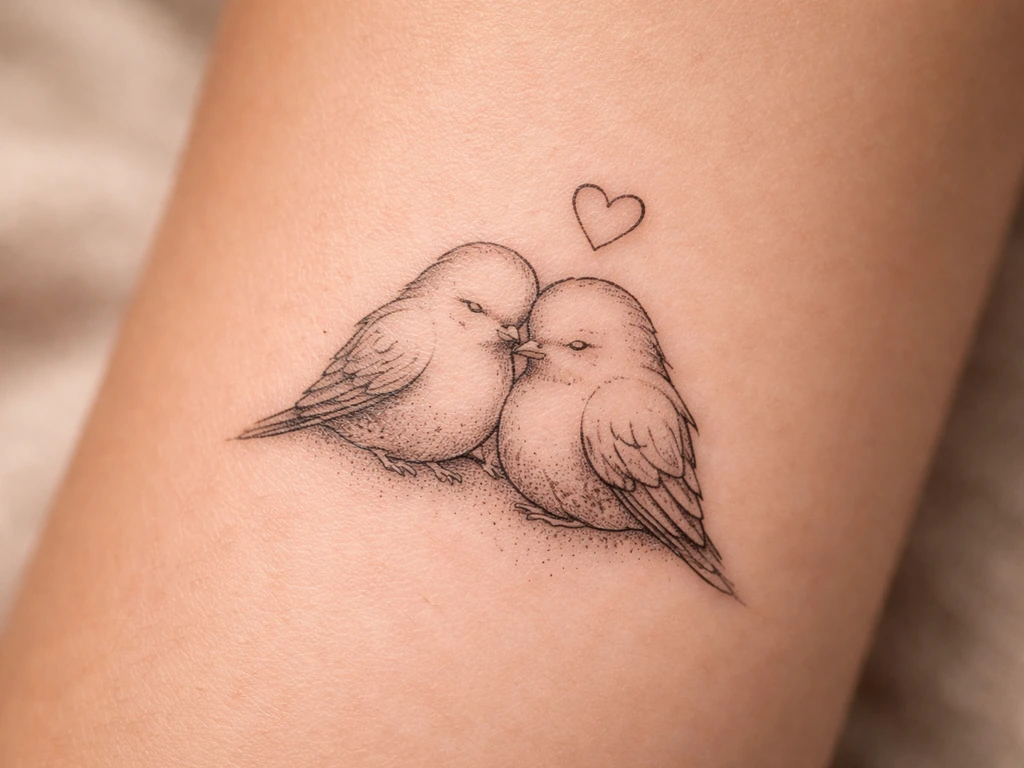
Tattoo searches for 'loving bird' usually mean the person wants a bird image that communicates love, devotion, or a deep personal bond. Lovebirds (the actual parrot species) are a popular tattoo choice for couples, sometimes shown as a pair. Doves are chosen for their peace-and-love combination. Swans are popular for fidelity themes. Cardinals often appear in memorial tattoos honoring a loved one. If you're planning a tattoo and searched this phrase, the next step is to nail down which flavor of love you want to express, because each bird carries a different nuance.
As a Gift
Bird-themed gifts centered on love symbolism are common for anniversaries, weddings, and Valentine's Day. A lovebird figurine or print communicates warmth and partnership. Swan imagery signals lasting commitment. A dove gift leans into peace and spiritual blessing alongside romantic love. If you're giving a bird-themed gift and want the recipient to connect it to a specific meaning, it's worth choosing the bird intentionally rather than generically.
In a Dream
Dreaming of a loving or affectionate bird is generally interpreted as an inner message about harmony, emotional connection, or a relationship dynamic you're processing. Dream interpretation sources consistently emphasize that context matters more than the bird species alone: the emotions you felt during the dream, what the bird was doing, and what's happening in your waking relationships all shape the meaning. A dove dream is commonly linked to peace, spiritual guidance, and reassurance in love. A lovebird dream might reflect your feelings about a current partnership. Treat dream bird symbolism as a prompt for reflection, not a literal prediction.
As a Spiritual Message
In spiritual traditions, birds as messengers are a widespread belief across cultures. A bird appearing in a meaningful moment, especially one associated with love symbolism like a dove or cardinal, is often interpreted as a sign of comfort, divine love, or connection with someone significant. If you're approaching this from a spiritual angle, the meaning you assign to the bird matters more than any universal definition. That said, the cultural weight of birds like doves (peace, divine love) and cardinals (connection with a lost loved one) gives you a solid starting framework.
Figuring Out Which Bird or Phrase Is Actually Being Referenced
Because 'loving bird' isn't a single fixed term, it's worth doing a quick disambiguation before you land on an interpretation. Here are the most likely candidates and how to tell them apart.
- Lovebird (the parrot species): If you're seeing this in the context of pets, couples, Valentine's Day, or relationship affection, this is almost certainly the reference. Look for the genus name Agapornis or references to small, colorful parrots bonding closely.
- A figurative love-symbol bird (dove, swan, cardinal, pigeon): If you're in a dream, spiritual, or cultural symbolism context, one of these is likely what's being pointed at. Check which species is actually present in the image, dream, or text.
- A slang or casual endearment: If you heard 'loving bird' or 'lovely bird' in British English conversation or casual speech, it may simply be an affectionate term for a person with no species symbolism involved at all.
- A literary or artistic title: If you found the phrase in a poem, song title, or artwork called 'Loving Bird,' it's functioning as a metaphor for a devoted, affectionate spirit, not as a reference to a specific bird species.
- A pet behavior description: If someone describes their pet bird as 'a loving bird,' they're talking about the animal's personality and behavior, particularly its tendency to bond closely, regurgitate food as an affection gesture, or seek physical contact.
The Wikipedia disambiguation page for 'Lovebird' confirms that the term spans blank" rel="noopener noreferrer">multiple uses beyond the parrot genus, including titled works and cultural expressions. So if you're unsure which one applies, ask yourself: am I looking at a living animal, a symbol, or a phrase? That question alone narrows it down significantly. If your curiosity about bird symbolism and love has you exploring related territory, questions like what bird means love or the specific symbolism of the robin as a bird connected to loved ones are worth looking into as natural next steps.
How to Apply the Meaning to Your Situation
Once you've identified which 'loving bird' interpretation fits your context, here's how to actually use it.
For Relationships
If someone called you or your partner a 'lovebird,' they're pointing at the quality of your bond: affectionate, close, devoted. Take it as recognition of real connection. If you're using bird symbolism to describe your relationship (in a caption, a card, or a tattoo), pick the bird that best matches the specific quality you want to highlight. Lovebirds for everyday warmth and companionship. Swans for long-term fidelity. Doves for peace and spiritual togetherness.
For Healing and Comfort
If you encountered a bird symbol during a difficult time in a relationship or after a loss, the symbolism of birds as messengers of love and comfort is worth sitting with. Cardinals in particular carry strong grief-and-connection symbolism in American culture. Doves signal peace and reassurance. These aren't magic predictions, but they're culturally resonant images that many people find genuinely comforting, and there's real value in that.
For Communication and Expression
If you want to use 'loving bird' symbolism in something you're writing, designing, or giving, be intentional about which bird and which tradition you're drawing from. The symbolism is richest when it's specific. A lovebird pair communicates something different from a lone dove, and both communicate something different from a cardinal perched on a winter branch. Match the bird to the relationship dynamic, the emotional tone, and the cultural background of the person you're speaking to. That specificity is what makes bird symbolism feel meaningful rather than generic.
It's also worth knowing that bird symbolism genuinely varies by culture and region. What a dove means in one tradition may differ from what it means in another. The Environmental Literacy Council, Wikipedia's overview of bird symbolism, and other cultural sources all note that no bird carries a single universal meaning. So if you're applying this to a relationship or spiritual context that has a specific cultural background, look into that tradition's particular bird symbolism rather than relying solely on Western defaults. That extra step will give you a much more accurate and personally meaningful interpretation.
FAQ
Does “loving bird meaning” always refer to lovebirds (Agapornis)?
Not always. “Loving bird” usually points to the lovebird symbol (Agapornis), but in conversation it can also be a generic compliment. If no specific bird species is mentioned, and the wording feels casual (for example, “she’s a lovely bird”), treat it as affectionate slang rather than a species-based meaning.
How do I interpret a loving bird dream more accurately than just picking the bird type?
For dreams, you can usually narrow it by what the bird is doing and how you feel. If the bird is nurturing you, pairing up, or grooming, it often reflects bond-building or reassurance. If the bird is separated, injured, or you feel fear, it more often mirrors anxiety about connection rather than a purely positive omen.
Can a dove or other love bird symbol have a negative meaning in dreams?
Yes, context can flip the interpretation. A dove often signals peace and reassurance, but if the dream or scene around it includes tension, the dove may be highlighting the need to restore calm rather than confirming that harmony already exists.
Does a “loving bird” tattoo mean the same thing if it shows one bird versus a pair?
In tattoos, many people use “loving bird” as shorthand for a relationship theme, but the placement and whether it is a single bird or a pair can change the message. A pair (especially lovebirds) typically reads as mutual partnership, while a single bird can read as devotion, longing, or honoring someone.
Is the “swans mate for life” idea accurate, or is it just symbolic?
Yes. “Swans mate for life” is a popular romantic idea, but in real swan populations there can be mate changes. If someone is choosing a swan specifically to represent absolute lifelong exclusivity, it helps to know the biological nuance even if the symbolism remains “enduring love.”
If I saw a cardinal after a loss, does that automatically mean a message from them?
When you see it as a sign from a loved one, “cardinal” symbolism is usually the best match in American Christian-adjacent contexts. To reduce overreach, treat it as emotional validation or comfort, not as a literal communication you can prove. Consider whether other details of the moment also connect to your relationship.
How do I handle “loving bird” symbolism if I’m applying it to a different culture or region?
Yes. Some traditions use specific birds for specific meanings (for example, doves in religious peace contexts versus other birds in regional folklore). If you are interpreting “loving bird” for someone from a different background, ask what bird they associate with love in their local or family tradition before applying a Western default.
What’s the biggest mistake people make when interpreting “loving bird”?
A common mistake is mixing categories, like using pet-bond symbolism for a situation that is clearly metaphorical. A living affectionate pet bird can mean attachment, while a poem line about a loving bird is usually emotional metaphor. Start by asking, “Is this a species reference or a poetic description?”
If I want to use bird symbolism in a caption or message, how do I choose the right bird for the exact emotion?
If you are using it in writing, decide the emotional promise you want to communicate, then match the bird. Lovebirds emphasize mutual devotion and day-to-day bonding, swans emphasize long-term fidelity, doves emphasize peace and reassurance, cardinals emphasize loyalty with a memorial or spiritual undertone.
Should I treat “loving bird” signs as predictions, or as guidance?
Yes, but with a caveat. Some people treat bird symbolism as a prompt for reflection, which is usually safer than treating it as a prediction. If the bird appears during a stressful relationship moment, the most useful “meaning” is often practical, like encouraging honest communication or grief processing, not forecasting outcomes.
Next Article
Lovely Bird Meaning: Literal, Figurative, and Context Clues
Literal and figurative meaning of lovely bird meaning, plus a checklist to decode whether it’s a compliment, metaphor, o