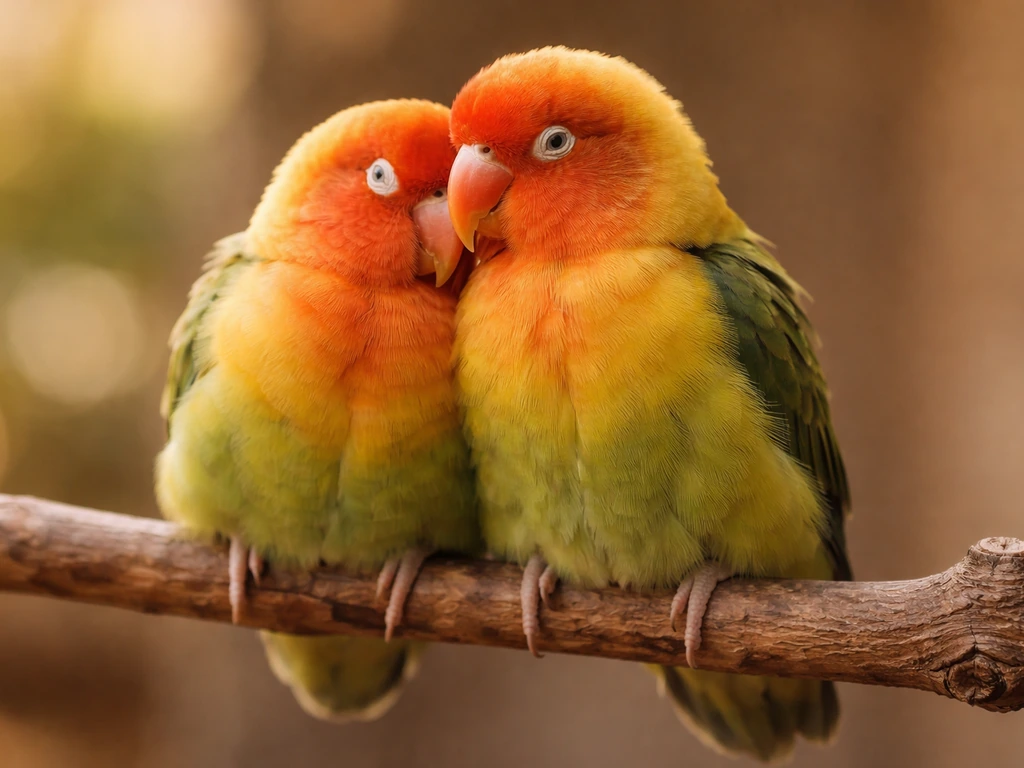
When someone searches 'female bird meaning,' they are usually asking one of two things: what the female of a specific bird species is called or looks like, or what a female bird symbolizes spiritually, culturally, or in everyday language. This is closely related to sweet bird meaning, where sweetness and symbolism combine in many spiritual interpretations female bird. Most of the time, the answer lands somewhere in both camps. Female birds broadly carry themes of nurturing, protection, fertility, intuition, and creation across dozens of traditions. But the exact meaning shifts significantly depending on which bird you are looking at, what it was doing, and the cultural lens you are applying. This guide walks through both sides so you can pin down the right answer quickly.
Female Bird Meaning: Biological Sex and Symbolic Interpretations

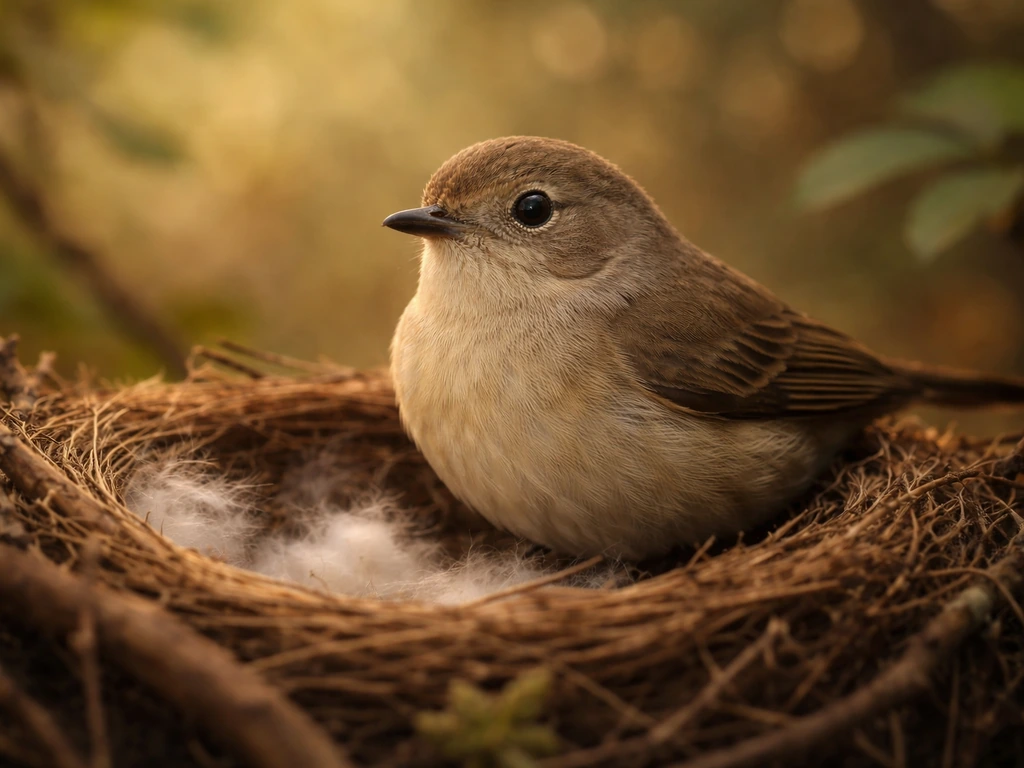
What 'Female Bird' Actually Means in Plain English
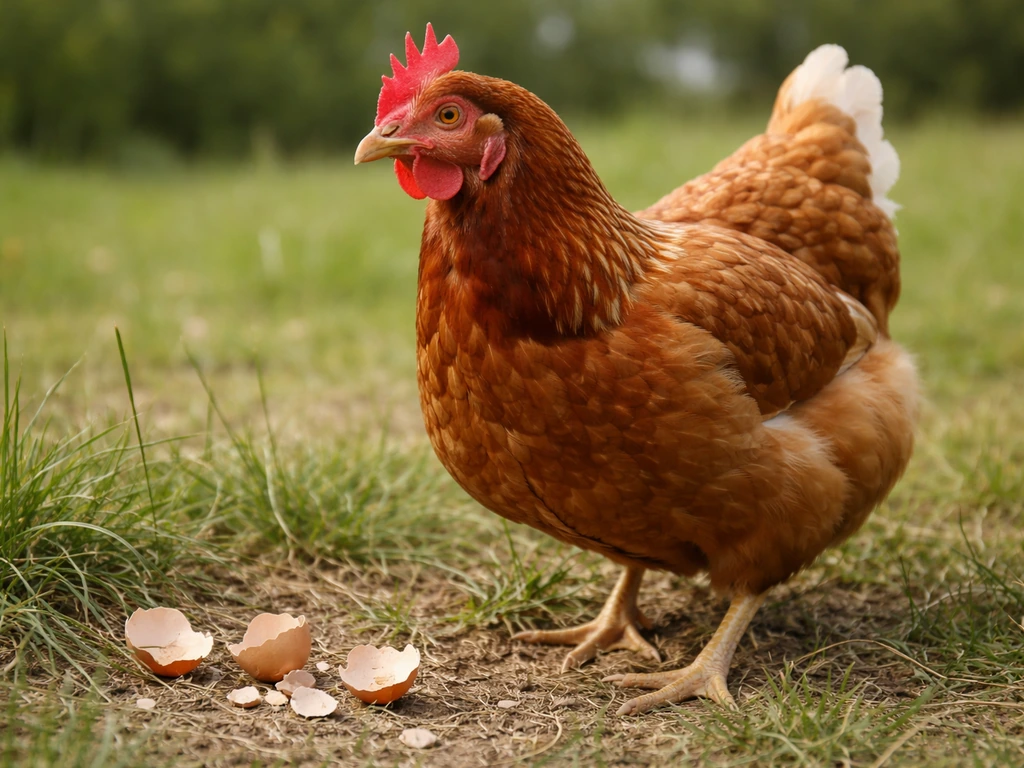
In the most literal sense, a female bird is simply the egg-producing sex of any bird species. The generic term is 'hen,' though that word is mostly associated with chickens in everyday conversation. Birding guides and ornithologists use 'female' directly (female robin, female mallard, female finch), and species-specific names exist for some: a female duck is a hen, a female peafowl is a peahen, a female hawk is sometimes called a hen-hawk in older texts. The naming is not as tidy as it is with mammals, which is part of why people search for it.
Beyond the biological label, 'female bird' functions as a figurative concept in poetry, folklore, and spiritual writing. It gets attached to ideas about motherhood, home, and creation because of what female birds visibly do: build nests, incubate eggs, feed young, and protect offspring. That observable behavior became a rich source of human metaphor across cultures. So when someone uses the phrase 'female bird' in a spiritual or poetic context, they are almost always invoking that cluster of meanings rather than making a strict biological point.
How to Identify a Female Bird in the Field
Telling male from female birds is straightforward in some species and genuinely tricky in others. Cornell Lab's four-key identification framework (size and shape, color and pattern, behavior, and habitat) is a good workflow to follow, with sex-specific notes applied once you have the species narrowed down. Do not rely on a single field mark alone, especially since molts and seasonal plumage shifts can blur the picture considerably.
Dimorphic species: the easy cases
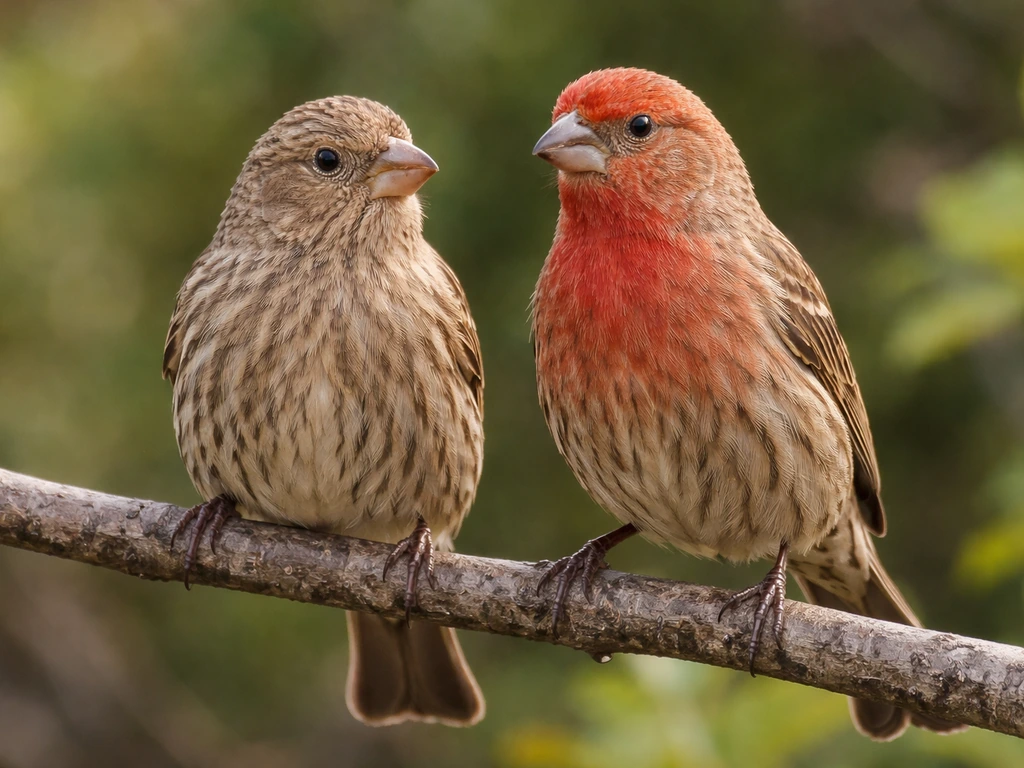
In sexually dimorphic species, the female is typically duller in color than the male. A female house finch, for example, is brown and heavily streaked overall, while the male shows obvious red on his head, breast, and rump. Female mallards are mottled brown compared to the male's iridescent green head. These differences evolved because females often need camouflage while incubating, while males compete visually for mates. In these species, a quality field guide with separate male/female photos is all you need.
Monomorphic species: the harder cases
Many species look identical regardless of sex. European Starlings are a classic example where field guides note that both sexes appear essentially the same. In these cases, behavior becomes your best clue. Watch for nest-building, incubation posture, or courtship displays: in the mourning dove, the male actively approaches the female with chest puffing and cooing, so the quieter, responding bird is almost certainly the female. For species where even behavior overlaps, reliable sexing in the field may simply not be possible without specialized methods.
A surprising complication: females that look like males
Cornell researchers found that in white-necked jacobin hummingbirds, nearly 20 percent of females display male-like plumage, apparently to reduce harassment from territorial males. This kind of mimicry is a real biological phenomenon that can throw off even experienced birders. The practical takeaway: if you have confidently identified a bird as female by behavior (nesting, incubating) but it has male-typical plumage, trust the behavior over the feathers.
| Cue Type | When It's Reliable | When It's Not |
|---|---|---|
| Plumage color/pattern | Strongly dimorphic species (ducks, finches, many songbirds) | Monomorphic species, juveniles, mid-molt birds, mimicking females |
| Behavior (nesting, incubating) | Most species during breeding season | Outside breeding season, shared parental roles |
| Vocalizations | Some species (coo sequence count in doves can be sex-indicative) | Species where both sexes sing identically or calls overlap significantly |
| Size | Raptors (females are noticeably larger) | Most passerines where size overlap is high |
The Figurative Meanings People Attach to Female Birds
Across folklore, spirituality, and poetry, 'female bird' themes cluster around a consistent set of archetypes. These are the meanings people are usually hunting for when they search this phrase in a symbolic or spiritual context.
- Motherhood and nurturing: the hen is the clearest example, deeply associated with gathering, protecting, and feeding young. This archetype shows up in spiritual texts, idioms, and folk wisdom across cultures.
- Fertility and creation: because female birds literally produce eggs, they became symbols of new life and creative potential. The egg itself is a near-universal symbol of potential and beginning.
- Intuition and inner wisdom: female birds (especially owls and nightjars) are often linked in Western and indigenous traditions to intuitive knowledge, the subconscious, and the unseen.
- Protection of home and family: nesting behavior made female birds natural emblems of domestic safety and guardianship.
- Relationship dynamics: in poetry and song, the female bird often represents a partner or beloved, with the male bird as the pursuer (think nightingale traditions in Persian poetry).
- Reputation and social judgment: in older English slang, calling a woman a 'bird' carried social connotations that shifted across eras, from neutral to affectionate to reductive depending on context.
Species-Specific Symbolism of Female Birds
The generic 'female bird' symbolism above gets much sharper once you know the species. Here is how it breaks down for the birds people ask about most often.
Dove (female)
Doves carry layered symbolism across traditions. In Christian iconography the dove represents the Holy Spirit, peace, purity, and new beginnings, rooted in the Noah narrative where a dove returned with an olive branch. In Christian iconography, the dove represents the Holy Spirit and peace, including the Noah narrative where a dove returned with an olive branch the dove returned with an olive branch. A female dove specifically amplifies the nurturing and peace-bringing dimensions of that symbolism. Seeing a dove in a spiritual context is almost always read as a positive, peaceful sign, and the female framing adds a softer maternal undertone to that core message.
Hen (female chicken)
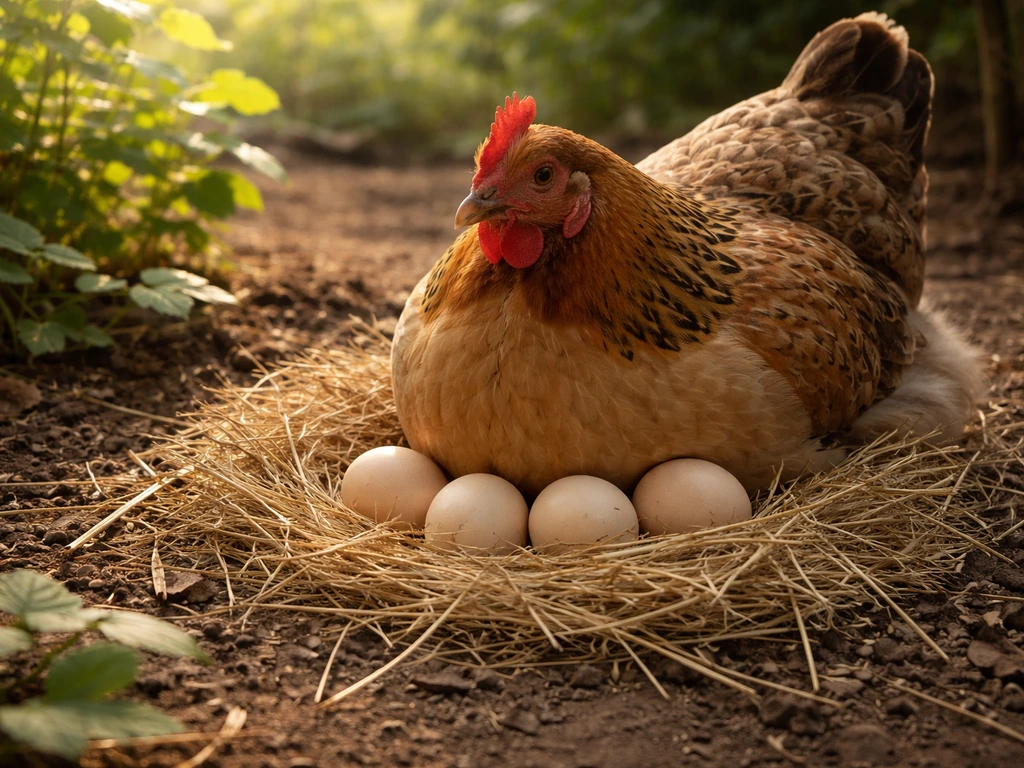
The hen is perhaps the most symbolically loaded 'female bird' in everyday language. She represents communal protection, fertility, and motherhood. Expressions like 'hen party,' 'mother hen,' and 'ruling the roost' all draw from the hen's behavioral reality of gathering and guarding chicks. In mythology and folk symbolism, the hen is also connected to the mystery of creation through the egg. If someone describes a person as 'a real mother hen,' they mean someone fiercely protective and nurturing, and that meaning has deep folkloric roots.
Owl (female)
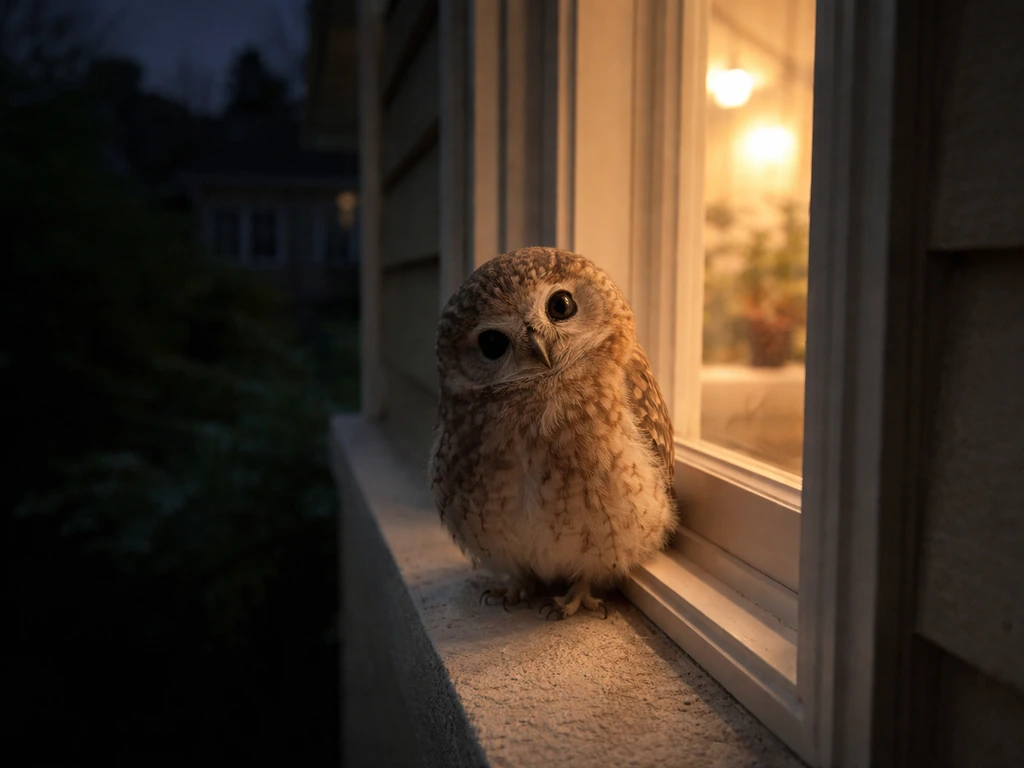
Owl symbolism in Western traditions centers on wisdom, truth, mystery, and spiritual protection. Female owls are notably larger than males in most raptor species, which gives them an additional layer of quiet authority in symbolic readings. In some folklore traditions, particularly European ones, owls carried associations with witchcraft and the feminine divine. A female owl sighting is typically read through the same wisdom-and-protection lens as owls generally, but with extra weight on intuition, the subconscious, and things hidden beneath the surface.
Raptors (hawks, eagles, falcons, female)
Female raptors are physically larger than males, a trait called reverse sexual dimorphism. This made them the preferred birds in falconry historically, where the term 'falcon' technically referred to the female bird, and the smaller male was called a 'tiercel.' Symbolically, female raptors carry meanings of fierce protection, sovereign power, and decisive action. A female hawk or eagle in a vision or story is rarely a gentle symbol: it reads as strength, vigilance, and the capacity to defend what matters.
Songbirds (robins, finches, warblers, female)
Female songbirds are typically quieter and more camouflaged than their male counterparts, and that contrast became symbolically meaningful. Where the male sings to claim territory and attract mates, the female tends the nest and raises young. In poetry and folklore, the female songbird often represents quiet constancy, devotion, and the kind of love that sustains rather than performs. The American robin's behavior is a good real-world example: while the male may tend fledglings, the female often begins a second nesting attempt, embodying tireless reproductive effort.
How Context Changes the Meaning Entirely
The same female bird can carry very different meanings depending on when and where you encounter it, and what it is doing. Because it is a symbolic phrase tied to context and archetypes, the beautiful bird meaning you are looking for depends on the species and what the bird is doing. If you are specifically looking for happy bird meaning, the same context rules apply: focus on the species and what the bird is doing when you notice it beautiful bird meaning. If you want to pin down the specific interpretation, see the sweet bird meaning guide for how symbolism changes by species and context. Context is not a minor detail here: it is often the whole answer. Context is not a minor detail here: it is often the whole answer sweet bird of truth meaning.
- Location: A female owl spotted near your home window at night carries different weight in many traditions than the same owl seen hunting at dusk in a forest. Proximity to domestic spaces amplifies the home/protection symbolic reading.
- Time of day: Nocturnal birds seen during daylight hours are often treated as especially significant in spiritual readings, since it breaks their expected pattern. A female owl seen at midday, for example, would stand out symbolically in ways a nighttime sighting would not.
- Behavior observed: A female bird feeding nestlings reads as nurturing/motherhood symbolism directly. The same bird perched alone and watching quietly reads more as a wisdom or vigilance symbol. A female bird in aggressive display reads as fierce protection.
- Repeated encounters: Seeing the same type of female bird multiple days in a row is typically interpreted as a stronger signal than a one-time sighting in most spiritual frameworks.
- What preceded the sighting: In folk and spiritual traditions, the context of your life situation when a bird appears shapes the interpretation heavily. The same female robin can symbolize 'new family beginning' or 'protect what you have built' depending on what the person is currently experiencing.
Quick Checklist: Getting to the Right Meaning Fast
If you are trying to resolve what 'female bird' means in your specific situation right now, run through these questions in order. They will cut the ambiguity quickly.
- Do you know the species? If yes, go straight to the species-specific symbolism for that bird. Generic 'female bird' meanings are a starting point, but species-level meanings are always sharper and more accurate.
- Are you trying to confirm the bird is female? Check for plumage dimorphism first. If the species is monomorphic (sexes look alike), shift to behavioral cues: is it nesting, incubating, or being courted?
- What context did you encounter it in? Live sighting, a dream, a poem, a story, a phrase someone used? The interpretive frame you need is completely different for each.
- Which tradition or cultural lens applies to you? Dove symbolism in a Christian context means something specific. The same bird in a Celtic or Indigenous context may carry different emphasis.
- Is the 'female' part central to the meaning, or is the species the main carrier of meaning? In most cases, the species does the heavy symbolic lifting, and 'female' adds the nurturing/protective/intuitive layer on top.
Common Misinterpretations and How to Catch Them
A few mistakes come up repeatedly when people try to interpret female bird symbolism, and they are worth knowing so you can sidestep them.
Assuming the duller bird is always the female
This works in many dimorphic species, but not all. Some species show no difference between sexes, and as the hummingbird research shows, some females actively display male-like plumage. Never call a bird female purely because it is drabber without checking the species profile first. Juvenile males of many species also look similar to adult females, adding another layer of confusion.
Applying generic 'female bird' symbolism when a specific species is involved
A female vulture and a female dove are both 'female birds,' but their symbolic meanings are almost opposite in most traditions. Applying the generic nurturing archetype to a female raptor or scavenger can completely misread what a symbol, dream, or omen is communicating. Always get to the species level before settling on a meaning.
Conflating 'female bird' slang with spiritual symbolism
In British and some Australian English, 'bird' used as slang for a woman carries social and sometimes reductive connotations that have nothing to do with ornithology or spiritual symbolism. If someone used the phrase 'female bird' in conversation or in a text, check whether they meant a literal bird, a spiritual symbol, or were using colloquial language. The three interpretations require completely different responses.
Taking a single sighting as a definitive omen without checking behavior
In spiritual traditions, meaning is built from context and pattern, not just presence. A female bird sitting near your house once is far less symbolically significant than one returning repeatedly, building a nest on your property, or appearing at an unusually meaningful moment. Verify the interpretation by asking whether the encounter was unusual enough to warrant a symbolic reading at all, or whether it was simply a bird going about its business.
If the broader theme of bird symbolism interests you, it is worth knowing that the 'female bird' question connects naturally to related explorations like male bird meaning (for the direct contrast), lovebird meaning (which layers romantic symbolism onto a specific species), and owl or dove symbolism in depth. To understand how that contrast works, you can also look up male bird meaning. If you are wondering about love bird meaning specifically, the same approach to symbolism and context will help you interpret it accurately lovebird meaning. Each of those angles adds a different dimension to what you find when you look at birds through a symbolic lens.
FAQ
If I see “female bird” in a dream, do I interpret it like a generic nurturing symbol every time?
Not always. In dream work, repeat appearances and the bird’s role matter most. If the scene emphasizes nesting, feeding, or defending, the nurturing and protection themes fit best, but if the bird is aggressive, scavenging, or flying alone, you should switch to that species’ typical archetype instead of using a one-size-fits-all meaning.
How can I tell whether someone means “female bird” biologically, symbolically, or as slang?
Check the surrounding context for signals. Ornithology cues include behavior like nesting, migration, or plumage, spiritual cues mention omens or personal meaning, and slang cues often involve dating, gossip, or social judgment. If the text is ambiguous, ask what species they think they saw, or whether they are referencing a belief system.
What if the bird is clearly female by behavior, but it has unusual plumage (for example, male-typical colors)?
Use behavior as the deciding factor, then re-check the species. Seasonal molt, juvenile plumage, and sex-reversal cases can make visual sexing unreliable. If you can, confirm with a second clue like incubation posture, nest guarding, or courtship roles rather than relying on color alone.
Are juvenile birds ever mistaken for females in symbolism searches?
Yes. Juveniles can look more like females in some species, and that can lead to wrong symbolic conclusions. For practical interpretation, only lean into “female bird meaning” if you have a reasonable basis for sex (nesting, incubation, or reliable field identification), not just “the bird looked duller.”
If I see a female bird near my home, how do I know whether it is meaningful or just normal activity?
Ask whether the behavior is out of the ordinary for that species and season. Returning repeatedly, choosing your exact property for nest building, or showing persistent guarding is more meaningful than a one-off pass-by. Also consider timing, weather, and local breeding cycles, since many “signs” align with natural reproduction.
Does the symbolic meaning change if the female bird is dead or injured versus alive?
Usually yes. Alive, active behavior tends to map to creation, nurturing, and protection themes. An injured or deceased bird often shifts readings toward endings, loss, or a warning to pay attention to a fragile situation, and it can also be read practically as a need to check for environmental hazards (collisions, window strikes, predators).
Which is more important for meaning, species or the bird’s action?
For best accuracy, prioritize species first, then action. Species determines the dominant archetype people associate with that bird family or cultural role, while action refines the emotional focus (nesting emphasizes home and fertility, hunting can emphasize defense or urgency, scavenging can imply clearing or transformation).
Can one species’ “female” symbolism be opposite in different cultures?
Yes, and it happens often when traditions attach different roles to the same bird. If you are using symbolism from a specific tradition, specify which lens you are applying. Otherwise, treat the meaning as a spectrum, and anchor it to observable behavior rather than purely to a generalized spiritual reading.
Love Bird Meaning in English: Relationship and Symbolism
Learn love bird meaning in English, including relationship usage, symbolism, and how to tell pet bird vs nickname.