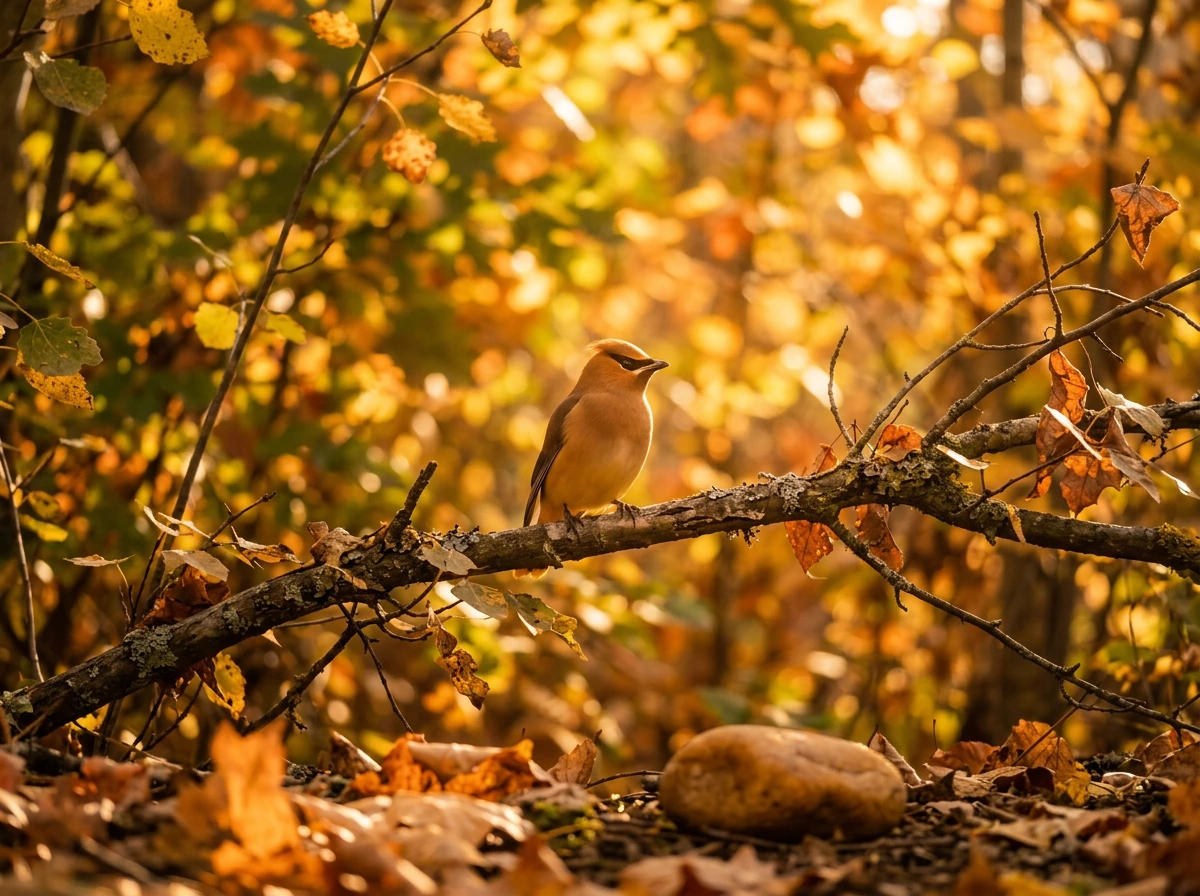
A mockingjay is not a real bird. It is a fictional species from Suzanne Collins' The Hunger Games, created in the story as a hybrid of a Capitol-engineered spy bird (the jabberjay) and a wild mockingbird. Outside that fictional universe, the word carries rich symbolic meaning: voice as resistance, mimicry as power, and a single individual becoming the symbol of collective rebellion. When you hear or see 'mockingjay' used in conversation, it almost always draws on that pop-culture meaning, not real ornithology.
Mockingjay Bird Meaning: Symbolism, Literal Sense, and More

Marcus Winters
23 Apr 2026
What 'Mockingjay' means in plain terms
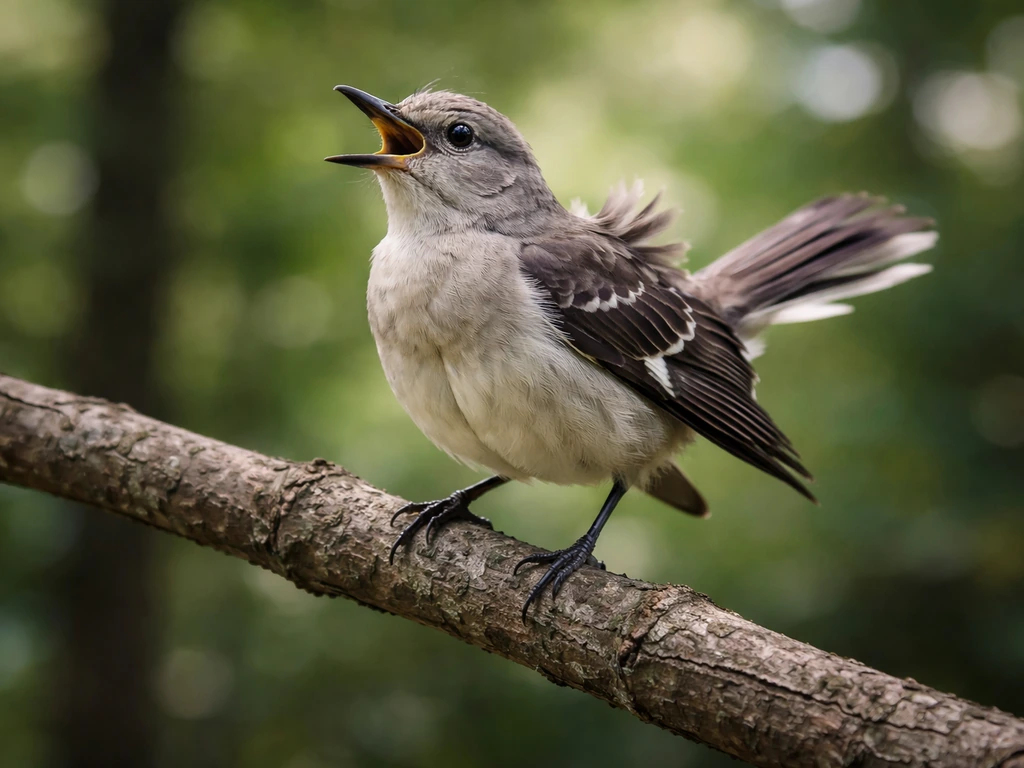
Strip the word down and you get two familiar English bird terms fused together: 'mocking,' from mockingbird, meaning a creature that imitates or mimics, and 'jay,' a common English label for a loud, attention-grabbing bird. Put them together and you get a compound that literally reads as 'a bird that mocks loudly' or 'a bird known for vocal imitation.' That folk etymology is doing real work in the word's meaning, even if no such species exists in nature.
In Collins' universe, the mockingjay came about because the Capitol's jabberjays (birds engineered to memorize and repeat human speech as surveillance tools) eventually mated with wild mockingbirds after being released into nature. The offspring inherited both the ability to mimic and a kind of freedom the Capitol never intended. That backstory is everything: the mockingjay is literally a tool of control that escaped its makers and became something untameable. That is the core of what the term means symbolically, and it is why the symbol translates so powerfully beyond the books and films.
Mockingjay vs mockingbird vs 'jay' (what these terms actually are)
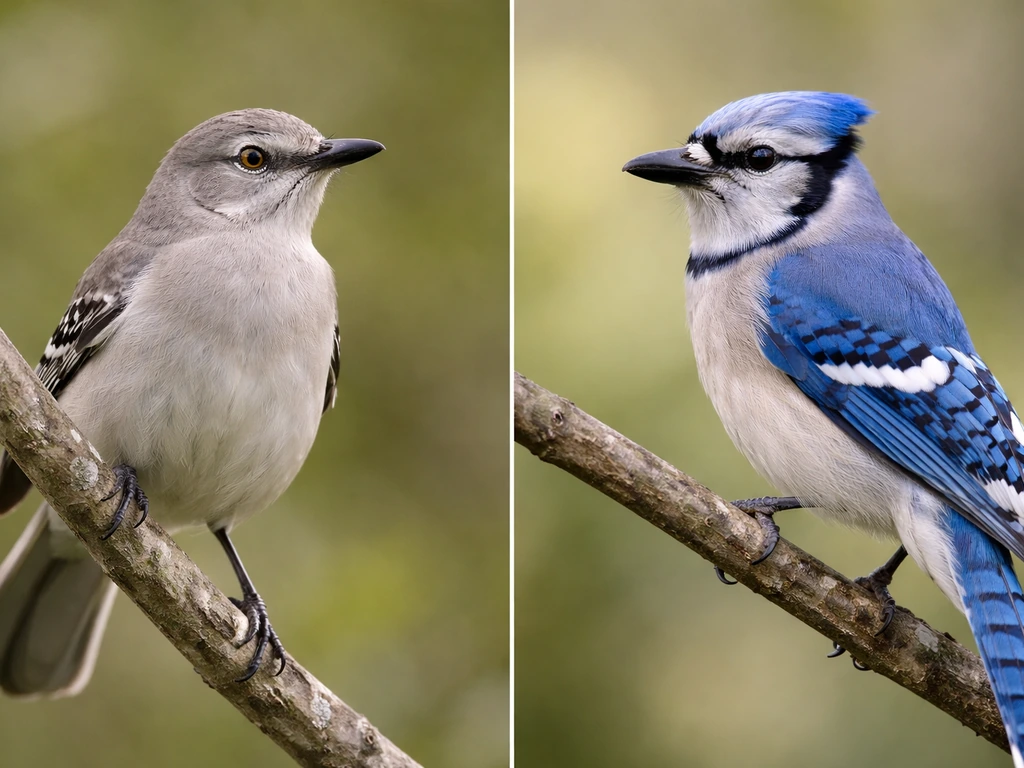
These three terms overlap in ways that genuinely confuse people, so it is worth separating them clearly.
The mockingbird is a real bird. The northern mockingbird (Mimus polyglottos) is a North American species recognized by ornithologists, listed in every field guide, and famous for one specific ability: it imitates the calls of other birds with remarkable accuracy. Merriam-Webster defines it as 'a common North American bird remarkable for the exactness of its imitations of other birds' notes.' That mimicry is not metaphorical, it is a documented biological behavior. The mockingbird meaning in everyday English, and in literary tradition, is built on that real behavior. In that broader sense, people also talk about mockingbird bird meaning as innocence, imitation, and voice mockingbird meaning. Knock bird meaning discussions often come down to how people transfer the mockingbird idea of mimicry into pop-culture symbolism mockingjay. If you are comparing similar phrases, you may also run into mock bird meaning, which is tied to how people use mimicry and symbolism in everyday speech mockingbird meaning.
A jay is also a real bird, though 'jay' is more of a folk category than a precise taxonomic one. English speakers use the word for noisy, often brightly colored birds like the blue jay. Cambridge Dictionary calls a jay 'a noisy, brightly colored bird,' and that is basically the cultural weight the word carries: loudness and visibility. So when 'jay' gets attached to a compound word, it contributes the sense of a bird that makes itself heard.
A mockingjay is neither. It does not appear in any field guide or ornithological database. If you search for it outside a Hunger Games context, you will not find it in nature. The National Wildlife Federation confirmed this directly: the mockingjay is not a real species, even though the mimicry traits it is based on do exist in real birds like the northern mockingbird. So if someone is asking about bird symbolism generally, the mockingbird is the real-world reference point. If they are asking about mockingjay, they are almost certainly in pop-culture territory.
Where the mockingjay meaning comes from
The real-bird roots: mimicry and voice
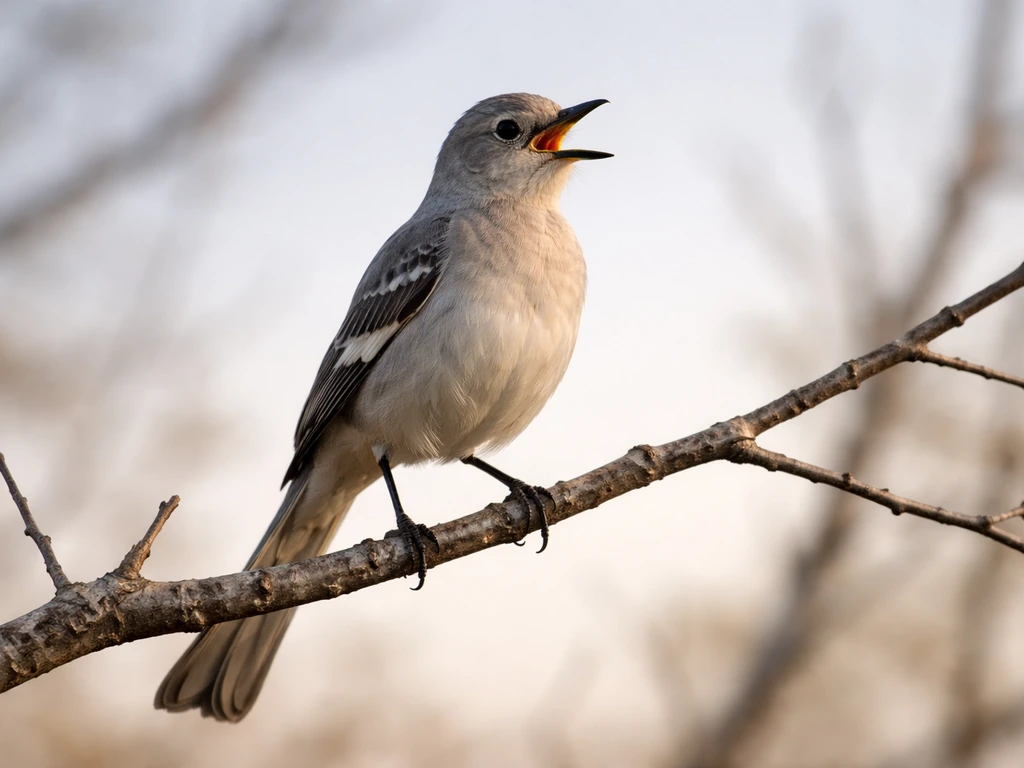
Long before The Hunger Games, the mockingbird carried deep meaning in American folk culture and literature. A bird that can perfectly replicate another creature's voice raises immediate philosophical questions: is it imitating, or is it creating? Is it deceiving, or is it communicating? In American literary tradition, the mockingbird often represents innocence and the moral weight of silencing something that only gives and never harms. Collins drew on that existing cultural freight when she built the mockingjay concept, which is part of why the symbol landed so hard with readers.
The 'jay' side of the compound adds the noisiness factor: a bird that will not be quiet, that makes itself known, that draws attention. Combine a mimic with a loud, visible presence and you get the idea of a voice that cannot be suppressed, a sound that spreads and multiplies. That is exactly what the mockingjay symbolizes in narrative terms.
The pop-culture origin: The Hunger Games
Suzanne Collins introduced the mockingjay in The Hunger Games (2008) and made it the central symbol of the trilogy, culminating in the third book, Mockingjay (2010). The bird first appears as a pin worn by the protagonist Katniss Everdeen, and its meaning grows progressively through the series: from personal talisman, to district rallying symbol, to the name of the revolution's figurehead. Katniss herself becomes 'the Mockingjay,' a title that means she is the living embodiment of the rebellion's voice. The symbol was powerful enough that the film adaptations split the final book into two parts, and a single three-finger salute associated with the pin became the visual shorthand for collective defiance.
What people actually mean when they use 'mockingjay' symbolically
A few core symbolic threads run through every use of the term, and they are worth knowing individually because people invoke them in different combinations depending on context.
- Voice and amplification: A mockingjay takes a sound and spreads it. Symbolically, calling someone a mockingjay means they carry and amplify a message that was not originally theirs, but that they give life and reach to.
- Resistance and defiance: The bird was a tool of control that escaped. That escape is the whole point. Using 'mockingjay' as a symbol always implies pushing back against an authority or system that tried to contain something.
- Mimicry as authenticity: This is the paradox at the heart of the symbol. The mockingjay imitates, but the imitation becomes real and meaningful. It is not mockery in the sense of ridicule; it is more like translation, taking a message and making it resonate in a new voice.
- Unwilling or reluctant leadership: Katniss does not want to be the symbol. This 'accidental figurehead' quality is part of what people mean when they use the term for someone thrust into a leadership or representative role against their own wishes.
- Unity through a shared symbol: The mockingjay pin becomes a unifying image across districts. When the term is used symbolically, it often implies that a single image or person is standing in for a much larger collective identity.
How people use 'mockingjay' in conversation and online
In everyday use, 'mockingjay' shows up in a few specific patterns. If someone asks “hoax bird meaning,” they are usually trying to figure out what people mean when they describe the mockingjay as a fake or invented bird. The most common is as a metaphor for someone who becomes the face of a movement, especially someone who did not necessarily seek that role. You will hear things like 'she became the mockingjay of that protest' meaning she was the person whose image or words got picked up and spread everywhere as the symbol of the cause.
In fandom and online spaces, 'mockingjay' is used as a descriptor for content or messages that spread and are amplified widely, similar to how 'going viral' works but with a connotation of purposeful resistance rather than random spread. Someone sharing suppressed information or speaking truth to power might be described as 'pulling a mockingjay move.'
The term also appears in political commentary, particularly when discussing protest movements or activists who become symbolic figureheads. Because The Hunger Games was read widely by millennials and Gen Z, the reference is broadly understood across those age groups without needing explanation. Using it in that context signals both cultural literacy and a specific framing of the situation as a David-versus-Goliath power dynamic.
On a lighter note, people sometimes use 'mockingjay' simply as a synonym for a good mimic or a person who is great at impressions, leaning on the literal bird etymology rather than the full symbolic weight. Context matters a lot in separating that casual use from the heavier political one.
How to tell which meaning applies: a practical checklist
When you encounter 'mockingjay' in the wild and are not sure which layer of meaning is intended, run through these context questions quickly. They will almost always point you in the right direction.
- Is there a Hunger Games reference nearby? If the conversation mentions Panem, Katniss, districts, or the Capitol, the full fictional symbolism is in play.
- Is it used for a person? If someone is called 'the mockingjay' of something, they are being cast as a reluctant or emergent symbol of a movement or cause.
- Is it used for a message or piece of content? Then the focus is on the amplification and spread aspect of the symbolism, the idea that a voice is being picked up and carried further than its origin.
- Is it in a political or protest context without a Hunger Games reference? The resistance and defiance meaning is still active; the pop-culture source is just being used as a shorthand that both parties understand.
- Is it used in a casual, joking way about someone imitating someone else? That is the lighter, folk-etymology use based purely on 'mocking' as mimicry, with no deep symbolism intended.
- Is the conversation specifically about real birds or ornithology? If so, redirect: the actual bird to look up is the mockingbird (Mimus polyglottos), not the mockingjay, which has no real-world ornithological entry.
| Context | Which meaning applies | What to listen for |
|---|---|---|
| Hunger Games fandom | Full fictional symbolism: voice, resistance, reluctant hero | References to Katniss, Panem, the pin, or the trilogy |
| Political commentary | Resistance figurehead, amplified voice | Talk of movements, protest, speaking truth to power |
| Casual speech about mimicry | Literal folk-etymology: someone who imitates | Joking tone, impressions, no heavy political framing |
| Real bird discussion | Wrong term; mockingbird is the real bird | Field guides, ornithology, actual species talk |
| Online/social media | Viral spread with a resistance or defiant edge | Sharing suppressed content, amplifying silenced voices |
Why this word carries so much weight
The reason 'mockingjay' punches above its weight as a symbol is that it stacks meanings that already resonated culturally. Mockingbirds were already loaded with significance in American literary tradition before Collins touched them. 'Jay' already carried the sense of a bird that will not stay quiet. And the in-universe backstory, a spy tool that escaped its masters and became an uncontrollable symbol of freedom, is one of the oldest and most resonant symbolic structures in storytelling. The word is doing a lot of work efficiently, which is exactly why it stuck.
If you are exploring the broader bird-symbolism space, it is worth knowing that the mockingbird meaning and the mock bird meaning each carry their own distinct histories separate from the mockingjay, and the differences are meaningful. The real mockingbird leans toward themes of innocence, imitation, and voice in literary tradition. In English, this is why many people look up the mocking bird meaning when they are trying to understand the origin of the symbolism mocking bird meaning in English. The mockingjay specifically adds the dimension of resistance and the idea of an unintended consequence becoming something powerful. Those are related but not interchangeable ideas, and knowing which one you are working with changes how you interpret the reference.
FAQ
If someone says “she’s the mockingjay of this movement,” are they talking about imitation or activism?
Usually yes, but there is a nuance. In casual conversation, “mockingjay” often means “the person or voice that becomes the public emblem of a cause,” not an actual imitation talent. If the speaker is talking about protests, activism, or suppressed speech, the symbol interpretation is more likely. If they are talking about impressions or comedy, they may be using it lightly as “a great mimic.”
Should I capitalize mockingjay, and does that change the meaning?
The term is mostly used as a proper noun tied to The Hunger Games, so capitalization and context matter. “Mockingjay” typically points to the specific character and revolution figurehead. “mockingjay” in lowercase can still refer to the metaphor, but it is less likely to be about the exact trilogy reference and more likely about the general symbolism of resistance.
What clues tell me whether someone is using mockingjay in the “resistance” sense or the “deception” sense?
Look for what kind of “voice” is being discussed. The core symbolic thread is resistance and a message that spreads because it cannot be silenced. If the person emphasizes speaking out, broadcasting truth, or turning surveillance against its makers, it is the Hunger Games layer. If they emphasize deception, trickery, or trick-based imitation, they are borrowing the mimic theme but changing its moral framing.
Is mockingjay just another way to say mockingbird?
Common mistake: treating “mockingjay” as a synonym for “mockingbird.” They overlap in the idea of mimicry, but the added “jay” and the in-universe history shift the emphasis toward loud, visible defiance and unintended escape from control. If the conversation is about innocence or literary “silencing,” it is more likely referencing mockingbird traditions than mockingjay.
What does “pulling a mockingjay move” usually imply?
Yes, but there is a specific pattern. People often use “a mockingjay move” to mean amplifying banned or pressured speech, stepping into a public role, or using imitation to undermine power (for example, repeating what the powerful tried to control). It is not usually about being noisy for attention alone, it is about using attention strategically.
How is “mockingjay” used to describe content online, and how is it different from “going viral”?
It is a figurative phrase for being amplified widely, with a resistance flavor. If someone says “the messages went mockingjay,” they generally mean the content spreads fast and gets taken up as a cause symbol, not that it went viral in a neutral way. If they mention censorship, suppression, or consequences, that is the resistance connotation.
In political commentary, does mockingjay always mean the same thing as in the books?
If the reference is political or activist, “mockingjay” frequently signals a David-versus-Goliath framing, where one person (or small group) becomes the face of collective defiance. If it is just entertainment, it may simply describe someone good at impressions. A quick check is whether the speaker also mentions movements, rallies, revolutions, or state power.
If someone uses mockingjay outside Hunger Games talk, are they still referring to the trilogy specifically?
It can be, but many people do not intend the exact trilogy. When “mockingjay” is used outside fandom, it usually means “symbolic figurehead” or “unignorable voice,” not the bird as a fictional biological species. If you want to confirm, listen for specific markers like Katniss, the pin, the salute, or the idea of a revolution leader.
Can I use mockingjay in a science or nature context?
No. It does not refer to a real bird species in nature, so scientific discussions usually should not use it as if it were ornithology. If someone is trying to write something “bird-accurate,” they should switch to “mockingbird” (a real species) or “jay” (a real group label) instead, and keep “mockingjay” strictly literary or cultural.
Next Article
Amber Bird Meaning: Symbolism, Interpretations, and How to Use It
Learn amber bird meaning: disambiguate the phrase and interpret it using amber and bird symbolism, grounded steps includ