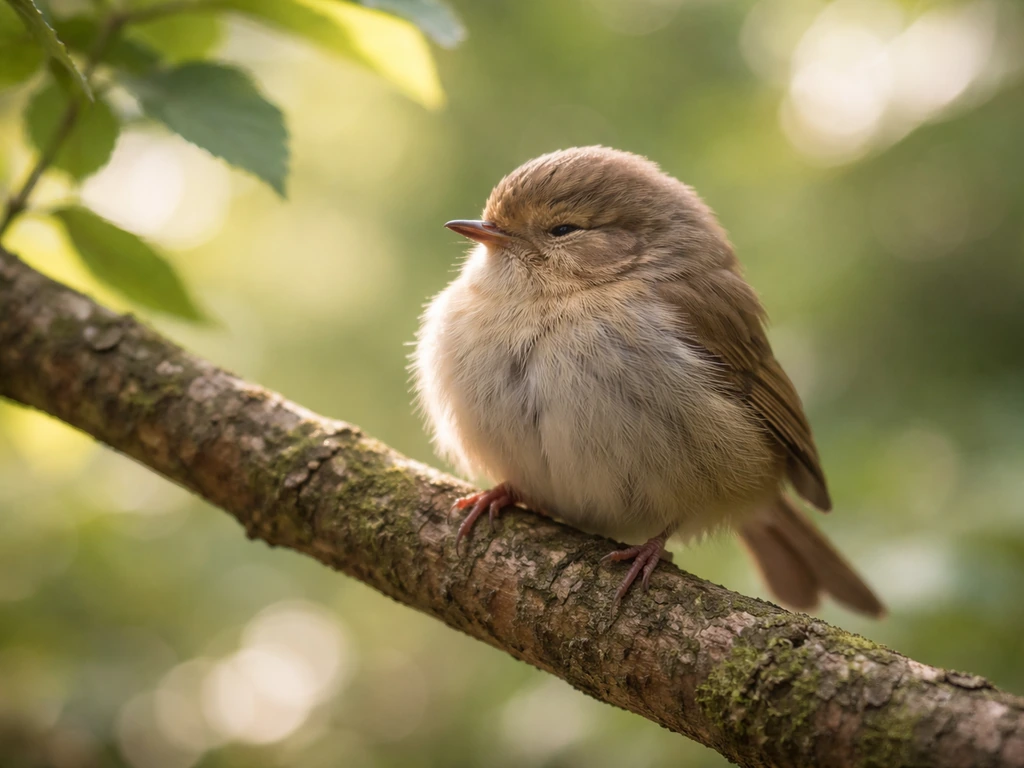
When someone calls you a "lazy bird," they almost certainly mean you're being slow, unmotivated, or reluctant to get moving. It's a mild, often playful jab at someone who won't get out of bed, won't tackle a task, or is generally dragging their feet. But "lazy bird" can also mean something entirely literal: in natural history and folklore, the cuckoo has carried the "lazy bird" label for centuries because it skips the hard work of building a nest and raising its own chicks. So which meaning is in play depends entirely on context, and it's usually not hard to figure out once you know what to look for.
Lazy Bird Meaning: Idiom, Slang, and Literal Use

Marcus Winters
21 May 2026
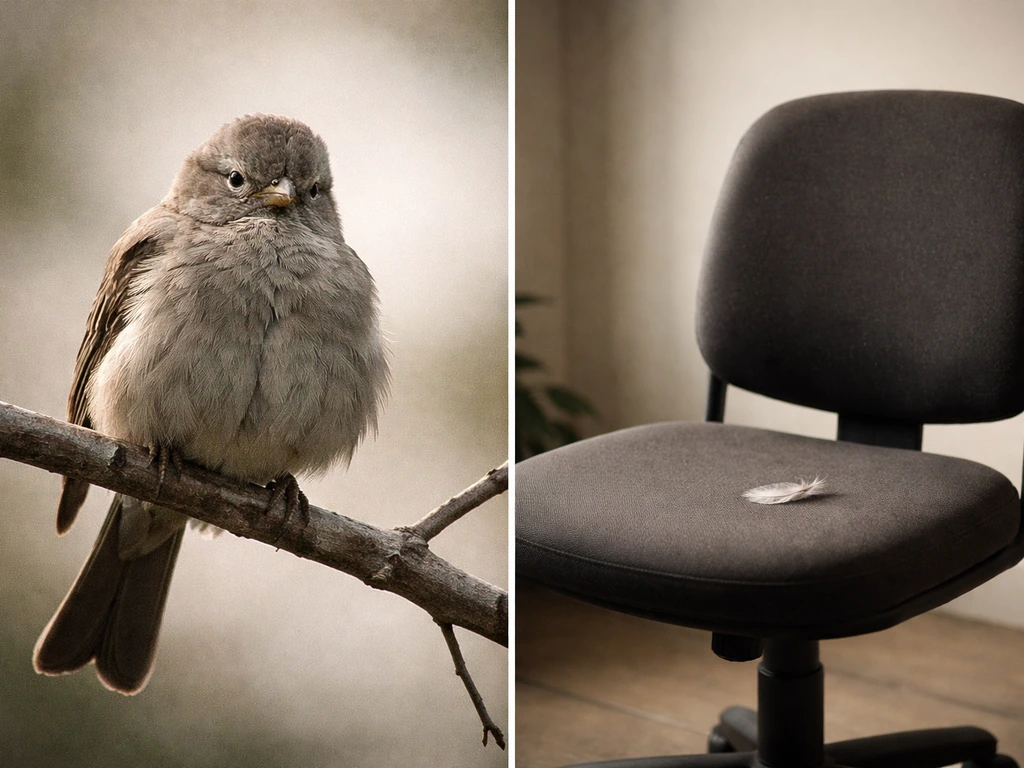
Lazy bird: slang for a person vs. a literal bird description
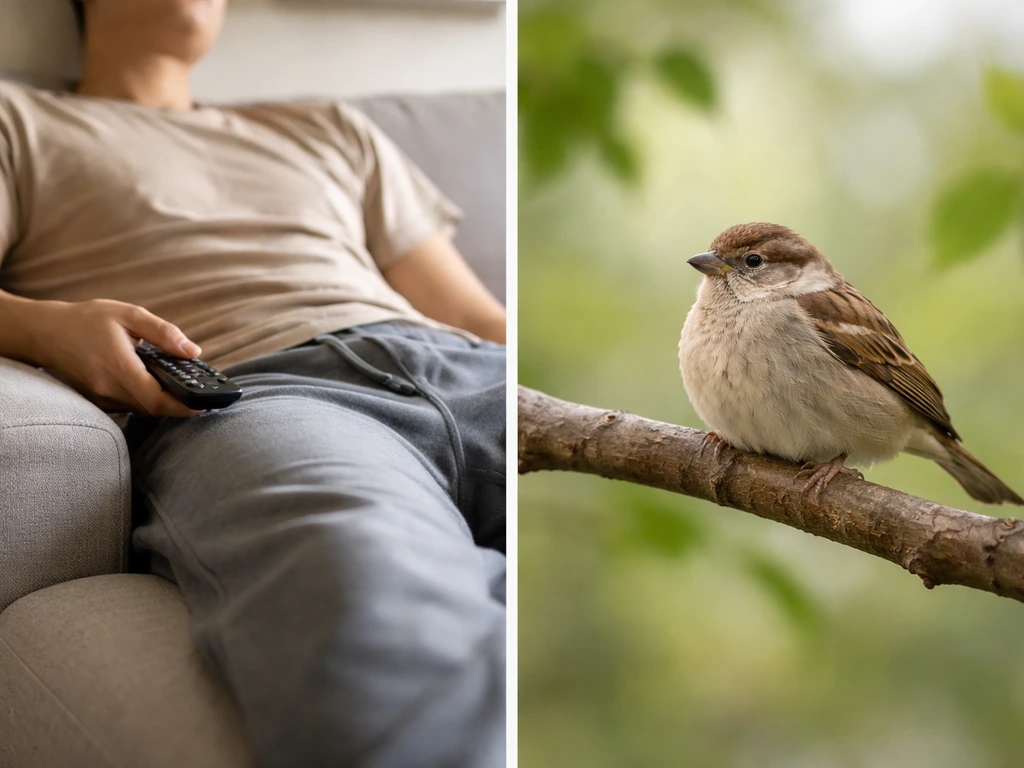
These two meanings have almost nothing in common except the words themselves, so it helps to keep them separate in your mind before you try to decode a specific sentence.
The figurative, slang use (about a person)
In everyday spoken English, "lazy bird" is a casual nickname or mild insult aimed at a person who's being idle. It works the same way as "lazy bones" or "couch potato": the word "bird" functions as a stand-in for "person" or "one. " In British English especially, "bird" has a long history as an informal word for a young woman or girlfriend, which means "lazy bird" can carry an affectionate or teasing edge depending on who's saying it and how.
In British slang, “bird” is used informally for a young woman or girlfriend, which helps explain why regional meaning can shift how phrases like “lazy bird” are understood “bird” has a long history as an informal word for a young woman or girlfriend. If your partner says "come on, lazy bird, we're going to be late," that's a playful nudge, not a harsh insult.
The literal use (about an actual bird species)
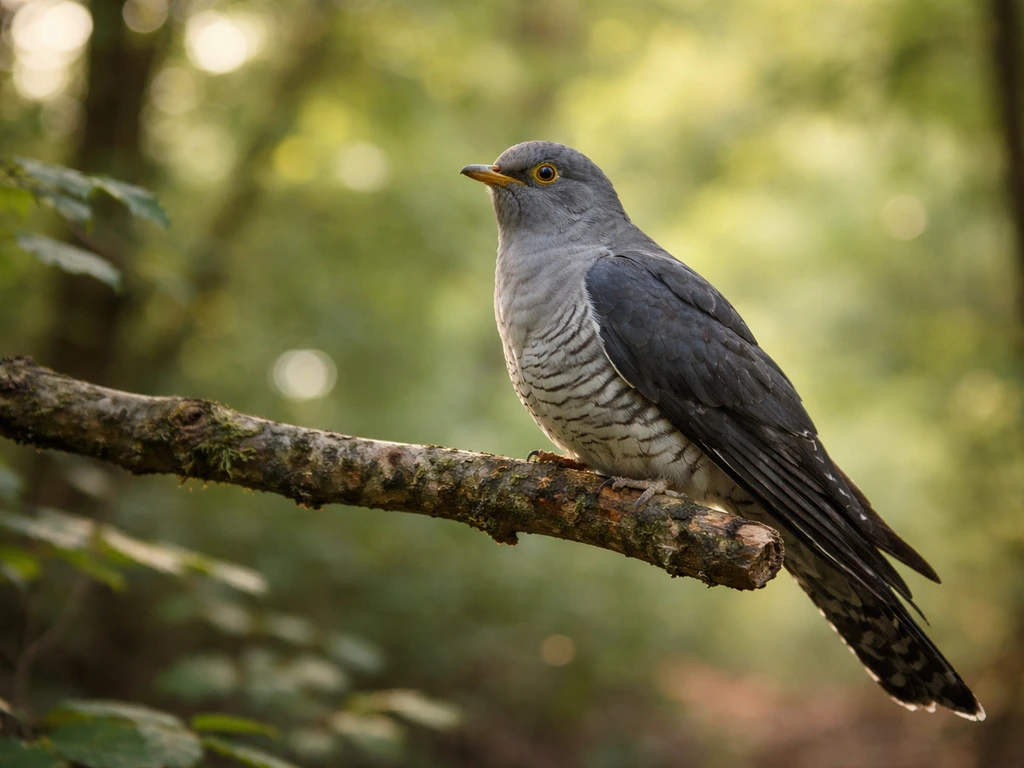
The cuckoo is the bird most commonly called "lazy" in English-language folklore and natural history. The reason is brood parasitism: cuckoos lay their eggs in other birds' nests and let the host species do all the incubating and chick-raising. A traditional English nursery rhyme captures this directly: "The cuckoo is a lazy bird, she never builds a nest..." Children's educational materials, nature quizzes, and wildlife explainers have kept this association alive for generations. Worth noting: calling the cuckoo "lazy" is a simplification. Brood parasitism is a sophisticated evolutionary strategy, not genuine laziness. But the label stuck, and it's the first thing most people think of when they're asked to name a "lazy bird" in an animal context.
And then there's the proper noun
"Lazy Bird" is also the title of a jazz composition by John Coltrane. If you see it capitalized in a music or culture conversation, it's almost certainly referring to that piece, not describing anyone's behavior or any bird species.
What "lazy bird" implies when it's aimed at a person
When used figuratively, "lazy bird" implies someone who has the capacity to act but is choosing not to. It suggests inertia more than incompetence. You're not calling someone stupid or incapable; you're saying they won't get going. The phrase tends to imply a specific, temporary state rather than a permanent character flaw, which is part of why it often sounds more affectionate than cutting. Compare it to a harder word like "slacker" or "deadbeat" and you'll feel the difference immediately. "Lazy bird" sits comfortably in the teasing zone.
There's also a subtle implication of potential. Birds are associated with movement, flight, and energy. Calling someone a "lazy bird" carries an unspoken "you could be flying right now" subtext, which makes the phrase feel more like encouragement wrapped in a gentle dig than a flat-out insult.
The tone and contexts where you'll hear this phrase
"Lazy bird" almost never shows up in formal or professional writing. It lives in casual, personal conversation. Here's a quick breakdown of the most common contexts and the tone each one carries:
| Context | Typical tone | Who's speaking to whom |
|---|---|---|
| Partner waking up a sleeping spouse | Affectionate, playful | Close couple |
| Parent nudging a slow-moving child | Light scolding, warm | Parent to child |
| Friends teasing someone who won't get up | Jokey, non-hostile | Peer group |
| Someone describing their pet bird online | Observational, fond | Pet owner to community |
| Nature/wildlife educational material | Neutral, descriptive | Educational text about cuckoos |
| Music or culture discussion | Neutral, referential | Fan or critic discussing Coltrane |
In British English, because "bird" can mean a young woman or girlfriend, the phrase can sometimes feel slightly dated or regionally specific. A British speaker might say it about a partner without a second thought. An American speaker would more likely say "lazy" on its own or use a different animal nickname. Regional context is worth keeping in mind.
Why bird language carries so much meaning
Birds have been used as symbols in human language longer than almost any other animal. The drongo bird meaning is different, since drongos are known for their behavior and name origin rather than being a common phrase used the way “lazy bird” is Birds have been used as symbols in human language longer than almost any other animal.. They appear in mythology, folklore, religious texts, and everyday slang across virtually every culture. Part of what makes bird-based expressions so sticky is that birds embody contradictions: freedom and constraint, song and silence, grace and awkwardness. Those contradictions give writers and speakers a rich palette to draw from.
In English specifically, "bird" has developed a sprawling range of slang senses over centuries. Via Cockney rhyming slang, "bird" became tied to "bird-lime," which rhymes with "time" (and by extension, prison time). That's a completely different register from "bird" as British slang for a young woman. And both are separate from the literal ornithological meaning. The result is that attaching any adjective to "bird" creates a phrase that requires reading the surrounding context to decode properly. "Lazy bird" is a perfect example of this layered ambiguity.
This is why bird-related expressions are so worth paying attention to. The cuckoo's "lazy bird" reputation, for instance, isn't just trivia. It reflects centuries of human observation of animal behavior, compressed into a memorable phrase and passed down through nursery rhymes. That's the same mechanism that gave us expressions like "a bird in the hand" or the idea of a "free bird.
" The bird becomes a vessel for a human idea, and the meaning persists because it's vivid and easy to picture. If you're drawn to the symbolism side of bird language, you might also find it interesting to explore concepts like the timid bird or shy bird, which follow a similar pattern of mapping animal traits onto human behavior. The shy bird meaning is similar, since it uses a bird trait to describe human hesitation.
A timid bird meaning often points to shyness or fearfulness, in a way that's similar to other bird-based expressions.
How to tell which meaning is intended
In practice, this is rarely difficult. A few quick checks will tell you almost immediately which sense of "lazy bird" is in play:
- Is the subject a named person or a bird species? If the sentence is "you're such a lazy bird" or "come on, lazy bird," it's about a person. If it's "the cuckoo is a lazy bird" or "which bird is known as lazy," it's about an animal.
- What's the register? Children's rhymes, nature quizzes, and wildlife articles almost always mean the literal, cuckoo-centered sense. Casual conversation between people almost always means the figurative, person-centered sense.
- Is "bird" being used as a noun or a label? When "bird" is functioning as a pet name or nickname for a person (common in British English), the whole phrase shifts into figurative territory.
- Is it capitalized? "Lazy Bird" with capitals in a music or arts context points to Coltrane's composition.
- What's the tone? Playful and warm suggests figurative, person-directed teasing. Explanatory or educational suggests literal, species-focused description.
If you're still unsure after those checks, the safe default is the figurative, person-centered meaning in any conversational context. The literal cuckoo meaning requires a specific natural history framing to land naturally.
Synonyms, alternatives, and what to say back
If someone calls you a lazy bird and you want to respond in kind, or if you're looking for alternatives to the phrase itself, here are your options:
Synonyms for "lazy bird" (when it's about a person)
- Lazy bones (same playful register, very common in British and American English)
- Sleepyhead (emphasizes the not-getting-up sense; similar in tone)
- Couch potato (American English, slightly stronger implication of habitual inactivity)
- Slouch (mild, slightly more critical than "lazy bird")
- Slacker (more pointed, less affectionate)
- Sluggard (old-fashioned, but still used in writing for a bit of ironic flair)
What to say if someone calls you a lazy bird
If the tone is playful, the best response usually matches that energy. Something like "guilty as charged" or "at least I'm comfortable" keeps things light. If you want to push back gently, "I prefer 'resting strategically'" works well. If the comment genuinely stings or feels unfair, it's worth addressing the underlying issue directly rather than deflecting with humor, since "lazy bird" is usually a symptom of a real frustration the speaker has.
Alternative bird expressions in the same family
"Lazy bird" sits alongside a cluster of bird-based expressions that describe states of inactivity or quietness. The idea of a sleepy bird follows a very similar pattern, applying a behavioral description to a person or animal to suggest drowsiness rather than motivation. The phrase "sleep like a bird" meaning is a similar idea: it suggests very light, restless sleep, often through a natural image sleep like a bird meaning.
A sleepy bird meaning usually points to a drowsy, unresponsive state rather than a lack of ability. The drongo, in Australian slang, is a bird whose name became shorthand for a fool or hopeless case, which shows how bird-based labels can stick to a type of person across generations. The drongo bird meaning is similar: in some Australian slang, “drongo” is used as shorthand for a fool or hopeless case.
These expressions all work the same way: they borrow a vivid animal image and use it to describe a human state, making the description more memorable and often less harsh than a direct word like "lazy" or "stupid" would be on its own.
FAQ
If someone says “lazy bird” in a text message, how do I tell if it’s affectionate or mean?
Look for tone markers. Emojis, “lol,” or an added plan like “come on” usually signal teasing. If there’s no context and they add blame language like “you never,” it’s more likely frustration than playful banter.
What should I respond with if the phrase “lazy bird” feels unfair but I still want to be polite?
Use a short clarification plus a concrete request. For example, “I get that it looks slow. What do you need me to do first, today?” This keeps you from debating whether you are lazy, and it moves toward action.
Is “lazy bird” ever used to mean something other than a person who is idle?
Yes, in animal quizzes, children’s books, or folklore discussions it can refer to the cuckoo’s brood parasitism reputation. In that setting, it’s not about a human being at all, it’s describing a trait of the cuckoo in simplified terms.
Can “lazy bird” be considered offensive, and should I avoid it?
It is usually mild, but it can still sting if you know the other person is using it after repeated unmet responsibilities. If you are speaking to someone who has been struggling or is managing a health issue, the safer choice is to avoid the label and discuss the specific behavior.
What’s the safest assumption if I see “lazy bird” with no other context?
Treat it as figurative (meaning a person who is dragging their feet) when it appears in conversation or social media. The literal cuckoo meaning typically needs natural history framing, such as “cuckoo,” “nest,” or “nursery rhyme.”
How is “lazy bird” different from calling someone a “slacker” or “deadbeat”?
“Lazy bird” usually points to a temporary state of not getting moving, not a deeper lack of character. “Slacker” or “deadbeat” more often implies habitual unreliability, so the same sentence can feel harsher even if the complaint is similar.
Does “lazy bird” mean the same thing in American vs British English?
Mostly yes for the figurative meaning, but British usage may carry an additional social layer because “bird” can be an informal term for a girlfriend or young woman. That can make the phrase sound more like teasing about a relationship than about productivity.
What if the sentence includes other bird slang, like “shy bird” or “timid bird”?
Then the intended meaning is usually consistent with the bird-as-personality pattern: “shy bird” and “timid bird” tend to describe hesitation or fearfulness rather than laziness. The animal image helps narrow the emotion or behavior being referenced.
Is “Lazy Bird” always about Coltrane when it’s capitalized?
In many culture or music contexts, yes, capital letters strongly suggest the Coltrane composition. But if you see “Lazy Bird” used as a shop name, team name, or title for something else, it could be unrelated, so check for the surrounding topic (jazz vs something local).
What common mistake should I avoid when interpreting “lazy bird”?
Don’t jump to the literal cuckoo meaning just because “bird” is present. Unless the sentence mentions nests, eggs, cuckoos, or folklore, it is far more likely to be a nickname for someone who is being slow to act.
Next Article
Sleepy Bird Meaning: Literal, Figurative, and Symbolism Guide
Learn sleepy bird meaning: literal, figurative nickname, symbolism for rest and stillness, and how to interpret by conte