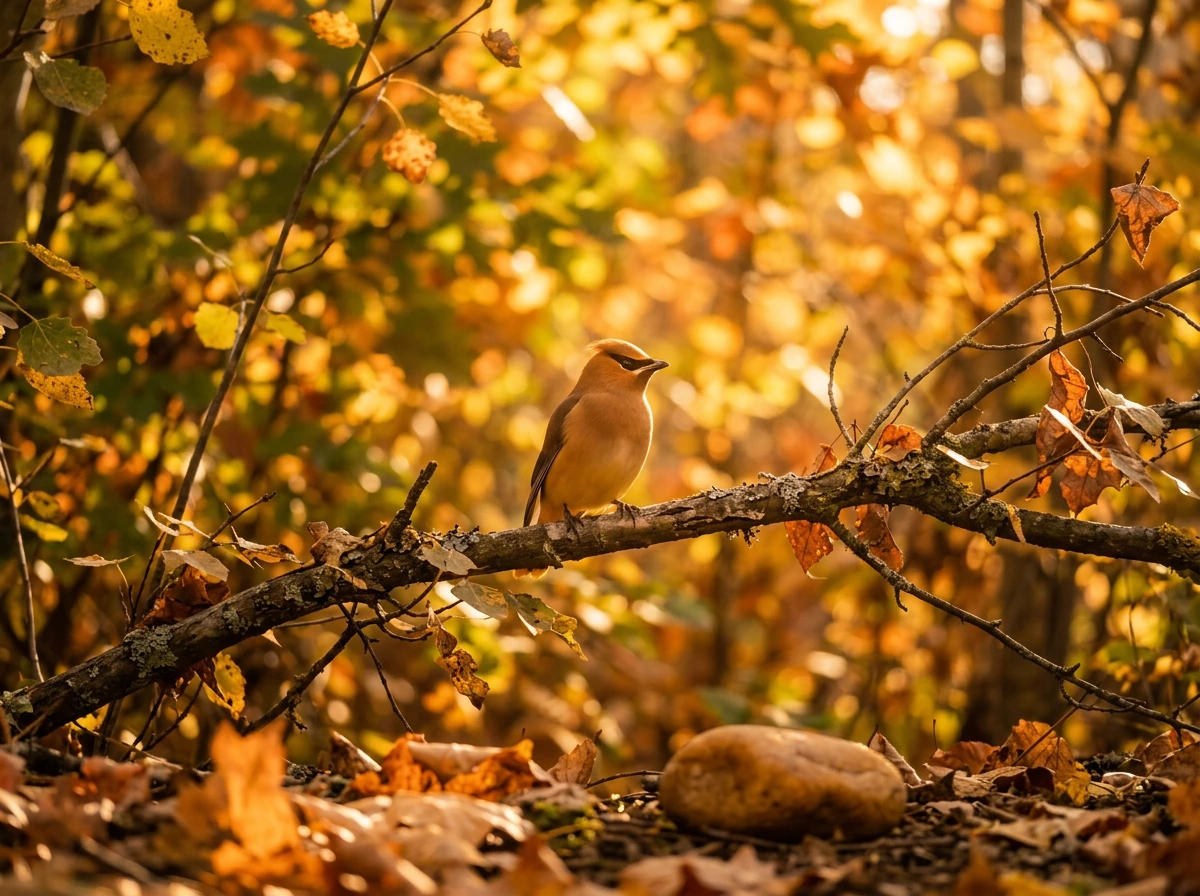
When someone says 'sleepy bird,' they almost always mean one of three things: a bird that is visibly tired or dozing, an affectionate nickname for a drowsy person (usually a child or a partner), or a gentle metaphor for rest, calm, and stillness. Which one applies depends almost entirely on context, and once you know what to look for, the phrase becomes very easy to read.
Sleepy Bird Meaning: Literal, Figurative, and Symbolism Guide
Marcus Winters
19 May 2026
What 'sleepy bird' literally means
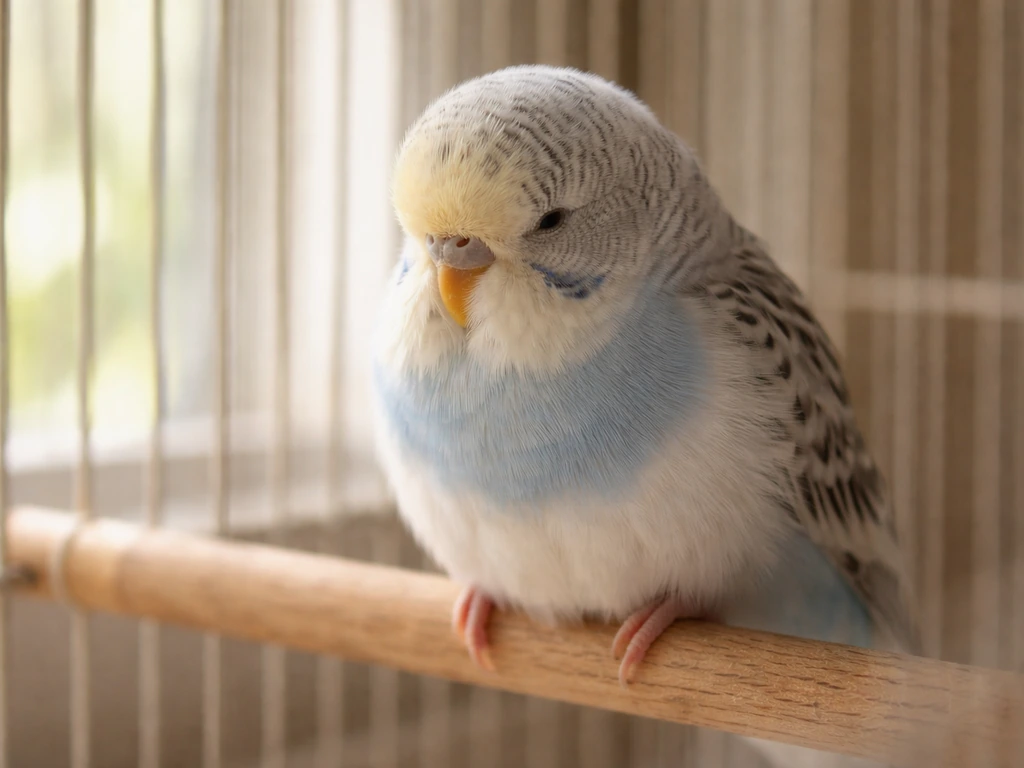
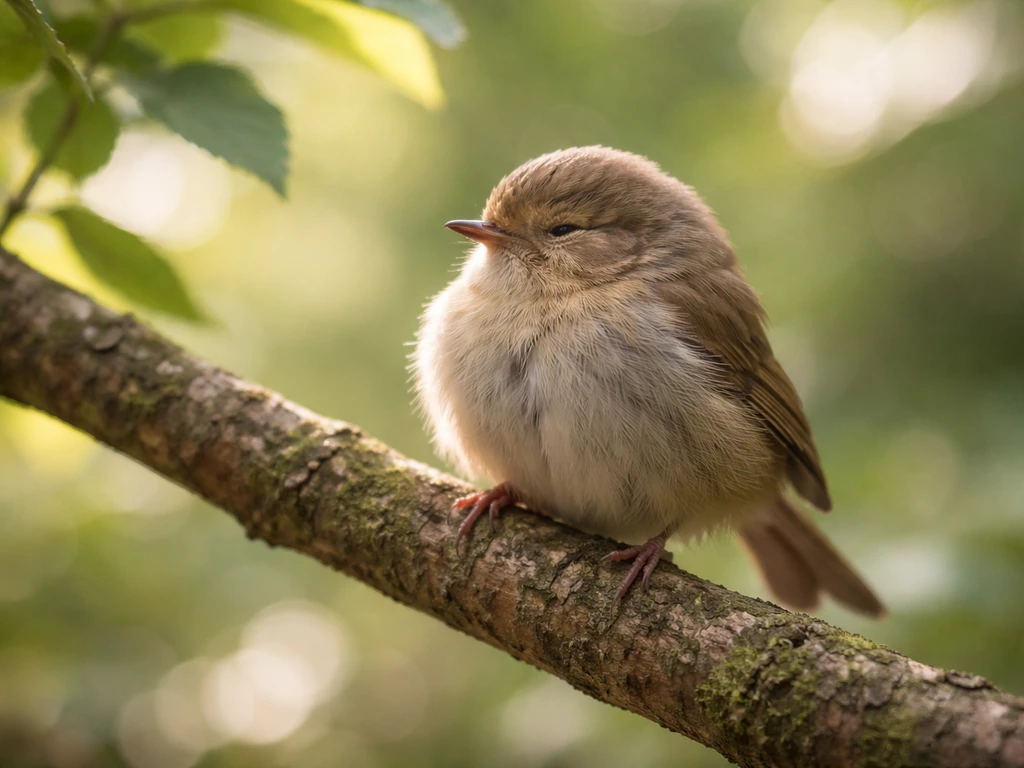
At face value, a sleepy bird is exactly what it sounds like: a bird in a drowsy, half-asleep, or pre-sleep state. Bird owners use this phrase all the time. If you've ever watched a parrot or a budgie fluff up its feathers, tuck its beak into its wing, and start swaying slightly on its perch, you know the look. On Reddit's parrot communities, comments like 'Aww sleepy bird' appear regularly under photos of birds dozing on their owners' hands mid-gaming session. It's pure description, no metaphor involved.
The phrase also applies in wildlife and birdwatching contexts when a bird appears lethargic, sluggish at unusual hours, or slow to react to movement. A barn owl caught resting on a fence post at noon might get called a sleepy bird. In these literal uses, the phrase carries zero negative weight. It's observational, often warm in tone, and usually followed by something like a photo or a smile.
The figurative and slang uses, and where you'll run into them
Move away from actual birds and 'sleepy bird' becomes a soft, endearing expression used for people, usually people who are tired, slow to wake up, or caught in that pleasantly foggy space between sleep and full alertness. Parents use it for toddlers who are resisting bedtime. Partners use it in texts when someone is slow to reply late at night. It's playful, never harsh.
The GIF culture around 'sleepy bird' reinforces this tone perfectly. Search the phrase on any GIF platform and you'll find animated birds drooping, blinking slowly, and tipping sideways, used exactly the way you'd use a yawning emoji. The humor is gentle. There's no sarcasm in calling someone a sleepy bird; it's closer to calling them adorable than calling them lazy. Because 'sleepy bird' is often interpreted as a friendly way to describe someone as sluggish, people sometimes search for the lazy bird meaning behind the phrase. That's an important distinction from a sibling phrase like 'lazy bird,' which does carry more of a critique, or even 'drongo bird,' which is outright unflattering slang in Australian English.
In song lyrics, 'sleepy bird' shows up as a vocative, a direct address to someone being soothed or sung to. One English lyric from a bird lullaby uses the phrase 'Lullaby, you sleepy bird' in the same breath as asking for a goodnight kiss. That's not slang at all; it's a tender, poetic image of a creature settling down for the night, used to mirror what the singer wants from their listener.
Sleepy birds in folklore, culture, and symbolism
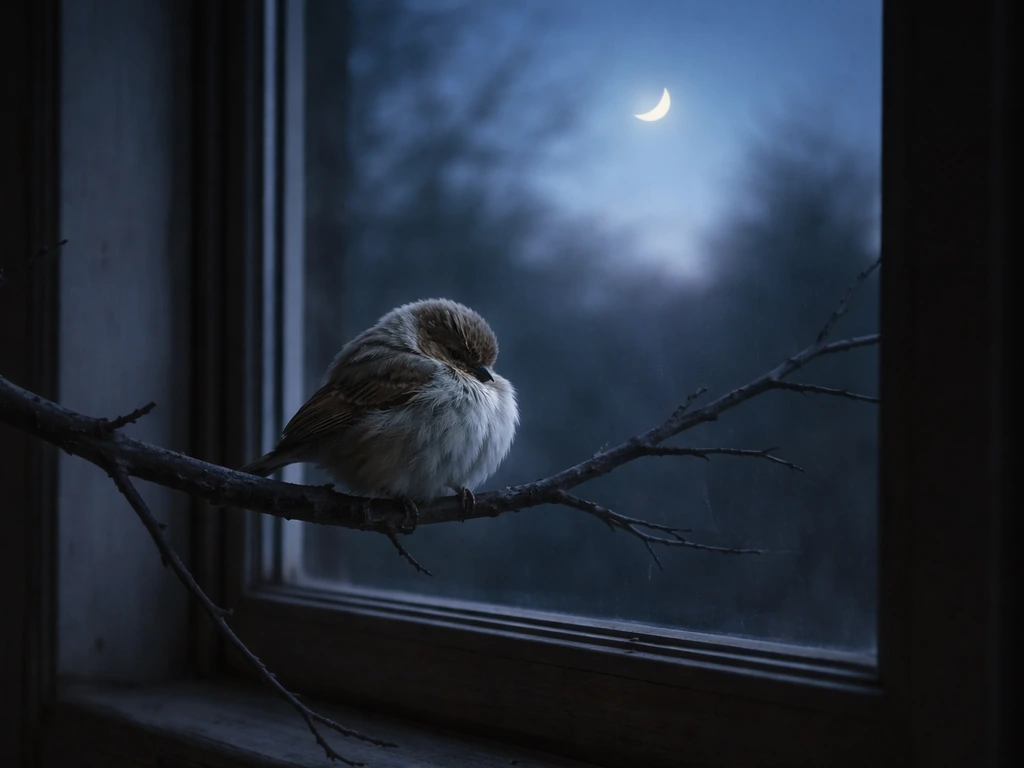
Birds in a state of rest carry real symbolic weight across many traditions, and 'sleepy bird' taps into that quietly. In folk traditions across Europe and Asia, a bird sleeping near your home was often seen as a sign of peace and protection. The sleeping bird wasn't vulnerable; it was trusting. It had found safety. That association between a bird at rest and a sense of divine calm shows up in imagery across centuries of poetry, illustration, and oral storytelling.
In Native American traditions, birds are frequently messengers between the waking world and the dream world. A sleeping bird sits right at that threshold. Some traditions interpret a bird at rest as a symbol of transition, of the mind moving from one state to another. It's not a passive image. It's a liminal one.
In children's literature, sleepy birds have their own cultural niche. Jeremy Tankard's picture book 'Sleepy Bird' uses the bedtime persona of a bird to walk children through the emotional territory of night, rest, and the gentle letting-go that sleep requires. The bird becomes a stand-in for the child reader, and the cultural message is consistent with the broader folkloric tradition: birds at rest are safe, peaceful, and cared for.
The spiritual and meditative side of the phrase
If you've encountered 'sleepy bird' in a spiritual, journaling, or meditative context, the meaning deepens a little. Birds in rest are associated with stillness, inner quiet, and suspended awareness. In meditation traditions that use animal archetypes, a resting bird often represents the quality of alert stillness, not dead asleep, but softly watchful. Think of an owl mid-afternoon, eyes half-open, not hunting but not unaware either.
Some people use 'sleepy bird' as a journaling prompt or affirmation around rest and restoration, the idea that slowing down is not weakness but a natural rhythm. Birds don't apologize for sleeping. They rest fully, then rise and move with complete intention. That cycle, rest followed by sharpness, is what the phrase can represent when used in spiritual reflection.
There's also an intuition angle here. Birds have long been connected to psychic sensitivity and subtle perception across folklore traditions. A sleepy bird in a dream or vision is sometimes interpreted as a signal to slow down, listen more carefully, or trust quiet instincts over loud impulses. If you're drawn to the phrase in a spiritual context, that reading of 'rest as preparation for clarity' is probably the most useful frame.
How to tell what someone actually means when they say it
Context is everything with 'sleepy bird,' so here's a quick way to decode it in the moment. Ask yourself three things: who said it, what was the setting, and what was the tone?
| Context | Setting | Most likely meaning |
|---|---|---|
| A pet owner looking at their bird | Social media, chat, in person | Literal: the bird is actually tired |
| A parent or partner talking to you | Bedtime, late-night texts | Affectionate nickname for drowsiness |
| A song, poem, or lullaby | Music, literature, bedtime routines | Poetic image of rest and soothing |
| A spiritual journal or meditation space | Personal reflection, dream analysis | Metaphor for stillness, intuition, or rest |
| A meme, GIF, or social media joke | Humor, online conversation | Playful shorthand for being tired or slow |
The tone is usually your best clue. 'Sleepy bird' almost never carries a harsh or critical tone. If someone is teasing you, it's gentle teasing. If someone is describing a bird, it's warm observation. If it appears in a creative or spiritual context, slow down and sit with the image rather than rushing to a single definition. The phrase is soft by nature.
Related phrases and where this fits in bird-term symbolism
Understanding 'sleepy bird' gets easier when you place it alongside similar bird-based expressions. If you're also wondering what a timid bird means, look for the same kind of personality-state clues in the surrounding context timid bird meaning. The phrase sits in a cluster of terms that describe personality states or behavioral qualities through bird imagery. Some of those terms are affectionate, and some are not, so knowing the neighborhood matters.
- Lazy bird: used to describe habitual inactivity, carries more critique than 'sleepy bird,' which is about a temporary state rather than a character trait
- Timid bird: describes shyness or hesitation, often applied to birds that startle easily, and metaphorically to cautious or reserved people
- Shy bird: closely related to timid bird, sometimes used more gently to describe quiet or withdrawn behavior
- Sleep like a bird: a phrase exploring how birds actually sleep (often with one hemisphere of the brain at a time) and what it means to be in a state of light, alert rest
- Early bird: the familiar idiom for someone who rises early and acts promptly, essentially the opposite energy of a sleepy bird
What ties all of these together is that bird imagery in language tends to map directly onto human behavioral qualities: alertness, boldness, caution, rest, and timing. The bird becomes a mirror. 'Sleepy bird' sits at the restful, gentle end of that spectrum, and that's what gives it its warm, non-judgmental feel across most uses. If you’re wondering about the shy side of bird symbolism in language, “shy bird meaning” explores that quieter, reserved interpretation Sleepy bird.
What to do once you've figured out the meaning
Once you've identified which version of 'sleepy bird' you're dealing with, the next steps are pretty straightforward. Here's how to move forward depending on the situation.
- If someone called you a sleepy bird affectionately: take it as the compliment it is. They're noticing your tiredness with warmth, not judgment. A simple 'I know, I really need sleep tonight' works perfectly as a response.
- If you heard or read it in a song, poem, or lullaby: don't overthink the symbolism. The phrase is doing emotional work, creating a sense of calm and tenderness. Let it land on that level.
- If it came up in a spiritual or journaling context: spend a few minutes with the image of a resting bird. Ask yourself whether you're resisting rest, or whether stillness is trying to tell you something. Write down what comes up.
- If you're a pet owner using it: you're already using it correctly. Trust your instinct that your bird needs downtime and adjust accordingly (lower light, quieter environment, no forced handling).
- If you want to use the phrase yourself: it works best in warm, soft-toned situations. Use it for a tired child, a dozing pet, a slow-morning partner, or a journaling reflection on rest. It will always read as gentle.
The bigger takeaway is that 'sleepy bird' is one of those phrases that does its job quietly and well. It doesn't carry baggage. Wherever you encountered it, the intent was almost certainly kind, and the meaning is almost certainly about rest, calm, and the particular grace of something letting its guard down for a while. If you are wondering about the “sleep like a bird” meaning, it’s a similar idea centered on gentle, relaxed rest rest, calm. That's worth knowing.
FAQ
When someone replies “sleepy bird” to me, is it a compliment or a dismissal?
Usually it means the person is pleasantly drowsy or unready to engage, not that they are disrespecting you. If the message includes a friendly emoji, typo, or short response window, it likely signals “give me a moment,” whereas a colder tone (no warmth, no emojis, repeated delays) suggests avoidance rather than sleepiness.
How can I tell if “sleepy bird” is about a real animal’s rest versus a health concern?
If you hear it in wildlife contexts, look for cues like time of day (midday rest), body language (fluffed feathers, head tucked, slow blinking), and whether the animal is in a safe resting posture. “Sleepy” in this setting is typically observational and not a diagnosis, so avoid over-interpreting it as sickness.
Can “sleepy bird” ever be rude, even if it sounds soft?
Most of the time it is affectionate, but jokes can flip. If someone says it while ignoring you, refusing help, or using a teasing style you did not ask for, treat it as mild teasing rather than a clear invitation to be warm back.
What does “sleepy bird” commonly mean in texts or chats?
Yes. In messaging, it often stands in for “goodnight,” “I’m winding down,” or “don’t expect a fast reply.” As a quick check, ask yourself whether the surrounding messages mention sleep, bedtime, or lack of energy.
How should I respond if someone calls me a “sleepy bird”?
If you want to respond kindly, mirror the tone: a supportive reply like “Get some rest, sleepy bird” works well. If you need a concrete answer, add a gentle direct line such as “When you’re awake, can you check this?” to avoid leaving the conversation in vague teasing.
What should I watch for when “sleepy bird” is used for a toddler?
For a child, it often maps to bedtime resistance, comfort-seeking, or cozy bonding. If the child is unusually lethargic, not eating, or has breathing issues, that changes the meaning completely, and you should focus on care and, if needed, professional guidance rather than the nickname.
If I’m unsure, how do I confirm the intended meaning without sounding accusatory?
Because it sits closer to “rest” than “lazy,” the safest interpretation is that it is describing a natural state (tired, calm, half-awake). If you’re worried about judgment, ask one clarifying question: “Do you mean you’re tired, or are you upset?”
How can I use “sleepy bird” as a journaling or meditation cue in a practical way?
A good rule for spiritual or journaling uses is “alert stillness,” not unconscious sleep. If you want to apply it, pair the image with a practice step, like a 2 to 5 minute pause, slow breathing, and then noting what you notice before acting.
Citations
An English lyric uses the vocative phrase “Lullaby, you sleepy bird,” followed by “Say ‘Good-night’ just once to me,” framing “sleepy bird” as a bedtime/soothing address (not slang or critique).
https://www.lieder.net/lieder/get_text.html?TextId=127255
A children’s bedtime picture book titled “Sleepy Bird” centers on the character “Bird” at night/bedtime; the publisher’s summary frames “Sleepy Bird” as a bedtime persona/story theme rather than a literal phrase used about human behavior.
https://www.scholastic.ca/our-books/book/sleepy-bird-9781338157857
Tenor’s “sleepy bird” GIF tagging shows “sleepy bird” is commonly used with humorous, endearing “tired/asleep” context (i.e., a visual joke about drowsiness).
https://tenor.com/view/youre-getting-very-sleepy-bird-tired-cockatiel-gif-15344412
A Reddit comment uses “sleepy bird” as a casual description of an animal’s pre-bed/tired behavior (“Aww sleepy bird.”-style usage), indicating the phrase is commonly literal in animal contexts.
https://www.reddit.com/r/parrots/comments/1543yn8/how-she-sleeps-on-my-hand-while-im-trying-to-game/
Next Article
Amber Bird Meaning: Symbolism, Interpretations, and How to Use It
Learn amber bird meaning: disambiguate the phrase and interpret it using amber and bird symbolism, grounded steps includ