
When someone says 'busy bird,' they almost always mean one of two things: a bird that is literally active and occupied (think nesting parents, birds at a feeder, a cockatoo that never stops dancing), or a playful figurative label for a person who is always on the move, always working, hard to pin down. Which one? Context tells you in about five seconds, and this guide will show you exactly how.
Busy Bird Meaning: Literal, Figurative, and Spiritual Uses

Marcus Winters
7 May 2026
What 'busy bird' actually means (literal vs figurative)

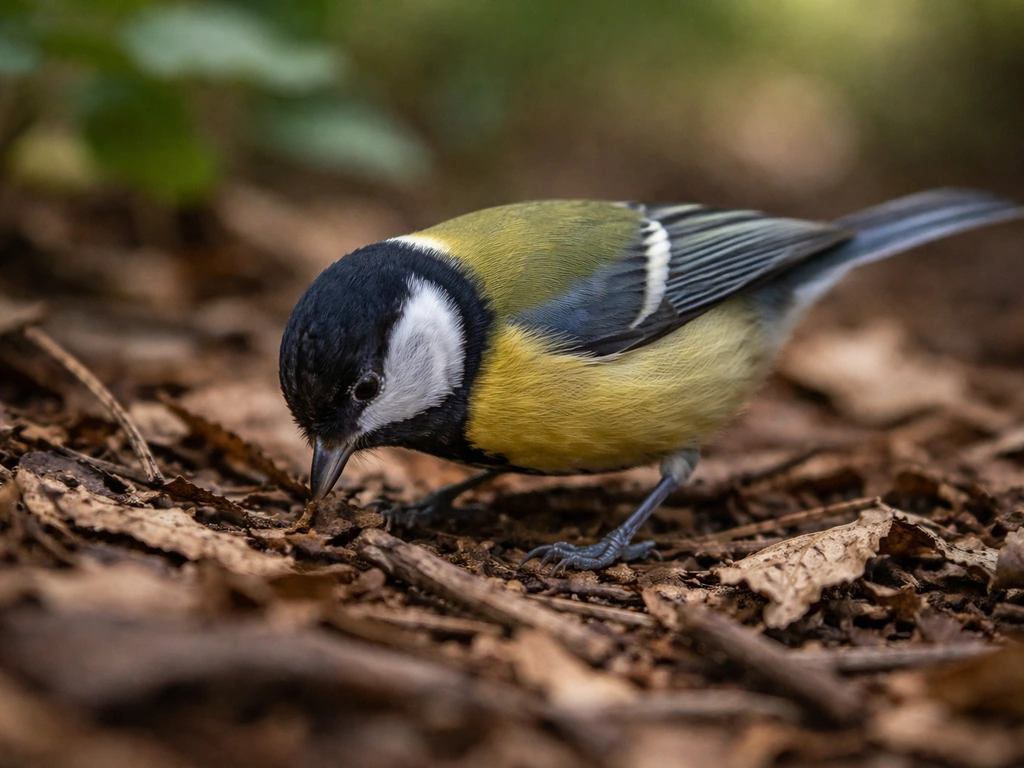
In its most literal sense, 'busy bird' just describes a bird engaged in high-energy activity. Audubon Field Guide describes the White-eyed Vireo as a “busy bird of the thickets,” reinforcing the literal sense of “busy bird” as an active, constantly moving bird blank" rel="noopener noreferrer">“busy bird of the thickets”. Audubon Florida used the phrase in exactly this way to describe nesting season: 'blank" rel="noopener noreferrer">busy bird parents feeding voracious chicks.' Photo communities do the same thing, slapping 'busy bird' on captions of birds working a feeder or foraging nonstop. In these cases, there is no symbolic depth to unpack. It is simply an accurate adjective applied to an animal doing a lot.
The figurative layer kicks in when the phrase is applied to a person, or when someone uses it as a self-description. 'I'm a busy bird' in a conversation or caption is a shorthand for being constantly occupied, active, or hard to slow down. It is not a fixed idiom the way 'early bird' is (Cambridge and Merriam-Webster both give 'early bird' a locked-in definition), and it is not a proverb. It sits somewhere between casual personality label and affectionate nickname, which is exactly why its meaning can feel slippery.
How people actually use it in real conversations
You will run into 'busy bird' in a few distinct settings, and the setting itself does most of the interpretive work.
- Pet and animal contexts: Owners use it to describe high-energy pets, especially parrots and cockatoos. One well-known example is a Los Angeles Times blog entry describing Frostie the cockatoo: 'Frostie is a busy bird,' referring to his constant dancing, playing, and engaging. This is literal-adjacent, grounded in real animal behavior.
- Photography and nature captions: Bird photographers use 'busy bird' as a caption or comment to highlight active, lively behavior. A BirdForum gallery post on a great tit (Parus major) generated comments like 'A busy bird is a happy bird!' This is figurative-lite, using the phrase as a compliment for good subject energy.
- Personal and social media self-descriptions: People write 'I'm such a busy bird lately' in posts or messages to explain they've been overwhelmed, productive, or constantly moving. Here it functions as a light personality statement, similar to saying 'I've been like a busy bee.'
- Nicknames and usernames: 'Busybird' appears as online handles and forum usernames (e.g., on pet communities like Omlet Club). In these cases it is an identity marker, not a phrase with figurative meaning you need to decode.
- Business and venue names: 'Busybird' is the name of a bar in Hong Kong, for instance. Searching the phrase can surface these proper noun results, which have nothing to do with the conversational or symbolic meaning.
Three ways to interpret 'busy bird': symbolism, personality nickname, and wordplay
Symbolism angle
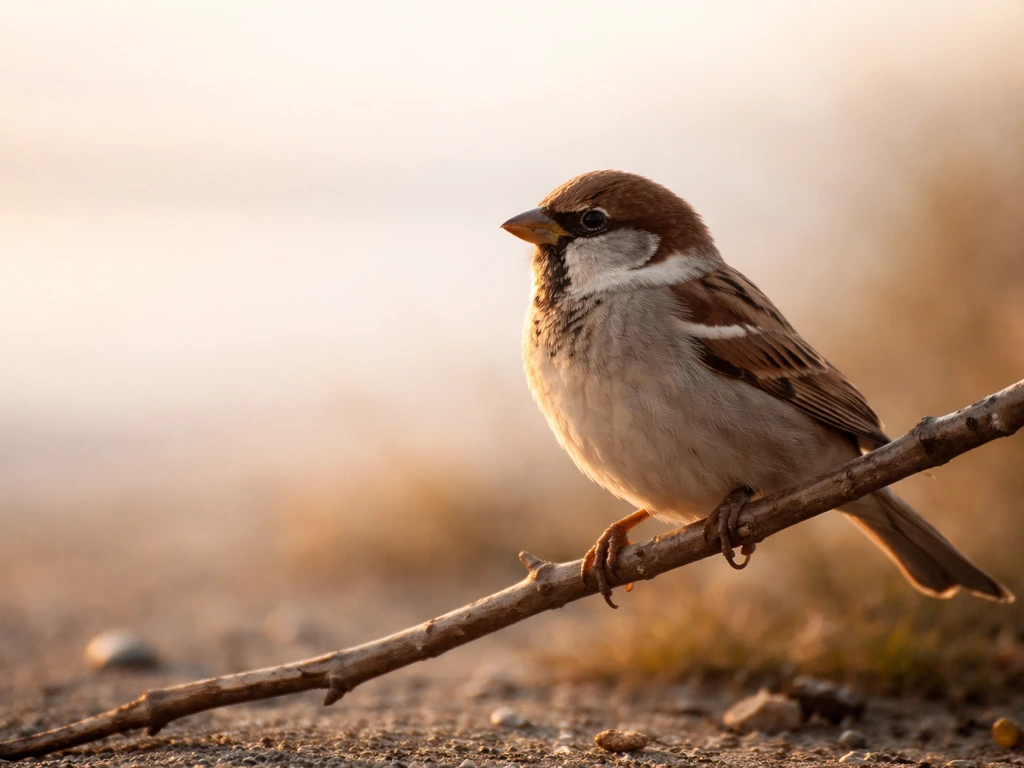
Birds in general carry deep symbolic associations across cultures: messengers, freedom, alertness, industriousness. A 'busy bird' slots naturally into the industriousness corner of that symbolism. If someone uses the phrase in a spiritual or folklore context, they may be gesturing at qualities like tireless effort, purposeful movement, or being constantly guided or driven. That said, 'busy bird' is not a formalized spiritual symbol the way, say, the hummingbird is associated with joy and resilience in some Indigenous traditions, or the way the wren is linked to resourcefulness in Celtic folklore. Treat any spiritual interpretation as context-dependent rather than universal.
Personality nickname angle
English has a strong habit of turning bird phrases into personality descriptors. 'Night owl' (Merriam-Webster: a person active late at night), 'early bird' (Cambridge: a person who gets up or arrives early), and even 'birdbrain' (Britannica: someone considered not very smart) are all fixed examples of this pattern. 'Busy bird' is a softer, less standardized version of the same thing. When someone calls a child, a colleague, or themselves a 'busy bird,' they are using this familiar English template to paint a quick picture of someone who is always doing something, rarely still, and hard to catch with free time.
Wordplay and the 'busy as a bee' connection
Merriam-Webster and Britannica both document 'busy as a bee' as the established idiom for being very actively engaged ('My mom is as busy as a bee'). 'Busy bird' rides the same semantic wave. Speakers who use it are often doing a small swap, replacing 'bee' with 'bird' for alliteration, affection, or to match the subject (someone who loves birds, a pet owner, a child who collects bird stickers). The meaning lands in the same place: highly active, constantly occupied, always on to the next thing.
Regional and cultural variations (and where to look when you're unsure)
There is no dominant regional version of 'busy bird' as a fixed cultural idiom. In American English it appears mostly in casual speech, social media, and pet contexts. The “twitter bird meaning” is a separate idea that comes from the platform’s bird mascot and how it is used in tweets busy bird. In British English you might encounter it in birding communities or wildlife photography settings. In Hong Kong, 'Busybird' as a venue name creates search noise that has nothing to do with any figurative meaning. Across these contexts, the phrase has not locked into a single tradition.
If you are trying to verify the intended meaning in a specific context, here is where to look. First, check the surrounding words and tone. Is it describing an actual animal, or a person? Second, check the source or tradition. A birding blog means literal. A spiritual wellness account might mean industrious energy or messenger symbolism. A friend texting you means personality shorthand. Third, check whether it appears as part of a quote, a caption, or a proper noun (name or username), because those change the reading completely. If you are wondering about the tt bird meaning, it still follows the same idea: use the surrounding context to tell whether it is literal or figurative.
How to figure out which meaning someone intends (quick checklist)

Run through these questions in order and you will land on the right interpretation almost every time.
- Is it describing a real bird? If yes, it is literal: a bird that is visibly active, foraging, nesting, or engaged in high-energy behavior.
- Is it applied to a person or used as a self-description? If yes, it is figurative: the person is saying they (or someone else) are always occupied, energetic, or hard to slow down.
- What is the tone? Affectionate or playful tone (often used with children, pets, or close friends) points to a warm personality nickname. A more neutral or descriptive tone points to a straightforward activity description.
- Is it in a spiritual or symbolic context (wellness content, folklore discussions, journaling prompts)? Then look for themes of industriousness, messenger energy, or purposeful movement, but do not assume a fixed meaning without more context from that tradition.
- Is 'Busybird' capitalized or functioning as a name, handle, or venue? Then it is a proper noun and has no figurative meaning to decode.
- Could it be a 'busy as a bee' swap? If the speaker or writer is clearly drawing on that idiom's energy, 'busy bird' is just a warmer, more personalized version of the same thought.
Similar phrases and related bird idioms worth comparing
Knowing where 'busy bird' sits relative to established bird idioms helps you calibrate how seriously to take it as a fixed phrase, and gives you a map of related expressions you might encounter.
| Phrase | Meaning | How fixed is it? |
|---|---|---|
| Early bird | Person who starts or arrives early; also gets the best opportunities ('early bird catches the worm') | Fully standardized idiom in English dictionaries |
| Night owl | Person who is most active or alert late at night | Fully standardized, listed in Merriam-Webster |
| Busy as a bee | Very actively engaged, constantly working | Fixed simile idiom, documented in Britannica and Merriam-Webster |
| Busy bird | Literal: an active, occupied bird. Figurative: a person who is always busy or energetic | Casual/conversational, not a standardized idiom |
| Birdbrain | Person considered foolish or not very smart (usually an insult) | Fixed figurative label, listed in Britannica |
| A bird in the hand | It is better to keep what you have than risk losing it for something better | Classic proverb, fully standardized |
As you can see, 'busy bird' is the least locked-in of the group. It does not carry the proverb weight of 'a bird in the hand,' and it has not been pinned to a single definition the way 'night owl' or 'early bird' have been. That is actually useful to know: it means you should always read it in context rather than defaulting to a fixed definition. If you are exploring broader bird-based phrases, expressions like 'social bird' (which covers communal, sociable temperament language) or 'time bird' (which touches on timing and opportunity symbolism) sit in a similar conversational space and are worth comparing to see how the pattern of bird-as-personality-label plays out across different qualities. If you are comparing other bird phrases like buzzard bird meaning, remember that the exact takeaway still depends on the context and wording. If you are also seeing the phrase “time bird,” its meaning shifts toward timing and opportunity symbolism rather than literal activity. A social bird meaning is usually about someone who is outgoing, communal, and comfortable in groups.
The bottom line: 'busy bird' is almost always either a literal description of an active animal or a warm, casual shorthand for a person who never seems to stop moving. It is not a deep cultural symbol with one fixed meaning, and that is fine. Most of the time the person using it just wants you to know someone (or something) is constantly in motion, and that is clear enough.
FAQ
Is “busy bird” ever meant as an insult, or is it always affectionate?
It is usually neutral or affectionate, but it can feel snarky if the tone suggests someone is “too much” or “never available.” If it is paired with frustration (for example, “I never catch them, they’re a busy bird”), it is closer to criticism than praise.
When someone says “busy bird” about a child or pet, does it imply productivity or just constant movement?
Most of the time it means constant activity, not “productive output.” A kid can be a “busy bird” because they are exploring or bouncing around, and a pet can be one because it keeps checking things, not because it is doing tasks efficiently.
How can I tell if “busy bird” is describing literal nesting or just using bird imagery for a person?
Look for concrete bird details. Mentions like feeding chicks, nesting, a feeder, or foraging strongly point to literal meaning. If the surrounding text talks about schedules, work, being hard to reach, or being always “on,” it is figurative.
Does “busy bird” have the same fixed meaning as “early bird”?
No. “Early bird” is relatively standardized, “busy bird” is more flexible and depends on tone and context. You should not treat it as a locked idiom the way you would for “early bird” or “busy as a bee.”
What does “busy bird” mean if it is used as a username, handle, or brand name?
In that case, it may not be expressing the phrase’s meaning at all. It could be chosen for aesthetic, alliteration, or search-friendly naming, so you should rely on how the account describes itself (bio text, content themes) rather than the phrase alone.
If “busy bird” shows up in a spiritual wellness post, what interpretation is safest?
The safest assumption is general “tireless purposeful energy” rather than a specific universal symbol. Unless the post explicitly ties it to a tradition or defined practice, treat it as personal, context-dependent symbolism, not a guaranteed spiritual code.
Is “busy bird” related to “busy as a bee,” or is it a separate phrase?
They overlap in meaning. Speakers often swap “bee” for “bird” for sound, affection, or subject matching (like a bird-loving household). Still, “busy bird” can lean more playful or personable than the more established proverb-like feel of “busy as a bee.”
Could “busy bird” mean someone is hard to pin down because they travel a lot?
It can, but that is a specific variant of the broader “always in motion” idea. If the text includes travel, appointments, or frequent movement, then “hard to catch” likely includes being away rather than merely working from one place.
What’s a common mistake when interpreting “busy bird” in online captions?
Assuming everyone uses it literally or always figuratively. Caption writers might use it for a photo of actual birds, while commenters might use it for themselves or someone else. The mistake is reading the phrase without checking the photo description, tags, or who is being addressed.
If I want to respond to someone who calls themselves a “busy bird,” what’s a good way to clarify meaning?
Ask a short, non-awkward follow-up that checks context, like “Busy doing what, work or something fun?” or “Literal bird stuff or you just staying nonstop?” This lets you confirm whether they mean literal activity or a personality shorthand.
Next Article
TT Bird Meaning: What It Refers to and How to Verify
Unpack tt bird meaning with disambiguation, symbolism, example usage, and steps to verify the right reference.