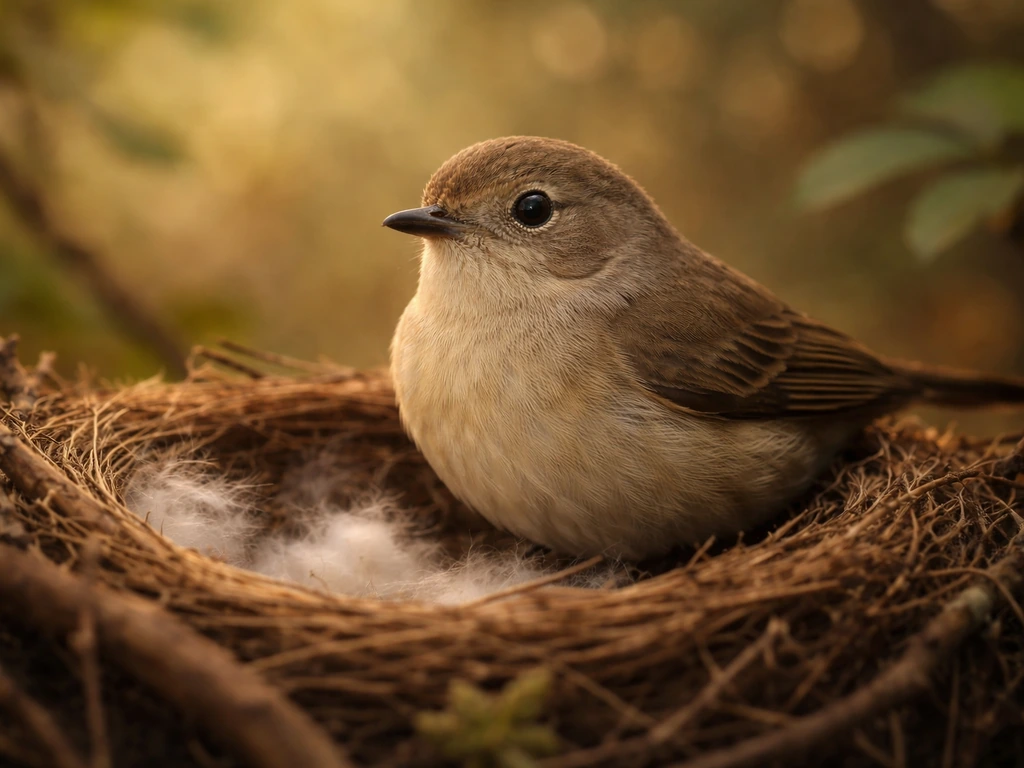
When someone says 'sweet bird,' the most likely meaning depends almost entirely on context. If it's directed at an actual bird, it's a warm, admiring address, the kind of thing a poet or a backyard bird-watcher might say out loud. If it's said to a person, it's a gentle term of endearment, close in feeling to 'sweetheart' or 'darling.' And if you found it in a poem, song, or spiritual text, it's probably carrying symbolic weight about freedom, the soul, or innocent beauty. The good news is that the surrounding words almost always tell you which one you're dealing with, and this article will show you how to read those clues fast.
Sweet Bird Meaning: Literal, Romantic, and Symbolic Uses

Marcus Winters
13 May 2026
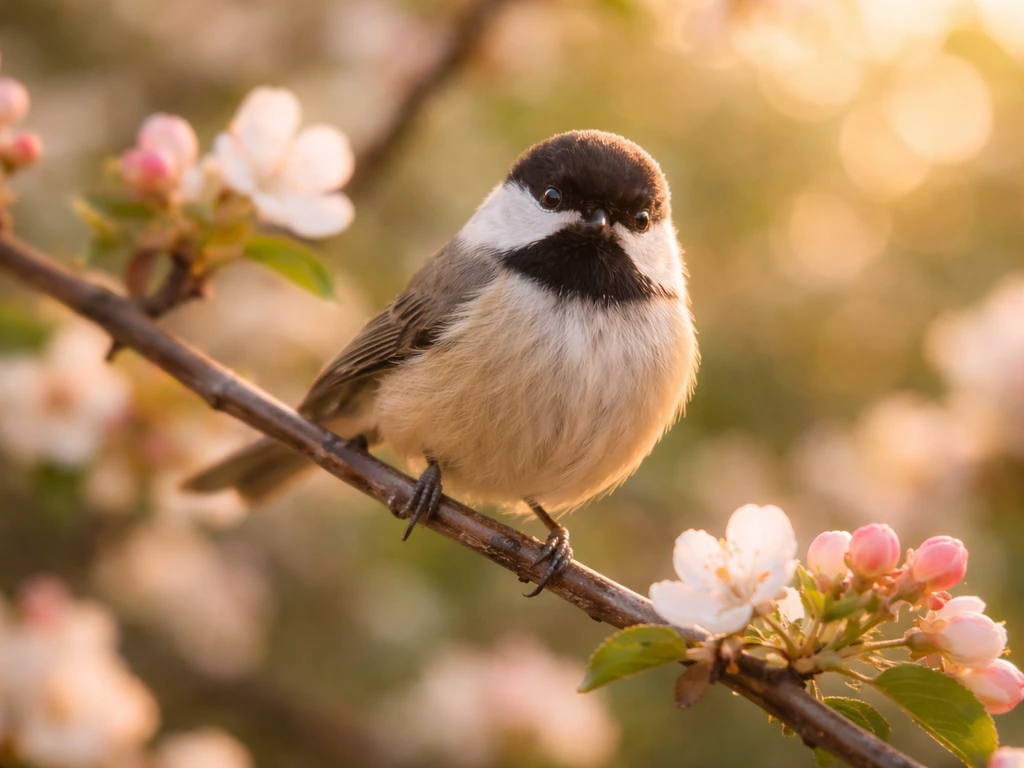
What 'sweet bird' literally means in everyday English
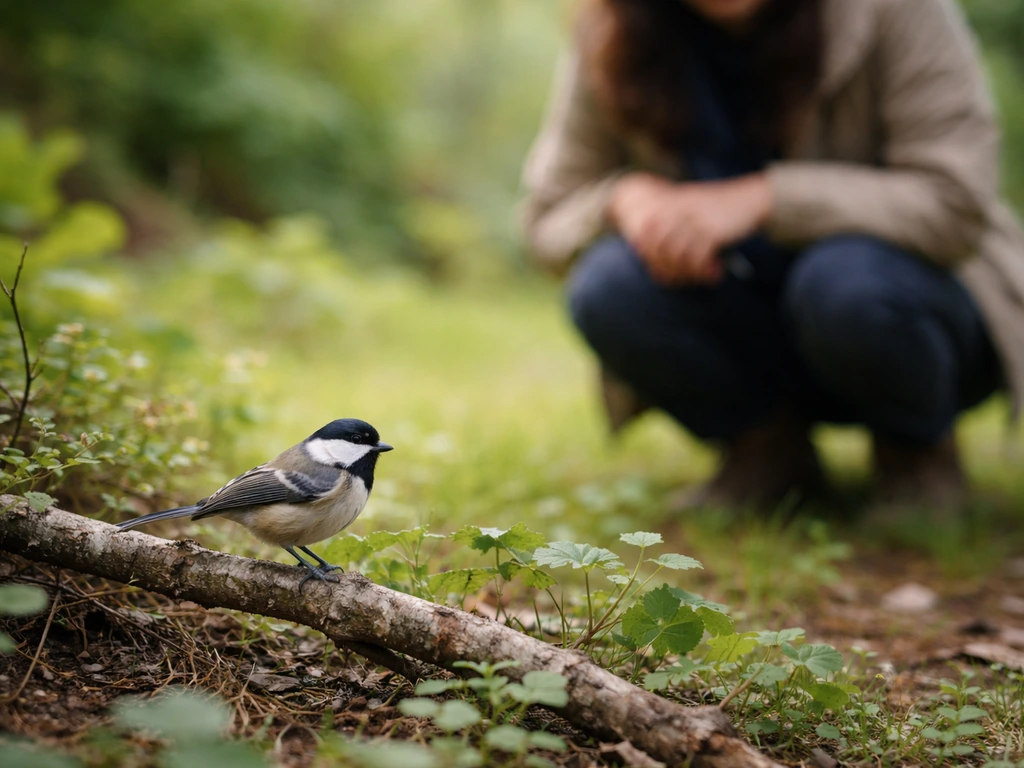
At its most basic, 'sweet bird' is a descriptive phrase combining 'sweet' (meaning pleasant, gentle, or musically beautiful) with 'bird. ' When applied literally to an actual bird, 'sweet' almost always refers to the bird's song. A thrush, a nightingale, a warbler, any bird with a melodic call earns the label. This is not metaphor.
John Keble's poem 'To a Thrush Singing in the Middle of a Village' opens with exactly this usage: 'Sweet bird! up earliest in the morn,' and he's addressing the thrush directly, praising its voice the way you'd compliment a musician.
Hymn literature uses the same construction: 'There's a sweet bird in the maple tree' is a visual and auditory scene-setter, not a coded reference to anything else. The bird is there, it sings, and 'sweet' is the simplest honest description of what it sounds like.
Figuratively, 'sweet bird' steps away from actual birds entirely and lands as an affectionate label for a person. Here, 'bird' borrows from a long tradition (especially in British and folk English) of using bird names and bird words to describe people, usually women, though not exclusively. Adding 'sweet' softens the whole phrase into something tender rather than casual. Think of the difference between calling someone 'bird' (breezy, informal, sometimes cheeky) versus calling them 'sweet bird' (warm, devoted, almost poetic). The figurative use carries genuine affection.
When 'sweet bird' is a term of endearment
As a term of endearment, 'sweet bird' tends to show up in romantic or nurturing relationships. A partner might use it, a parent toward a child, or an older relative to a younger one. It sits in the same emotional register as 'little one,' 'my love,' or 'darling,' but with a slightly more poetic, old-fashioned flavor. If you came here looking for love bird meaning, it helps to separate that phrase from symbolic uses of sweet bird. You won't hear it thrown around casually between friends the way 'buddy' or 'mate' might be used. When it appears in this context, there's almost always warmth and a degree of closeness behind it.
Who says it? Mostly people with a natural leaning toward expressive, lyrical language, or those drawing on cultural traditions where bird-words are standard endearments. In Irish, Welsh, and older British English traditions, calling someone a bird or a wee bird is genuinely affectionate. 'Sweet bird' extends that tradition into something more deliberate and heartfelt. If someone said it to you and you weren't sure how to take it, a safe read is: they mean it kindly, and probably feel close to you.
Folklore, spirituality, and what 'sweet' adds to bird symbolism
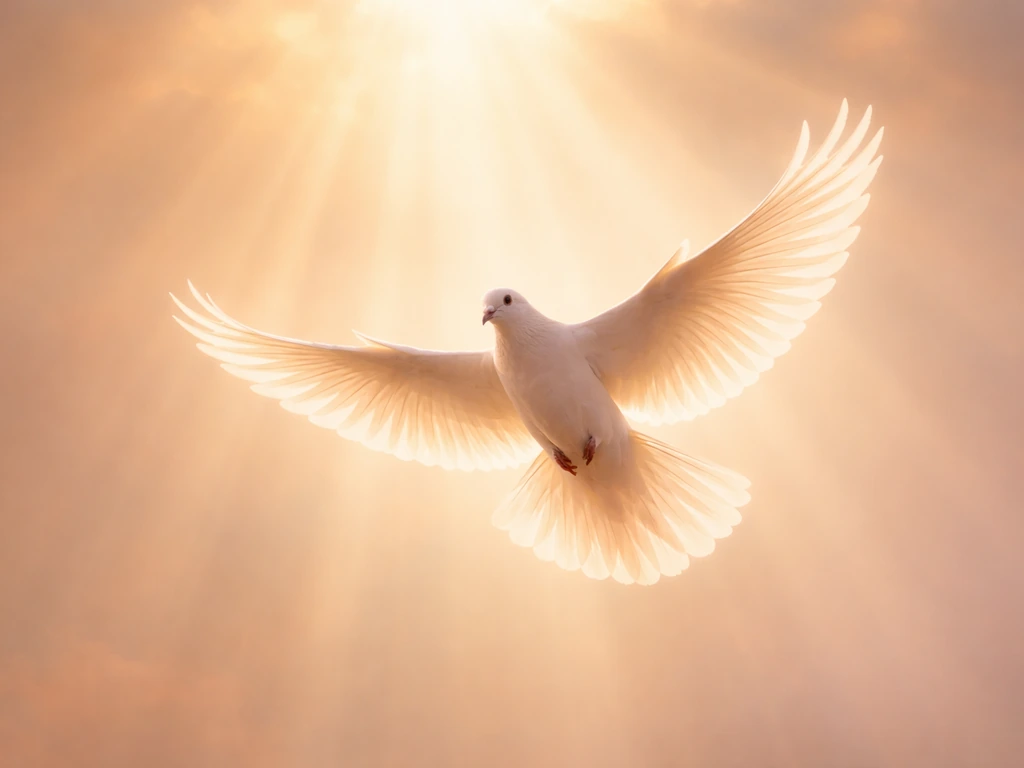
Birds carry enormous symbolic weight across virtually every culture. They represent the soul, freedom, divine messages, transition between worlds, and hope. A bird flying upward is almost universally read as a spirit ascending or a message being sent to something higher. That's the base layer of bird symbolism, and it's worth knowing even if you're not spiritually inclined, because it explains why 'bird' shows up so often in poetry and sacred texts.
When you add 'sweet' to that symbolic bird, the meaning shifts in a specific direction. 'Sweet' filters out the wilder or more ominous bird symbols (ravens, storm birds, birds of prey) and steers toward gentleness, purity, song, and comfort. A 'sweet bird' in a spiritual or folkloric context is almost never a warning or a dark omen. It's closer to the idea of a guiding spirit, a gentle soul, or a comforting presence.
In fairy tales and folk songs, a sweet-singing bird often carries a message of hope or signals that something good is coming. It's worth noting that the related phrase 'sweet bird of truth' takes this further into specific symbolic territory, where the bird becomes an emblem of honesty and clarity, but 'sweet bird' on its own doesn't carry that precise meaning unless the surrounding text pushes it there.
The key interpretive point is this: 'sweet bird' in a spiritual or symbolic context is a soft, positive image. It's not a specific code with a locked definition. Different traditions attach different specifics, so the culture or text you're reading inside determines the exact flavor, but the emotional tone stays consistently warm and hopeful.
How 'sweet bird' shows up in poetry, lyrics, and stories
Literary uses of 'sweet bird' tend to cluster around a handful of recognizable patterns. The most common is the direct apostrophe, where the speaker addresses a bird as 'sweet bird' and then goes on to describe what the bird's song means to them emotionally. Keble's thrush poem is a textbook example. This pattern is everywhere in Romantic and Victorian poetry, where birds served as stand-ins for natural joy, divine inspiration, or everything civilization was drowning out.
In song lyrics, especially folk, country, and soul music, 'sweet bird' often describes a lover or a lost love. The bird metaphor lets the songwriter say something deeply emotional while keeping it imageistic and beautiful rather than blunt. Fairy-tale patterns use the phrase slightly differently: a sweet bird often appears as a messenger, a guide, or a transformed spirit, carrying information between the human world and somewhere else entirely.
If you're reading or hearing 'sweet bird' in any of these contexts, the phrase is doing double work. It's literally describing a bird (or bird-like quality in a person), and it's borrowing all that accumulated cultural warmth around birds to make the emotional point land harder. That layering is why the phrase feels more resonant than just saying 'nice bird' or 'pretty bird.'
Sorting out 'sweet bird' from similar phrases

A few nearby phrases are easy to confuse with 'sweet bird,' and it's worth knowing the distinctions so you don't over-interpret or under-interpret what you found.
| Phrase | What it typically means | Key difference from 'sweet bird' |
|---|---|---|
| Sweet bird | Affectionate address to a bird or person; gentle symbolic image | The base phrase, context-dependent |
| Sweet little bird | Diminutive, more overtly tender; often used with children or small birds | Adds smallness and extra softness; more childlike or protective |
| Sweet bird of truth | Specific symbolic phrase representing honesty and clarity | Fixed symbolic meaning; not interchangeable with the general phrase |
| Songbird | A bird known for its singing; sometimes a term for a singer | More specific to vocal ability; less emotionally loaded than 'sweet bird' |
| Bird (as slang) | British slang for a person, often a woman; informal and casual | Lacks the 'sweet' warmth; entirely different tone |
| Sweet song / bird of sweet | Poetic inversion emphasizing the music a bird produces | Puts the quality first; rarely used as a direct address |
The biggest trap is assuming 'sweet bird' always means the same thing as 'sweet bird of truth.' They're related, but 'sweet bird of truth' is a distinct phrase with a specific cultural and literary identity. If you're researching that particular expression, it deserves its own investigation rather than treating it as a synonym for the broader 'sweet bird' phrase.
How to figure out which meaning is intended
The fastest way to pin down the right meaning is to ask four quick questions about the context.
- Is there an actual bird present or being described? If someone said 'sweet bird' while watching a bird feeder or in a nature poem about a specific species, you're almost certainly in literal territory.
- Who is speaking, and what is their relationship to the person or creature being addressed? A romantic partner, a parent, or a lyricist addressing someone they love is almost certainly using it as endearment.
- Does the phrase appear inside a poem, song, hymn, or story? If yes, look at the broader emotional theme of the piece. A poem about grief and the afterlife pushes 'sweet bird' toward spiritual symbolism. A love song pushes it toward endearment.
- What words surround it? Words like 'soul,' 'heaven,' 'freedom,' or 'truth' near 'sweet bird' signal symbolic use. Words like 'darling,' 'love,' 'my,' or 'little one' signal endearment. Words like 'maple tree,' 'morning,' 'singing,' or a named species signal literal use.
Most of the time, these four checks take about ten seconds and give you a confident answer. The phrase is rarely ambiguous once you look at what's around it.
What people get wrong about 'sweet bird'
The most common misconception is that 'sweet bird' must be a spiritual or symbolic phrase every time it appears. Understanding the beautiful bird meaning is all about context, just like the phrase “sweet bird.”. It doesn't. Sometimes it genuinely just means there's a nice-sounding bird nearby. Over-reading a hymn lyric or a Victorian nature poem as a coded spiritual message misses the point when the author literally meant 'there is a pleasant bird singing in this tree.'
A second misconception is that it's exclusively a term for women. If you are specifically wondering about the female bird meaning behind endearment phrases, the context and tradition matter most sweet bird. When used as endearment, 'sweet bird' can address anyone. Male bird meaning can vary by context, so it helps to look at how the term is being used. The 'bird equals woman' association comes from British slang, but 'sweet bird' as a phrase predates and transcends that narrower slang use. Don't assume gender from the phrase alone.
Third, some people assume that because it sounds old-fashioned or poetic, it must come from a specific famous work or have one definitive origin. It doesn't. 'Sweet bird' is a natural descriptive combination that poets and writers reached for independently across centuries. There's no single canonical source. Phrases like 'beautiful bird' or 'happy bird' follow the same pattern, where 'bird' picks up whatever emotional adjective sits beside it without requiring a single definitive source text. Phrases like happy bird meaning follow the same idea: the emotional adjective shapes the overall feel rather than pointing to one fixed definition.
What to do next depending on your situation
If someone said 'sweet bird' to you directly, take it as a compliment and respond warmly. There's no hidden trap in the phrase. A simple smile or 'that's kind of you' works perfectly. If it felt romantic, it probably was.
If you're trying to track down a specific quote or song that uses 'sweet bird,' add more context terms to your search. Try searching the phrase alongside the type of source you think it came from: 'sweet bird poem,' 'sweet bird hymn,' 'sweet bird song lyrics,' or 'sweet bird quote [author name].' The phrase on its own is too broad to surface the specific reference you need.
If you're researching the symbolism angle for writing, a speech, or personal meaning-making, start by identifying the tradition you're working within. Bird symbolism varies between Celtic, Native American, East Asian, and Christian frameworks, among others. 'Sweet bird' will mean slightly different things in each. Nail down the tradition first, then interpret the phrase within it rather than applying a one-size-fits-all spiritual definition.
And if what you actually found was the phrase 'sweet bird of truth,' that's a distinct enough expression to research separately. It carries specific symbolic associations around honesty and clarity that go beyond what 'sweet bird' alone implies, and it deserves a closer look on its own terms.
FAQ
If someone texts or says “sweet bird” and it feels ambiguous, how can I tell which meaning they intend (literal, romantic, or symbolic)?
Check for cues like a reference to a place or actual bird (literal), personal closeness terms nearby (romantic, nurturing), or poetic/spiritual wording around it (symbolic). Also note whether they used it once and moved on, versus repeatedly in a lyrical style, which often signals endearment rather than symbolism.
Can “sweet bird” be used between friends without being romantic?
Yes, but it is less common. If the tone includes playful teasing, frequent affectionate nicknames, and no romantic context, it can be friendly, especially in regional folk or family-style speech. If it came during a serious emotional moment or alongside “love” language, treat it as affectionate or potentially romantic.
What’s the difference between “sweet bird” and “sweet bird of truth” in practice?
“Sweet bird” by itself is broadly warm and gentle, and its symbolism depends on context. “Sweet bird of truth” is narrower and typically tied to themes of honesty, clarity, or moral messaging. If the exact longer phrase appears, don’t replace it with the shorter meaning.
Is “sweet bird” always “old-fashioned,” and does that imply a particular cultural origin?
Not necessarily. It can sound old-fashioned because it fits older British and folk endearment patterns, but poets and writers have used it independently across time. Treat it as style-adjacent, not proof of a specific origin or single source text.
If I’m trying to interpret “sweet bird” in a poem, is it more likely an actual bird or a metaphorical address to a person?
Look at whether the surrounding lines describe physical bird actions (singing in a specific tree, flight, nesting). If the poem stays in natural imagery, it is usually literal address. If the language shifts quickly into emotions, character traits, or relationship dynamics, it is more likely metaphorical endearment.
Are there situations where “sweet bird” could be read negatively or manipulatively?
Rarely, but tone matters. If it is used in a context of dismissal, condescension, or control (for example, after someone disregards your feelings), the affectionate wording can be a cover for power dynamics. In that case, focus on the behavior, not the sweet phrasing.
How should I respond if someone calls me “sweet bird” in a romantic way?
A warm, simple reply is safest, for example, “That’s kind of you,” “Aww, thank you,” or a reciprocal endearment if you want to signal comfort. If you are unsure about their intent, ask a light clarifying question like “Why do you call me that?”
Does “sweet bird” have a standard meaning in Christian or spiritual texts?
It usually carries positive, gentle symbolism (comfort, soul, uplifting presence), but there is not one universal definition. The exact message shifts with the immediate passage, for example whether the text is about guidance, purity, or hope, so interpret within the surrounding theme rather than expecting a fixed code.
I found “sweet bird” while searching online, but results seem unrelated. What search strategy works best?
Add at least one context filter, such as “hymn,” “Victorian,” “folk lyrics,” or the suspected author. If you have the line before or after, include two or three exact words from the same sentence, since “sweet bird” alone is too broad and pulls in multiple meanings.
If I’m writing and want the “sweet bird” symbolism to land correctly, what should I decide first?
Decide whether the bird image is literal (a singing bird), affectionate (a person you love or nurture), or spiritual (guidance, purity, hope). Also choose the tone of “sweet,” for example gentle comfort versus joyful song, because that choice steers the symbolism more than the phrase alone.
Next Article
Female Bird Meaning: Biological Sex and Symbolic Interpretations
Learn female bird meaning: biological sex clues and common symbolic interpretations like nurturing, intuition, protectio