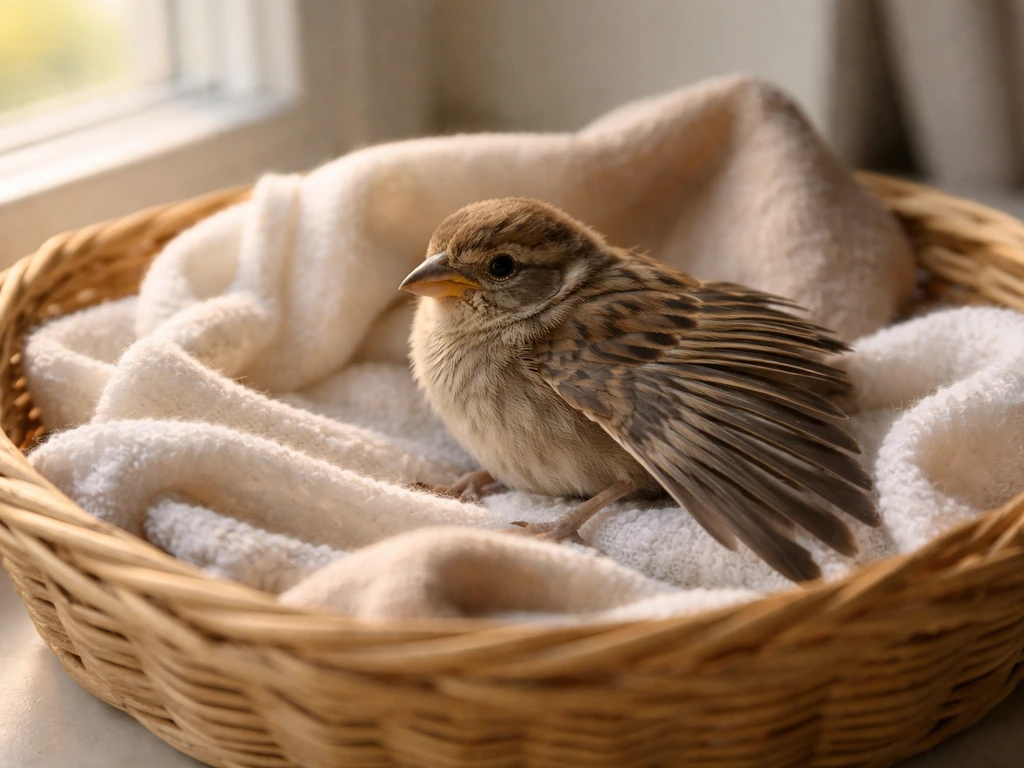
A 'worry bird' most commonly refers to a comforting object, character, or metaphor designed to absorb anxiety on your behalf. The phrase shows up in prayer imagery, children's education, handmade crafts, novelty gifts, poetry, and even product branding, but the core idea is consistent: you hand your worries over to the bird so you don't have to carry them. If you've seen it in a spiritual context, it's probably connected to Christian 'cast your anxieties' teachings. If you found it in a classroom or kids' book, it's a social-emotional learning (SEL) tool. And if you spotted it near aviation, music, or vintage collectibles, it's almost certainly a proper name, not a figure of speech at all.
Worry Bird Meaning: Origins, Symbolism, and Confusions

Marcus Winters
12 May 2026
What people mean by 'worry bird'
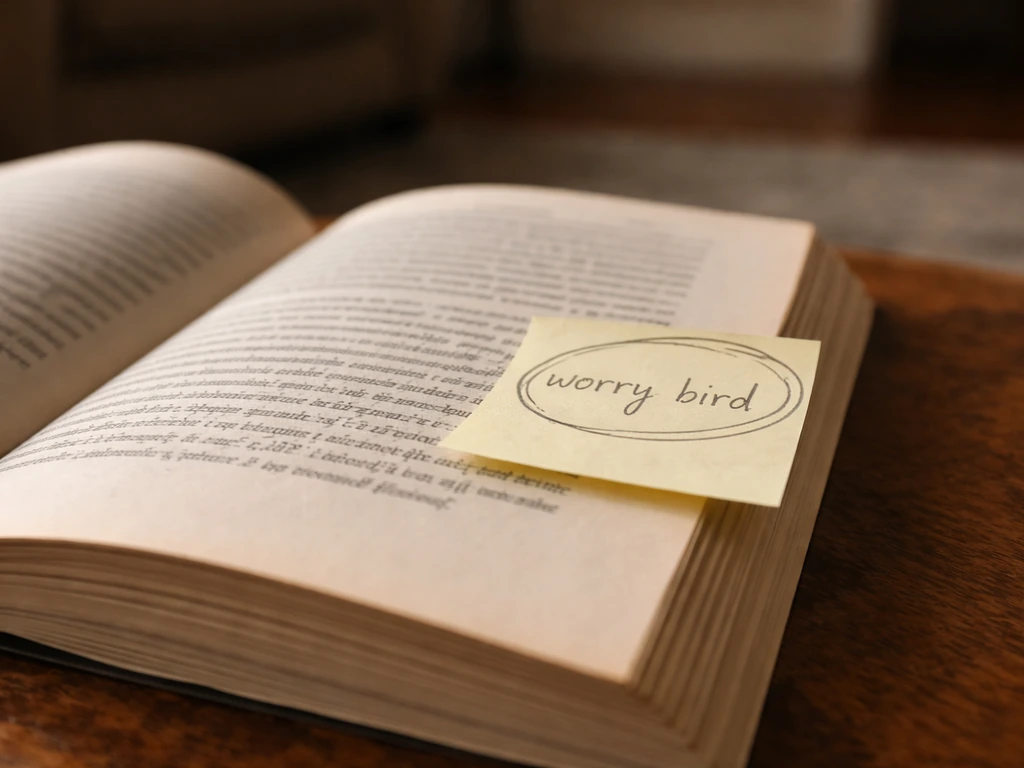
The phrase carries a handful of distinct but related meanings depending on where you find it. If you meant the phrase differently, a quick check of its exact usage can help clarify the lost bird meaning you are searching for. The most widespread figurative sense treats the worry bird as a receptacle or stand-in for anxiety. You give your worries to it rather than holding onto them yourself.
This idea shows up in church groups handing out small bird figures, in classroom exercises where a cartoon bird character helps children name and release their fears, and in novelty gifts like the trademarked plush toy (registered in 2014) and a 14-karat gold charm sold with the tagline 'Let the worry bird worry for you. ' In each case, the bird functions as a symbolic middleman between you and your stress.
There's also a separate, older use where 'worry bird' names the anxious person directly. Johnny Hartman's song 'Worry Bird' addresses someone stuck in negativity with lines like 'Don't you ever see the bright side?' and 'Just forget that you're a worry bird.' Here the bird is a gentle, slightly rueful label for someone who can't stop fretting, the way you might call someone a 'worrywart.' Both usages, the bird as anxiety-absorber and the bird as anxious person, are alive today, which is why context matters so much.
Origin and linguistic roots of the phrase
The word 'worry' itself traces back to the Old English 'wyrgan,' meaning to strangle or choke, which evolved into the idea of mental throttling, that persistent, gnawing feeling. Birds have been paired with emotional and spiritual states for centuries in language, folklore, and idiom. Combining the two into 'worry bird' follows a very natural pattern in English where an emotion or character trait gets attached to a bird to create a vivid, personified image. Think of 'lovebird,' 'mockingbird,' or 'thunderbird' and you can see the same construction at work.
As a documented phrase, 'worry bird' has a traceable paper trail going back at least to the 1970s. A 1974 Church of the Nazarene publication uses 'the worry bird' directly in a discussion of anxiety, situating the concept firmly in religious discourse well before the internet era. [The Smithsonian's collection includes an object labeled 'Let The Worry Bird Worry For You,'](https://americanhistory. si.
edu/collections/object/nmah_1897730) suggesting it circulated as a catchphrase and novelty concept for decades. Mark Jarman published a poem simply called 'The Worry Bird' in The Threepenny Review in 1995 and later in his 1997 collection 'Questions for Ecclesiastes,' describing a garage-sale bird statue that absorbs cares.
Mark Jarman’s poem “The Worry Bird” includes the instruction phrase “Give your worries to the worry bird,” and the site indicates it comes from “Questions for Ecclesiastes” (1997) “The Worry Bird” includes the instruction phrase “Give your worries to the worry bird”. Each of these data points shows the phrase solidifying across religion, poetry, and material culture across roughly fifty years.
Symbolic meaning in folklore and everyday language
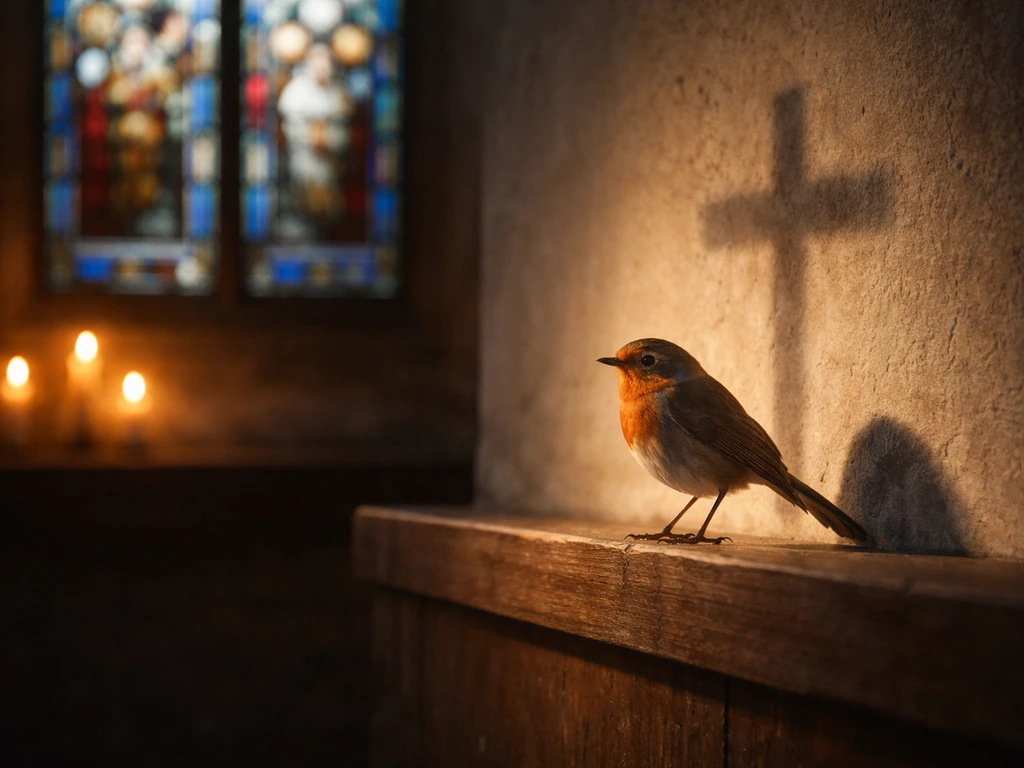
Birds have carried the weight of human emotion in symbolism for a very long time. In many folk traditions, birds serve as messengers or intermediaries between the human world and something beyond it, whether spiritual, cosmic, or simply outside the self. The worry bird taps directly into that intermediary role. Rather than delivering messages to the divine, it takes something away from you: your anxiety. This makes it a comfort symbol rather than a warning symbol, which is an important distinction from birds like the magpie in the 'One for Sorrow' nursery rhyme, where a bird's presence predicts misfortune rather than relieving it.
In the Christian devotional context, the worry bird became a tangible teaching aid tied to Philippians 4:6, 'Don't worry about anything, but pray about everything.' Church groups started distributing small bird figures as physical reminders to release anxiety through prayer rather than rumination. The object made an abstract spiritual instruction concrete and holdable. In classroom and therapeutic settings, the same logic applies: a Worry Bird character gives children a way to externalize and name their fears rather than suppressing them. The bird becomes a container for the emotion, which is a well-established psychological technique given a bird-shaped face.
Connections to similar bird idioms and common mix-ups
The 'blank bird meaning' search pattern is extremely common, and each combination carries its own emotional register. If what you really mean is “trash bird meaning,” that’s likely a different phrase or slang, so you’ll want to confirm how it’s being used in your specific context. Mixing them up is easy because they all sound like they belong to the same family of idioms, but they actually come from very different traditions. A few worth distinguishing:
| Phrase | Core meaning | Origin register |
|---|---|---|
| Worry bird | Anxiety absorber or anxious person; comfort metaphor | Religious, therapeutic, novelty/gift |
| Broken bird | An emotionally fragile or traumatized person | Literary/figurative idiom |
| Sorrow bird | A bird associated with grief or loss; omen imagery | Folklore, poetic symbolism |
| Trash bird | A common or annoying bird species (birding slang) | Informal birder community slang |
| Paper bird / Origami bird | Folded paper bird; sometimes a symbol of hope or wishes | Craft, Japanese origami tradition |
The most common mix-up is between 'worry bird' and 'broken bird.' Both involve emotional vulnerability, but a broken bird describes a person who has been damaged by experience, while a worry bird is specifically about chronic anxiety or the act of relieving it. A sorrow bird, similarly, carries grief and loss more than worry. If you're researching bird idioms tied to negative emotions, those distinctions matter a lot for getting the nuance right.
Another source of confusion: several bird phrases that look like idioms are actually proper names. The fragile bird meaning is also commonly discussed as a symbolic prompt to notice vulnerability and emotional sensitivity. In that case, the paper bird meaning is usually about transferring worries out of your mind and into a symbolic object. 'Paper Bird' is the name of a five-piece music group. 'The Worry Birds' is the name of a band formed in 2010. 'Worry Bird' is also the name of a WWII P-51 Mustang aircraft preserved at the Air Combat Museum. If your search results feel weirdly off-topic, a proper name collision is almost certainly why.
How to interpret 'worry bird' in context

The single most reliable way to nail down the right meaning is to look at the words and images directly around the phrase. Here's how to read those cues:
- Prayer language nearby (words like 'pray,' 'God,' 'anxiety,' 'don't worry about anything'): you're in the Christian devotional meaning, and the bird is a comfort/prayer aid.
- Classroom, children's book, or feelings-chart context: it's a social-emotional learning metaphor for naming and releasing worry, not a specific idiom.
- Song lyrics addressing 'you' as the worry bird: it's a character term for an overly anxious person, similar in spirit to 'worrywart.'
- Poetry or literary criticism, especially references to Mark Jarman or a garage-sale bird statue: it's the literary/poetic meaning of worry absorption.
- Gift shop, novelty, charm, or plush toy context: it's a product or brand concept tied to the 'let it worry for you' tagline.
- Aviation, museum, or WWII history context: it's the name of a specific aircraft, not an idiom at all.
- Band name, album, or concert listing: it's a music group proper name.
Spirituality searches deserve a special note. If someone is asking about the 'spiritual meaning of a worry bird,' they're almost always looking for the prayer-based or folkloric reassurance interpretation, not the literary or slang one. The spiritual angle consistently maps to the idea of transferring your anxiety to something outside yourself, a move that shows up in multiple religious traditions even beyond Christianity, wherever birds serve as spiritual messengers or burden-bearers.
Common references you might actually be looking for
If you searched 'worry bird meaning' and still aren't sure which version you need, here are the most likely specific references people are tracking down: If you are also looking for an origami bird meaning, check what symbol it is tied to in the story, culture, or celebration you saw it in.
- The Mark Jarman poem 'The Worry Bird' (published 1995, collected 1997): a meditation on a ceramic bird figure that takes on human anxieties, rooted in faith and domesticity.
- Church 'worry bird' objects: small decorative or tactile bird figures distributed in church settings to represent the Philippians 4:6 instruction to pray instead of worrying.
- The trademarked 'Worry Bird' novelty plush (USPTO registration 2014): a recorded-audio plush toy designed as a gift for anxious people.
- The 'Let The Worry Bird Worry For You' charm/slogan: a phrase that appears on jewelry, collectibles, and Smithsonian-held objects, functioning as a comforting catchphrase.
- Johnny Hartman's 'Worry Bird' song: a mid-century jazz-adjacent track addressing a chronically anxious person and encouraging them to lighten up.
- The Worry Birds band: a music group formed in 2010, a proper name unrelated to idiom or symbolism.
- Worry Bird (aircraft): a P-51 Mustang with this name, preserved and displayed in aviation museum contexts.
- SEL classroom 'Worry Bird' characters: educational tools, including resources from platforms like Lenny Learning, that personify worry as a bird to help children process anxiety.
How to pin down the exact meaning you need
If you've read this far and still have a specific instance in mind, here's a short practical checklist to run through right now. Work through it in order and you'll have your answer in about sixty seconds.
- Write down exactly where you saw the phrase: a church bulletin, a classroom worksheet, a song, a poem, a gift description, an aviation article, or a concert listing.
- List the two or three words directly next to 'worry bird' in that source. Words like 'pray,' 'anxiety,' 'give your worries,' or 'don't worry' point to the devotional meaning. Words like 'don't you see the bright side' point to the song character use. A model number or product description points to the novelty brand.
- Check whether it's capitalized consistently as a proper noun (Worry Bird or The Worry Birds). Consistent capitalization almost always signals a name, not a common phrase.
- If it's a spiritual or emotional context without obvious product or band markers, default to the prayer-and-comfort interpretation. That is the oldest and most widespread figurative use of the phrase.
- If you still can't tell, search the phrase together with the most distinctive nearby word from your source. 'Worry bird Jarman' gives you the poem. 'Worry bird Philippians' gives you the devotional angle. 'Worry bird P-51' gives you the aircraft. The surrounding vocabulary is almost always the deciding factor.
The takeaway is that 'worry bird' is not one fixed idiom with a single dictionary entry. It's a recurring cultural image that different people have reached for independently over decades, always circling the same emotional territory: anxiety, relief, and the wish to hand your worries over to something else. Whether that's a prayer, a ceramic statue, a plush toy, a jazz song, or a poem about a garage-sale find, the underlying instinct is identical. Once you know that, the specific version you're looking for usually becomes obvious from context alone.
FAQ
Is “worry bird” always a spiritual symbol for anxiety relief, even if I see it on a toy or charm?
Yes. The phrase is often used for a “comfort object” that represents anxiety relief, but not every bird item labeled “worry bird” is the same. If the item is marketed as a specific brand or has a distinctive tagline, treat it as a product reference, not a universal idiom, and rely on the accompanying description or packaging.
How can I tell whether “worry bird” means anxiety-absorber or an anxious person?
If the bird is tied to an instructional activity (classroom worksheet, SEL lesson card, therapy prompt) and the text encourages naming fears, it is usually the anxiety-externalization tool. If it is tied to someone’s personality description (lyrics, a character speaking about constant fretting), it may be the “anxious person” usage instead.
What sentence cues help me distinguish “worry bird” from similar phrases?
Watch for whether “worry” is acting like a verb or a noun in the surrounding sentence. In the anxiety-absorber sense, the bird “takes,” “absorbs,” or “worries for you,” so the object is doing the stress work. In the “worrywart” sense, “worry bird” labels the person, so the subject is the one who cannot stop worrying.
Why do search results sometimes feel off-topic when I look up “worry bird meaning”?
Look at the setting and medium. A garage-sale statue, a poem title, or a song reference is more likely to be literary or nickname usage. A small figure handed out for prayer or a printable classroom character is more likely to be a structured reassurance tool. Images of signage, tags, and lesson materials are often the fastest clue.
Can the “worry bird” idea be helpful, or could it make things worse for anxiety?
Not always. The “anxiety transfer” idea can be comforting, but if it causes you to avoid addressing real stress, it can become a coping bottleneck. As a rule, treat it as a prompt to do something concrete (breathing, journaling, prayer, or talking to someone), rather than a replacement for support.
Does the “spiritual meaning” of worry bird depend on whether it’s Christian or more general folklore?
Yes, and it matters for interpretation. If you are reading a “spiritual meaning” context, the practical intent is often surrender through prayer, but if it is in a secular kids’ book, it usually focuses on emotional labeling and releasing feelings. The same image can be framed differently depending on whether the surrounding guidance is religious or psychological.
What should I do if I suspect I searched the wrong “___ bird meaning”?
If you meant “blank bird meaning” as a different idiom, double-check the exact spelling and whether the item is actually the title of a band, a song, or a named aircraft. Collisions happen when multiple phrases share the same words but refer to different proper nouns.
What’s the fastest way to figure out the correct meaning for the exact worry bird I saw?
Try a quick context audit: write down where you saw it (church, classroom, product page, music/aviation), what kind of image it was (cartoon bird, statue, plush, charm), and what the caption told you to do (pray, release, notice vulnerability, or just describe someone). Those three notes usually identify the intended meaning within one step.
Next Article
Broken Bird Meaning: Literal and Figurative Uses Explained
Understand broken bird meaning in literal and figurative speech and what to say, plus steps for an injured bird.