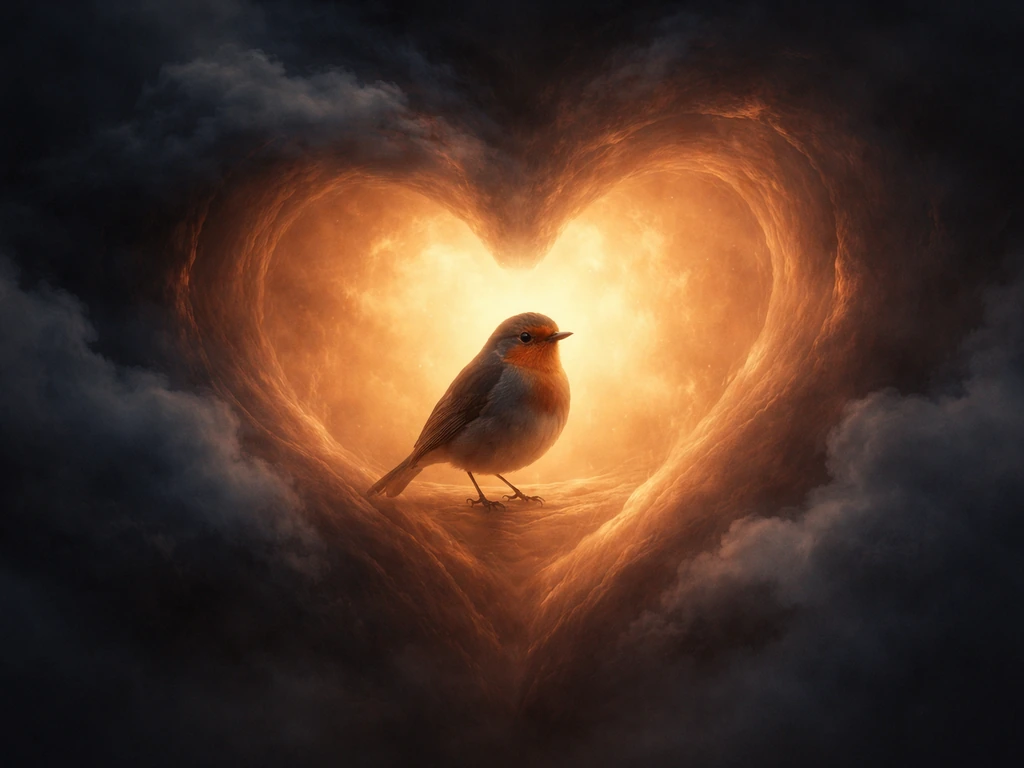
In the traditional folk ballad 'Henry Lee' (also known as 'Young Hunting'), the line 'a little bird lit down on Henry Lee' means a small bird lands on or near Henry Lee's body after he has been murdered and thrown into a well or body of water. The bird is not decorative scenery. It is a supernatural witness, a creature that knows a secret crime was committed and, blank" rel="noopener noreferrer">depending on which version of the song you're reading, either speaks to reveal it or is targeted by the killer to keep quiet. 'Lit down' simply means 'landed' or 'alighted,' the same way an older English speaker might say a butterfly 'lit on a flower.'
A Little Bird Lit Down on Henry Lee Meaning Explained

Marcus Winters
3 Jun 2026
What the line actually says
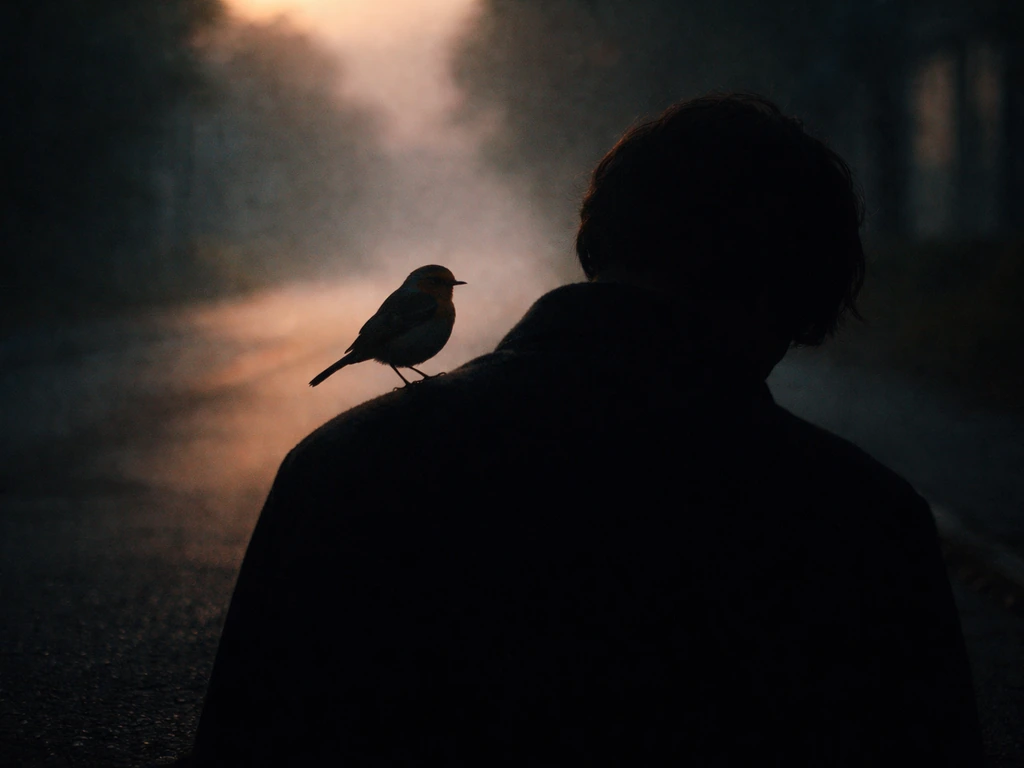
The exact wording shifts depending on which collected version you're looking at, and that matters. In the Harry Smith Anthology of American Folk Music transcription of Dick Justice's 1929 recording, the line appears as 'Fly down, fly down, you little bird, And a-light on my right ear. ' In the Max Hunter Folk Song Collection variant out of Missouri, it reads closer to 'Fly down, fly down, you little-bitty bird / An' light on my right ear.
' The phrasing 'a little bird lit down on Henry Lee' is a paraphrase or slight variant of these lines, where 'lit down on' carries the same meaning as 'a-light on' or 'landed on. ' It is the woman (the murderer) speaking to the bird, calling it down toward her or toward Henry Lee's body. The bird is already present in the scene. She's inviting it closer, which is crucial to understanding what is really going on in the narrative.
Where 'Henry Lee' comes from
The ballad is American, but its roots are Scottish. 'Henry Lee' is the US folk name for 'Young Hunting,' catalogued as Child Ballad 68 and Roud 47. The Scottish original dates back centuries and crossed into Appalachian oral tradition, where communities kept it alive without any straightforward printed trail.
The Library of Congress notes that 'Young Hunting' left almost no early print traces, which means it traveled mouth to mouth through communities in places like Virginia, Kentucky, and Missouri, picking up regional word changes along the way. Cecil Sharp collected American versions under the titles 'Young Henerly' and 'Henry Lee' during his early 20th-century fieldwork in the Southern Appalachians, and Dick Justice put a version on a 78rpm shellac record in Chicago in May 1929 on Brunswick 367.
That recording became one of the best-known American anchors for the song. The core story stays consistent across versions: a young man named Henry Lee (or Young Hunting, or Love Henry) is killed by a woman, usually one he has rejected or tried to leave, and his body is hidden in water. The bird enters the story in the aftermath.
What a little bird 'landing' means in folk tradition
Birds landing on or near a person carry heavy symbolic weight in English and Scottish folk tradition, and it is almost never neutral. When a bird descends onto a body or calls out near a death scene in a ballad, the folk audience would have understood immediately that something supernatural was happening. Birds were seen as messengers between the living and the dead, creatures that could witness things humans could not, or that carried the soul's last communication. In 'Henry Lee,' the bird arriving at the murder site aligns with that tradition. It is not just setting the scene. The bird knows what happened.
This connects to a much older pattern in English folk expression. You might already know the phrase 'a little bird told me,' which uses 'little bird' as a shorthand for a mysterious, all-knowing source of secret information. In everyday English, people use the phrase “a little bird told me” the same way, meaning they heard something from a mysterious, secretive source a little bird told me meaning. In 'Henry Lee,' the bird is the literal version of that idea: a creature that arrived at the scene, witnessed the crime, and carries the knowledge. The 'little bird' in the ballad and the 'little bird' in that common idiom are pulling from the same deep cultural well.
The most common interpretations people search for
When people look up this line, they're usually coming at it from one of three angles, and it's worth being direct about all three.
- Spiritual omen: Some readers want to know if a bird landing on someone (or their image, or their name in a song) carries a spiritual message. In general bird symbolism, a bird landing unexpectedly on or near a person can be interpreted as a message from the spirit world, a warning, or a sign of a soul's presence. In the ballad's context, this reading is actually the closest to what the original folk audience would have felt. The bird is a supernatural presence marking a death.
- Poetic imagery only: Others assume the bird is just a pretty detail to set the rural scene. This is the least accurate reading. The bird is plot-functional, not decorative. It has a role in the story that drives the narrative forward.
- Hidden code or secret message in the lyrics: A smaller group of searchers wonder if the line is coded language or has a meaning outside the ballad context. It doesn't. There is no documented use of 'a little bird lit down on Henry Lee' as a code, slang term, or idiom outside of the ballad tradition itself.
How the surrounding verses tell you what the bird is doing
Context is everything here. The bird line does not appear in isolation. It follows the murder sequence, and in fuller versions of the ballad, the lines that come before and after reveal the bird's actual function. The woman calls the bird down, which means she is trying to get close to it. Why? Because the bird knows what she did. In the Child Ballads transcription of 'Young Hunting,' there are lines where the bird speaks, refuses to be caught, and later communicates with people who come looking for the missing young man. The bird functions as a witness that can and does expose the truth.
The stanza 'Lie there, lie there, little Henry Lee / Till th flesh drops from your bones' appears in the same collected Missouri variant alongside the bird line, making the murder explicit. The bird landing in that context is not coincidental. It is the story's moral and supernatural mechanism: nature witnesses the crime when no human did. This is a classic folk-ballad device. The natural world, including birds, animals, and sometimes water, reacts to or reveals wrongdoing. If you are reading or listening to a version where the bird stanzas come right after the murder, that is the structural signal that the bird is the story's witness and truth-teller, not a pastoral decoration.
In the mudcat. org folk music discussions, one commonly cited interpretation is that the woman tries to lure the bird down precisely so she can silence it, the same way she silenced Henry Lee. Mudcat forum interpretations commonly read the bird as something the murderer tries to silence by luring it down after Henry Lee is killed [mudcat. org folk music discussions](https://mudcat.
org/thread. cfm? threadid=12132). That reading is supported by the fuller ballad text, where the woman's attempt to get the bird to land is followed by a threat or an attempt to kill it before it can speak pretty little bird meaning.
That reading is supported by the fuller ballad text, where the woman's attempt to get the bird to land is followed by a threat or an attempt to kill it before it can speak. That makes the 'landing' line a moment of tension, not peace.
Quick disambiguation: which 'Henry Lee' are you looking at?
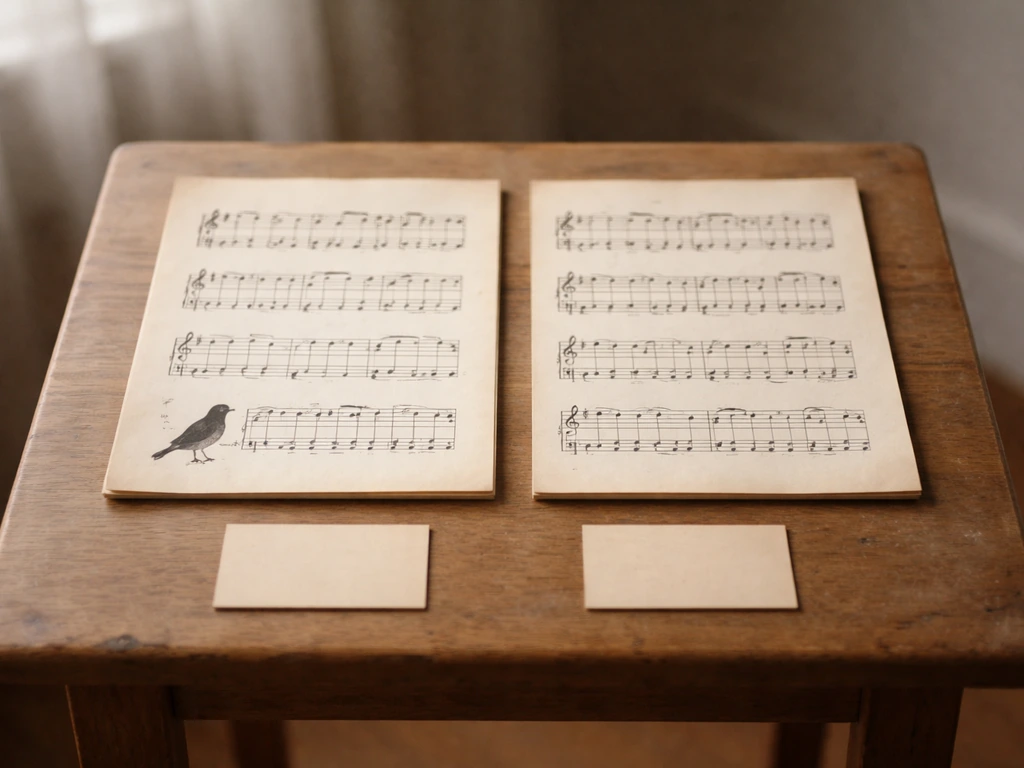
There are a few 'Henry Lee' references that can cause confusion, so here is a fast breakdown.
| Reference | What it is | Does it include the bird line? |
|---|---|---|
| Traditional folk ballad 'Henry Lee' / 'Young Hunting' (Child 68, Roud 47) | Scottish-origin ballad carried into American Appalachian tradition; multiple collected versions | Yes, bird/landing motif is a core feature in fuller versions |
| Dick Justice's 1929 recording (Brunswick 367) | One of the earliest US commercial recordings; part of Harry Smith's Anthology of American Folk Music | Yes, 'Fly down, fly down, you little bird, And a-light on my right ear' |
| Nick Cave and PJ Harvey's 'Henry Lee' (1995) | A modern duet adaptation; widely streamed and well known | Simplified; the bird motif may be reduced or absent depending on the version played |
| 'Love Henry' or 'Loving Henry' variants | American renamed versions of the same ballad family | Yes, bird appears in fuller versions under these titles too |
| 'Henry Lee' as a name reference in other contexts | Historical figures, place names, unrelated songs | No connection to the bird line |
If you arrived at this line through Nick Cave and PJ Harvey's well-known 1995 version, be aware that it is a stripped-down adaptation. The fuller supernatural bird narrative, where the bird speaks and becomes a plot actor, may not be present in that recording's lyrics. The original ballad tradition is richer and more explicit about what the bird does.
How to confirm the exact lyrics and meaning you're working with
Because lyric wording shifts across versions, the most reliable move is to pin down which specific version you're reading or hearing, then check it against a documented source. Here is how to do that practically.
- Identify the performer or collection: Is this the Dick Justice 1929 recording, a Max Hunter collection variant, a Cecil Sharp-collected Appalachian version, or a modern adaptation? Each has different wording.
- Check the Max Hunter Folk Song Collection at Missouri State University: It is digitized and freely accessible online. Search 'Henry Lee' and you can listen to and read collected variants that include the bird stanzas in their documented form.
- Look up Child Ballad 68 ('Young Hunting') on the Internet Sacred Text Archive: This gives you the older Child-era transcriptions including the bird-speech stanzas, which show you the fullest version of what the bird is doing in the story.
- Use the Roud Folk Song Index (Roud 47) as a research framework: It correlates different collected versions and helps you see how much the bird's specific lines vary by region and era.
- For the 1929 Dick Justice recording specifically, the Harry Smith Anthology of American Folk Music is the authoritative source. The PDF liner notes include transcribed lyrics that show the 'fly down / a-light on my right ear' wording.
- If you're looking at an internet lyrics site, cross-check it against at least one of the above academic or archive sources. Crowd-sourced lyric sites frequently contain errors or blend lines from different versions without flagging it.
Once you know which version you have, the meaning of the bird landing becomes clear in context. In every substantive version of this ballad, the bird is a witness to murder, a figure the killer wants to silence, and a supernatural messenger that ultimately cannot be controlled. The line 'a little bird lit down on Henry Lee' is the moment that supernatural witness arrives on the scene.
If you came here because you are also looking up the name Jenna, note that “Jenna” is commonly associated with the meaning “little bird. ”. That is what it means. It also connects to the phrase people use online when they ask what “this little bird” means in the lyrics.
In other words, “Evelyn” is often understood as meaning “little bird. ” Evelyn meaning little bird.
FAQ
Does the bird in “Henry Lee” literally land on Henry Lee’s body, or could it be on a nearby surface?
Most versions treat it as the bird coming to the murder site, and “lit down on” functions like “alighted on,” meaning it lands either on Henry Lee directly or immediately at his remains (especially in versions where Henry is hidden in water or a well). The key is proximity after the killing, not a peaceful, decorative moment.
Who is calling the bird down, the woman or Henry Lee?
In the fuller narrative readings, the speaker is the woman involved in the killing, and she addresses the bird as if inviting it closer (often “fly down” style). Henry Lee is dead or dying in those contexts, so the ballad uses the bird as the supernatural channel to expose what happened.
Is the bird always a “truth-teller,” or can it be connected to the killer’s attempt to silence it?
Both ideas can appear depending on the version. In many accounts the bird later communicates the truth, but some versions emphasize the woman’s fear that the bird will speak, creating a tension moment where she tries to get control of it before it can reveal anything.
What should I do if I’m reading the Nick Cave and PJ Harvey lyrics but can’t find the bird speaking part?
That adaptation can be more stripped down, so you might only see the bird image without the later plot beats where it becomes an active witness. If you want the “full” bird narrative, compare with ballad transcriptions that include the segments where the bird refuses to be caught or later delivers information.
Why do the lyrics vary, “a-light on my right ear” versus “a little bird lit down on Henry Lee”?
Because collectors recorded different oral-tradition variants, and editors often paraphrase when discussing the theme. The underlying action is consistent, “lit down” and “a-light on” both describe a landing, and “Henry Lee” may appear as later shorthand when summarizing which figure the bird is connected to in that variant.
Is “a little bird” in this song related to the everyday phrase “a little bird told me”?
Yes, in the sense that both use “little bird” as a signal for secret knowledge from an all-knowing or mysterious source. In the ballad, it is treated more literally as a creature that arrives, witnesses, and can transmit what humans cannot.
Could the “little bird” mean something like luck or love rather than supernatural witness?
In “Henry Lee,” it’s overwhelmingly read as non-neutral symbolism. Birds are frequently used in folk tradition as messengers tied to death, witnessing, or souls, so the audience expects the bird to carry knowledge rather than represent romance or generic good fortune.
What’s the fastest way to confirm the meaning if I have a specific recording in front of me?
Write down the exact lines before and after the bird line, then identify whether the stanza order shows it immediately after the murder, or later after people search for Henry Lee. If the song sequence places the bird in the aftermath and threat/silencing moments, you can treat the landing line as the story’s witness mechanism.
Does “Jenna” or “Evelyn” appearing elsewhere online relate to this ballad’s “little bird” line?
People sometimes associate names like “Jenna” or “Evelyn” with meanings like “little bird,” but that is separate from Henry Lee’s murder narrative. In this song, the bird image is mainly about witnessing and supernatural knowledge, not about decoding the killer’s name.
Are there versions where the bird shows up without any explicit murder context?
They tend to be rare, because the bird typically enters after the body is hidden and the story needs a mechanism for revelation. If a transcription has no nearby murder or hiding sequence, double-check that you might be looking at a shortened excerpt or an adaptation that rearranges or omits the original narrative structure.
Next Article
That Could Abash the Little Bird Meaning and Usage
Meaning and usage of that could abash the little bird. Translate abash, understand the metaphor, and use it correctly.