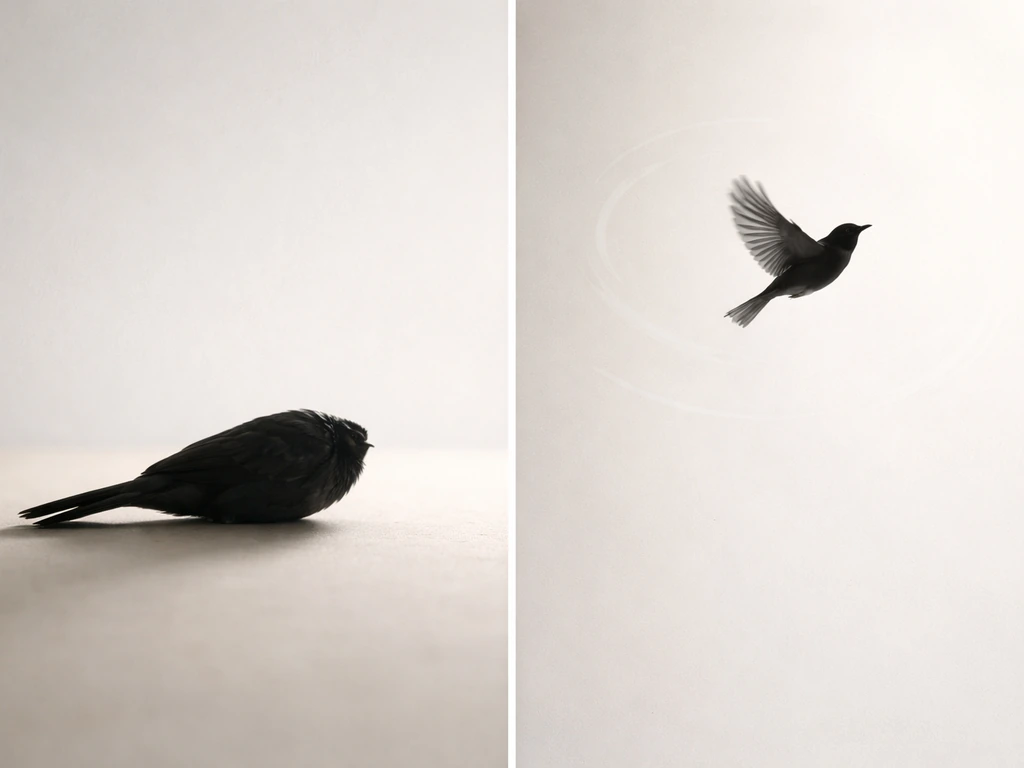
A 'lonely bird' means a person (or sometimes a literal bird) that is isolated, emotionally alone, and longing for connection. In figurative use, it is a self-image or a description someone applies to a person who feels cut off from the warmth of belonging, often with a quiet sadness underneath it. The phrase pops up in song lyrics, Instagram captions, poetry, and everyday conversation, and while the exact shade of meaning shifts with context, the emotional core stays consistent: solitude that stings.
Lonely Bird Meaning: What It Implies in Context

Marcus Winters
15 May 2026
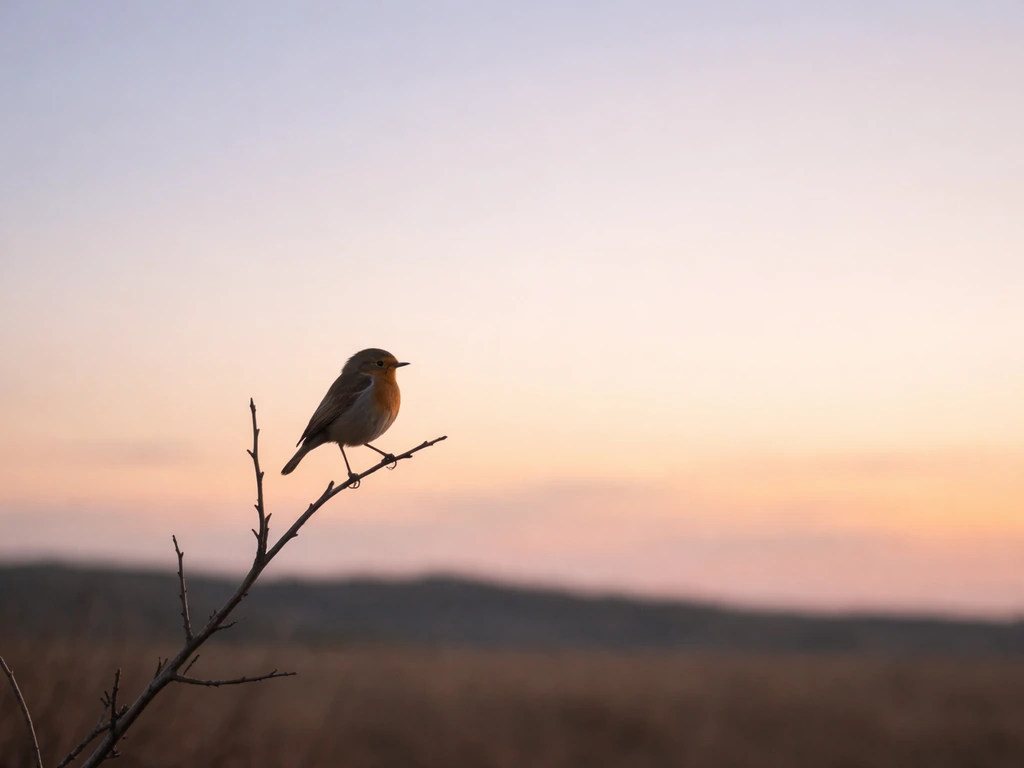
What 'lonely bird' actually means
At its simplest, 'lonely' means sad from being without other people. Every major dictionary lands on the same definition: sadness caused by isolation or separation from others. Pair that with 'bird,' and you get a powerful figurative shorthand. Birds are creatures built for movement, community, and song, so a lonely bird is not just alone, it is alone in a way that feels wrong, like something essential is missing. That contrast is what gives the phrase its punch.
When used as a label for a person, 'lonely bird' typically means someone who is emotionally isolated, whether by circumstance (living alone, going through a breakup, being far from family) or by temperament (a natural loner who still craves human warmth at some level). It is not the same as calling someone a hermit or a recluse, which carry more deliberate, self-chosen connotations. A lonely bird is someone who feels the absence, not someone who simply prefers solitude.
Figurative vs literal: how to tell which one you're seeing
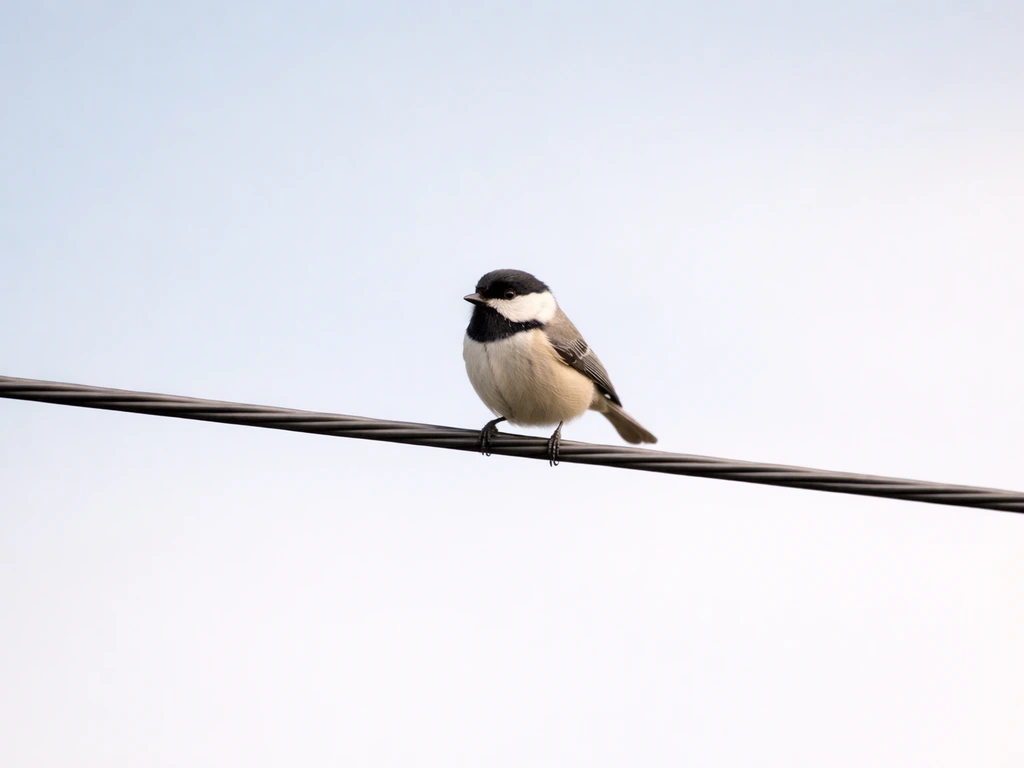
In a birding forum or a wildlife caption about an actual bird perched alone on a wire, 'lonely bird' is probably literal description, someone noting a bird that has strayed from its flock or is behaving unusually. That kind of usage is common with social species like starlings or pigeons, where isolation from the group stands out visually. Here the 'loneliness' is inferred by the observer rather than felt by the bird.
In every other common context, especially social media, song lyrics, poetry, and personal conversation, 'lonely bird' is figurative. The bird is a stand-in for a human emotional state. There are a few quick context clues that tell you which you are dealing with:
- First person language ('I'm such a lonely bird') always signals figurative, emotional use.
- A caption under a personal photo (not a wildlife shot) leans figurative, often as a mood descriptor.
- Quotes or lyrics referencing flying away, making a nest, or finding your way are figurative and often about recovery or heartbreak.
- A nature photograph with no human subject is more likely literal description, though still loaded with emotional projection.
- Spiritual or reflective posts pairing 'lonely bird' with themes of searching or wandering are metaphorical, drawing on birds as symbols of the soul.
Why bird imagery and loneliness fit together so naturally
Birds have carried symbolic weight in human culture for thousands of years, and the themes attached to them make 'loneliness' a surprisingly natural fit. Birds represent freedom, the soul, longing, and transition. A bird in flight is the universal image of something striving toward something else. When you ground that image in solitude, you get a symbol of longing that feels both beautiful and aching at the same time.
In folklore and spiritual traditions across cultures, birds are often messengers between worlds, between the living and the dead, between the earthly and the divine. A lone bird in that tradition is not just alone; it is unmoored, searching. That is why the 'lonely bird' image resonates emotionally even for people who have never consciously thought about bird symbolism. The meaning arrives on instinct.
There is also a contrast built into bird symbolism that loneliness exploits. Most birds are flock animals. They migrate together, roost together, sing in response to each other. A bird apart from all of that is conspicuously alone in a way a solitary animal like a hawk or an owl is not.
This is worth keeping in mind when you encounter related phrases: a solitary bird carries a different tone than a lonely bird. Solitary leans toward deliberate independence; lonely implies something is missing. This bird-without-wings meaning is why the phrase often shows up when someone feels stuck, longing for escape or connection a bird without wings meaning. Similarly, a lone bird often describes a single bird in a factual sense, without necessarily projecting sadness onto it.
Reading 'lonely bird' in quotes, lyrics, captions, and slang
The phrase turns up in surprisingly different registers, and the emotional weight shifts depending on where you find it. Here is how to read it across common contexts:
In poetry and older literature
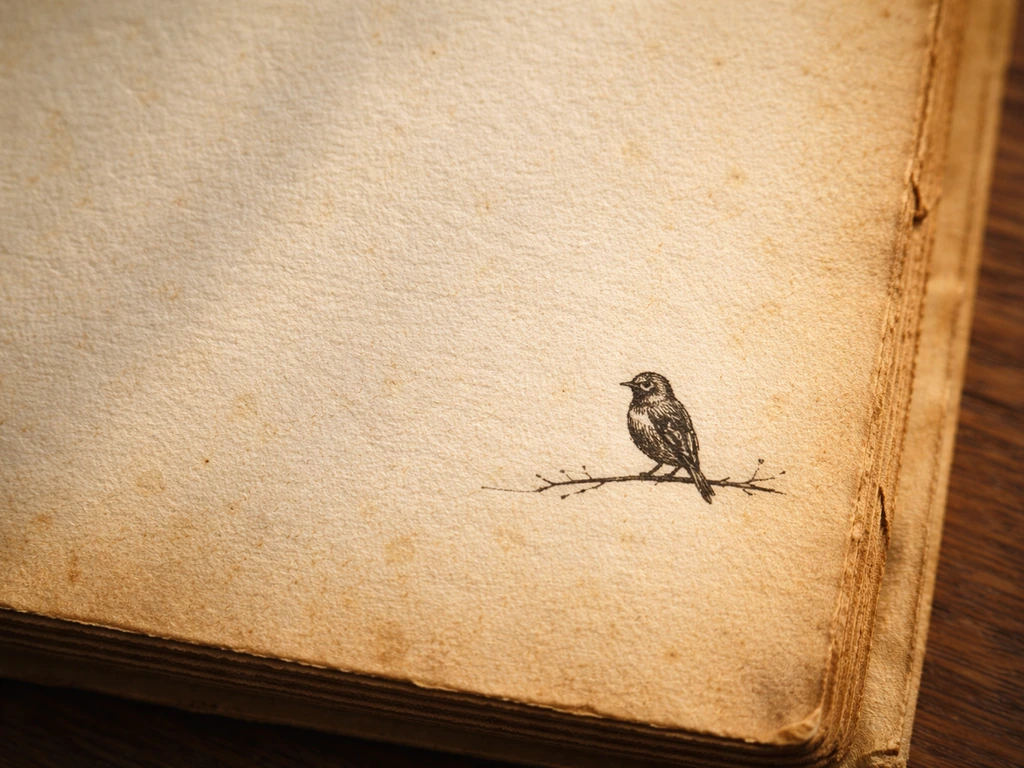
Poems like the 19th-century 'The Lonely Bird' use the image as a direct address to suffering, treating the solitary bird as a stand-in for grief, loss, or longing. The bird is almost always personified, given a voice or an emotional state. This is the most emotionally raw version of the phrase, often tied to themes of death, heartbreak, or exile.
In song lyrics
Songs use 'lonely bird' in two main ways. The first is as a self-label after a romantic loss: lines like 'and now I'm a lonely bird, gonna fly away from you' frame the speaker as someone hurt and leaving. The second way is more hopeful: lyrics like 'Hello lonely bird, finding your way / Make a nest, sit alone, or fly away' acknowledge the isolation but push toward endurance and eventual movement forward. That second use is worth noticing because it reminds you that 'lonely bird' is not always a purely sad expression. Sometimes it is a recognition of a hard phase, not a permanent state.
In social media captions and slang
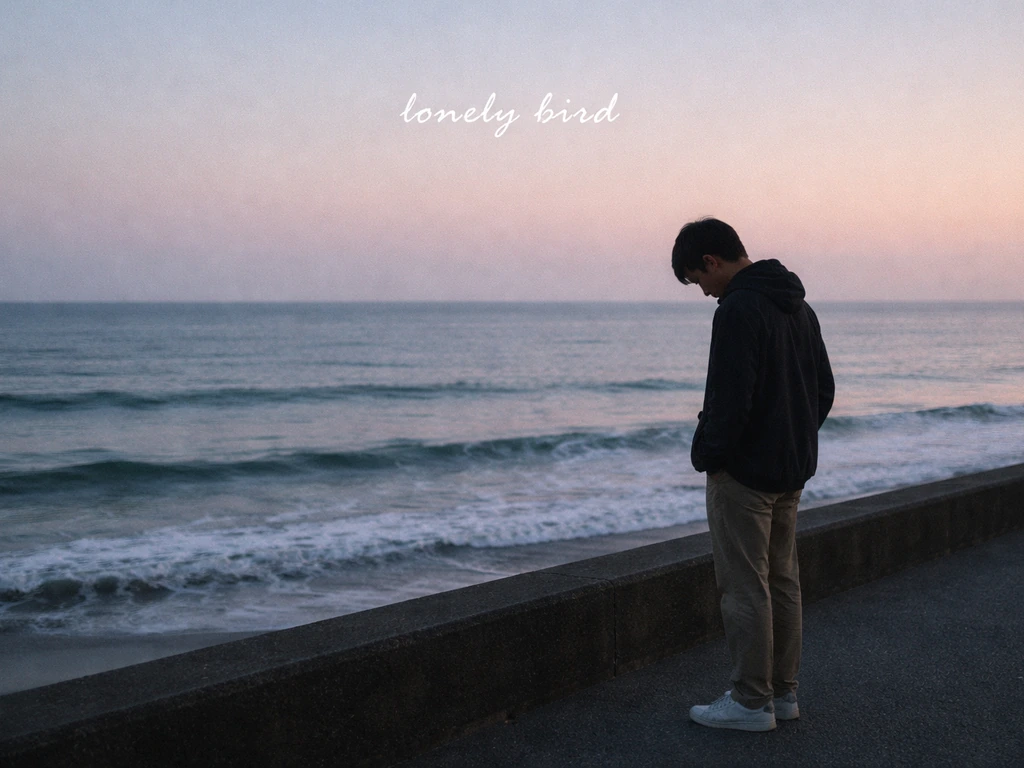
On Instagram or TikTok, 'lonely bird' shows up as a mood caption, often paired with a photo of the person alone in a beautiful or melancholy setting. In that context, the phrase is basically a way of asking for or admitting emotional distance, which is what many people mean when they say they are a “lonely bird.”. It functions as emotional shorthand: 'I'm feeling isolated right now and this image captures it.' In group chats or casual conversation, someone calling themselves or a friend a 'lonely bird' is usually being gently self-deprecating about spending time alone, sometimes with humor, sometimes with genuine wistfulness. The tone is almost always soft and personal rather than dramatic.
What it says about a person when they use it
When someone calls themselves a lonely bird, they are usually communicating a specific emotional blend that is worth taking seriously. It is not the same as saying 'I'm depressed' or 'I'm fine.' It sits somewhere in between: an admission of real emotional discomfort wrapped in the softening language of metaphor. The bird image adds a layer of wistfulness and beauty that makes the feeling easier to share without feeling too exposed.
Here is what the phrase often signals about what a person is experiencing:
- They feel disconnected from people around them, even if they are not physically alone.
- They are longing for deeper connection or a sense of belonging.
- They may be going through a transition (a move, a breakup, a loss) that has temporarily severed their usual support structures.
- They are expressing the feeling through metaphor because direct emotional disclosure feels too vulnerable.
- They still have hope, or at least awareness: a lonely bird can still fly. The image preserves agency even inside sadness.
It is also worth noting what the phrase does not necessarily mean. It is not automatically a sign of clinical depression or a crisis. It is not always romantic in origin. And it is not always purely negative: some people use 'lonely bird' with a kind of pride in their independence, acknowledging that they move through the world solo without framing that as entirely bad.
How to respond when someone says it about themselves
If a friend, partner, or acquaintance uses 'lonely bird' to describe how they feel, the most useful thing you can do is acknowledge it without immediately trying to fix it. The metaphor is an opening, not a request for a solution. Start by reflecting back what you heard: 'That sounds like a really isolating feeling, I'm glad you said something.' That validation matters more than any practical suggestion at the start.
From there, a few gentle approaches tend to work well:
- Ask a follow-up question rather than offering advice: 'Is that something that's been building for a while, or is it more recent?' This invites them to say more without pressure.
- Offer presence, not just sympathy. A simple 'Want to hang out this week?' is often more meaningful than a long supportive message.
- Avoid minimizing it with comparisons ('everyone feels that way sometimes') even if well-intentioned. It tends to close the conversation down.
- If the person seems to be struggling more seriously, mention gently that talking to someone, whether a trusted friend, a counselor, or a support line, can help more than carrying it alone.
If you see the phrase in a social media caption from someone you know, a direct message that simply says 'Saw your post, thinking of you' goes further than a like or a comment. It closes the gap the phrase is pointing to.
If 'lonely bird' resonates with you personally
If you found yourself searching for this phrase because it captured something you are feeling right now, that recognition is worth paying attention to. The phrase “bird without legs” is often used to describe someone who is stuck or unable to act. The fact that you identified with the image means you are aware of the feeling, and awareness is actually the first useful step.
Here are concrete next steps depending on where you are:
| What you're feeling | Practical next step |
|---|---|
| Mildly disconnected, situational (new city, post-breakup, busy period) | Reach out to one person this week, not a group chat, one specific person. Low-stakes contact (a meme, a voice note) is enough to start. |
| Persistently isolated over weeks or months | Look into community groups, classes, or recurring events where you see the same people regularly. Consistency builds connection faster than intensity. |
| Emotionally numb or struggling to see the point of connecting | This goes beyond loneliness as a mood. Talking to a therapist or counselor is worth pursuing, not as a last resort but as a practical tool. |
| Using the phrase humorously but noticing it also feels a little true | Take it seriously enough to check in with yourself. Humor is a valid coping style, but it is also worth asking whether the joke is masking something real. |
If you are in the US and need immediate support, the 988 Suicide and Crisis Lifeline (call or text 988) is available around the clock for anyone struggling with emotional distress, not just crisis situations. In other countries, equivalent services exist and a quick search for 'mental health support line' plus your country will surface them.
The bigger takeaway
The phrase 'lonely bird' packs a specific kind of emotional honesty into a small image. It says: I am built for connection, I know what it feels like, and right now I am without it. That is a legitimate and human thing to feel, and it matters whether you are the one feeling it or the one receiving the message from someone else.
Understanding the symbolism behind it (why birds, why loneliness, why this particular pairing resonates so widely) helps you respond with the right kind of attention rather than brushing it off as just a caption or a lyric. The one-legged bird meaning is a related expression that refers to a person standing alone, often with a sense of being left behind or struggling.
If you're wondering about a different phrase like “headless bird meaning,” it's worth checking the exact context because similar-sounding sayings can carry very different symbolism. If you meant “headless bird meaning,” it can refer to a different kind of symbolism, so check how it’s used in the source you saw. And if it resonates personally, the best thing the image can remind you of is the second half of what birds represent: they do not stay still. They find their way.
FAQ
Does “lonely bird” always mean clinical depression or a serious mental health crisis?
Not usually. “Lonely bird” is a metaphor for isolation or longing, and people can say it when they are simply having a quiet, off, or transitional season. If someone also describes persistent hopelessness, loss of interest, or thoughts of self-harm, that is a different situation that warrants direct support beyond interpreting the phrase.
What is the difference between “lonely bird” and “solitary bird” in meaning?
A lonely bird implies emotional absence, not just preference. If the person is choosing solitude and seems okay with it, wording like “solitary,” “independent,” or “quiet time” is more consistent. “Lonely” tends to carry a stinging feel, even if the person uses it lightly or jokingly.
Can “lonely bird meaning” apply to animals, not people?
Yes, sometimes it can be literal, especially in wildlife contexts like a caption about a bird perched alone, a bird missing from a flock, or unusual behavior. Look for practical details (location, species, “stray,” “separated,” “left behind”) rather than emotional statements about longing or heartache.
Is “lonely bird” a red flag when someone writes it in a caption or lyric?
In most lyrics and captions, it is not meant as a diagnosis or a threat. It is closer to “I feel isolated” or “I miss connection.” However, if the surrounding text shows escalation (for example, “no one will ever come back” or “I can’t do this anymore”), treat it as an urgent emotional signal and respond accordingly.
What should I say to a friend who calls themselves a “lonely bird”?
If you want to respond well, start with validation rather than advice. A good structure is, acknowledge the feeling, invite connection, then offer a small concrete next step, for example: “That sounds really isolating. Do you want to talk, or would you rather I distract you with something fun?”
If I see “lonely bird” used about the self online, how can I tell whether it’s joking or serious?
Calling yourself a lonely bird can be either self-deprecating or heartfelt. Watch for intent markers: if they add humor or “haha” it is often playful loneliness, if they add sadness words (missing you, quiet, empty, ache) it is more vulnerable. Your response should match the level of emotional exposure.
What common mistake should I avoid when someone uses this metaphor?
If someone says it, they may not want you to “solve” anything immediately. Avoid jumping to relationship checklists or big-fix suggestions. Instead, ask one permission-based question (for example, “Do you want comfort or solutions?”) to prevent unintentionally invalidating them.
Does “lonely bird” tell you the cause of someone’s loneliness?
A person’s “lonely bird” phrasing can still be consistent with different reasons for isolation, like grief, moving to a new place, burnout, or relationship distance. The metaphor does not specify cause, so asking a gentle follow-up (for example, “What part of life feels most alone right now?”) gets you to the real issue.
How do I know whether “lonely bird” is describing a phase or a long-term identity?
It can also be used as a temporary state, not a permanent identity. If you want a quick decision aid, listen for time cues (for example, “right now,” “this season,” “after we broke up”) versus identity cues (“I am always,” “I’ll never”). The former points to a phase, the latter suggests deeper patterns.
If “lonely bird” describes how I feel, what is a practical next step I can take today?
If the expression lands for you personally, it can be a prompt to take a small action that restores connection, like reaching out to one person, joining an activity you can attend solo but in public, or scheduling a low-stakes call. The phrase works best when you turn the emotion into one concrete next step, not just interpretation.
Next Article
Headless Bird Meaning Explained: Literal, Metaphor, Omens
Learn headless bird meaning: literal vs metaphor vs omen, plus how headless differs from dead bird and what to do.