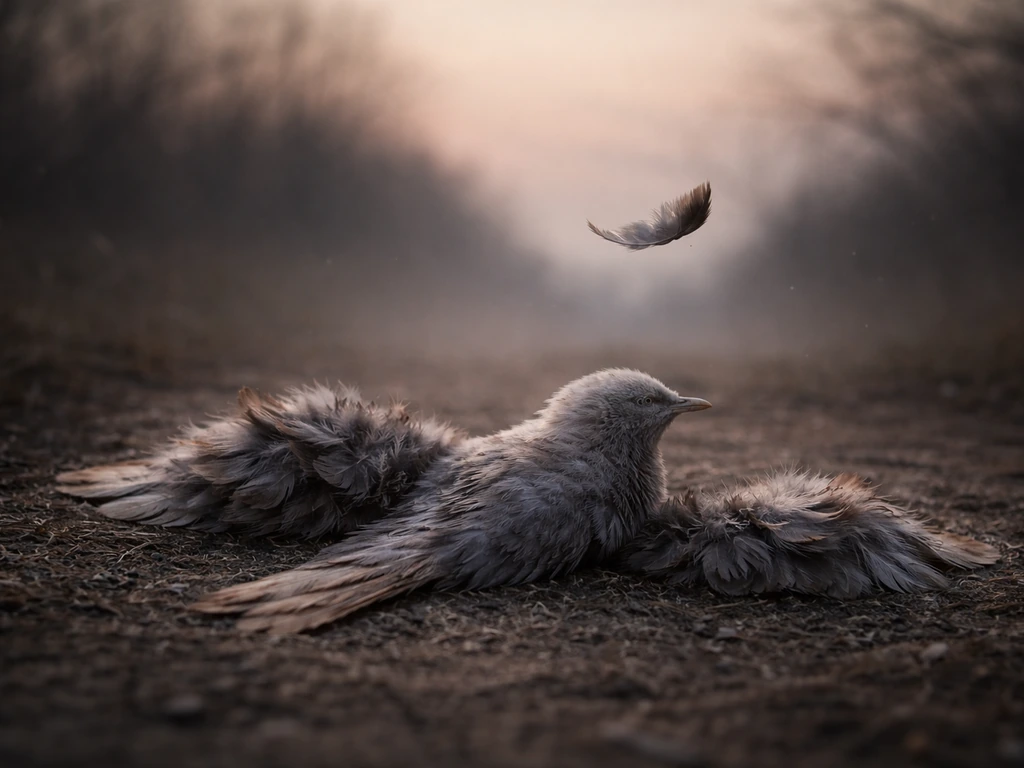
When people search 'headless bird meaning,' they're usually in one of two very different situations: they either just found something disturbing in their yard and want to know what happened, or they encountered the phrase somewhere (a conversation, a dream, a social media post) and want to know what it symbolizes. Those are genuinely different questions, and the answer to one doesn't help you with the other. This guide will walk you through both, help you figure out which one actually applies to you, and tell you exactly what to do next.
Headless Bird Meaning Explained: Literal, Metaphor, Omens

Marcus Winters
22 Apr 2026
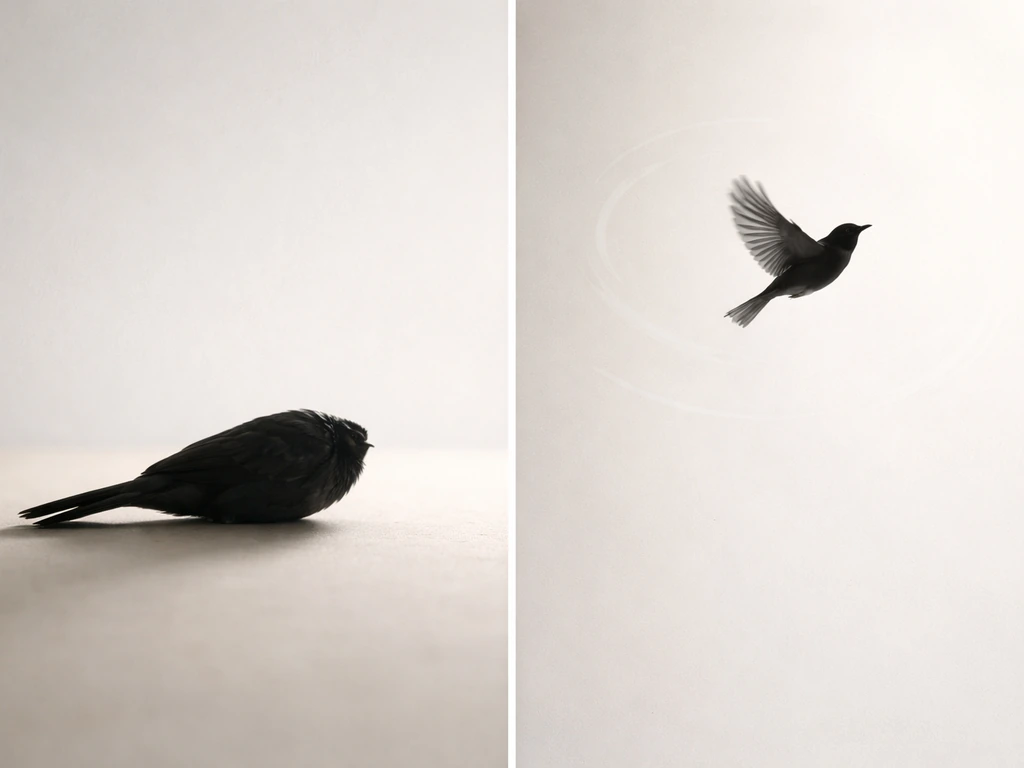
What 'headless bird' usually refers to
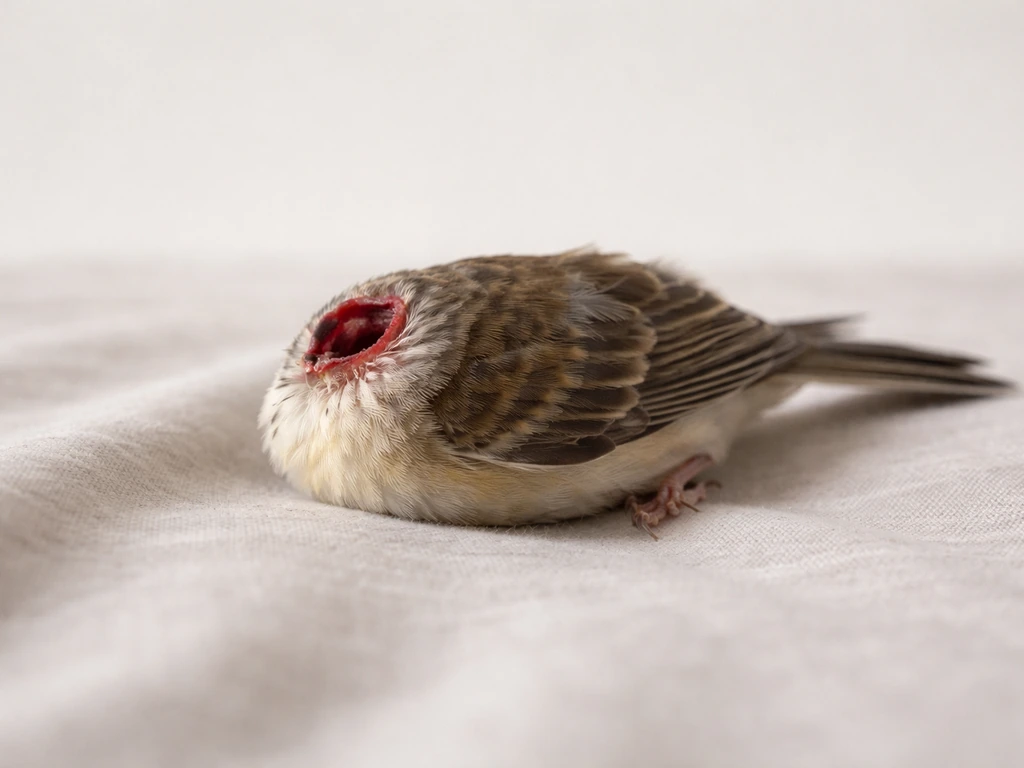
At its most basic, 'headless' means exactly what it sounds like: the head has been removed or is absent. When applied to a bird, it almost always describes a literal physical condition before it describes anything symbolic. News coverage of incidents like the Las Vegas headless bird reports from several years back treated the discovery as a crime or wildlife curiosity, not a supernatural event. Investigators and journalists framed those birds as 'decapitated,' which is the literal read: something (an animal, a person, a machine) removed the head.
The figurative use of 'headless bird' is less established as a fixed idiom and more of a descriptive metaphor people reach for when trying to express something symbolic. It doesn't have the same centuries-long idiomatic history as, say, 'a bird in the hand.' When you see it in spiritual or folkloric contexts, it's usually someone borrowing the literal image and layering meaning onto it, rather than citing an old established saying. That distinction matters a lot when you're trying to figure out what someone means.
What 'headless' means in bird symbolism
In symbolic thinking, a bird's head represents guidance, consciousness, and perception. Birds in general have long been associated with messages, spiritual direction, and higher awareness across many traditions. The head is where that guidance originates. So when someone interprets a 'headless bird' symbolically, they're usually pointing at themes of lost direction, blocked communication, or severed connection to whatever the bird was meant to represent. If you are also curious about a hollow bird meaning, compare the context and symbolism to see what kind of message it is meant to convey.
Think of it this way: if a bird symbolizes a message or a messenger, a headless bird is a message that never arrives, or a guide who can no longer lead. That's the core symbolic logic. It can be read as warning against decisions made without clear thinking, or as an image of confusion and loss of purpose. Some people also interpret it as a symbol of something being violently cut off, whether that's a relationship, a path forward, or a connection to intuition. If the symbol you're working with is a solitary bird, the meaning is often about independence and inner guidance rather than a fixed omen solitary bird meaning. Related ideas show up in comparisons to other incomplete-bird images, like a bird without wings or a one-legged bird, where the missing part signals a specific kind of limitation or loss. This idea is why people also look up the one-legged bird meaning, since missing body parts are often treated as symbols of specific limits. A similar “missing part” idea is captured in the phrase “a bird without wings,” which is often used to describe a limitation or lack of direction a bird without wings meaning.
What a dead bird symbolizes on its own
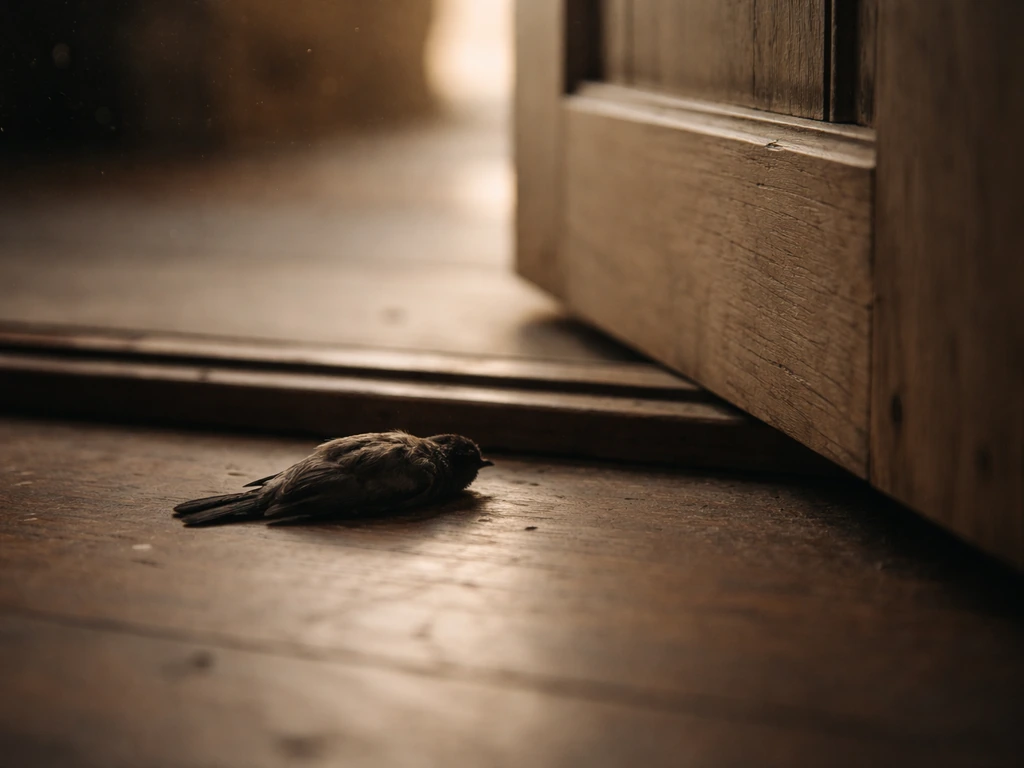
Dead bird symbolism has a long, cross-cultural history. In ornithomancy, the ancient Greek practice of reading omens from birds, the condition and behavior of birds were used to predict outcomes for individuals and armies. Welsh folklore gave us the Aderyn y Corff, or 'corpse bird,' described as a creature whose chirping outside a dying person's door foretold death. These traditions framed dead or death-associated birds as meaningful signals, and that framing has carried into modern spiritual communities.
The most common symbolic reading of a dead bird today is 'an ending.' That ending isn't always framed as negative: many interpretations suggest a dead bird signals the close of one chapter and the beginning of another, transformation, or the need to release something that's no longer serving you. The 'bad omen' reading (death, misfortune approaching) is one interpretation among several, and it tends to dominate because fear is more memorable than nuance. It's worth knowing, though, that birds die from window strikes, disease, predation, and old age constantly, and wildlife monitoring organizations actively track dead bird reports as a public health tool, not a spiritual signal.
How 'headless dead bird' shifts the interpretation
When 'headless' and 'dead' combine, the symbolic weight changes. A dead bird alone can suggest transformation or endings. A headless dead bird specifically adds the dimension of violence, forced severance, and finality without resolution. In symbolic terms, it's not just that something ended: it's that the ending was abrupt, perhaps premature, and the guidance or message that bird carried is permanently inaccessible. If you're working within a symbolic framework, that's a notably darker image than a simply deceased bird.
In literal terms, the combination tells you something specific happened to that bird. Decapitation in wildlife almost always points to a predator (cats are a very common culprit), a deliberate human act, or sometimes a vehicle strike. It's a physical description of cause and condition. That's why when you read news reports about headless birds, the language immediately goes to investigation and physical explanation rather than meaning-seeking. The physical specificity of 'headless' is a strong signal that the writer is working literally, not symbolically.
How to figure out which meaning applies to your situation
Context is your best tool here. Ask yourself a few honest questions about where you encountered 'headless bird' and how it was framed.
- Where did you see or hear it? A news article, a wildlife forum, or a safety-focused post almost certainly means literal. A dream interpretation site, a spiritual community, or a personal reflection usually means symbolic.
- Does the text include physical details like location, species, or condition of the bird? That's a literal frame. Does it include phrases like 'message from,' 'sign that,' or 'the universe is telling you'? That's a symbolic frame.
- Is the source citing a named tradition (ornithomancy, a specific cultural folklore, a named text)? That suggests an established symbolic system rather than improvised meaning. Is it just asserting significance without any cultural grounding? Be more skeptical.
- Are you dealing with a real bird you actually found, or is this about a phrase, a dream, or something someone said? Real-world bird plus the phrase 'headless' is almost certainly a literal situation, not a symbolic one.
- What's the emotional tone of the source? Fear-based urgency ('something terrible is about to happen') with no physical or practical detail is a red flag for unfounded omen claims.
The clearest disambiguation rule: if the text talks about decapitation, investigation, reporting, or safety steps, it's literal. If it talks about signs, messages, energy, or transformation without any observational specifics, it's symbolic. Most genuine folkloric or cultural symbolism explanations will at least point to a named tradition or text, not just assert that this 'means something.'
Practical next steps depending on your situation
If you found a real headless or dead bird
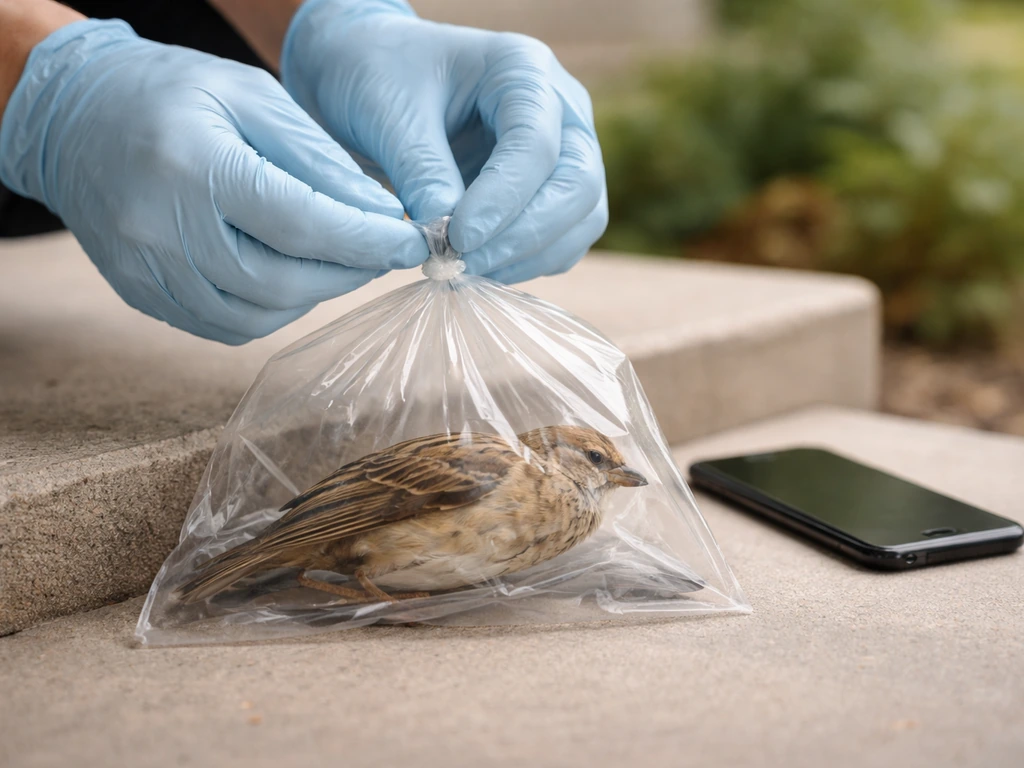
blank" rel="noopener noreferrer">Do not touch it with bare hands. CDC says to blank" rel="noopener noreferrer">avoid direct contact or close exposure to sick or dead wild birds and not to touch a bird carcass with bare hands if local authorities advise you to discard it. Both the CDC and wildlife organizations are clear on this: dead wild birds can carry avian influenza, West Nile virus, and other pathogens. The risk increases if the bird appears to have died from an unknown cause. If you need to move it (for sanitation or to clear a pathway), use gloves or a double-layered plastic bag as a barrier, avoid touching your face, and wash your hands thoroughly afterward even if you used protection.
For reporting: your state wildlife agency or state health department is the right call. In the U.S., the USDA APHIS and state-level equivalents (like Oregon's ODFW dead bird reporting system) have formal intake processes for dead wild bird reports, especially during disease surveillance periods. West Nile virus monitoring specifically relies on citizen reports of dead birds. You're not overreacting by reporting: you're contributing to a public health system that tracks disease spread.
- Don't touch the bird with bare hands. Use gloves or a plastic bag as a barrier.
- Keep children and pets away from the area until you've dealt with it.
- If it's a single bird with no obvious cause (window strike, cat attack), report it to your state wildlife agency or health department.
- Wash hands with soap and water for at least 20 seconds after any contact or nearby handling.
- Do not dispose of a dead bird in a compost pile or open trash without double-bagging it first.
If you're trying to interpret a phrase, dream, or symbolic reference
Start by identifying the tradition or framework the phrase comes from, if any. Symbolic bird meanings vary enormously across cultures: what functions as a death omen in one Welsh folk tradition might be a sign of transformation in another cultural system entirely. If someone told you a headless bird 'means something specific,' ask them what tradition they're drawing from. If they can't name one, treat it as personal interpretation rather than established symbolism. If you are trying to interpret a lonely bird meaning, treat it the same way by checking the symbolism framework and the tradition behind the claim.
For dreams specifically, the headless bird image is often read through the lens of blocked communication or lost direction, consistent with what the symbolism section above covers. But dream interpretation is inherently personal: the meaning that resonates for you given your current life circumstances matters more than any generic definition. The symbolic reading is a starting point for reflection, not a verdict. If you're trying to pin down a specific “lone bird meaning,” focus on the symbolism framework you’re using and what the image is trying to communicate.
Common myths about bird omens (and how to engage responsibly)
The biggest myth is that bird omens are universal: that a dead bird always means the same thing to every person in every tradition. They don't. Welsh corpse-bird folklore, Greek ornithomancy, and modern New Age interpretations all work with birds as symbols but reach very different conclusions. Anyone claiming a single definitive meaning for 'headless bird' without qualifying which tradition they're drawing from is oversimplifying to the point of being misleading.
The second myth worth flagging is that omen interpretations are reliable predictions. Community discussions in spiritual spaces show a recurring pattern: someone panics about a dead bird being a sign of imminent doom, and more experienced community members point out that birds die from window strikes, disease, and predation all the time. That's not dismissing the symbolic tradition: it's noting that the physical reality of birds dying frequently and unremarkably should inform how seriously you take a single sighting as a personal omen directed at you specifically.
The responsible way to engage with bird symbolism is to treat it as one layer of meaning among several, not as a standalone prediction system. Read about the named traditions (ornithomancy, specific folklore) if you're genuinely curious. Notice what resonates with your circumstances. But don't let omen anxiety override practical action, especially when a real animal and real public health considerations are involved. The symbolism is interesting and worth exploring. It just shouldn't make you skip washing your hands.
Literal vs symbolic: a quick reference

| Signal | Likely literal | Likely symbolic |
|---|---|---|
| Source type | News, wildlife agency, safety guidance | Spiritual community, dream journal, folklore site |
| Language used | Decapitated, found, reported, species | Sign, message, omen, energy, transformation |
| Physical details present? | Yes: location, condition, cause | No: general statement of meaning |
| Named tradition cited? | Not usually relevant | Should be present for credibility |
| Your situation | You found an actual bird | You heard/read a phrase or had a dream |
| Next step | Don't touch, report to wildlife/health agency | Identify tradition, reflect on personal context |
Whether you landed here because of something you found outside or something you read or heard, the core takeaway is the same: the phrase 'headless bird' almost always tells you more about the frame it's being used in than about any fixed universal meaning. Read the context, ask the right questions, and let that context guide what you do next. A similar symbol is the idea of a bird without legs, which is often linked to limitation or being unable to move forward bird without legs meaning. That approach will serve you better than any single symbolic definition.
FAQ
If I saw a headless bird in my yard, does that automatically mean it was an omen?
Not automatically. Start with the literal possibilities first (predators like cats, a vehicle strike, or window collision). Only after you confirm it was not an accident or injury source should you consider any symbolic interpretation as personal reflection, not a prediction.
How can I tell whether a headless-bird post online is describing a real event versus using symbolism?
Look for observational details. Mentions of location, date, reporting steps, investigation language, or safety guidance typically indicate a literal incident. Posts that focus on emotions, life themes, or “messages” without any physical specifics are more likely metaphor.
What should I do if I find a headless bird on the ground and I need to move it for safety?
Use barrier protection (gloves and/or a double-layer bag), avoid touching your face, and wash hands thoroughly afterward. Keep pets away until you are done, and consider contacting local wildlife or health authorities if the cause is unclear.
Does the “headless” part matter differently than a “dead bird” in symbolism?
Yes, in symbolic readings it often shifts the theme from “an ending” toward “an abrupt termination” (loss of guidance or severed connection). In the real world, it more strongly points to decapitation causes (predation or deliberate human action), so you should prioritize physical explanation.
Can window strikes or animals other than cats cause decapitation?
Decapitation can happen from multiple causes, including predation by several animals and sometimes severe vehicle or impact trauma. Because the cause is not always obvious, treat it as uncertain until you can assess the scene (where it fell, any visible predation signs, nearby risks).
What if the bird is only missing the head but still looks fresh, should I be more concerned?
Freshness can increase uncertainty about cause, especially if multiple birds are involved. It is a good reason to report to the appropriate local agency and reduce contact, because the underlying issue may be infection, predation, or another risk factor.
Is it safe to bury or dispose of a headless bird myself?
Often you can, but the safest approach is to follow your local guidance. If the cause is unknown or you suspect disease, authorities may prefer specific handling and reporting. At minimum, avoid direct contact, double-bag, and wash thoroughly.
If I’m interpreting a headless-bird image in a dream, should I treat it like a literal threat?
Usually no. Dream symbolism is personal, and the same image can mean different things depending on your current stressors and relationships. Use it as a prompt to reflect on areas where you feel blocked communication or lack of direction, rather than as a forecast.
Someone told me a specific “headless bird meaning” from a spiritual tradition. What’s the best way to check if it’s legitimate?
Ask which tradition or source framework they are drawing from and what context they’re using. If they cannot name any tradition or if the claim is presented as universally guaranteed, treat it as personal interpretation rather than an established meaning.
What’s the biggest mistake people make when they see a dead or headless bird?
They jump straight to doom predictions and skip practical precautions. Even if you want to explore symbolism, do not let fear delay safe handling and reporting, especially during higher-risk seasons for bird-borne illnesses.
Next Article
A Bird Without Wings Meaning: Idiom and Lyrics Explained
Meaning of a bird without wings, figurative symbolism and how to decode it in song lyrics using context and clues.