
A bird without wings means something that is fundamentally incomplete, unable to do what it was meant to do. In everyday figurative use, it describes a person, idea, or movement that is missing the essential element it needs to function, rise, or be free. That's the short answer. But depending on whether you're reading it in a poem, a song, a speech, or a conversation, the specific flavor of that meaning shifts. This guide walks you through every major interpretation, how to tell which one applies, and what to do when you're trying to decode a lyric that uses the phrase.
A Bird Without Wings Meaning: Idiom and Lyrics Explained

Marcus Winters
21 Apr 2026
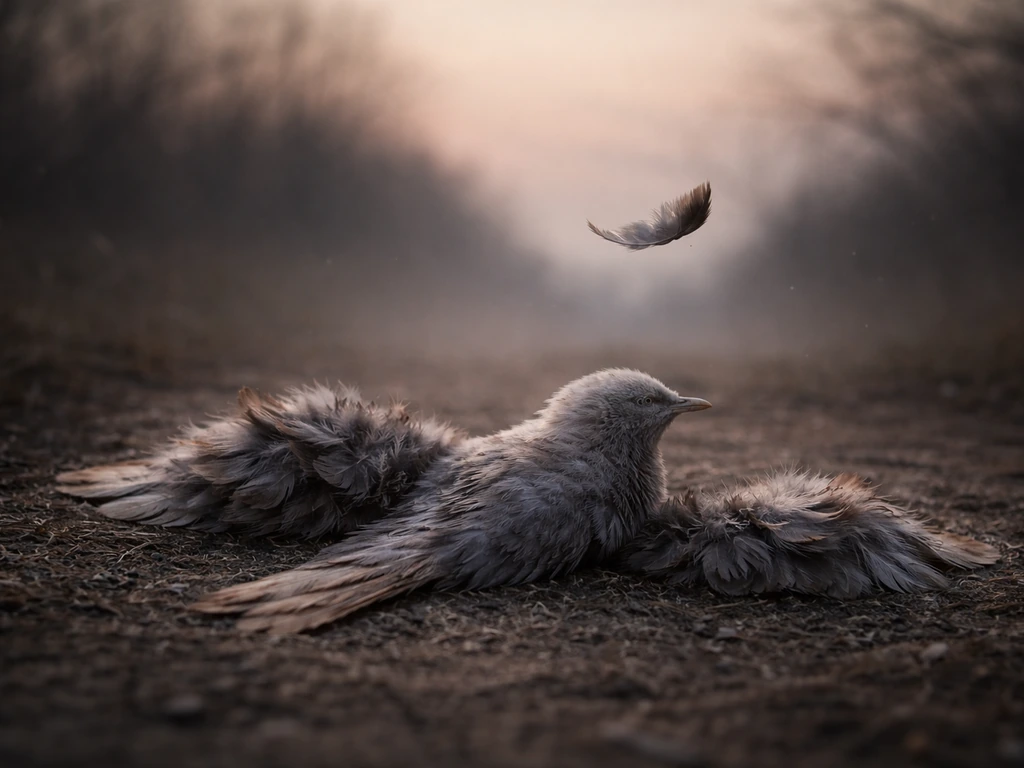
What the phrase means in plain everyday language
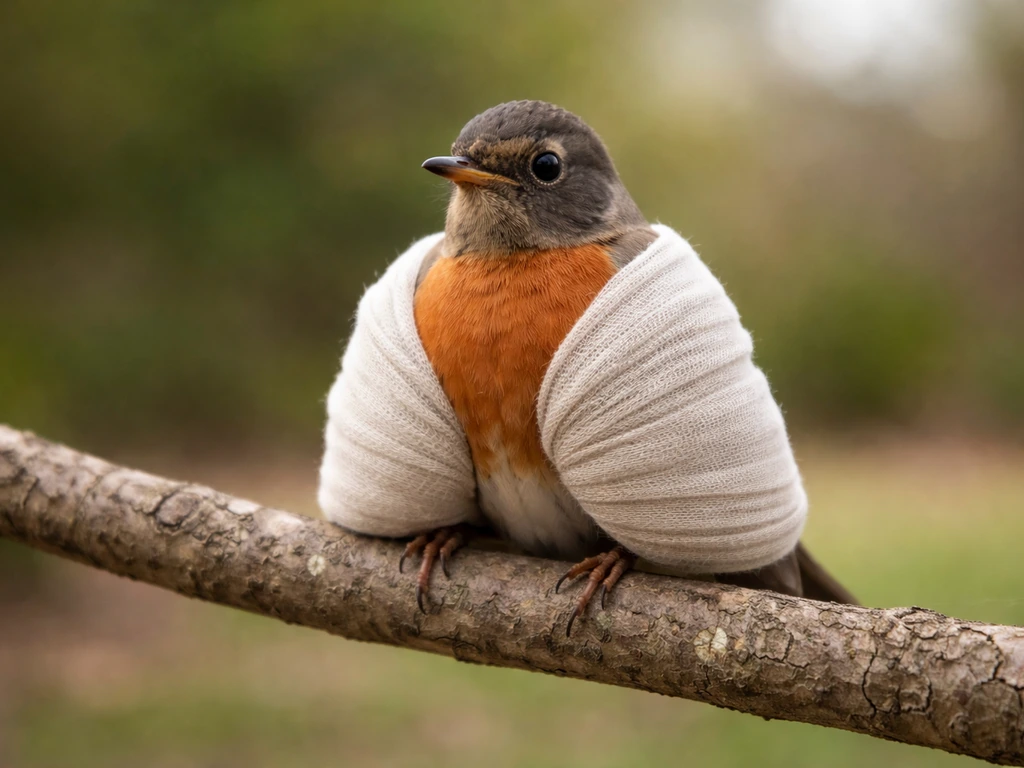
When someone calls something "a bird without wings," they're saying it's missing the one thing that defines it. A bird is known for flight. Take away wings and it can no longer do what a bird is supposed to do. That gap between what something should be and what it currently can do is the core of the metaphor. In practice, you'll hear it used to describe helplessness, incompleteness, or a condition where someone or something is grounded when they should be soaring.
Civil rights leader John Lewis used it exactly this way. He described the civil rights movement as "a bird without wings" unless freedoms like speech, press, and music were protected, meaning the movement couldn't truly fly, couldn't operate effectively, without those enabling conditions. That's a good illustration of how the phrase works in real speech: you're not talking about actual birds. You're talking about something that is prevented from reaching its potential because something vital is absent.
Symbolism across cultures and why it keeps showing up
Birds carry enormous symbolic weight in almost every culture. They represent freedom, transcendence, the soul, aspiration, and the ability to move between earthly and spiritual realms. That's exactly why removing their wings is such a powerful image. In Buddhist-influenced symbolic traditions, a bird without wings represents a state of incomplete spiritual development, lacking the essential capacity to transcend or progress fully. The image isn't just about being stuck physically; it's about being stuck spiritually or aspirationally.
Across Eastern literary and poetic traditions, the motif appears regularly. The Persian poet Saadi wrote, "A traveller without observation is a bird without wings," using the image to say that without curiosity and awareness, a person cannot grow or explore in any meaningful sense. That quote has circulated widely for centuries because it captures something universal: the thing that should carry you is missing, so you're grounded even when everything else looks right.
In Louis de Bernières's novel Birds Without Wings, an in-text saying attributed to a character named Iskander the Potter puts it this way: "Man is a bird without wings, and a bird is a man without sorrows." That line does double duty. It frames humans as perpetually incomplete (always reaching for something they can't fully grasp) while also suggesting that true freedom, the kind birds have, comes at the cost of human feeling. The phrase is doing layered cultural work there, not just describing limitation but asking what freedom actually costs.
Where the phrase came from and how interpretations split
The literal reading
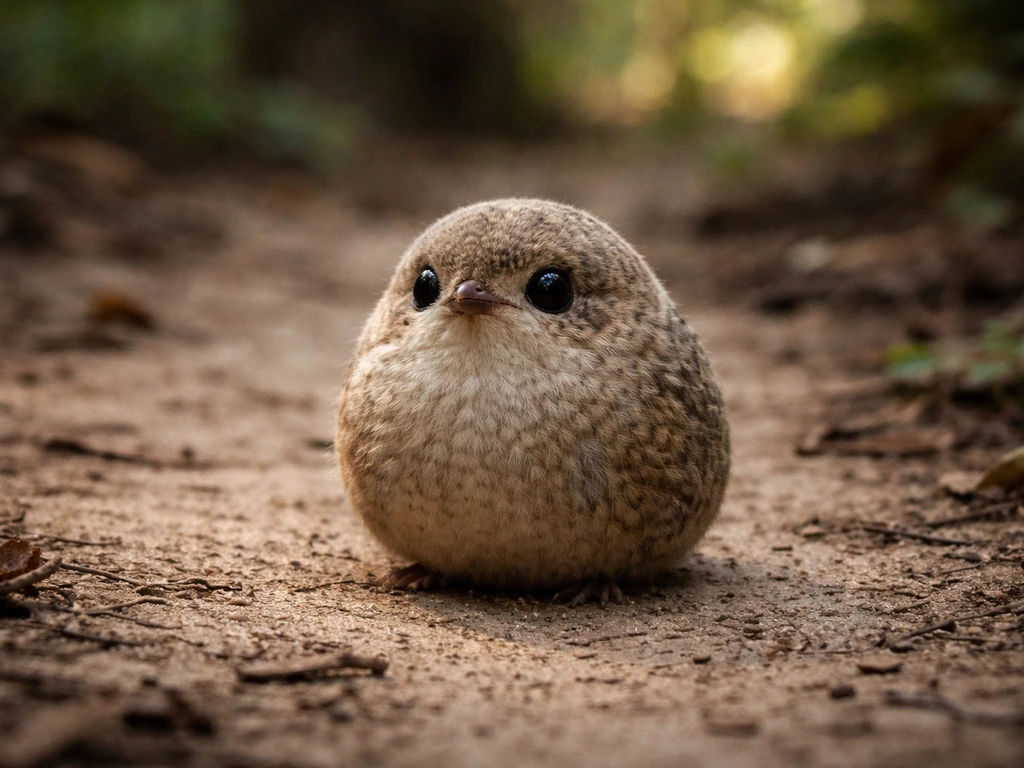
Taken literally, a bird without wings is simply a biological impossibility or a deformity, an animal that cannot fulfill its natural function. In that reading, the phrase is neutral and descriptive. You might encounter this in a biology or wildlife context, but in everyday language and literature, pure literal use is rare. If someone says "there's a bird without wings in the nest," they're probably describing a real situation. But even then, most listeners will instinctively reach for the figurative layer.
The figurative reading
The figurative reading dominates. Here, "bird" stands in for a person, a cause, an idea, or a relationship, and "without wings" signals the absence of something essential. The emotional register can range from political (a movement that can't advance) to personal (a person who feels unable to escape or grow). What tips you toward the figurative reading in any given text is usually the surrounding context: Is the bird described as "longing" to fly? Is it paired with human emotional states like loneliness or loss? If yes, you're firmly in metaphor territory.
How it shows up in songs and what the lyrics usually mean

Celtic Thunder's "A Bird Without Wings" is probably the most directly searchable example of the phrase in song form. The lyrics build a chain of comparisons: like a bird without wings, like a motherless child, like a song without words, like a world without music, like a church with no steeple, like a town without people. Each image describes something that exists but is hollowed out, present but purposeless. Then the emotional anchor arrives: "I wouldn't know what to do / I'd be lost without you." That line tells you exactly what the bird without wings represents here, the narrator without the person they love.
The grammar in that lyric is important. The phrase appears as "like a bird without wings," which is a simile, not a direct statement. That "like" signals you're in figurative territory immediately. Pair that with "longs to be flying" and you have a double confirmation: this is emotional incompleteness, not ornithology. The song maps the bird image onto dependence, longing, and the sense that without this specific person, the narrator loses direction entirely.
Superfly's "The Bird Without Wings" (2012) takes a more allegorical route, using the image as a broader theme rather than a single lyric. It was used as a theme song for the film Ushijima the Loan Shark, and in that context the wingless bird reads as a figure trapped by circumstance, unable to rise or escape a constrained existence. Superfly’s theme song “The Bird Without Wings” was used for the film Ushijima the Loan Shark blank" rel="noopener noreferrer">theme song for the film Ushijima the Loan Shark. Same core symbolism, different emotional texture: less about love and more about entrapment and systemic limitation.
How to interpret any lyric that uses this phrase
If you're trying to decode a specific song that uses "a bird without wings," here's a reliable four-step process that lyric analysts use consistently.
- Identify the central metaphor: What is the bird standing in for? A person, a relationship, a situation?
- Track how the phrase repeats: Does it appear in the verse, the chorus, or both? Repetition in the chorus usually signals it's the emotional core of the song.
- Map the parallel lines: If the lyric chains "X without Y" comparisons (bird without wings, song without words, etc.), each parallel adds emotional weight to the same central idea. Together they define what kind of incompleteness the song is describing.
- Find the narrative situation: Who is the speaker? Who or what is absent? The answer usually tells you what "wings" represent in this specific lyric.
The emotional and psychological weight people attach to it

People reach for "a bird without wings" when ordinary words for feeling stuck or incomplete don't feel strong enough. The image carries a particular kind of pain: not just limitation, but the awareness that flight should be possible, that it's a defining characteristic, and that its absence is therefore especially cruel. The hollow bird meaning often focuses on that same ache of being incomplete, unable to fully rise or move forward a particular kind of pain. That's different from saying you feel blocked or restricted. The wingless bird implies you were built for something more, and something has taken that away.
Common emotional themes people associate with the phrase include restriction, helplessness, longing, and feeling emotionally or creatively "grounded" when you should be free. In personal contexts, people use it to describe depression (unable to move or act despite having the desire), grief (losing the person or thing that gave life lift), or creative paralysis (having ideas but lacking the means or confidence to execute them). The phrase has a built-in implied contrast: the wings that should be there, the flight that should be happening. That contrast is what gives it its emotional punch.
Sorting out the confusion: this phrase vs similar idioms
"A bird without wings" gets grouped with several related images that actually carry different meanings. If you want more context on how the phrase functions in daily speech, this is also closely related to what does a headless bird mean. Knowing the difference helps you choose the right reading quickly. To understand what does a headless bird mean, look for it in the context of storytelling, symbols, or common idioms because the intended message depends on usage.
| Phrase/Image | Core meaning | Key distinction |
|---|---|---|
| A bird without wings | Fundamentally incomplete; missing the capacity to do what defines you | The limiting element is internal/intrinsic, the wings are simply absent |
| Caged bird | Freedom denied by external confinement; the ability exists but is suppressed | The bird has wings but is trapped; the limitation is external |
| Lone/solitary bird | Isolation, loneliness, or self-reliance depending on context | About social condition, not physical capacity; the bird can still fly |
| Headless bird | Confusion, loss of direction, or a chaotic situation | About guidance and sense, not the ability to move or act |
| Bird without legs | Restlessness, inability to rest or settle, always in motion | About grounding and stillness rather than freedom or flight |
The key dividing line is internal versus external limitation. A bird without wings can't fly because it literally lacks the means. A caged bird can fly but is prevented from doing so by an outside force. That distinction matters a lot when you're reading poetry or lyrics: if the text is about oppression or imprisonment, you're in caged-bird territory.
If it's about incompleteness, missing purpose, or emotional dependency, the wingless bird is the right frame. Lone bird and solitary bird meanings handle a different emotional register altogether, closer to themes of isolation than of limitation, and the one-legged bird image points toward restlessness and impermanence rather than the inability to soar. Lone bird and solitary bird meanings overlap with lonely bird meaning, but they emphasize isolation more than lack of capacity.
Lone bird meaning can shift the focus toward isolation and loneliness rather than simple limitation. When you hear people talk about lone bird meaning, they often mean the same idea of being isolated or incomplete, but with loneliness at the center.
What this phrase might be telling you in a personal context
If someone uses "a bird without wings" to describe you, themselves, or a situation you're both in, the message is usually one of three things: they feel you (or they) are missing something essential to function properly, they're expressing that a relationship or condition is so central to their identity that losing it would make them unable to operate, or they're making a broader point about a cause or goal that can't succeed without specific enabling conditions.
Context is your best guide. If the phrase comes with emotional language like "lost," "alone," or "don't know what I'd do," it's about personal dependence and love. If it comes with language about rights, conditions, or missing resources, it's more likely the John Lewis sense: something that should work but can't without the right enabling elements. If it comes with language about rights, conditions, or missing resources, it can be similar to headless bird meaning in how both point to something essential being absent. If it appears in a spiritual or reflective conversation, it may be pointing to the Buddhist-influenced sense of incomplete development or blocked transcendence.
Practical steps if you're decoding a specific lyric or message
- Read the full verse, not just the line. The surrounding lines almost always define what the wings represent.
- Notice whether the phrase appears as a simile ("like a bird without wings") or a direct metaphor ("I am a bird without wings"). Simile usually signals emotional comparison; direct metaphor signals stronger identification.
- Check what comes right after the phrase. In Celtic Thunder's song, the follow-up line is "I'd be lost without you," which anchors the metaphor in romantic dependence. That follow-up is where the real meaning lives.
- Ask what's absent in the speaker's story. Wings are always standing in for something. Figure out what that something is (a person, a freedom, a resource, a belief), and you've decoded the phrase.
- If you're still unsure, look at the song's broader theme or the artist's catalog. A song about grief reads the wingless bird differently than a protest song does.
The phrase "a bird without wings" is one of those expressions that rewards a second look. On the surface it's a simple image. But it carries a lot of freight: cultural history stretching back to Persian poetry, spiritual symbolism from Buddhist traditions, political force from civil rights rhetoric, and emotional intimacy in love songs. Whatever context you found it in, the core message is consistent.
Something is missing that should be there, and without it, the thing described cannot be what it was meant to be. This is closely related to the bird without legs meaning, where the phrase points to an essential capability that is absent bird without wings. The one-legged bird meaning is often used in a similar way, pointing to limitation and a missing essential capacity bird without wings. That's the meaning.
Everything else is about figuring out what the wings represent in that specific moment.
FAQ
How can I tell if a lyric is using “a bird without wings” figuratively?
If the line uses “like,” “as,” or “as if,” it is almost always a simile, meaning the speaker is comparing something to a wingless bird rather than stating a literal fact. That usually signals emotional dependency (for example, “I’d be lost without you”) or an incomplete state, not a biological description.
Does the phrase always mean depression or helplessness?
Yes. When someone says “missing wings” or “without wings” in a personal context, it can be about feeling unable to act, but it can also be about grief or loss. A quick clue is whether the text names a specific absent source (a person, music, freedom) versus describing a general inability.
What’s the difference between “bird without wings” and “caged bird” in a poem?
Not necessarily. In some cases it can point to external oppression, such as being prevented from reaching potential, but the wording “without wings” stresses absence of the essential capacity itself. If the surrounding images include barriers like cages, locks, or guards, many readers switch to “caged bird” logic instead of “wingless bird” logic.
Why do some love songs connect the phrase to feeling “lost”?
In love songs, “bird without wings” often becomes a shorthand for orientation and direction. You can test this by looking for a claim about what happens when the loved one is gone, like being “lost,” “unable to cope,” or “can’t move forward,” which indicates the missing “wings” are emotional footing.
What does “a bird without wings” mean when it’s used as an entire album or film theme?
If the phrase is used as a theme rather than a single line, it usually supports an extended idea like constraint, entrapment by circumstance, or a system that blocks escape. In that format, the “wings” tend to represent broader freedom or agency, not one specific person or object.
Can the “wings” stand for something other than freedom?
A common mistake is to assume the wings always symbolize freedom. Sometimes they symbolize creativity, knowledge, or spiritual readiness, especially when the text mentions observation, curiosity, growth, or transcendence. Look for the domain the lyric is talking about (art, faith, learning, or rights) and match the “wings” to that domain.
How do I distinguish personal incompleteness from political missing conditions?
If a writer uses it to claim “I was built for something more,” that points to a gap between potential and reality. But if the writing emphasizes entitlement to wings (rights, enabling conditions, resources), it leans more political. The difference is whether the missing element is internal capacity versus external conditions.
What if someone uses the phrase casually, not in a poem?
In direct conversation, people sometimes use it hyperbolically, meaning “I feel stuck” rather than a precise metaphor. If the speaker also uses concrete substitutes like “can’t” or “won’t be able to,” treat it as an emotional shorthand, then ask yourself what “missing” thing they are referring to (time, confidence, support, opportunity).
How do I pick the “right” meaning when multiple themes are present?
The phrase usually wants an interpretation that fits the surrounding emotional register. If the text pairs it with longing, loneliness, or grief language, it is likely about emotional inability to soar. If it pairs it with enabling elements (speech, press, resources, conditions), it is closer to the rights or opportunity sense.
What should I look for if the lyric lists several “something without” images?
If it appears inside a chain of comparisons (bird, motherless child, song without words, world without music), it typically works like a “hollowing out” device. In that case, the most actionable decoding step is to identify the final concrete anchor line (often “without you” or “I’d be lost”), because that anchor determines what “wings” represent in the set.
Next Article
Amber Bird Meaning: Symbolism, Interpretations, and How to Use It
Learn amber bird meaning: disambiguate the phrase and interpret it using amber and bird symbolism, grounded steps includ