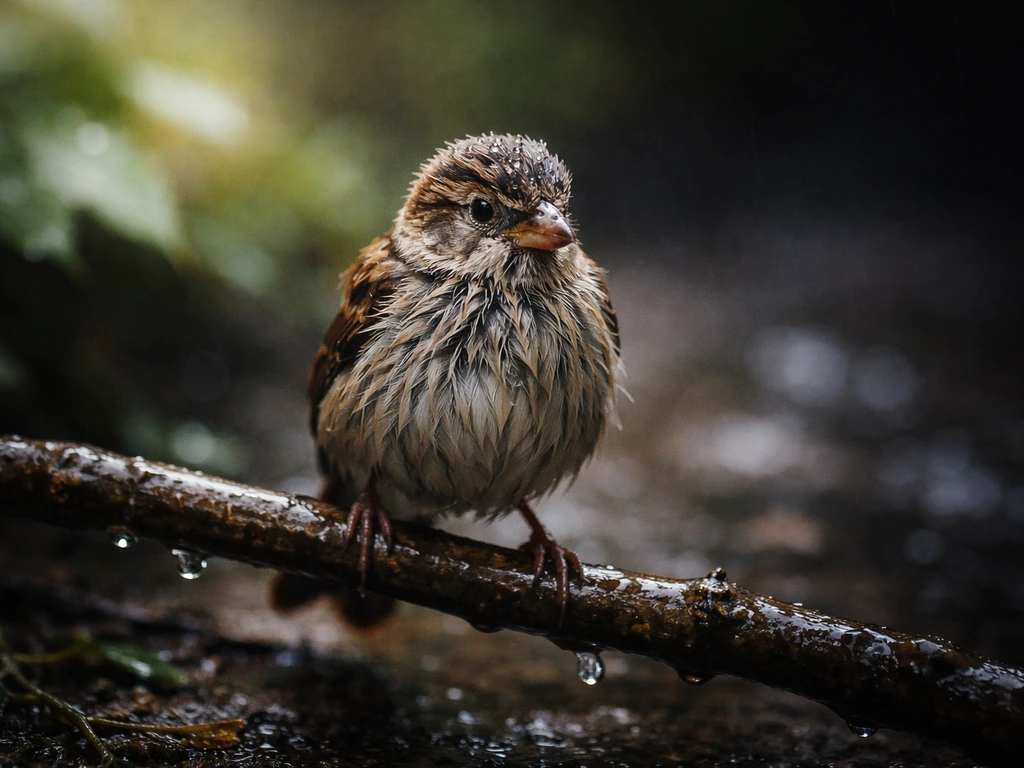
When someone says or writes 'sea bird,' they most likely mean one of three things: the actual bird (a gull, albatross, pelican, or similar marine species), a symbolic or poetic image tied to freedom, endurance, or loneliness, or a spiritual/omen reference connected to maritime folklore. The context tells you which one. A text message from a friend wondering what a gull means on their beach walk is almost certainly symbolic territory. A wildlife documentary using the word is purely literal. A dream journal entry or a line from a poem? That's where folklore and spiritual meaning come in. This guide walks through all of it so you can pinpoint exactly which meaning fits your situation.
Sea Bird Meaning: Literal, Symbolic, and Spiritual Interpretations

Marcus Winters
14 Jun 2026
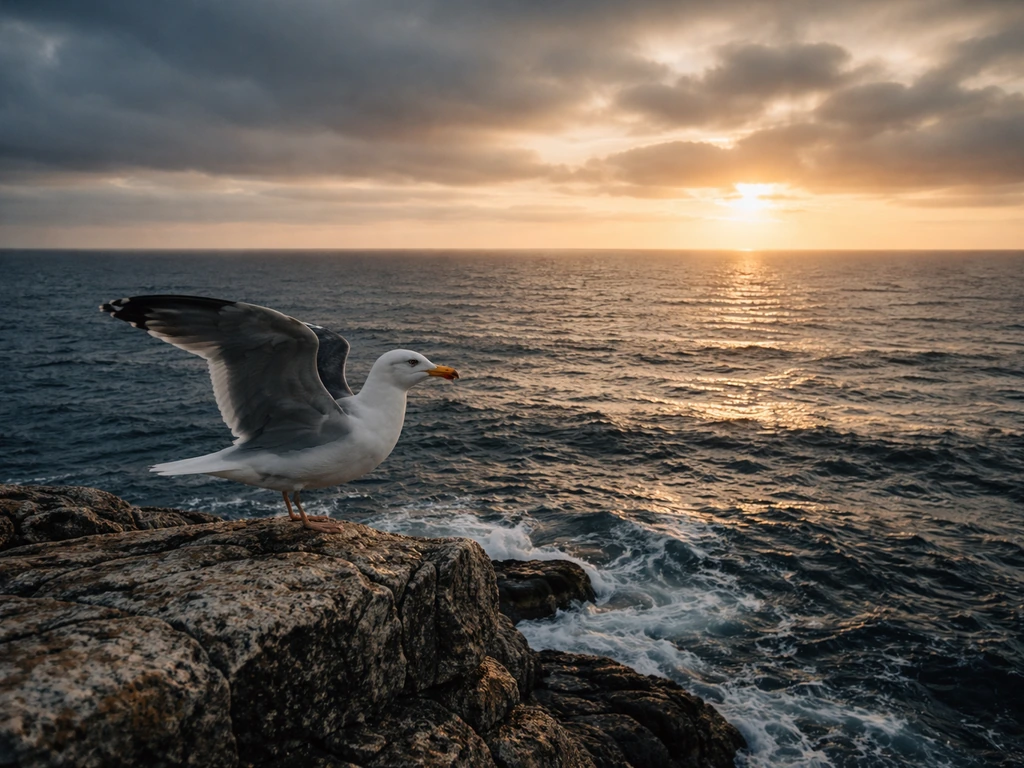
What a sea bird actually is
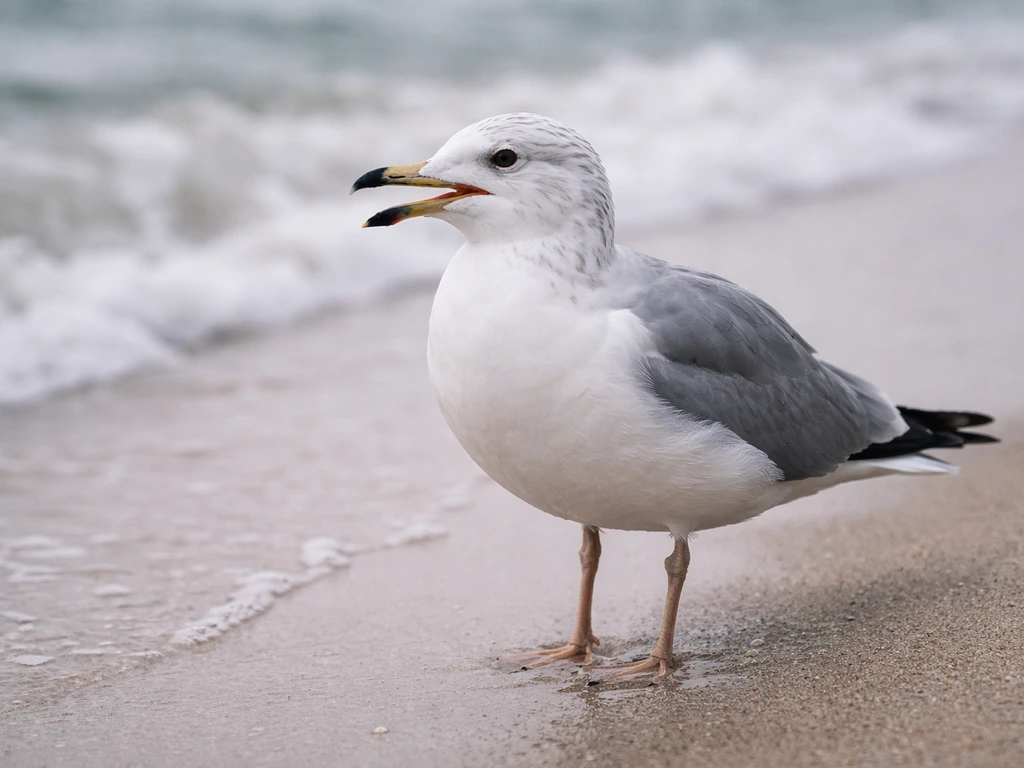
At its most basic, a seabird (sometimes written 'sea bird' with a space, or hyphenated as 'sea-bird' in older texts) is a bird that lives near the sea and gets its food from it. Cambridge's dictionary puts it plainly: 'a bird that lives near the sea and gets its food from it.' Collins adds that it's 'a bird such as a gull, that lives on the sea.' Both definitions point to habitat and diet rather than any strict biological classification.
NOAA is refreshingly honest about the fuzzy edges here: there's actually no single concrete definition of what makes a bird a seabird. What ornithologists and ecologists generally agree on is that seabirds are adapted to life in a marine environment. The most commonly cited examples are gulls, pelicans, gannets, cormorants, albatrosses, petrels, terns, and loons. Vocabulary.com groups them as 'birds that live most of their life near the sea,' which is a practical working definition even if it's not airtight taxonomy.
The spaced form 'sea bird' is simply an older or alternative spelling of 'seabird.' Etymologically, the word is exactly what it looks like: 'sea' plus 'bird,' with the hyphenated 'sea-bird' form going back centuries in English writing. Wiktionary lists it as an alternative spelling, so if you see 'sea bird,' 'sea-bird,' and 'seabird' used interchangeably, that's completely normal and all three mean the same thing.
Sea bird as a phrase in everyday English
In most everyday writing and conversation, 'sea bird' functions as a straightforward descriptive phrase for a marine bird. Someone might say 'a sea bird landed on the dock' the same way they'd say 'a wild bird landed on the fence.' The phrase calls up a specific image: open water, coastal cliffs, wind, and a bird built for that environment.
Beyond the literal use, 'sea bird' gets borrowed as a poetic or metaphorical image. You'll see it used as a nickname (for a person, a boat, a place) or as a shorthand for something free, solitary, or untethered. 'She was always a sea bird' in a personal essay almost certainly isn't about taxonomy. It's invoking the bird's associations with wandering, independence, and distance from the ordinary world.
Worth noting: 'Sea Bird' (capitalized) can also be a proper name for ships, vessels, businesses, or locations. If you've encountered it in a historical text or news story, it may refer to a named entity entirely unrelated to birds. The CSS Sea Bird is one historical example of this naming convention. So if the context involves a vessel or a place name, the bird meaning may not apply at all.
What sea birds symbolize in folklore and mythology
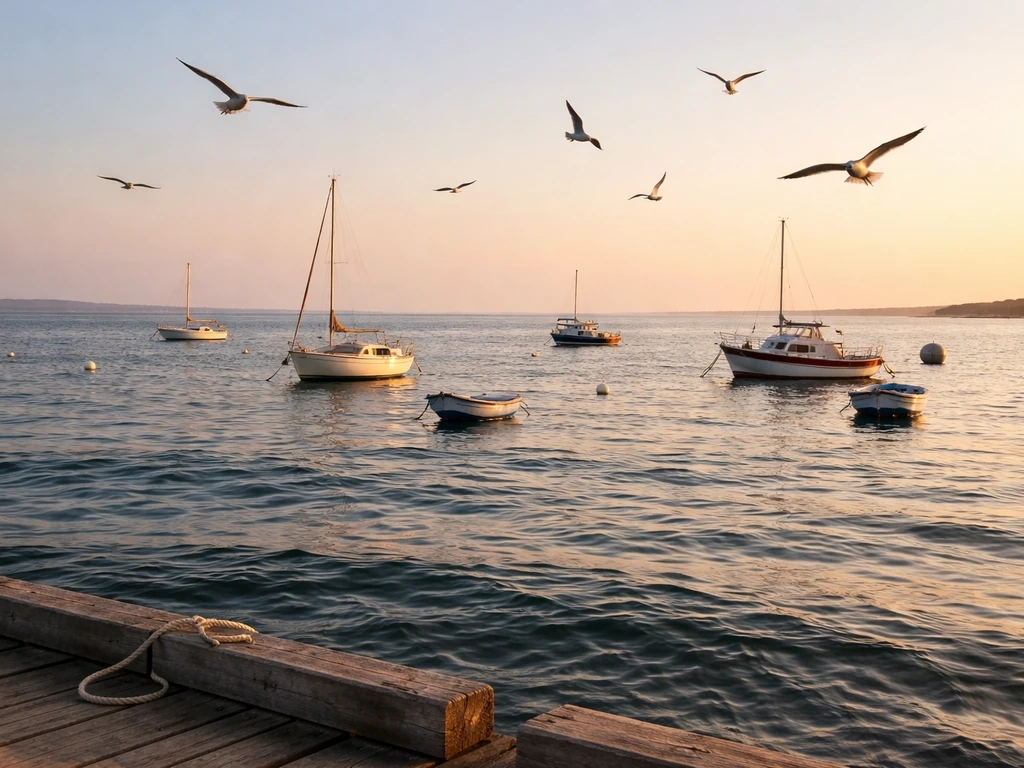
Sea birds have accumulated a rich layer of symbolic meaning because they live at the intersection of two powerful natural forces: sea and sky. That position alone makes them culturally potent. Across folklore traditions, they tend to cluster around a handful of core themes.
- Navigation and guidance: Sailors historically watched sea birds to find land and judge weather. A sea bird appearing offshore meant land was near, making them literal and symbolic guides for those lost at sea.
- Freedom and endurance: Birds that travel vast oceanic distances (like albatrosses, which can cover thousands of miles) became symbols of resilience, freedom, and the ability to survive harsh conditions.
- Loneliness and longing: The lone gull cry over water, or the solitary petrel, became shorthand in maritime culture for homesickness, grief, and the ache of long separation.
- Transformation: In Greek myth, Alcyone was transformed into a sea bird (often identified as a kingfisher or halcyon), linking sea birds to stories of metamorphosis and divine intervention over the waters.
- Omen and fate: The most famous example is the albatross as omen, rooted in sailors' superstitions long before Coleridge wrote it into poetry. Sea birds appearing or behaving unusually were read as signals about what lay ahead.
- Guardianship and protection: In some traditions, sea birds were believed to carry the souls of drowned sailors, making them figures of spiritual protection and memorial connection.
These themes aren't universal in a one-size-fits-all way. A culture dependent on fishing for survival will read a sea bird differently from one where the ocean is abstract or distant. The meaning shifts based on the relationship the culture has with the sea itself.
Spiritual meaning: omens, guidance, and dream symbolism
In spiritual and metaphysical interpretation frameworks, sea birds are generally read as messengers or guides, particularly in contexts involving major life transitions, emotional crossings, or the need for direction. The logic follows the bird's natural role: it navigates between sea and sky, two realms that symbolically represent the unconscious (water) and higher awareness (air). A sea bird appearing in a vision, dream, or meaningful encounter is often interpreted as a prompt to trust your own navigation abilities.
In dream symbolism traditions, sea birds (including gulls and albatrosses specifically) appear in older interpretation texts as signs of news arriving from a distance, journeys ahead, or emotional clarity after confusion. Ibn Sirin's classical dream dictionary, for example, groups 'water birds, sea gulls, et cetera' as a category worth attention in dream interpretation. Modern dream sites frame an albatross dream as a potentially good omen (good luck, good news incoming), though interpretations vary widely by context.
If you're trying to read a sea bird sighting spiritually, a few honest frameworks help more than rigid rules. Ask what the bird was doing: was it circling (searching, uncertainty), diving (decisive action, going deeper), flying freely out to sea (release, departure), or landing near you (arrival, a message settling in)? The behavior matters as much as the species. And remember: spiritual symbolism is a framework for reflection, not a guarantee of any specific outcome. The value is in what the encounter prompts you to notice about your own situation.
Sea birds in literature, art, and music
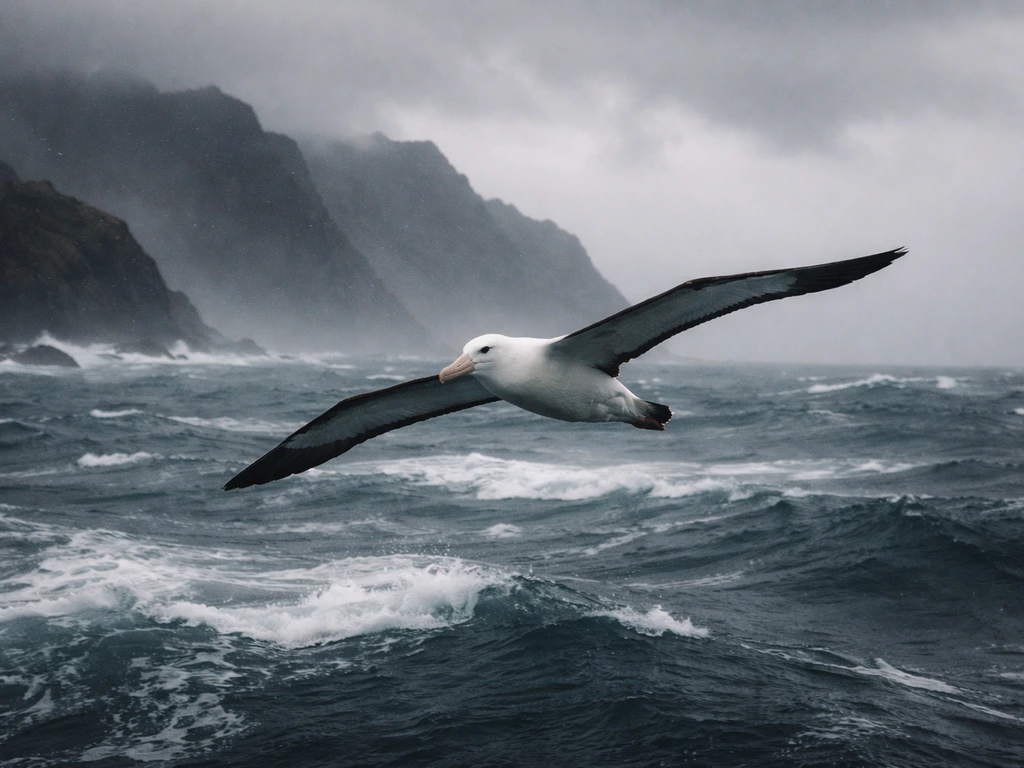
The most culturally influential sea bird in Western literature is almost certainly the albatross in Samuel Taylor Coleridge's 'The Rime of the Ancient Mariner.' In the poem, the albatross accompanies the ship and is treated as a good omen by the crew. The mariner kills it. What follows is catastrophe: the wind dies, the crew suffers, and the dead albatross is hung around the mariner's neck as a symbol of guilt and burden. blank" rel="noopener noreferrer">Wikipedia notes the bird is specifically described as a 'disconsolate black Albatross' interpreted as an 'ill omen' after it's killed. This poem is the direct origin of the phrase 'an albatross around your neck,' meaning a persistent burden or source of guilt that you can't shake.
Outside Coleridge, sea birds appear as poetic subjects in their own right. Felicia Dorothea Hemans wrote a poem titled 'The Sea-Bird Flying Inland,' using the bird as a central image. The flying-inland motif is telling: a creature of the sea moving away from its natural domain becomes a figure for displacement, longing, or a search for something different. That image has strong metaphorical legs and shows up in painting, poetry, and song as a symbol of being out of place or in transition.
In music, 'sea bird' appears as both a title and lyric motif. The Oxford Song database includes 'The Sea-Bird' as a song, and the pattern is consistent: the sea bird in music is almost always evoked as a character or image rather than a taxonomic subject. It invokes the sea, solitude, and movement. When you hear 'sea bird' in a lyric, the songwriter is almost certainly reaching for that emotional texture, not making a statement about ornithology.
In visual art, sea birds appear on maritime paintings, coastal landscapes, and folk art as both realistic subjects and symbolic accents. A solitary gull on a gray seascape carries loneliness. A flock of terns over a busy harbor suggests life, activity, and abundance. The specific species and the visual context do a lot of interpretive work.
Seabird vs shorebird, and the birds people actually mean
One common source of confusion is the overlap between 'seabird,' 'shorebird,' and the broader category of 'water bird. Water bird meaning can help clarify what people are actually reaching for when they use the broader term. ' They're related but distinct, and mixing them up can shift the meaning of what someone is describing.
| Term | Core Habitat | Common Examples | Key Distinction |
|---|---|---|---|
| Seabird / sea bird | Open ocean and coastline; gets food from the sea | Albatross, gull, pelican, tern, gannet, cormorant, petrel | Adapted to marine environments; spends significant time over or on open water |
| Shorebird / wader | Coastal margins, mudflats, beaches, estuaries | Sandpiper, plover, oystercatcher, curlew | Found at the edge of water but not typically at sea; walks and probes shorelines rather than diving into open ocean |
| Water bird / waterbird | Any body of water including freshwater, wetlands, coasts | Duck, heron, grebe, coot, loon | Broadest category; includes inland freshwater species; not limited to marine environments |
When someone says 'sea bird,' they most often mean a gull, albatross, pelican, or tern in their mental image, even if they haven't pinpointed a specific species. The albatross carries the heaviest symbolic weight in Western culture. Gulls are the most visually familiar sea bird for most people. If the specific bird matters for your interpretation (say, in a dream or a symbolic reading), it's worth asking which one was actually involved, because an albatross and a gull carry quite different cultural freight.
The 'water bird' category is broader and worth distinguishing if you've come across that phrase separately. While sea birds are a subset of water birds, not all water birds are sea birds. A heron standing in a freshwater marsh is a water bird but not a seabird. That distinction matters when you're trying to interpret symbolism, because the ocean-specific associations of freedom, navigation, and maritime folklore don't automatically transfer to freshwater birds.
How to figure out what 'sea bird' means in your specific situation
The fastest way to get to the right meaning is to run through a short checklist based on where you encountered the phrase. Here's how to do it:
- Where did you see or hear it? A wildlife article, documentary, or nature guide means literal. A poem, song lyric, or personal essay almost certainly means metaphorical or symbolic. A dream journal entry or a message about a sighting with emotional weight points toward spiritual or omen territory.
- Which specific bird was mentioned? If it's an albatross, the cultural weight leans heavily toward Coleridge's omen, burden, or maritime superstition. A gull points toward freedom, resourcefulness, or coastal life. A pelican has different associations (sacrifice, generosity in some Christian traditions). Knowing the species narrows the meaning considerably.
- What was the emotional tone? Loneliness, grief, or longing in the surrounding words or context points to the solitary/mournful symbolism. A sense of freedom, travel, or open horizons points to the navigation/freedom cluster. Something ominous or unsettling points toward the omen tradition.
- Is it capitalized as a name? 'Sea Bird' as a proper noun (especially for a vessel, business, or place) means the bird symbolism probably doesn't apply at all.
- Is it describing behavior? A sea bird flying inland is a classic image of displacement or transition. A sea bird following a ship is linked to guidance and protection. A dead sea bird is almost always a heavy omen or loss symbol in traditional interpretation.
- What are the surrounding words? Phrases like 'freedom,' 'horizon,' 'wandering,' or 'alone' reinforce metaphorical readings. Words like 'sign,' 'omen,' 'dream,' or 'appeared' point to spiritual interpretation. Plain descriptive language (habitat, species, coast) points to the literal.
If you're still unsure after running through that list, the safest default is to start with the symbolic-poetic reading unless the context is clearly scientific or journalistic. In everyday writing and conversation, people reach for 'sea bird' as an image far more often than they're making a precise ornithological statement. This article focuses on the wild bird definition side of things too, so you can separate literal meaning from symbolism. If you are searching for droplet bird meaning, focus on what kind of “sea bird” is involved and what the context suggests. Understanding wet bird meaning can help you compare how different bird-related phrases are interpreted in similar contexts sea bird. The word carries too much atmospheric weight to be purely neutral in most non-technical contexts.
One last thing: if you encountered 'sea bird' in the context of a specific cultural tradition (Indigenous maritime cultures, for example, or a particular religious or spiritual practice), the meaning may be highly specific to that tradition and won't map neatly onto general Western folklore. In those cases, looking into that tradition directly will give you a much more accurate reading than any general symbolism guide. The frameworks here are the starting point, not the final word.
FAQ
How can I tell if “Sea Bird” is about the bird or a place, ship, or business name?
Check capitalization and formatting first. “Sea Bird” with capitals is more likely a proper name (ship, company, place, title), while “sea bird” in lowercase or hyphenated form is usually a common noun phrase. If it appears in an address, vessel registry, brand name, or headline, treat it as a name rather than a symbol.
What should I look for in a dream to get beyond vague “sea bird omen” meanings?
In dreams, focus on the relationship between you and the bird (distance, direction of flight, and whether you are observing or interacting). For example, a bird flying away can indicate release or departure, while a bird landing close to you can suggest a message that is “arriving,” not just general luck. Species matters too, but behavior and proximity usually explain more than generic “bird omen” themes.
If I’m reading a poem or lyric, how can I tell whether “sea bird” is literal or purely metaphorical?
Don’t assume the phrase always refers to an actual “seabird” animal. In poetry and lyrics, “sea bird” is often an image for emotion, movement, or identity, even when no real species is implied. A good practical test is whether the text talks about wind, distance, solitude, or navigation, versus diet and habitat.
What context clues most reliably distinguish literal sea bird meaning from symbolic meaning?
If the context is beachwalking, birdwatching, coastal photography, or a wildlife program, it is usually literal and meant as a real marine bird. If it’s in a personal essay, advice, or reflection, it is more likely symbolic. When unsure, look for technical cues like species names, location of nesting, or scientific tone.
Can “water bird meaning” and “sea bird meaning” be used interchangeably, or are they different?
If you only see “water bird” instead of “sea bird,” the meanings shift toward freshwater or general wading birds, and the ocean-specific symbolism (maritime folklore, navigation between sea and sky) may not apply. A heron or duck in a marsh can carry different cultural associations than a gull or albatross at sea.
How do sea bird, shorebird, and seabird meanings change depending on shoreline versus open-ocean context?
Yes. A common mistake is mixing up sea bird, shorebird, and seabird (or even generic water bird). Shorebirds often imply shoreline focus, timing, and foraging patterns near land, while “sea bird” tends to pull in sea-based themes like offshore travel, wider horizons, or the sea-sky boundary. When the text mentions tides, mudflats, or beaches specifically, shorebird associations become more likely.
What should I do if I see “sea bird” in an Indigenous or non-Western spiritual context?
If you encounter “sea bird” in a specific cultural or religious setting, don’t force it into general Western folklore. Symbol meanings can be tradition-specific, including different messenger roles, different emotional keywords, or different rules about omen interpretation. The most accurate approach is to identify the community or tradition and use its own interpretive logic.
How can I use sea bird symbolism responsibly without treating it like fate?
When doing a spiritual read, avoid treating symbolism as a guarantee. Use it as a prompt, then pair it with a concrete next step, like making a small navigation move (clarify a decision, plan a trip, write down options) rather than expecting an automatic outcome. Also note whether the message feels supportive (guidance) or warning-like (burden, guilt), since those tend to lead to different actions.
Next Article
Wet Bird Meaning: Literal vs Slang Uses and Context
Wet bird meaning: literal soaked bird vs slang insult, variations, symbolism myths, and how to tell by context.