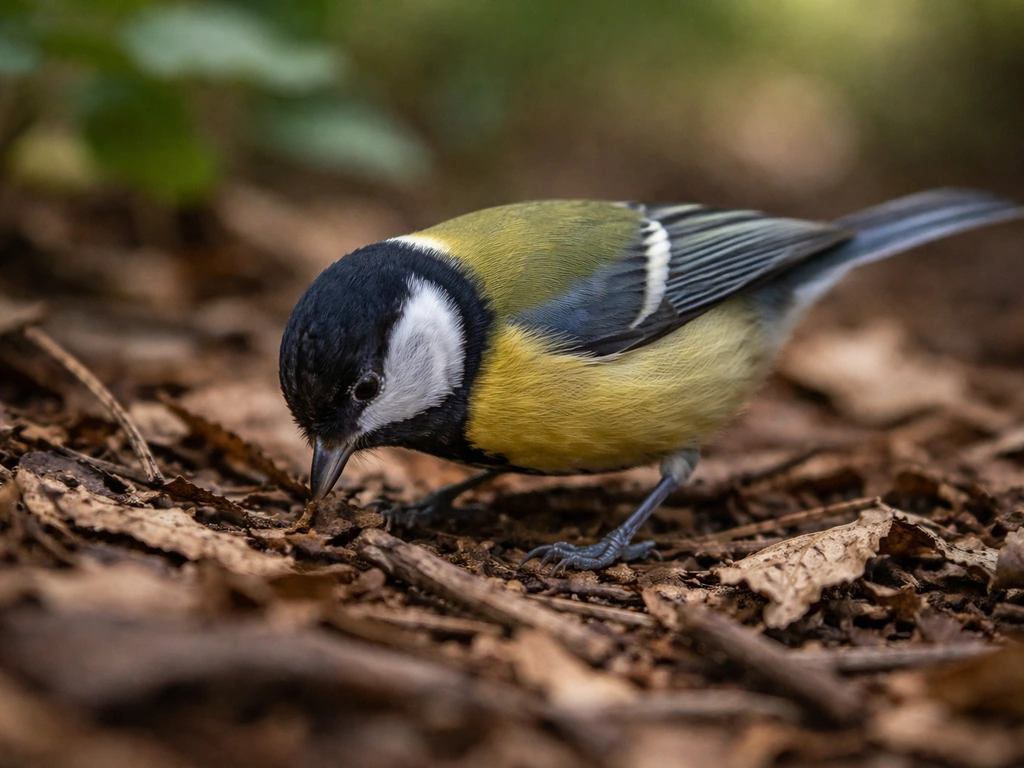
When someone says 'twitter bird' or searches for 'bird twitter meaning,' they're almost always asking about one of two very different things: either a bird that makes short, high-pitched chirping sounds (the verb 'twitter' in its original, literal sense), or the famous blue bird logo that represented the social media platform Twitter before Elon Musk rebranded it to X in July 2023. Those two meanings have almost nothing to do with each other, so figuring out which one applies to your situation takes about ten seconds once you know what to look for.
Twitter Bird Meaning: What It Refers to in Context

Marcus Winters
18 May 2026
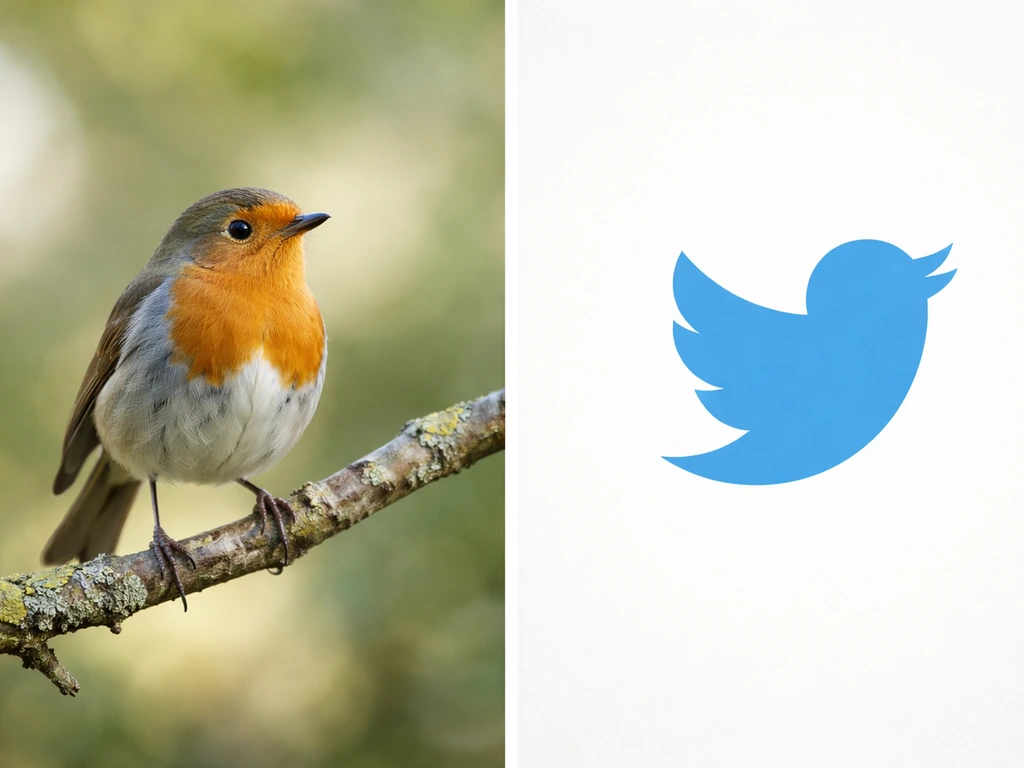
What 'twitter' literally means as a bird sound
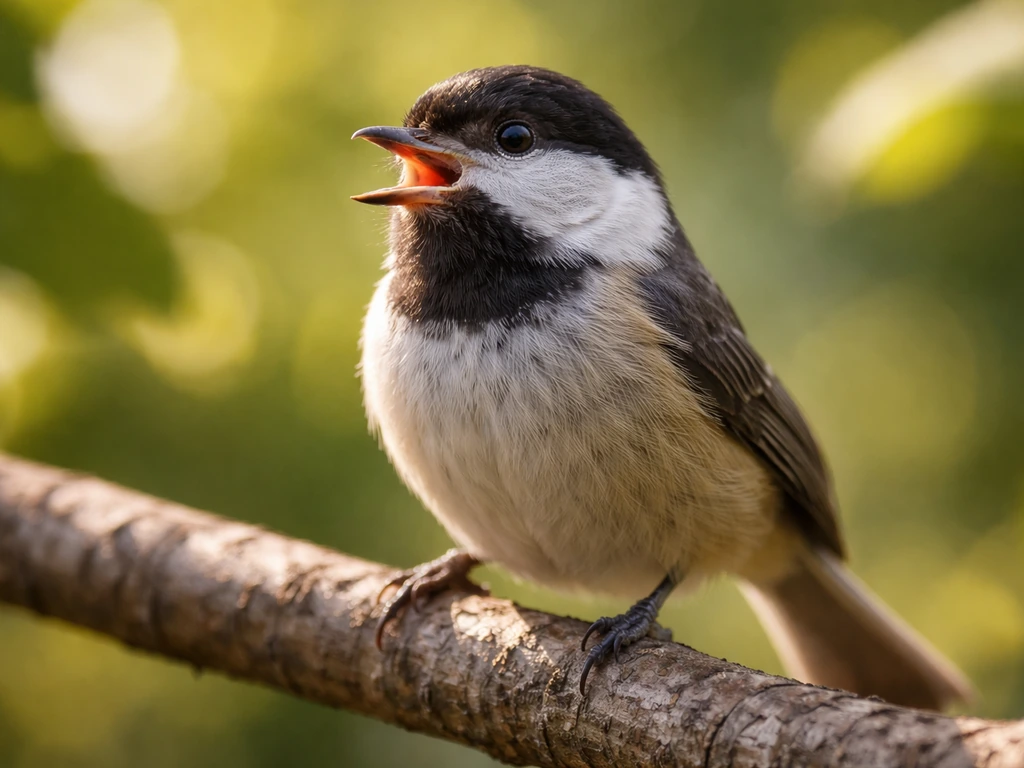
As a verb, 'twitter' means to make short, light, high-pitched, intermittent sounds. It's one of those words that sounds exactly like what it describes. Dictionaries from Merriam-Webster to Cambridge all define it the same way: the rapid, broken, musical sounds small birds make, the kind you hear from a sparrow or finch rather than a crow or hawk. The Cambridge example sentence puts it plainly: 'birds twittering and chirping in the trees.' If you spot synonyms like chirrup, trill, warble, or chatter near the word in the text you're reading, you're almost certainly looking at the literal bird-sound meaning.
A 'twittering bird' in this sense is just a bird making those sounds. The phrase doesn't carry deep metaphorical weight on its own. It's descriptive, the way you'd say a dog barked or a cat purred. The only reason it creates confusion today is because a certain tech company borrowed the word and attached it to a completely different meaning for about seventeen years.
The Twitter brand and its blue bird logo
Twitter the platform was deliberately named after the bird sound. TechTarget's history of the platform notes that the founders chose 'twitter' (originally 'twttr') because of its connection to birds chirping: short, rapid, frequent communication. They then leaned into that by making a bird the face of the entire brand. For years, 'the Twitter bird' simply meant the company's blue bird logo, so widely recognized that it became shorthand for the platform itself.
That bird logo was officially used until July 2023. In late July of that year, Elon Musk replaced it with the 'X' logo across the iOS and Android apps, and the platform was rebranded as X. News coverage from Time, CNBC, and TechCrunch all marked the moment plainly: the iconic blue bird was gone. The physical Twitter bird sign was removed from the San Francisco headquarters, and AP News even reported that a Twitter bird sign sold for nearly $35,000 at auction. So when people say 'Twitter bird' in the context of tech news, memes, or social media history, they're talking about that logo, not a bird making sounds in a tree.
The design history is worth knowing too. Creative Bloq's account of the Twitter logo's evolution notes that the bird was intentionally associated with ideas like hope and freedom, which is very much in line with the broader cultural symbolism attached to birds in language generally. That symbolic layer is part of why the logo resonated so strongly, and why its removal felt like a significant cultural moment to so many users.
How to tell which meaning is intended
Context does almost all the work here. Ask yourself a few quick questions about where you encountered the phrase, and you'll have your answer in seconds.
| Clue you see near the phrase | Most likely meaning |
|---|---|
| Words like chirp, sing, trill, warble, nest, branch, trees | Literal bird making twittering sounds |
| Words like logo, icon, rebrand, X, Musk, app, branding, sign, auction | Twitter/X platform bird logo |
| Meme format, loading error, interface glitch, social media joke | Twitter/X platform bird logo |
| Nature writing, poetry, wildlife description | Literal bird making twittering sounds |
| Tech news, marketing, social media history | Twitter/X platform bird logo |
| No tech context at all, pre-2006 publication | Literal bird making twittering sounds |
One specific example that makes the brand reading unmistakable: Know Your Meme documented a viral meme called 'But It Refused / Twitter Bird Fights Back,' which references a loading glitch where the old blue bird logo flashed over the new X interface. That's the Twitter bird as a logo, a visual element, not a sound a real bird makes. If you saw the phrase 'Twitter bird' in a meme or social media post referencing the rebrand, this is your answer.
Why birds keep showing up in figurative language
Birds carry a remarkable amount of symbolic weight across languages and cultures, and it's not random. Three qualities come up again and again: sound, freedom, and communication. Birds are among the most vocal creatures in nature, making sounds that feel both musical and meaningful even when we can't decode them. That's why 'twittering' in figurative language often implies quick, light, excited chatter, the kind of rapid social exchange that Twitter's founders were literally referencing when they named the platform.
Freedom is the other big one. Birds fly; they're not bound to the ground. Across folklore, spirituality, and everyday idiom, a bird almost always carries some connotation of being unrestrained or untethered. That's why brand designers reached for a bird when they wanted to suggest open communication and limitless reach. The Twitter logo's symbolic design intention (hope, freedom, upward movement) fits perfectly into the centuries-old tradition of using birds to represent those ideas.
Communication is the third thread. A twittering bird fills the air with sound. In everyday searches, people often mean the busy bird meaning when they see the phrase “twitter bird” alongside talk of chirping, chatter, or nonstop bird-like activity. It announces itself. It signals to others. That made 'twitter' a natural metaphor for a platform built entirely around short, rapid, public messages. When you understand this symbolic history, the naming choice stops feeling arbitrary and starts making a lot of sense. This same thread runs through related bird expressions, from the idea of a 'social bird' (someone naturally drawn to company and conversation) to broader idioms about birds as messengers and signallers.
Quick examples you can compare against your own situation

Here are concrete examples of the phrase in use, so you can pattern-match against whatever you actually saw:
- "The twitter bird outside my window woke me up at 5am." — Literal. This is a bird making twittering sounds. No brand connection.
- "I can't believe they got rid of the Twitter bird. The X logo is ugly." — Brand/logo. The person is mourning the rebrand from Twitter to X.
- "The Twitter bird sold for $35,000 at auction." — Brand/logo. This references the physical sign removed from Twitter HQ.
- "In the garden, small twittering birds filled the branches." — Literal. Classic nature-writing usage of twitter as a sound verb.
- "The Twitter bird meme where it fights the X logo is so accurate." — Brand/logo. Referencing a meme about the visual rebrand.
- "Bird twitter meaning? I heard it in a poem." — Almost certainly literal. Poetry rarely references tech brands without obvious signals.
How to verify and search smarter
If you've read this far and you're still not sure which meaning applies to your specific situation, here's a practical checklist to run through right now.
- Look at the publication date. Anything before 2006 (when Twitter launched) that uses 'twitter bird' is almost certainly literal. Anything from 2006 to 2023 could go either way. Anything referencing the logo switch is post-July 2023.
- Search the exact surrounding phrase. Copy a few words before and after 'twitter bird' and paste them into a search engine. The results will immediately tell you whether the context is ornithological or tech-related.
- Check whether 'Twitter' is capitalized. A capital T strongly suggests the brand. Lowercase 'twitter' (as a verb) points to the literal bird sound.
- Look up the dictionary definition of 'twitter' to confirm the literal sense if you're analyzing a piece of nature writing or classic literature. Collins and Cambridge both confirm the chirping definition clearly.
- If it's a meme or social media post, search the image or quote on Know Your Meme or a Google image search. Logo-related Twitter bird memes have a well-documented history.
- When in doubt, ask: does this make sense as a sound a bird makes? If yes, and there's no tech context, go with the literal meaning. If no, or if tech/branding signals are present, go with the logo meaning.
The bottom line is that 'twitter bird meaning' resolves quickly once you look at what's around the phrase. The literal bird-sound meaning is the older, foundational one, embedded in language for centuries and defined consistently across dictionaries. When people ask about the time bird meaning, they usually mean the idea behind a “time bird” phrase or character rather than the Twitter brand. The brand meaning dominated popular culture from about 2006 to 2023, and while the X rebrand officially ended the logo era, 'Twitter bird' still appears constantly in nostalgic, ironic, and historical contexts. If you're looking up tt bird meaning, this is usually the brand-or-logo interpretation people mean The brand meaning dominated popular culture from about 2006 to 2023. Both meanings are legitimate, both are common, and neither one is a stretch. You just need to know which world the phrase is living in.
FAQ
How can I tell quickly whether “twitter bird” means the platform logo or a real bird making sounds?
Look at the surrounding topic. If the text mentions apps, the rebrand to X, memes, loading glitches, or “Twitter” history, it is the logo. If it mentions trees, chirping, sparrows, finches, or birdwatching, it is the literal bird-sound meaning.
What if I see the phrase “twittering bird” instead of “Twitter bird”?
Lowercase “twittering bird” is almost always literal and descriptive, meaning a bird making twitter-like sounds. Capitalization alone is not enough, but “twittering” strongly points away from the brand.
Is “twitter bird meaning” ever about the bird as a character, mascot, or emoji rather than the real logo?
Often yes, especially in art, memes, or profile images. In most cases it is still pointing to the recognizable Twitter bird silhouette, but the exact interpretation depends on whether the post also references the X rebrand or “Twitter” directly.
If I’m reading old posts from before July 2023, should I assume the logo meaning?
Generally yes. Before the X rebrand, “Twitter bird” was a default shorthand for the blue bird logo. Even today, people talking about “the old bird” in archives are usually referring to that pre-rebrand logo.
What does it mean when someone says “tt bird” or “twitter bird” in slang or typos?
Most “tt bird” cases are shorthand or misspellings for “Twitter bird” the logo. To be safe, check whether the message also includes terms like “X,” “rebrand,” “loading,” or “logo,” which would confirm the brand reference.
Can “twitter” in text still mean the verb even if the topic is social media?
Yes, if the author is describing communication behavior, for example “users twittering nonstop” or “the birds chirped, then the crowd twittered.” In that case it is a metaphor for quick chatter, not a reference to the logo. Context words like “users,” “chatter,” or “messages” will usually reveal it.
What should I do if I’m confused by capitalization, like “Twitter bird” in a sentence about birds?
Check whether the sentence also includes brand markers such as “logo,” “blue bird,” “X,” or “app.” If none are present and the sentence is describing nature, it is likely accidental capitalization or a descriptive phrase that uses “Twitter” only as the sound-imitation word.
Are there common search mistakes that lead to the wrong meaning?
One big mistake is searching for “twitter bird meaning” but only clicking results about tech branding, then forcing every example into the logo interpretation. Another is assuming “bird” always means nature, even when the post is clearly about the rebrand. Always match the meaning to the topic keywords around the phrase.
Next Article
Busy Bird Meaning: Literal, Figurative, and Spiritual Uses
Meaning of busy bird in literal, figurative, and spiritual contexts, plus a checklist to figure intent by tone and setti