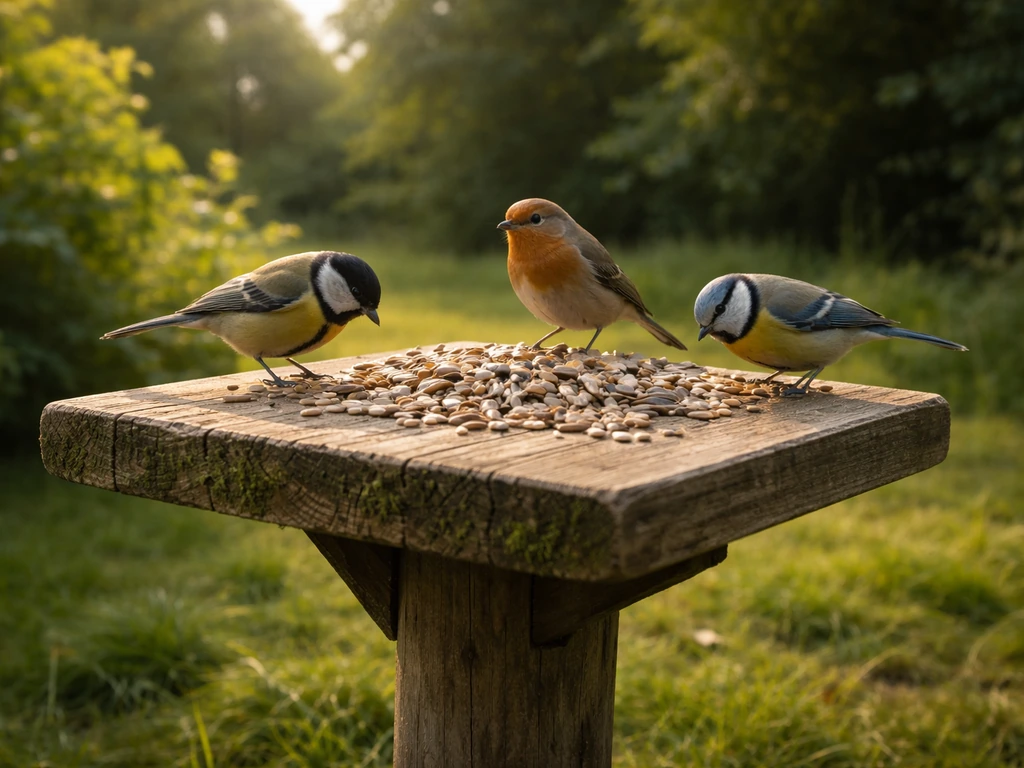
"Top bird" most commonly means the dominant individual in a group, the highest-ranked person (or bird) in a pecking order, or a slang compliment meaning someone is excellent or impressive. It is not a reference to a single specific bird species, and it carries no fixed spiritual symbolism on its own. What it means in your situation depends almost entirely on the context you saw or heard it in.
Top Bird Meaning: Identify the Bird and Its Symbolism

Marcus Winters
19 May 2026
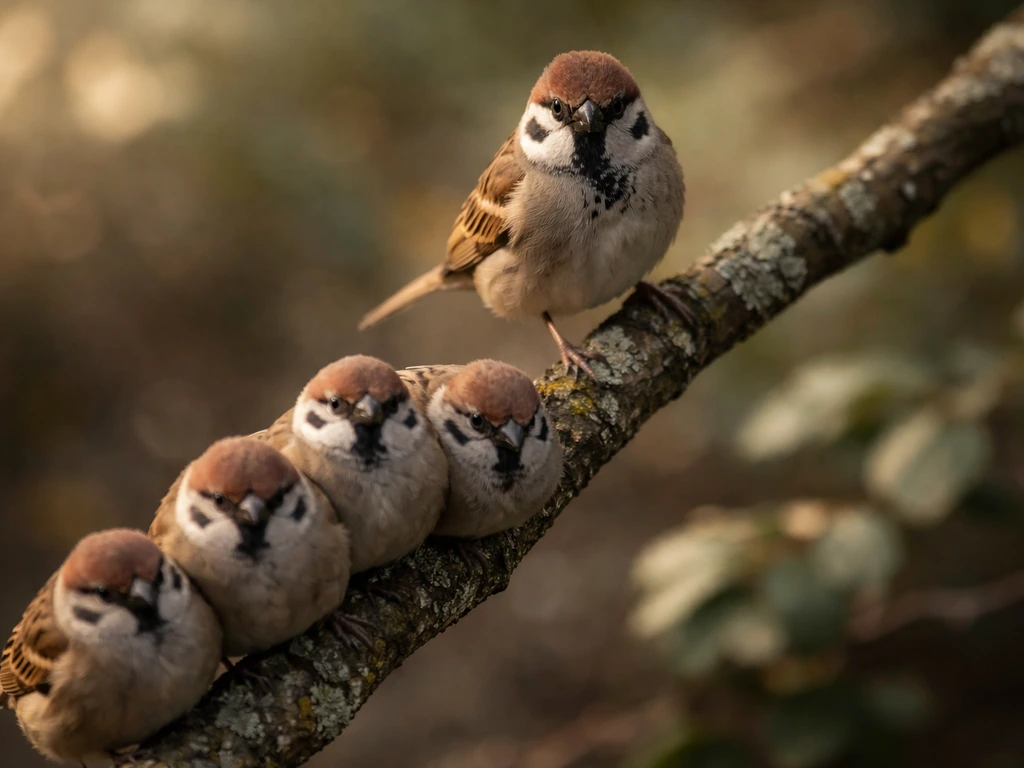
What "top bird" actually refers to: idiom, slang, or ranking?
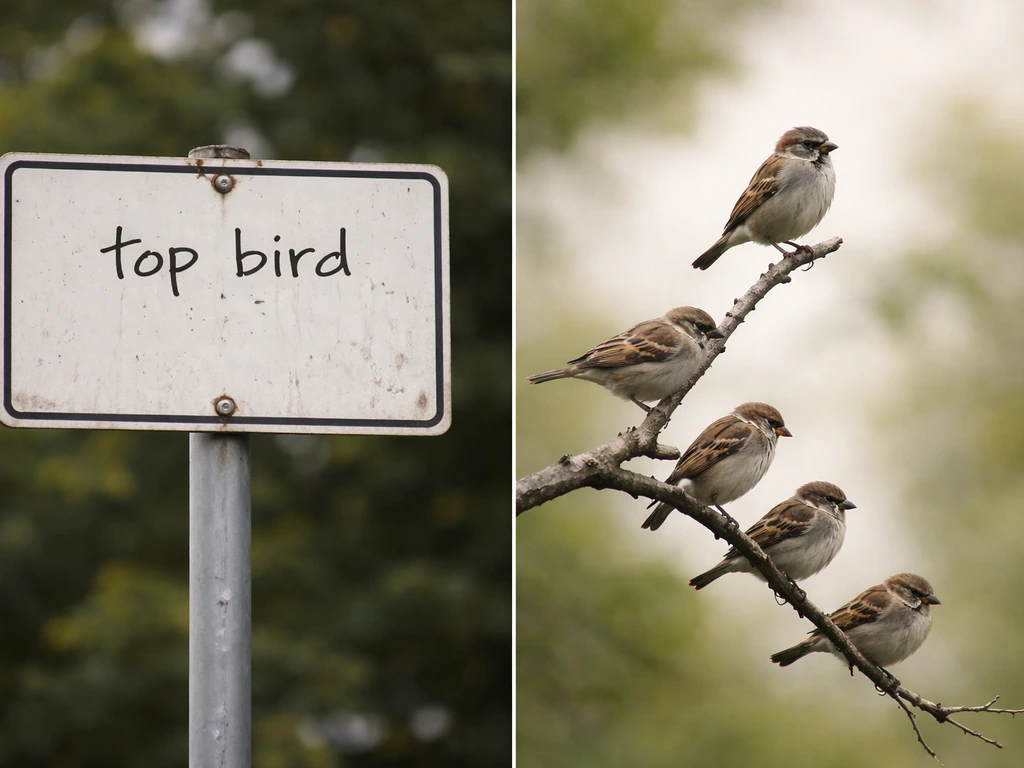
The phrase pulls from three distinct directions, and getting the right one matters before you start reading anything into it.
First, there is the slang use. In British and Australian informal speech, calling someone a "top bird" is a straight-up compliment meaning they are excellent, impressive, or of high quality. As in: "She's a top bird" or "He's a top bird for helping me out." Here, "bird" is informal slang for a person, and "top" is doing exactly what you expect, amplifying it. This usage became widespread in British slang from the 1960s onward, when "bird" became a common informal word for a woman, though it has since loosened to apply more broadly.
Second, there is the literal flock or group hierarchy meaning. In poultry and bird behavior, "top bird" is a straightforward term for the individual at the highest rank in the pecking order. This is where the phrase has its roots in actual bird behavior: chickens, turkeys, and other flock animals establish a social hierarchy, and the dominant individual, usually older and more assertive, is the "top bird." That individual gets the best perch, eats first, and sets the social tone for the rest. Wildlife reporters use it the same way, as in a news piece describing a strutting turkey as declaring "I'm the top bird around here."
Third, in birdwatching and wildlife reporting contexts, "top bird" can mean the most notable species recorded in a given period, essentially a ranking of significance rather than dominance. A bird ringing report might name its "top bird" of the year as the rarest or most exciting species logged.
So before you go any further, pin down which of these three you encountered. The rest of this article walks through how to do that quickly.
How to figure out which bird (or meaning) you actually mean
If you heard or read "top bird" and are not sure what it refers to, run through these quick checks:
- Was it said about a person? If yes, it is the compliment meaning: "top bird" = someone excellent or impressive. No bird species involved.
- Was it in a conversation about animals, a flock, or social dynamics in a group? Then it means the dominant individual, the one at the top of the pecking order.
- Was it in a wildlife report, birdwatching list, or nature document? Then it likely means the standout species of that survey or season.
- Was it in a visual comparison, like a photograph with two birds labeled "top" and "bottom"? Then it is purely positional, referring to the individual shown at the top of the image.
- Did you see it near words like "roost," "perch," or "pecking order"? That confirms the dominance/hierarchy reading.
One common source of confusion is mixing up "top bird" with other bird-related phrases. "Bird table" (a raised platform for feeding garden birds) looks similar in search queries but means something entirely different. If you searched with that in mind, the phrase you want is probably not "top bird" at all.
Similarly, if someone mentioned a specific species like a budgie, the meaning question shifts entirely to that bird's own symbolism and identity, which is a separate topic worth exploring on its own. Omlet notes that “budgie” is a shortened form of “budgerigar,” and that local Australian-language influences and folk interpretations shaped how the name developed [a specific species like a budgie](https://www. omlet. co.
uk/guide/budgies/introductiontobudgies/budgerigar-meaning/). If you want the budgie bird meaning specifically, you will need to look at the symbolism and context tied to budgies themselves.
The symbolism behind "top bird" across cultures and traditions
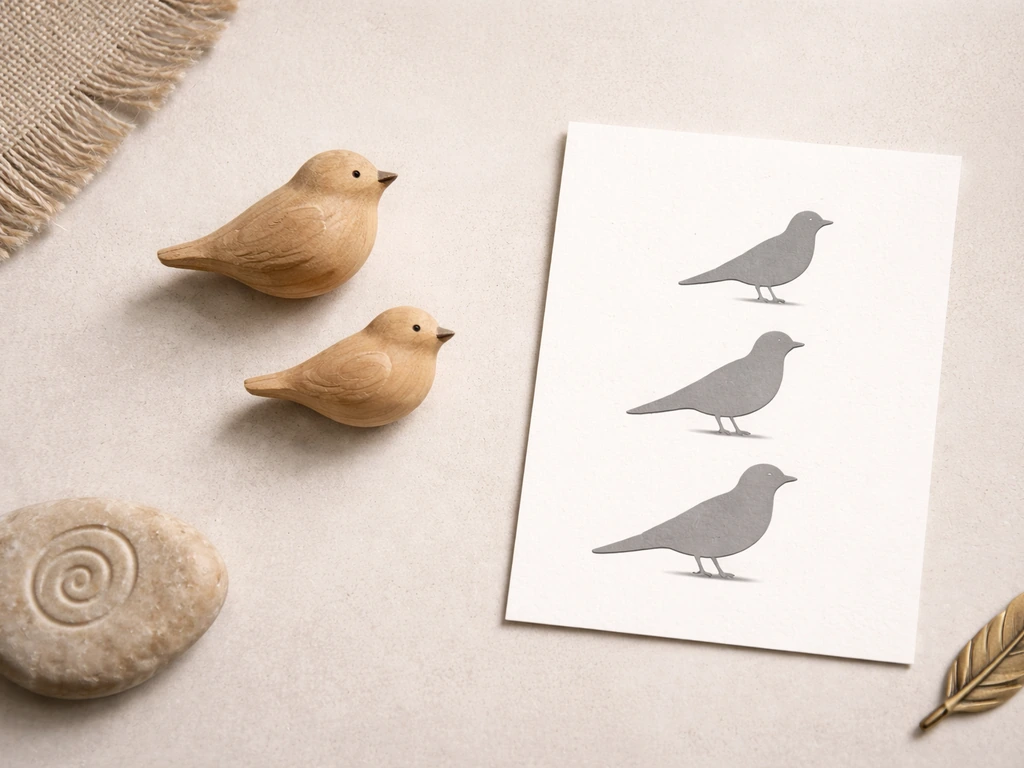
Because "top bird" is a phrase about rank and excellence rather than a named species, its symbolism is rooted in the concept of dominance and leadership rather than the spiritual traditions tied to specific birds like eagles, ravens, or owls. That said, the idea it draws on is ancient and cross-cultural.
The notion of a "top bird" in a flock maps directly onto the concept of the pecking order, a term that entered everyday English from actual chicken behavior. Researchers observed that hens establish a clear hierarchy: each bird knows who it can peck and who will peck back. The bird at the top of this order never gets pecked. This became a universal metaphor for social rank in human organizations, workplaces, and communities, which is why "top bird" carries such immediate intuitive meaning even when people have never kept chickens.
In folklore and spiritual traditions more broadly, dominant birds have consistently symbolized leadership, vision, and authority. The eagle tops the symbolic hierarchy in many Western and Indigenous traditions. The rooster rules the roost (that idiom comes directly from the same flock-hierarchy idea as "top bird") and represents alertness, confidence, and solar energy in East Asian symbolism. Even in heraldry, a bird perched highest on a crest signals status and power. The underlying cultural grammar is consistent: height equals rank, and the top bird commands the space below it.
When someone calls another person a "top bird" as a compliment, they are reaching for that same association without necessarily being aware of it. The phrase carries a warmth that words like "excellent" or "impressive" do not always have, probably because the animal metaphor gives it texture.
"Top bird" in idioms, sayings, and everyday language
The phrase sits in a family of bird-related expressions about power and hierarchy. Understanding those neighbors helps clarify what "top bird" is doing in a sentence.
| Phrase | Core meaning | Connection to "top bird" |
|---|---|---|
| Top bird | The most dominant, excellent, or notable individual in a group | Direct — the phrase itself |
| Pecking order | A social hierarchy ranked by dominance | The biological basis for the "top bird" concept |
| Rule the roost | To be the person in charge; to dominate a group or household | Same idea: the dominant bird controls the roost |
| Top dog | The most powerful person in a group | Parallel idiom from a different animal metaphor |
| Big bird (slang) | An important or prominent person | Same hierarchy logic, different phrasing |
What you will notice is that these expressions all work on the same structural idea: position in a group hierarchy signals worth or power. "Rule the roost" and "top bird" are practically cousins. The rooster or dominant hen rules the roost because it is the top bird. A workplace boss who "rules the roost" is being described with the same metaphor, just through a slightly different idiom.
In everyday British and Australian conversation, "top bird" as a personal compliment is affectionate and informal. It is the kind of thing said between friends rather than in a formal context. Hearing it in dialogue confirms a warm, casual register. If someone says it sarcastically, the meaning flips: calling someone the "top bird" with the wrong tone can imply they are arrogant or self-important about their status.
How context shifts the meaning: location, culture, and situation

Region matters more with this phrase than with most bird expressions. In British English, calling someone a "top bird" is a natural, warm phrase with clear positive intent. In American English, the same phrase lands differently: "bird" as slang for a person is not standard American usage, so an American hearing "top bird" is more likely to interpret it literally (a bird species at the top of something) than as a compliment. This is worth knowing if you are reading dialogue or subtitles and puzzling over the meaning.
In animal husbandry and backyard chicken communities, "top bird" is entirely literal and biological. The top bird in your flock is identifiable because it does not get pecked, it eats first, and it often has the most confident posture. In this context there is no metaphor at all, just a behavioral observation.
In a wildlife or birdwatching context, "top bird" depends on the criteria being used. It could mean rarest, most frequently sighted, most photographed, or most ecologically significant in a given survey. A Dorset birdwatching report naming its "top bird" of the year is doing something quite different from a podcast host calling a guest a "top bird" as a compliment.
Tone and situation also reshape interpretation. "Top bird" said admiringly about a colleague carries positive energy. The same phrase applied to someone behaving arrogantly in a group dynamic ("thinks he's the top bird around here") flips into mild criticism. The phrase is flexible enough to carry both, so pay attention to the surrounding words and the speaker's register.
It is also worth distinguishing "top bird" from some related search topics. "Fit bird" and "pet bird" are separate informal uses of "bird" as slang that carry their own distinct meanings. In that case, the phrase “fit bird meaning” refers to a different slang usage than “top bird.”. "Bent bird" and "table bird" refer to entirely different concepts in British slang and poultry terminology respectively. If you meant “bent bird meaning,” it refers to a different British slang idea than “top bird,” so it is best interpreted on its own context "Bent bird". If your search landed here but one of those feels closer to what you heard, those deserve their own look.
What to do with this meaning now
Here is how to apply what you now know, depending on why you searched:
- If someone called you or another person a "top bird": take it as a genuine compliment meaning excellent, impressive, or of high quality. No deeper reading needed.
- If you are writing or speaking and want to use the phrase: it works best in British or Australian informal contexts. In American English, it may read as literal or confusing, so consider whether your audience will get it.
- If you are interpreting animal behavior in a flock: the "top bird" is simply the socially dominant individual, usually older, and identified by its behavior rather than any spiritual significance.
- If you encountered it in a nature report or birdwatching context: look at what criteria the report uses. "Top bird" there means most notable by some defined measure, not a universal symbol.
- If you are trying to interpret a sign or omen: "top bird" itself is not a spiritual symbol. If you saw an actual bird and are looking for what it symbolizes, you need to identify the specific species first, because the meaning comes from the bird itself, not from its rank or position.
- Do not confuse the phrase with specific bird-named idioms like "rule the roost" or "pecking order." Those carry their own histories and are worth understanding separately if hierarchy dynamics are what you are exploring.
The honest bottom line is that "top bird" is one of those phrases that sounds more mysterious than it is. It comes from a very observable, real animal behavior (flock dominance), turned into everyday language for human social ranking, and occasionally repurposed as a warm personal compliment. Once you know which version you are dealing with, the meaning is immediate and practical. There is nothing vague about it.
FAQ
How can I tell whether “top bird” is a compliment or about dominance/rank?
If the phrase appears in a conversation between friends in the UK or Australia, it is usually a compliment about quality or impressiveness. If it appears in a workplace meeting, it is more likely to be about dominance or rank in the pecking-order sense, especially if paired with words like “thinks,” “acts,” or “runs the show.”
What does “top bird” mean if it sounds sarcastic?
Tone is a big switch. If the speaker sounds approving, it points to excellence (slang compliment) or respected leadership (hierarchy). If the speaker sounds mocking, frustrated, or overly sarcastic, it often implies arrogance or power-chasing, similar to “big-headed” or “trying to be in charge.”
Does “top bird” mean the same thing in American English?
If you heard it from an American speaker, odds are higher you will need to use surrounding clues, because “bird” as person-slang is not standard in American English. In that case, “top bird” can be misunderstood as literal species ranking, so check whether the context mentions a flock, a survey, or someone being helpful and admirable.
In chicken/backyard settings, what clues show who the “top bird” is?
In garden or backyard contexts, “top bird” is usually about hierarchy within a specific group, not about a bird species. Practical indicators (especially in chickens) include eating first, getting the best roost position, and being the one others avoid when space is limited.
In birdwatching or wildlife reports, does “top bird” mean the most dominant or the rarest?
In birdwatching reports or ring-recovery style notes, “top bird” is typically the most notable according to the report’s criteria, which can be rarest, most exciting, most frequently recorded, or best-per-class. If the report uses headings like “highlights,” “best of,” or “top record,” the criteria are likely explained elsewhere in that document.
Is there a fixed spiritual meaning to “top bird”?
Because “top bird” is a phrase about rank and excellence, it usually does not point to a single spiritual meaning the way named birds (like owl or raven) might. If someone claims a fixed spiritual interpretation for “top bird,” treat it as their personal or community-specific framing rather than a standardized symbol.
What search or context clues suggest I’m confusing “top bird” with something else?
Yes, there are easy mix-ups in searches. If your results also show “bird table,” that is about a feeding platform and is unrelated. If the content you saw discusses a specific species (budgie, robin, etc.), then you are probably in a different “bird meaning” lane and should pivot to the species-specific symbolism.
Is the “top bird” always the same individual, or can it change?
In most literal hierarchy uses, the “top bird” is treated as the individual that consistently holds position over time, not just a one-off moment. If the behavior changes daily, it may indicate a temporary scramble for rank rather than a stable top bird.
Next Article
Table Bird Meaning: What a Bird Table Is and Symbolism
Table bird meaning: learn what a bird table is, how it differs from feeders, and common symbolism of visiting birds.