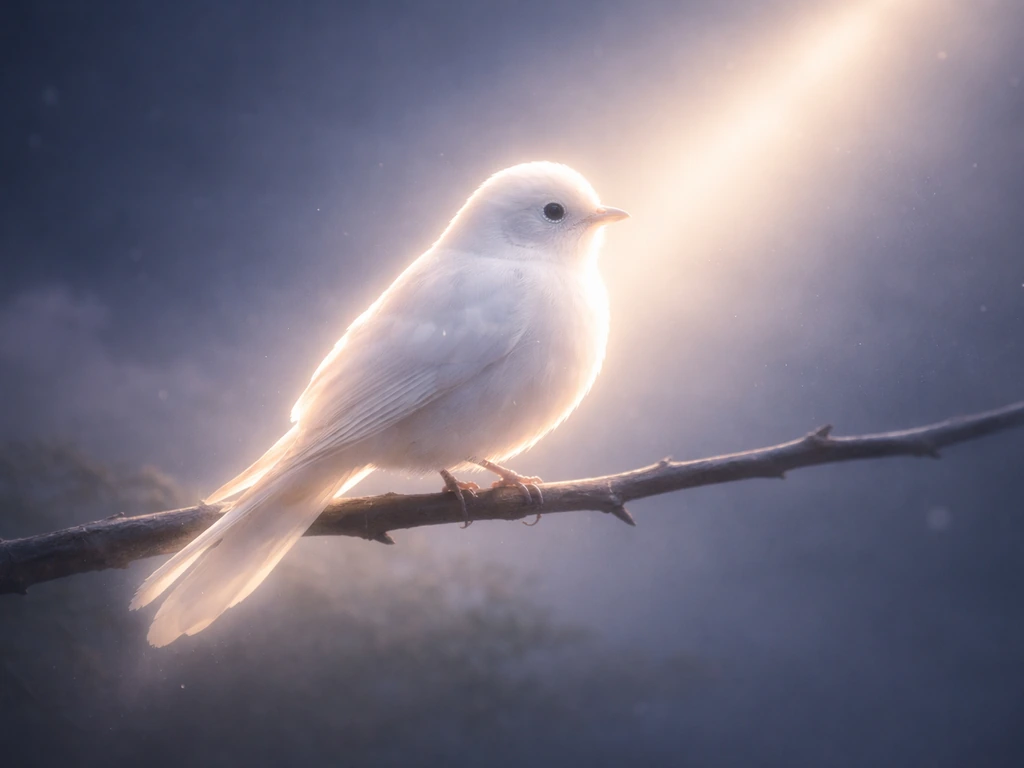
When someone searches 'tiny bird meaning,' they're usually doing one of two things: trying to identify a small bird they just saw, or looking for a symbolic or spiritual message tied to that sighting (or dream). The fastest way to get the right answer is to figure out which of those paths you're on. If you saw a real bird and want to know what species it is, you need identification details like color, beak shape, and behavior. If you had a dream or felt a strong emotional pull from a sighting, you're probably after the symbolic layer. Both paths are valid, and this guide walks through both clearly.
Tiny Bird Meaning: Literal, Symbolic, and Context Answers

Marcus Winters
27 May 2026
What people usually mean by 'tiny bird'
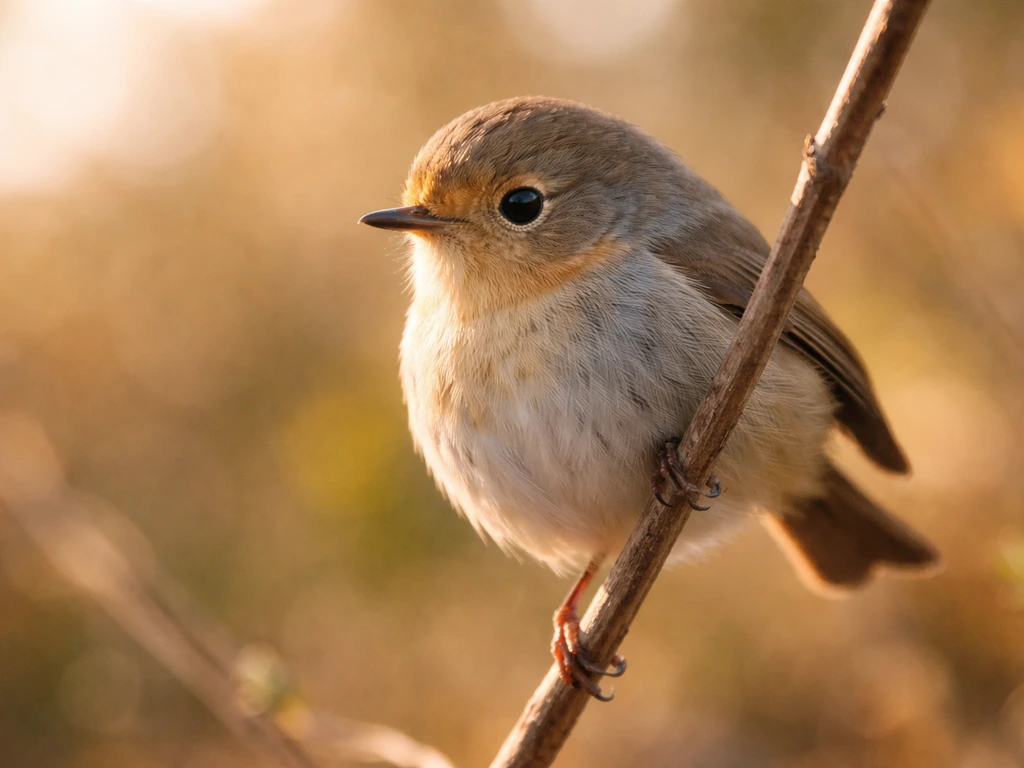
The phrase 'tiny bird' is genuinely ambiguous, and that's exactly why it trips people up. In everyday conversation it can mean a literal small bird species (a sparrow, a wren, a finch), a baby or juvenile bird (which most people would also call tiny), a dream image that carries emotional weight, or a poetic/spiritual symbol representing something fragile, free, or meaningful. Figuring out which meaning applies to you takes about thirty seconds if you ask yourself: did I see this bird in real life or in a dream? Did it feel significant beyond just being small? Was I reading or hearing it in a song or poem? Your answer to those three questions sends you down the right path immediately.
Literal meaning: the most common tiny birds and what they're known for
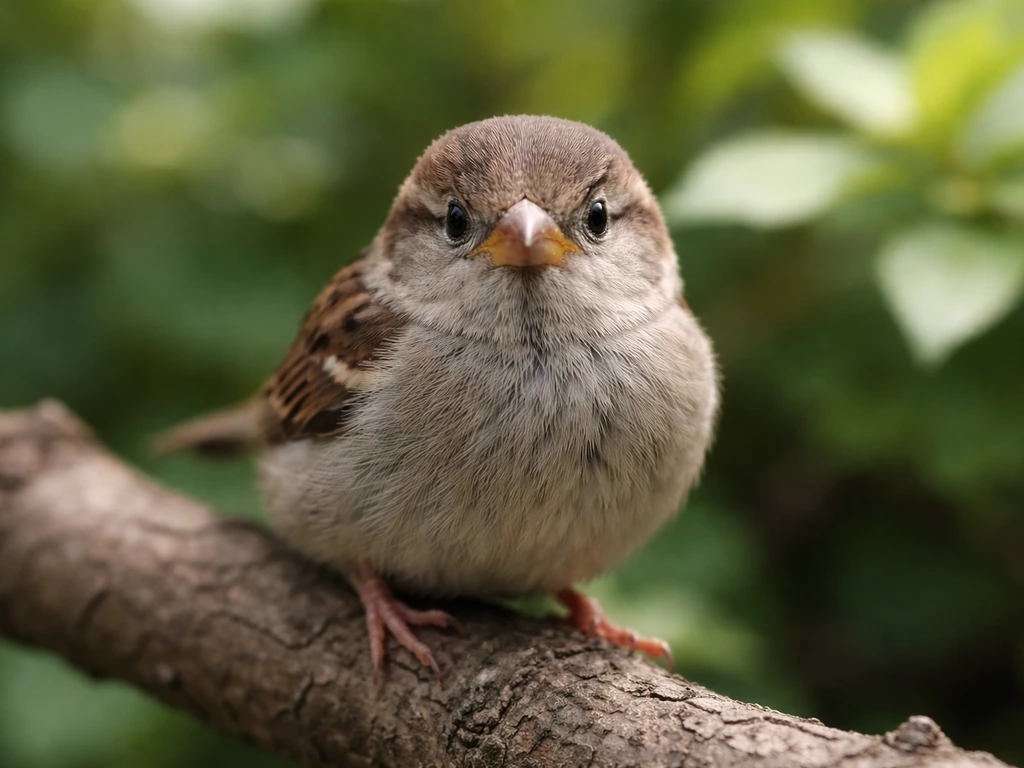
If you're here because you spotted an actual small bird and want to know what you were looking at, the species list is fairly short and manageable. Most birds people describe as 'tiny' fall into a handful of families.
| Bird | Key Traits | Most Associated With |
|---|---|---|
| House Sparrow | Brown, streaked, chunky; 5-6 inches | Community, adaptability, resilience |
| House Wren | Brown, energetic, loud singer; 4-5 inches | Boldness, voice, persistence |
| Goldfinch | Bright yellow (male), small beak; 4-5 inches | Joy, positivity, vitality |
| Ruby-throated Hummingbird | Iridescent green, hovers; 3-4 inches | Energy, love, good luck |
| Chickadee | Black cap, white cheeks; 4-5 inches | Cheerfulness, curiosity, truth |
| Junco | Gray and white, ground feeder; 5-6 inches | Change, new seasons, simplicity |
| Titmouse | Crested, gray; 5-6 inches | Courage, resourcefulness |
Young birds (chicks or fledglings) are another reason someone might describe a 'tiny bird' that doesn't quite match adult species descriptions. A baby robin or jay looks shockingly small and helpless compared to its parents, and people often don't realize what species they're looking at when they encounter a fledgling on the ground. If the bird you saw had fluffy or uneven feathers, a short tail, or was sitting still and looking lost, it was almost certainly a juvenile rather than a fully grown small species.
Symbolic meanings of tiny birds in folklore and everyday sayings
Small birds carry a rich symbolic tradition across nearly every culture. The consistent thread is vulnerability paired with unexpected power, which is why tiny birds tend to represent hope, freedom, new beginnings, and gentle messages rather than strength or dominance (that role goes to eagles, hawks, and ravens). Here's what small bird symbolism looks like when you trace it through folklore and common idioms.
- Hope and resilience: Small birds survive harsh winters, find food in difficult conditions, and sing regardless of circumstances. In folk tradition this made them symbols of hope that persists even when things look bleak.
- Freedom and lightness: The phrase 'free as a bird' applies most viscerally to small birds, which can change direction instantly and go anywhere. Tiny birds in poems often stand in for the soul or the imagination.
- Vulnerability and tenderness: Because they're small, these birds also represent things that can easily be broken. Caring for a tiny bird in a dream or story signals protectiveness, nurturing instincts, or something precious you're trying to keep safe.
- Messages and omens: In many folk traditions, small birds appearing suddenly or unexpectedly are treated as messengers. The idiom 'a little bird told me' comes directly from this belief that small birds carry information between worlds.
- New beginnings: Tiny birds, especially those seen in spring, are strongly associated with fresh starts. Their arrival signals change and the end of a difficult period.
- Gentleness and innocence: In Christian and other religious traditions, small birds (particularly sparrows) represent divine care for even the most humble creatures.
It's worth noting that the symbolic meaning of a 'small bird' overlaps significantly with what people search for under related phrases. It's worth noting that the symbolic meaning of a 'small bird' overlaps significantly with what people search for under little bird meaning and related phrases, so you can compare meanings across contexts quickly. The broader idea of small bird meaning runs through many of these same themes, and specific expressions like 'fly little bird' carry their own layered meanings about release and letting go.
Tiny bird meanings by context
In dreams
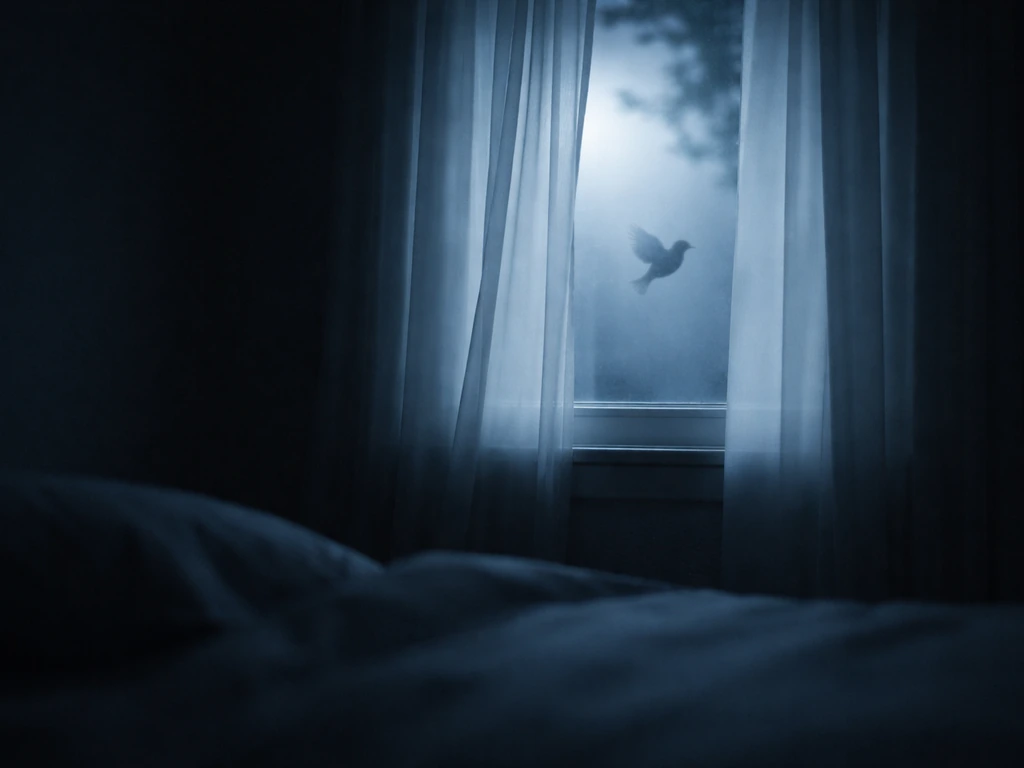
Dream communities treat tiny birds as emotionally charged symbols almost universally. If you've seen threads about this, you've probably noticed how often people describe feeling 'shaken' or moved by a dream involving a small bird, even when the bird wasn't doing anything dramatic. One r/DreamInterpretation user also described being shaken by a heartbreaking dream involving a tiny bird [feeling 'shaken' by a dream involving a small bird](https://www. reddit.
com/r/DreamInterpretation/comments/1o8qcuw/). That emotional weight is the clue: in dreams, the tiny bird usually represents something you're feeling rather than something literal. A tiny bird in a nest often points to something new and fragile that needs protection, whether that's a project, a relationship, or an idea.
In [r/DreamInterpretation] threads, a “tiny bird” in a nest is commonly treated as an emotionally charged dream symbol, and one user even describes it as extremely small when asking for dream meaning tiny bird in a nest. A tiny bird flying freely tends to signal relief or released tension.
A tiny bird that dies or is hurt in a dream is commonly linked to grief, loss of innocence, or fear of losing something delicate. The 'tiny' quality specifically tends to amplify feelings of preciousness or vulnerability.
In real-life sightings
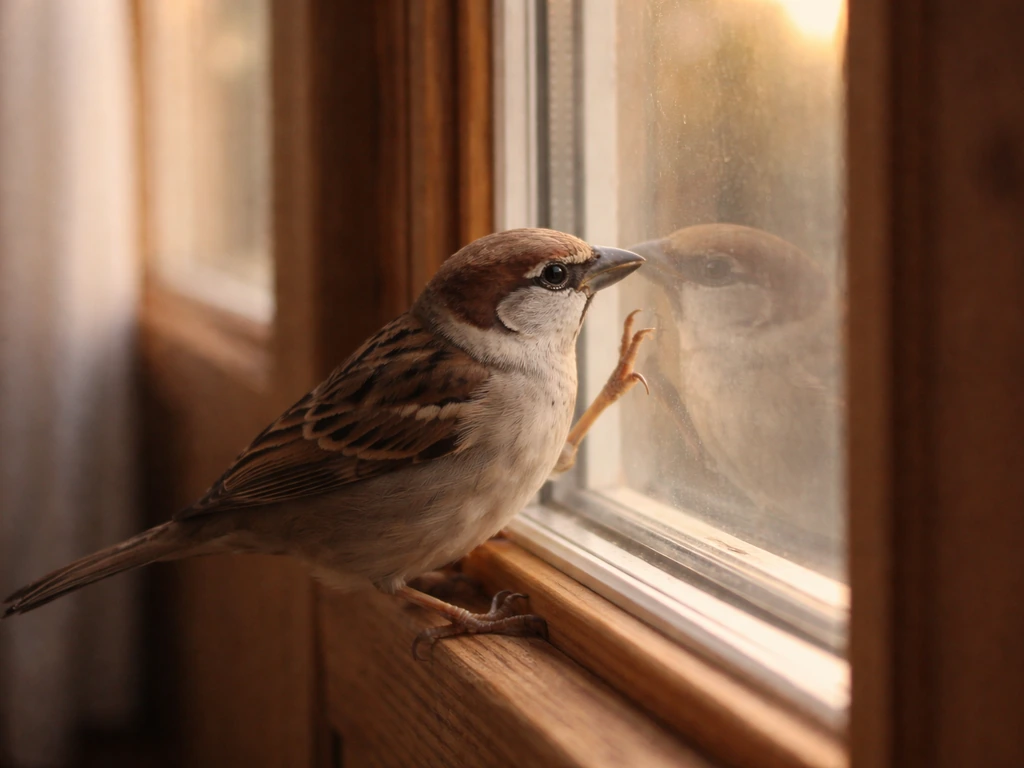
If a tiny bird lands near you, follows you, taps on your window, or appears during a significant moment (after a loss, on a meaningful date, during a hard decision), many people naturally read it as meaningful. Spiritually, this is often interpreted as reassurance or a message from someone who has passed. More practically, it might just mean there's a feeder nearby or the bird is foraging. The interpretation you land on depends a lot on your own framework, but noting the details (species if possible, what the bird did, where you were, what you were thinking about) helps you decide whether this felt like a moment worth sitting with.
In poems, songs, and idioms
When you encounter 'tiny bird' in a literary or musical context, the symbolism is almost always intentional and worth unpacking. Poets use small birds to represent the soul, innocence, or longing. Song lyrics that reference small birds often borrow from this tradition, pairing the bird's size with emotional themes of fragility or freedom. The Jonas Brothers' song 'Little Bird' is a good example of how contemporary artists use small bird imagery to carry emotional weight without spelling it out directly.
The Jonas Brothers' “Little Bird” is often discussed in connection with the phrase “little bird jonas brothers meaning. ”. The phrase 'fall little bird fall' similarly uses the image of a small bird losing flight as a metaphor for vulnerability and surrender.
In spiritual and angel-message contexts
In spiritual circles, tiny birds are frequently described as signs or angel messages, particularly when they appear in unusual ways (entering a home, approaching without fear, appearing repeatedly). Different spiritual traditions assign different meanings, but common interpretations include: a message from a deceased loved one, confirmation that you're on the right path, or a reminder to pay attention to something small you've been overlooking. The hummingbird is especially popular in this space, seen as a symbol of joy and the presence of loved ones who have passed. Sparrows hold a similar role in many faith traditions, referencing the biblical idea that even the smallest creatures are noticed and valued.
How behavior, color, and timing change the meaning
The details of a tiny bird sighting or dream matter more than people usually realize. A tiny bird sitting still and making eye contact reads very differently from one that flies away immediately. Color adds another layer.
- Yellow tiny birds (like goldfinches) are almost universally associated with happiness, optimism, and mental clarity. If you see a bright yellow bird, it's hard to spin that as a warning.
- Red or orange tiny birds (like certain warblers or male house finches) bring associations with passion, vitality, and sometimes urgency.
- Brown or gray tiny birds (sparrows, wrens, juncos) carry quieter, more grounded symbolism: humility, simplicity, persistence, and everyday grace.
- White tiny birds or birds with white markings are often linked to purity, peace, and spiritual presence.
- Black tiny birds signal transition, mystery, or a message demanding attention.
Behavior is equally important. A tiny bird that lands on you or comes unusually close suggests intimacy and message-delivery in spiritual interpretations. A singing bird amplifies themes of joy or communication. A bird that appears injured signals vulnerability and asks you to pay attention to something fragile in your life. Timing also shapes meaning: tiny birds appearing in spring lean toward new beginnings, while a tiny bird appearing in winter or during a period of loss often carries comfort and resilience symbolism.
In dreams specifically, what the bird does matters as much as what it looks like. A tiny bird that flies freely is very different from one trapped in your hands or caught in a net. In many searches, the phrase “fly, little bird” is linked to freedom and release from tension, so the context of the moment matters for the exact meaning flies freely. The first suggests release; the second raises questions about control, fear of loss, or something you're holding onto too tightly.
Practical next steps: confirm the bird and apply the meaning today
If you're trying to get a concrete answer right now, here's the decision path that works best.
- Decide first: was this a real sighting or a dream? That single question splits your path immediately. Real sighting = start with identification. Dream = start with your emotional response.
- For real sightings, try to identify the species. Apps like Merlin Bird ID (from Cornell Lab) work well for both visual ID and sound ID. Upload a photo, describe the markings, or record the call. Knowing the specific bird unlocks much more precise symbolism than 'tiny bird' alone. Note that some regional or rare species aren't in every app's sound library, so if Merlin doesn't return a match, try a regional birding group or subreddit with a photo.
- Note the details before they fade. Color, behavior (singing, sitting, flying, approaching you), location (your yard, a window, indoors, a specific tree), and timing (morning, evening, what you were doing or thinking about). These details are what shift a generic symbol into a personal one.
- For dreams, journal the emotional core first. Before you look up any dream symbolism, write down how the dream made you feel: shaken, comforted, sad, peaceful? That feeling is usually the actual message. Then layer in the visual details (what the bird looked like, what it did, where it was) to refine the meaning.
- Match the context to the right symbolic lens. Spiritual sighting? Look up the species plus 'spiritual meaning' and cross-reference with your own tradition or intuition. Literary or song reference? Research the specific text or song for the author's intent. Dream? Focus on emotional symbolism rather than literal species meaning.
- Sit with it before locking in an interpretation. The most useful thing about tiny bird symbolism is that it tends to resonate personally. If an interpretation clicks, you'll know. If it doesn't, try a different angle rather than forcing a meaning that doesn't fit your situation.
The honest truth about tiny bird meaning is that the 'right' interpretation is the one that's most useful to you in your current moment. Whether you're identifying a real wren at your feeder, processing a vivid and emotional dream, or unpacking a line in a poem, the same core symbolic themes keep showing up: hope, fragility, freedom, messages, and the idea that small things carry real weight. That consistency across cultures and contexts is exactly what makes small and little bird symbolism so enduring and so easy to connect with personally.
FAQ
How do I know if my “tiny bird meaning” search should be literal (species) or symbolic (message)?
To avoid mixing literal and symbolic meanings, treat “tiny bird meaning” as two separate questions: (1) What bird is it, using observable traits like size relative to a sparrow, wing shape, tail length, and sound, and (2) what message does the moment feel like, using your emotional response and timing. If you cannot confidently identify the real bird, lean more on the symbolism framework for now, but note that a “sign” should not override practical causes like nearby feeders or nesting.
What should I consider if the tiny bird I saw looked like a baby or fledgling?
A juvenile can look like a different species from a distance. Quick tells include patchy or fluffy feathers, a short or still-developing tail, clumsy hopping, and not behaving like the surrounding adults (for example, being slower to fly or staying on the ground). If the bird looked newly hatched or seemed unable to fly, “tiny bird” was likely age-related rather than symbolism-first.
Does the color of a tiny bird change the meaning?
Color can change interpretation, even within the same “tiny bird” symbolism. For practical meaning, color helps you narrow species, but for symbolic meaning, many people read specific tones as cues (for example, dark or dull tones as caution or processing grief, bright tones as joy or encouragement). If you want a clean approach, write down the exact colors you recall and then match them to your emotional state at the time, rather than choosing a meaning you “hope” for.
If I keep seeing a tiny bird, does that mean it’s definitely a sign?
Yes, repeated appearances are common in both literal and spiritual readings. On the practical side, repetition often means the bird is using a route, a nest area, or a food source. If you still want a spiritual layer, treat repetition as “pay attention to something small you’ve overlooked,” then decide on one specific action you can take within 24 to 72 hours (a conversation, a check-in, or a small step toward a goal).
What does it usually mean in dreams when the tiny bird is doing nothing dramatic?
In dreams, most people get better accuracy by mapping the tiny bird to your current situation rather than to the bird’s symbolism in isolation. Ask: Is there something new and fragile in my life that needs protection (nest), something I am trying to release (flying freely), or something I fear losing (hurt or dead)? Then connect that answer to a real-life choice, like setting boundaries, asking for help, or reducing pressure.
How should I interpret tiny bird sightings if the bird seems injured or in danger?
If the bird is hurt or appears grounded, “meaning” can be replaced with immediate responsibility. In many places, you can contact a local wildlife rehabilitator and avoid trying to heal it yourself, especially with nestlings or fledglings. A safe default is to observe from a distance, check if parents are nearby, and keep pets away, because interpretation should not delay care.
Does the place where the tiny bird appears (window, indoors, yard) change the meaning?
Yes. The same image can mean different things depending on who the “viewer” is. A window-tapping or landing near you tends to be read as communication or reassurance, while a bird in an open field may be read as freedom or relief. A useful method is to note the exact location pattern (window, doorstep, indoors, backyard) and pair it with what you were thinking about in that exact minute.
If the tiny bird in my dream dies, does that always mean grief?
To avoid common confusion, don’t assume “tiny bird” always equals grief or always equals hope. In symbolic practice, a harmed or dead tiny bird often signals fear of loss or grief, but it can also reflect overwhelm, guilt, or a perceived failure of something delicate. The fastest correction is to ask what “delicate” thing you associate with the dream (a relationship, a plan, your energy) and which emotion was strongest.
How can I use tiny bird symbolism without letting it make me anxious?
If “tiny bird meaning” leads you to spiritual interpretations, it helps to set boundaries so it stays grounded. Use it as a prompt for reflection, not a prediction. If you’re anxious, avoid escalating to “doom-sign” readings, and instead choose one concrete, calming step (journaling, a mindful break, or a support check-in) that matches the message you think you received.
What details should I write down to get the most accurate interpretation fast?
When you want a concrete next step, track three details immediately: where you were, what you were doing or deciding, and what the bird did (landed, followed, sang, flew away, appeared injured). If it was real-life, add one photo or sound note for species ID. If it was a dream, write the emotion first, then the scene, because the emotion usually gives the tightest “tiny bird” meaning match.
Next Article
Light Bird Meaning: Literal, Figurative, and Spiritual Symbols
Decode light bird meaning: literal bird traits or figurative symbols of hope, guidance, purity, freedom, and spiritual m