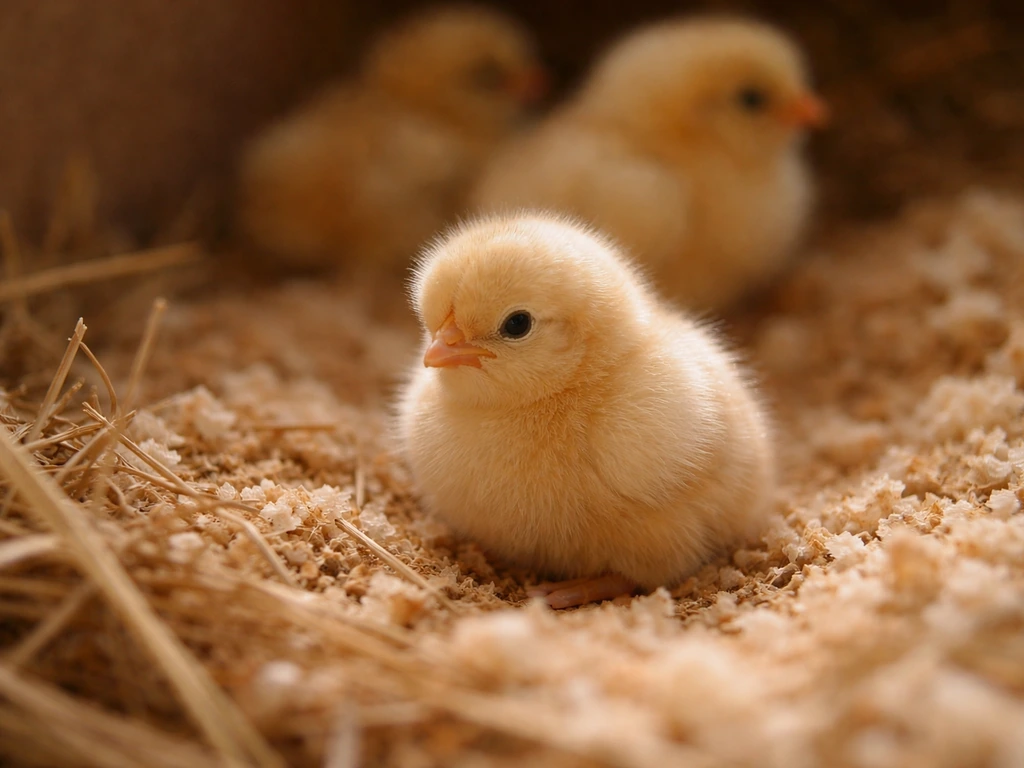
A 'runt bird' is the smallest, weakest chick in a clutch or brood, the one that hatched last, ate the least, and got shouldered aside by its stronger siblings. That is the literal meaning, and it is the most common one you will encounter in bird-raising, poultry, and backyard flock contexts. But 'runt bird' also shows up figuratively in everyday conversation and storytelling, where it describes a person, animal, or character who is the underdog, the small one, or simply the one who got the short end of things. Knowing which meaning someone intends takes about five seconds of context-reading, and this guide walks you through exactly how to do that.
Runt Bird Meaning: Literal and Figurative Uses Explained

Marcus Winters
16 May 2026
What 'runt bird' means in everyday English
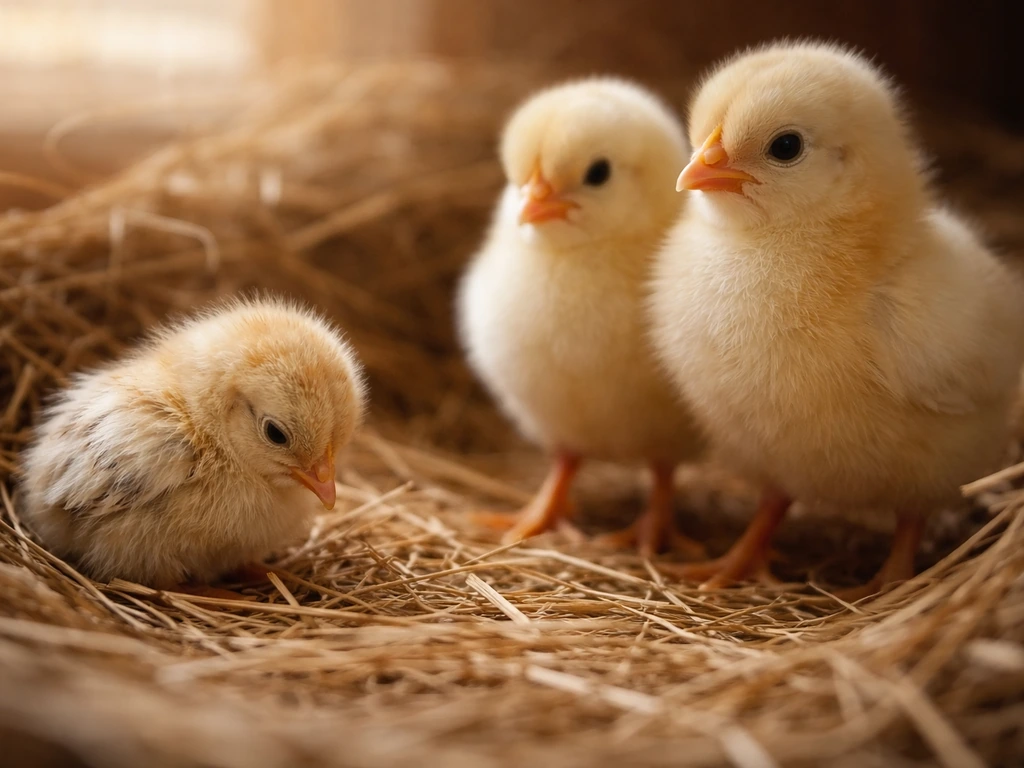
The word 'runt' by itself has a clear dictionary definition across every major reference: the smallest and weakest animal born to the same mother at the same time. Cambridge puts it plainly as 'the smallest and weakest animal of a group born at the same time to the same mother.' Merriam-Webster notes it specifically means 'an animal unusually small of its kind,' with pigs being the classic example. When you attach 'bird' to it, you are just narrowing that same concept to a bird species, whether that is a baby chicken, a pigeon squab, a duckling, or a wild songbird chick.
In everyday English, calling something a 'runt bird' communicates two things simultaneously: physical smallness and implied vulnerability. It is not a neutral description. The word carries a quiet emotional weight, a sense that this particular bird started behind everyone else and may or may not catch up. That is why the phrase appears in both practical bird-care conversations and in figurative storytelling. The core meaning stays consistent: smallest, weakest, least advantaged.
How 'runt' works: literal vs figurative
The literal use of 'runt' is purely biological. It describes a measurable, observable condition: one animal in a litter or clutch is noticeably smaller and weaker than the rest. Dictionary.com notes that a runt 'often suffers from being small and weak' and is 'sometimes unable to get enough of its mother's milk to live.' In the bird world, the equivalent is a chick that cannot compete at the feeding moment, gets pushed away from warmth, and falls behind on development. Collins gives the blunt example: 'Animals reject the runt of the litter.' That rejection is a real behavior you can observe.
The figurative use shifts the target from animal to person. Cambridge lists a second informal definition of 'runt' as 'a small or weak person who you dislike,' and Merriam-Webster flags the human sense as 'usually disparaging,' meaning it is used to look down on someone. Britannica describes it as 'informal and disapproving.' So when someone calls a person a 'runt bird' in a social or conversational context, they are borrowing the bird imagery to say: this person is the small one, the weak one, or the one who does not measure up. It can be affectionate (think of someone rooting for the underdog chick) or cutting, depending on tone.
'Runt bird' in bird-raising, breeding, and animal care
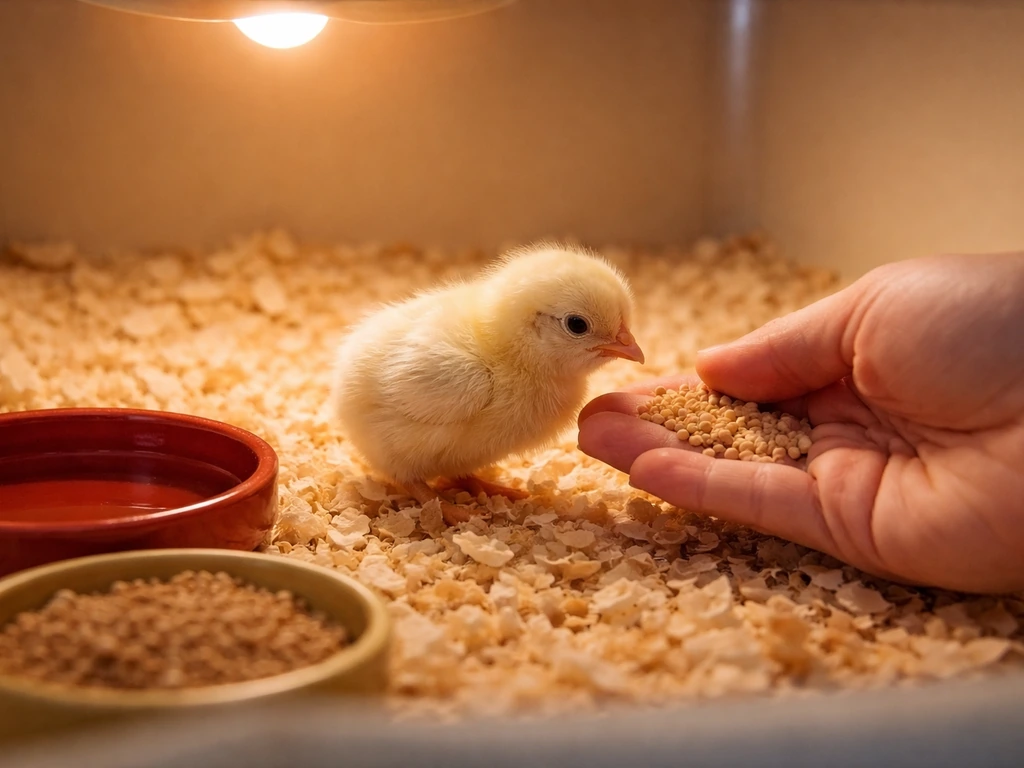
If you are raising chickens, ducks, pigeons, or any bird species and someone mentions a 'runt bird,' they are almost certainly talking about a real bird with a real problem that needs attention. In poultry and backyard flock contexts, a runt chick typically shows up for a handful of reasons.
- Late or uneven incubation: if eggs in a clutch develop at slightly different rates, the last chick to hatch starts life behind the others in size and energy reserves.
- Nutritional competition: in a crowded brooder or nest, dominant chicks claim food first. The smallest bird eats last, if at all, which compounds the size difference quickly.
- Genetics: some chicks are simply smaller by inheritance, carrying traits that produce a smaller frame regardless of food access.
- Illness or injury at hatch: a difficult hatch or small internal defect can leave one chick weaker from the first day.
- Clutch size: larger clutches increase the odds of one egg receiving less incubation heat or less space, producing a smaller hatchling.
In a breeding or farming context, the practical question is whether to intervene. Many experienced bird keepers separate runt chicks and hand-feed them, giving them a chance to catch up before returning them to the group. Others let the natural pecking order play out, especially in large commercial flocks where intervention is not practical. The outcome for a runt bird varies widely: some thrive once given space and consistent nutrition, others never close the size gap but live normal lives, and some do not survive. Knowing a bird is the runt of the group is useful information because it tells you which bird to watch most closely.
Figurative uses: who gets called a 'runt bird' and what it implies
Outside the chicken coop, 'runt bird' is a colorful way to describe someone or something that did not get the advantages everyone else got. In conversation, social media, and informal storytelling, you might hear it applied to a younger sibling who was always physically smaller, an employee who is constantly overlooked, a sports team that no one expects to win, or a character in a story who starts with nothing. The bird framing adds a layer of imagery: a small bird is visually easy to picture as scrappy, determined, or fragile depending on the storyteller's intent.
The emotional tone can swing in two directions. When someone uses 'runt bird' with warmth or admiration, it is underdog language. If you run across confusing phrases like ran over a bird meaning in slang or storytelling, it helps to check tone and surrounding context the same way you would for runt bird usage. They are saying: this one had every reason to fail and did not. That framing is genuinely compelling and appears in everything from folk tales to sports commentary to parenting conversations about a child who was always smaller than peers. When someone uses it dismissively, it carries the disapproving weight that Britannica and Merriam-Webster flag, implying the person is small, weak, or not worth taking seriously. Context and tone are everything.
Common phrases and near-matches: runt, runt of the litter, stunted bird
It helps to know how 'runt bird' sits alongside related expressions, because people often use these interchangeably and they are not quite the same. If you are exploring bird-name phrases more broadly, you may also want to compare this to wagtail bird meaning as another related bird-idiom interpretation.
| Phrase | Core meaning | Animal or figurative? | Tone |
|---|---|---|---|
| Runt | The smallest, weakest individual in a group | Both | Neutral to slightly negative |
| Runt of the litter | The weakest animal born in a single birth group | Primarily animal, often figurative | Sympathetic or disparaging depending on use |
| Runt bird | The smallest, weakest bird in a clutch or flock | Both, leans literal in bird contexts | Sympathetic to negative depending on context |
| Stunted bird | A bird that stopped growing properly due to illness or conditions | Primarily literal | Clinical or concerned |
| Underdog bird | A bird or character with disadvantages who may overcome them | Figurative | Positive, rooting-for quality |
The key difference between 'runt bird' and 'stunted bird' is worth noting. A stunted bird stopped developing due to an external cause like malnutrition or illness. A runt bird was simply the smallest from the beginning. You can have a runt bird that grows up healthy and a stunted bird that was never technically the smallest in its group. In casual conversation the two get blurred together, but in a bird-care or veterinary context, they point to different problems and different interventions.
Compared to related ideas in bird language, 'runt bird' is more grounded in physical biology than terms like vagrant bird or wandering bird, which describe movement and behavior rather than size. Wandering bird meaning can come up when the “bird” idea is used to describe someone who drifts, roams, or does not stay put. If you meant vagrant bird meaning, it refers to birds that wander outside their usual range rather than a runt bird comparison. It is also more specific than 'small bird,' because it implies a comparison to siblings or peers, not just a general measurement.
How to figure out which meaning someone intends

When you encounter 'runt bird' and are not immediately sure whether it is literal or figurative, ask these questions about the surrounding context.
- Is the conversation about actual birds? If someone is discussing a backyard flock, incubation, breeding, poultry care, or a specific bird species, treat it as literal. They are describing a real chick that needs attention.
- Is the conversation about a person or a character? If the sentence could replace 'runt bird' with 'underdog' or 'the small one' and still make sense, it is figurative. The bird is just the image being borrowed.
- What is the emotional tone? Warmth and rooting-for energy signal the underdog figurative use. Dismissiveness or contempt signal the disparaging figurative use. Clinical description without emotion signals the literal bird-care use.
- Are there other bird-raising terms nearby? Words like 'brooder,' 'clutch,' 'hatch,' 'flock,' 'feeder,' or specific breed names confirm you are in literal territory.
- Is it on social media or in a story? Figurative use dominates these spaces. Someone posting 'my cat is the runt bird of the neighborhood' is clearly using it as colorful slang, not describing a chick.
- Is someone asking what to do? Practical questions ('should I separate the runt bird?') are almost always about a real animal. Emotional or rhetorical statements are almost always figurative.
If you are the one dealing with an actual runt bird in a flock or clutch, the practical next steps are straightforward: separate the chick from competitors if it is not getting food, offer it warmth and easy access to nutrition, and monitor weight gain against siblings. Many runt chicks catch up when given that simple advantage. If you are trying to understand the phrase in a conversation or piece of writing, strip away the bird framing and look for the emotional core. If you are trying to understand the loop track bird meaning, focus on the surrounding context and emotional tone rather than only the literal size comparison emotional core. Is someone celebrating a small survivor, or cutting someone down? That is your answer.
FAQ
How can I tell if “runt bird” is being used literally or figuratively in a sentence?
Look for biological details nearby, like chicks, feeding, clutch, weight, pecking order, warmth, or milk. If you see those, it is literal. If you see social roles (employee, sibling), evaluation (not worth taking seriously), or story framing (underdog vs. loser), it is figurative, and the bird image is metaphorical.
Does calling someone a “runt bird” always mean insulting them?
Not always. The phrase can be affectionate if the speaker is praising an underdog, but it is often disparaging if the tone is mocking or dismissive. A quick cue is whether the speaker describes effort and rooting for them (positive) or belittles them as weak and inferior (negative).
What is a common mix-up between “runt bird” and “stunted bird,” and why does it matter?
People often treat them as the same, but they point to different causes. “Runt” suggests the smallest from the start in the same group, while “stunted” implies arrested growth from an outside problem like illness or malnutrition. This affects decisions like separating for nutrition (runt-focused) versus investigating a health issue (stunted-focused).
If I have a runt chick, should I always separate it from the flock?
Not necessarily, but separation is most useful when the chick cannot reliably eat or maintain warmth. Before separating, watch for repeated crowding at the feeder, persistent weight lag, or chilling. If those are happening, temporary separation with easy access to food and stable temperature is often safer than waiting for the pecking order.
What feeding and warmth steps are most likely to help a runt chick catch up?
Aim for frequent access to nutrition and a consistent heat source. Practical choices include smaller, easier-to-reach feeding points and monitoring that it can swallow comfortably. Also track weight gain over several days, not just one day, since improvement can be gradual after rebalancing food and warmth.
How long should I monitor a runt bird before deciding intervention is not working?
Use trends. If weight gain and consistent feeding are not improving over multiple check-ins (for example, across several days), it suggests the runt is not merely disadvantaged but may have an underlying issue. At that point, contacting an avian vet or a poultry-experienced caretaker for evaluation is the next step rather than extending delays.
Can a runt bird grow up normally, or is the outcome always poor?
Outcomes vary. Some runt chicks catch up and live normally once they get sufficient food and reduced competition, while others remain smaller and may still do okay. In contrast, some never close the gap and may not survive. The key determinant is whether the runt can consistently eat, stay warm, and gain weight.
Is “runt bird” the same as “small bird” or “underdog”?
No. “Small bird” can be neutral and non-comparative. “Underdog” is about relative disadvantage in a broader sense and may not be tied to physical weakness. “Runt bird” specifically implies being the smallest and/or weakest compared to siblings or peers, so it carries a stronger comparison element.
Next Article
Wagtail Bird Meaning: Symbolism, Omens, and Context Clues
Learn wagtail bird meaning in symbolism, omens, and everyday context, plus what to do when one appears.