"Bird time" most commonly refers to the early morning hours when birds become loudly active, roughly around 4 a.m., during what ornithologists call the dawn chorus. In casual slang, it's the time of day when birds are so noisy they wake you up. But the phrase also floats around in birding communities as shorthand for "now is always a good time to go birding," and in internet culture it shows up as a meme pun on TIME magazine. Which meaning applies depends almost entirely on context, and this guide walks you through how to figure that out fast.
Time Bird Meaning: What Bird Time Really Signifies

Marcus Winters
28 May 2026
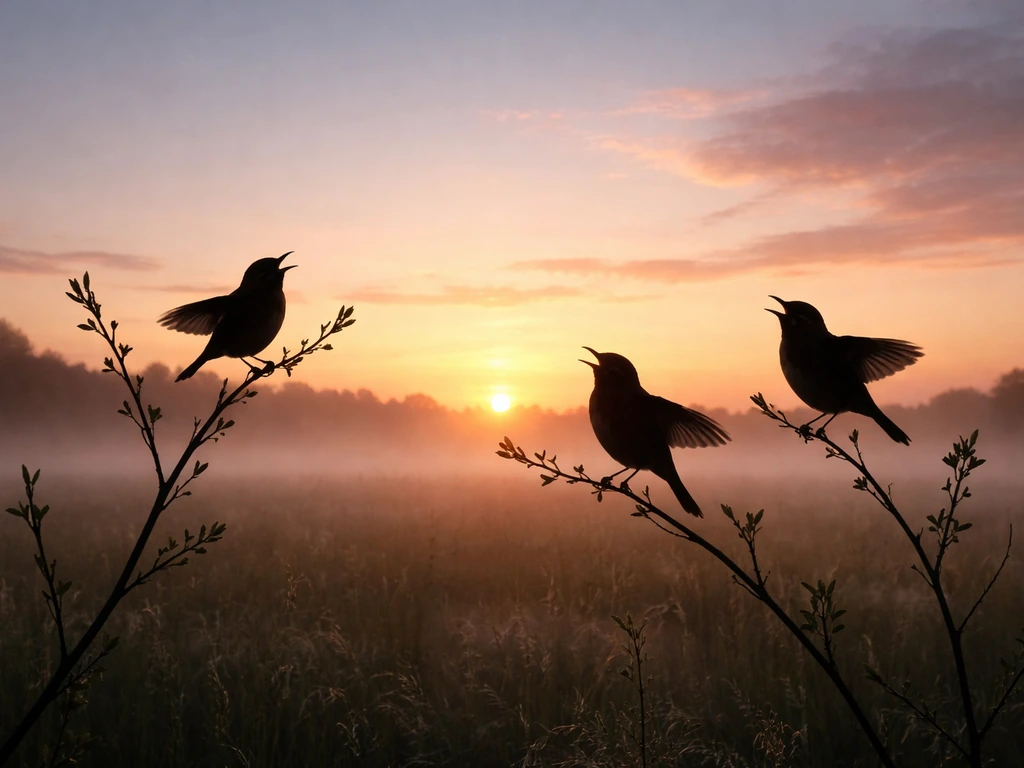
What "bird time" actually refers to
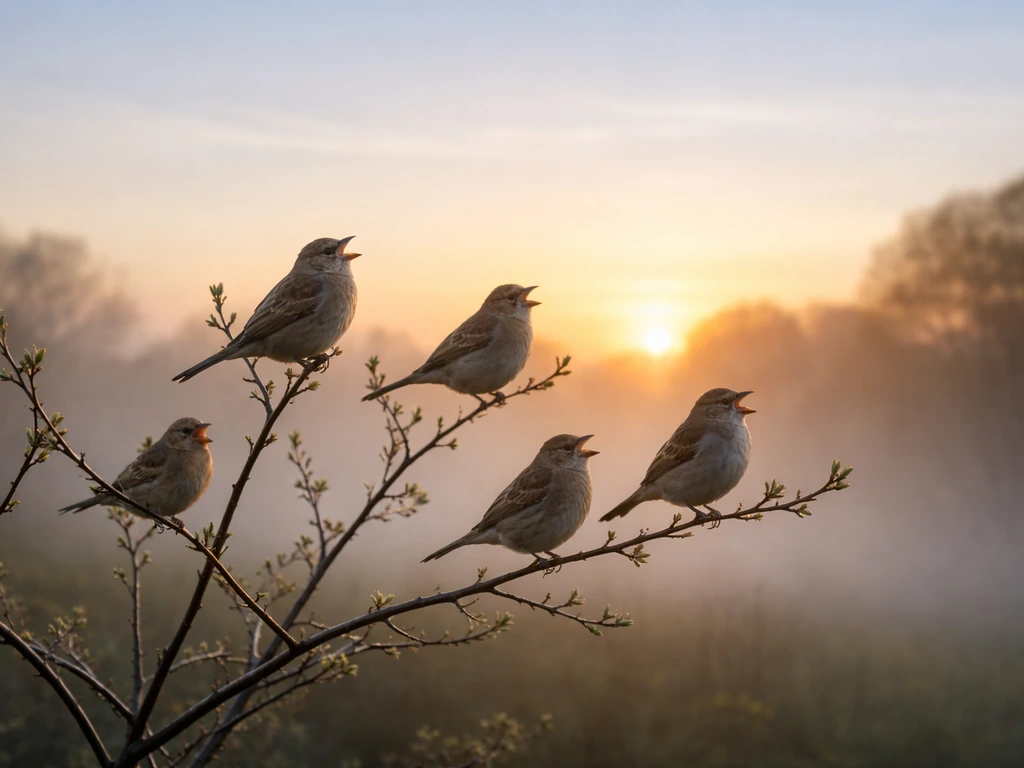
The most grounded, literal meaning of "bird time" points to the blank" rel="noopener noreferrer">dawn chorus: that concentrated burst of bird song that happens at first light, especially during spring breeding season (roughly March through May in the U. In the same way, the social bird meaning depends on whether you're using the phrase as dawn slang, birding humor, or a meme bird time meaning. S. and Canada). Birds wake earlier than most people, and they start singing long before sunrise because the dim early light is too poor for foraging but perfect for staking out territory and attracting mates. The result is a wall of noise that, if you're still awake from the night before, feels almost aggressive.
Urban Dictionary captures the slang version precisely: "bird time" is pegged at around 4:02 a.m., framed as the moment birds get impossibly loud and ruin any chance of sleeping in after a late night. That definition is crowdsourced and casual, but it maps directly onto real ornithology. Cornell Lab's research on the dawn chorus confirms that different species begin singing at specific intervals before sunrise, with the whole choir building as light increases. So when someone groans that it's "bird time," they're not making up a metaphor from scratch. There's a genuine biological phenomenon behind it.
The phrase also circulates in birding communities with a different flavor. On subreddits like r/birding, "it's always bird time" is used as cheerful in-group humor: there's never a bad moment to be out watching birds. This is less about clock time and more about enthusiasm and identity. It functions like a rallying call, not a time stamp.
Figurative meanings and idioms built around birds and time
Birds have always been tightly woven into how humans mark time. The rooster crows at dawn, the swallow returns in spring, geese fly south in autumn. These patterns trained whole cultures to use birds as natural clocks and seasonal signals. "Bird time" slots into that tradition even when the person saying it has never thought about ornithomancy or folklore. The connection between birds and the rhythm of the day is so old and so consistent that the phrase feels intuitive.
Figuratively, "bird time" can carry the idea of a natural, instinct-driven schedule as opposed to a mechanical, clock-driven one. Saying something happens "on bird time" can subtly suggest it follows organic rhythms rather than human-imposed schedules. This plays into a broader idiom tradition where birds represent freedom from rigid structure. It's a cousin to expressions like "the early bird catches the worm," which packages time and bird behavior into a single moral lesson about timing and readiness.
There's also an internet-native figurative layer worth knowing about. "Bird Time" appears as the title of a meme riffing on TIME magazine, turning the publication's masthead into a pun. In that context, the phrase isn't about dawn or birding at all. For example, a Voicy sound clip explicitly references “a bird time time” in a Borat-related meme context, showing how the phrase can circulate as an internet meme sound rather than a literal time reference [the slang version](https://www.
voicy. network/sounds/OJhXgsMstEGSoKrQuGBBDw-borat-should-say-a-bird-time-time). It's wordplay, using "bird" as a substitution in a recognizable cultural format. This usage is purely comedic and contextually obvious once you see the imagery, but it does mean "bird time" can land in your search results or social media feed with zero connection to actual birds or time of day.
Which bird species get linked to "bird time" and why
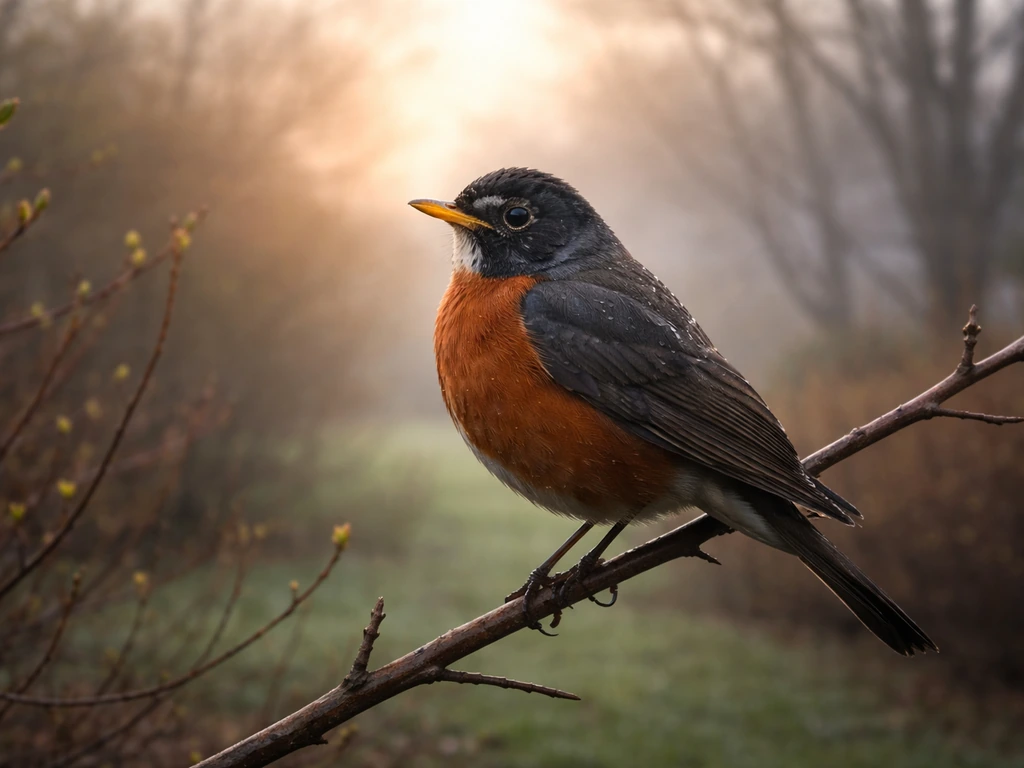
Not all birds are equally associated with time-marking. A few species carry especially strong time-of-day or seasonal symbolism, and these are the ones most likely to come to mind when someone talks about "bird time" in a nature or folklore context. Buzzard bird meaning can also come up in birding discussions when people ask what the bird imagery is pointing to.
| Bird | Time association | Why it sticks |
|---|---|---|
| American Robin | Dawn, early spring | One of the first birds to join the dawn chorus; its song signals the very start of morning and the arrival of spring in temperate North America |
| Rooster (domestic fowl) | Sunrise, the start of day | Culturally universal symbol of dawn; crowing at sunrise is so deeply embedded in human culture that it became the original "bird time" signal across civilizations |
| Nightingale | Dusk and night into dawn | Famous for singing through the night and into early morning, making it the poetic bird of the liminal time between darkness and light |
| Swallow | Spring arrival, seasonal time | Swallows returning is a well-known folk signal that spring has arrived; their appearance marks a turning point in the seasonal calendar |
| Owl | Night, witching hour, endings | Owls are the counterpart to dawn birds: they represent the late-night hours and, in many folklore traditions, signal transitions, endings, or omens about what's coming |
The robin deserves special mention here. Research from Cornell Lab and press coverage of dawn birding consistently singles out the American Robin as one of the earliest voices in the dawn chorus. If someone says "it's bird time" while describing a spring morning walk, there's a good chance a robin is exactly what woke them up. The rooster is the classic daytime marker in folk language, while owls anchor the night side of "bird time" in omen-based traditions. These species aren't random. They earned their time associations through observable, repeatable behavior that humans noticed over centuries.
What cultures and folklore say about birds and time
The idea that birds communicate something about time, timing, or impending events has deep roots in almost every major tradition. In ancient Rome and Greece, priests practiced ornithomancy: reading the flight patterns, cries, and behavior of birds to interpret omens and determine the right moment to act. The word "auspice" (as in "under good auspices") literally comes from the Latin for bird-watching. That's how foundational birds were to the human sense of timing and decision-making.
Across European and Indigenous North American folklore, specific bird calls at particular hours were read as messages. A bird calling at midnight meant something different from the same bird calling at noon. The dawn chorus itself carries a folk layer: some traditions treated the first bird song of morning as a blessing or a sign of fortune for the day ahead. In others, a bird singing before its usual time was interpreted as a warning. The general principle across these traditions is consistent: birds don't just happen to be around at certain times. They're announcing something.
Modern spiritual communities have held onto this framework. The symbolism of bird appearances tied to transitions, change, and messages from beyond is still widely discussed, even if it's now framed in personal spirituality rather than state religion. If you find a dead bird in the morning, some traditions interpret that as a signal about endings and new beginnings.
World Birds gives an example of how vulture symbolism is often interpreted in death-related, omen-like ways, illustrating how birds get translated into “message” readings even outside ornithology dead bird in the morning. The timing of the encounter (dawn, dusk, nighttime) adds a layer of meaning in these readings, which is why "bird time" in a spiritual conversation might refer to a moment of significance rather than a clock reading.
How to read "bird time" when someone actually says it
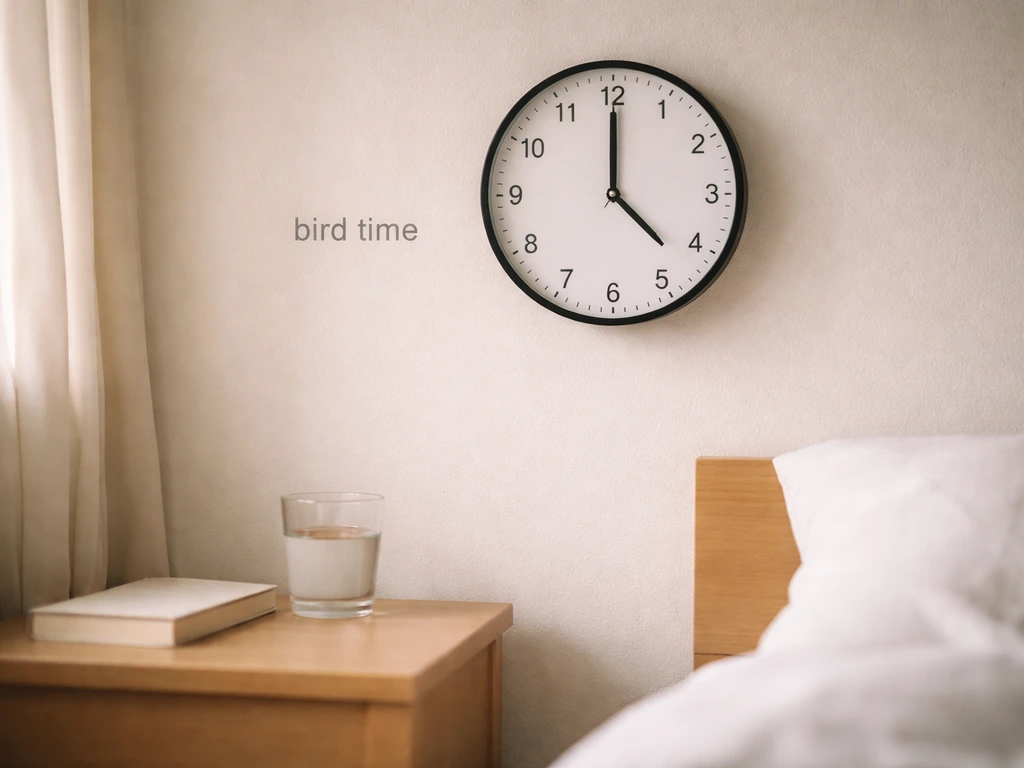
Context does nearly all the heavy lifting here. If you are actually searching for tt bird meaning, this is the part of the context check that matters most bird time. The phrase is genuinely ambiguous, but it resolves quickly once you look at three things: who's saying it, what surrounds it, and what platform it appears on.
- Sleep and hangovers nearby: If the conversation mentions staying up late, being woken up, or early-morning misery, "bird time" almost certainly means the slang definition: the ungodly early hour when birds get loud around 4 a.m.
- Spring, breeding, or dawn chorus nearby: If the text includes words like "spring," "breeding season," "first light," or "chorus," the intended meaning is the natural-history version: the peak period of bird song at dawn, particularly March through May.
- Birding context: On birding forums, subreddits, or among birdwatcher friends, "it's bird time" or "always bird time" is enthusiast humor meaning it's always the right moment to go out and look for birds.
- Meme or political imagery nearby: If you're seeing "Bird Time" next to a magazine-cover parody or political commentary, it's the TIME magazine pun. No birds or dawn involved.
- Spiritual or folklore context: If the conversation involves signs, omens, or symbolic interpretation of bird appearances, "bird time" likely refers to a meaningful moment marked by bird presence or behavior, drawing on older divination traditions.
- Media references: If someone mentions watching something short, a film cast, or links to a streaming platform, "Bird Time" is likely the title of the 2001 short film, not an expression at all.
Reading "bird time" in the wild: quick examples
Here are several concrete uses of the phrase and what each one most likely means, so you can see the disambiguation in action.
- "I finally fell asleep at 2 a.m. and then it was bird time by 4." → Slang for the early-morning dawn chorus disrupting sleep. Classic Urban Dictionary usage, tied to specific clock time and sleep frustration.
- "It's always bird time, BayBee!" (posted in r/birding with a photo of binoculars) → Birder in-group humor. Means: there's never a bad time to go birding. The exclamation and community platform make this obvious.
- "The dawn chorus in April is basically bird time at its peak." → Natural history usage. References the scientific phenomenon of concentrated bird song at first light during spring breeding season.
- "Check out this Bird Time cover" (posted with a parody TIME magazine image) → Internet meme and pun. No ornithological meaning intended. The phrase is a visual joke substituting "Bird" for the magazine title.
- "A robin sang outside my window at 4: 30 this morning. It felt like bird time, like a signal." → Spiritual or folkloric framing. The speaker is interpreting the bird's appearance and timing as meaningful, in the tradition of ornithomancy and bird omens.
- "Have you seen Bird Time? It's only about 10 minutes long." → Media title reference. The person is talking about the 2001 short film, not using an expression at all.
The phrase "time bird" in searches often reflects the same ambiguity flipped: people typing it as a compound noun or title are frequently looking for exactly this kind of breakdown. If you've encountered "time bird" in a creative or artistic context, like a game or web animation, it's more likely a stylistic title choice than an established idiom, similar to how "Time Bird" appears as a creative label on platforms like Newgrounds. If you're wondering about the busy bird meaning online, it usually points to the same idea of birds being active early or being “on” their own natural schedule.
One last thing worth noting: the richness of "bird time" as a phrase is not accidental. Birds genuinely are one of the most consistent natural timekeepers humans have ever had. Before alarm clocks, before mechanical bells, the dawn chorus was how a village knew morning had arrived. That history lives on in the slang, the folklore, the memes, and the birder humor all at once. The phrase resonates because the underlying connection between birds and the marking of time is real, ancient, and still happening every morning around 4 a.m. whether you want it to or not.
FAQ
How can I tell which “time bird meaning” someone intends in a sentence?
Use who is saying it and where you saw it. If it appears in a birding post or around talk of sunrise, it usually means dawn chorus timing. If it shows up in a meme or with TIME magazine imagery, it is wordplay. If it is an offhand groan about being unable to sleep, it is slang for the early-morning noise window.
Is “bird time” always 4 a.m., or does it vary by location and season?
No. “Bird time” is not a single exact minute, it is a typical window. Species differ, and your local light conditions matter, so in practice it can start earlier or later than the commonly repeated “about 4:02 a.m.” mark.
What does “on bird time” mean, is it about punctuality?
If someone says “on bird time,” interpret it as “running on an organic rhythm” rather than “you are late by a specific clock standard.” It can be used playfully for people who wake early, but it can also be literal if you are planning an early birding walk.
When “bird time” feels spiritual or ominous, how do I know which meaning applies?
Check for mentions of omens, messages, or transitions (endings, warnings, blessings). Those cues point to the spiritual or folklore layer. If the context is biology, city mornings, or species calling schedules, it points back to the dawn chorus.
What’s the difference between searching “time bird” versus “bird time”?
“Time bird” and “bird time” are often treated as close enough in casual searches, but they can point to different intentions. In real usage, “bird time” most often signals dawn activity, while “time bird” may be used as a creative title or compound phrasing rather than an established idiom.
Does “bird time meaning” change in winter versus spring?
A good clue is whether the speaker names a place and season. In spring, you are more likely hearing peak dawn chorus behavior linked to breeding, while in winter the calls may happen but the intensity and timing can shift.
Why do some posts tie “bird time” to specific birds, like robins or owls?
If you see it next to specific bird names, like robin, rooster, owl, or buzzard, the speaker may be leaning on species symbolism. The robin is commonly cited as an especially early dawn-chorus voice, so robin-heavy contexts usually imply “first light listening time.”
Can “bird time” be used to mean “anytime is a good time to go birding”?
Yes, the phrase can be a literal comfort for birders. People also use it socially as a nudge meaning “let’s go now, it’s a good moment to be out,” even when the exact time is not the point.
What’s the fastest method to disambiguate “time bird meaning” in search results?
Treat it as context-matching, not a one-time dictionary lookup. Start with platform or community (birding forum, social media, meme page), then look for surrounding cues (sunrise, sleep, omens, TIME magazine imagery).
Next Article
Twitter Bird Meaning: What It Refers to in Context
Disambiguate twitter bird meaning: bird chirping vs Twitter/X logo. Use a quick context checklist to confirm intent.