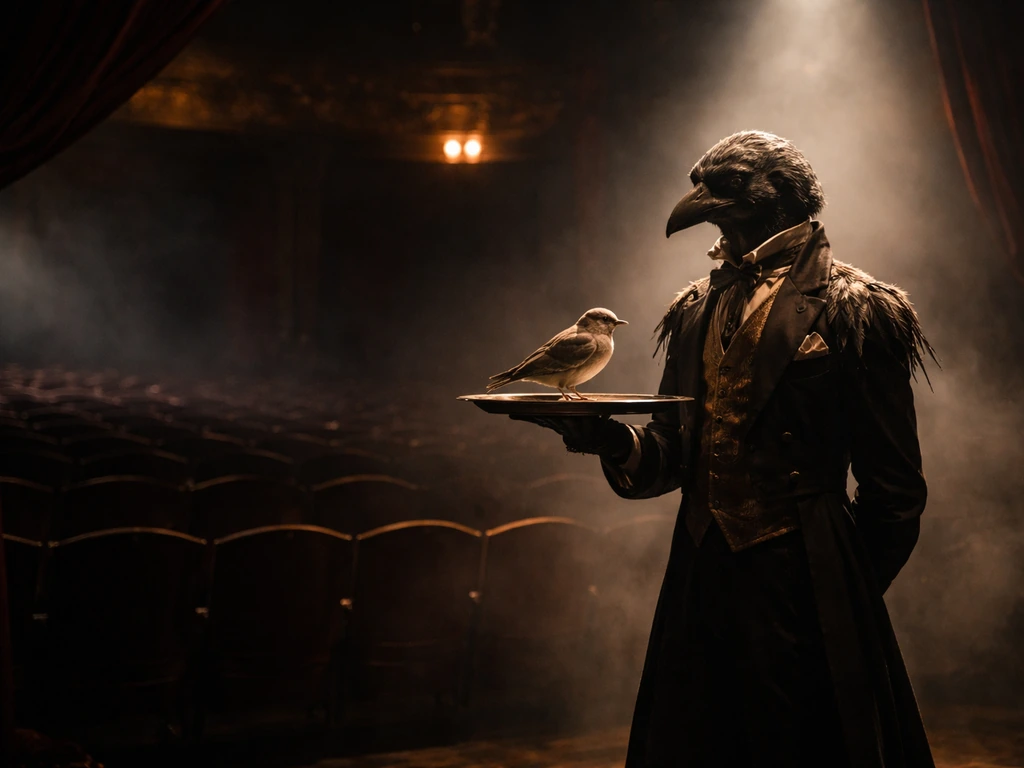
Alondra is the Spanish word for lark, specifically the skylark (Alauda arvensis), a small songbird famous for its soaring flight and continuous, melodic song. When you encounter "alondra" in a Spanish text, a poem, a song lyric, or a name, you are almost always looking at a reference to this bird and everything it has come to represent across centuries of language and culture: dawn, hope, joy, free expression, and the arrival of something new.
Alondra Bird Meaning: Spanish and Symbolism Explained

Marcus Winters
7 Jun 2026
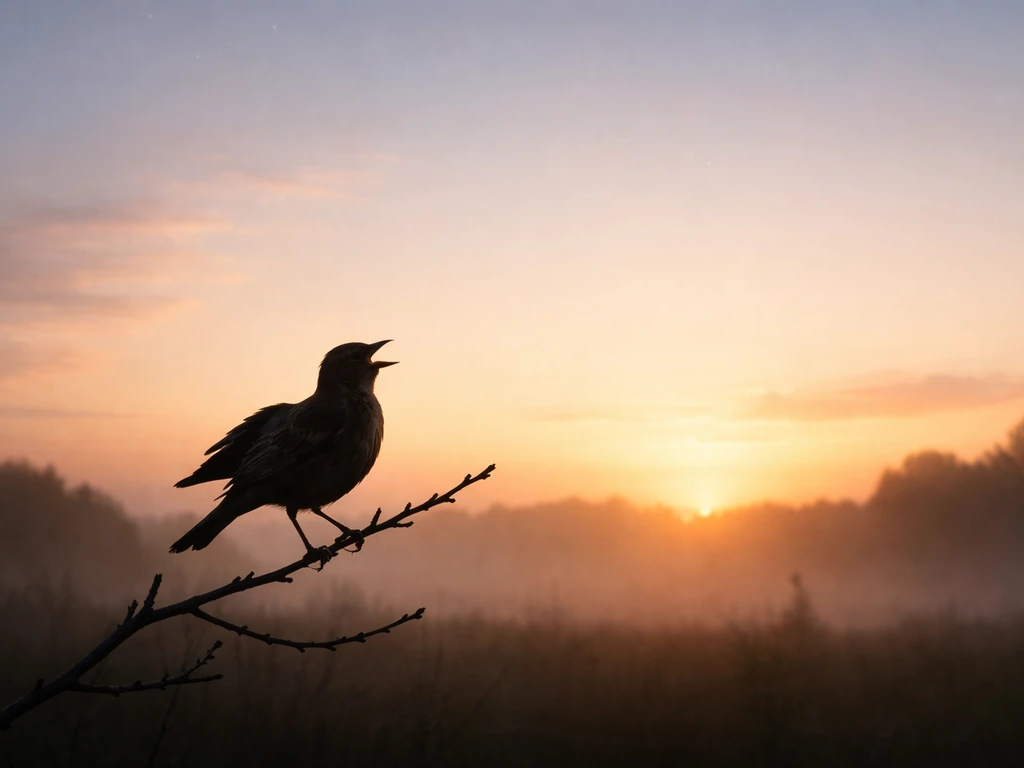
What "alondra" literally means
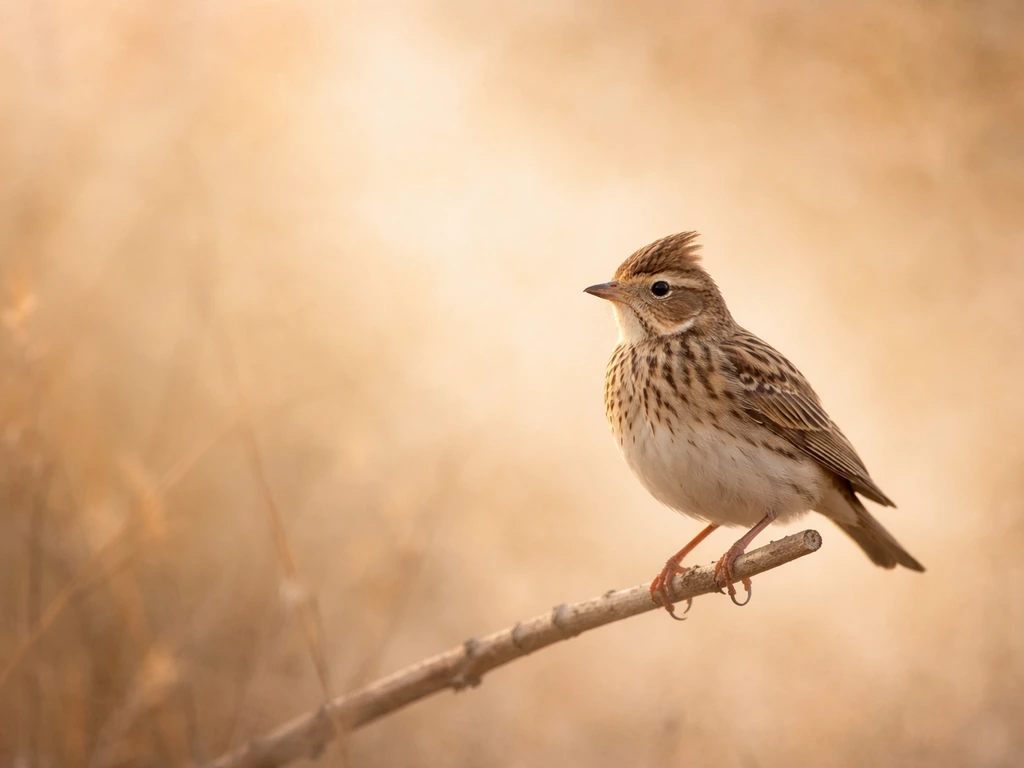
The word "alondra" comes from the Latin "alauda," which is the root of the scientific genus name Alauda used in modern ornithology. In Spanish, it is a straightforward noun meaning lark. The Cambridge Spanish-English dictionary glosses it with the phrase "el canto armonioso de la alondra" (the harmonious song of the lark), and Wiktionary's Spanish entry simply defines it as "lark." So the literal translation is clean and unambiguous: alondra equals lark.
In practice, when Spanish speakers say "alondra" without any qualifier, they almost always mean the Eurasian skylark, the same default that English speakers reach for when they say "lark" on its own. The 1911 Encyclopædia Britannica made exactly this point about English usage, noting that "lark" used without qualification virtually always refers to the skylark. The same convention holds in Spanish. The bird itself is small and brown, easy to overlook on the ground, but once it launches into the air it climbs high while singing a long, cascading, almost ecstatic song. That behavior is the engine behind nearly all of the symbolism attached to "alondra."
The core symbolism of the lark across cultures
The lark has carried remarkably consistent symbolic weight across European and Latin American cultures for at least two thousand years, and most of that weight comes from two observable facts about the bird: it sings at dawn, and it sings while flying upward. Those two behaviors have made it a near-universal symbol of hope, new beginnings, spiritual ascent, and joyful expression.
Dawn and new beginnings
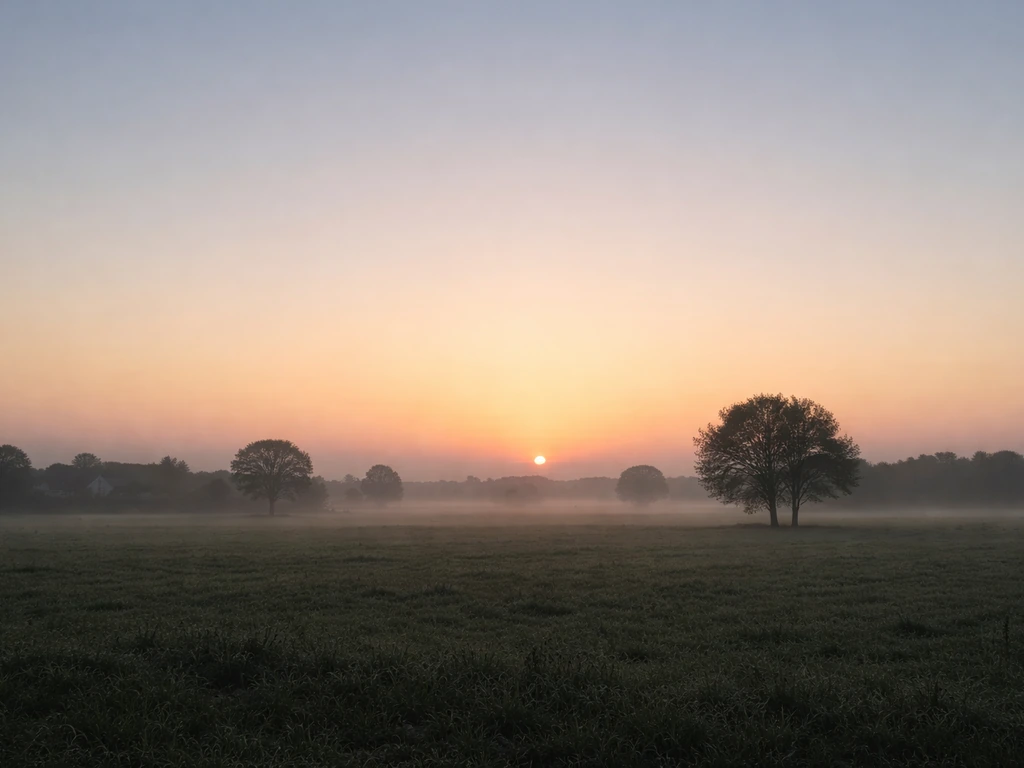
The lark is one of the first birds to sing as night ends. In many European folk traditions, hearing a lark was proof that morning had genuinely arrived, that darkness was over. That made it a natural symbol for hope, renewal, and the start of something better. In Spanish-language poetry, "alondra" often appears at the turn of a poem's mood, the moment where grief gives way to light, or where a long night is finally acknowledged to be ending.
Song, messages, and spiritual ascent
Because the lark sings continuously while climbing higher and higher into the sky, many traditions attached a spiritual meaning to it: the bird as a messenger between the earthly and the divine, carrying prayers or intentions upward. In Celtic and some Medieval European traditions, the lark's upward flight was read as the soul's aspiration toward God or toward a higher state of being. In Latin American folklore, hearing an alondra sing near your home was often treated as a positive omen, a sign that something good was on its way or that a period of difficulty was ending.
Joy and free expression
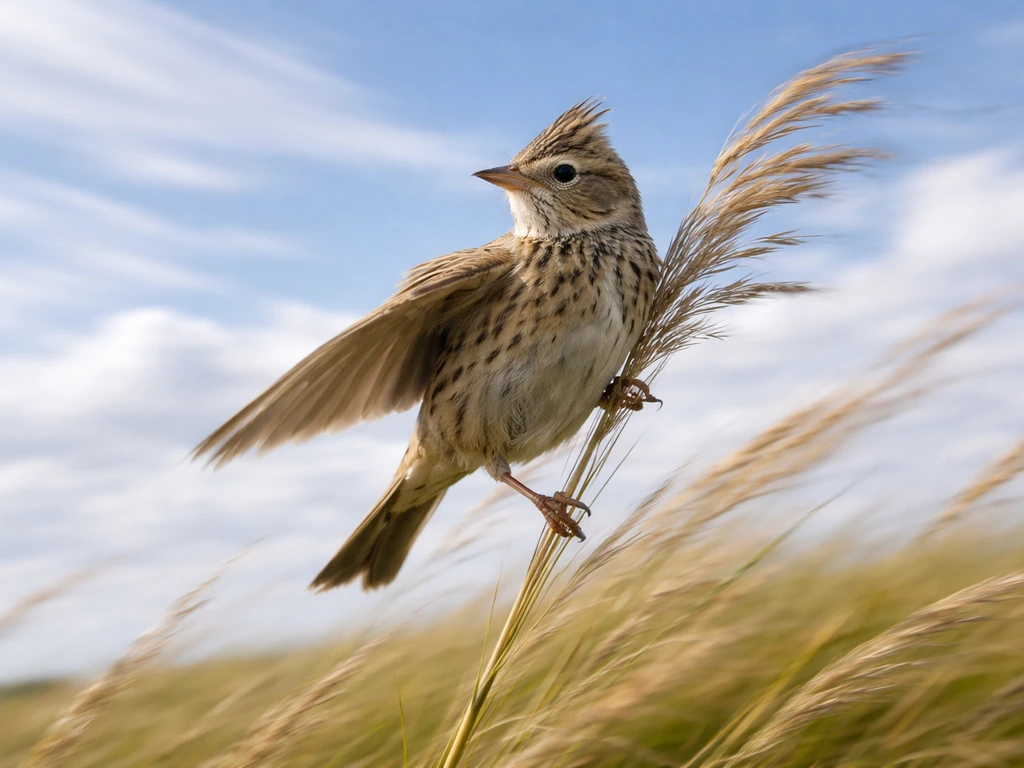
The lark also became a symbol of uninhibited, authentic expression. It does not sing for an audience; it sings while doing something difficult, namely climbing against wind while ascending. That behavior made it a model for the kind of creativity and joy that comes from the act itself rather than from recognition. Writers and poets used the alondra to represent the artist who creates out of genuine feeling, not performance.
How "alondra" shows up in language, poetry, and lyrics
In Spanish literature and music, "alondra" appears constantly as a figurative device. Poets from Federico García Lorca's generation onward used it to signal the arrival of morning, the lifting of melancholy, or the act of raising one's voice in the face of hardship. You will see lines like "eres mi alondra" (you are my lark) used as a term of endearment, meaning something like "you are my joy" or "you are the light that starts my day." In boleros and romantic ballads, the word functions similarly to calling someone your "morning star."
Idiomatically, Spanish does not have a direct "alondra" idiom the way English has "lark" in "on a lark" (meaning on a whim). In English, that phrase actually comes from an older dialect word for play, not from the bird at all. In Spanish, "alondra" stays closer to its symbolic roots: it almost always implies song, dawn, or hope when used figuratively, rather than casualness or frivolity. If you are looking for the avis meaning bird angle, “alondra” is best understood as a lark associated with dawn and hope. If you see it in a lyric or a poem and you are trying to decode the tone, lean toward the emotional register of hope and light rather than of playfulness.
Spiritual and folklore interpretations
Across Spanish-speaking regions, the alondra carries a mostly positive spiritual reputation. Seeing or hearing one is broadly treated as a good omen, particularly in rural and folk traditions in Spain, Mexico, and parts of South America. For example, if you are searching for “small town bird lawyer meaning,” start by checking the same context clues like setting and capitalization to confirm what the phrase is referring to. The specific interpretations vary by region, so it is worth knowing where the tradition you are reading from originates.
| Tradition / Region | Common Interpretation of Lark / Alondra |
|---|---|
| Spanish folk tradition (Iberian Peninsula) | Hearing a lark at dawn signals a fortunate day ahead; associated with answered prayers |
| Latin American folklore (general) | A lark near the home is a messenger of good news or a sign that hardship is ending |
| Medieval European Christian tradition | The lark's upward flight symbolizes the soul's ascent toward God; linked to spiritual purity |
| Celtic tradition | Larks were associated with the sun and dawn, sometimes considered sacred to sun deities |
| General dream symbolism | Dreaming of a singing lark typically signals coming joy, creative inspiration, or a new opportunity |
On the negative side, a lark that is silent or caged in a dream or omen tradition is often read as suppressed joy or a creative spirit that has been stifled. Some Spanish literary traditions use a silent alondra as a metaphor for grief, political oppression, or the loss of voice. So context within the text matters enormously. A caged alondra and a soaring alondra carry opposite meanings.
Alondra the bird vs. Alondra the name, place, or title
Here is where a lot of searches get tangled. "Alondra" is also a very common Spanish given name for women, a place name (there is an Alondra Park in Los Angeles County, California, for example), and the title of songs, albums, and telenovelas. If you specifically meant “actuary bird meaning,” double-check whether you are looking at the bird symbolism or a different term entirely, since name lookalikes can cause confusion. If you searched for "alondra bird meaning" because you saw the word in a specific context, there is a real chance you are looking at one of these non-bird uses rather than a direct reference to the lark. If you want the short answer for albs bird meaning, this article’s bird symbolism breakdown will help you match the context to the most likely interpretation. If your question is actually about butler bird meaning, make sure you are linking the correct bird to the right context. Because “andril bird meaning” is often searched alongside “alondra” and other bird terms, it helps to confirm which species or tradition the text is actually referring to.
- As a personal name: Alondra is a popular given name in Mexico and across Latin America, chosen because of its association with beauty, song, and lightness. The bird symbolism is the origin of the name, but a person named Alondra is not herself a bird reference in the text.
- As a place name: Alondra Park and other place names bearing "alondra" were typically chosen for their pleasant, lyrical sound and bird associations, but the location itself is not a symbolic reference.
- As a song or album title: Many musicians have titled works "Alondra" to evoke the bird's qualities (dawn, song, hope) without the song being literally about a lark. The symbolic meaning is embedded in the title choice.
- As a character name: In telenovelas and fiction, a character named Alondra is usually coded by the writer to carry the bird's qualities: lyrical, bright, a bringer of light or joy, sometimes tragically caged or silenced.
- As a surname: Less common, but "Alondra" does appear as a surname in some Spanish-speaking communities, in which case it is simply a family name with historical bird-name origins.
The disambiguation rule is straightforward: if the text around the word "alondra" is describing an actual bird in a natural or literary scene, you are reading bird symbolism. If "Alondra" is capitalized and functioning as a subject with personal pronouns (she, her, her name), you are reading about a person or character. If it is a title standing alone (a song, a show, an album), the bird symbolism is embedded in the choice of that title, but the work itself may not be about a lark at all.
How to figure out which meaning you are dealing with
The quickest way to pin down the meaning is to look at three context clues: capitalization, surrounding nouns, and the language register of the text.
- Check capitalization. In Spanish, common nouns (including bird names) are lowercase. "la alondra cantaba" (the lark was singing) refers to the bird. "Alondra cantaba" with a capital A and no article likely refers to a person named Alondra.
- Look at surrounding nouns and verbs. Words like "canto" (song), "amanecer" (dawn), "vuelo" (flight), "cielo" (sky), and "nido" (nest) signal bird symbolism. Words like "dijo" (she said), "miró" (she looked), or a personal name alongside it signal a person or character.
- Identify the language register. A poem or song lyric using "alondra" in a metaphorical, emotionally charged passage is drawing on bird symbolism deliberately. A news article or show synopsis using "Alondra" is almost certainly referring to a person or title.
- Consider the cultural and regional tradition. If the text originates from a region with strong folk-omen traditions (rural Spain, parts of Mexico), a lark reference likely carries spiritual weight. If it is from an urban, contemporary pop-music context, it is more likely a stylistic or emotional choice.
- When in doubt, read the sentence twice with each meaning and ask which one makes the surrounding text coherent. The interpretation that makes the whole passage make sense is almost always the right one.
Putting it to practical use
If you are interpreting a poem, lyric, or piece of literature that uses "alondra," the safest starting point is to read it as a symbol of hope, dawn, and authentic expression. Ask what the lark is doing in the text: is it singing freely (joy, aspiration, good news incoming), is it silent or caged (grief, suppression, something lost), or is it departing (an ending, a farewell, the close of a hopeful period)? Those behavioral cues almost always map directly onto the emotional meaning the writer intended.
For dream interpretation: a singing lark in a dream is broadly positive across most traditions, pointing toward creative energy, new opportunities, or the end of a difficult stretch. A lark you cannot hear or one that flies away before you can see it properly tends to be read as a missed opportunity or something just out of reach. These are not rigid rules; they are starting points for personal reflection, not prophecy.
If you want to use "alondra" symbolism in your own writing or journaling, try this: write about a moment in your life that felt like a lark's dawn song. What was beginning? What darkness had just ended? The lark's power as a symbol comes from that specific emotional experience of surviving the night and hearing the first clear note of morning. That is the meaning that has kept "alondra" alive in language for two thousand years, and it is the meaning that will make your own use of it land.
One last thing worth keeping in mind: bird symbolism, including lark symbolism, is always culturally situated. The associations described here are the most widely shared across Spanish-language and broader European traditions, but local variations exist. If you are researching "alondra" in the context of a specific regional tradition, it is worth looking at sources from that culture directly. The core themes of song, dawn, and hope are stable, but the specific omen interpretations or spiritual layers can shift depending on where and when the tradition developed. That same principle applies to other bird references you might be exploring alongside this one, from the heavy moral weight of the albatross to the more obscure folkloric birds that appear in regional naming traditions. You can also compare this lark-focused symbolism with the adjutant bird meaning if you want a different, but related, bird-meaning perspective. If you are also looking at the albatross bird meaning, its symbolism often focuses more on burden, endurance, or guidance than on dawn and song.
FAQ
If “alondra” appears in a dream, does it always mean good things?
Yes, but the meaning can flip based on what is happening to the bird. In most Spanish-language symbolic uses, a singing, ascending lark points to recovery, good news, or renewed energy, while a silent lark, a lark trapped in a cage, or a lark that disappears before you can hear it is more often read as stifled creativity, unresolved grief, or an opportunity that slips away.
How can I tell whether “alondra” in Spanish text is a bird or a person’s name?
Capitalization is a strong first filter. If “alondra” is used like a person (capital A, “ella,” “su,” “su nombre,” or the like), it is likely a name or character. If it is lowercase and paired with verbs like “cantar,” “volar,” or settings like morning, sky, or fields, it is usually the lark bird symbolism.
Is there a Spanish equivalent to the English idiom “on a lark”?
There is not a single universal “alondra” idiom that equals English “on a lark.” In Spanish, “alondra” stays closer to its imagery (song, dawn, hope) unless the surrounding text clearly shifts to a different register like naming, branding, or literal bird description.
What context clues help me interpret “alondra” inside a poem when I am not sure of the tone?
If the line is ambiguous, focus on the emotional direction of the scene. Hope-and-dawn usage usually comes at a turning point, where darkness is acknowledged then relief begins. If the poem is about oppression, grief, or silenced voices, the same lark imagery may be inverted (especially if the lark is muted, caged, or prevented from singing).
Does “alondra” always mean the Eurasian skylark, even if the text seems vague?
In Spanish, default “lark” references usually imply the Eurasian skylark when no species qualifier is present. However, if the text explicitly describes a different bird, habitat, or region in a way that points away from skylarks, then treat the symbolism as tied to that explicit description rather than assuming the default.
If “Alondra” is the title of a song or show, should I assume it literally refers to the bird?
Yes, names, titles, and brands can borrow the symbolism without being about a lark. With a song, album, or telenovela titled “Alondra,” the word may be thematic (morning, hope, romantic light) but the plot can still be broader than the bird itself. Check whether lyrics or summaries emphasize dawn and song, or whether it is mainly a character name.
What is the fastest way to disambiguate “alondra bird meaning” when I see it online or in lyrics?
A practical method is to map three cues: (1) capitalization, (2) the grammatical role (noun in a scene versus named subject), and (3) the bird action (singing, ascending, silent, caged, departing). This usually distinguishes between hope and renewal themes versus grief, suppression, or a missed chance.
Are alondra interpretations the same in Spain and Latin America?
Local folklore can vary, so if you are doing research for a specific Spanish-speaking country or community, look for regional framing words like “en el campo,” references to particular local traditions, or author background. The core themes (song, dawn, hope) tend to hold, but omen readings and spiritual layers can change by region.
Next Article
Butler Bird Meaning: Idiom, Symbolism, and Usage in Context
Explain butler bird meaning, figurative use, symbolism and how to disambiguate the term in sentences and examples.