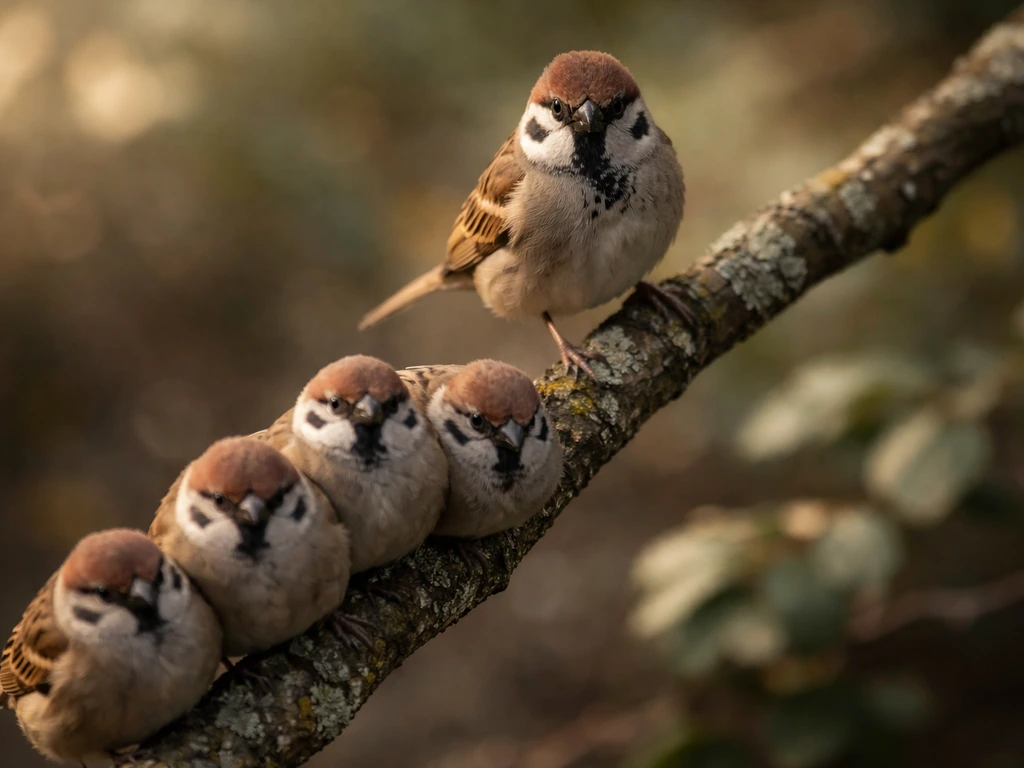
When someone searches 'pet bird meaning,' they usually want one of two things: either the general symbolism that comes with owning or dreaming about a pet bird (companionship, captivity, voice, freedom), or the specific cultural and spiritual meaning tied to their particular bird species, like a parrot, canary, or budgie. Both are legitimate questions, and both have real answers. The quickest way to get to the right one is to ask yourself: am I trying to understand what a phrase or image involving a pet bird means, or am I trying to learn what my specific bird species symbolizes? Once you know that, the rest gets much easier.
Pet Bird Meaning: Literal Species Symbolism and Figurative Sense

Marcus Winters
14 Jun 2026
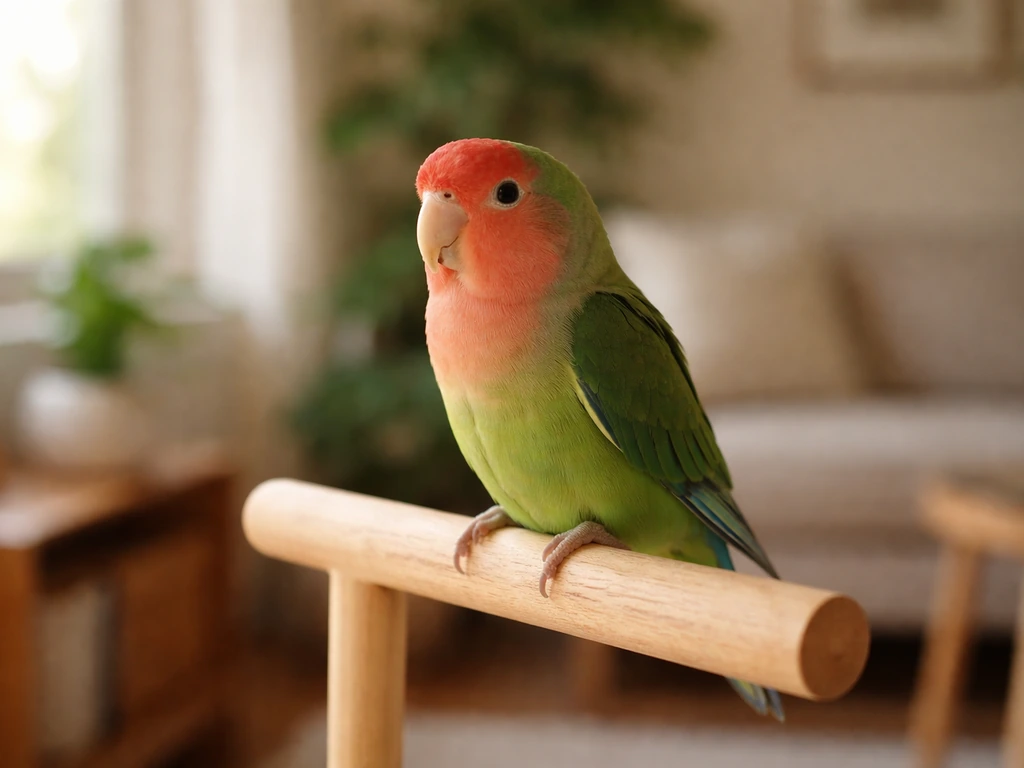
Literal vs. figurative: what 'pet bird' actually means
At its most literal, a pet bird is exactly what it sounds like: a bird kept in a home as a companion and treated with affection. Cambridge and Oxford both define 'pet' in this domestic-companion sense, and there is even a regulatory definition in US law (9 CFR § 53.1) that lists specific species qualifying as pet birds under the Animal Welfare Act, excluding birds protected by the Migratory Bird Treaty Act. That legal distinction matters if you are looking up regulations, but it has nothing to do with symbolism.
Figuratively, 'pet bird' carries a different charge. Merriam-Webster notes that 'pet' also functions as an adjective meaning 'favorite' or 'cherished,' as in 'the mayor's pet project' or 'teacher's pet.' So when someone calls something or someone their 'pet bird' in casual speech, they might be signaling a prized, beloved, or even pampered relationship rather than literally referring to an animal. This is worth knowing if you encountered the phrase in a quote, a story, or a conversation and felt like something deeper was being said.
The figurative layer gets even richer when you bring in the broader cultural history of caged and companion birds. A bird living in a home with humans is already caught between two powerful symbolic poles: freedom and captivity. That tension is baked into almost every cultural and literary reference to pet birds, which is why the symbolism hits harder than, say, a pet fish.
The big three symbolism themes that follow pet birds everywhere
Companionship and loyalty
Birds have lived alongside humans for thousands of years, and research backs up what bird owners already know intuitively: companion animals like birds genuinely affect how people feel, reducing stress and creating a sense of connection. Symbolically, the pet bird represents loyalty and chosen companionship, a relationship that requires daily care and attention rather than something passive. A bird that returns to your hand or calls out when you leave the room is behaving in a way that humans have always read as devotion.
Voice, communication, and being heard
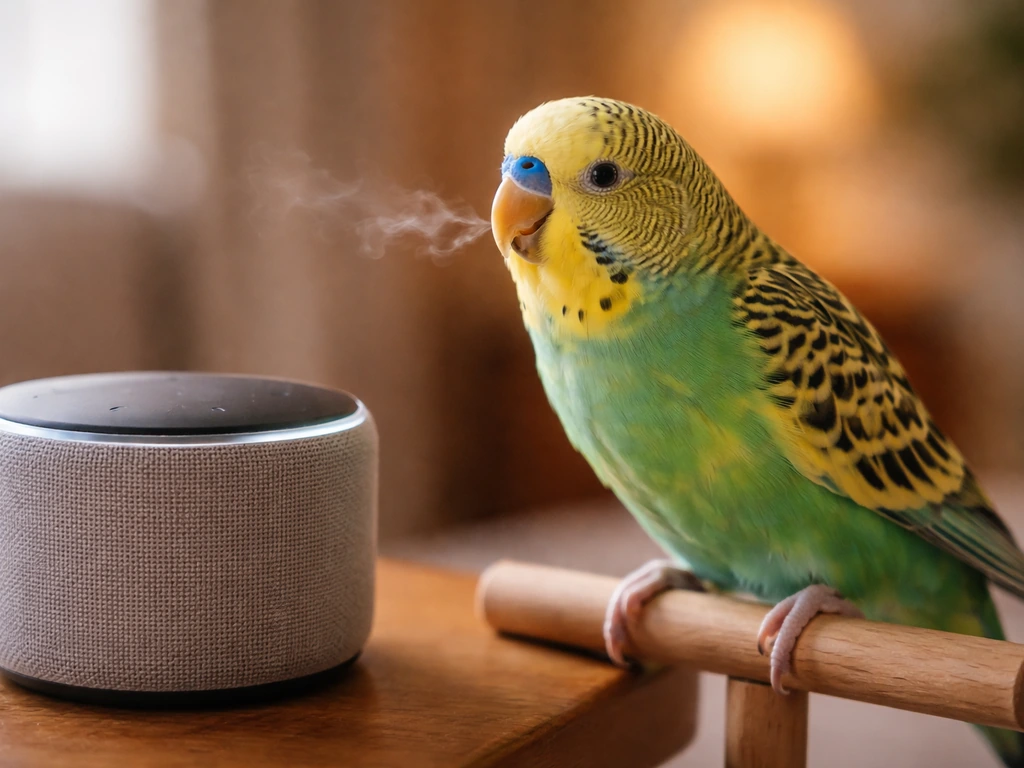
This one is huge. Parrots and other talking birds can use words meaningfully in linguistic tasks, which is part of why 'voice' became one of the defining symbolic associations for pet birds. In dreams and in literature, a talking bird almost always signals communication, understanding, or a message that needs to be heard. If a pet bird speaks in your dream or in a story, the symbolism is almost certainly about something being said (or something that needs to be said) rather than about the bird itself.
Captivity vs. freedom
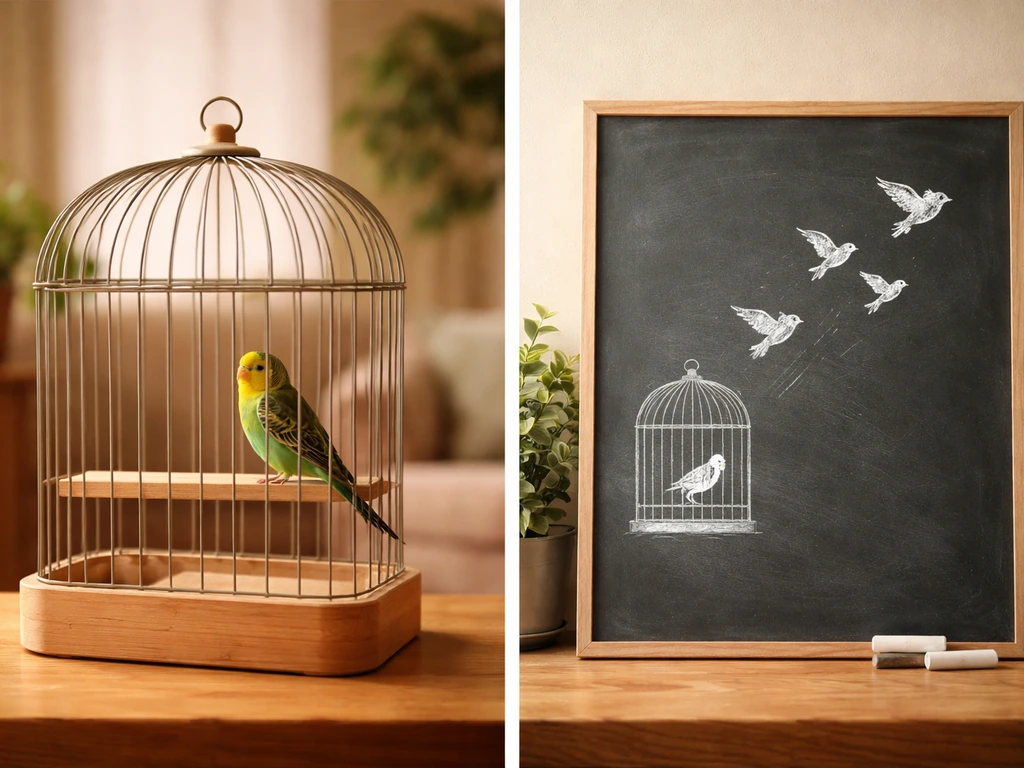
This is the tension that gives pet bird symbolism its emotional weight. Maya Angelou's 'I Know Why the Caged Bird Sings' is the most famous example: the caged bird represents a suppressed voice and constrained freedom, while the free bird represents unobstructed possibility. LitCharts frames this as a direct juxtaposition between lived experiences, and it has shaped how Western culture reads any image of a bird behind bars. A caged or kept bird that still sings becomes a symbol of resilience. A bird that stops singing represents loss of self or voice. A bird that escapes represents liberation. These three readings show up constantly in literature, dream guides, spirituality, and tattoo symbolism.
What each pet bird species actually symbolizes
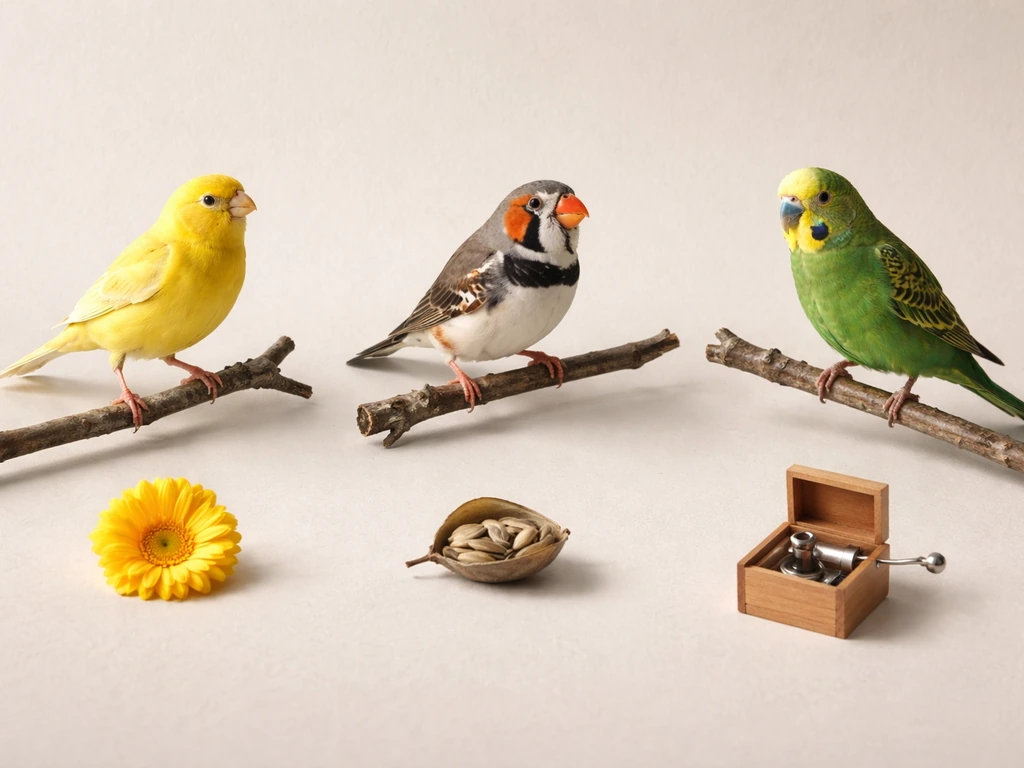
Species matter enormously here. Wikipedia characterizes the cockatiel as a small-to-medium parrot in the cockatoo family, illustrating how a specific species category can be distinguished from the broader idea of “parrots.” Species matter enormously here.. A canary and a finch carry very different symbolic histories even though both are small songbirds. Here is a breakdown of the most common pet bird species and their primary meaning associations.
| Bird | Core symbolism | Notable nuance |
|---|---|---|
| Parrot | Communication, mimicry, wit, social intelligence | Associated with repeating truth or exposing secrets; companion parrot lore emphasizes mutual understanding between species |
| Budgie (budgerigar) | Friendly social interaction, vocal connection, joy | The name 'budgerigar' has onomatopoeic roots tied to the bird's own sound; symbolism centers on cheerful companionship and mimicking bonds |
| Cockatiel | Affection, gentleness, emotional sensitivity | Distinct from broader parrot symbolism; cockatiels are small-to-medium parrots in the cockatoo family, often associated with quiet devotion rather than vocal performance |
| Canary | Voice, freedom, captivity, resilience | The caged canary directly echoes the freedom-vs-captivity theme; a canary that stops singing in symbolism almost always means a silenced voice or lost spirit |
| Finch | Joy, energy, high spirits, abundance | Finch spiritual meaning pages consistently frame finches as positive omens tied to vitality and social happiness; the specific meaning varies by color and species |
| Lovebird | Romantic partnership, devotion, inseparable bonds | Often given as gifts and read symbolically as representing paired love; the death of one lovebird in a pair carries strong symbolic weight in folklore |
| Dove (kept as pet) | Peace, purity, gentle spirit, divine connection | The most universally recognized bird symbol; as a pet bird it layers domestic peace onto the broader spiritual symbolism |
If you want to go deeper on budgies specifically, the budgie bird meaning article on this site covers their name origin, totem associations, and cultural framing in much more detail. For budgies specifically, this budgie bird meaning guide goes deeper into the name origin, totem associations, and cultural framing. Similarly, the fit bird meaning article is worth checking if you encountered 'bird' in a slang context rather than a symbolic one, since that phrase has a completely different British English meaning.
How to read pet bird meaning depending on your context
In dreams
Dream interpretation for pet birds almost always hinges on two variables: is the bird alive or dead, and is it speaking or silent? A living, talking pet bird in a dream points toward communication themes: something you need to say, something you need to hear, or a relationship where honest expression matters. A caged bird that is alive but silent tends to signal a constrained voice or a situation where you feel unable to express yourself. A dead bird in a cage combines loss with the captivity theme, usually interpreted as the end of something that was already limited or trapped. Dream guides consistently use these distinctions as the primary sorting tool.
In spirituality and totem traditions
Spirituality sources treat pet birds as spirit guides or totem animals, and the species-specific meaning is everything in this context. A finch totem carries different energy than a parrot totem or a canary totem. Most spirituality-focused sites (and the totem tradition in general) assign each species a core teaching: budgies teach social joy and vocal connection, canaries teach resilience of voice, parrots teach the power of listening and repeating wisdom. If someone says their pet bird 'chose them' or that a particular species keeps appearing in their life, they are usually working within this totem framework.
In quotes, literature, and media
When a pet bird appears in a quote or a piece of writing, look for the freedom-captivity tension first, then the voice theme. Angelou's caged bird is the cultural anchor here, but the motif runs through poetry, fiction, and film consistently. A character who 'keeps birds' is often coded as controlling or possessive. A character who 'frees their bird' is coded as releasing something they were holding too tightly. These are not universal rules, but they are the most common narrative shortcuts writers use.
In names and tattoos
When a pet bird appears as a tattoo or a name, the species almost always carries the weight of the meaning. A canary tattoo typically invokes the voice-and-freedom theme. A parrot tattoo leans into communication, wit, or a connection to a specific place or person. A finch tattoo usually signals optimism and joy. If someone names their child or a creative project after a pet bird species, they are almost certainly drawing on the symbolic associations of that bird rather than its literal pet status. Look up the specific species meaning to get the most accurate read.
Pet birds in everyday language, idioms, and slang
The word 'bird' in English has a rich slang life that runs parallel to (and sometimes collides with) pet bird symbolism. In British English, 'bird' can refer to a woman, which is why phrases like 'top bird' or 'fit bird' are unrelated to bird symbolism entirely. The top bird meaning on this site explains the social ranking sense of that phrase, and fit bird meaning covers the British slang sense for an attractive person. Knowing this matters because if someone said something to you that included 'bird' as a noun, they may not have been talking about an animal at all.
Within idioms that do involve actual birds, pet birds tend to appear in phrases that emphasize domestication, control, or kept-vs-free status. 'A bird in a gilded cage' is one of the most widely recognized: it describes someone who has material comfort but no real freedom, often applied to relationships or careers. 'Singing like a caged bird' can mean either performing under constraint or finding voice despite constraint, depending on the tone. 'A little bird told me' uses a bird as a messenger figure, which connects to the communication symbolism. These idioms are worth checking if the phrase you encountered feels more figurative than literal.
The 'pet' half of the phrase also carries idiom weight. 'Pet project,' 'teacher's pet,' and 'pet theory' all use 'pet' to mean something cherished or favored, so 'pet bird' in a figurative sentence might just mean 'favorite bird' with no deeper symbolism attached. Context is everything here.
How to nail down the right meaning for your specific bird right now
The fastest way to get from 'pet bird meaning' to the actual answer you need is to work through a short set of questions before you start searching. If you are also trying to understand the table bird meaning, start by deciding whether you mean a specific species or the broader symbolism behind the phrase. Here is the checklist I would use. If you are specifically after the bent bird meaning behind the phrase, look at how the image or bird behavior fits the companionship, voice, and captivity versus freedom themes.
- Identify the context first: Did you encounter 'pet bird' in a dream, a phrase someone said, a piece of writing, a tattoo, a spiritual practice, or are you simply curious about the bird you own?
- Name the species if you can: Parrot, budgie, cockatiel, canary, finch, lovebird, and dove all have distinct symbolic traditions. Generic 'bird' symbolism is a starting point, but species-specific meaning is more accurate and more useful.
- Note whether the bird was caged, free, talking, or silent: These variables change the symbolic reading significantly, especially in dream and literary contexts.
- Check whether 'bird' might be slang: If the phrase came from British English or casual conversation, confirm that 'bird' is being used literally rather than as slang for a person or as part of an unrelated idiom.
- Search the species name plus the context: 'Canary dream meaning,' 'parrot symbolism,' or 'budgie totem meaning' will get you to species-specific sources faster than searching 'pet bird meaning' alone.
- Match the symbolism to your situation: Freedom themes fit captivity or constraint situations. Voice themes fit communication or expression situations. Companionship themes fit relationship or loyalty situations. Choose the theme that resonates with what is actually happening in your life or in the text you are reading.
If you are still not sure which angle to pursue, start with the three core themes (companionship, voice, freedom vs. captivity) and ask which one feels most relevant to the moment or context where you encountered the bird. Nine times out of ten, one of those three will land. From there, you can get more specific with the species or the contextual details, and the meaning will come into focus quickly.
FAQ
How can I tell whether “pet bird meaning” is about symbolism or about a real species?
If the phrase appears in a caption, poem, or quote, treat it like language first, animal second. Check whether the surrounding words emphasize control or “keeping” (cage, tether, house), or expression (singing, talking, hearing, message). When those cues are present, the meaning is usually about freedom versus captivity and voice.
What’s the best way to interpret “pet bird” as a totem or spirit guide without overreading it?
In spirit-work or totem readings, many people focus on the species’ “teaching,” but you can still do a simple reality check: does your interpretation match your current life pattern (for example, communication issues, feeling constrained, or wanting connection)? If it does not, pick a different layer, such as general companionship and chosen devotion.
If a pet bird is speaking in a dream, does that always mean good news?
People often assume “more talking equals more positive meaning.” Not always. A talking bird can signal an important truth that is uncomfortable to say, or a message you keep postponing. The emotional tone in the dream or story matters: calm, excited speech usually points to readiness, while tense or repetitive speech can point to stress or unresolved conflict.
What does it usually mean when a caged pet bird is alive but not singing or talking?
If the bird is alive but trapped or silent, use it as a clue about your ability to express yourself, not just your circumstances. Ask what you feel you “can’t say,” or where you are adjusting yourself to please someone else. This prevents the common mistake of interpreting captivity as only about external control.
Can “pet bird” be a figurative phrase even if there’s no actual bird mentioned?
When the image includes both a bird and “pet” as a modifier, check whether the sentence is using “pet” literally (a beloved animal) or as an adjective (“favorite,” “cherished,” “pampered”). If the context has no real-bird details and instead talks about preference, attention, or favoritism, it may be figurative meaning only.
How much should species-specific symbolism override the general pet bird symbolism themes?
Yes. If you are mapping meaning to a specific species, prioritize the species over the generic “bird” symbolism. For example, canaries are often tied to voice endurance, while parrots are commonly read as communication through repetition and listening. Mislabeling the species is one of the quickest ways to get a wrong “pet bird meaning.”
If I’m interpreting a pet bird tattoo, what details change the meaning the most?
For tattoos or naming, consider placement and behavior cues. A bird behind bars or in a small enclosed shape usually intensifies captivity and resilience themes, while an image with open space, flight, or an implied path often shifts toward liberation and possibility. The same species can feel different depending on that visual context.
What should I do if the context sounds like British slang (for example, “top bird” or “fit bird”)?
If your phrase includes “bird” slang, don’t force an animal reading. In contexts that mention social ranking or attractiveness, “bird” is often not literal and the “pet” symbolism may not apply. The practical step is to look for nearby words that indicate a person or relationship status rather than caring, cages, or singing.
How should I respond if “pet bird meaning” keeps coming up in my feed, dreams, or conversations?
If you are seeing “pet bird” repeatedly in your life, it helps to track triggers. Write down what happened right before you noticed the phrase or image, then match it to one of the three core themes (companionship, voice, freedom versus captivity). This reduces the common mistake of treating symbolism as random rather than context-linked.
What’s a practical next step after I figure out my pet bird symbolism meaning?
Use “smallest change first.” Pick one: a conversation you have been avoiding (voice), a boundary you need to set around control (captivity), or a relationship you want to nurture more consistently (companionship). Symbolic meanings become actionable when you translate them into one concrete behavior you can try this week.
Next Article
Top Bird Meaning: Identify the Bird and Its Symbolism
Decode top bird meaning fast: identify the bird from clues, then understand symbolism, context, and what it means today.