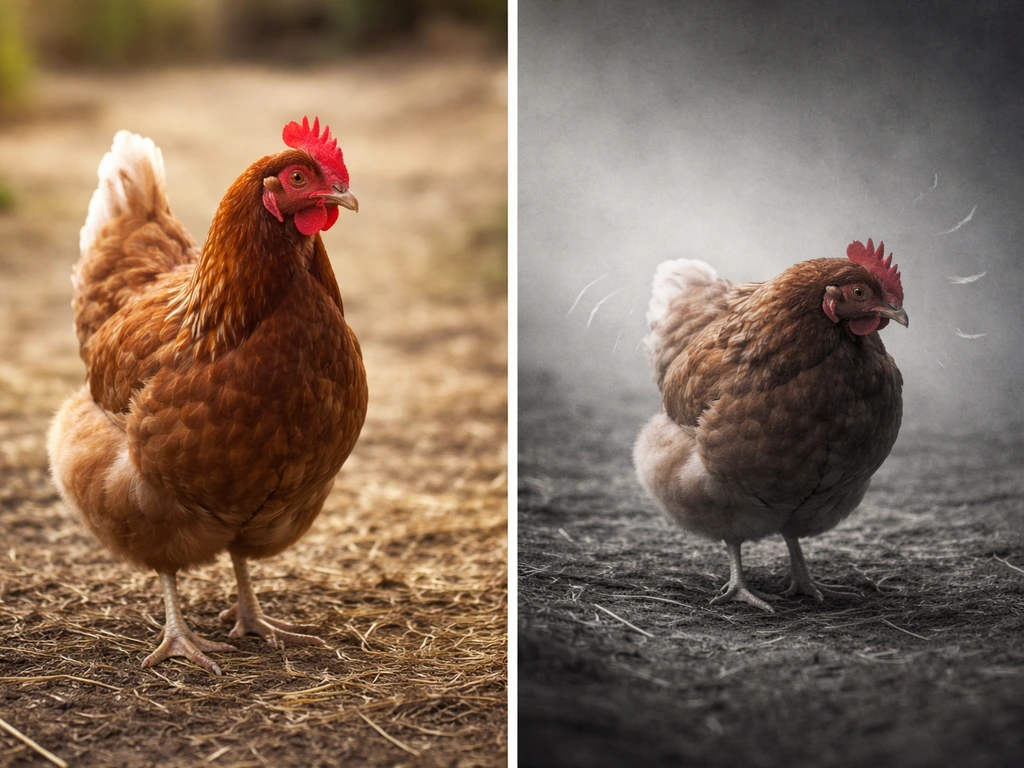
When people search 'show bird meaning,' they usually want one of three things: the definition of a 'show bird' in the bird-keeping and competition world, the symbolic or spiritual meaning of a specific bird that 'showed up' for them, or they're trying to decode a phrase or idiom involving a bird. The most common search is actually the middle one: someone saw a bird, or heard a bird reference in conversation or folklore, and they want to know what it means. This guide covers all three angles so you can quickly land on the one that fits your situation.
Show Bird Meaning: What It Likely Refers To and Why

Marcus Winters
2 Jun 2026
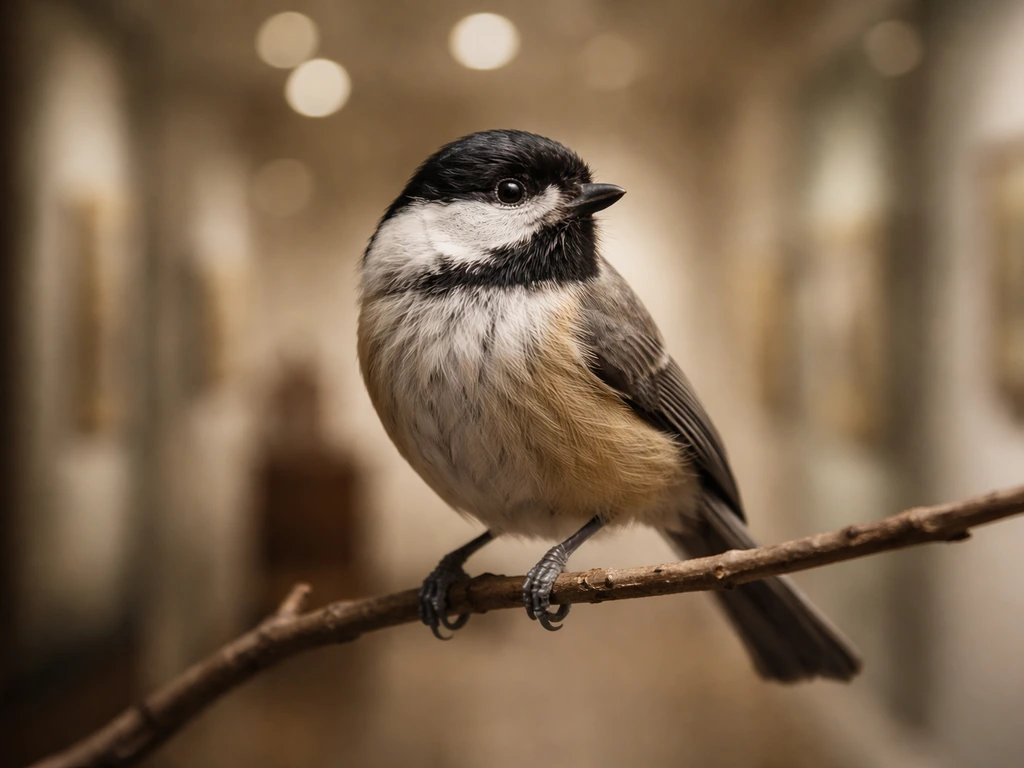
What 'show bird' could actually mean: a quick disambiguation
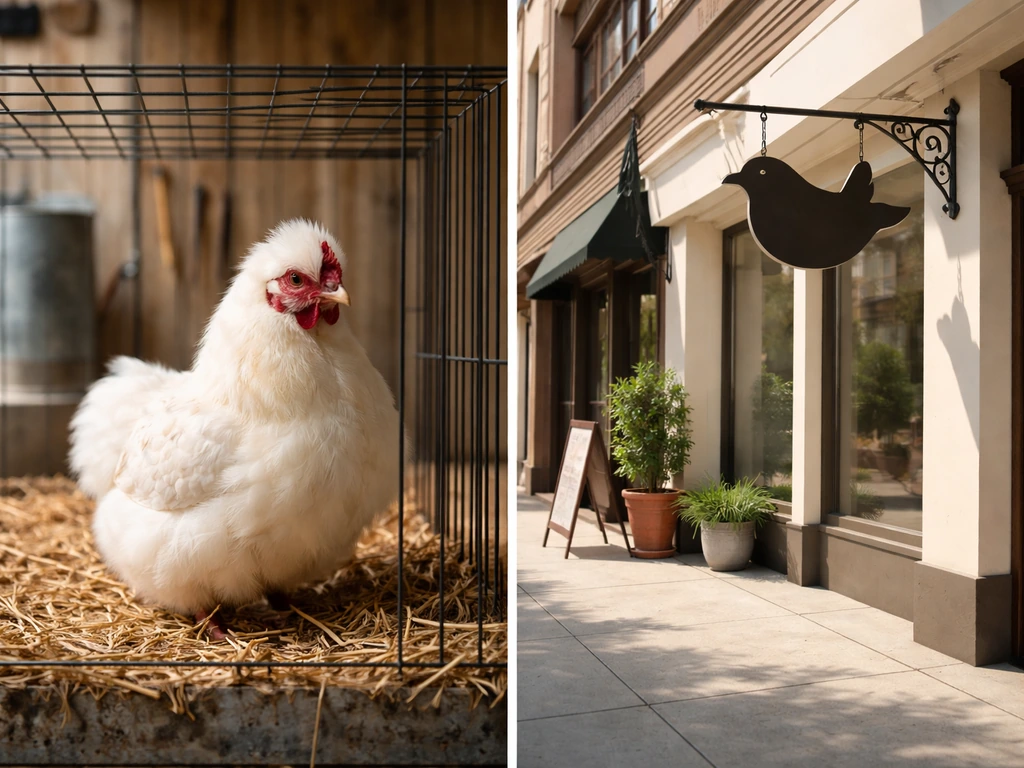
The phrase is genuinely ambiguous, so it helps to run through the main possibilities before diving in. Once you know which lane you're in, everything else falls into place.
- If you're a bird keeper, breeder, or poultry hobbyist: a 'show bird' is a bird bred and trained for exhibition or competition judging, as opposed to a bird kept for eggs, meat, or as a pet.
- If a bird appeared to you unexpectedly and felt significant: you're asking about bird symbolism and omens, which is a completely different (and much older) conversation.
- If you heard someone use a bird name as slang or in a phrase (like 'she's a peacock' or 'he's a lark'): you're looking for the figurative meaning of a specific bird in language or culture.
- If you're researching a specific cultural or mythological bird: you may be asking about a regional folk bird, a legendary creature like the Turul in Hungarian tradition, or a bird tied to a specific spiritual practice.
Most readers searching this phrase fall into the symbolism/omen category, so that gets the most space here. But the competition meaning is worth covering properly first, because it's the literal definition of 'show bird' and it surprises a lot of people.
What 'show bird' means in bird-keeping and competition
In the world of poultry, budgerigars, pigeons, and finches, a 'show bird' is simply a bird bred to compete in organized exhibitions. These aren't backyard chickens. They're animals selectively bred to meet strict standards: correct leg color, specific body proportions, precise stance, feather quality, and behavior on the show bench. The UK Poultry Club, for example, governs shows with detailed rules about how birds should be prepared and presented, and judges score them against breed-specific standards.
Budgerigars bred for show are often called exhibition budgerigars or English Budgerigars, and they look noticeably different from the common pet budgie. Pigeons used in show are evaluated against qualities specific to their breed type, and any faults that deviate from the standard count against them in the show pen. Even turkeys, ducks, and geese appear in competitive poultry exhibitions. Many people also search for turkey bird meaning as part of the broader way people connect specific birds with symbolism and omens.
There's also a related concept worth knowing: poultry showmanship. This is a competition where the exhibitor (usually a young person in a 4-H event) is the one being judged, not just the bird. The bird serves more as a prop, and the human is scored on how well they handle, present, and demonstrate knowledge of the bird. If you've been searching 'show bird' in connection with 4-H competitions or county fairs, this is likely your angle. Species that appear in these showmanship contests typically include chickens, turkeys, ducks, geese, and pigeons.
The symbolism side: what 'show bird' likely means to most searchers
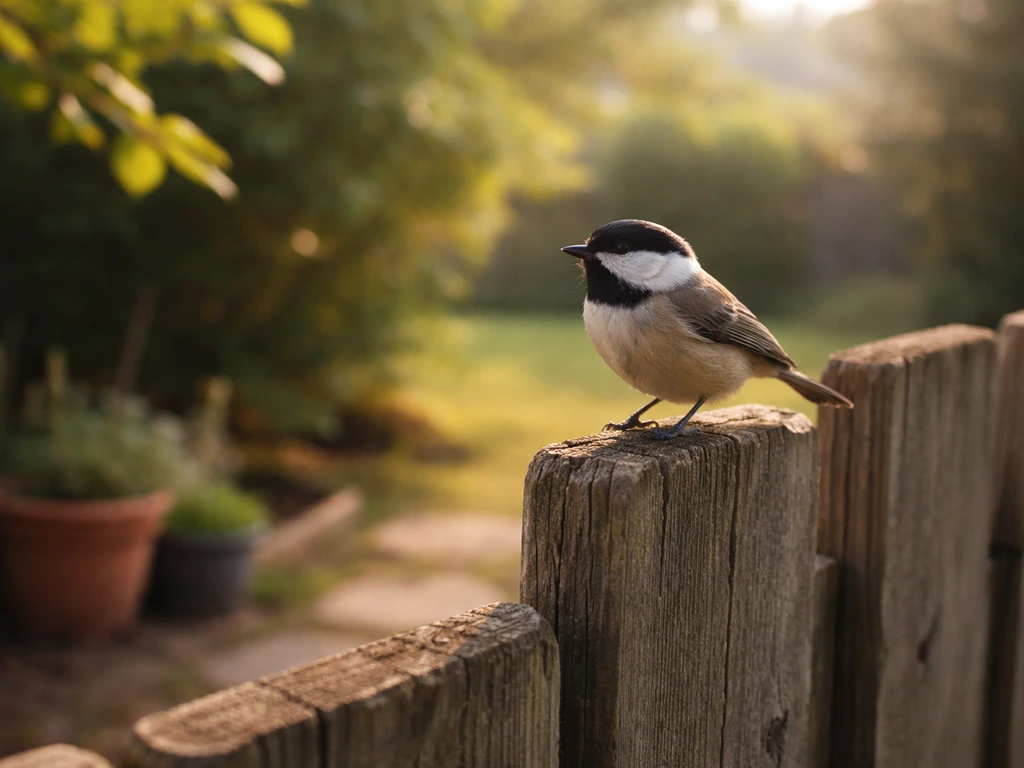
Here's where the bulk of searches really live. Someone sees a bird, or a bird shows up repeatedly in their life, and they want to know if it carries a message or meaning. The word 'show' in this context is being used loosely, as in 'the bird showed itself to me.' This is centuries-old territory. Cultures across the world have interpreted birds as omens, messengers, and symbols for as long as people have been telling stories.
The specific symbolism depends entirely on which bird showed up. But here are the most commonly searched birds and the broad symbolic meanings they carry:
| Bird | Core Symbolic Meaning | Cultural Tradition |
|---|---|---|
| Dove | Peace, purity, divine favor, love | Christianity, Judaism, Islam, Mesopotamian (Inanna-Ishtar) |
| Eagle (especially Bald Eagle) | Nobility, spiritual power, prayers carried to the Creator | Native American traditions, heraldry, national symbols |
| Crow/Raven | Transformation, prophecy, intelligence, the in-between world | Celtic, Norse, many Indigenous traditions |
| Owl | Wisdom, death omens, transition, hidden knowledge | Greek, Roman, many Indigenous and European folklore traditions |
| Pigeon/Dove | Messages, homecoming, resilience | Urban folklore, historical wartime symbolism |
| Peacock | Pride, vanity, beauty, immortality (in some traditions) | Hindu, Persian, early Christian iconography |
The dove is worth a longer mention because it's one of the most symbolically layered birds in any tradition. In Christianity and Judaism, the dove is so central that it's been called the 'Sign of the Dove,' associated with peace, purification, and divine presence (think of the dove at Jesus's baptism or Noah's ark). In Islam, doves are also considered sacred. Go further back and the dove appears in Mesopotamian tradition tied to the goddess Inanna-Ishtar. All of that history is stacked into the modern idea of a dove as a peace symbol. When someone says a dove 'showed up' and they want to know what it means, the answer really does vary depending on which tradition they're drawing from.
The eagle carries similarly deep symbolism across cultures, but the Native American context is particularly specific and important to understand. For many Native peoples, the bald eagle is sacred, not just symbolic. In an activity guide for the bald eagle, the U.S. Army Corps of Engineers notes that Native Americans view the bald eagle as symbolizing nobility and spirituality and describes its historical role as a family or thematic symbol bald eagle is sacred, not just symbolic. Eagle feathers are used in ceremonies and are considered to carry prayers to the Creator. This is a living spiritual practice, not just folklore, and it's protected under U.S. law (the Bald and Golden Eagle Protection Act). Calling an eagle a 'sign' in this context isn't casual; it sits within a deeply held spiritual framework.
Cultural, folklore, and spiritual interpretations: when a bird 'shows up'
The idea that a bird crossing your path carries meaning is genuinely ancient and genuinely cross-cultural. In Philippine folklore, the Tigmamanukan was a bird whose crossing of a traveler's path was read as an omen, with the direction the bird flew determining whether the sign was good or bad. Folk traditions from across North America and Europe document similar practices: which way the bird faces, whether it flies toward or away from you, and even whether you should avoid harming it (old Illinois folklore, for example, includes warnings about shooting doves and the luck that follows). If you’re also wondering about folk bird meaning, start by identifying which bird and which tradition people are referencing Folk traditions.
The point isn't that one set of rules applies everywhere. It's that the instinct to read meaning into a bird's appearance is deeply human and spans almost every culture. What changes is the specific bird, the specific behavior, and the cultural lens through which you're reading it. A crow flying left might be ominous in one tradition and a positive messenger in another. Context is everything.
Spiritual or 'sign' interpretations of birds tend to follow a few recurring patterns regardless of tradition. Birds appearing at significant moments (a death, a birth, a major decision) get read as messages. Unusual behavior from a bird, like landing very close to a person, repeated appearances of the same species, or a bird appearing in a dream, tends to attract meaning. And birds associated with a deceased person (someone who loved cardinals, for example) are often read as visitations or reassurances.
How to figure out what people actually mean when they say a bird is a 'sign'
In everyday conversation, when someone says a bird 'showed up' and they want to know what it means, they're almost always asking within a personal or cultural framework they already hold. A practicing Christian who sees a white dove is interpreting through a biblical lens. A person who's just lost a loved one and sees a cardinal is usually asking for emotional reassurance, not a strict ornithological or folklore ruling. A young person with a Native American background encountering an eagle is operating inside a specific spiritual tradition with its own internal logic.
The practical takeaway: don't assume there's one universal answer to what any bird 'means.' The most honest thing you can say is that the meaning depends on the tradition being used and what the person brings to the encounter. A dove near a wedding (related: wedding bird symbolism is its own rich topic) carries different weight than a dove appearing the day after a funeral. Birds in idioms and phrases, like 'a bird in the hand,' carry their own separate figurative meanings again. The same bird, different context, different answer.
How to pin down the exact meaning for your specific bird or phrase
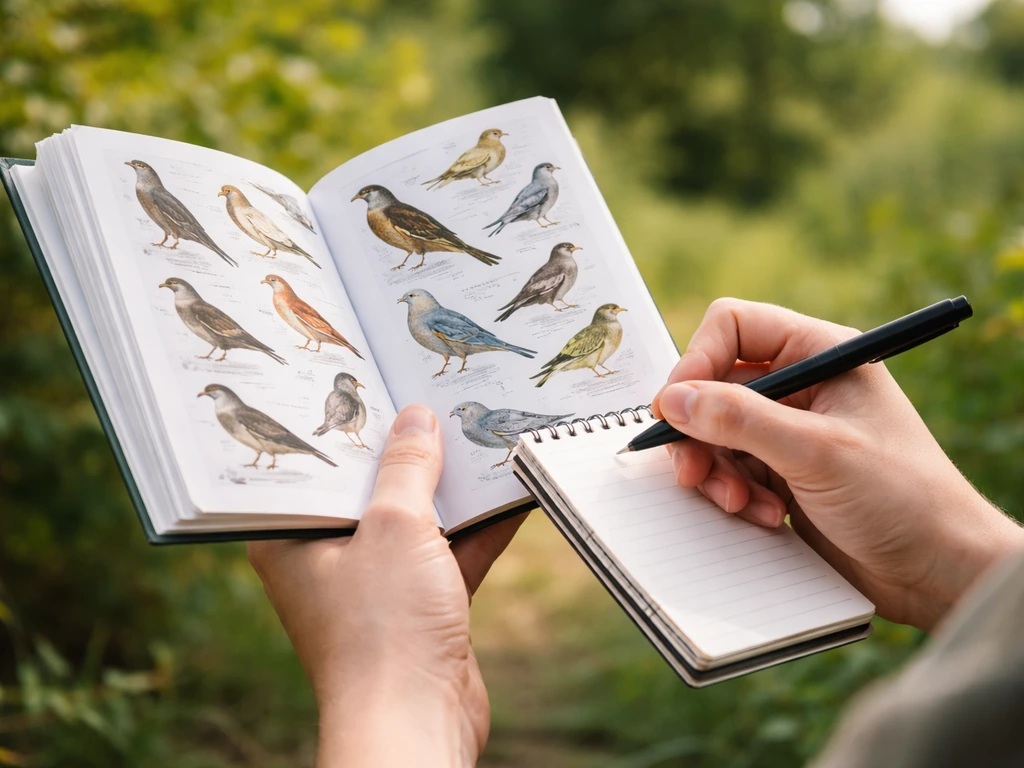
If you're trying to find the correct meaning for a specific bird or bird phrase, here's a simple process that actually works:
- Identify the exact bird first. Don't attach symbolism to a bird you haven't correctly identified. Use a reliable species resource like Cornell Lab's All About Birds to confirm what species you're actually dealing with. A white-winged dove and a mourning dove are different birds with overlapping but not identical associations.
- Note the context: where are you, what were you doing, what culture or tradition are you working within? Symbolism is not universal. A crow in Celtic lore carries different weight than a crow in Hopi tradition.
- Separate the literal from the figurative. If someone used a bird name in conversation or a piece of writing, they may be using an idiom or cultural shorthand, not describing an actual bird.
- Check regionally specific sources if the bird or phrase sounds culturally specific. The Turul, for example, is a legendary bird of prey in Hungarian mythology tied to national identity. Searching its meaning without knowing it's Hungarian-specific will send you in the wrong direction.
- Avoid overclaiming. If you see a hawk and want to know what it means, 'it likely represents vision and focus in many traditions' is honest. 'It means your ancestors are watching you' is a bigger leap that requires a specific cultural framework to support it.
- When in doubt, look up the bird name directly paired with the tradition or context you're working in (e.g., 'dove meaning in Christianity' or 'eagle symbolism in Native American culture') rather than searching generically.
A quick checklist for interpreting bird symbolism without going too far
- Have I correctly identified the species? (Don't guess.)
- Do I know which cultural or spiritual tradition I'm drawing from?
- Am I reading the bird literally (an actual bird), figuratively (a phrase or idiom), or symbolically (a sign or omen)?
- Is the symbolism I'm applying appropriate to my region, background, or belief system?
- Am I interpreting behavior and context, not just species? (A flying eagle and a perched eagle may carry different weight.)
- Am I keeping the interpretation proportionate? (A bird appearing once is not automatically a major omen.)
Bird symbolism is one of the richest and most genuinely interesting areas of human culture, from folk birds in regional traditions to legendary creatures like the Turul in Hungarian lore, to the very specific spiritual roles that birds like the eagle play in living Indigenous traditions today. Some popular descriptions of the Turul portray it as a blank" rel="noopener noreferrer">great mythical bird from Hungarian legend, which is why you may see “turul meaning” searches tied to Hungarian mythology. The turul bird meaning in Hungarian lore is often described as a powerful messenger tied to protection and leadership Turul in Hungarian lore. The key is knowing which bird, which culture, and which kind of 'show' you're actually asking about. Once you've narrowed that down, the meaning becomes a lot clearer and a lot more useful.
FAQ
How do I know whether “show bird meaning” is about poultry competitions or spiritual omens?
A “show bird meaning” search can refer to three different things, so the fastest way to get the right answer is to identify whether you mean (1) competitive show birds in poultry, (2) spiritual or omen symbolism after a bird appears, or (3) an idiom or phrase. If you saw a bird in real life, you’re in the symbolism lane, not the competition definition lane.
What details should I write down to interpret the meaning of a bird that “showed up”?
Start with the exact species if you can. Then note what the bird did (landed nearby, flew overhead, knocked on a window, appeared repeatedly) and where you were when it happened (home, cemetery, workplace). Symbol interpretations are usually tied to behavior and life context, not just the bird name.
Is there one universal meaning for a bird encounter, or does it depend on something specific?
Many people assume every bird “sign” is the same for everyone, but most traditions treat the message as culture and situation specific. If you do not know the tradition being referenced, you can still narrow it by using general pattern categories, such as peace, protection, reassurance, or warning, but avoid claiming a single universal meaning.
What if the bird seems to show up repeatedly, how do I tell omen meaning from a normal behavior pattern?
If your search is triggered by a bird you saw repeatedly, consider whether it could be explained by ordinary ecology (feeding sources, migration timing, nesting sites). Common clues include birds gathering around a known attraction, showing up at predictable times, or acting like they are establishing a territory.
What should I do if I cannot confidently identify the bird species before searching for its meaning?
If you’re trying to decode a message but the bird species is unclear (for example, “it looked like a hawk”), interpret cautiously. Different species can have very different symbolic associations, so it helps to confirm with a photo or reliable description before assigning meaning.
If “show bird” is showing up in my thoughts or a dream, does that change the meaning I should look for?
Yes, some people are actually asking about “show” as in “a bird showed itself to me,” not “show” as in competition. If your wording came from a dream, a conversation, or a recurring thought, that points more toward symbolism than poultry terminology.
Why do the same bird (like a dove or eagle) seem to have different meanings online?
For dove, eagle, crow, and cardinal in particular, meanings can shift sharply between religious, Indigenous, and folk frameworks. If you know your tradition, use that lens. If you do not, stick to softer interpretations (for example, themes like peace or reassurance) rather than making claims that require a specific cultural context.
How should I approach bird symbolism when it is connected to grief or a loved one who passed away?
Bird “visitations” are often linked to feelings about a deceased person, but the interpretation should not override your real-world support needs. If a bird encounter is strongly tied to grief, consider it as an emotional cue, then lean on practical coping steps like talking to someone and following through on any counseling or bereavement support.
What’s the simplest way to confirm whether I’m asking about “show bird” in the poultry sense or in the spiritual sense?
If you meant the competition side, the key is that a show bird is bred and judged against breed standards (stance, feather quality, body proportions, and presentation). If you meant symbolism, you would not need “judging criteria” at all, you would need behavior context and cultural lens.
Does timing relative to a big life event (like a wedding or funeral) change how “bird meaning” is interpreted?
If the encounter happened near a major event (wedding, funeral, big decision), keep the timeframe tight. People often read the meaning differently depending on whether it’s the day of the event, the day after, or during preparation beforehand, and that affects whether the symbolism is interpreted as celebration, closure, or reassurance.
Next Article
Chicken Bird Meaning Explained: Literal and Figurative Uses
Learn chicken bird meaning with literal and slang uses, plus how to spot context, symbolism, and common misconceptions.