
When someone says 'turkey bird,' they almost always mean one of four things: the literal bird (a large North American fowl, Meleagris gallopavo), the cultural symbol tied to Thanksgiving and American identity, the slang word 'turkey' used to mean a fool, a failure, or a specific sports score, or a spiritual/folklore symbol connected to themes of abundance and gratitude. Which one applies depends entirely on where you encountered the phrase, and this guide walks you through how to tell the difference and what each meaning actually says.
Turkey Bird Meaning: Literal and Symbolic Interpretations

Marcus Winters
28 Jun 2026
What 'Turkey Bird' Literally Refers To
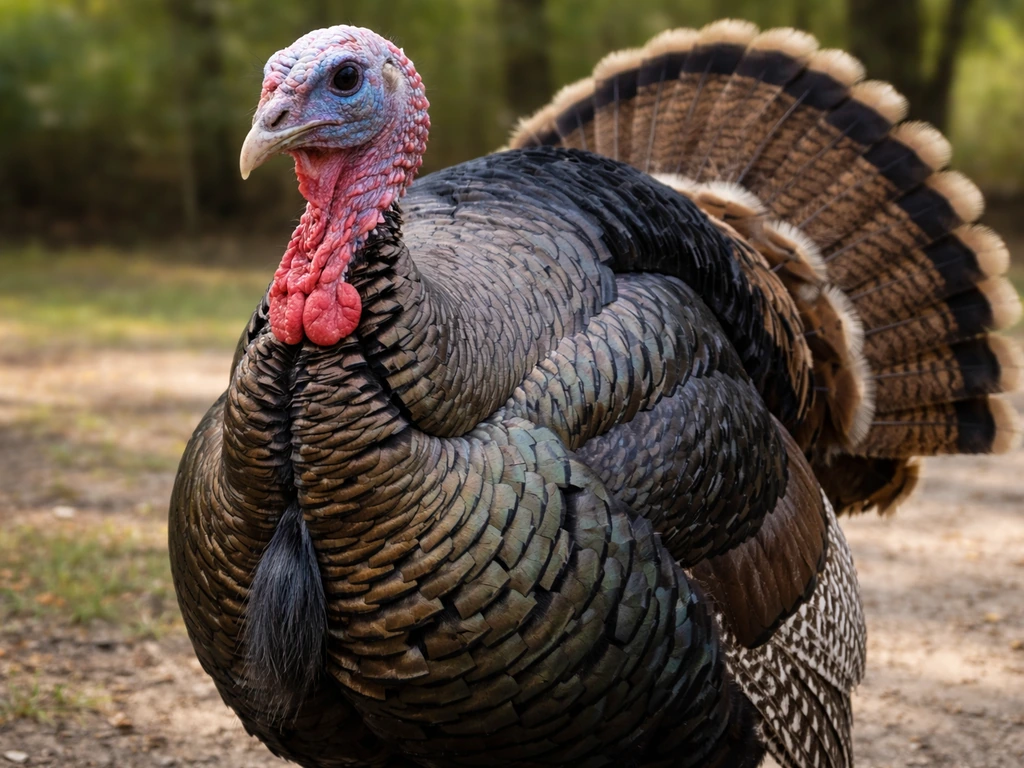
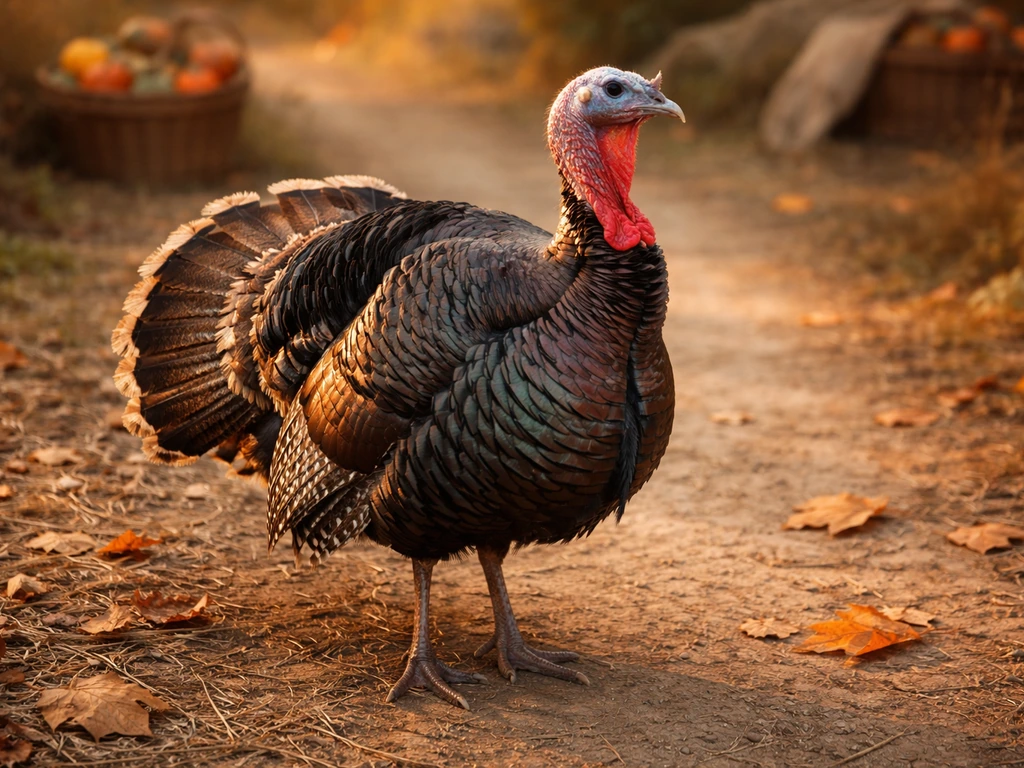
At its most basic, a turkey bird is exactly what it sounds like: a turkey. Merriam-Webster defines it as 'a large North American gallinaceous bird (Meleagris gallopavo) that is domesticated in most parts of the world.' It is heavy-bodied, ground-dwelling, and native to North America. The wild version is leaner and faster than its domesticated cousin, and both belong to the genus Meleagris.
The name itself has a surprisingly tangled origin story. According to Oxford Learner's Dictionaries, 'turkey' was originally short for 'turkeycock' or 'turkeyhen,' terms that Europeans first applied to guineafowl imported through Turkey (the country). When settlers encountered the American bird, they mistakenly applied the same name to it. The American Bird Conservancy confirms this: early Europeans called wild turkeys 'Turkey bird' because they were reminded of that African guineafowl. So the very phrase 'turkey bird' has confusion baked into its etymology from day one, which is part of why it still generates ambiguity today.
If you saw 'turkey bird' in a nature article, a birdwatching forum, or a straightforward factual context, the literal meaning is almost certainly what's intended. There is nothing metaphorical or coded about it in those settings.
Turkey Symbolism in Culture, Especially Thanksgiving
No bird in American culture carries more symbolic weight at a specific time of year than the turkey. Its identity is so thoroughly tied to Thanksgiving that the two are nearly inseparable in the American imagination. Merriam-Webster notes that turkey became the Thanksgiving staple partly through cultural reinforcement over generations, and TIME has reported that turkey's role in the holiday has historically been contested, making it a symbol of broader cultural debates about tradition, identity, and values.
But the turkey's cultural significance goes well beyond a November dinner. HISTORY.com points out that turkeys were revered in ancient Maya culture, treated almost like gods and associated with power and ritual. Andrew F. Smith's work, published through the University of Illinois Press, treats turkey as a genuine 'cultural symbol' with its own folklore and social history. So when someone references turkey symbolism in a cultural sense, they might be talking about American Thanksgiving associations (gratitude, abundance, family gathering), Indigenous American reverence, or the bird's broader identity as a symbol of harvest and communal celebration.
The most common cultural themes attached to the turkey bird are: abundance and provision, gratitude and giving thanks, communal identity, and (less flatteringly) vulnerability, since turkeys are famously easy to hunt and their domesticated form is bred specifically for slaughter. That duality, between honored symbol and sacrificial centerpiece, is what gives the turkey its complexity as a cultural figure.
The Slang and Figurative Side of 'Turkey'

Outside of literal and cultural uses, 'turkey' has a rich life as slang. Merriam-Webster gives it a clear slang definition: 'something that is a failure' or 'a flop.' WordReference adds that it can mean a 'loser,' with the usage tracing back through the same turkey-cock/turkey-hen etymological trail. So if someone calls a movie, a business deal, or a person 'a turkey,' they mean it flopped or the person is foolish and incompetent.
Then there are the sport-specific uses. In bowling, three strikes in a row is called a 'turkey,' a piece of jargon documented in bowling terminology going back generations. In golf, 'turkey' is sometimes used as slang for a quadruple bogey (4 over par on a single hole). Neither of these has anything to do with the bird's symbolism or folklore; they are pure jargon that happens to share the word.
The idiom 'talk turkey' (meaning to speak plainly and directly) and the phrase 'cold turkey' (stopping something abruptly, especially a habit) also come from this same linguistic lineage. Merriam-Webster specifically notes that the word 'turkey' worked its way into many English phrases over time. So if you encountered 'turkey bird' in a jokey, conversational, or slang-heavy context, it is worth considering whether the word 'turkey' is being used figuratively rather than literally.
Spiritual and Folklore Interpretations
In spiritual traditions and folklore, the turkey bird tends to cluster around a few consistent themes: abundance, generosity, earth connection, and gratitude. Many Native American traditions view the turkey as a symbol of shared blessings and the gifts of the earth, connecting it to harvest, sustenance, and community. This aligns closely with the cultural Thanksgiving symbolism but predates it and runs considerably deeper.
In some folk belief systems, encountering a turkey (especially a wild one) is read as a sign of upcoming abundance or an invitation to practice gratitude. The bird's feathers have been used in ceremonial contexts by various Indigenous peoples, and the turkey's association with the earth and the harvest has given it a grounded, practical spiritual energy in contrast to, say, the soaring symbolism often attached to eagles or hawks.
It is worth noting that folklore meanings vary significantly by region and tradition. A turkey appearing in an Irish folk tale (which would be uncommon, since turkeys are not native to Europe) would carry a very different weight than one appearing in a Pueblo oral tradition. If you came across turkey bird symbolism in a specific spiritual or folkloric post, pay attention to which tradition it is drawing from rather than assuming there is one universal meaning. This same caution applies to other bird symbols you might investigate, whether it is the mythological turul bird, a folk bird tied to regional beliefs, or even the chicken bird's earthy domestic symbolism. In some regions, you may also see the mythological turul bird mentioned as a related symbol rather than the domesticated turkey turul bird meaning.
Dream Interpretations: How to Read Them Without Overclaiming
If you searched 'turkey bird meaning' because you dreamed about one, you are in good company. Dream interpretation is one of the most common reasons people look up animal symbolism online. The honest answer is that there is no single, fixed meaning for a turkey in a dream. PsychCentral states outright that dream interpretation is not well supported by research and that symbols can mean many things depending on context and personal significance. ScienceDirect similarly notes that cultural background heavily shapes how dream symbols land.
That said, some common interpretive threads do show up consistently across dream-focused resources. A turkey dream is often connected to themes of abundance, celebration, family gatherings, and gratitude. Dream-Dictionary.com notes that specific details (like the color of the turkey or what it is doing) can shift the interpretation meaningfully. A turkey being hunted or injured tends to evoke vulnerability or fear of loss, while a fat, contented turkey in a pastoral setting tends to suggest comfort and plenty.
The approach that holds up best is the one recommended by resources like Dreamspoken: use context rather than a fixed dictionary. blank" rel="noopener noreferrer">Dreamspoken recommends using a “three lenses” approach that stays anchored in context rather than relying on fixed meanings, as a way to avoid overclaiming in dream interpretation. Dreamspoken likewise recommends using context rather than treating a turkey as having one fixed dream meaning blank" rel="noopener noreferrer">use context rather than a fixed dictionary.. Ask yourself what the turkey was doing, how you felt during the dream, what else was present, and what is happening in your waking life right now. A turkey appearing in a dream during a stressful family holiday season means something different than the same image appearing when you are working through questions about generosity or self-worth.
Merriam-Webster defines 'overinterpret' as reading too much into something or attributing meaning that may not be reasonable. That is a useful guardrail here. If a dream resource confidently declares that 'a turkey in a dream always means X,' treat that with skepticism. Your personal associations and emotional response to the image matter far more than any universal dictionary entry.
A practical framework for turkey dream interpretation

- Write down what the turkey was doing and the overall emotional tone of the dream (fearful, joyful, neutral, absurd).
- Note who else was in the dream and what your relationship to the turkey was (observer, hunter, being chased by it).
- Consider what is active in your waking life: family stress, financial worries, feelings of gratitude or lack.
- Cross-reference the dominant theme (abundance/celebration, vulnerability/sacrifice, foolishness) with your current situation.
- Treat the result as a prompt for reflection, not a prophecy or a fixed answer.
How to Figure Out Which Meaning Applies to Your Situation
The phrase 'turkey bird' can land in very different contexts, and the context almost always tells you which interpretation is relevant. Here is a quick way to think through it.
| Where you saw it | Most likely meaning | Key clue |
|---|---|---|
| Nature article, birdwatching content, wildlife post | Literal bird (Meleagris gallopavo) | Scientific or observational language |
| Thanksgiving-related content, American holiday discussion | Cultural symbol of gratitude/abundance | References to holiday, dinner, tradition |
| Comedy, insult, casual conversation about failure | Slang: fool, failure, loser | Negative or mocking tone |
| Bowling/golf/sports context | Sport-specific jargon | Score or game-related language |
| Spiritual blog, Indigenous symbolism post, folklore article | Spiritual/folklore symbol | Mentions of ceremony, tradition, or spiritual meaning |
| Dream you had and are trying to understand | Personal symbolic interpretation | Your own emotional response and dream narrative details |
Cambridge Dictionary makes the useful point that 'turkey' as a bird is a distinct meaning category from its other senses. The word itself does not disambiguate; the surrounding context does. If you are still unsure after checking the context, look at the tone. Literal and cultural uses tend to be neutral or celebratory. Slang uses tend to be dismissive or humorous. Spiritual uses tend to be reflective and often include qualifiers like 'symbolizes' or 'represents.' Dream-based uses are almost always personal and emotionally loaded.
Quick Takeaway and What to Do Next
The turkey bird carries more meaning than most people expect from a bird best known for ending up on a dinner table. Literally, it is a specific North American species with a famously confused naming history. Culturally, it is the centerpiece of American Thanksgiving and a symbol of abundance, gratitude, and communal identity, with older roots in Maya reverence and Indigenous traditions. As slang, it means a failure or a fool, plus some niche sport-specific uses. In spiritual and dream contexts, it most often points toward themes of abundance, generosity, and harvest, though your personal context should always take priority over a generic symbol dictionary. In that folk bird meaning framework, a turkey is often treated as a sign that good fortune and gratitude are coming your way abundance, generosity, and harvest.
Here is how to put this to use right now. If you want the show-bird meaning, focus first on whether the phrase is being used literally or as a symbolic reference show bird meaning. If you saw the phrase in a specific post, conversation, or piece of content, use the table above to identify the most likely category, then read the relevant section again with that lens. If you are working through a dream, jot down your emotional associations before consulting any external source. If you are trying to understand a cultural or folkloric reference, pay close attention to which tradition it comes from, since Indigenous American, ancient Mesoamerican, and mainstream American Thanksgiving symbolism all point in different directions even when they use the same bird. And if someone just called you a turkey, well, that one's straightforward.
FAQ
If I see “turkey bird” online, is it always about the animal?
Usually you do not, if the phrase is written as “turkey bird” in a factual or wildlife context. However, if it appears in a jokey caption, a sports recap, or a comment thread, it can be shorthand for the slang “turkey” (a flop or failure) rather than the animal.
How is “turkey bird” different from just “turkey”?
Yes, but the key is where the phrase appears. In most English, “turkey” alone often carries the slang and idiom meanings, while “turkey bird” is more likely to be literal or at least trying to be specific about the animal.
What should I assume if someone uses “turkey bird” or “turkey” in a conversation about work or school?
In etiquette and workplace settings, assume literal bird meaning only if it is clearly about food, animals, or a relevant event. If someone says “you’re a turkey” or calls a plan a turkey, it is commonly an insult meaning a fool or a failure.
If I dreamed of a turkey, how do I interpret it without relying on one fixed meaning?
For dream interpretations, focus on what you personally felt and what was happening around the bird. A “calm, healthy turkey” tends to connect to comfort or plenty, while “being chased, hunted, or harmed” often points to anxiety about loss, not a guaranteed prediction.
How can I tell whether the turkey reference is Thanksgiving symbolism or a specific folklore tradition?
When the context mentions Thanksgiving, harvest, gratitude, or shared meals, the reference is usually cultural symbolism. If it is a story from a specific Indigenous or regional tradition, the meaning can shift, especially if the post names the community or describes ritual use of feathers.
Could “turkey” in sports talk be confused with the bird?
No. Bowling “turkey” and golf “turkey” refer to score patterns, not birds. If the sentence includes “three strikes,” “four over par,” or similar scoring language, interpret it as sports jargon.
Do idioms like “talk turkey” and “cold turkey” have anything to do with bird symbolism?
Yes, idioms are a common trap. “Talk turkey” means speak plainly, and “cold turkey” means stopping something abruptly. Neither implies anything about the animal, even if the wording contains “turkey.”
What’s a good way to avoid overinterpreting turkey symbolism in a dream?
Be cautious with any source claiming a turkey in dreams “always” means one thing. A practical check is to compare it with your current life theme (stress, family gatherings, generosity, feeling exposed) and see which interpretation matches your emotions.
Does it matter whether the reference is to wild or domesticated turkeys?
Yes. The literal “turkey” can mean either a wild or domesticated turkey, and domesticated birds often carry stronger associations with celebration and sacrifice because they are bred for slaughter. If the text mentions farms, dinner, or hunting, that detail can steer the meaning.
Next Article
Turul Bird Meaning: Symbol, Origins, and Common Uses
Learn turul bird meaning in Hungarian culture: mythic protector, national symbolism, uses, and common misconceptions vs