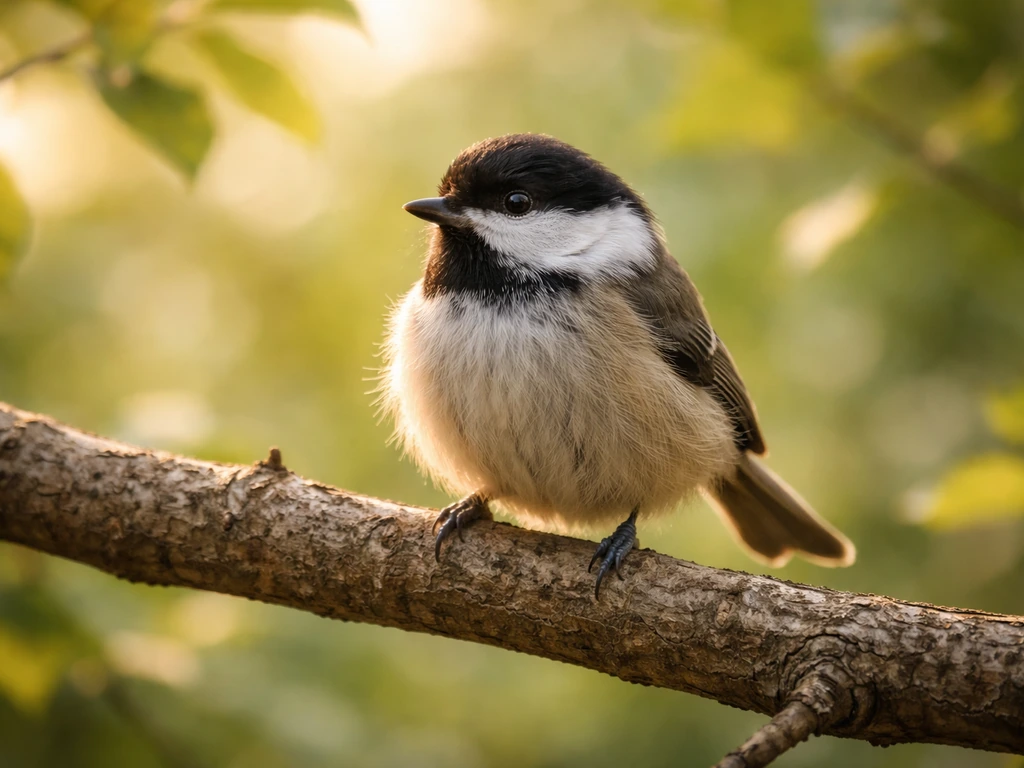
A male bird is simply the sex of a bird species that produces sperm rather than eggs, identified by the ZZ chromosome pair rather than the ZW pair females carry. In practice, that usually means brighter plumage, louder calls, and more territorial behavior. Symbolically, male birds have been read across dozens of cultures as signs of strength, virility, leadership, solar energy, and protection. Whether you spotted a vivid cardinal in your yard, read a line in a poem mentioning a cock crowing at dawn, or are researching a tattoo, the meaning you're after depends on which species is involved and which tradition you're drawing from.
Male Bird Meaning: Literal ID and Symbolic Uses Explained

Marcus Winters
17 Jun 2026
What 'male bird' actually means, literally
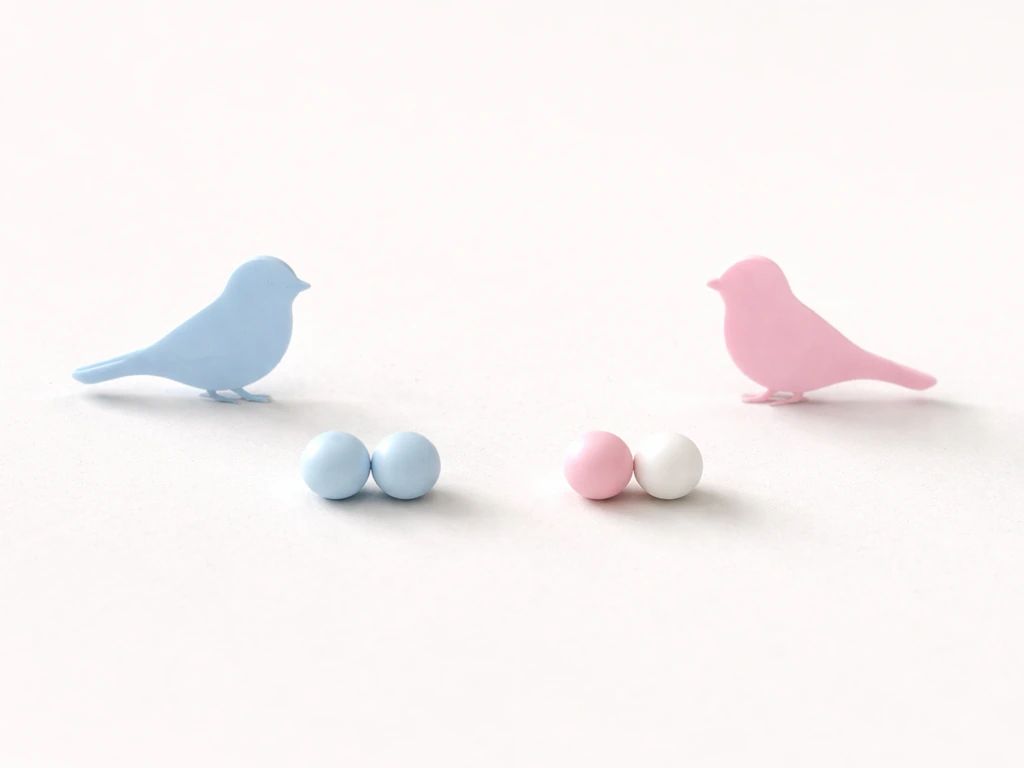
Birds use a ZZ/ZW sex-chromosome system, which is the reverse of mammals. This ZZ/ZW sex-chromosome arrangement is linked to how avian sex determination and gonadal development pathways unfold during early embryogenesis ZZ/ZW sex-chromosome system. Males are ZZ (the homogametic sex) and females are ZW. In female embryos, an enzyme called Aromatase kicks in early to guide ovary development. In male embryos, that pathway doesn't activate the same way, and testes develop instead. That's the biology in plain terms. What it produces, practically, is a set of physical traits that make many male birds visually distinct from females of the same species.
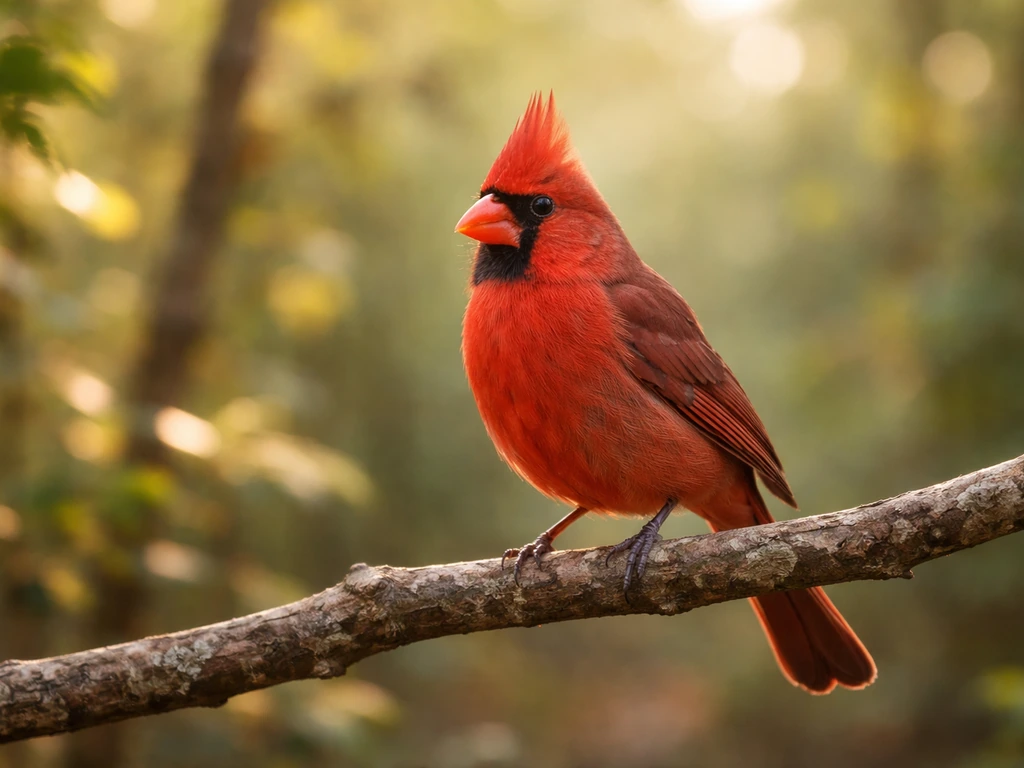
In the field, you identify male birds the same way experienced birders do: look at overall size and shape, bill structure, plumage patterns, and listen to calls. Male birds are often the showier sex. Male mallards have that unmistakable iridescent green head; female mallards are mottled brown. Male cardinals are red; females are a soft tan-rose. Male peacocks carry the famous tail fan; peahens are plain by comparison. That said, not all species are so neat. Some birds can't be sexed reliably from plumage alone, especially outside breeding season. For field and banding work, sexing manuals caution that many birds cannot be determined with 100% certainty from plumage alone and require multiple cues, so an “unknown” category is kept when confidence is insufficient blank" rel="noopener noreferrer">can’t be sexed reliably from plumage alone. Banding experts working with wild birds formally maintain an 'unknown' sex category when the cues aren't conclusive enough.
So when you hear 'male bird,' the literal meaning is: the individual of a bird species that plays the sperm-producing role in reproduction, typically (but not always) the more visually striking or vocally active of the two sexes.
Where 'male bird' shows up symbolically
People don't usually google 'male bird meaning' because they're curious about chromosomes. They're looking for what a male bird represents: in a dream, in a spiritual tradition, in a piece of art, in a tattoo, or in a line of poetry. This can include what a beautiful bird meaning might be in your specific tradition or dream male bird represents. That's where things get rich and also where it's easy to over-generalize.
Across most world traditions, male birds carry masculine symbolic weight: authority, courage, competition, the sun, and the announcement of change. Think of the rooster crowing at dawn. In nearly every culture that keeps chickens, the rooster's crow is tied to the arrival of light, the defeat of darkness, and the call to action. That's not an accident. Male birds, especially songbirds, are the ones singing loudest in the early morning. They're the ones displaying, fighting, and defending territory. Human cultures noticed that behavior thousands of years ago and built meaning around it.
Male birds also appear frequently in love symbolism, often as the active pursuer or protector. In this context they can sit close to what you'd find when exploring lovebird symbolism, where the pair bond itself becomes the focal point. In that case, the love bird meaning often highlights loyalty, devotion, and how the pair bond is portrayed lovebird symbolism. The difference is that when the male bird is singled out, the emphasis usually lands on his role as protector or provider rather than on the bond itself.
Common male-bird terms and what they mean
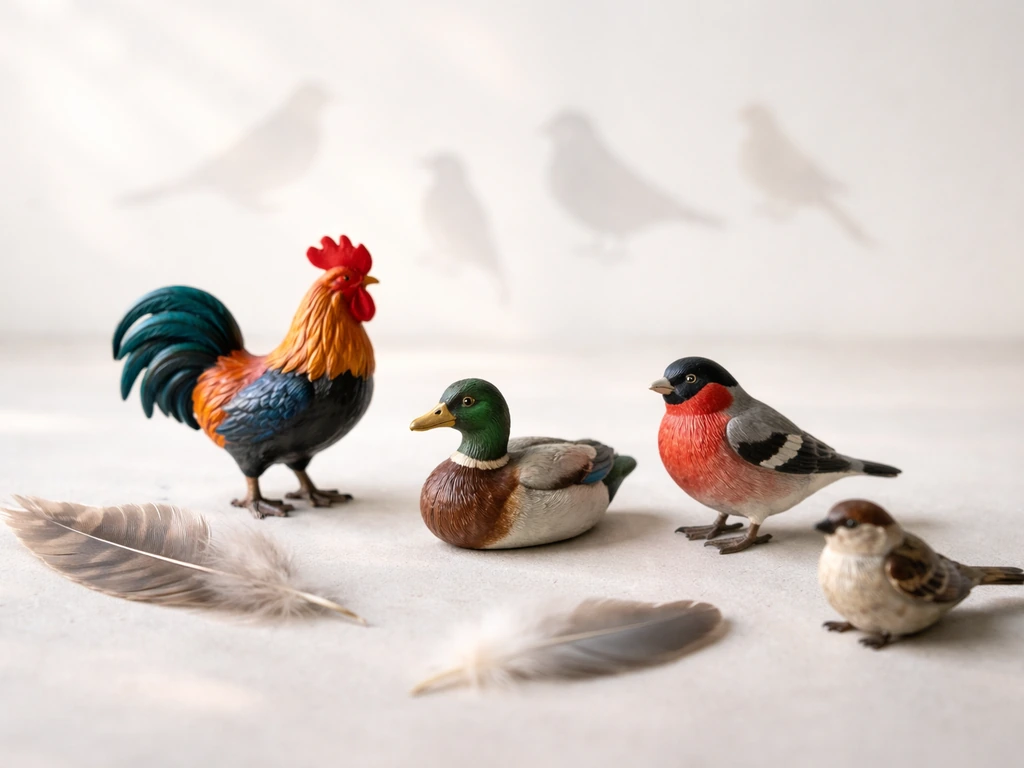
English has specific words for male birds in many species, and those words carry their own symbolic freight beyond just indicating sex. Here are the main ones people search and use figuratively:
| Term | Species | Literal meaning | Common figurative use |
|---|---|---|---|
| Cock / Rooster | Chicken (Gallus gallus) | Adult male chicken | Confidence, arrogance, sexual bravado; 'cock of the walk' means the dominant figure in a group |
| Drake | Duck (Mallard, etc.) | Adult male duck | Less common figuratively, but historically associated with luck and resourcefulness in European folk traditions |
| Gander | Goose | Adult male goose | 'Take a gander' (British/American slang) means to look at something; the goose's habit of stretching its neck to look around is the origin |
| Tom | Turkey / Peacock | Adult male turkey or peacock | Used loosely to suggest showing off or strutting; also 'tom turkey' in Thanksgiving cultural imagery as abundance and pride |
| Cob | Swan | Adult male swan | Less used figuratively, but swans overall carry fidelity and grace symbolism; the cob specifically represents protective loyalty |
| Buck / Stag (via bird analogy) | N/A (used metaphorically) | Not a true bird term, but sometimes applied loosely when comparing dominant male bird behavior to stag behavior | Masculine dominance, prime vigor |
The term 'cock' deserves special attention because it shows up in both literal bird language and in a huge range of idioms. 'Cock-a-doodle-doo,' 'cock of the walk,' 'cocky,' and 'cocksure' all trace back to the rooster's reputation as the loudest, most assertive male in the barnyard. When someone calls a person 'cocky,' they're drawing on centuries of rooster symbolism. That's a good example of how male-bird terms migrated from literal animal observation into everyday human character description.
Spiritual, folklore, and cultural associations by tradition
This is where context really matters, because the same male bird can mean completely different things depending on the tradition you're in. Here's a breakdown of major traditions and how they handle male bird symbolism:
East Asian traditions (China, Japan, Korea)
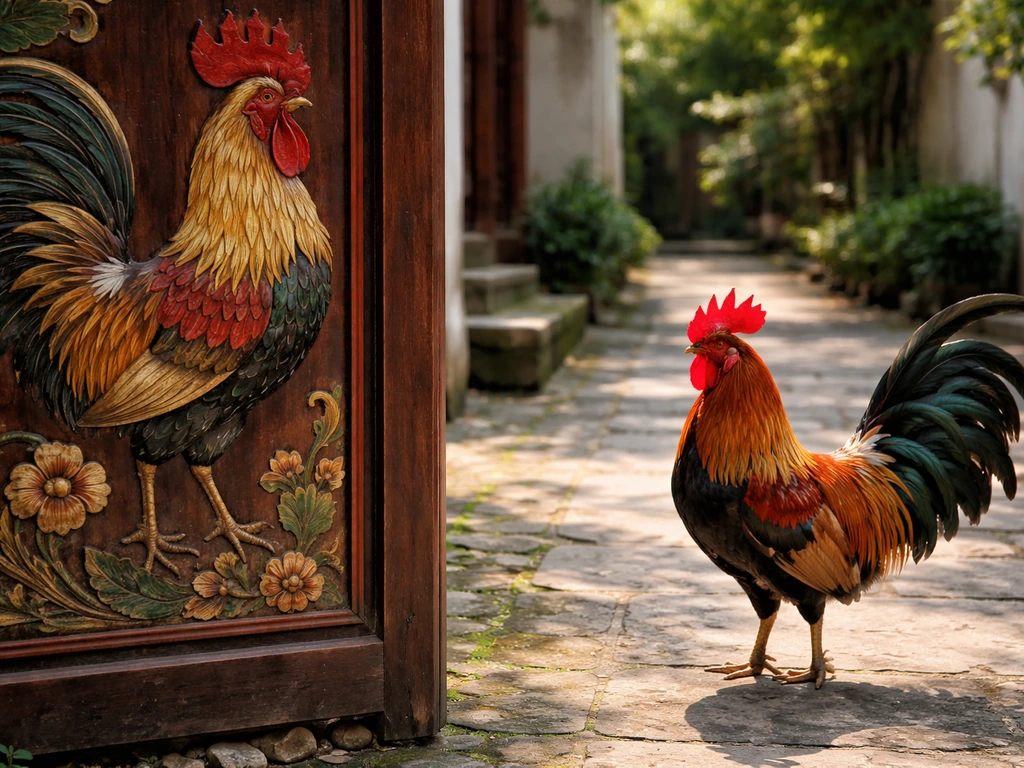
The rooster is one of the twelve animals of the Chinese zodiac and is respected as a symbol of punctuality, reliability, and fidelity. In Japan, the rooster is associated with Shinto shrines and considered a sacred bird that heralds the sun goddess Amaterasu. Male cranes in East Asian cultures represent longevity and good fortune, and a male crane depicted with a female partner is one of the most enduring symbols of lasting love and loyalty in Chinese and Japanese visual art.
European and Celtic folklore
In Celtic tradition, the wren (despite its small size) was considered a king among birds, and the male wren's loud song relative to its body size made it a symbol of the unexpected power of small things. The rooster in European folklore was thought to ward off evil spirits, which is why weathervanes were topped with cockerel figures. In Slavic tradition, the firebird is a distinctly male figure of magical power, described with qualities that overlap with how many cultures treat the phoenix.
Indigenous American traditions
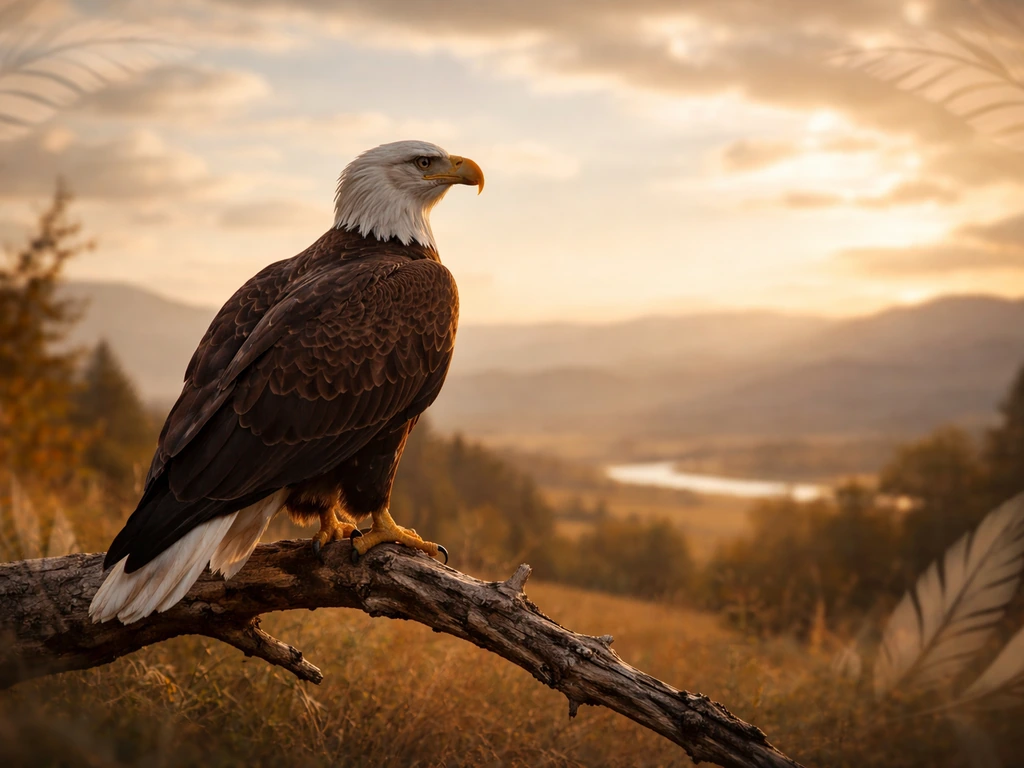
Many Native American traditions assign bird symbolism based on specific species and their behaviors rather than just sex. Male eagles are revered as sky messengers and connections to the divine, with eagle feathers used in ceremony to carry prayers upward. Male turkeys appear in Pueblo tradition as symbols of abundance and the earth's generosity. The specific tribal tradition matters a great deal here: what a hawk represents in one nation's cosmology may differ significantly from another's.
Abrahamic traditions (Christianity, Islam, Judaism)
In Christianity, the rooster carries a specific and weighty meaning tied to Peter's denial of Christ before the cock crowed three times (Matthew 26:75). That gives the male chicken a complex role: both a symbol of betrayal and a symbol of repentance and dawn. In Islamic tradition, the white rooster is said to crow in response to angels and is considered a blessed bird. In Jewish mystical tradition (Kabbalah), specific birds appear in Merkabah imagery, though the symbolism is more about the divine chariot than about sex of the bird specifically.
Hindu and South Asian traditions
The peacock is perhaps the most celebrated male bird in Hindu tradition. The male peacock (the one with the famous tail) is the vehicle (vahana) of the god Kartikeya and appears in association with Krishna, who wore peacock feathers. The peacock's ability to kill snakes also made it a symbol of divine protection against evil. In Tamil Nadu, the male peacock's dance during monsoon is read as an auspicious sign of rain and renewal.
Seeing a male bird in real life: how to interpret it without jumping to conclusions

If you've seen a male bird, noticed it felt significant, and want to know what it means, the most useful thing you can do first is be sure about what you actually saw. If you're trying to decode a specific sweet bird meaning, focus first on which species is involved and which tradition you’re drawing from. Many symbolic misreadings start with misidentification. A female cardinal and a male cardinal don't carry the same visual punch, and if you can't confirm it was the male, you're working with incomplete information.
Audubon's field identification approach gives a solid framework: note the bird's overall size and shape, look at the bill structure, pay close attention to plumage patterns and any distinct markings, and note the call if you heard it. For many common species, the male is identifiable by bright coloring (red, iridescent green, vivid yellow), distinctive head crests or tail structures, and by being the bird that's singing most actively. For waterfowl like ducks, even if the bird isn't in full breeding plumage, wing-feather characteristics can confirm sex.
Once you're confident about the species and the sex, the next question is context. A single male bird landing on your window in winter carries different cultural weight than a rooster crowing at dawn in a dream. For a more specific happy bird meaning, you also need to consider which species and tradition the symbol is drawing from a rooster crowing at dawn in a dream. The time, place, your own cultural background, and whether the encounter felt unusual all matter. A male robin in spring is behaving completely normally. A male raven appearing repeatedly in a place you'd never seen one before is the kind of thing folklore traditions tend to build meaning around.
One thing to resist: cherry-picking the most dramatic interpretation from any tradition that sounds meaningful. Different cultures genuinely read the same bird differently. A male owl at night is a death omen in some Mesoamerican traditions and a symbol of wisdom in Western European ones. Neither is universally correct. Your own cultural context and personal resonance matter as much as any one tradition's interpretation.
Practical next steps: how to actually apply the meaning
Here's how to move from 'I saw a male bird (or read a reference to one) and I want to understand what it means' to a clear, grounded interpretation:
- Identify the species first. Use a field guide app (Merlin Bird ID from Cornell Lab is free and reliable) or Audubon's online guide. Confirm the sex using plumage, size relative to other birds you've seen, and behavior. If you can't confirm it was male, hold that as uncertain.
- Nail down the context. Was this a real sighting, a dream, a reference in text or art, a tattoo design? Each context draws from different symbolic traditions. A tattoo of a rooster is usually pulling from Western or East Asian visual tradition. A biblical reference to a cock crowing is specifically the Peter narrative.
- Identify the relevant tradition. If you're drawn to spiritual meaning, which tradition are you working within? Chinese zodiac? Native American? Christian symbolism? Search within that tradition specifically rather than mixing all of them into one meaning.
- Check species-specific symbolism. 'Male bird' is too broad a category to carry a single meaning. A male hummingbird, a male raven, and a male swan are almost opposites symbolically. Once you know the species, look up that specific bird's symbolism in your relevant tradition.
- Look at the behavior, not just the presence. Was the male bird singing, fighting, displaying, flying toward or away from you, perched still, or injured? Folklore traditions almost always factor in what the bird was doing, not just that it appeared.
- Hold your interpretation lightly. If you're using bird symbolism for personal meaning-making (journaling, spiritual practice, art interpretation), let it be suggestive rather than definitive. The meaning you build from your own experience with a symbol is as valid as the folkloric one.
If your interest in male bird symbolism is leading you toward related territory, it's worth knowing that the sibling concepts here are rich in their own right. Female bird symbolism tends to emphasize intuition, receptivity, and nurturing in many traditions, which makes for a useful contrast with the more active, solar energy often attached to male birds. If you’re also curious about the female bird meaning, you’ll usually find those themes of intuition, receptivity, and nurturing highlighted even more strongly Female bird symbolism. And if the encounter you're trying to interpret involves a pair, the symbolism shifts again toward themes of partnership and balance, closer to what lovebird symbolism explores.
The bottom line: 'male bird' by itself isn't a single symbol with a single meaning. If you're looking for the sweet bird of truth meaning in a similar way, focus on context and tradition first before treating any one interpretation as universal. It's a category that points toward a very large and fascinating body of cultural interpretation. The specifics of species, tradition, and context are what turn a generic 'male bird' into something you can actually work with.
FAQ
Can I rely on plumage color to know whether a bird is male?
Not always. Some species have little or no obvious color difference outside breeding season, and molting can make both sexes look muted or temporarily similar. If you cannot confirm age and season or you are unsure about the plumage, treat the symbol as “bird with masculine-coded traits” rather than confidently labeling it as male meaning.
What if the bird looks like the other sex, but I still want to interpret “male bird meaning” correctly?
Yes. For some birds, the sex can look “wrong” from common assumptions because of age, genetics, or seasonal plumage changes (for example, females may appear darker, or males may be less vivid when not breeding). When exact sex matters for your interpretation, cross-check with other cues like call behavior, crest or comb presence, and location or courtship context.
Do I need biology (ZZ/ZW) to interpret male bird meaning symbolically?
If your goal is symbolic interpretation, you do not need to know chromosomes. However, you do need to know what you are symbolizing: the sexed individual, the bird species, or the rooster-like role (announcing dawn, asserting territory). A practical approach is to decide whether you are reading “male-coded energy” (active, solar, protective) or a tradition-specific rooster or species-specific meaning.
Why does “male bird meaning” change so much from one story or culture to another?
“Male bird” is broad, but it often collapses into different common symbol-sets. Rooster or “cock” references tend to emphasize dawn, authority, and assertiveness, while other species of males (like peacocks, cranes, eagles) can shift toward more specific themes such as beauty and protection, longevity, or divine messenger roles. Species identification is usually more important than simply “male vs female.”
How should I interpret a male bird in a dream if it’s romantic in tone?
In modern symbolism, many people use male-bird imagery as a shorthand for provider, protector, or leadership, but that does not automatically fit every setting. If the scene is about intimacy or pair connection, the male may be read as a pursuer, while in other contexts he may represent judgment, competition, or a warning. The surrounding elements in the dream or artwork matter more than the word “male.”
Does male bird meaning work the same way in idioms, tattoos, and religious art?
Watch for the difference between “male bird as an individual” and “male bird as a role.” Idioms and art often use rooster imagery to represent character traits (cocky, cocksure), while ritual or religious settings can read the same bird as sacred or prophetic. If your source is idiomatic language, treat it as human-character symbolism first, not as a literal sex marker.
What is the most common mistake people make when decoding male bird symbolism?
A common edge case is using a male-coded symbol for what is actually a female bird (for example, assuming any cardinal is male because it looks “bright”). Misidentification is the biggest driver of inconsistent interpretations, so confirm the species and check whether the cues you relied on are season-dependent. If you are working from memory, note your certainty level and keep the interpretation tentative.
What does “cock” usually imply compared with “male bird” more generally?
If you hear “cock” in a poem, song, or tattoo context, it may signal assertiveness, bravado, or dawn-calling rather than strictly “male bird meaning.” Also, the connotations can be positive or negative depending on the phrasing (for instance, cocky can imply overconfidence). Match the tone of the text to the idiom’s usual social meaning.
How does behavior (singing, fighting, displaying) change male bird meaning?
Breeding behavior can heavily influence interpretation. Male birds may sing, display, fight, or defend territory, which naturally reinforces themes like announcement, action, competition, and protection. If you know the time of year (spring vs winter) and the behavior you observed, include those details because they can tilt the meaning toward love and pursuit or toward defense and resolve.
Next Article
Happy Bird Meaning: Literal and Figurative Uses
Meaning of happy bird phrase: literal bird cues, figurative symbolism, tone clues, and how to interpret it fast in chat.