A nectar bird is any bird whose diet centers on flower nectar, and in most English-speaking contexts the phrase points most directly to hummingbirds or sunbirds. When people search for 'nectar bird meaning,' they are usually asking one of two things: which bird is actually being referred to, or what that bird symbolizes in a spiritual, dream, or cultural context. The short version: nectar birds carry symbolism around sweetness, joy, renewal, and the idea that good things are within reach, but the exact meaning shifts quite a bit depending on the tradition, the setting, and what you personally associate with the bird. If you are looking for the wind up bird meaning in particular, the symbolism is typically tied to how the bird’s “sweet, lively” nature is interpreted in your tradition.
Nectar Bird Meaning: Symbolism, Species, and What It Means

What 'nectar bird' actually refers to
Merriam-Webster lists 'nectar bird' as a standalone dictionary entry, which tells you this is a recognized term in standard English and not just slang or shorthand. The Century Dictionary, one of the older comprehensive English reference works, used the hyphenated form 'nectar-bird' and connected it to birds associated with nectar feeding. Neither source ties the phrase to one single species. Instead, 'nectar bird' functions as a category: any bird whose main food source is the sugary liquid produced by flowers.
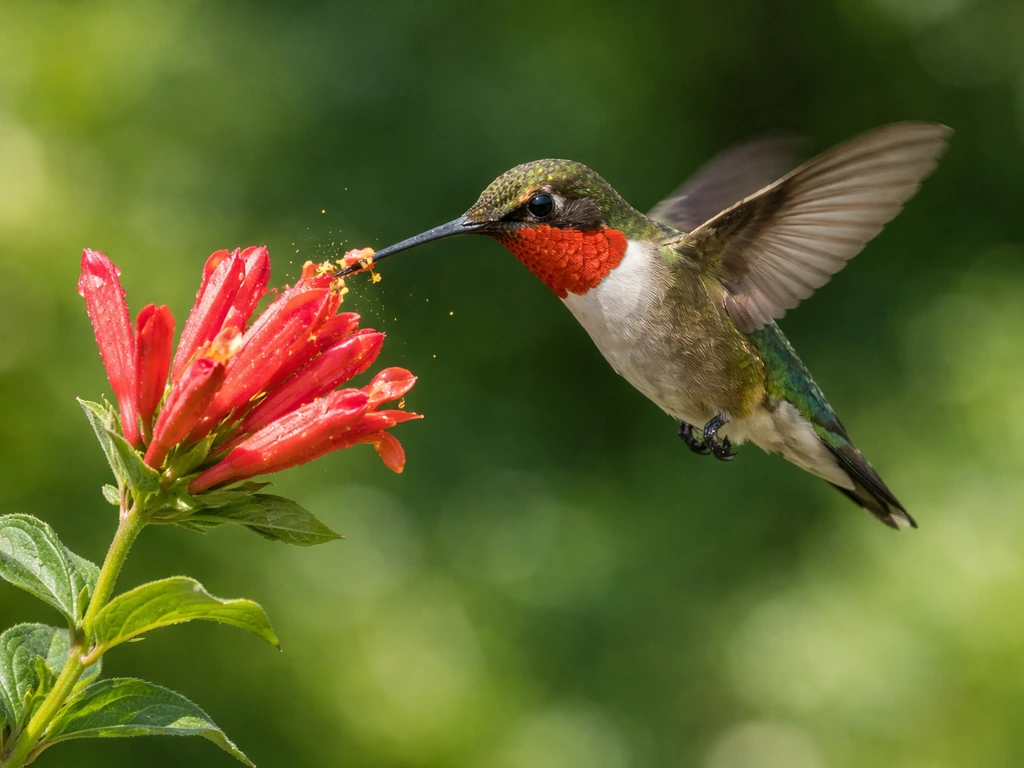
In practice, two bird families dominate most discussions of nectar birds. In the Americas, that means hummingbirds. In Africa, Asia, and Australia, it usually means sunbirds (family Nectariniidae), honeyeaters, or related groups. If you're in North America and you encounter the phrase 'nectar bird' without any further context, hummingbird is the safe assumption. If the source is from another part of the world, sunbird is just as plausible. Some languages make this explicit: the Vietnamese term for sunbird, 'Chim hút mật,' literally translates to 'nectar-sucking bird.'
The natural history behind nectar-feeding birds
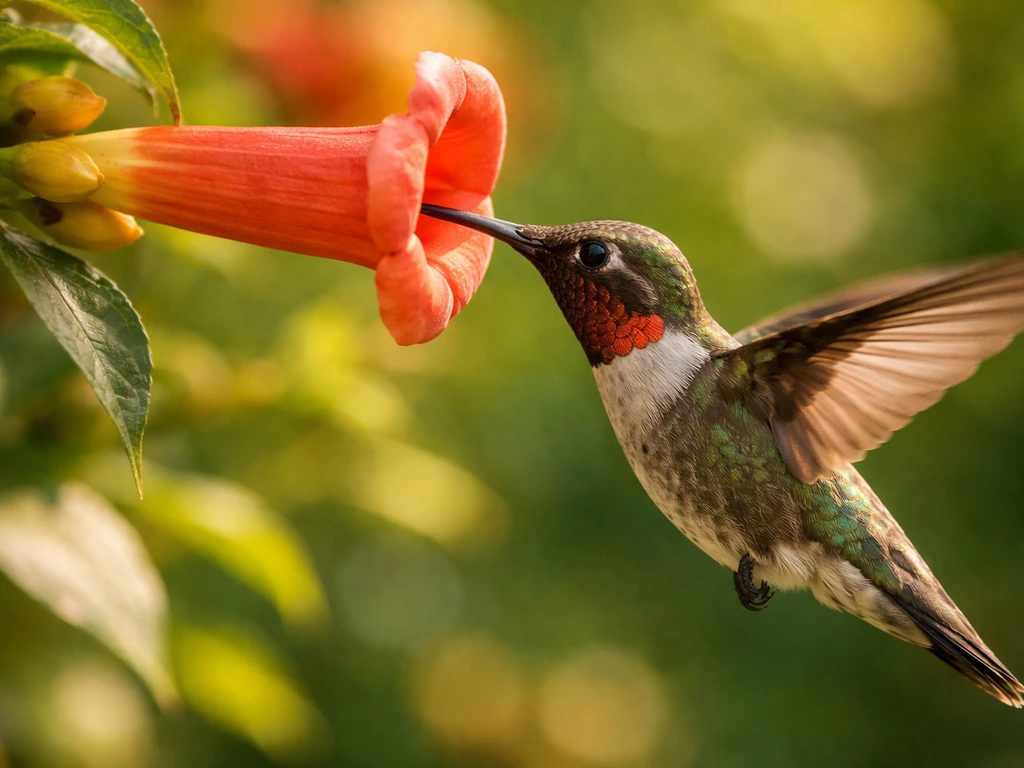
Understanding why these birds became so symbolically loaded starts with understanding what they actually do. Hummingbirds and sunbirds evolved alongside flowering plants in a relationship so tight that the birds' beak shapes mirror the curves of the flowers they prefer. The National Parks Conservation Association describes how hummingbird beaks adapted specifically to access nectar deep inside flowers, and as a result, the birds became key pollinators, carrying pollen from bloom to bloom as they feed.
Hummingbirds are attracted to nectar-producing flowers like trumpet creeper, coral honeysuckle, bee balm, and cardinal flower, and they will reliably visit backyard feeders stocked with sugar water. For feeding equipment, blank" rel="noopener noreferrer">nectar bird feeders are described as feeding-port setups made for hummingbirds to drink nectar. Sunbirds use a similar feeding approach, perching near flowers and probing into the floral structure, though research shows they sometimes 'rob' nectar through holes in the base of a flower rather than entering from the front. A university study on Palestine sunbirds (Nectarinia osea) likewise frames sunbird ecology around nectar-focused foraging behavior blank" rel="noopener noreferrer">Sunbirds use a similar feeding approach. This ecological role as both feeder and pollinator matters for symbolism because the bird doesn't just take from the flower, it gives something back.
The broader ecological category is called 'nectarivorous birds,' and it includes hummingbirds, sunbirds, honeyeaters, and a handful of other families across the globe. What ties them together is this dependence on sugar-rich nectar as a dietary foundation, a feeding style that requires hovering, probing, or perching at flowers constantly throughout the day.
What nectar birds symbolize
The symbolism attached to nectar birds grows almost directly from their natural behavior. A bird that lives off sweetness, moves with speed and grace, pollinates flowers, and is drawn to the most beautiful blooms naturally accumulates associations with joy, attraction, and the idea that life's good things are available if you seek them out.
Hummingbird symbolism, in particular, clusters around a consistent set of themes across spirituality and folklore sites. Joy and lightness come up constantly, along with playfulness, healing, renewal, and the message that you should not overlook small pleasures. Some shamanic traditions frame a hummingbird appearing as a signal to 'lighten up,' to stop grinding and let yourself enjoy what's in front of you. The nectar connection is central to all of this: nectar is sweet, rare if you're not in the right place, and requires active seeking.
- Sweetness and joy: the bird literally feeds on what is sweet, so it becomes a symbol for savoring good moments
- Attraction and abundance: nectar birds are drawn to the most flourishing flowers, linking them to themes of being drawn toward beauty or good fortune
- Healing and renewal: their association with flowers and pollination connects them to growth cycles and recovery
- Guidance and good things coming: in many spiritual traditions, a nectar bird appearing is read as an encouraging sign
- Lightness and agility: the physical speed and hovering ability of hummingbirds especially maps onto adaptability and resilience
Sunbirds carry similar themes in the traditions where they appear. A spirituality-focused discussion of the Scarlet-tufted Malachite Sunbird, for example, frames it around personal beauty, vitality, and living fully. The core symbolic logic is the same as with hummingbirds even though the species and the culture are different.
Where you're most likely to encounter the phrase

People search for 'nectar bird meaning' after running into the phrase in one of a handful of specific situations. In the same way, clockwork bird meaning is usually about the symbolism people assign to a particular kind of “bird” in dreams, stories, or spiritual readings nectar birds meaning. Knowing which situation you're in helps you figure out what kind of answer you actually need.
| Context | What's usually going on | What kind of meaning applies |
|---|---|---|
| Dream | A hummingbird or bright small bird appeared and you want to know what it means | Symbolic and personal: what was the emotional tone, what was the bird doing |
| Oracle or tarot card | A card in a deck features a nectar bird and you're reading the card's guidebook meaning | Deck-specific: check the guidebook that came with your deck first |
| Poetry or literature | A writer used 'nectar bird' as an image or metaphor | Figurative: sweetness, beauty, the pursuit of pleasure or good things |
| Folklore or spiritual reading | Someone told you a nectar bird is your sign or totem | Tradition-specific: ask which tradition and look up that source directly |
| Everyday bird encounter | A hummingbird came close to you or visited your yard | Natural behavior first, symbolic layer optional based on personal resonance |
Dream dictionaries do treat hummingbirds and nectar-feeding birds as meaningful symbols. Common interpretations connect dreaming of a hummingbird to pleasure, gratification, and savoring the sweetness of life. Some sources go further and assign different meanings to different colors, such as green hummingbirds being linked to healing and growth, and blue ones to communication. These are interpretive frameworks, not facts, and they vary quite a bit from source to source.
How to interpret it for your own situation
The most honest advice here is to treat symbolic meanings as prompts for reflection, not conclusions. One thing that comes up consistently in thoughtful dream and symbol interpretation is the recommendation to notice your emotional response first. How did you feel when you saw the bird, or when the card appeared? What was the bird doing? A hummingbird feeding calmly from a flower carries a different emotional charge than one dying in your hands, even if both technically fall under 'hummingbird symbolism.' Context and feeling matter more than any generic meaning list.
A few practical steps help if you want to work with this symbolism deliberately rather than just file it away.
- Write down the exact context where you encountered 'nectar bird' before looking anything up. Memory shifts quickly once you start reading interpretations.
- Note the emotional tone. Did the encounter feel hopeful, sad, surprising, peaceful? Your gut response is more specific to your situation than any generic list of meanings.
- Ask what 'seeking sweetness' or 'finding what nourishes you' might mean in your life right now. Those are the core questions the symbolism points toward.
- If the phrase came from a specific card deck, book, or reading, go to that source first. Deck creators build their own meaning systems, and those take priority over general symbolism.
- If the phrase came from a dream, jot down everything you remember about what the bird was doing, the setting, and any other details. Those specifics matter more than the bird's species.
A useful journaling prompt: 'Where in my life am I working hard to reach something sweet, and am I actually stopping to enjoy it when I get there?' That question captures what nectar bird symbolism consistently points to across traditions, without overclaiming what any specific encounter 'means' for you.
How meanings shift across cultures
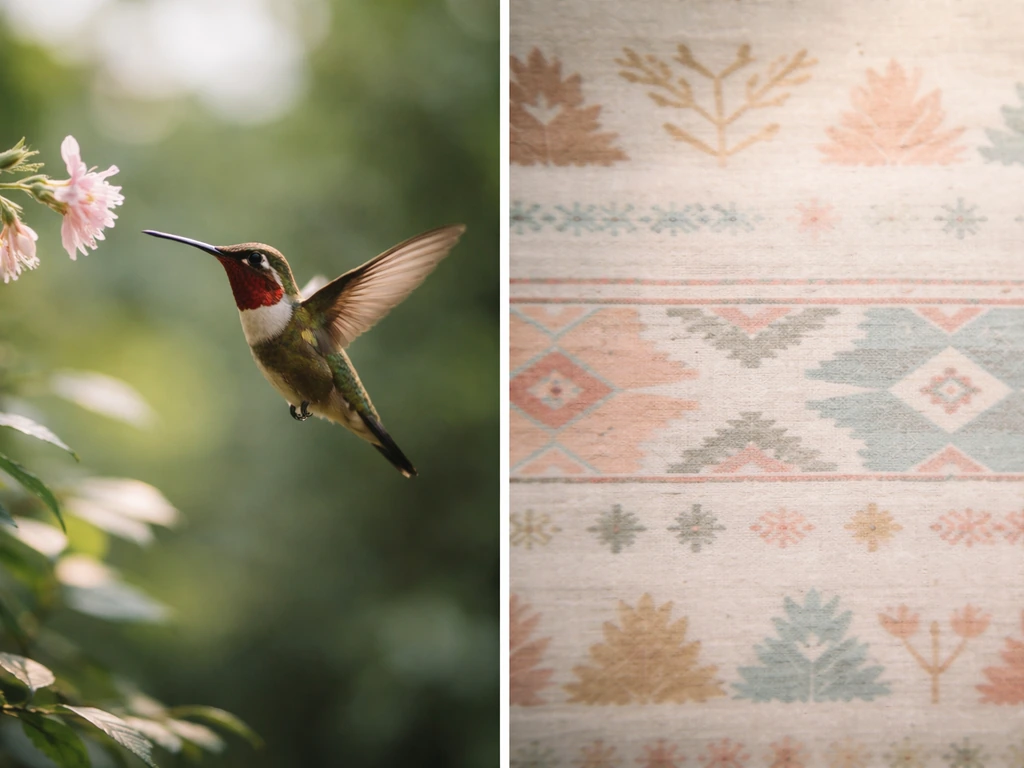
The symbolism of nectar birds is broadly positive across most cultures, but it is not identical. In many Indigenous North American traditions, hummingbirds are associated with healing, love medicine, and carrying messages between the human world and the spiritual one. In some Central American traditions, hummingbirds are connected to the souls of warriors or ancestors. In West African and East African contexts where sunbirds are the dominant nectar bird, the symbolic associations tend to center on brightness, vitality, and life force rather than on the 'lightness and joy' framing common in New Age hummingbird interpretations.
This matters practically because if someone tells you that a nectar bird is your sign or that it carries a specific message, the meaning they intend is shaped by which tradition they're working in. A shamanic practitioner, a Wiccan, a dream interpreter, and a poet will each assign a somewhat different weight to the same symbol. It is worth asking where the meaning is coming from rather than assuming all nectar bird symbolism is interchangeable.
The nightingale, another bird with a powerful symbolic history, similarly carries different meanings in Western European traditions than it does in Persian poetry or East Asian contexts, which shows how consistently bird symbolism drifts based on cultural setting. Knowing which tradition you're drawing from helps you get more out of the symbol rather than less.
Other bird symbolism worth exploring alongside this one
If nectar bird symbolism resonates with you, a few related areas of bird meaning are worth looking at next. The nightingale is another bird whose meaning centers on beauty and emotional depth, and it has one of the richest literary histories of any bird in language. The nightjar sits at the opposite end of the tonal spectrum, associated with mystery and the threshold between day and night in folklore traditions across Europe and beyond. If the nightjar fits your interest in symbolic birds, you may also want to look up nightjar bird meaning for how its mystery is usually interpreted.
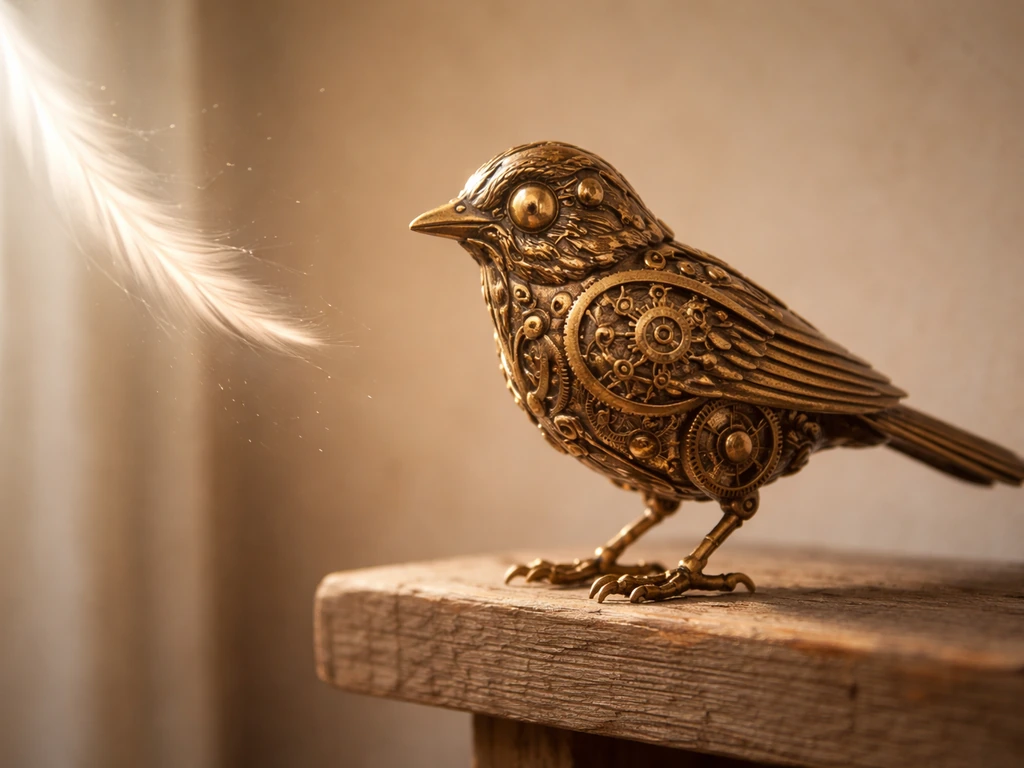
If you came to 'nectar bird meaning' through a literary or poetic context, the clockwork bird and the wind-up bird are both interesting symbolic threads to pull, carrying themes about mechanical versus natural life and the search for something real beneath a surface. The nemesis bird is another term worth knowing if you move in birding circles, as it refers to a specific bird that persistently eludes a particular observer, a concept that has taken on its own emotional and almost folkloric weight in the birdwatching community. Many people mix it up with the more common search phrase “nemesis bird meaning,” so this distinction can help you find the right reference.
The main thing to remember with any bird symbolism, nectar birds included, is that the meaning you are looking for is almost always a combination of the general cultural layer and your own specific association. The general layer gives you a starting point. The personal layer is where the real interpretation happens. Nightingale bird meaning is also shaped by literary tradition and the context you encounter it in.
FAQ
How can I tell whether “nectar bird” in a text is referring to hummingbirds or sunbirds?
Look for clues like country or habitat references. If the source is from the Americas, it usually points to hummingbirds. If it is from Africa, Asia, or Australia, sunbirds or honeyeaters are more likely. If there is no geographic context, assume hummingbird in North American English, but treat it as an educated guess.
Is a nectar bird meaning ever tied to a specific bird species rather than a category?
It can be, but only when the source names a particular species or color. If the writing stays generic, “nectar bird” is typically describing the broader nectarivorous category (nectar-based diet, pollination role, constant flower seeking). Species-specific meanings usually come from named species in cultural or symbolic systems.
What should I do if the dream or symbol involves a hummingbird or sunbird but I cannot tell the species?
Use the most important shared traits instead of forcing a species match. Since both are nectar feeders, focus on themes connected to sweetness, seeking, energy, and pollination-like “giving back.” Then add a personal layer by noting your emotional response and what the bird was doing (feeding calmly, aggressive feeding, injured, flying away).
Why do different sources give conflicting “nectar bird” dream meanings (for example, color meanings)?
Because dream symbolism systems are interpretive frameworks, not standardized facts. Color, mood, and narrative context can be assigned differently across authors and traditions. A practical approach is to trust the meaning that fits your lived feelings and the scenario details, then treat other systems as options rather than corrections.
Can nectar bird symbolism be negative or warning-like?
Mostly it is framed positively (joy, renewal, access to sweet things), but it can read as a warning if your context suggests avoidance or imbalance. For example, if the dream shows the bird unable to reach nectar, struggling, or arriving too late, the symbol may point to neglecting needs, losing opportunity, or refusing to slow down and enjoy what is available.
Does the fact that nectar birds pollinate flowers change the symbolism beyond “taking sweetness”?
Yes. Because these birds feed while transferring pollen, they are often read as “mutual exchange,” not just pleasure. If your personal context involves creativity, relationships, or community contribution, leaning into the pollinator angle can make the symbol feel more grounded and actionable.
What is a good way to journal about nectar bird meaning without over-interpreting?
Use a two-part prompt: (1) Where am I seeking something sweet or rewarding, and (2) am I also participating in the giving part (sharing, improving, creating, healing, contributing)? This keeps the reflection tied to behavior and choices rather than claiming a single fixed message.
If someone tells me “you saw a nectar bird, it means X,” how do I evaluate that claim?
Ask where their meaning comes from and whether it matches your situation. Different traditions weight the same symbol differently. Also check whether the “message” is specific enough to inform a choice you can make, or if it is vague reassurance. Specific, practice-oriented meaning is usually more useful than broad predictions.
Are there common mistakes people make when interpreting nectar bird symbolism?
Two big ones are assuming the phrase always refers to the same species, and treating generic meaning lists as definite outcomes. Another common mistake is ignoring context, like what the bird was doing and how you felt. Emotional tone and action detail are usually more informative than the label alone.
What related searches should I consider if I’m interested in nectar bird meaning but the vibe changes (mystery, thresholds, mechanics)?
If you want a shift toward mystery, look for nightjar bird meaning. If you are drawn to contrasts between natural life and artificial or surface-level themes, wind-up bird and clockwork bird threads may fit. If you are specifically working through birdwatching lore, nemesis bird meaning can be a helpful adjacent angle.
Clockwork Bird Meaning: Symbolism and What It Could Signify
Unpack clockwork bird meaning: symbolism of precision and routine plus bird freedom, messages, and possible omens.