When someone searches 'shy bird meaning,' they're usually after one of three things: a symbolic or spiritual interpretation of shyness in birds, a metaphor for a shy person described as a bird, or the identity of a specific bird species known for being elusive. Most of the time, it's the first two. 'Shy bird' has been used figuratively in English since at least the early 1800s, when Noah Webster's 1828 dictionary defined the phrase as describing something 'fearful of near approach; keeping at a distance through caution or timidity.' That definition fits both literal birds and people. So the answer you need depends on your context, and this guide will walk you through all of them.
Shy Bird Meaning: Everyday, Symbolic, and Species Clues

Marcus Winters
1 Jun 2026
What 'shy bird' usually refers to
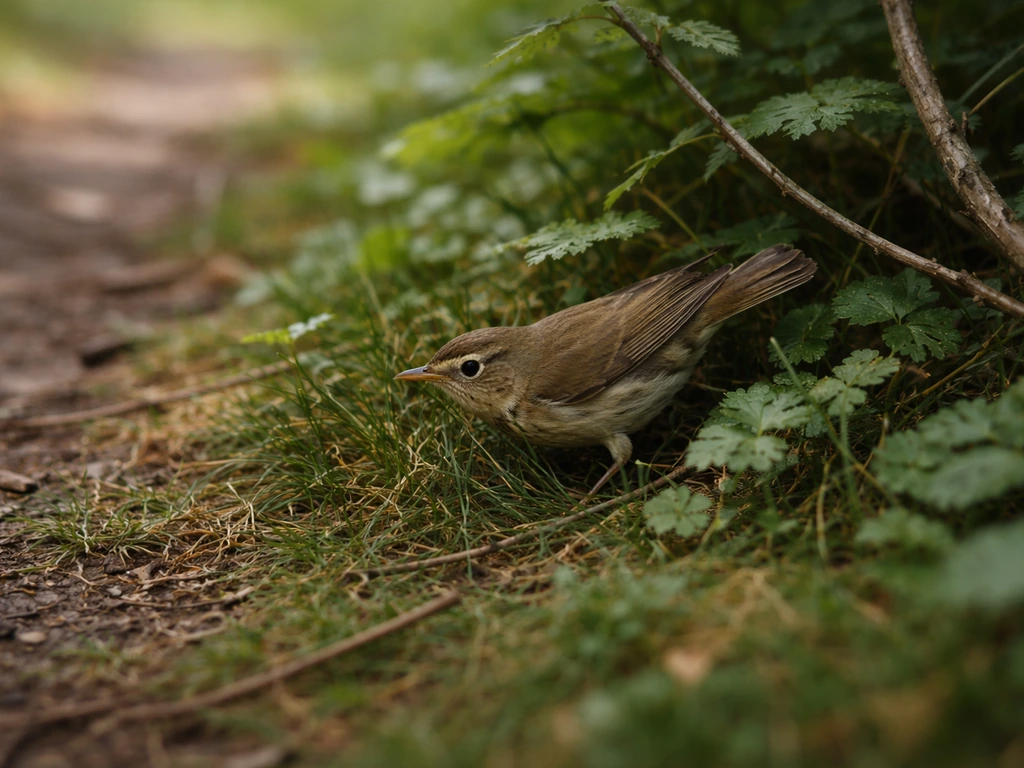
The phrase pulls in three directions at once. First, it can be a pure descriptor: you spotted a bird that fled before you could get close, and you want to know what kind of bird behaves that way. Second, it's a figurative label for a person, the way you might call someone 'a shy bird' to mean they're reserved, cautious, or hard to draw out in conversation. Third, it can carry symbolic or spiritual weight, where the shy or elusive bird represents themes like introspection, caution, sensitivity, or the wisdom of staying hidden. All three interpretations are legitimate, and the one that applies to you depends almost entirely on the context in which you encountered the phrase.
It's also worth noting that 'shy bird' overlaps with related ideas. A timid bird and a shy bird carry nearly identical meanings in most symbolic traditions, and in casual conversation the two terms are practically interchangeable. The key distinction, if there is one, is that 'shy' often implies a deliberate choice to stay back, while 'timid' leans more toward fear as the driver. That nuance matters when you're applying the meaning to a person or journaling about your own traits.
What actually makes a bird 'shy'
Bird researchers treat boldness and shyness as a genuine personality spectrum, not just a casual label. A shy bird is risk-averse: it retreats or hides when it perceives a threat, takes longer than bolder individuals to investigate something new, and consistently chooses caution over curiosity. Studies on great tits, for example, measured shyness by how long a bird took to return to incubation after a novel object appeared nearby. Shy individuals consistently waited longer. They weren't defective, they were just running a more conservative risk calculation.
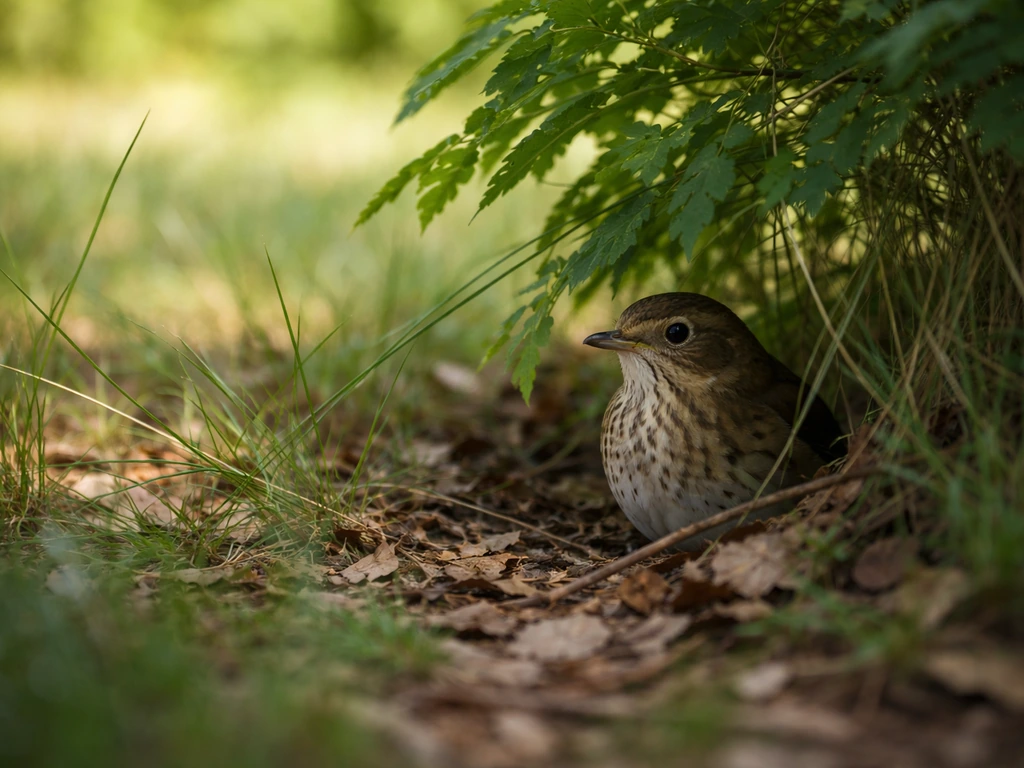
In practical terms, you recognize a shy bird by its behavior: skulking in undergrowth rather than perching in the open, flushing at greater distances when approached, hiding rather than confronting, and often relying on camouflage or stillness rather than speed or aggression. Some species lean heavily on being heard rather than seen. The American Bittern, for example, is far more often heard than spotted, its booming call carrying long distances across marshes while the bird itself stays hidden in dense reeds. The Missouri Department of Conservation also notes that American bittern identification relies on this distinctive booming call and that it can be difficult to locate by sound because its acoustic properties make the caller hard to pinpoint booming call carrying long distances across marshes while the bird itself stays hidden. That behavioral profile is exactly what the figurative meaning of 'shy bird' is built on.
Symbolic meanings of a shy or elusive bird
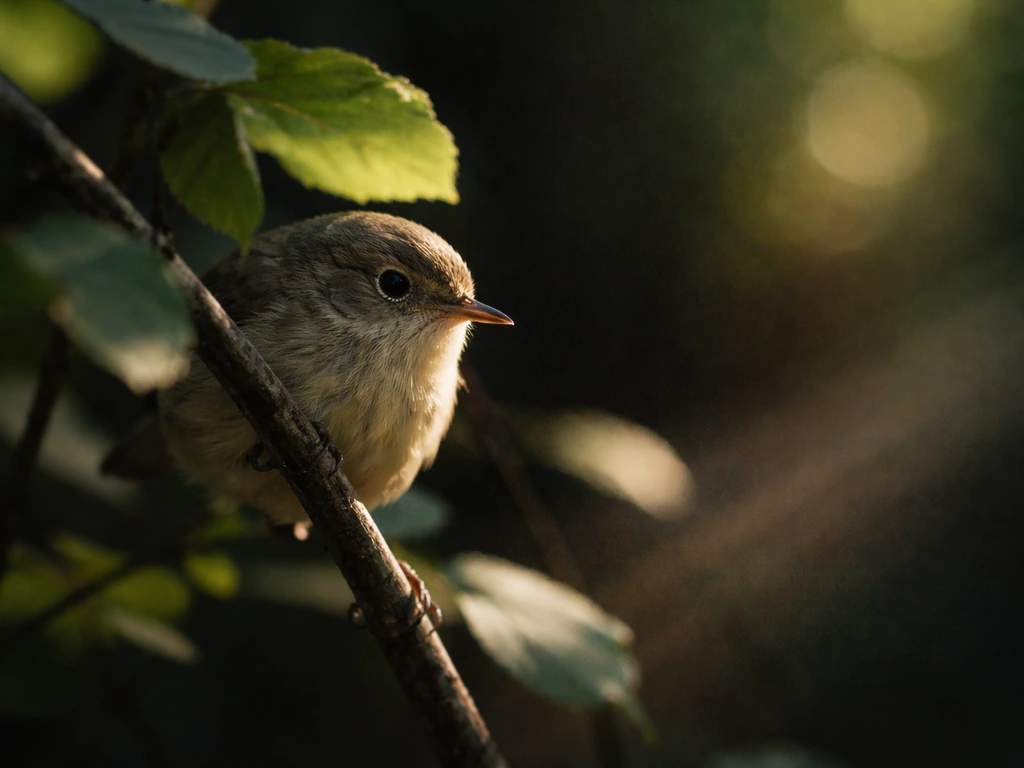
Across symbolism traditions, a shy or elusive bird tends to carry a cluster of related meanings. It rarely stands for weakness. More often, it represents the wisdom of observation over action, the value of privacy, and the strength of caution. Here's how that plays out:
- Caution and self-protection: the bird that stays hidden survives. In symbolic terms, this translates to knowing when not to act, when to wait, and when to keep your own counsel.
- Observation over participation: shy birds watch before they move. This maps onto intuitive, reflective personalities who prefer to understand a situation fully before engaging.
- Sensitivity: birds that startle easily are often read as highly attuned to their environment. In spiritual contexts, this becomes heightened perception or emotional sensitivity.
- Privacy and mystery: the elusive bird that's heard but rarely seen carries connotations of hidden depth, inner life, and the value of not showing everything you are.
- Gentleness: the dove, widely regarded as a shy bird in natural behavior (it rarely allows close approach and avoids crowded or loud environments), has been read across Christian tradition as a symbol of peace, the Holy Spirit, and gentleness for exactly these reasons.
- Safety through restraint: choosing retreat over confrontation is not cowardice in most bird symbolism traditions. It's a survival strategy that translates symbolically into emotional intelligence and self-awareness.
These meanings cluster around a consistent core: the shy bird knows something the bold bird doesn't. It reads the environment, it waits, and it protects itself. That's the symbolic message most people are reaching for when they describe themselves or someone else as a shy bird.
How 'shy bird' shows up in language and everyday metaphor
English has a long tradition of using bird behavior to describe human personality, and shyness is one of the most common applications. Webster's 1828 definition already showed 'shy bird' being used figuratively for a person who keeps their distance out of caution or timidity. You still hear echoes of this in modern conversation.
The idiom 'wouldn't say boo to a goose' is a good example of how English links birds with extreme shyness: it describes someone so quiet and non-confrontational that they couldn't even startle a goose with a shout. “Wouldn’t say boo to a goose” is an English idiom meaning a person is very quiet, shy, and nervous. It's not a compliment exactly, but it's not always an insult either. Context determines whether the 'shy bird' label reads as endearing or limiting.
In casual modern usage, you might hear or read phrases like these:
- 'She's a shy bird at first, but once she trusts you, she opens right up.' (Used to describe a reserved person who warms up slowly.)
- 'He's a rare bird, never comes out at parties, hard to spot.' (Merging 'rare' and 'shy' to describe someone elusive.)
- 'Like a bird in the reeds, she keeps her thoughts to herself.' (A more poetic or literary metaphor for a private personality.)
- 'Don't scare her off, she's skittish as a marsh hen.' (Species-specific but functionally the same as calling someone a shy bird.)
What all these uses share is the underlying image of a creature that retreats from closeness, either from fear, caution, or a preference for privacy. The figurative meaning works because real bird behavior is genuinely like that, which is why the metaphor has stuck in English for at least two centuries.
Cultural and spiritual interpretations
Different traditions read the shy bird differently, and it's worth knowing which lens you're looking through before you assign a meaning.
Christian and Western religious tradition
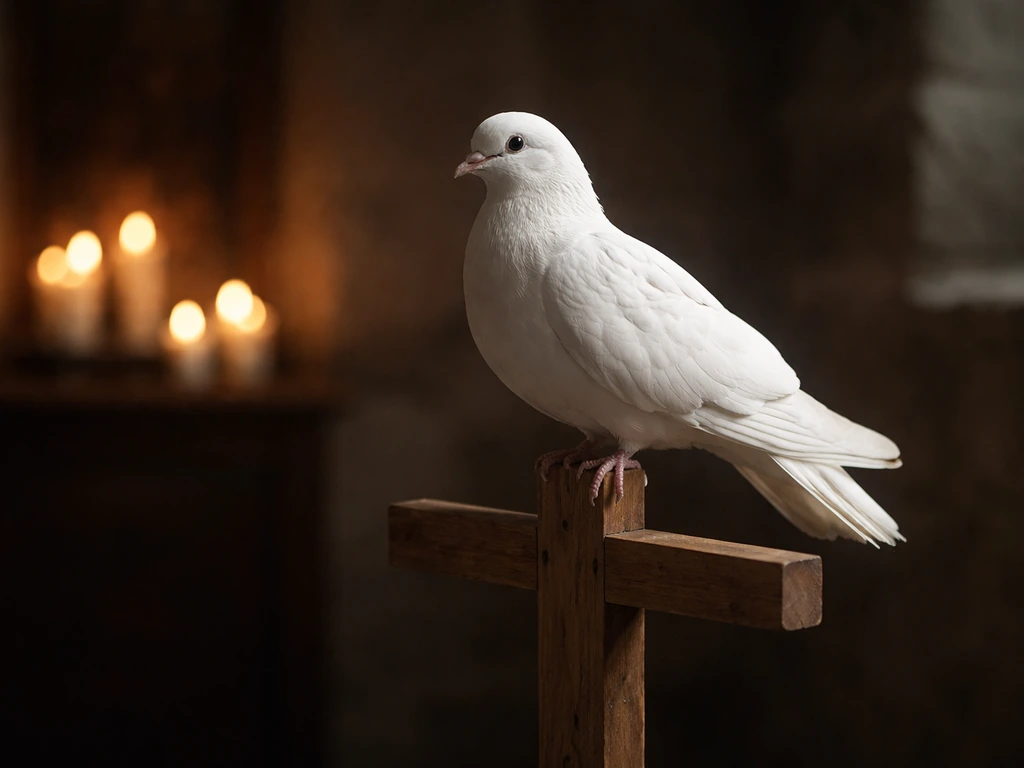
In Christian symbolism, the dove is the clearest example of a shy bird carrying deep spiritual meaning. Early Christian art used the dove to represent the Holy Spirit, peace, baptism, and reconciliation, partly because of the Noah's Ark narrative and partly because the dove's natural behavior (gentle, avoids loud crowds, easily frightened away) mirrors the qualities attributed to the Spirit. The dove's shyness isn't incidental to its symbolism, it's central to it. Catholic tradition extends this further: the dove in early Christian art represented the apostles and the faithful, again leaning on the bird's gentle, non-aggressive nature.
Spiritual and totem traditions
In broader spiritual or totem frameworks, a shy or elusive bird as a spirit animal or personal symbol typically points toward introversion, deep intuition, and a preference for inner work over outward performance. If a shy bird appears repeatedly in your life, whether in dreams, as a recurring sighting, or as a personal affinity, many traditions would read that as encouragement to honor your observational instincts, trust your sensitivity, and not force yourself into boldness that doesn't fit your nature.
Folklore and regional traditions
In many folk traditions, birds that are rarely seen carry an air of mystery and are sometimes associated with omens or messages, precisely because encountering them feels significant. The bittern, for example, was considered an ominous bird in parts of British and European folklore, largely because its booming call was heard but its source was invisible. An elusive bird you actually manage to see can flip from ominous to auspicious depending on the tradition: in some readings, getting a glimpse of a naturally hidden creature means the universe is offering you a rare revelation.
If you mean a specific shy bird species
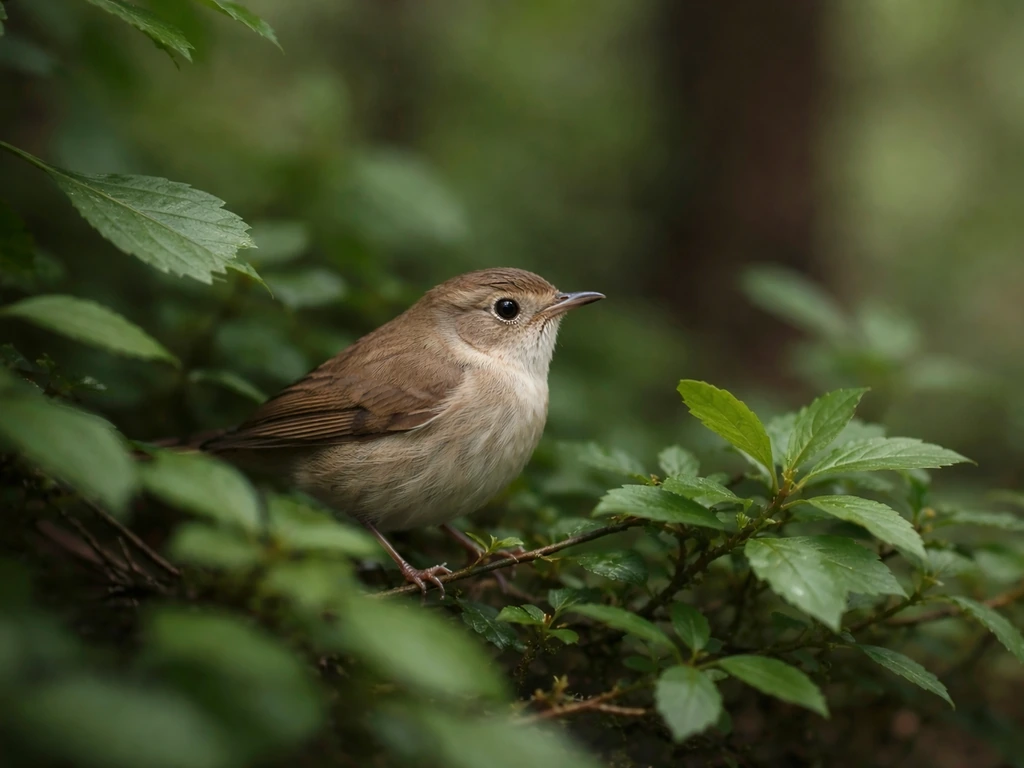
If your search started because you actually spotted or heard a shy bird and want to identify it, behavior is the first clue. Here are the species most commonly described as 'shy' in the English-speaking world, along with how to tell them apart:
| Bird | Region | Key 'shy' behavior | How to identify it | Primary symbolic meaning |
|---|---|---|---|---|
| American Bittern | North America | Stays hidden in reed beds; more often heard than seen | Streaked brown marsh bird; booming 'pump-pump-pump' call at dusk or night; freezes with bill pointed up | Secretive wisdom, privacy, being underestimated |
| Eurasian Bittern | UK and Europe | Freezes bill-up ('bitterning') when disturbed; rarely leaves reed beds | Stocky, streaked brown heron; loud booming call; extremely rare in the open | Mystery, patience, camouflage as strength |
| Dove (various species) | Worldwide | Flushes easily; avoids loud or crowded environments; prefers quiet edges | Plump, small-headed; soft cooing; often pale or grey-brown | Peace, gentleness, spiritual sensitivity |
| Eastern Towhee | North America | Skulks in dense undergrowth; heard before seen | Bold black, white, and rufous coloring; 'drink-your-teeeea' call from dense brush | Groundedness, hidden depth, self-reliance |
| Secretive marsh birds (Sora, Virginia Rail) | North America | Walk through reeds rather than flying; rarely emerge in the open | Small, chicken-like; heard with descending whinny or grunting calls; rarely visible | Adaptability, navigating hidden paths |
The behavior clues to look for are: Does the bird skulk in dense cover? Does it freeze rather than flush? Is it more often heard than seen? Does it take an unusually long time to return after a disturbance? If yes to most of these, you're dealing with a genuinely shy species, and the symbolic meaning attached to that species will be built around exactly those traits.
How to apply the meaning practically today
In journaling or personal reflection
If you're exploring what the shy bird means for you personally, start by asking which aspect of shyness resonates: Is it caution (you wait before acting)? Observation (you watch before joining)? Privacy (you value your inner world)? Or fear (you hold back even when you don't want to)? The symbolism of a shy bird is genuinely different depending on which of those drivers fits your situation. Caution and observation are framed positively in nearly every tradition. Fear-based withdrawal is usually treated as something to work through, not celebrate.
For tattoos or personal symbols
If you're choosing a shy bird as a tattoo or personal emblem, the species you pick will shape the meaning. A dove leans heavily into peace, gentleness, and spiritual sensitivity, which makes it one of the most universally recognized shy-bird symbols. A bittern or secretive marsh bird carries a more unusual, personal meaning: hidden depth, the power of stillness, being underestimated. If you want a shy-bird symbol that's less common and more personal, the bittern is a strong choice. Just be ready to explain it, since most people won't recognize it immediately.
Interpreting a shy bird as a sign
If you encountered a shy bird unexpectedly and want to interpret it as a sign or message, resist the urge to jump straight to a single fixed meaning. First, identify the species if you can, because the specific bird matters. Then consider the context: were you going through a moment of indecision, or feeling pressure to act before you were ready? A shy bird appearing in that context points fairly clearly toward 'wait, observe, protect yourself for now.' If you were feeling isolated or withdrawn, the same bird might instead be prompting you to come out of hiding when the time feels right.
Describing a person as a shy bird
If you're using 'shy bird' to describe someone in conversation or writing, tone matters a lot. Used warmly, it implies sensitivity, depth, and a quiet kind of watchfulness that most people find admirable once they get past the initial distance. Used dismissively, it can imply that someone is too fearful or passive to engage fully. The phrase works best as an affectionate observation rather than a judgment, along the lines of how 'she's a shy bird, but worth the patience' reads very differently from 'he's too much of a shy bird to speak up. If you meant the drongo bird meaning specifically, the interpretation will depend on the bird’s traits and how it appears in your situation affectionate observation. ' The bird metaphor itself is neutral. Your framing does all the work.
One final note: if you're drawn to the broader landscape of bird personality symbolism, the concepts of 'shy' and 'timid' in birds overlap significantly but aren't identical, and traditions that deal with a timid bird as a symbol often emphasize slightly different qualities. Similarly, some of the same elusive species that carry 'shy bird' symbolism also carry associations with quietness and rest, which is where the symbolism of sleepy or lazy birds starts to blend in. In some contexts, people also ask about the “sleep like a bird” meaning, which uses the same kind of symbolic bird imagery sleep like a bird meaning. In that context, understanding the lazy bird meaning can help you separate rest and privacy from fear or avoidance. To avoid confusion with sleepy bird meaning, keep in mind that 'sleepy or lazy birds' tend to blend into themes of quietness and rest rather than caution or privacy alone. The distinctions are subtle, but they matter when you're trying to land on the exact meaning that fits your context.
FAQ
How can I tell if “shy bird” is about healthy introversion versus fear?
When “shy bird” appears in a personal-reading context, start by deciding whether it’s describing your choice (privacy or slow-to-trust behavior) or your stress response (freezing from fear). A good check is how you feel afterward, if you feel grounded and reflective, it reads like observation and boundaries, if you feel panicky or trapped, it reads like fear-based withdrawal that you may want to work through.
What clues help me avoid confusing a shy bird with just an elusive or fast bird?
For identifying a shy species, use distance and sound patterns. Many shy birds flush at farther distances and return more slowly, but the best giveaway is whether the bird is frequently detected by calls while staying hidden (like bittern-style behavior). If you mostly spot quick flashes and never get a call, it may be “evasive” rather than truly “shy.”
When I use “shy bird” for a person, what tone mistakes make it land the wrong way?
The phrase can be affectionate or limiting depending on who controls the tone and the follow-up. If you add context like “worth the patience” or “needs time to warm up,” it leans supportive. If you stop at “too shy to,” it becomes a critique. In writing, avoid using it as a final label, and instead specify what you noticed (for example, cautious around new people).
What if the “wait and observe” message doesn’t feel safe or practical?
In symbolism, “shy bird” usually favors privacy, observation, and timing over action. But if your life situation involves deadlines, conflict, or danger, interpreting it as “wait” can become harmful. A practical rule is to pair the message with an action question: what small, low-risk step can you take without forcing exposure (like gathering information or setting one boundary)?
Is there a practical difference between “shy bird” and “timid bird” symbolism?
As a figurative description, “shy bird” and “timid” overlap, but timid tends to carry stronger fear language. If you’re journaling, try writing two versions: one sentence that uses “cautious/slow to approach” and one that uses “afraid.” The one that matches your inner experience is the one that fits the meaning better.
How should I interpret a shy bird that shows up repeatedly, especially in dreams?
For dreams or recurring sightings, “meaning” often depends on what you were doing in the moment. If you were trying to approach, the shy bird can point to boundaries you’re encountering. If you were watching from afar, it can point to how you process information. If the bird approached you, it often suggests readiness to connect is growing, even if slowly.
What’s the quickest way to record evidence before I assume the meaning?
If you want a literal identification without misreading behavior, document two things: the habitat (marsh, woodland edge, backyard) and the detection type (seen vs heard). Shy species often show up as “heard then seen” after you pause. If you keep moving or talking, you may only trigger the first retreat and miss the pattern that confirms the species.
If someone calls me a “shy bird,” how can I confirm what they really mean?
If someone else used the phrase about you, consider whether they meant “reserved because thoughtful” or “withdrawing because unable to engage.” You can clarify with a simple question like, “Do you mean I need time to warm up, or that I’m avoiding something?” That single clarification prevents you from internalizing the wrong interpretation.
Next Article
Lazy Bird Meaning: Idiom, Slang, and Literal Use
Understand lazy bird meaning in slang and idiom vs literal use, plus tone, region, symbolism, and how to respond.