When someone says 'timid bird,' they almost always mean a person who is shy, fearful, or lacking confidence, not a specific bird species. It's a figurative expression that uses the natural image of a small, easily startled bird to describe someone (or even yourself) who holds back, avoids risk, or gets overwhelmed easily. That said, 'timid bird' does occasionally refer to a literal species known for being skittish, so figuring out which meaning applies is really just a matter of checking the context, and this guide walks you through exactly how to do that.
Timid Bird Meaning: Shy Bird Symbolism in Plain Words

Marcus Winters
13 Jun 2026
What 'timid' actually means (and why it fits birds so well)
The word 'timid' traces back through French to a Latin root meaning 'fearful' or 'afraid.' Cambridge defines it as 'shy and nervous' and 'without much confidence.' Oxford adds 'not brave. Oxford Learner’s Dictionaries defines “timid” as “shy and nervous” and “not brave.” Oxford adds 'not brave. ' Collins extends it to include 'easily frightened' and even 'timorous,' which gives you a sense of just how loaded this single word is. It covers a whole cluster of related traits: shyness, anxiety, self-doubt, and the tendency to freeze or flee when things feel threatening.
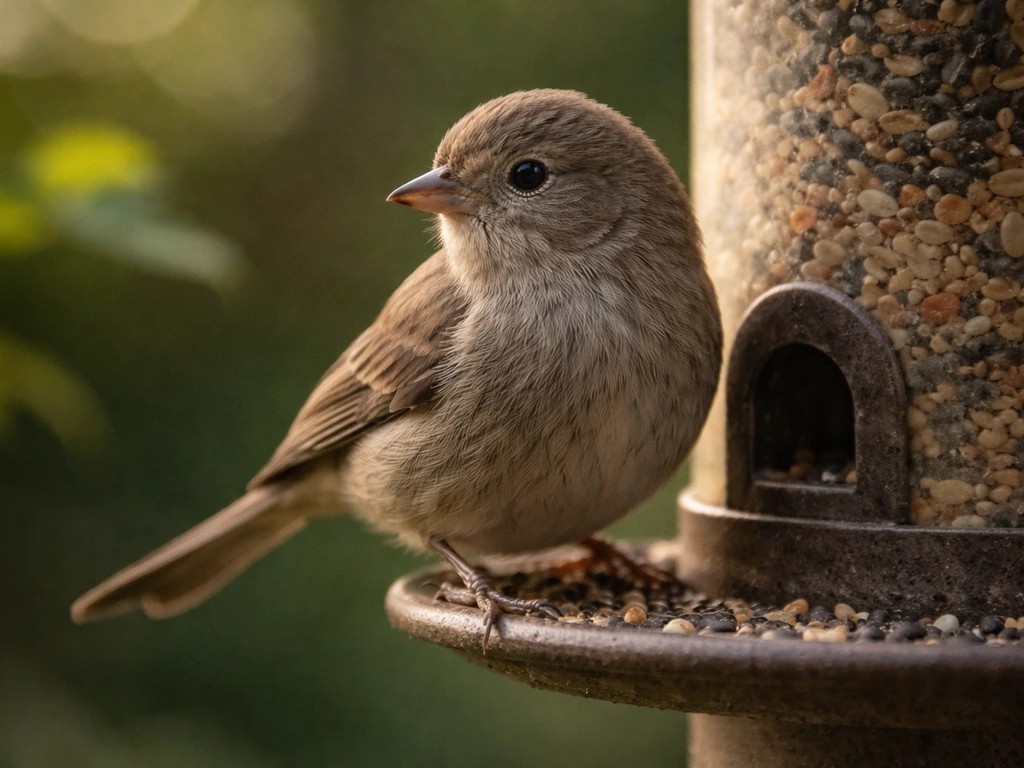
Birds fit this word naturally. A small songbird at a feeder that vanishes the second you move toward the window is, behaviorally speaking, textbook timid. That's why writers and speakers have been pairing 'timid' with birds for a long time, the image is instantly readable. You see the bird, you understand the feeling. The word and the creature reinforce each other.
The figurative meaning: 'timid bird' as a metaphor for a person
In everyday language, calling someone a 'timid bird' is a gentle but pointed way of saying they're shy, hesitant, or easily frightened. It's the same instinct behind phrases like 'chicken out', there's even a direct connection there, since the chicken is frequently cited as the archetypal timid bird in idiom explanations. The metaphor works because birds, especially small ones, are universally understood to startle easily and dart away from anything unfamiliar.
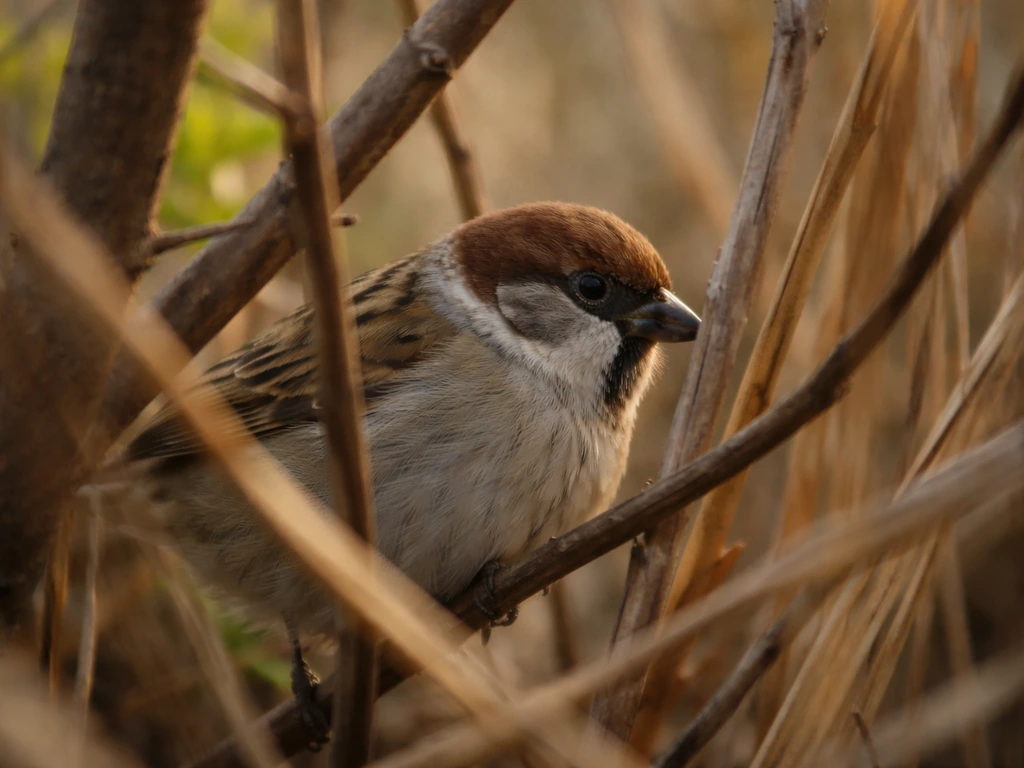
Poetry leans into this image heavily. Edward William Thomson's poem 'The Song-Sparrow' uses both 'shy bird' and 'timid bird' almost interchangeably across its lines, including the phrase 'My timid bird is forced to sing', where the bird clearly stands in for a person reluctant to express themselves. Another poem, 'Classical Incantation,' uses the line 'A timid bird, a quivering chord,' blending a literal bird image with emotional vulnerability in a single breath. These aren't unusual examples. They're part of a long, consistent tradition of using the bird-as-person metaphor to describe internal states.
In motivational writing, 'timid bird' often appears as a foil, the person who stays in the nest, doesn't spread their wings, avoids the open sky. The implied message is usually about courage and growth: even the most timid bird can learn to fly. It's a gentle framing, more compassionate than harsh, which is part of why it shows up in self-help and personal reflection contexts.
What people usually mean when they say it, tone and subtext
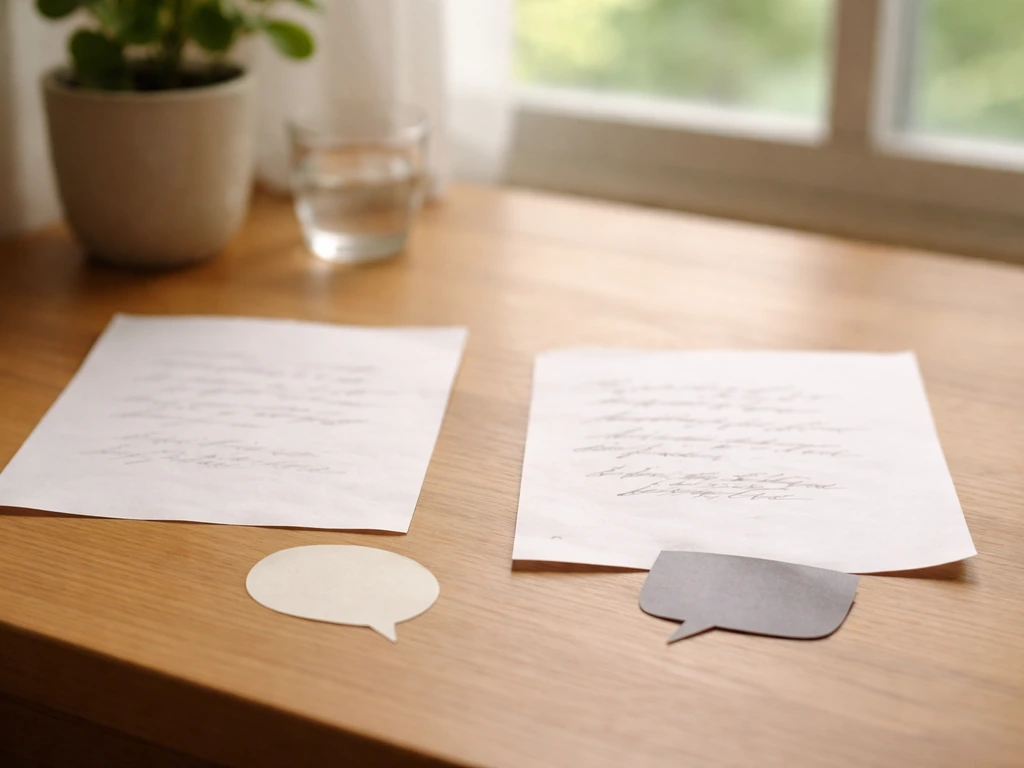
The tone behind 'timid bird' matters a lot. Unlike blunter terms for shyness, this phrase carries a softness to it. When someone calls another person a timid bird, they're usually being affectionate or gently observational rather than critical. There's something inherently gentle about the image, a small creature, easily startled, not built for aggression. It invites empathy rather than judgment.
When used in self-description, 'I'm such a timid bird about this' signals self-awareness mixed with a bit of self-deprecating humor. The person knows they're holding back and is acknowledging it without fully beating themselves up. In a quote or poem, it often signals vulnerability as a theme, fragility, innocence, or the need for a safe space before someone can open up. Watch for those surrounding ideas when you encounter the phrase.
Bird symbolism: timidity, vulnerability, and what they represent
Across cultures and traditions, birds associated with timidity tend to carry a connected set of symbolic meanings. Vulnerability, innocence, the need for protection, and cautious gentleness all cluster around this archetype. The dove is probably the most documented example. Religious commentary describes the dove as 'a timid bird, trembling when frightened,' and yet across Christian tradition the dove is also a symbol of the Holy Spirit and divine peace. That pairing of timidity and spiritual purity is not a coincidence, it reflects a worldview where vulnerability and innocence go hand in hand.
In literature, birds routinely carry the symbolic weight of a character's inner life. The mockingbird in American literature stands for innocence and the cost of harming those who cannot defend themselves. That same instinct, using a bird's fragility to represent a human quality, runs through 'timid bird' imagery as well. The timid bird isn't weak in a shameful sense. It's often a symbol of something worth protecting: genuine feeling, openness, an unguarded self.
Caution is another dimension worth noting. In some readings, the timid bird's wariness is actually adaptive wisdom, it survives precisely because it doesn't take unnecessary risks. That angle turns 'timid' from a flaw into a kind of careful intelligence, which is a useful reframe if you're applying the symbolism personally.
When 'timid bird' might mean an actual shy species
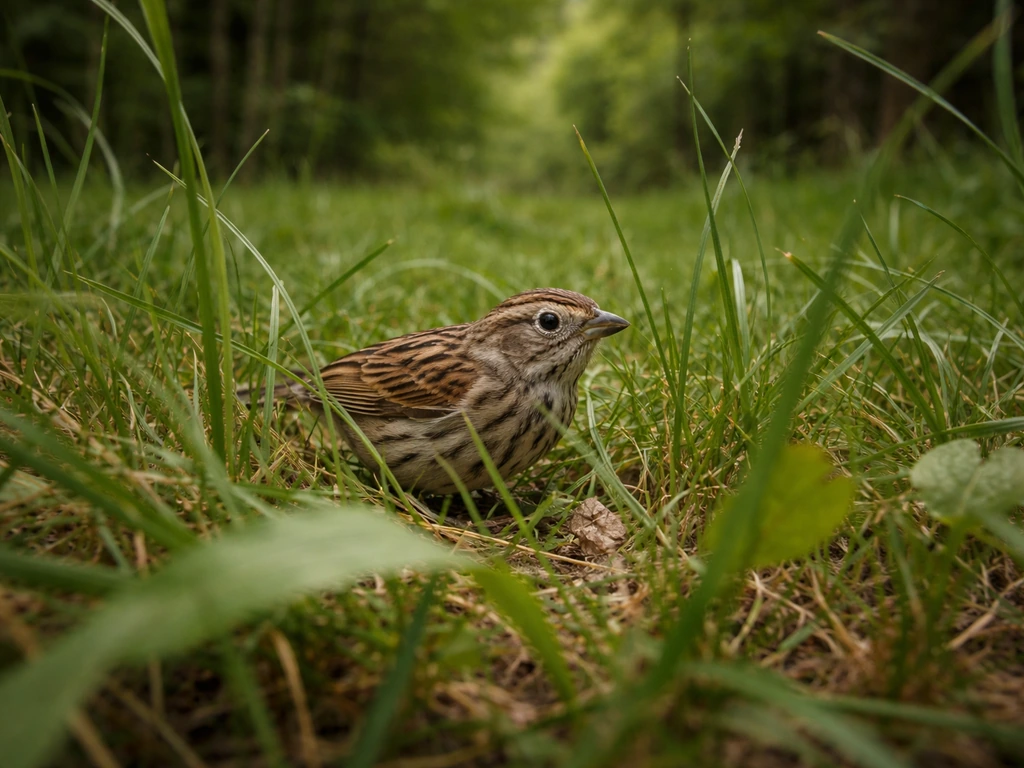
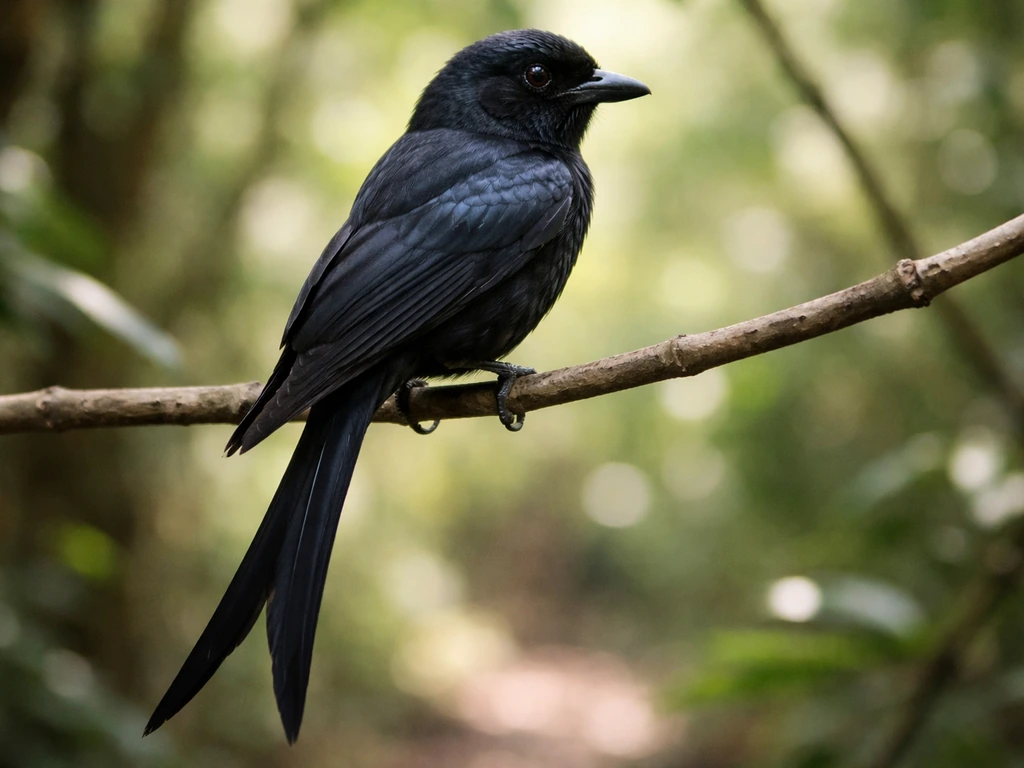
Sometimes the phrase is literal. Certain species are well-known for being skittish and difficult to observe, and birders or naturalists sometimes use 'timid bird' as a quick descriptor. If you’re trying to understand drongo bird meaning specifically, check whether the phrase is being used literally for a drongo or figuratively for a personality trait. The European turtle dove, for example, is documented as 'extremely timid,' a trait linked to hunting pressure during migration. The hawfinch is frequently described as 'skittish and shy' and difficult to photograph. The Northern Cardinal is noted as 'shy and skittish as adults.' The Puaiohi (a small Hawaiian thrush) appears in conservation literature paired with the phrase 'timid bird' in a species-specific, literal sense.
If your search came from a birding app, a field guide, a wildlife article, or a conservation document, there's a real chance the phrase is pointing toward a specific species rather than a metaphor. You'll also notice that literal uses tend to appear alongside habitat details, physical descriptions, or behavioral notes, context that grounds the phrase in ornithology rather than feeling or character. When it's figurative, the surrounding text is usually about a person, an emotion, or a narrative situation.
It's also worth knowing that 'timid bird' and 'shy bird' overlap heavily in both literal and figurative usage, the same poem ('The Song-Sparrow') uses both phrases almost interchangeably. If you're researching shy bird symbolism or a specific species known for avoidance behavior, that line of inquiry is closely related and worth exploring alongside this one.
How to pin down the meaning in your exact quote or context
The fastest way to figure out what 'timid bird' means in a specific quote or conversation is to look at what's around it. Ask yourself three things:
- Is a person being described or compared? If yes, it's almost certainly a metaphor for shyness or fearfulness.
- Is the source a birding guide, wildlife article, conservation document, or nature journal? If yes, it's likely a literal species descriptor.
- Is the phrase surrounded by emotional, spiritual, or motivational language? If yes, it's symbolic — look for themes of vulnerability, growth, courage, or innocence.
If you got the phrase in a text message or social media post, the metaphorical reading is almost always the right one. People don't casually text about the European turtle dove's migration behavior. If it came from a poem, song lyric, or motivational quote, the figurative interpretation applies. If someone used it to describe you, it's a gentle observation about your personality, specifically your tendency toward caution, hesitation, or social anxiety, and the tone is almost certainly warm rather than critical.
| Context | Most likely meaning | Key signals |
|---|---|---|
| Text message or casual conversation | Metaphor for a shy or hesitant person | Reference to a person's behavior or personality |
| Poetry or literary writing | Figurative: vulnerability, innocence, emotional guardedness | Emotional imagery, parallel to human feeling |
| Motivational or self-help content | Figurative: someone who holds back or avoids risk | Growth, courage, or transformation themes nearby |
| Birding guide or wildlife article | Literal: a specific species known for skittish behavior | Habitat notes, physical description, behavioral data |
| Religious or spiritual text | Symbolic: purity, gentleness, the need for protection | References to peace, spirit, or divine qualities |
Personal and spiritual takeaways, and what to do next
If 'timid bird' landed in your life as a descriptor for yourself, whether someone said it about you, or you found it in a quote that felt personally relevant, it's worth sitting with it rather than brushing past it. The image is gentle by design. It's not an accusation. It's an observation about fear, caution, or self-protection, and those are worth understanding rather than just fixing.
One practical way to work with this is journaling. Self-compassion researchers recommend writing from a place of understanding toward the parts of yourself you struggle with, not cheerleading, just honest acknowledgment. Greater Good in Action (UC Berkeley) recommends a similar practice of writing a self-compassionate letter to the part of yourself you struggle with Self-compassion researchers recommend writing from a place of understanding toward the parts of yourself you struggle with. If 'timid bird' resonates, try writing a short letter to yourself about a situation where you held back: what you were afraid of, what it cost you, and what you'd want for yourself going forward. This isn't about fixing shyness overnight. It's about understanding the fear clearly enough to make intentional choices rather than reactive ones.
Psychologists also point out that journaling specifically for anxiety, writing through what you're afraid of rather than around it, can reduce the grip that anxious feelings have. The 'timid bird' metaphor is actually useful here because it externalizes the feeling a little. The phrase “sleep like a bird” meaning is also about how small cues and natural rhythms can shape how we feel, including rest and vulnerability timid bird. You can look at the bird, notice what makes it startled, and ask what it would need to feel safe enough to stay put. That question, what does this part of me need to feel safe?, is a surprisingly direct route into understanding timidity in yourself.
Spiritually, the timid bird is rarely just a symbol of weakness. If you're wondering about the sleepy bird meaning, start by checking whether the phrase is being used literally or as a metaphor for caution and sensitivity. In traditions that assign meaning to birds, the qualities that make a bird 'timid', sensitivity, awareness, the ability to sense danger before it arrives, are often read as gifts, not deficits. If you're drawn to this image for personal or spiritual reasons, it may be pointing you toward themes of gentleness, careful discernment, or the value of moving slowly and deliberately rather than rushing in. The bird that startles easily is also the bird that notices everything.
As a practical next step: if you saw the phrase in a specific quote and you're not sure of its origin, search the exact line in quotes alongside the author's name or the source title. If you're trying to identify a literal shy bird species you observed, a regional field guide or birding community forum will get you further than a phrase search. And if the phrase showed up in your own self-reflection and it stings a little, that's worth paying attention to, not to fix yourself, but to understand what you're protecting and whether it still needs that level of protection.
FAQ
Is “timid bird” ever a compliment, or is it always an insult?
It can be either, but most common figurative uses are gentle. A compliment vibe usually shows up when the speaker links the trait to safety, sensitivity, or growth, for example “you’re careful because you care,” rather than using it to shame you for avoiding things.
What’s the difference between “timid,” “shy,” and “cowardly” when someone says “timid bird”?
“Timid” and “shy” point to caution and hesitance, often without malice. “Cowardly” frames the same behavior as a moral failing or deliberate lack of courage. If the surrounding text mentions fear or nervousness, it is more likely “timid,” not “cowardly.”
How can I tell if “timid bird” is literal (about a species) or figurative (about a person) quickly?
Use the nearest clues. Literal usage tends to include habitat, location, viewing difficulty, season, or behavior like “skittish” and “hard to photograph.” Figurative usage clusters around emotions, relationships, motivation, or self-description, and usually appears without any environmental details.
If I relate to “timid bird,” does that mean I have anxiety or social anxiety?
Not automatically. The phrase can match many experiences, including new situations, burnout, or trauma sensitivity. If it regularly affects sleep, avoidance, or daily functioning, that’s a sign to talk with a mental health professional rather than treating the label as a diagnosis.
Can “timid bird” mean “careful wisdom” instead of “weakness”?
Yes. In some contexts the cautiousness is portrayed as adaptive, for example choosing the safer option, reading people carefully, or staying out of trouble. Look for language about discernment, survival, or learning, which shifts the meaning from flaw to strategy.
Is there a gender, age, or tone bias when someone calls a person a “timid bird”?
There can be. The phrase is often used in softer, relational ways, but it may still minimize someone’s agency, especially if they are being discouraged from taking risks. If you notice it replacing specific feedback with a character label, that’s a cue to request clearer, behavior-based guidance.
What should I respond if someone calls me a “timid bird” in conversation?
A useful response is to acknowledge the observation and redirect to needs, for example, “I do get nervous at first. What would make it easier for me to speak up?” This turns the metaphor into actionable support rather than an identity tag.
What does “timid bird” imply in romance or friendship contexts?
Often it signals that the person may take longer to open up, prefers steady reassurance, or avoids conflict. If the relationship dynamic includes frequent pressure, teasing, or sudden expectations, it can increase fear rather than help the person feel safe.
If I’m writing a story, how do I use “timid bird” symbolism without it feeling stereotyped?
Tie the timidity to a specific cause and a specific choice. For example, show what the character is protecting, what they notice, and what small action helps them feel safer. That prevents timidity from becoming a vague personality stamp.
What’s a common mistake when interpreting “timid bird” in quotes or poems?
Assuming it always means fear of danger. Sometimes it means reluctance to express feelings, fear of rejection, or hesitation to “sing” metaphorically. Check whether the lines nearby mention voice, vulnerability, performance, or relationships, not just threat.
Next Article
Drongo Bird Meaning: Real Bird Traits and Symbolism
Learn drongo bird meaning: real drongo traits, where found, and the symbolism and slang uses people search for.