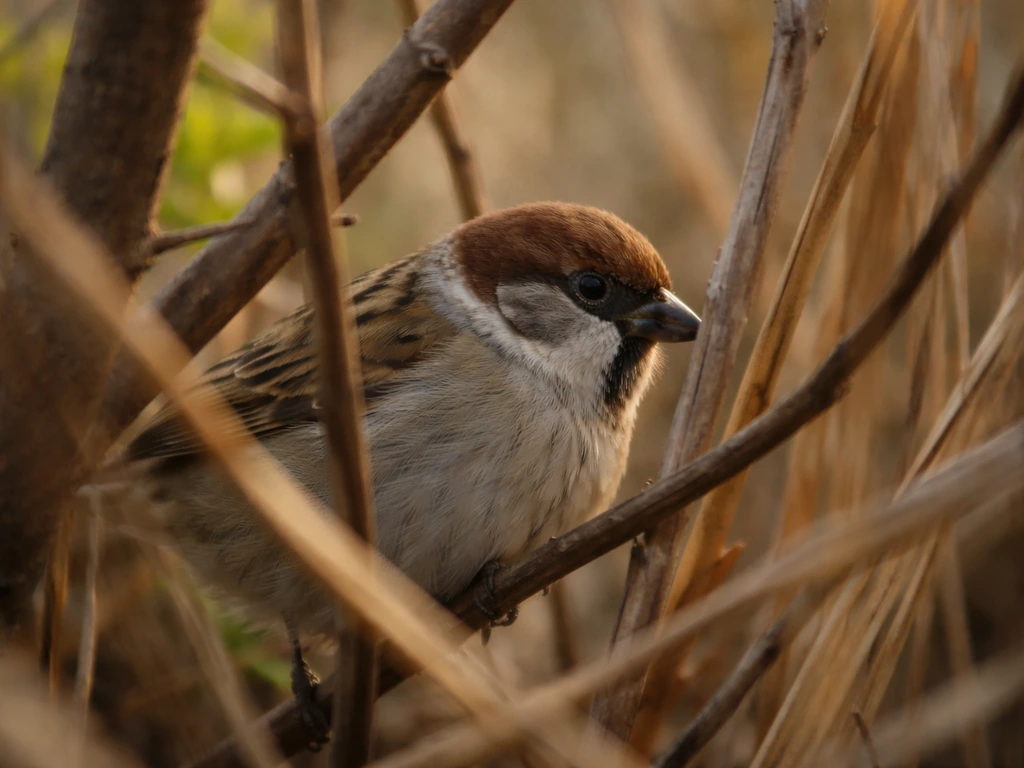
When someone says they "sleep like a bird," they mean they sleep lightly, wake easily, and probably don't stay under for long stretches. It's the opposite of "sleep like a log" (dead to the world) or "sleep like a baby" (deeply, peacefully). The bird image carries a sense of alertness even in rest, quick to stir at the slightest sound or shift in light. Whether that sounds charming or frustrating depends entirely on who's saying it and why.
Sleep Like a Bird Meaning and How to Try It Safely

Marcus Winters
1 Jul 2026

What "sleep like a bird" actually means in everyday conversation

The phrase shows up in two very different situations. Sometimes it's used with a hint of pride: "I sleep like a bird, up at dawn and ready to go." Other times it's a polite way of saying someone is a restless, easily disturbed sleeper: "Don't slam that door, she sleeps like a bird." Both uses tap into the same folk belief that birds sleep lightly, perch alertly, and snap awake at the slightest disturbance. The expression doesn't appear as a standard entry in major dictionaries the way "sleep like a log" does in Cambridge or "sleep like a baby" does in Oxford, but it's widely collected in idiom reference guides and learners' phrase lists, which tells you it's genuinely part of common English even if it hasn't been fully codified. Oxford Advanced Learner’s Dictionary lists “blank" rel="noopener noreferrer">sleep like a baby” as a standard “sleep like …” simile, reinforcing how common major dictionaries are with some “sleep like” comparisons.
In the broader family of "sleep like..." similes, the contrast is pretty clear. Heavy sleepers get rocks, logs, and bears. Light, alert, or short sleepers get birds. You'll sometimes hear variations like "sleep like a sparrow" or even references to specific birds known for vigilance, but the plain "bird" version covers the whole idea without pinning it to one species.
What the phrase is really implying
Three ideas are packed into this one little simile: light sleep, early rising, and easy wakeability. Light sleep means you're never fully disconnected from your surroundings. Early rising connects to the deep cultural association between birds and dawn, the whole "early bird" family of expressions. And easy wakeability means a sound, a light change, or even just the sense that morning is near will bring you out of sleep without a fight. Together, these create a picture of someone whose rest is quick, efficient, and closely tied to natural rhythms rather than a long, heavy sleep cycle.
This is worth noting for anyone landing here from a search about sleep quality: in folk usage, sleeping like a bird is not automatically a complaint. It can carry a tone of natural attunement, the kind of person who wakes refreshed after six hours and doesn't need a 20-minute alarm battle. Context shifts the meaning. If you're telling a doctor you sleep like a bird and wake six times a night feeling exhausted, that's a problem to investigate. If you mean you rise with the light and feel great, it's practically a compliment.
What people get right and wrong about how birds actually sleep
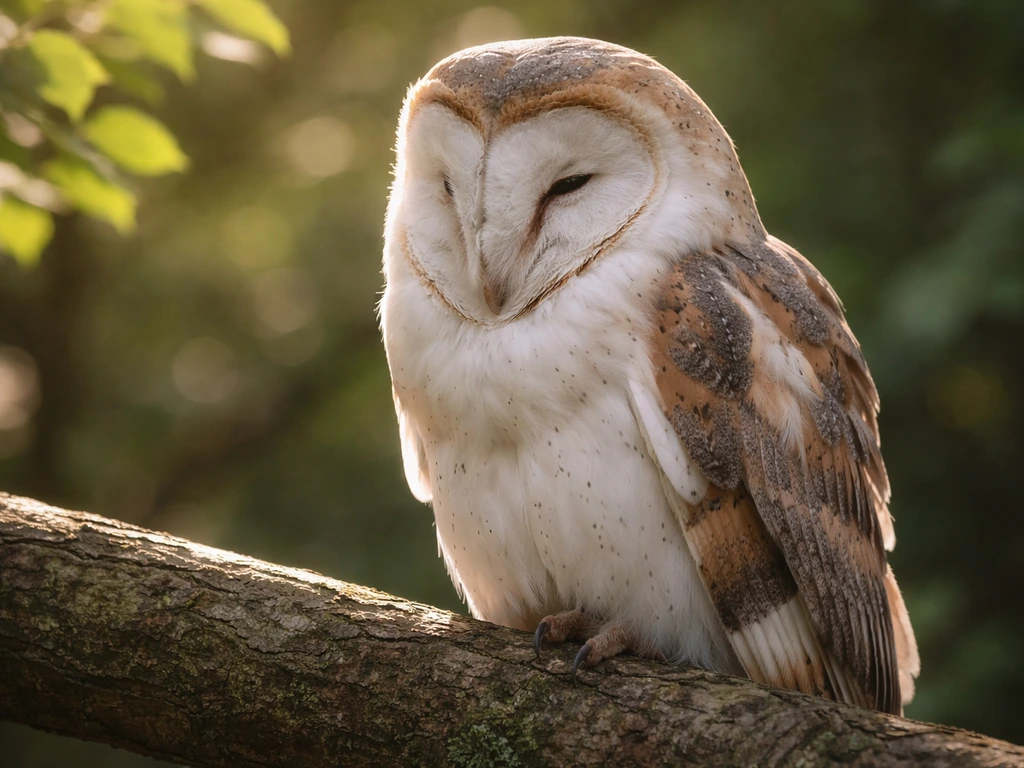
Here's where the metaphor and the biology part ways, and it's worth being clear about this so you don't take the idiom too literally. The folk image of birds as perpetually alert, barely-sleeping creatures is an exaggeration. Real birds do sleep, and many species sleep quite deeply during part of the night. What makes bird sleep genuinely fascinating to scientists is a trick called unihemispheric slow-wave sleep, where one half of the brain rests while the other stays partially awake. Idioms Made Easy explains that the biology behind the “sleep lightly” bird idea relates to unihemispheric slow-wave sleep, where one brain hemisphere rests while the other remains partially awake. Some birds can also sleep while perching, with their tendons locking their feet closed so they don't fall. Certain migratory birds have been documented sleeping in brief bursts mid-flight.
So birds aren't actually sleepless vigilantes. But they do tend toward shorter, more fragmented rest than large mammals, and they are genuinely sensitive to light and environmental cues in ways that make their sleep closely tied to the natural light cycle. The idiom captures a real kernel of truth, it just amplifies it into a personality type. When you hear "sleep like a bird," think: light, responsive, and dawn-oriented. If you're wondering about the drongo bird meaning, it's a reminder that different birds symbolize different traits. Don't think: sleep-deprived or biologically incapable of deep rest.
How to actually sleep like a bird (the practical version)
If the phrase appeals to you, meaning you want to shift toward lighter, shorter, more dawn-aligned sleep, there are real adjustments you can make. This isn't about depriving yourself of rest. It's about syncing your sleep more tightly to natural light, shortening the transition between sleep and full alertness, and training your body to wake refreshed rather than groggy.
Light exposure: the single biggest lever
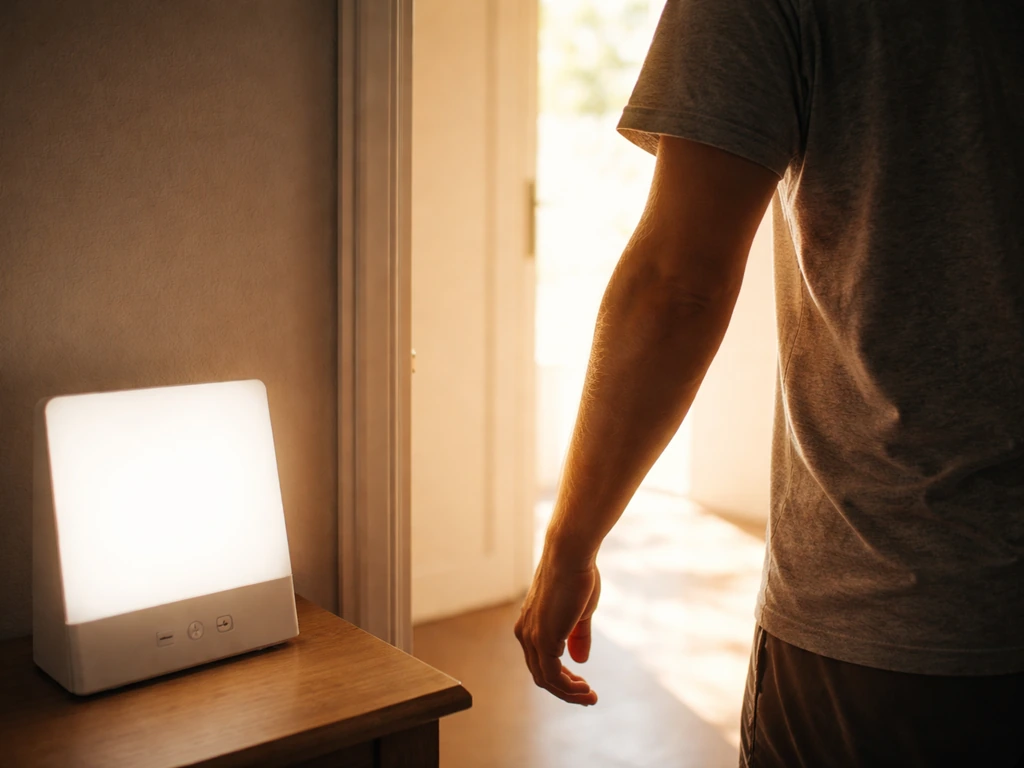
Birds wake with the light because light is the primary signal their biology responds to. You work the same way. Getting bright light, ideally sunlight, within 30 minutes of waking resets your circadian clock and makes it easier to feel alert in the morning and naturally tired at night. In the evening, dimming artificial lights an hour or two before bed signals your brain that night is coming. If you want to feel more like someone who rises naturally with dawn, this is the first thing to fix, not sleep supplements or alarm tricks.
Schedule: pick a consistent wake time and hold it
Bird-like sleepers tend to have consistent rhythms. Pick a wake time that aligns with or is close to natural light (somewhere between 5:30 and 7:00 AM works well for most people at mid-latitudes in summer) and stick to it even on weekends. Your bedtime will naturally follow once your body learns the rhythm. Don't push your bedtime earlier than you're genuinely sleepy, that just creates lying-awake frustration. Let tiredness pull your bedtime into place over a week or two.
Noise and environment
Birds are sensitive to environmental noise but they're also adapted to natural soundscapes. If you want lighter, more responsive sleep, a very silent room can paradoxically make every small sound feel jarring. A low-level ambient sound, like a fan, soft white noise, or even a recording of early morning birdsong, can buffer sudden intrusions without eliminating all environmental feedback. Avoid complete sensory blackout if your goal is easier, lighter waking.
Pre-sleep routine
A short, consistent wind-down routine of 20 to 30 minutes helps your nervous system transition without forcing heavy sedation. Think of it less as "shutting down" and more as "settling in." Dim lights, no screens, maybe light reading or quiet conversation. The goal is calm alertness that drifts into sleep, not pharmaceutical-grade unconsciousness. Bird-like sleep is lighter by nature, so you don't need to engineer a crash landing.
Naps: brief and well-timed
Many birds rest in short bursts throughout the day. If you're experimenting with a shorter main sleep window, a brief midday nap of 10 to 20 minutes can complement a bird-style schedule. Keep it before 2 PM to avoid disrupting your evening sleep drive. This isn't for everyone, but if you're naturally wired toward shorter nighttime sleep and feel good with it, a structured nap is a better strategy than forcing yourself to lie in bed longer.
When waking often isn't charming: troubleshooting frequent waking
There's a meaningful difference between sleeping lightly by nature and waking repeatedly because something is wrong. If you wake more than two or three times a night and feel unrested in the morning, the "sleep like a bird" framing isn't a helpful self-description, it may be a sign of fragmented sleep that needs attention. Common causes include sleep apnea (especially if you wake with a dry mouth or headache), anxiety, blood sugar swings, noise, light intrusion, or simply too much caffeine too late in the day.
A good troubleshooting sequence: track your waking for one week (time you woke, what you noticed, how you felt). Look for patterns. Did you eat late? Was there noise? Was the room warm? Caffeine after noon is often the culprit people overlook. If you've ruled out the easy environmental fixes and you're still waking exhausted three or more nights a week, that's worth a conversation with a doctor rather than a self-optimization project.
One thing not to do: don't start restricting your total sleep as a way to force yourself into a lighter sleep pattern. Sleep restriction is a clinical tool used under supervision for specific insomnia protocols. Doing it casually just builds sleep debt and makes things worse. The bird metaphor is about quality and rhythm, not about sleeping less.
| Sign | What it likely means | What to do |
|---|---|---|
| Wake once, fall back asleep easily | Normal light sleep | No action needed, this is bird-like sleep |
| Wake 2-3 times, feel okay in the morning | Mild sleep fragmentation | Check caffeine, noise, room temperature |
| Wake frequently, feel exhausted | Possible sleep disorder or lifestyle issue | Track patterns, consult a doctor if persistent |
| Wake very early and can't sleep again | Could be anxiety or circadian phase issue | Adjust light exposure timing, evaluate stress |
The deeper symbolism: what birds mean in the language of rest
Birds carry a lot of symbolic weight in language and folklore, and the sleep connection is just one layer. Birds are almost universally associated with the liminal space between night and day. They announce dawn. In many traditions they're messengers between the earthly and the spiritual, creatures that move between worlds. When you sleep like a bird, the imagery suggests a kind of rest that keeps one foot in wakefulness, a semi-conscious awareness that never fully loses touch with the world.
This connects bird-like sleep to themes of vigilance and freedom that run through bird symbolism broadly. The bird on the perch hasn't given up its awareness, it's just resting within it. There's something almost noble about that image compared to the "sleep like a log" version where consciousness vanishes completely. In some cultural traditions, particularly those where birds are seen as guardians or spiritual sentinels, light sleep is associated with attentiveness and readiness rather than weakness.
Related expressions cluster around similar ideas. A sleepy bird in folklore often represents someone caught between worlds, not quite alert and not quite at rest. Timid or shy bird expressions in common speech tend to carry ideas about startlement and quick flight, which overlap with the light-sleep image. In that same spirit, understanding the timid bird meaning helps explain why these phrases often suggest quick startlement rather than deep, heavy sleep Timid or shy bird expressions. The "early bird" phrase is probably the closest neighbor linguistically, reinforcing that the bird in these idioms is fundamentally a creature of morning, renewal, and attentiveness rather than heavy unconsciousness.
If you're drawn to the phrase "sleep like a bird" for its symbolism rather than its sleep-hygiene implications, there's something genuinely resonant there. It's rest as presence, not absence. You may also come across the term shy bird meaning, which taps into a similar idea of presence and cautious sensitivity rather than full withdrawal. Sleep that stays connected to the rhythms of the natural world. And in a culture that tends to treat sleep as a productivity variable to optimize rather than a natural state to align with, that's a reframe worth sitting with.
FAQ
Does “sleep like a bird” mean I’m getting poor sleep?
Not necessarily. In everyday speech, it can mean either “I wake easily but I feel fine” or “I’m hard to please because I stir at small sounds.” The distinction is how you feel in the morning, if you’re rested and not waking repeatedly due to discomfort, it’s usually more of a personality description than a health complaint.
What’s the difference between bird-like light sleep and insomnia?
If you’re waking more than two or three times nightly and feel unrefreshed, that points to fragmented sleep rather than a harmless “bird-like” pattern. Track the timing and triggers (noise, light, temperature, late meals, caffeine) and consider common medical factors like sleep apnea, especially if you snore, wake with dry mouth, or have morning headaches.
Should I intentionally sleep less to match the “sleep like a bird” idea?
No, the idiom does not mean you should reduce your total hours. It’s about rhythm, getting enough rest while improving how quickly you transition into sleep and how naturally you wake with the day. Cutting sleep to chase “lighter” sleep often creates sleep debt, which tends to worsen awakenings and next-day functioning.
How should I handle light if I want easier morning waking?
Complete darkness is not always optimal for “bird-like” waking. If you want easier, earlier waking, try keeping daytime bright and using gradual evening dimming, but avoid harsh wake-ups from a single bright source (like headlights or a phone screen) at night. If you do get light intrusion, use blackout curtains or an eye mask while keeping the room dim enough for your wind-down plan.
Will white noise help if I wake at every small sound?
Try a practical “buffer” instead of total silence. A fan, steady white noise, or other low-level ambient sound can reduce the contrast between sudden intrusions (door slams, footsteps) and the background, which often means fewer awakenings. The goal is not to eliminate sound, it’s to prevent the most jarring spikes.
Can I use naps to get a “bird-style” schedule without ruining night sleep?
A short midday nap can help, but timing and length matter. Aim for 10 to 20 minutes and finish before about 2 PM so you don’t blunt nighttime sleep drive. If you already fall asleep easily and wake refreshed, a nap may be unnecessary, and extra napping can make your bedtime slide later.
What are the most common hidden causes of frequent waking?
Not everything is “circadian.” If you’re still waking frequently, look for physiological and behavioral drivers: caffeine after noon, late alcohol, irregular weekend wake times, an overly warm or cold room, anxiety, and blood sugar swings from late or sugary meals. A one-week wake journal helps you spot patterns faster than guessing.
How do I track whether my sleep is actually “bird-like” or fragmented?
Use a simple one-week log: time you fall asleep, number and time of awakenings, what woke you (if you noticed), room conditions (noise, temperature, light), caffeine timing, and how you feel the next morning. If the awakenings cluster around the same hours or correlate with specific triggers, you can target changes more precisely.
When should I get medical help instead of trying sleep tips?
Yes. Feeling exhausted with frequent waking is a reason to talk to a clinician, especially if you have loud snoring, choking or gasping, dry mouth on waking, or frequent urination at night. Those features can suggest treatable conditions, and “improving sleep hygiene” alone may not be enough.
What’s the safest way to shift my bedtime earlier for a bird-like schedule?
If you want more responsive, dawn-aligned waking, don’t force bedtime earlier than you’re truly sleepy. A better approach is consistent wake time plus gradually adjusting your bedtime over 1 to 2 weeks as tiredness pulls you naturally into sleep. Trying to “pre-sleep” before you feel ready often leads to lying awake, which can mimic the frustration people associate with “light sleepers.”
Next Article
Timid Bird Meaning: Shy Bird Symbolism in Plain Words
Plain meaning of timid bird, plus how it symbolizes shyness, fear, vulnerability, and caution in context and culture.