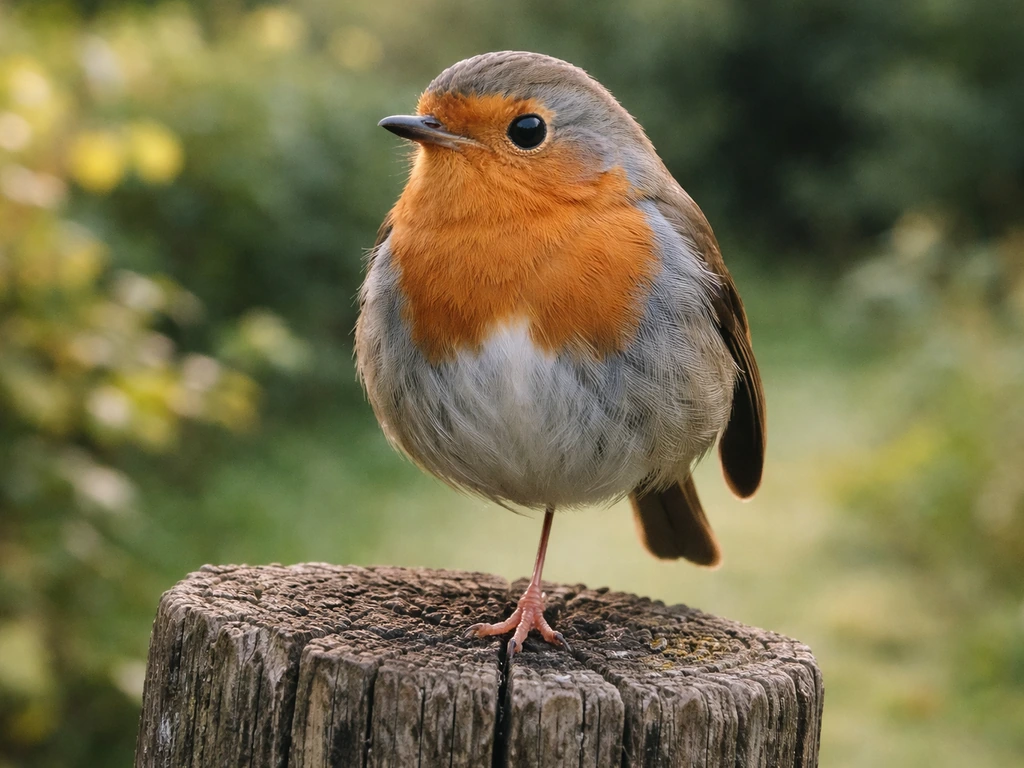
A headless bird most commonly means one of three things: a literal description of a bird that has lost its head (usually through predation), a visual or artistic motif used to provoke a feeling of incompleteness or chaos, or a figurative symbol in dreams and folklore pointing to directionlessness, confusion, or a sense of something vital being missing. Which meaning applies to you depends almost entirely on where you encountered the phrase.
What Does a Headless Bird Mean? Literal and Symbolic Guide

Marcus Winters
1 Jun 2026
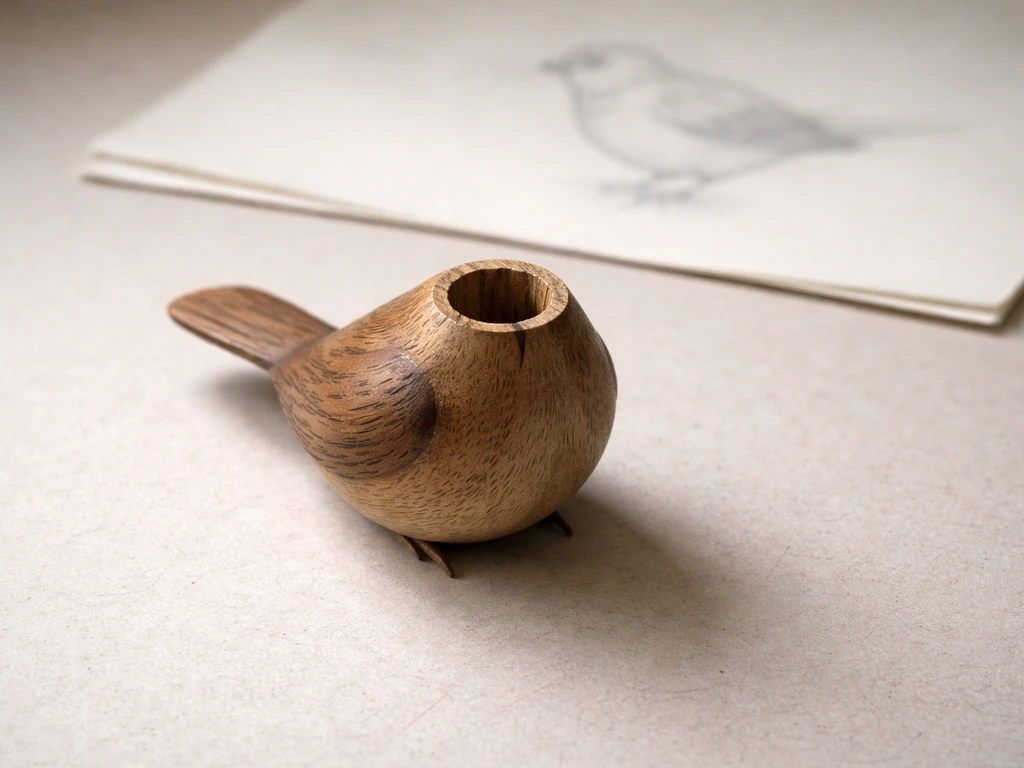
Literal vs. figurative: what "headless bird" usually refers to
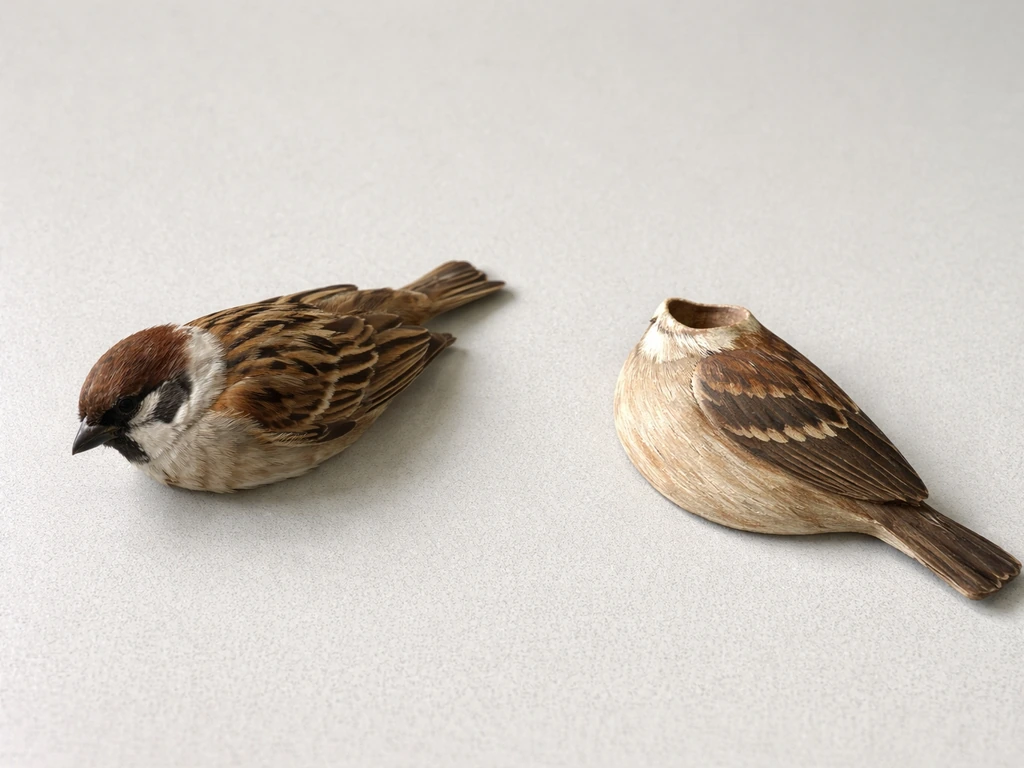
The most basic meaning is exactly what it sounds like. A headless bird is a bird without a head. Dictionaries from Cambridge to Dictionary.com all define "headless" as simply "without a head," and in a wildlife context that can happen when a predator decapitates a bird but leaves the body. Raccoons, owls, and some raptors are known to do exactly this. If you found a dead bird in your yard and arrived here wondering what it means, that explanation may be the most useful one.
But the phrase also floats through art, dreams, folklore, literature, and slang in ways that have nothing to do with actual birds. A 2013 bronze sculpture literally titled "Headless Bird" exists as a collectible art object. The Art Gallery of New South Wales has catalogued "Headless Birds" as an intentional artistic theme. Artist Kara Walker uses headless bird imagery in narrative works designed to provoke discomfort. These are all figurative or symbolic uses where the missing head is the whole point. So before you can land on a meaning, you need to figure out which lane you're in.
Common meanings when you see "headless bird" in language or symbolism
Once you move past the literal reading, the most consistent theme that shows up is directionlessness or confusion. The familiar idiom "like a headless chicken" (running around chaotically, without purpose) has primed most English speakers to associate a headless bird with exactly that: frantic movement with no guiding thought. The head, after all, is where direction comes from. Remove it symbolically and you get someone or something acting on instinct without any real sense of where they are going.
In literary contexts, the motif gets more specific. A discussion of Truman Capote's story "The Headless Hawk" frames the headless bird as a symbol of aimlessness and unfulfillment, a life or person that is animated but not guided. That maps closely to a broader pattern you see across "missing body part" bird phrases. Compare it to the concept of a bird without wings (limitation, inability to reach potential) or a bird without legs (ceaseless wandering, rootlessness as in the heraldic martlet symbol). A headless bird follows the same logic: something essential is gone, and what remains is incomplete.
Cultural and spiritual symbolism of headless birds
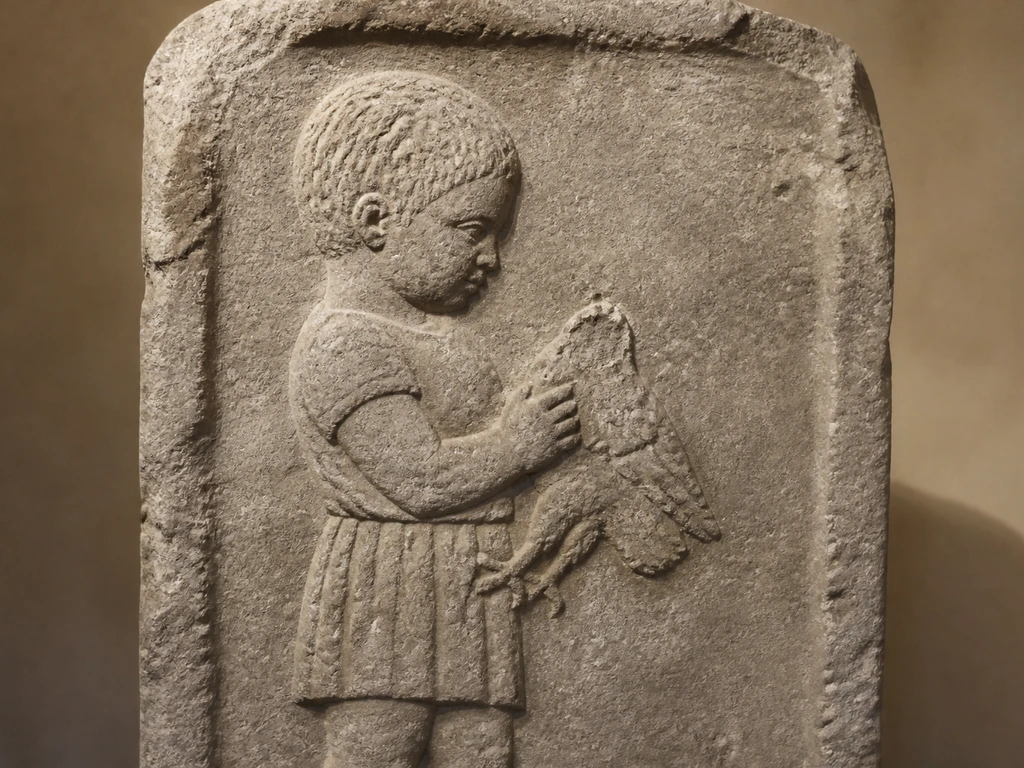
Across cultures and time periods, headless figures (birds included) carry weight. A Zeugma stele from the ancient world shows a child holding a headless bird, which archaeologists read as a grave good or ritual object rather than just a toy. A Smithsonian ethnological report from the 19th century records a headless bird as a described art form in Indigenous material culture. And notably, a thunderbird depiction found on an Ojibwe midewiwin disc dating to around 1250 to 1400 CE shows a headless, X-shaped thunderbird, suggesting the headless bird motif had specific Indigenous cosmological significance, not just a missing detail.
In some spiritual and witchcraft communities online, the phrase "a headless bird cannot fly" is treated as a kind of rule or maxim, implying that without direction or guidance (the head), even the most capable creature is grounded. This is not a formally documented proverb with a traceable origin, but it illustrates how online spiritual communities construct meaning around the motif in real time.
In the mythological tradition, the Norton Simon Museum describes a scene in which the deity Kumara feeds a now-headless bird, showing how ancient religious storytelling incorporated this imagery into narrative moments involving power, sacrifice, or transformation. The headless state in these contexts usually marks a transition rather than simply an absence.
Slang, folklore, and idiom-like uses, and how to spot them
The clearest idiom-like use is "like a headless chicken," which is well-established in English. While it uses a chicken rather than a generic bird, it anchors the broader symbolic vocabulary that headless birds carry. If someone says you're "running around like a headless chicken," they mean you're all action and no thought. That meaning bleeds into any headless bird reference used in conversation or writing.
Dream interpretation sites treat the headless bird more personally. One reading suggests dreaming of a headless bird signals that someone close to you may be facing a serious setback or illness. Another frames it as your subconscious signaling that you feel lost or without direction in your own life. These interpretations differ from site to site, and as the Freud Museum London is careful to note, there is no single authoritative dream dictionary and the meaning of any dream symbol is deeply context-dependent. The Stanford Encyclopedia of Philosophy frames dream interpretation as philosophically contested territory, full stop. So treat these readings as possible angles, not verdicts.
Folklore-based readings tend to frame a headless bird (especially a dead one found unexpectedly) as a bad omen. Some traditions read it as a warning of misfortune coming. Others read it as a sign of chaotic energy nearby. These are folk beliefs without universal agreement, and they vary significantly by region and cultural background. If you want to narrow it down beyond folklore, the headless bird meaning guide can help you match the phrase to your exact context.
How do you spot which kind of use you're dealing with? Look at these signals:
- Idiom or slang: the phrase is used in speech or writing to describe a person's behavior (chaotic, directionless, reactive without thinking)
- Art or visual motif: you saw it in an image, tattoo, sculpture, or illustration where the missing head feels deliberate and stylized rather than disturbing
- Dream or vision: you experienced it while asleep or in a meditative state, and you're searching for a personal symbolic meaning
- Folklore or omen: you encountered a real headless bird (found dead) and want to know if it carries a traditional significance
- Mythology or ritual: you read about it in a historical, anthropological, or religious text where it appears as part of a specific cultural story
How to interpret it based on where you saw it
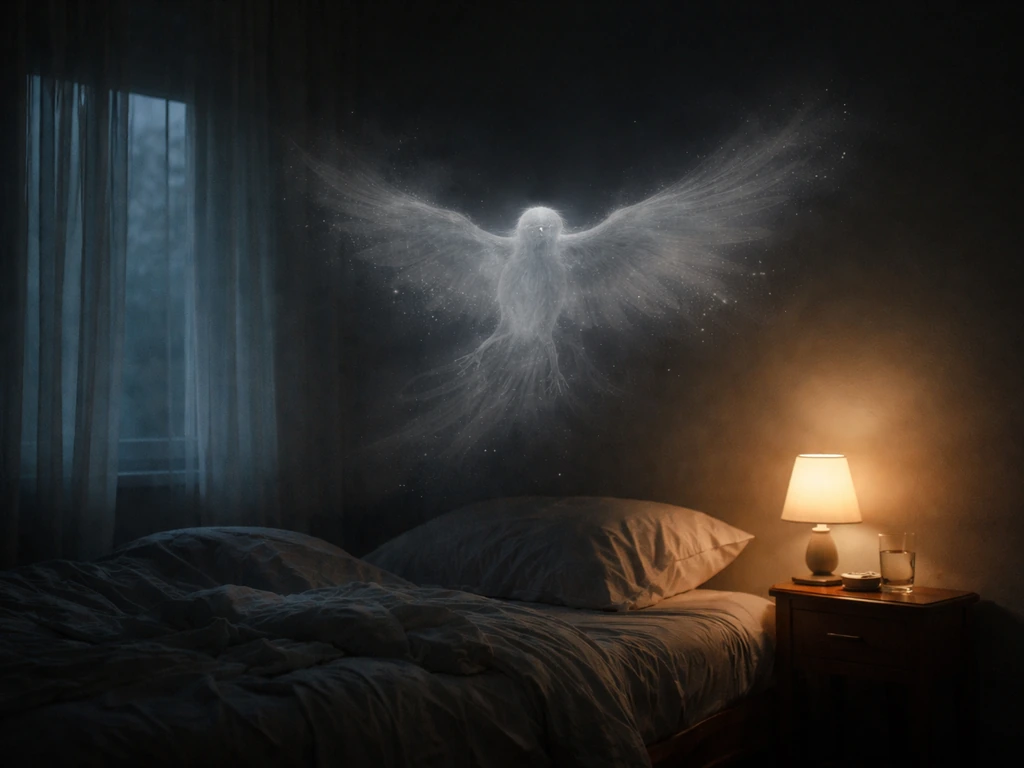
Context is everything with a phrase like this. The same two words carry completely different weight depending on whether you found them in a poem, a dream, a yard, or a gallery. Here is a quick breakdown of the most common situations and what the phrase most likely means in each one.
| Where you encountered it | Most likely meaning | Key question to ask |
|---|---|---|
| In a dream | Personal symbolism: direction, confusion, or worry about someone's wellbeing | What else was in the dream? What emotion did you wake up with? |
| In artwork or a tattoo | Deliberate aesthetic or conceptual motif: incompleteness, provocation, or transformation | Is the headlessness stylized or disturbing? What surrounds the bird? |
| In a poem or story | Literary metaphor for aimlessness, unfulfillment, or a person/situation without guiding purpose | What is the broader theme of the work? What else lacks wholeness? |
| Found a real dead bird | Likely predation (raccoon, owl, raptor); folk belief may also suggest an omen | Are there other signs of predation? What does your local tradition say about omens? |
| Heard it in conversation | Probably echoing the headless chicken idiom: chaos, lack of direction | Was someone describing behavior? Were they talking about a person acting frantically? |
| Saw it in Indigenous or historical art | Culture-specific symbolism (e.g., Ojibwe thunderbird, ancient stele imagery) | What tradition does the artwork belong to? What does a specialist in that culture say? |
Pay attention to what else was present. In artwork, the surrounding composition tells you the intention. In a dream, the emotional tone matters more than the image itself. In folklore, the circumstances of the find (location, time of year, your own cultural background) shape the meaning. A headless bird alone is just a starting point, not a complete message. A solitary bird meaning in dreams or symbolism can similarly point to feeling alone, emotionally distant, or separated from support.
What to do next: questions to ask and how to verify the meaning
If you're still unsure which interpretation fits your situation, work through these questions. They will narrow it down quickly.
- Where exactly did you see or hear it? (dream, real life, text, image, speech) This is the single most important sorting question.
- Was the headlessness presented as shocking, beautiful, metaphorical, or ordinary? The emotional register tells you a lot about the intent.
- Did someone say it to you, or did you read it? If spoken, was the person describing behavior or narrating a story?
- What culture or tradition does the source belong to? Indigenous art, European folklore, and modern online spirituality all treat the motif differently.
- Is there a named work or tradition attached to it? Named artworks, published texts, and documented myths are verifiable. Random social media posts are not.
- What were you feeling when you encountered it? Your emotional response is data, especially in dream and vision contexts.
To verify the intended meaning, go back to the source. If it was a piece of art, look up the artist's stated intent. If it was a dream, notice the narrative around it rather than treating the bird in isolation. If it was a found dead bird, check a wildlife resource about predator behavior in your area before assuming an omen. If it appeared in a text, read the surrounding paragraphs for the author's frame.
For deeper symbolic exploration on this site, the related concepts of a bird without wings, a bird without legs, and the one-legged bird all follow a similar pattern of missing body parts carrying metaphorical meaning. A bird without wings meaning often points to limitation, thwarted potential, or an inability to reach something you want.
Each one maps to a slightly different theme: winglessness points to limitation and thwarted potential, leglessness to rootlessness and endless wandering, and headlessness most consistently to direction and thought. If you are researching a literary or artistic piece, cross-referencing those entries may help you understand the full symbolic vocabulary the creator was drawing from. The lonely bird and solitary bird meanings are also worth exploring if the headless bird in your context seemed isolated or abandoned rather than chaotic.
If your “headless bird” felt like it was isolated, you may also want to compare it with lone bird meaning for how solitude or separation shifts the symbolism. You can also compare it with lone bird meaning to see how solitude or separation may change the symbolism. If the headless bird seems truly isolated or abandoned, the solitary bird meaning can offer a helpful angle to check next. If you are looking for a more emotional angle, the lonely bird meaning focuses on isolation and abandonment.
The honest summary is this: a headless bird does not have one fixed meaning. It has a cluster of related meanings that all orbit the idea of something essential being absent. Your job is to decide which kind of absence fits the situation you are in, and the context clues above will get you there.
FAQ
What does a headless bird mean if I saw it in a meme or casual social media post?
In most memes, the phrase is used as a shorthand for “confused” or “acting without thinking,” similar to “running around like a headless chicken.” The exact “bird” label is usually stylistic, so judge it by the caption and who is being mocked, not by any real-world animal event.
If I found a dead “headless” bird, should I treat it as an omen?
Not by default. Decapitation can happen when a predator feeds and leaves the body behind, and scavenging can also remove the head after death. A more reliable next step is to look for regional predator patterns, check whether the remains show signs of partial feeding, and contact local wildlife services if you suspect an active hazard.
Does a headless bird always indicate directionlessness or confusion?
It is the most common symbolic theme, but not the only one. Art and myth uses can frame headlessness as transformation, incompleteness as a design principle, or deliberate unsettling imagery. If the surrounding text or scene emphasizes power, sacrifice, or change, directionlessness may be a weaker fit.
How can I tell whether “headless bird” is being used literally or metaphorically in writing?
Check whether the text mentions a physical context you can verify (a yard, a specimen, an artifact, a sculpture) versus emotional or psychological language (lost, aimless, chaos, discomfort). Literal uses usually anchor to the scene, metaphor uses usually anchor to a character’s state or the author’s theme.
What if I’m dreaming of a headless bird, does that mean someone will get sick?
Dream sources that mention illness are offering one possible interpretation, not a reliable prediction. A safer approach is to link the dream to your waking stressors and emotions, for example, feeling blocked, unsupported, or unable to make a decision. Treat it as a prompt for reflection rather than a forecast.
What does “a headless bird cannot fly” mean in online spiritual discussions?
It is typically a symbolic rule meant to stress the need for guidance, direction, or discipline. Because it is not a universally documented proverb, two people can mean different things by “guidance,” so look for the surrounding advice they connect it to (meditation, mentorship, prayer, or personal willpower).
Can the meaning shift depending on where the phrase appears, like a museum label versus a poem line?
Yes. Museum or catalog contexts often indicate intentional artistic motif, so incompleteness or discomfort may be the main point. In poetry, the phrase is more likely to serve the poem’s emotional arc, so the tone and nearby metaphors can reweight the meaning away from literal predation or toward personal symbolism.
Is there any significance if the bird is depicted with a missing head but otherwise looks intact?
That detail often reinforces “essential part missing” symbolism rather than “violent event.” In art or myth, a cleanly headless figure commonly represents incompletion or lack of guidance, while a partially eaten or battered body is more consistent with the literal predation explanation.
What should I do if I want to identify the intended meaning in a specific situation but I only have the phrase?
Use a quick decision checklist: where did you see it (yard, dream, poem, label), what is the emotional tone (panic, grief, unease, instruction), and what surrounds it (predation-like description, psychological language, or thematic commentary). If any of those are missing, the meaning stays probabilistic rather than definitive.
Next Article
One-Legged Bird Meaning: Literal vs Figurative Interpretations
One-legged bird meaning explained: literal bird references vs idioms and symbolism like imbalance, incompleteness, resil