
When people search 'down meaning bird,' they usually want one of two things: either the literal definition of down feathers (the soft, fluffy insulating layer found under a bird's outer plumage), or they're trying to figure out what 'bird down' means on a pillow label or jacket tag. Here's the direct answer: down is a specific type of feather that sits closest to a bird's body, has no interlocking structure, and exists purely to trap warm air. It is not the same as a regular feather, and understanding that difference matters whether you're buying a comforter, reading a bird field guide, or untangling a phrase like 'feeling down' from its totally unrelated bird meaning.
Down Meaning Bird: What It Is, Where It Comes From

Marcus Winters
23 Jun 2026
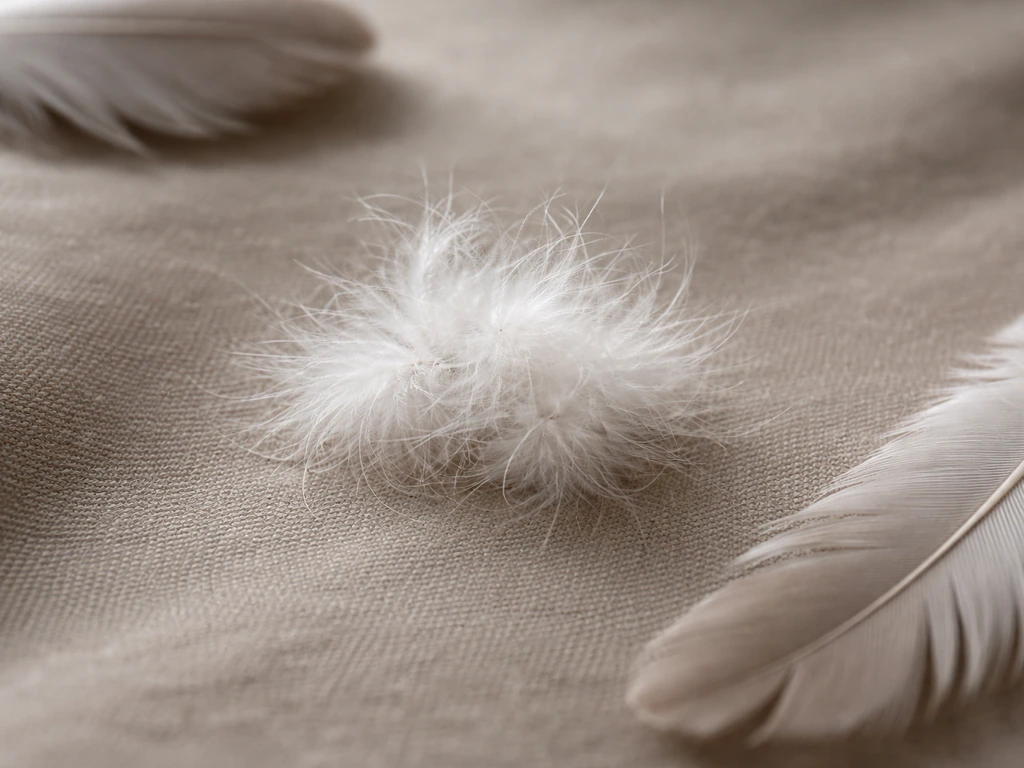
What 'down' literally means on a bird
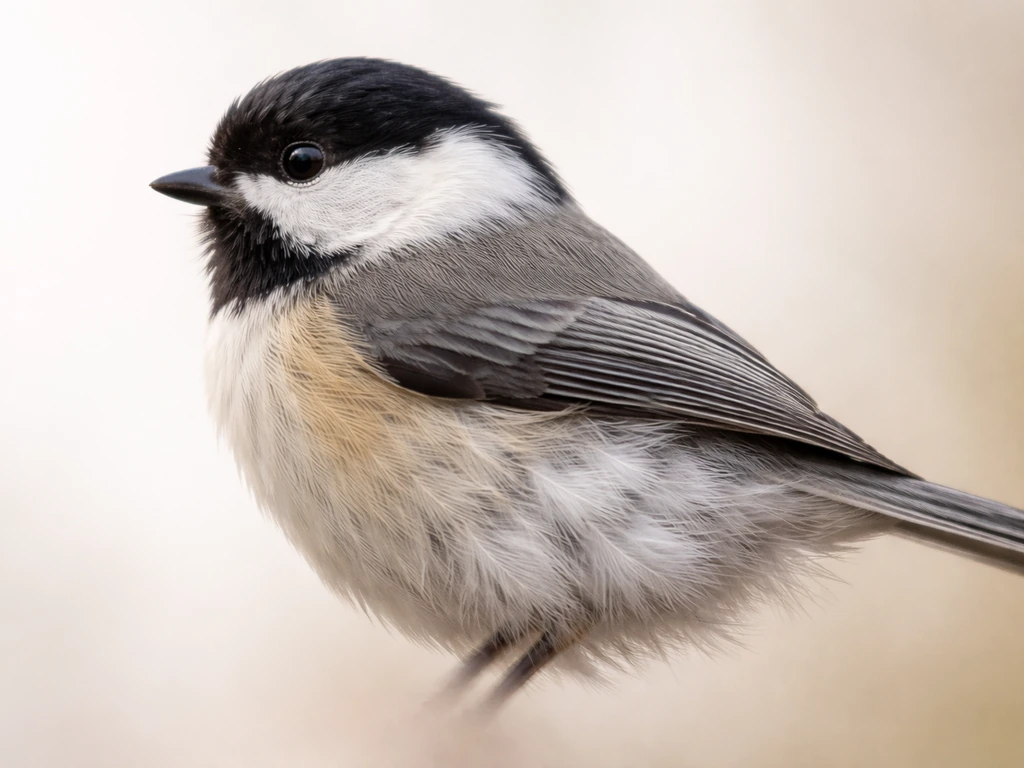
Down refers to the plumulaceous feathers that grow closest to a bird's skin, tucked underneath the outer contour feathers you can actually see. The word has been used in English for centuries to describe this soft underlayer, and it comes from Old Norse 'dunn,' meaning the fine, fluffy feathers of young birds and the underbelly of adults.
In ornithology, these are formally called plumulaceous feathers, and their defining feature is structural: unlike the smooth outer feathers you picture when you think of a bird, down feathers have no rigid central shaft to speak of, no interlocking hooks, and no organized flat vane. They're loose, soft, and three-dimensional, which is exactly what makes them so effective at what they do.
If you're also wondering about the down bird meaning in everyday language, this “down” is the same fluffy layer people mean when they say a bird looks soft or cloudlike.
Where down sits on a bird and what it actually does
Down feathers in adult birds grow in feather tracts called pterylae and can also appear in apteria, the featherless spaces between those tracts. They sit directly against the skin, hidden under the contour feathers that form the bird's visible outer layer. In young birds (think of a newly hatched duckling), the entire body is covered in down before the adult plumage grows in, which is why chicks look so famously fluffy.
The job of down is almost entirely thermal insulation. Those loose, unstructured barbs create thousands of tiny air pockets that trap body heat and form a warm buffer between the bird's skin and the cold outside world. Because the barbules on down feathers don't have the small hooks that interlock on regular feathers, the barbs stay separate and springy, which maximizes the air-trapping volume. This is the same physical principle that makes down so prized in human bedding and outdoor gear: more loft equals more trapped air equals more warmth.
Down vs. feathers: how they actually differ
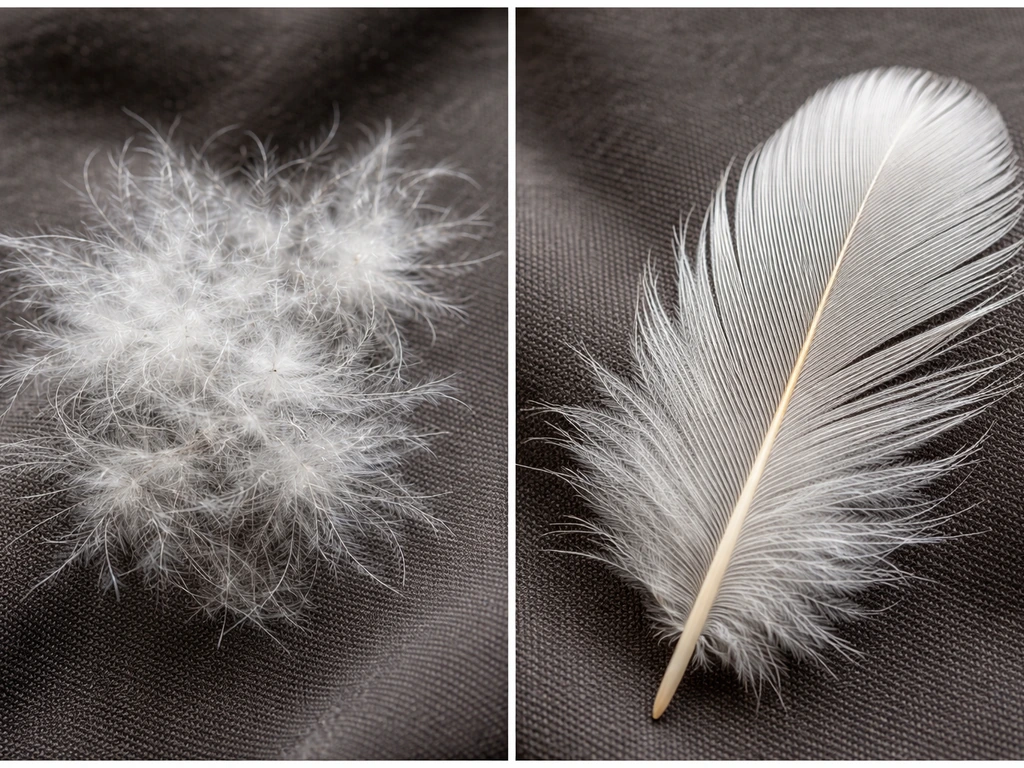
This is where a lot of confusion comes in, and it's worth being clear because product labels use these terms in ways that matter. Regular contour feathers (the ones that cover a bird's body and make up the wing and tail) are called pennaceous feathers. They have a stiff central shaft (the rachis), and their barbs are connected by tiny hooked barbules that zip together like Velcro to form a smooth, flat vane.
That's what gives a feather its familiar shape and what makes flight possible. Down feathers, by contrast, have a very short or absent rachis and barbs that stay loose and fluffy because their barbules have no hooks. The result looks nothing like a feather you'd pick up off the ground.
| Feature | Down Feather | Contour (Pennaceous) Feather |
|---|---|---|
| Structure | Short/no rachis, loose unhooked barbs | Long stiff rachis, hooked barbules forming a flat vane |
| Feel | Soft, fluffy, three-dimensional | Firm, flat, smooth |
| Location on bird | Against the skin, under outer plumage | Outer visible layer |
| Primary function | Insulation (traps air) | Protection, flight, appearance |
| Interlocking barbules? | No | Yes (like Velcro) |
| Found in products as... | Clusters or fill (bedding, jackets) | Feather fill (firmer, cheaper pillows) |
In real life, you can tell the difference by feel and by looking closely. Down feels like a soft cloud cluster with no obvious quill. A feather has a clear spine running down the middle and a flat blade on either side. When you shake a pillow and it feels firm and you can feel pokey little quills, that's mostly feather fill. If it feels light, lofty, and springy with no poke, that's down. Most products labeled 'down' in the bedding world are actually a blend unless they specifically say otherwise.
How 'bird down' is used in bedding and clothing, and what 'down quality' means
Bird down (primarily from geese and ducks) is harvested and used as fill in pillows, comforters, sleeping bags, and insulated jackets. It's one of the most efficient natural insulators by weight that exists, which is why a lightweight down jacket can be warmer than a bulky synthetic one. When you're buying a down product, the two numbers that matter most are fill power and fill weight.
Fill power measures how many cubic inches one ounce of down occupies when it's allowed to fully expand. A higher fill power number means larger down clusters, more loft, and better insulating efficiency. Typical ranges run from around 400 (basic quality) to 900 or above (premium, often European goose down). Fill weight is how many total ounces of down fill are actually inside the product. A pillow with high fill power but low fill weight might feel lofty but not very warm; a comforter with moderate fill power and high fill weight might be warmer overall but heavier. These two numbers together tell you more than either one alone.
U. S. labeling law, enforced by the FTC, requires that down product labels accurately state what's inside. This same idea of precise wording also shows up when people ask what a jackdaw bird meaning is versus a literal down definition down product labels.
A product can't be called 'pure down' or '100% down' unless that's literally true, and species claims like 'goose down' or 'duck down' have their own rules about allowable deviations. [The American Down and Feather Council's labeling compliance program tests for down cluster percentage, fill power, cleanliness (measured by oxygen number and turbidity), fill weight, and thread count. ](https://downandfeathercouncil.
com/labeling-compliance/adfc-labeling-compliance-program/testing-and-evaluation/) If a label just says 'down,' it could legally be a duck/goose blend; if it says 'goose down,' there's a higher standard it needs to meet. Reading labels carefully is worth the extra 30 seconds.
What to look for on a label
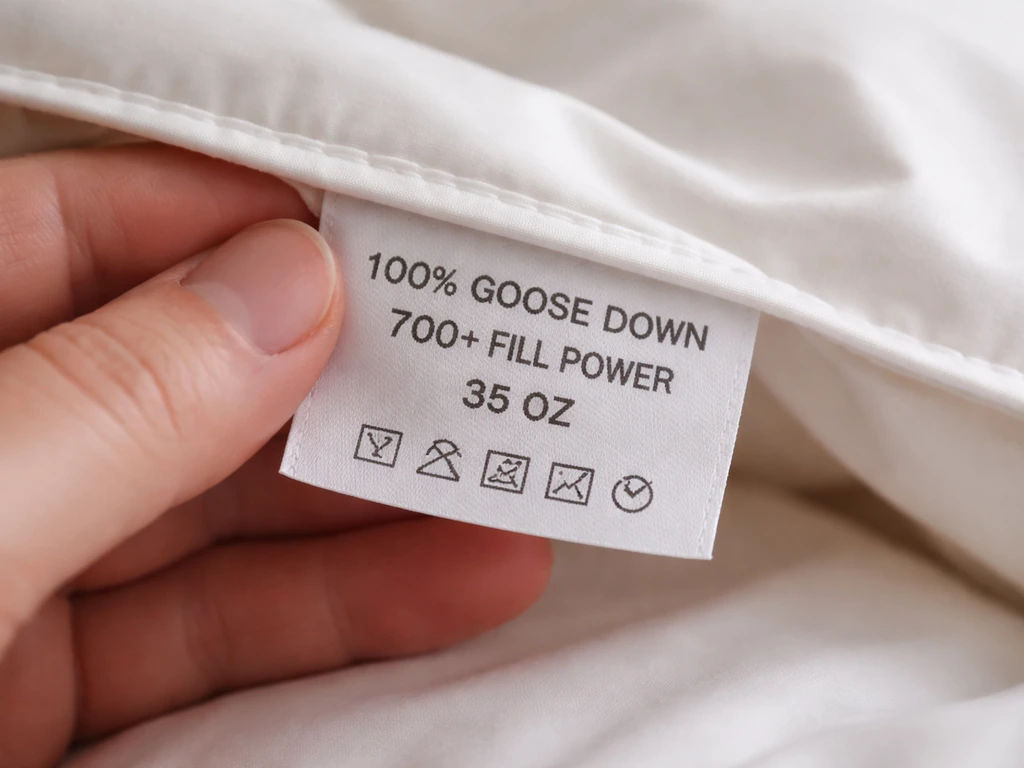
- Species: goose down vs. duck down (goose is generally larger clusters, higher fill power)
- Fill power: look for at least 550+ for everyday bedding; 700+ for premium warmth
- Fill weight: listed in ounces; higher = more insulation in bedding
- Down content percentage: a product labeled '85% goose down' contains 15% feather by weight
- RDS certification: confirms humane sourcing standards (more on this below)
- Shell fabric: a down-proof tightly woven shell prevents clusters from escaping
When 'down' has nothing to do with feathers: figurative meanings to watch for
Because this site focuses on bird-related language and meaning, it's worth addressing the elephant in the room: 'down' is one of English's most overloaded words. If you’re specifically trying to understand the duke bird meaning, context matters because “duke” is sometimes used as a name or title in bird-related phrases bird-related language and meaning. When you search 'down meaning bird,' you might actually be looking for a figurative phrase where 'down' and 'bird' appear together but 'down' isn't referring to feathers at all.
The most common confusion: 'down' as an adjective meaning depressed or unhappy (as in 'feeling down'). If you're specifically asking what “bird down” means on a label, it refers to the insulating feather fill from geese and ducks, not the “feeling down” adjective. This is completely unrelated to feathers.
It comes from the sense of something lowered or deflated, and you'll sometimes see it in bird-related idioms by coincidence, like 'the bird looked down' (meaning sad in a fable) or phrases in song lyrics where a bird is described as 'down' to signal sorrow. If you see 'down' used to describe a bird's emotional state or to convey sadness in a story or song, that's the adjective meaning, not a reference to plumage.
Then there's 'down' as a directional word (the bird flew down, brought down, knocked down), 'put-down' as a noun meaning an insult, 'down to earth' as a personality description, and 'go down' as a phrase meaning to happen or to land. In bird idioms specifically, 'bringing down a bird' means shooting or catching it. 'Down' in that context is directional.
Context and part of speech are your best tools here: if 'down' appears as a noun or as a modifier for a product (down jacket, down pillow, down comforter), it's almost certainly feathers. So, when you see the phrase “daft bird meaning,” it refers to how “down” connects with bird-related expressions rather than the feather type itself. If it's a verb, adjective, or part of a phrasal verb, it's almost certainly something else entirely.
This kind of disambiguation is exactly the sort of thing that comes up with bird-related terms across multiple languages and cultures. Similar layered meanings appear in terms like 'daw' (related to the jackdaw) or in slang terms involving birds where the surface word means something very different from its avian root. A “daw” in this context relates to the jackdaw, and the phrase can be confusing if you assume it means bird feathers. The key habit is to read the full phrase before assuming any single definition.
Allergies, safety, care, and where the down comes from
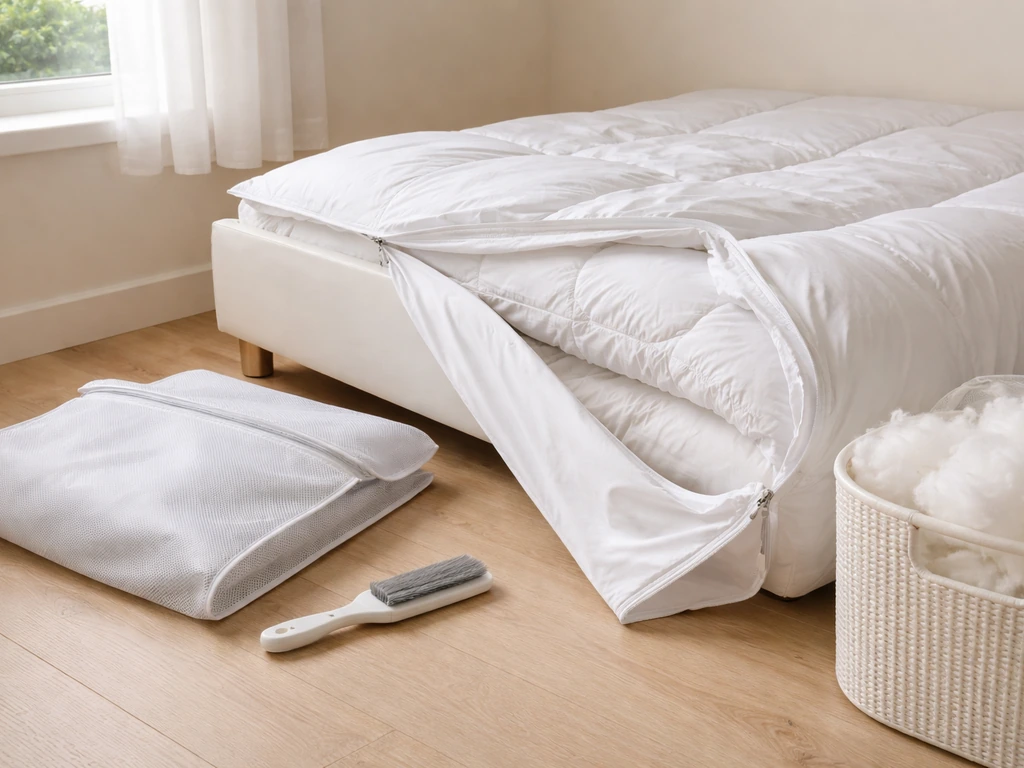
Allergies and asthma
A common belief is that down causes allergies, but the more accurate picture is that dust mites living in down products are usually the real trigger, not the down itself. The CDC specifically advises against using down-filled pillows, quilts, or comforters for people with asthma triggered by dust mites.
If you have asthma or dust-mite allergies and still want down bedding, the practical fix is allergen-proof encasements (tight-woven covers that wrap around the pillow or comforter) combined with washing bedding weekly in hot water and drying it completely. Encasements alone won't fully eliminate exposure in sensitive individuals, but they make a significant difference. If you genuinely react to the down protein itself (a true down allergy), you'll need to switch to synthetic fill entirely.
Cleaning and care
Down products need specific care to stay lofty and clean. Wash in a large-capacity machine on a gentle cycle with a small amount of mild detergent, then dry on low heat with clean tennis balls or dryer balls to break up clumps as the clusters dry. Incomplete drying is the enemy of down: it leads to mildew and destroys the loft permanently. A good rule of thumb is to run an extra drying cycle just to be sure. The fill power of down is typically tested after conditioning (sometimes steam conditioning, sometimes tumble drying) to simulate real-world handling, which is why a well-maintained down product can hold its loft for years.
Ethical sourcing and what RDS means
If sourcing matters to you (and for a lot of people it does), the Responsible Down Standard (RDS) is the main certification to look for. It's a voluntary standard developed to ensure ducks and geese in the down supply chain are treated humanely, with no live plucking or force feeding. blank" rel="noopener noreferrer">Brands like Patagonia source 100% of their down from RDS-certified suppliers. The standard is blank" rel="noopener noreferrer">reviewed and revised at least every five years (currently at version 3.3). Looking for the RDS logo on a product or checking a brand's supply chain page is the most reliable way to know whether the down inside your jacket or pillow came from animals that were treated to a traceable humane standard.
What to do next, based on why you searched
What you actually need depends on why 'down meaning bird' brought you here. If you came for the phrase as it appears on labels, also note how down quality like fill power and fill weight affects warmth and loft. Here's a quick way to figure out your next step:
- If you wanted the basic definition: Down is the soft, fluffy, insulating underlayer of feathers closest to a bird's skin. It has no rigid shaft or interlocking barbule structure. That's the whole literal meaning.
- If you're buying a product: Check fill power (aim for 550+ for everyday use, 700+ for premium warmth), fill weight, species (goose vs. duck), and whether the shell fabric is down-proof. Look for RDS certification if ethical sourcing matters to you.
- If you have allergies or asthma: Use allergen-proof encasements, wash bedding weekly in hot water, and dry completely. If symptoms persist, consider switching to synthetic fill.
- If you're trying to read a product label: 'Goose down' and 'duck down' have specific legal meanings in the U.S. A product that just says 'down' may be a blend. '100% down' means no feather fill is present.
- If you were looking for a figurative meaning: Check what part of speech 'down' is in your phrase. Noun or product modifier equals feathers. Adjective, verb, or directional word equals an unrelated meaning (depressed, descending, brought down, etc.).
- If you want to go deeper on bird terminology and language: Exploring related bird terms like 'daw,' 'jackdaw,' or other bird-related language entries on this site will give you more context for how bird words carry layered meanings across idioms and everyday speech.
FAQ
If a pillow says “down,” does that automatically mean it’s 100% down feathers?
Not necessarily. Many labels use “down” as a general term even when the product is blended with feathers or synthetic fill. Check for words like “100% down,” “goose down,” or “pure down,” and then verify the fill power and fill weight to estimate warmth and loft.
What’s the practical difference between “fill power” and “fill weight” when choosing bedding?
Fill power mainly predicts how lofty and heat-efficient the down clusters are, while fill weight predicts how much insulating material you actually have. For warmth, you usually want sufficient fill weight, for lightness and “springy” feel you prioritize fill power.
How can I tell whether a “down jacket” is truly down versus mostly feather or synthetic fill?
Look for the exact wording on the label, not just the brand name. “Down” without a qualifying percentage can indicate a blend, while “goose down” often implies a stricter standard. If the label lists a blend, focus on the stated down percentage and compare fill weight rather than only the marketing claims.
Why do some down pillows feel uneven or clump together, and what should I do?
Clumping often happens from incomplete drying or storage that compresses clusters. After washing, dry thoroughly and consider an extra drying cycle, then fluff regularly. Tennis balls or dryer balls help redistribute clusters during drying.
Is it safe to use down bedding if I have dust-mite allergies or asthma?
Down itself usually is not the allergen, but dust mites can be. Use tightly woven allergen-proof encasements, wash bedding weekly in hot water when possible, and dry completely. If symptoms persist or you have severe reactions, synthetic fill is the safer default.
Can I use steam to refresh down instead of fully washing it?
Spot-steaming can help with mild odor or surface dampness, but it does not fix internal clumping or trapped moisture. For hygiene and loft restoration, full wash and thorough drying are the reliable options, especially if the down smells musty.
What does “oxygen number” and “turbidity” mean on down product testing?
These are measures of how clean the down is after processing. Cleaner down generally means fewer residual particulates, which can affect comfort and how the fill behaves over time. If a brand provides these metrics, it can indicate stronger quality control beyond just fill power.
Does RDS guarantee that down is both humane and high quality?
RDS mainly addresses humane treatment and traceability in the supply chain, not insulation performance. You still need to evaluate fill power, fill weight, and care instructions, because quality within certified supply can vary across products and years.
If I’m reading a phrase like “the bird looked down,” is that ever about feathers?
Usually no. When “down” is used as an adjective or part of an idiom about emotion or posture, it is not referring to feathers. If it appears as a noun or product modifier like “down jacket” or “down pillow,” then it is almost always about insulating fill.
Next Article
Bird Dawgs Meaning: What People Usually Mean and How to Tell
Meanings of bird dawgs explained with context clues to tell slang, mishearing, or metaphor and decode lyrics