
An egg-bound bird is a female bird that has an egg stuck inside her body and cannot pass it on her own. Medically, this is called dystocia, and it is a genuine emergency. Small birds like cockatiels, budgies, lovebirds, finches, and canaries are especially vulnerable, and a bird can die within hours if the egg is not resolved. If you are reading this because your bird is sitting on the cage floor, straining, wagging her tail, or just looking "off," treat this as urgent and keep reading.
Egg Bound Bird Meaning: Signs, Causes, and What to Do Now

Marcus Winters
20 Jun 2026
What "egg-bound bird" actually means (literal and figurative)
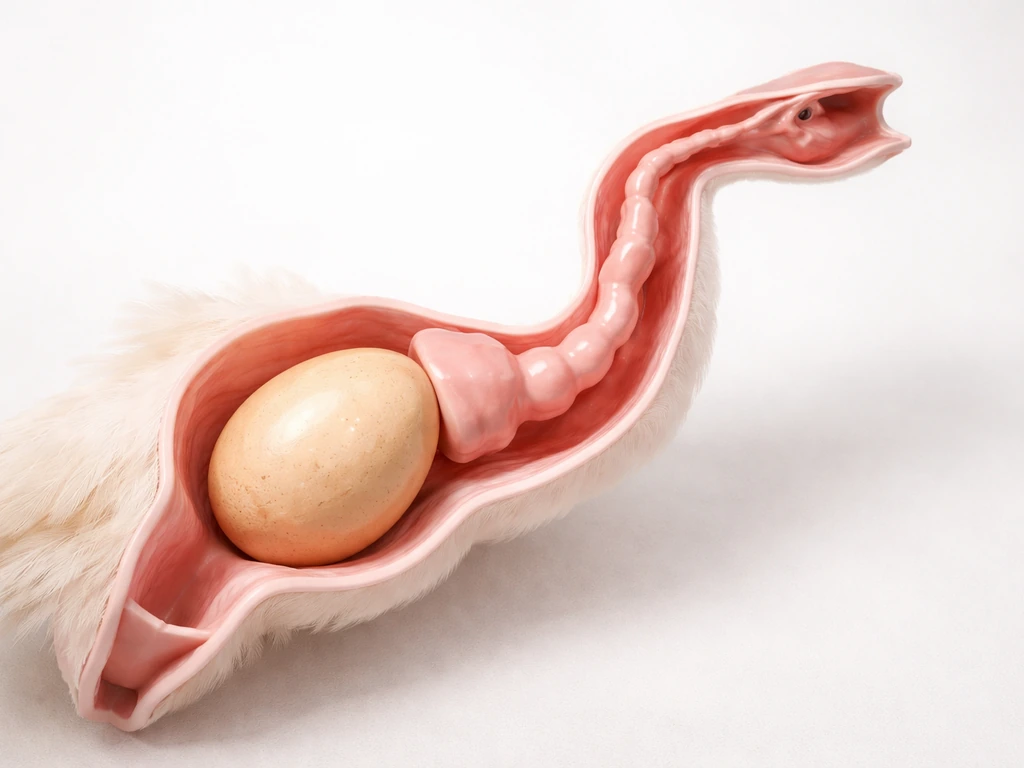
In the most literal, medical sense, an egg-bound bird is a female bird whose egg has failed to pass through the oviduct and out of her body within a normal time frame. Veterinary references define it plainly: the bird is unable to naturally expel an egg. Dictionary.com even lists "egg-bound" as a recognized adjective describing exactly this condition in birds and young hens. The egg is physically stuck, and the bird's body cannot push it out without help.
Figuratively, people occasionally use "egg-bound" the way they use words like "stuck," "blocked," or "unable to progress." It fits neatly into the same family of bird and egg idioms where being trapped or constrained is the core idea. You might hear someone say a project is "egg-bound" to mean it cannot move forward, though this figurative use is far less common than the literal one. For most people searching the phrase, the medical situation is what they are dealing with, and that is where the real urgency lies. The phrase the oven bird meaning.
Red flags that confirm egg binding
The signs of egg binding are distinctive enough that an attentive owner can spot them quickly. The problem is that birds hide illness until they cannot anymore, so by the time you notice the signs clearly, the situation may already be serious. Here is what to look for:
- Sitting on the cage bottom or floor instead of a perch (a classic alarm sign in any bird)
- Ruffled feathers with half-closed or fully closed eyes, looking lethargic and depressed
- Tail bobbing or frequent tail wagging, often combined with visible straining
- A wide, spread-legged stance on the perch or on the floor
- Visible swelling or distension in the lower abdomen or just above the tail base
- Difficulty breathing or labored respiration (the retained egg can press on the air sacs)
- Drooping wings and poor appetite
- Reduced or completely absent droppings
- Leg weakness or even partial paralysis of one or both legs (the egg can compress nerves and blood vessels)
- In the most severe cases, sudden collapse
Not every bird will show all of these signs, and some may only look vaguely unwell at first. But if your bird is female, of breeding age, and showing two or more of these signs together, egg binding should be near the top of your list. The tail-bobbing and straining combination, especially in a bird sitting low in the cage, is one of the most reliable indicators.
What to do right now: safe first steps at home

Before you do anything else, call an avian vet. That is step one. While you are arranging emergency care or waiting for the clinic to open, there are a few supportive things you can do safely at home. There are also things you should absolutely not attempt.
Safe home steps while you arrange vet care
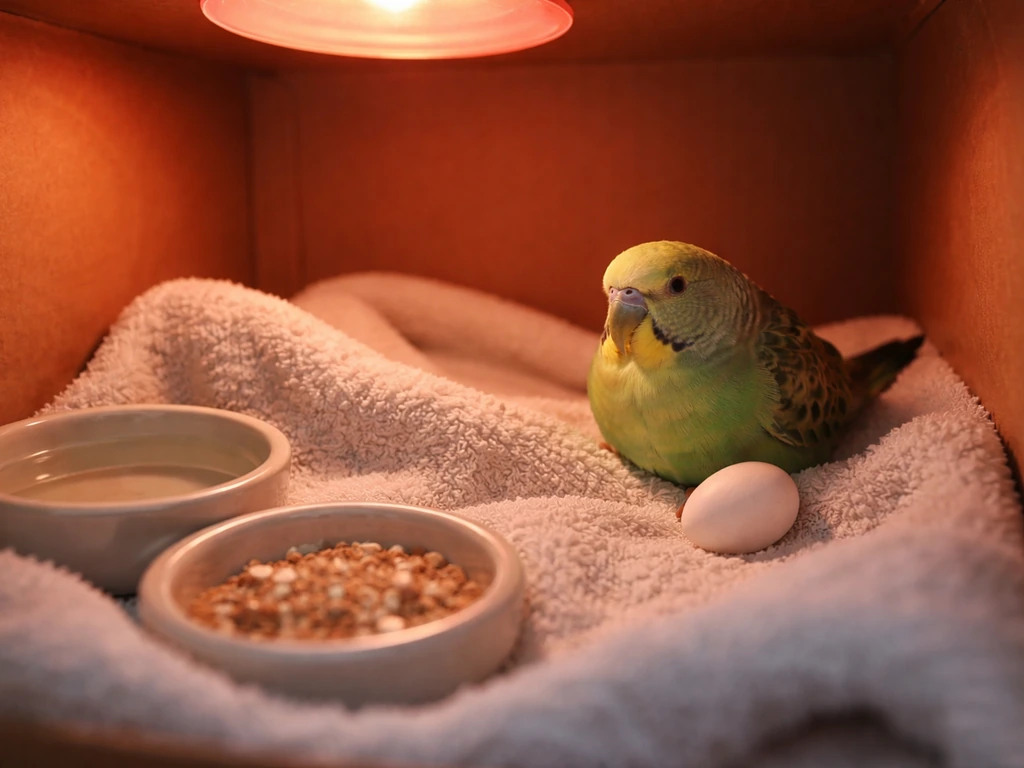
- Provide warmth: Place the bird in a warm, quiet environment. A temperature around 85 to 90 degrees Fahrenheit (about 29 to 32 degrees Celsius) is supportive. You can use a hospital cage or simply position a heat lamp nearby, making sure the bird can move away from the heat source. Warmth helps relax muscles and supports the bird's metabolism.
- Lower perches or remove them entirely so the bird cannot fall and injure herself if she is weak.
- Reduce stress as much as possible: dim the lights, minimize noise and handling, and keep other pets away.
- Make sure fresh water is accessible and easy to reach from the floor of the cage.
- If you have a steam-filled bathroom (run a hot shower briefly), some bird owners place their bird in the warm, humid air for 10 to 15 minutes. Humidity may help relax the oviduct slightly. Do not leave the bird unattended.
- Document what you are seeing: note the time symptoms started, what behaviors you observed, and whether the bird has laid eggs recently. Your vet will want this information.
What not to do
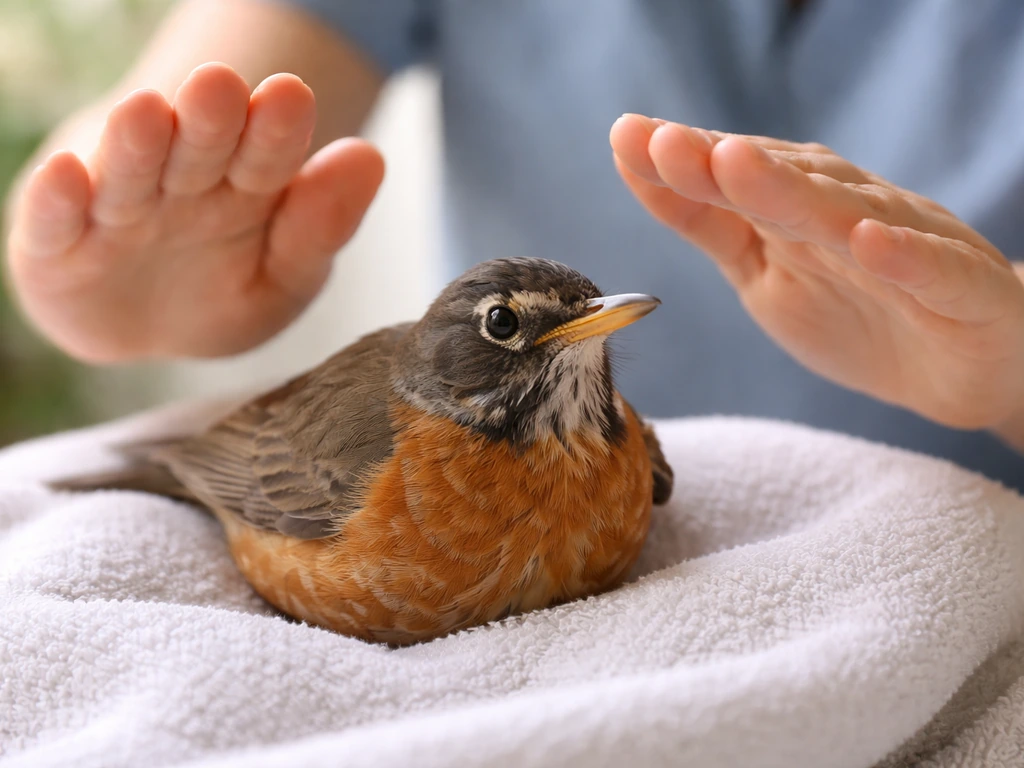
- Do not try to manually massage or push the egg out. You can rupture the egg inside the bird, which causes a life-threatening infection.
- Do not apply olive oil or any lubricant to the vent without veterinary guidance. It sounds logical but it rarely resolves the actual problem and can delay proper treatment.
- Do not wait and watch for more than a few hours if the bird shows breathing difficulty, leg weakness, or collapse. These are emergencies that need a vet today, not tomorrow.
Why egg binding happens: causes and risk factors
Egg binding is almost always the result of several factors combining at once rather than one single cause. Understanding those factors helps you prevent it from happening again. Knowing the finding a broken bird egg meaning in context can also help you recognize when reproductive problems need urgent veterinary care.
- Calcium and vitamin D3 deficiency: Calcium is essential for strong eggshell formation and for the muscular contractions that push the egg through the oviduct. A diet low in calcium or vitamin D3 (which helps absorb calcium) is one of the most common contributors. This is called calcium metabolic syndrome in some clinical references.
- Vitamin A deficiency: Linked to poor oviductal health and increased infection risk, vitamin A deficiency is flagged specifically by veterinary references as a risk factor.
- Being a first-time layer: Young birds laying their first egg or two are at significantly higher risk because the oviduct is inexperienced and the egg may be oversized relative to the oviduct's ability to pass it.
- Oversized or malformed eggs: Abnormally large eggs, double-yolked eggs, or eggs with soft or irregular shells are harder to pass.
- Chronic egg laying: Frequent laying exhausts the oviduct muscles over time, making expulsion progressively harder with each clutch.
- Excess light exposure: Longer days or artificial lighting that mimics spring and summer conditions stimulates reproductive activity. Birds bred or kept under extended light schedules face a higher risk of overstimulation and egg binding.
- Obesity and poor physical condition: A sedentary, overweight bird has weakened abdominal muscles and less physical capacity to expel an egg.
- Genetics and species predisposition: Cockatiels, budgies, lovebirds, finches, and canaries are notably more susceptible than larger parrot species.
- Underlying disease or oviductal damage: Previous infection, injury to the oviduct, or other systemic disease can compromise the tract's ability to move eggs.
Treatment options and when to get to an avian vet urgently
The timeline matters enormously here. Small birds can die within a few hours of becoming egg-bound because the retained egg compresses blood vessels and airways. At most, an untreated bird may survive a couple of days, and that is not a window to test. If your bird is showing any breathing difficulty, leg paralysis, or collapse, this is an emergency right now, not something to monitor overnight.
What happens at the vet
An avian vet will typically take a full-body radiograph (X-ray) to confirm the egg's location, check for a calcified shell, and rule out other problems. If the shell is soft, absent, or if the egg appears to have ruptured into surrounding tissue, the vet may use ultrasound, laparoscopy, or other imaging to get a clearer picture before deciding on treatment.
For a stable bird that is not in severe distress, the initial approach is usually supportive care first. This includes supplemental heat, injectable fluids to correct dehydration, calcium and vitamin D3 injections (which can stimulate oviductal contractions), and sometimes oxytocin or similar medications to encourage the egg to move. Analgesics may be given for pain, and antibiotics are considered if infection is suspected. This conservative approach may be trialed for roughly 12 to 24 hours in a stable patient before escalation.
If medical management does not resolve the situation, the vet may proceed to manual egg extraction, which can sometimes be done through the vent. In more complex cases, a surgical approach through the abdomen (coeliotomy) may be required. In the most severe cases where the oviduct is too damaged to function, salpingohysterectomy (removal of the entire oviduct) is a last-resort option that prevents future egg-laying altogether.
| Treatment Stage | What It Involves | When It Is Used |
|---|---|---|
| Supportive care | Warmth, fluids, calcium/vitamin D3, analgesics | First-line in stable birds, within 12 to 24 hours |
| Hormone therapy | Oxytocin or prostaglandins to stimulate oviduct contractions | When bird is stable and oviduct is intact |
| Manual egg extraction | Vet removes egg through vent or via ovocentesis (deflating egg) | When medical therapy fails or egg is accessible |
| Surgical coeliotomy | Surgical access to the coelom to remove the egg | Complex cases, inaccessible egg, rupture suspected |
| Salpingohysterectomy | Removal of the oviduct entirely | Last resort when oviduct is too damaged to preserve |
How to prevent egg binding next time

If your bird has been egg-bound once, her risk of it happening again is real. Prevention is mostly about diet, environment, and managing reproductive stimulation. If you are trying to interpret egg-related behavior, you may also want to review hatch bird meaning as a quick comparison point, even though egg binding is a medical issue. Here is a practical checklist:
- Feed a nutritionally complete diet with adequate calcium: cuttlebone, mineral blocks, and dark leafy greens are good sources. Seed-only diets are notably calcium-poor.
- Make sure she gets vitamin D3, either through safe, direct sunlight (not through glass) or a vet-approved supplement, since D3 is needed to absorb dietary calcium effectively.
- Include vitamin A-rich foods in her diet: cooked sweet potato, leafy greens, and high-quality pellets all help.
- Control day length: limit artificial light to no more than 10 to 12 hours per day to reduce reproductive overstimulation. Covering the cage at a consistent time each evening helps.
- Remove nesting materials and nesting boxes when you are not intentionally breeding. Nests actively encourage egg-laying behavior.
- Keep your bird at a healthy weight with room to exercise. A physically fit bird has stronger muscles for egg passage.
- Avoid housing single females with mirrors or objects they bond to romantically, as this can trigger chronic egg-laying behavior.
- Schedule regular avian vet checkups, particularly for species known to be prone to egg binding.
- If your bird is a chronic egg layer, talk to your avian vet about hormonal management options to reduce laying frequency.
The cultural symbolism behind eggs and birds being "stuck"
Because this site lives at the intersection of bird language, idioms, and symbolism, it is worth pausing on what eggs and birds represent when we talk about being blocked or unable to move forward. Eggs across cultures carry the weight of pure potential: they represent creation, fertility, new beginnings, and life that has not yet happened. In Greco-Roman symbolism, the egg was a powerful metaphor for the cosmos itself, everything coiled up and waiting.
In folk traditions across Europe and Asia, the egg symbolizes birth and rebirth, which is why it shows up so prominently in spring festivals and spiritual rituals tied to renewal. In the same way that “blocked” imagery shows up with eggs and birds, many people also look up empty bird nest meaning in hopes of understanding what it might signify.
When a bird is egg-bound, that symbolic tension becomes almost poetic in an uncomfortable way: the promise of new life is present but physically trapped, unable to emerge. Finding a bird egg meaning is often an attempt to interpret that symbolism people relate to being trapped or unable to move forward. The potential exists but cannot be released. This maps directly onto how "stuck" or "bound" imagery works in everyday language. We talk about being "stuck" in a rut, unable to "hatch" a plan, or feeling like something is "blocked" inside us. The egg-bound bird literalizes all of that in the starkest possible way.
Birds in general symbolize freedom, movement, and transcendence in most cultural traditions, which makes the image of a bird that cannot pass something natural and necessary feel especially loaded. There is a reason finding a bird egg carries spiritual weight for many people, just as a broken or empty nest carries its own emotional resonance in folklore. The egg-bound bird sits at the dark end of that symbolism: potential held captive, movement arrested, a natural process interrupted.
The term oven bird also shows up in literature, and Robert Frost is often discussed in connection with the oven bird meaning. Whether you are drawn to that figurative meaning or you are urgently trying to help your cockatiel right now, both readings point to the same truth: something that should move freely has been stopped, and it needs to be released.
FAQ
If my bird is straining but seems to pass something small, could it still be egg-bound?
Yes. Sometimes the egg partially emerges or you see watery material or a tiny fragment, but the full egg may still be retained. Persistent tail bobbing, repeated straining, low posture, or reduced responsiveness after the “attempt” means you should still treat it as egg binding and contact an avian vet right away.
What should I do immediately while waiting for the avian vet call back?
Keep the bird warm and calm (a stable heat source and low-stress handling), avoid forcing the bird to move, and keep the cage draft-free. Do not try to push or pull anything from the vent. If your vet tells you to provide fluids or calcium, follow their dosing instructions, since giving the wrong amounts can worsen problems.
Can I give calcium or oxytocin at home without seeing a vet first?
Do not. Calcium dosing in small birds has to be precise, and some birds have concurrent issues like infection, soft-shell egg, or reproductive tract damage where injections can be harmful or mask the real problem. Oxytocin and similar drugs should only be used when an avian vet has assessed the situation and confirmed there is no contraindication.
Is egg binding more likely in specific bird species or ages?
Smaller companion parrots and finches are commonly reported as higher risk, and risk also increases with breeding-age birds, prior reproductive problems, and poor egg-related conditions. If your bird is older or has laid previously with difficulty, assume the risk is higher and seek faster evaluation if straining starts.
What home “signs” are the most concerning besides tail bobbing and straining?
Breathing difficulty, open-mouth breathing, weakness or collapse, leg weakness or paralysis, constant sitting on the cage floor, and a pale or bluish tint can indicate rapid deterioration. If any of these are present, treat it as immediate emergency care rather than waiting for scheduled hours.
How do vets confirm egg binding, and does imaging hurt the bird?
Most clinics start with an X-ray to confirm the egg’s position, assess shell calcification or rupture risk, and check for other causes. Imaging is generally fast, and the goal is to minimize stress. If a bird is very unstable, the vet may stabilize first, then image, rather than doing diagnostics immediately.
If my bird’s egg seems soft, does that change treatment?
It can. Soft or absent shell increases the chance that the egg is not easily extracted and may require closer monitoring during medical management, pain control, and supportive care. It also raises concern for internal injury if rupture occurred, which can change whether the vet chooses ultrasound-guided assessment or surgical escalation.
What are the risks of manual egg extraction?
Extraction can relieve the blockage, but risks include injury to the reproductive tract, bleeding, infection, and worsening internal swelling if the egg is stuck beyond safe limits. That is why avian vets decide based on imaging, stability, and how long the bird has likely been affected, not just on visible straining.
Why would a vet recommend surgery in some cases?
Surgery is considered when medication does not resolve the problem, when extraction is unlikely to be safe or complete, or when there is suspected damage or rupture. A coeliotomy approach allows direct access, especially if the egg position, inflammation, or obstruction cannot be managed through the vent.
If my bird recovers, what prevention steps actually reduce the chance of repeat egg binding?
Focus on reducing reproductive stimulation (appropriate lighting and nesting options), improving diet quality (including adequate micronutrients), and avoiding conditions that encourage frequent laying. Many owners also miss subtle factors like stress, obesity, or chronic dehydration, so a vet check after recovery can help correct the underlying drivers.
Could egg binding be caused by something other than a lodged egg?
Yes. Similar symptoms can come from egg-related reproductive issues such as infection, tumors, malformed eggs, or severe constipation. That is another reason it should be treated as urgent, because the correct treatment depends on what the vet finds on imaging.
Is there any safe way to “test” how serious it is by waiting at home for a while?
No. Because small birds can worsen within hours and severe compression of airways and blood vessels can occur quickly, waiting is not a reliable strategy. If egg binding is suspected based on signs and species risk, prioritize immediate veterinary guidance.
Next Article
Finding a Bird Egg Meaning and What a Shell Means
Learn meanings of finding a bird egg or shell, plus folklore, how to interpret details, and safe next steps.