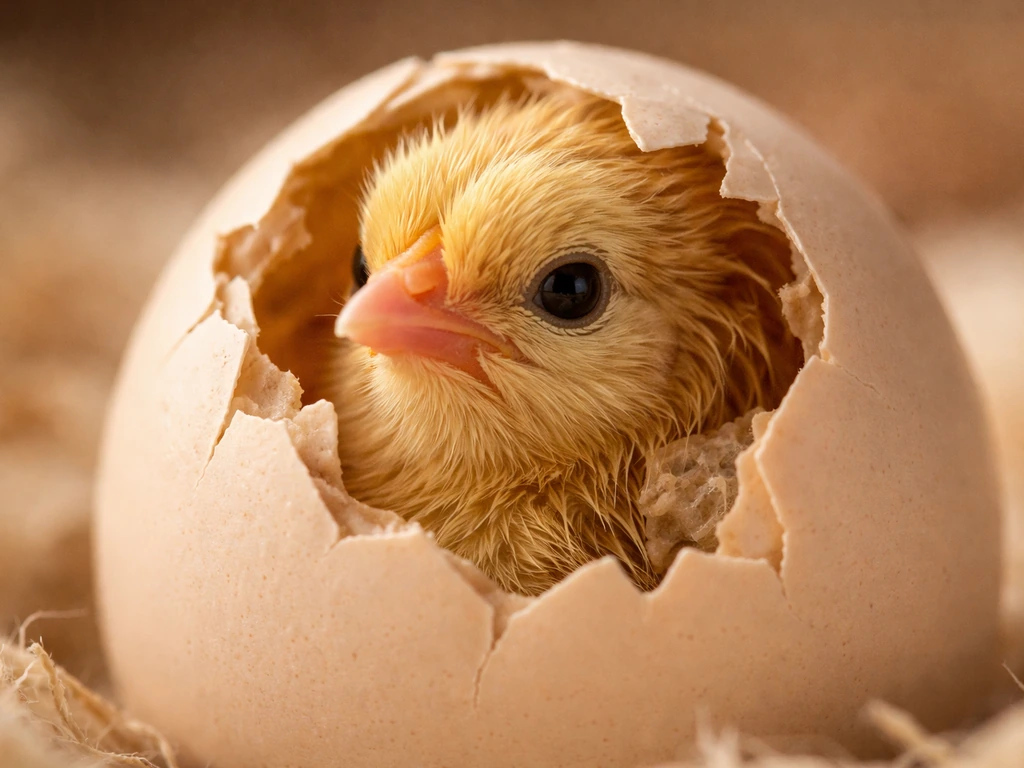
Finding a bird egg almost universally symbolizes new beginnings, untapped potential, and something fragile that is about to emerge. Whether you came across it in a nest, on the ground, or in an unexpected spot, the core symbolic reading is the same: something is forming, something hasn't hatched yet, and you're being reminded that beginnings are delicate. Finding a shell, on the other hand, flips that meaning toward completion, closure, and the idea that something has already broken through. The context, condition, and setting all matter for pinning down the most fitting interpretation.
Finding a Bird Egg Meaning and What a Shell Means

Marcus Winters
19 Jun 2026

Quick meaning: what finding a bird egg usually symbolizes
Across dream dictionaries, folklore, and everyday symbolic language, a bird egg carries a tightly consistent cluster of meanings. It represents potential that hasn't been realized yet, a project or relationship in its earliest, most vulnerable stage, and the promise of growth if things are handled carefully. In omen-style interpretations, spotting an intact egg in a favorable state is read as a positive sign, blank" rel="noopener noreferrer">often tied to coming success, a new creative direction, or an opportunity that hasn't fully revealed itself. Egg bound bird meaning is often interpreted as a sign of something delayed or stuck, especially when the bird is unable to hatch.
The fragility angle is just as important as the promise angle. Contemporary interpretive frameworks sometimes frame bird eggs as a symbol of responsibilities or areas of life that need careful attention right now, not just a vague 'good things coming' message. The egg is something you could crush if you're careless, and that's part of what the symbol is communicating: whatever is beginning in your life needs protection and intention, not rushing.
- New beginnings and the start of a cycle
- Hidden or undiscovered potential and talent
- Fragile opportunities that require care
- Fertility, creativity, and generative energy
- Something is about to 'hatch,' whether a plan, relationship, or phase of life
Egg vs eggshell: how the interpretation changes
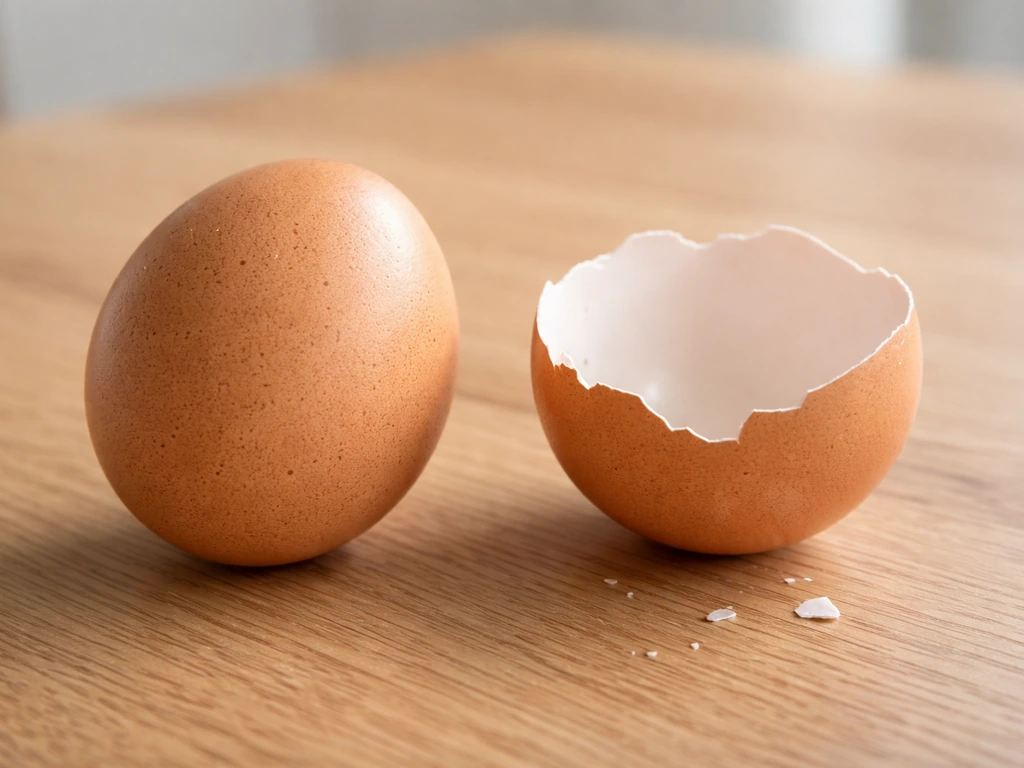
This is the most important distinction to make before you start assigning meaning. A whole, intact egg and an empty shell are not the same symbol. They sit at opposite ends of the same cycle, and conflating them leads to a completely different reading of your experience.
A whole egg points forward. It suggests something is still forming, something hasn't emerged yet, and the potential is still contained and protected. It's the 'before' symbol: anticipation, patience, and the quiet energy of something about to begin.
An eggshell points backward, or more precisely, to completion. It means the emergence already happened. Something broke through. In symbolic terms, this can read as closure after a long wait, rebirth following an ending, or evidence that a cycle completed itself even if you weren't around to witness it.
Finding a shell can also carry a slightly bittersweet note, like arriving after the fact, finding remnants of something you missed. If the shell is cracked unevenly or appears damaged rather than cleanly hatched, some interpretive traditions lean toward reading it as a sign of disruption, a near-miss, or a warning that something didn't go according to plan. The sibling topic of finding a broken bird egg meaning explores that specific angle in more detail.
| What you found | Core symbolic meaning | Emotional tone |
|---|---|---|
| Intact whole egg | Potential, new beginnings, something forming | Anticipation, promise, gentle caution |
| Empty clean shell (hatched) | Completed cycle, emergence, rebirth | Resolution, accomplishment, moving forward |
| Cracked or broken egg | Disruption, warning, something cut short | Caution, loss, or near-miss energy |
| Shell fragments scattered | Remnants of a past cycle, hints of what was | Reflection, nostalgia, or closure |
Literal explanation vs symbolism: what you might actually be seeing
Before diving deeper into the symbolic layer, it's worth grounding the experience in what's literally happening, because the two readings don't have to contradict each other. Knowing the biology actually sharpens the symbolism rather than flattening it.
Birds lay eggs that aren't always fertile. A lone egg on the ground may be an infertile 'wind egg,' something that was never going to hatch regardless of circumstances. That parallels the symbolic reading of unrealized potential, something that looked like a beginning but wasn't viable. An egg found far from any nest, with no nest in sight, was most likely either dropped by a predator, knocked from a nest by wind or another bird, or abandoned because the parent sensed it wasn't viable. Eggs on the ground are generally unlikely to hatch even if returned to a nest, so the literal situation doesn't usually call for intervention.
An empty shell on the ground under a tree in spring is almost always the remnant of a successful hatch. Parent birds often carry shells away from the nest to avoid attracting predators, so finding one nearby is genuinely a sign that a bird made it out. That real-world fact lines up neatly with the symbolic reading of completion and emergence. If the theme you are exploring is specifically hatch bird meaning, an empty shell like this often points to completion after the long wait for emergence. It's one of those moments where literal reality and symbolic meaning are actually telling the same story.
Context check: the details that actually shape the meaning
Symbol readings aren't one-size-fits-all. The same egg means something different depending on where you found it, what time of year it is, what condition it was in, and what was happening in your life when you came across it. Here's how to think through each variable.
Location
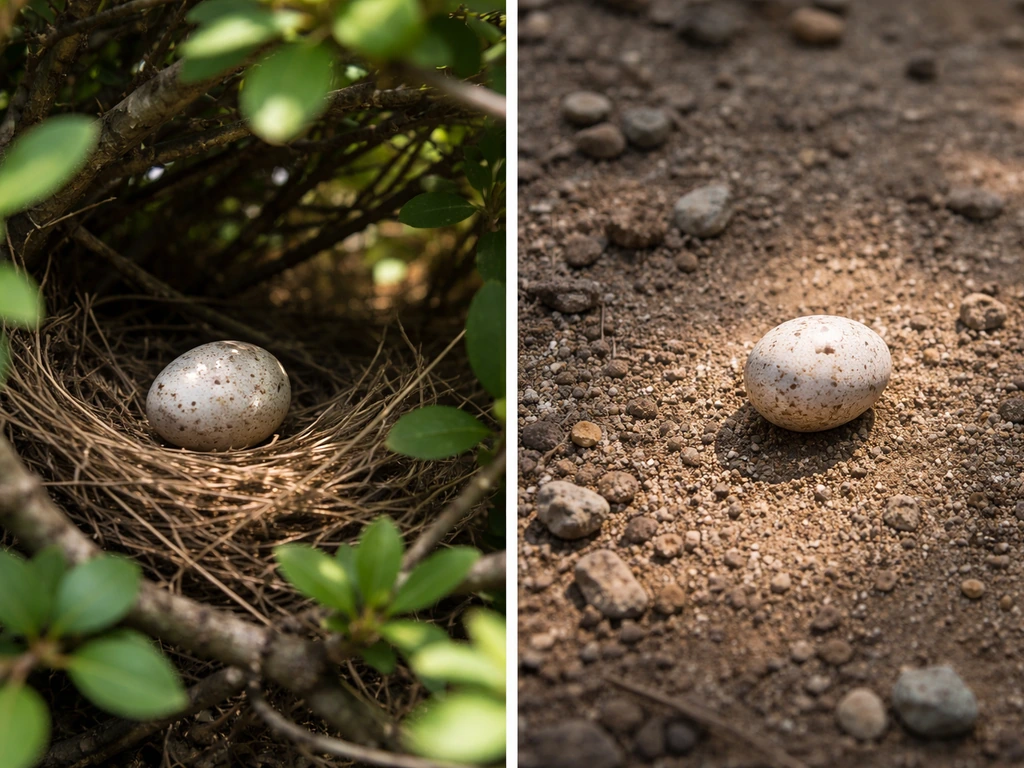
An egg found in an active nest up in a tree or tucked into a shrub carries the fullest version of the 'new beginning' meaning. It's protected, it's in the right place, and something is genuinely being nurtured. An egg found on the ground, especially alone and far from any obvious nest, shifts the reading toward something more fragile or misplaced, potential that lost its footing, or an opportunity that fell before it had a chance to develop. Finding one near your doorstep or in an unexpected personal space often gets the strongest symbolic weight in omen-based traditions.
Timing and season
Spring and early summer are peak nesting season for most birds in the Northern Hemisphere, so finding an egg during this window is entirely expected and the literal context is straightforward. Finding one outside nesting season carries a more unusual quality, which is why some folklore traditions treat off-season discoveries as more noteworthy omens. The timing in your own life matters too: if you're at a personal turning point, a new job, a relationship shift, a creative project taking shape, the egg-as-new-beginning reading tends to land with more resonance.
Condition and color
Intact and uncracked reads as positive, potential still intact. Cracked or broken without a clean hatch pattern reads as disrupted or cut short. Some traditions also assign meaning to egg color: blue eggs (like those of robins) carry associations with trust, calm, and clarity, while speckled or darker eggs sometimes get tied to mystery or hidden knowledge. These color associations are loose and culturally variable, but they're worth noting if the color of what you found struck you as significant.
Bird and egg symbolism across folklore and spiritual traditions
Eggs appear as symbols of new life across an enormous range of cultures, and that consistency is part of why the symbol lands so reliably. In Christian tradition, the egg is closely tied to blank" rel="noopener noreferrer">new life and resurrection, most visibly in Easter iconography where the hatching egg maps directly onto rebirth after an ending. That symbolic framework spread widely through European culture and shaped a lot of how Western folklore reads eggs in general.
In many world mythologies, the 'cosmic egg' or 'world egg' is a creation symbol: the universe itself hatching from an egg, with everything that exists emerging from that original breaking-open. Traditions from Hindu cosmology to Finnish mythology to ancient Orphic texts in Greece use this image. When you scale that down to a single bird egg found on a walk, you're inheriting a very long symbolic tradition about emergence, creation, and what comes before life begins.
Birds themselves carry symbolic weight that layers on top of the egg meaning. Birds have long served as messengers, omens, and spiritual intermediaries across cultures, from ravens in Norse tradition to doves in Abrahamic religions to the heron in East Asian symbolism. The species of bird whose egg you found can add another layer: a robin's egg suggests renewal and optimism in many folk readings, a crow or raven egg might lean toward mystery or transformation, and so on. The empty bird nest meaning connects closely here too, since the nest is the container that gives the egg its home and context.
One folkloric egg concept worth knowing is the 'cuckoo's egg' metaphor, which refers to something foreign or deceptive slipped into a place where it doesn't belong. It comes from the real behavior of cuckoos, which lay their eggs in other birds' nests for the hosts to raise. If the egg you found seems conspicuously out of place or mismatched with its surroundings, that's a folk reading that's been in circulation for a long time.
Practical next steps: safety, ethics, and what to do now
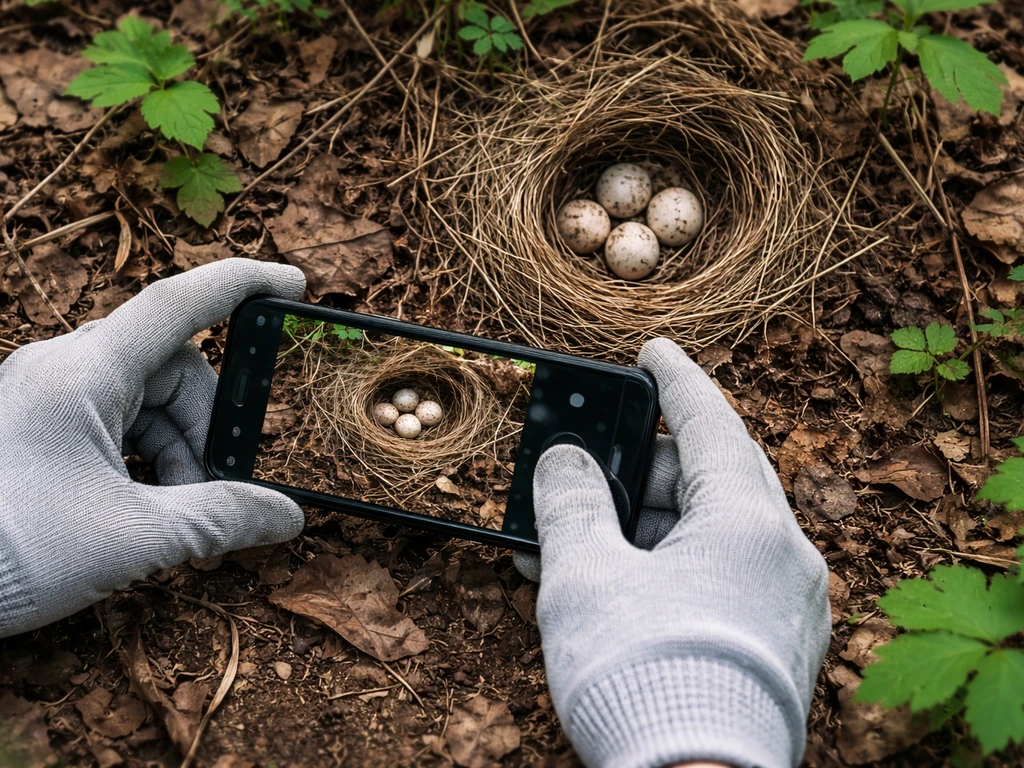
If you've found a real bird egg, the symbolic meaning is one thing, but the practical reality comes first. Here's what you actually need to know.
In the United States, migratory birds and their nests, eggs, and even feathers are protected under the Migratory Bird Treaty Act. Possessing or disturbing a migratory bird's egg or nest without a permit is a federal violation, even if your intentions are good. This covers the vast majority of wild bird species you're likely to encounter. The same legal protections apply broadly across North America for native bird species.
- Don't handle the egg. The old myth that touching an egg causes the parents to abandon it isn't exactly accurate, but handling still increases disturbance risk and can attract predators through your scent trail and activity near the nest.
- Keep kids and pets away from the area, especially if there's an active nest nearby. Your presence near a nest stresses the parents and can disrupt incubation.
- Don't attempt to return an egg to a nest yourself. Eggs on the ground are generally unlikely to hatch even if replaced, and climbing to a nest or disturbing the nesting site creates more harm than good.
- If you find an egg that appears abandoned or if a chick seems injured or in danger, contact a licensed wildlife rehabilitator rather than attempting to handle or incubate it yourself.
- If it's clearly just an empty shell (halved cleanly, no content), you can observe it but avoid collecting it, as shell possession can still fall under wildlife regulations depending on the species.
- Note the location quietly and move on with minimal disturbance, especially during active nesting season (typically March through July in most of North America).
The most common situation, finding an egg or shell on the ground under a tree in spring, doesn't require action. It's a natural part of the nesting cycle. Eggs sometimes fall, shells get carried, and not every discovery signals a problem. Taking a moment to observe it from a distance, appreciate the symbolism if that resonates with you, and then walking away is genuinely the right call both ethically and practically.
If you're drawn to this topic from a more spiritual or interpretive angle, the meaning is yours to work with once you've checked the practical boxes. The egg-as-new-beginning reading is one of the oldest and most cross-cultural symbols we have. Robert Frost famously wrote about an oven bird, and its meaning often points to themes of careful observation and seasonal change. There's real depth there, as long as the bird you're symbolically borrowing from is left undisturbed in the process.
FAQ
If I find a bird egg that feels both like a “new beginning” and like a “warning,” how do I reconcile that?
Yes. You can hold both ideas at once by separating what the egg represents symbolically (a cycle in progress) from what the literal situation suggests (fertility, fall, predation, or abandonment). For example, an intact egg on the ground often reads as “potential that may not be viable,” which fits the “before” meaning but with a more cautious tone than an egg safely in a nest.
How reliable is egg color in determining the finding a bird egg meaning?
Color symbolism is secondary. If the egg is dirty, cracked, or clearly not from a nest nearby, the physical condition and location usually matter more than whether it looks blue, speckled, or otherwise. Treat color as a personal-emotional cue rather than a definitive key, especially because many species lay similarly colored eggs.
What should I look for to tell whether an eggshell means completion versus disruption?
Look for the “clean hatch” pattern. An eggshell that appears freshly broken in a way consistent with emerging typically aligns with completion, while an egg that’s crushed, smeared, or irregularly shattered can indicate disruption, impact, or predation. When the break looks uneven and the surrounding area looks disturbed, prioritize safety and avoid touching.
Should I move an egg or try to return it to a nest to match the symbolic meaning?
Generally, no. In most cases, touching an egg or trying to “relocate it” is unlikely to restore a viable hatch, and it can also create safety and legal issues if the bird is protected. A better next step is to observe from a distance and, if you believe a nest is actively at risk (like imminent destruction), contact a local wildlife rehabilitator or relevant agency for guidance.
What does finding a bird egg meaning outside nesting season usually indicate?
Time of year is one of the strongest modifiers. Off-season finds can feel like a stronger omen in folklore, but biologically it may indicate unusual circumstances, like an early hatch, late nesting, or disturbance. If you found the egg outside peak season, treat the symbolism as “something unusual is happening,” then check whether the literal setting suggests a real nesting event.
Can the same symbol point to both closure and new beginnings, and how would I know which one is primary?
Yes, but it depends on whether you’re reading “shell on ground” as remnants or “intact egg in a nest” as ongoing development. If you focus on completion (shell), a delayed or missing hatch can mirror closure, but if you focus on fragile beginnings (intact), it can mirror protection and patience. Decide which stage you are seeing first, then let the rest of the context support it.
If I can’t identify the bird species, how should I interpret the finding a bird egg meaning?
Species can matter for layering, but you don’t need perfect identification. If you can’t confidently tell the bird, avoid overly specific conclusions. Use general themes (renewal, mystery, transformation) only as “likely emotional flavors,” and let location (nest versus ground) and condition (intact versus clean hatch) carry the main weight.
What’s the safest way to respond when I find an egg that seems abandoned?
If the egg is intact, still in or near a nest, and appears unattended briefly, the ethical approach is to give it space and monitor quietly rather than intervening. If you notice a nest being destroyed or an egg left exposed to weather, contacting wildlife experts is the most responsible route. Don’t assume that “helping” aligns with best outcomes for birds.
What practical steps should I take if I want to keep the moment respectful and legal?
In most ordinary “found on a walk” situations, no. For protected wild birds, disturbing or possessing migratory bird eggs or nests without authorization can be illegal, even with good intentions. A practical rule is: do not pick it up, do not move it, and take photos only if you can do so without lingering near the nest.
Next Article
Hatch Bird Meaning: Literal, Slang, and Symbolic Interpretations
Understand hatch bird meaning: literal chick, slang for new beginnings, plus symbolism and how to spot context.