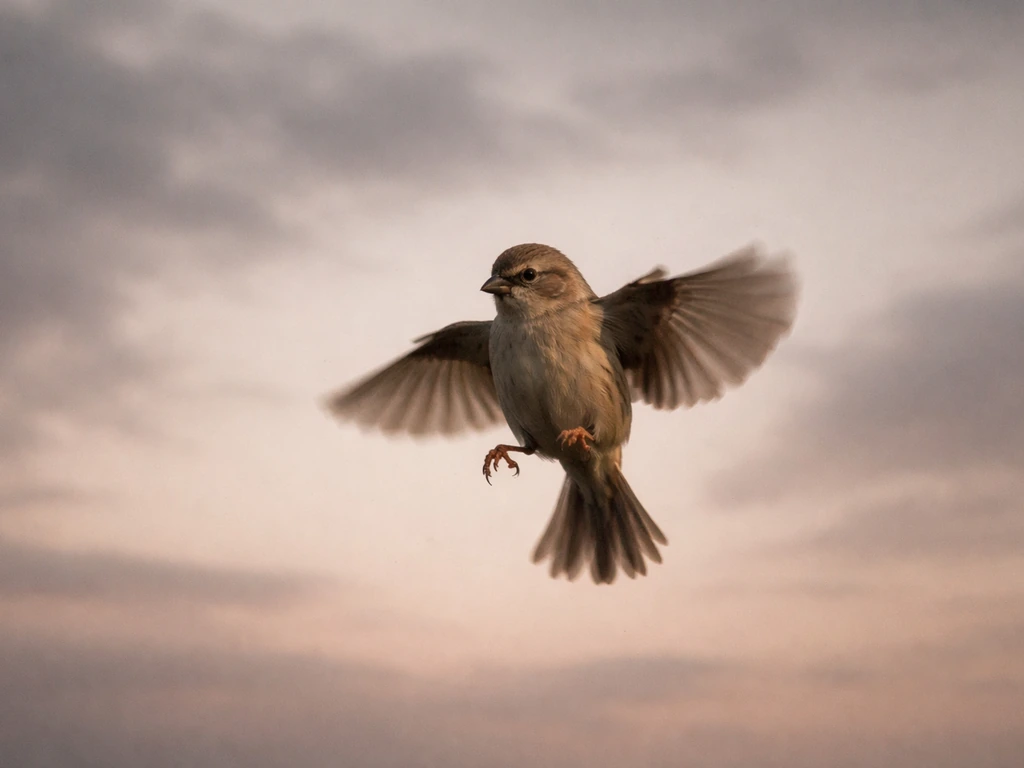
A broken-winged bird means two very different things depending on why you're searching. If you want the deeper context, the winged bird meaning often blends symbolism with the idea of being unable to move forward. Figuratively, it's one of the most powerful images in the English language for a life, person, or dream that's been grounded, unable to reach its potential. Literally, it describes a bird that cannot fly due to injury, and if you've just found one, you need to act quickly and carefully. This article covers both layers: what the phrase means in poetry, symbolism, and spiritual tradition, and exactly what to do if you're standing over a real injured bird right now.
Broken Winged Bird Meaning: Symbolic, Spiritual, and What to Do

Marcus Winters
15 Jun 2026
The literal meaning: what a broken wing actually looks like
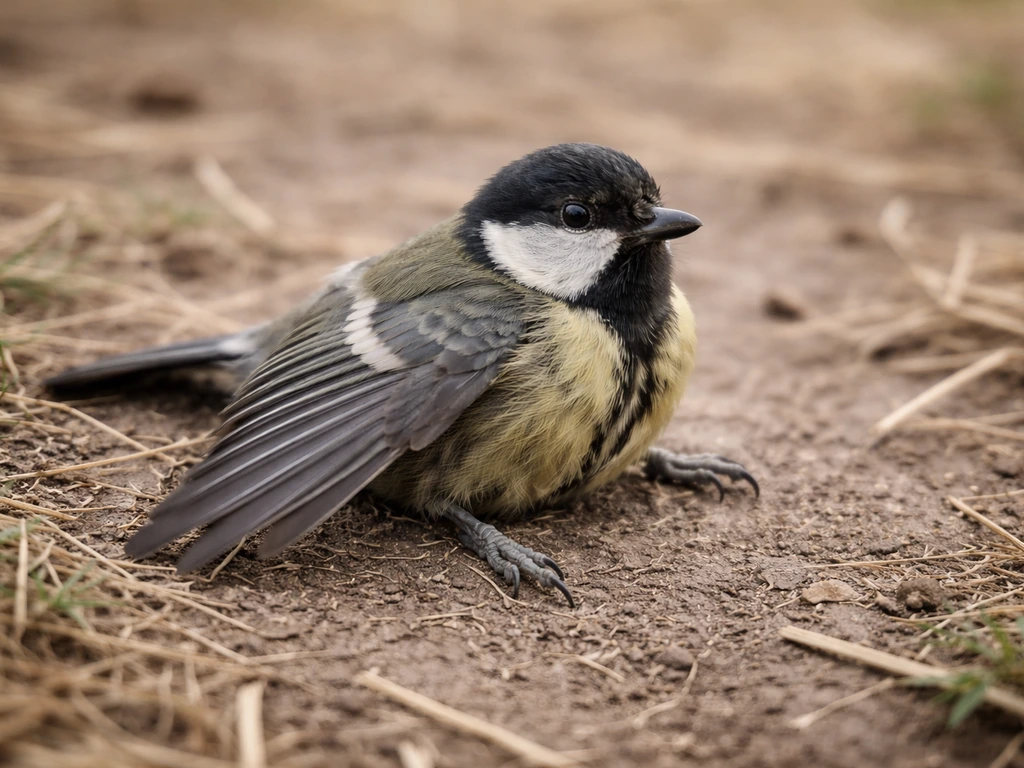
A bird with a broken wing is physically unable to fly. You might see it on the ground with one wing hanging lower than the other, flapping unevenly, or simply sitting still when it would normally flee. Tufts Wildlife Clinic points out that a drooping wing, obvious lameness, or inability to stand are clear injury signals that need professional attention, not a wait-and-see approach. Common causes include window and vehicle collisions, cat attacks, and predator strikes. Cat bites deserve special urgency: The Wildlife Trusts notes that birds bitten by cats face serious risk of septicemia (blood poisoning) and are likely to die without antibiotic treatment, even if they look like they might recover on their own.
Here's one thing that genuinely surprises people: not every bird that looks like it has a broken wing actually does. Some species, most famously the killdeer, perform what's called a broken-wing display. They drag one wing along the ground and stagger convincingly to draw predators away from a nearby nest. The American Bird Conservancy describes the killdeer's distraction display as one of the most effective nest-defense behaviors in the bird world. Audubon has covered this phenomenon too, noting that what looks like a real fracture can be pure theater. So before assuming rescue is needed, observe the bird for a moment: if it's moving purposefully and seems to be leading you in a direction, it may be putting on a performance, not suffering.
The figurative meaning: dreams grounded, spirits clipped
In speech and literature, a broken-winged bird stands for anything or anyone prevented from functioning, thriving, or moving forward as they should. The image works because birds are so universally associated with freedom and aspiration. Take that freedom away and you have one of the most immediate symbols of loss imaginable.
The most cited example is Langston Hughes's poem "Dreams," where he writes that life without dreams is "a broken-winged bird / That cannot fly." It's a deceptively simple two-line image, but it carries enormous weight. Hughes wasn't just talking about dreams in the abstract. He was writing about a whole community's hopes being clipped by circumstance. The broken wing here isn't accidental injury; it's the condition of being held back from what you were made to do. That's why the phrase still gets used today to describe people recovering from personal setbacks, careers stalled by systemic barriers, or relationships damaged to the point of dysfunction.
In everyday idiom, calling someone a "broken-winged bird" almost always signals vulnerability and a need for care or compassion. Sore like a bird meaning is about how the phrase can reflect vulnerability, emotional pain, and the need for care. It can describe someone who's been hurt emotionally, someone whose potential has been limited by outside forces, or someone in a fragile recovery period. It's closely related to the idea of a wounded bird (a sibling concept worth exploring on its own), though "broken-winged" specifically emphasizes the loss of the ability to move forward or rise, not just the pain of the wound itself. A wounded bird meaning can vary by context, but it often points to vulnerability, interruption, and the need for protection.
Symbolism across cultures and folklore
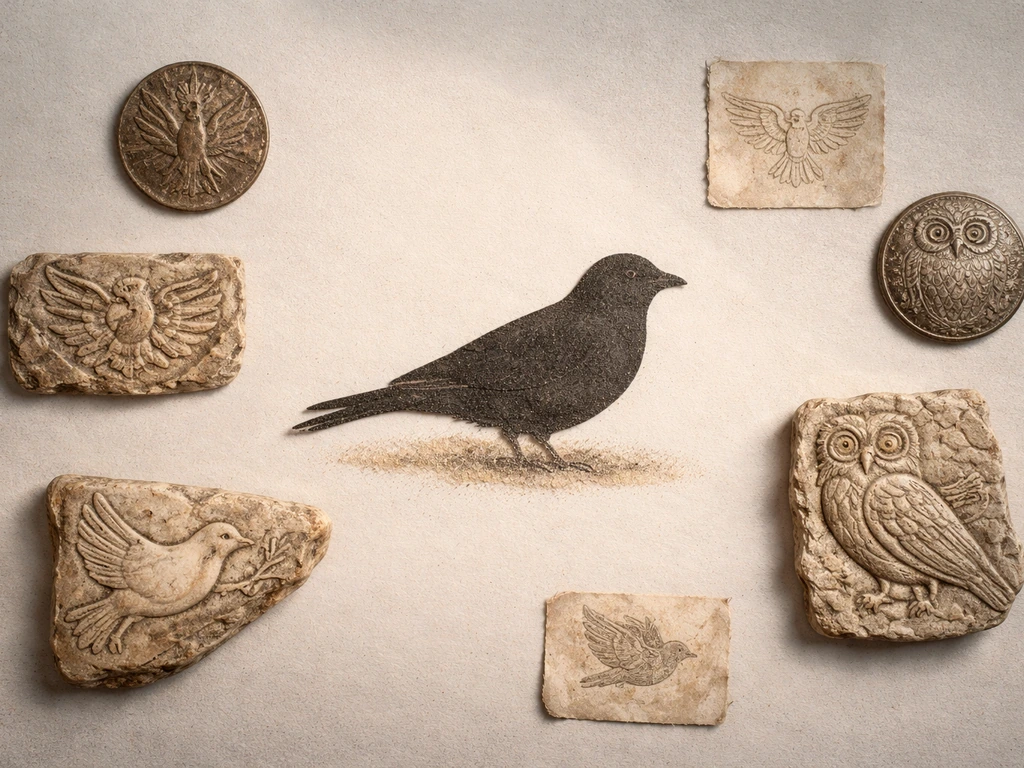
Birds have carried symbolic weight in human culture for thousands of years, and an impaired or grounded bird picks up layers of meaning from that long history. In many traditions, a bird in full flight represents the soul, freedom, divine connection, or aspiration. A bird on the wing is wholeness; a bird that cannot fly becomes the shadow version of that symbol. In contrast, the bird on the wing meaning focuses on wholeness, freedom, and aspiration. This is why a broken wing in folklore tends to signal interrupted journeys, thwarted ambitions, or a moment of crisis before a turning point.
Ancient cultures including the Greeks and Romans read omens from bird behavior through a practice called ornithomancy. A bird behaving abnormally, including appearing injured or grounded, could be interpreted as a message from the divine realm. While no single universal meaning was attached to an injured bird across all traditions, the appearance of a struggling bird at a significant moment was rarely dismissed as coincidence. It was noticed, interpreted, and discussed. That instinct, to read meaning into a bird's condition, is deeply human and still shows up in modern spiritual frameworks.
The broken wing also carries a clear narrative arc in folklore: it implies a before (the bird in flight) and an after (grounded), which makes it a natural symbol for loss, transition, and the hope of restoration. Stories featuring injured birds that are nursed back to health appear across many cultures as parables about compassion, patience, and second chances. The act of healing a broken-winged bird becomes as symbolically loaded as the injury itself.
Spiritual and omen interpretations
If you find a broken-winged bird and you're inclined to read spiritual meaning into the encounter, you're in good company historically. Many people in spiritual communities interpret finding an injured bird as a prompt to examine what in their own life feels grounded or unable to move forward. If you're really trying to figure out the finding a bird wing meaning connection, focus on the context of the encounter and the emotional message you take from it. It's less about the bird sending a specific message and more about the encounter acting as a mirror.
Common spiritual themes attached to the broken-winged bird include:
- A call to slow down and pay attention to something in your life that's been neglected or damaged
- An invitation to practice compassion, both toward others and yourself
- A symbol of resilience, since injured birds that recover represent the possibility of returning to full capacity after a setback
- A reminder of fragility and the value of protecting what matters before it's harmed
- In some traditions, a sign of transition or a turning point, especially if the encounter feels unusually significant
It's worth being careful about overclaiming here. No single tradition assigns one fixed omen meaning to a broken-winged bird the way that, say, a specific bird species carries consistent symbolism in certain cultures. The meaning tends to be personal and contextual. What most spiritual frameworks agree on is that the encounter carries weight and deserves reflection, not dismissal. If you're also drawn to the symbolism of finding a bird wing on its own, or a falling bird, those carry overlapping but distinct meanings worth exploring separately. A falling bird can point to a different kind of symbolism than a broken-winged bird, so it helps to compare meanings side by side falling bird meaning.
What to do if you actually find a broken-winged bird
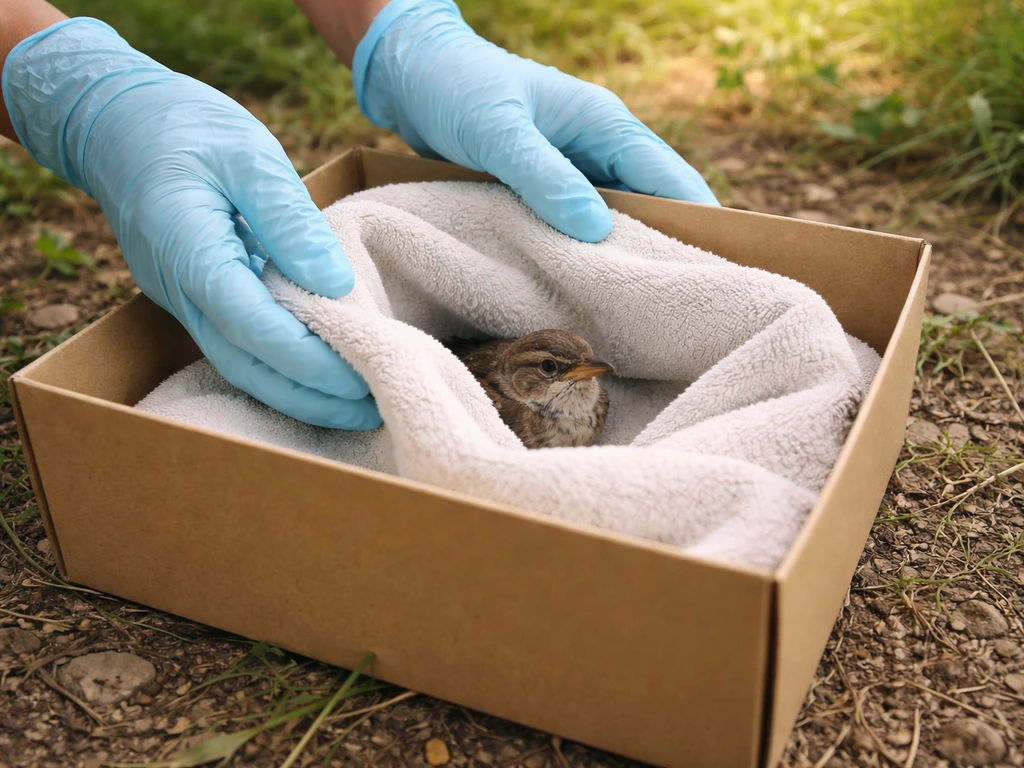
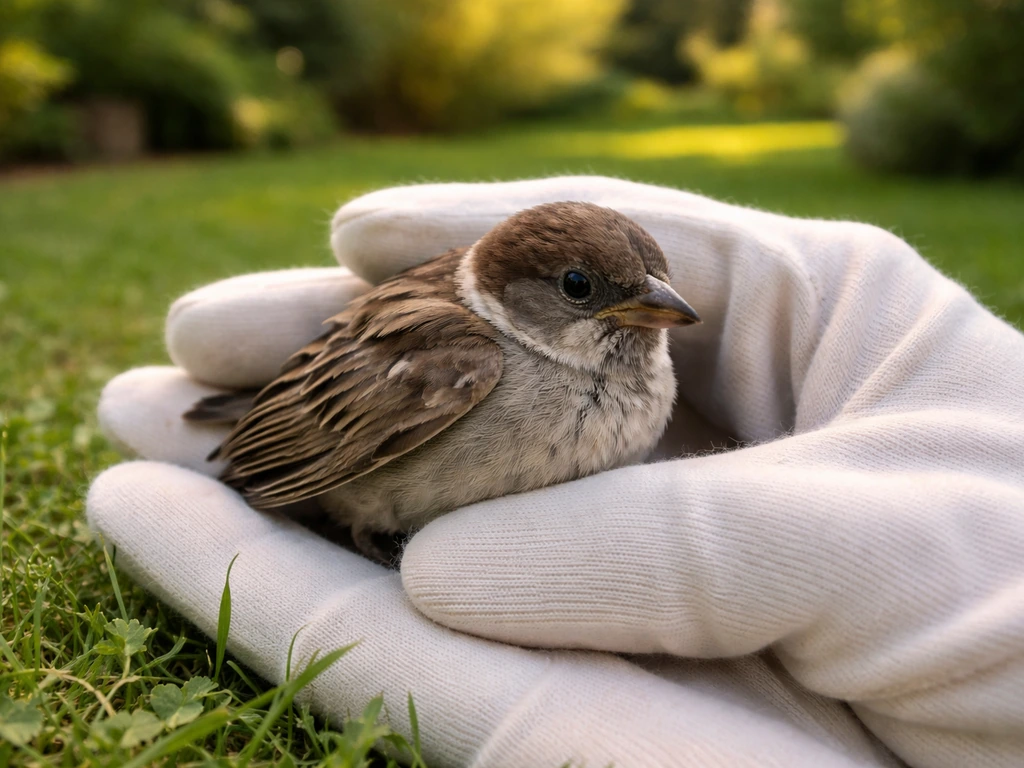
If you've found a bird that genuinely can't fly, here's what to do right now. The goal is to keep the bird calm and safe while you arrange professional help. Do not attempt to splint the wing yourself, feed the bird, or give it water. The U.S. Fish and Wildlife Service explicitly advises against giving food or water to injured wildlife, as it can cause further harm.
First, confirm this is a real injury and not injury-feigning behavior. A truly injured bird will not be moving with apparent purpose; it will look distressed, uncoordinated, or completely still. If the bird is a ground-nesting species like a killdeer and there are nests nearby, observe for a minute before intervening.
Once you're confident the bird needs help, here's your step-by-step:
- Put on gloves if you have them. Even small birds can scratch, and cats may have already injured the bird (meaning bacterial contamination is possible).
- Gently place the bird in a well-ventilated container. An unwaxed paper bag, a cardboard box with air holes, or a cloth tote works well. The NYC Bird Alliance recommends keeping the bird from seeing out, which helps it stay calm.
- Close or fold the container and place it somewhere warm, dark, and quiet. Do not put it in direct sunlight or near heat sources.
- Do not give food or water. This is one of the most common mistakes and can seriously harm the bird.
- Contact a permitted wildlife rehabilitator immediately. In the U.S., you can search for one through the National Wildlife Rehabilitators Association or your state's fish and wildlife agency. In the UK, the RSPCA can help arrange assistance.
- Transport the bird to the rehabilitator as soon as possible, keeping the container covered and the car quiet. Minimize handling throughout.
If the bird has been in a cat's mouth, treat this as a medical emergency even if there are no visible wounds. Internal injuries from bites and the risk of infection mean hours matter. Get it to a rehabilitator the same day.
When to call a professional and the legal basics
In the United States, most wild birds are protected under the Migratory Bird Treaty Act, which is administered by the U.S. Fish and Wildlife Service. Federal regulations (50 CFR 21) govern the taking, possession, and transportation of migratory birds. What this means practically is that keeping a wild bird at home for care, even with good intentions, is illegal without a federal permit. You are not licensed to provide the medical treatment these birds need anyway, so home care isn't just illegal; it's also genuinely less effective.
There is a legal exception built in for exactly this situation: the U.S. allows members of the public to take temporary possession of an injured migratory bird for the sole purpose of transporting it to a licensed rehabilitator. You're not in legal trouble for picking up the bird and driving it to help. You are in a gray area if you decide to keep it and attempt treatment yourself.
| Action | Allowed? | Why it matters |
|---|---|---|
| Picking up the bird to transport it to a rehabilitator | Yes (legal under Good Samaritan exception) | You're covered for immediate transport only |
| Keeping the bird at home for care | No (illegal without a federal permit) | Violates the Migratory Bird Treaty Act |
| Giving food or water | Not recommended | Can cause aspiration, organ stress, or further injury |
| Attempting to splint or treat the wing yourself | Not recommended | Requires training and proper equipment; likely to worsen injury |
| Contacting a licensed wildlife rehabilitator | Yes, and strongly encouraged | They have the legal permits and medical training to help |
If you're outside the U.S., the RSPCA in the UK and equivalent wildlife agencies in other countries have their own frameworks, but the advice is consistent worldwide: get the bird to a professional as quickly as possible, keep it calm and contained in the meantime, and don't attempt home treatment. A broken wing requires professional assessment whether you're reading this for its symbolic meaning or because there's a bird sitting on your lawn right now.
FAQ
How can I tell whether a “broken-winged bird” is truly hurt or doing a distraction display?
In that case, the most likely explanation is an injury, but it can also be distraction behavior or normal ground activity. Watch for purposeful movement (walking toward or away from a nest), normal breathing and alertness, and any pattern suggesting an attempt to lead you away. If the bird cannot stand, is repeatedly tipping over, or shows drooping or dragging that looks uncoordinated, treat it as a true injury and contact a wildlife rehabilitator.
What’s the safest way to contain and transport an injured bird I found at home?
Keep it off the ground only long enough to transport it safely. Use a secure box or carrier with ventilation (cardboard or a small pet carrier works), add a soft lining so it can’t slide, and avoid handling the wing. If you need to approach, move slowly, reduce noise, and cover the carrier slightly to help it stay calm.
Can I feed or give water to a broken-winged bird to help it recover?
Do not give water, food, or supplements. Even if the bird seems responsive, feeding can worsen injury and aspiration risk, and fluids can complicate medical assessment. The article’s guidance aligns with wildlife agencies, which recommend focusing on calm containment and getting professional care quickly.
What if the bird was likely hit by a car or window, but it seems partly mobile?
A car or window collision is common, and the bird can appear able to move while still having internal injuries. If the bird was hit or there are signs like disorientation, bleeding, or inability to fly, treat it as urgent and call for same-day help, especially if you notice repeated flopping, trouble breathing, or weakness.
Why is a bird bite from a cat considered more urgent than other injuries?
Cats are a special case because bite wounds can lead to rapid infection, sometimes even when external injuries look minor. If you know the bird was in a cat’s mouth, treat it as a medical emergency and get it to a rehabilitator the same day, then prioritize quick transport over attempts to “wait and see.”
What should I do if I’m outside the United States and I find a bird with an injured wing?
If you are outside the US, the same practical principle applies: contact the nearest wildlife rescuer, wildlife rehabilitation service, or animal welfare agency. Different countries handle permits differently, but the consistent medical recommendation is not home treatment, because birds need species-specific assessment, temperature control, and trained handling.
Is it okay to splint or wrap the wing so the bird can heal on its own?
Do not attempt to splint the wing, even if it looks “simple.” Improper immobilization can damage tissues further, reduce circulation, and interfere with a bird’s natural protective movement. Instead, keep the bird calm, limit motion, and arrange a professional evaluation.
Should I wait before helping if the bird seems to be on the ground near a nest?
If there are nearby nests or the bird is a ground-nesting species, pause briefly to check whether other adults are present and whether the bird’s behavior looks like nest defense. However, if it is unable to coordinate movement or cannot stand, that pause should not become a long delay. The safest approach is short observation, then professional contact.
If I want the “broken winged bird meaning” spiritually, how do I avoid making it too literal?
For symbolism, you can use context to avoid overclaiming. Ask what aspect of your life currently feels “grounded” (a job plan, a relationship, health goals) and whether the timing of the encounter matches a moment of frustration or transition. Treat the meaning as a prompt for reflection, not a guaranteed prediction or a one-to-one omen.
How does “broken winged bird meaning” differ from the meaning of a “bird on the wing”?
A bird on the wing (fully mobile) often emphasizes wholeness, aspiration, or alignment, while a broken-winged bird emphasizes interruption, constraint, or a need for support. If you’re comparing symbols, track whether you’re reading the image as a call to action (seek help, make changes) or as a commentary on limitations (process setbacks, rebuild).
What practical steps can I take if I don’t want a spiritual interpretation, but I still want to respond well?
Yes. Even if you decide not to interpret it spiritually, the encounter can still be a practical cue to take care of something fragile, such as reaching out for help, adjusting plans that are stalled, or creating a safer environment for others. The symbolic value is useful when it translates into concrete, compassionate next steps.
Next Article
Falling Bird Meaning: Literal, Spiritual, Dream, and What to Do
Interpret falling bird meaning in real life, dreams, and spirituality, plus a safety checklist for what to do next.