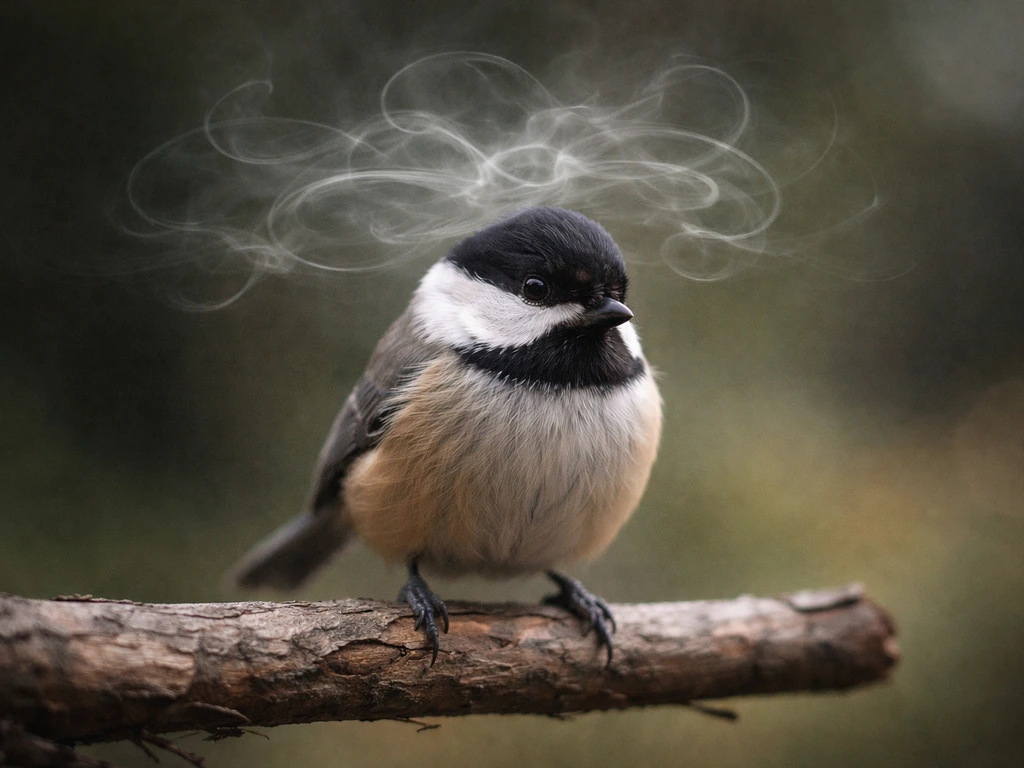
When someone says 'sorrow bird' or 'bird of sorrow,' they are almost always using it as a figurative expression for grief, loss, mourning, or a lingering emotional weight, not naming an actual bird species. Think of it the way you would 'albatross around my neck,' a poetic shorthand for something dark and heavy that follows a person around. The exact shade of meaning, whether it signals personal heartbreak, a bad omen, a mythic creature, or a lyric from a specific song, depends almost entirely on the context in which you found it. If you’re trying to understand the lost bird meaning, use the same approach: look at the surrounding context to see whether it’s meant as a grief metaphor, an omen, or a specific literary reference.
Sorrow Bird Meaning: What Bird of Sorrow Usually Implies

Marcus Winters
31 May 2026
Literal vs. Figurative: What's Actually Going On Here
There is no single bird species that ornithologists call a 'sorrow bird.' No field guide lists it. When you strip the phrase down to its literal parts, you get a bird + an emotion, which is a classic poetic construction. Languages and folk traditions have always attached human feelings to animals, and birds in particular carry enormous symbolic weight because of their ability to fly, sing, and appear or disappear in ways that feel meaningful to us.
Figuratively, 'bird of sorrow' functions as a metaphor for something that embodies or delivers grief. In Glen Hansard's song 'Bird of Sorrow' on his album Rhythm and Repose, the lyric 'tethered to a bird of sorrow' makes this crystal clear: the speaker isn't describing an animal, they're describing a psychological state, being bound to inner distress the way you might be chained to something you can't shake. The surrounding imagery, kneeling in the dark, praying for a spark, self-deceiving, leaves no doubt that the bird is a stand-in for emotional suffering.
The one exception worth knowing: 'sorrow bird' can also be the name of a specific fictional entity in a particular work. The YA novel Sorrow Bird by Angelina Lau uses it as an in-universe concept with its own rules and dangers. In that case the phrase is still figurative in origin, but it's been promoted to a proper noun within that story's world. Context tells you which one you're dealing with.
What Emotions and Symbolism It Usually Points To
The core emotional register of 'sorrow bird' sits at the intersection of grief, loss, mourning, and regret. Sorrow itself, by dictionary definition, is mental suffering caused by loss, disappointment, or misfortune, and when you attach it to a bird, you get something that moves, that arrives uninvited, that perches and watches, and that signals something painful is either happening or coming. That's the symbolic power of the construction.
In poetry and songwriting, the phrase often carries an additional omen-like quality, as if the bird doesn't just represent sorrow but actively brings it or announces it. A Bandcamp track using the lyric 'Oh, bird of sorrow' alongside 'oh bird of woe' leans into this interpretive layer, treating the bird as something being addressed, almost pleaded with, the way you might speak to fate itself. That's a meaningful distinction: sometimes the sorrow bird is what you are (you carry grief), and sometimes it's what finds you (grief arrives like a bird landing on your shoulder).
Cultural and Folklore Connections (and Why They Differ)
Different traditions attach the concept of a 'sorrow bird' to entirely different animals and stories. There is no single universal answer, and that's actually what makes the phrase so durable: it's flexible enough to map onto whichever bird a given culture has decided is unlucky, sorrowful, or spiritually charged.
The Magpie and 'One for Sorrow'
In British and broader European folk tradition, the magpie is the bird most directly associated with sorrow, thanks to the counting rhyme 'One for Sorrow, Two for Joy.' Seeing a single magpie is considered a bad omen, and the rhyme itself is rooted in ornithomancy, the practice of reading bird behavior as omens. In the nursery-rhyme tradition “One for Sorrow, Two for Joy,” magpies are counted as omens, with a single magpie treated as ill luck One for Sorrow, Two for Joy nursery-rhyme omen-magpie counting. The Sussex Wildlife Trust and similar folklore sources trace the rhyme's structure back to centuries-old superstition. So if someone raised in that tradition says 'sorrow bird,' they might unconsciously have a magpie in mind, even if they never say so explicitly.
The Alkonost in Slavic Mythology
In Slavic and Eastern European folklore, there's a mythic creature called the Alkonost, described in some sources as a 'bird of sorrow, melancholy, and divine providence. One study-note style compilation describes the Slavic mythic bird Alkonost as a "Bird of sorrow, melancholy, and divine providence.". ' It's typically depicted as a bird with a human face and is associated with fate and lamentation. If you're reading about Eastern European mythology or decorative folk art and encounter 'bird of sorrow,' this is likely the reference, though the Alkonost is a specific named entity with its own lore rather than a generic metaphor.
Poetry and Modern Music

Outside of specific folklore systems, 'bird of sorrow' lives most actively in contemporary poetry and songwriting as an emotional image rather than a cultural reference. Poets like Albert Ahearn use 'bird of sorrow/woe' language as pure imagery, not to invoke a specific tradition. Glen Hansard uses it to capture the feeling of being trapped by grief. These usages draw on the emotional resonance of the phrase without needing to commit to a particular cultural framework.
How to Read the Phrase From Context
Here's a practical checklist you can run through when you encounter 'sorrow bird' or 'bird of sorrow' and aren't sure what it means in that specific case.
- Check the emotional register of the surrounding text. If the rest of the piece is about personal grief, heartbreak, or spiritual struggle, the phrase is almost certainly a metaphor for carrying sorrow, not a reference to a specific tradition or work.
- Look for plot or world-building language. Phrases like 'the danger it brings,' 'the rules of,' or any named magical or fictional system suggest you're dealing with a specific invented concept, like in the Angelina Lau novel.
- Notice if the phrase is being addressed directly ('oh, bird of sorrow') versus described ('I am tethered to a bird of sorrow'). Being addressed suggests the speaker is externalizing grief as a visiting force; being tethered to it suggests grief as an inescapable internal weight.
- Look for cultural or geographic markers. References to Eastern European mythology, Slavic art, or Orthodox Christian iconography point toward the Alkonost and similar mythic birds. References to a specific magpie count or British countryside imagery point toward the 'One for Sorrow' tradition.
- Search for a song title, album, or author name in the surrounding content. If you find Glen Hansard, you're in the specific song context. If you find Angelina Lau, you're in the fiction context. If you find neither, you're likely dealing with the general metaphor.
When It's Quoting Something Specific: How to Trace the Source

If the phrase shows up in a caption, lyric thread, or social post and feels like it's quoting something rather than making up a metaphor on the spot, a few quick moves will usually tell you where it came from.
- Search the exact phrase in quotes ('bird of sorrow') alongside likely source types: song lyrics, poem titles, book titles, or 'mythology.' The results will usually cluster around whichever work or tradition the person was referencing.
- If surrounding context includes music imagery (verses, bridges, album talk), Glen Hansard's 'Bird of Sorrow' from Rhythm and Repose is a strong candidate. The lyric 'tethered to a bird of sorrow' is distinctive enough to confirm.
- If context involves fantasy or YA fiction, or mentions a character named Em or similar, look for Sorrow Bird by Angelina Lau.
- If the surrounding language is ritualistic, folkloric, or tied to Eastern European or Slavic spirituality, search 'Alkonost' alongside 'bird of sorrow' to confirm.
- If the context is clearly British countryside, nursery rhyme, or superstition, the magpie and 'One for Sorrow' is almost certainly the frame of reference.
Comparing the Most Common Uses at a Glance
| Context | What 'Sorrow Bird' Likely Means | Key Signal to Look For |
|---|---|---|
| Poetry or personal writing | A metaphor for grief, loss, or emotional weight | Emotional, introspective language; no specific named source |
| Song lyrics (especially Glen Hansard) | Being bound to inner distress and self-deception | 'Tethered,' 'kneeling in the dark,' 'praying for a spark' |
| YA or fantasy fiction | A specific in-universe creature with its own rules and danger | Plot language like 'danger it brings,' world-specific lore |
| British or European folklore | The magpie as an omen; 'One for Sorrow' tradition | Counting rhyme references, magpie imagery, superstition context |
| Slavic mythology or iconography | The Alkonost, a mythic bird of sorrow and divine fate | Eastern European or Orthodox Christian cultural markers |
What to Do When You Encounter the Phrase
If you've seen 'sorrow bird' or 'bird of sorrow' and want to make sure you understand it correctly, the most practical move is to treat it as a metaphor first and a cultural or literary reference second. In the vast majority of everyday uses, whether in song lyrics, poetry, social captions, or casual conversation, the phrase signals grief, mourning, or emotional heaviness. If you're wondering about the paper bird meaning, it usually comes from the way the phrase is used symbolically rather than as a real species bird of sorrow. You won't go wrong with that baseline reading.
If you want to respond to or use the phrase yourself, lean into the weight of it. It's not a casual word choice. People reach for 'sorrow bird' or 'bird of sorrow' when they want to convey something that lingers and can't easily be shaken, something that follows you or sits with you rather than passing quickly. That's what separates it from just saying 'sadness' or 'grief.' The bird image adds a sense of something living, hovering, and present.
If you're doing creative research, it's worth noting how different bird-related emotional expressions each carry distinct tones. A 'worry bird,' for instance, tends to feel more anxious and anticipatory, while a 'sorrow bird' sits squarely in the aftermath of loss. Similarly, a 'broken bird' (as a related concept) emphasizes vulnerability and damage, whereas a sorrow bird emphasizes the emotional state itself rather than the condition of the creature. If you're also curious about other bird symbols like origami bird meaning, treat it as a separate context-specific clue and compare the emotional tone to what the phrase is doing in the text. If you are looking for the broken bird meaning, it typically points to vulnerability, damage, and emotional aftermath rather than a literal animal. These distinctions matter when you're trying to choose the right phrase for a piece of writing or understand precisely what a writer was reaching for.
Bottom line: trust the context, default to the grief metaphor, and do a quick source search if the phrasing feels specific or quoted. If you came here specifically to figure out trash bird meaning, the best starting point is still whether the phrase is being used metaphorically or as a named reference in a specific work. That three-step approach will get you to the right interpretation almost every time.
FAQ
Is “sorrow bird” ever a real bird name in everyday language?
Usually, no. “Sorrow bird meaning” in everyday speech is a figurative grief image, but if you saw it as a title, proper name, or worldbuilding term, treat it as a reference to a specific work and use the surrounding description to confirm which version the author means.
How can I tell if “bird of sorrow” means metaphorical grief versus a myth or omen?
Look for whether it’s paired with actions or states that fit grief, like lingering, tethering, kneeling, mourning, praying, or “arriving” uninvited. If the text frames it like a presence you carry or that shows up to deliver bad news, that aligns with the metaphor described in the article.
Does the grammar of the phrase change what it implies?
Yes, tone can shift. When the speaker addresses the bird (“Oh, bird of sorrow”), it often feels like a direct plea or confrontation with fate, while statements that describe being “tethered” or “carried by” it emphasize internal trapping after loss.
Is “bird of sorrow” the same as “bird of woe”?
People often mix it up with “bird of woe.” The article’s distinction is that “woe” can skew more toward misfortune or dread, while “sorrow” leans toward grief after loss. If both appear together, the writer is usually stacking grief-related emotions rather than switching to a different symbol entirely.
What should I assume if I see “sorrow bird” in a caption or comment with no context?
If the phrase is used on social media without a citation, assume metaphor first. If you see hashtags, quotes, or lyric formatting, treat it as a likely quoted line and search the exact wording to identify the source, because the meaning can become song-specific.
What clues suggest a specific cultural reference like the magpie or Alkonost?
If a culture or story is named in the text, pay attention to that. The article notes magpie associations in British-European rhyme and the Alkonost in Slavic-inspired mythology, so named regions, art styles, or retellings are strong context clues that move you away from the generic metaphor.
What’s the most common mistake when interpreting “sorrow bird meaning”?
Avoid translating it as “a bird you can identify.” Instead, ask what emotional job it does in the sentence: does it represent the self (you carry grief) or an event that arrives (grief finds you). That two-part decision tool usually prevents misreadings.
How does using “sorrow bird” in my writing differ from using “grief” or “sadness” directly?
Yes, it can change the emotional intensity in writing. “Sorrow bird” often signals something heavier and longer-lasting than plain “sadness,” so using it in your own work can make the mood feel more like aftermath or inevitability rather than a passing mood.
If other “bird of X” phrases appear in the same text, how should I interpret them together?
The article’s checklist implies a practical method, plus an extra edge case: if the phrase appears in a series of related “bird of X” expressions (worry bird, broken bird, etc.), interpret it as a spectrum of emotional states, not as a random ornament.
How do I avoid mixing up sorrow bird with related phrases like “worry bird” or “broken bird”?
Treat it as a “symbol swap” problem. When the text uses “sorrow bird” it’s about grief, but when it uses other animal-like emotional phrases (for example, worry bird or broken bird), the writer is aiming at a different psychological angle, anxiety versus vulnerability, even if all of them are dark.
Next Article
Worry Bird Meaning: Origins, Symbolism, and Confusions
Meaning of worry bird in idioms and symbolism, origins, what it signifies, and how to disambiguate common mixups.